Oct . 20, 2025 11:45 Back to list
Buy Adhesive Fiberglass Mesh – Self-Adhesive, High Strength
A Pragmatic Buyer’s Guide to Adhesive Fiberglass Mesh (With Real Specs and Field Notes)
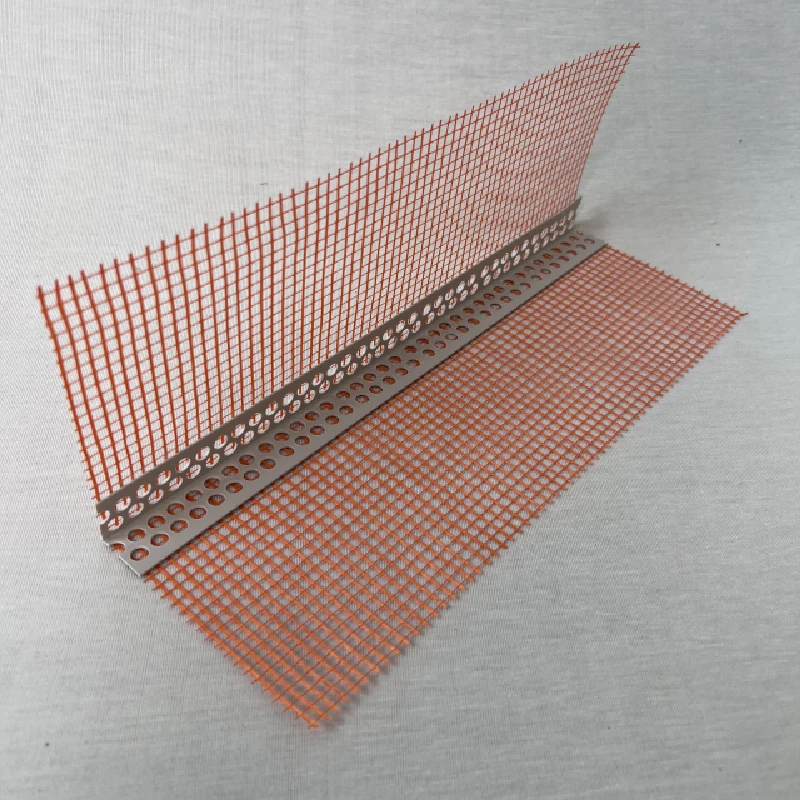
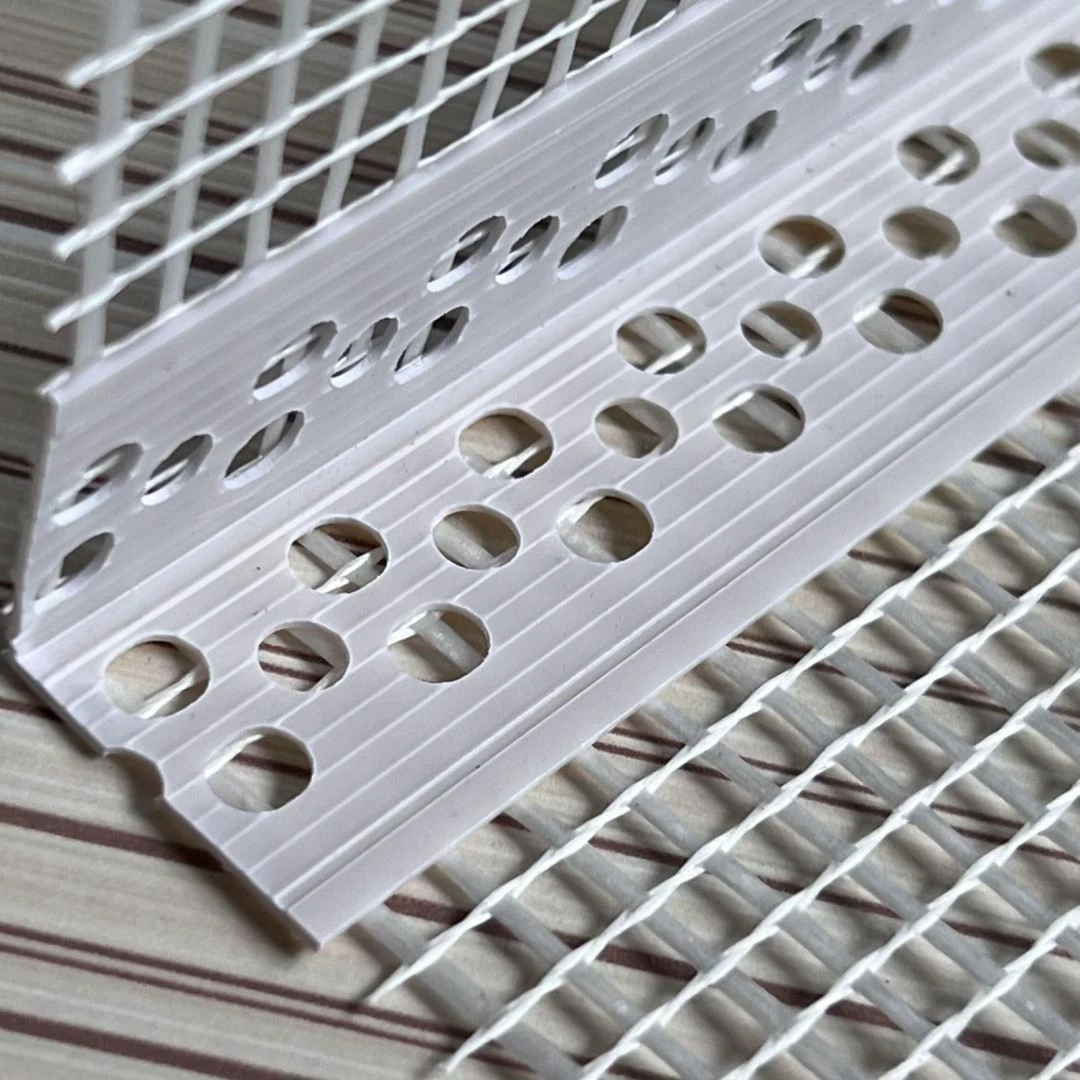
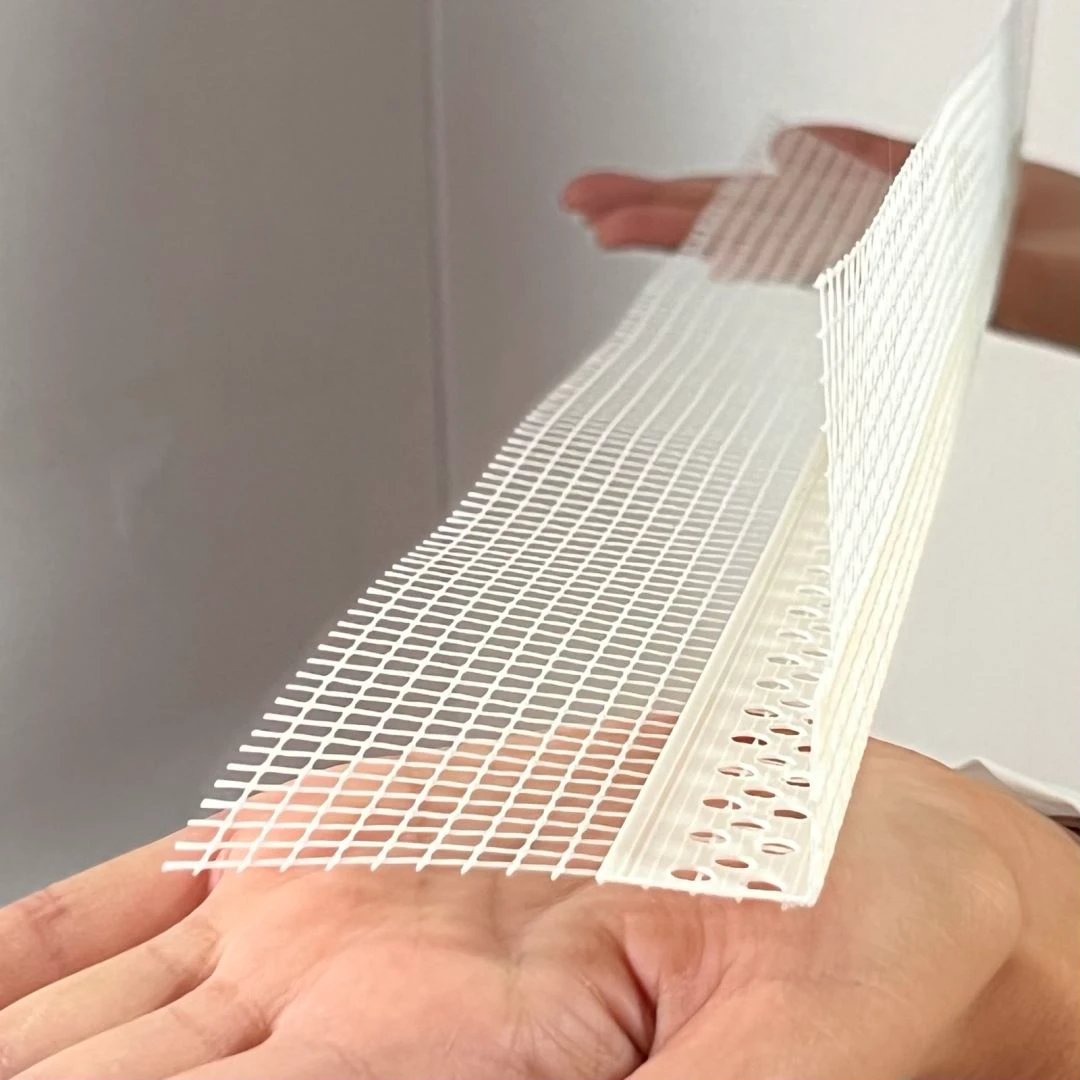
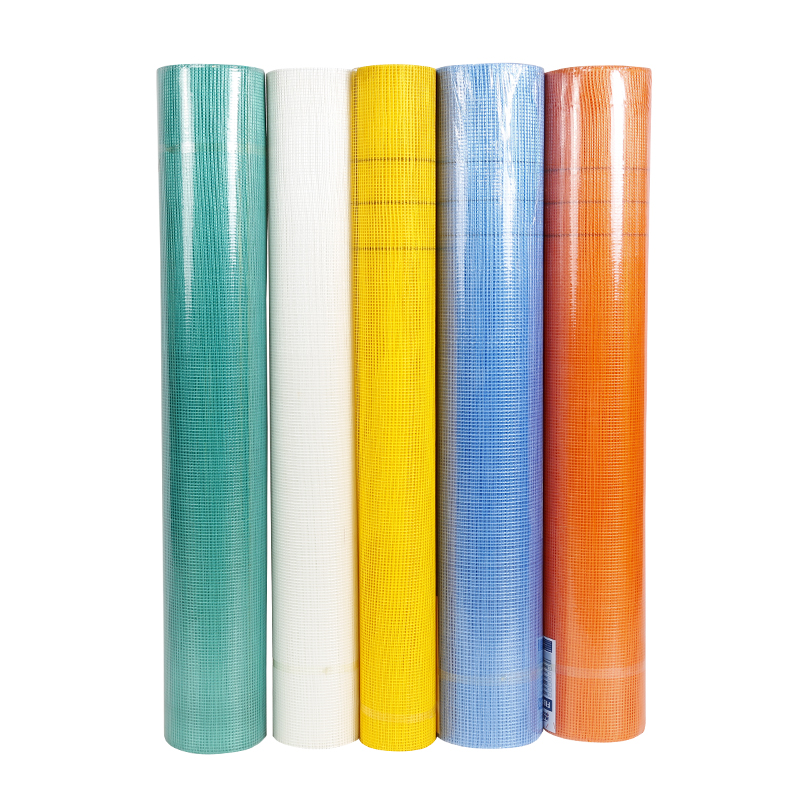
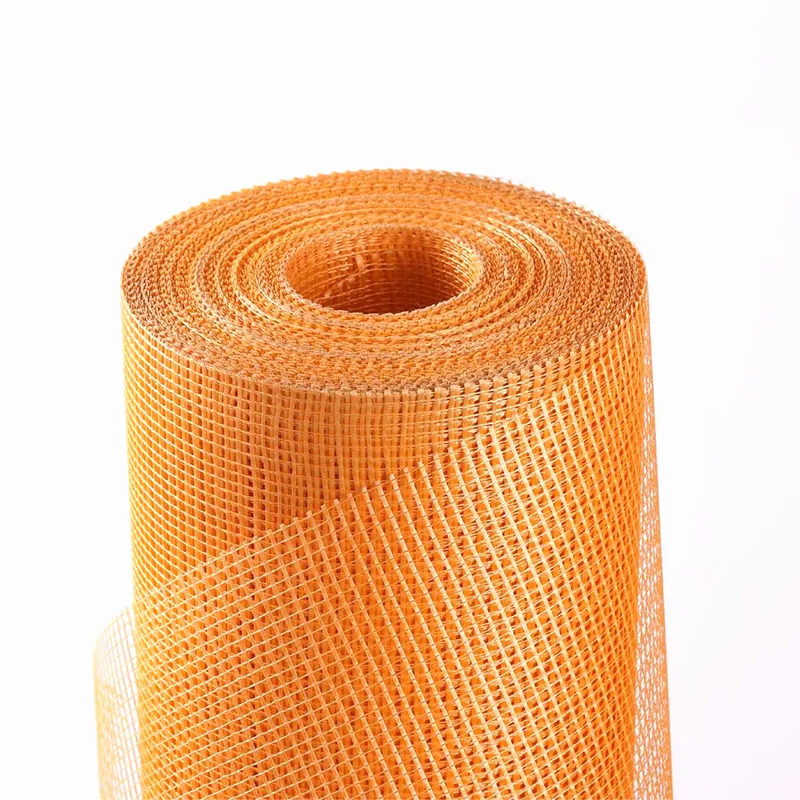
If you’re trying to buy adhesive fiberglass mesh, you’ve probably noticed two worlds: “marketing gloss” and jobsite reality. I’ve spent enough time on sites and in labs to say this: the right mesh saves callbacks, the wrong one dissolves in alkali like sugar in tea. The product below—Factory price alkali resistant fiberglass mesh fiberglass plaster netting—comes from Xiaomen Village, Yilunbao Township, Renqiu City, Hebei Province, China. That region quietly supplies a lot of the mesh used across ETICS, plastering, and drywall markets.
What It Is (and why alkali resistance matters)
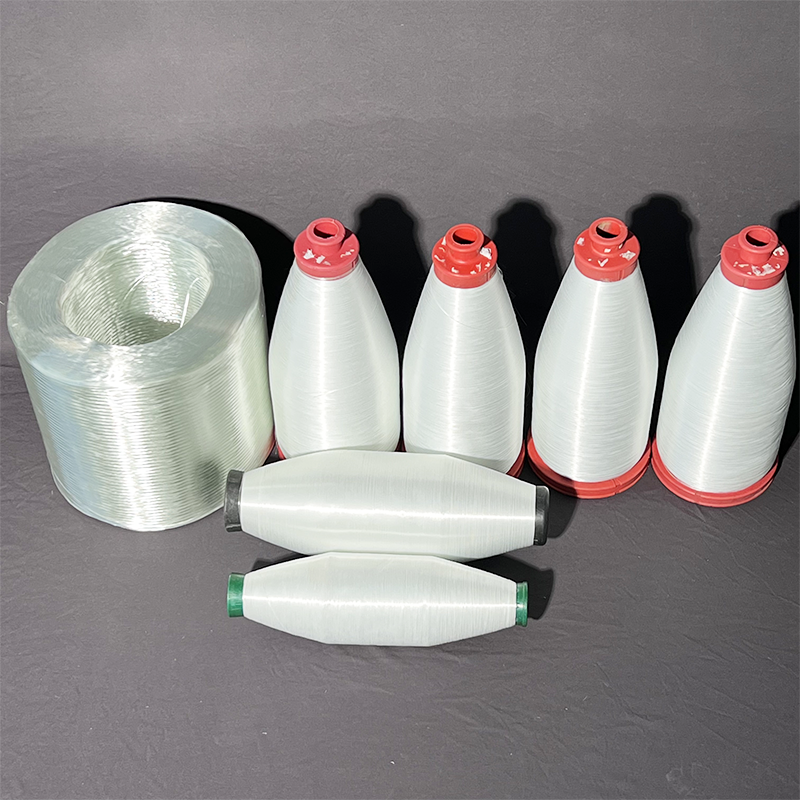
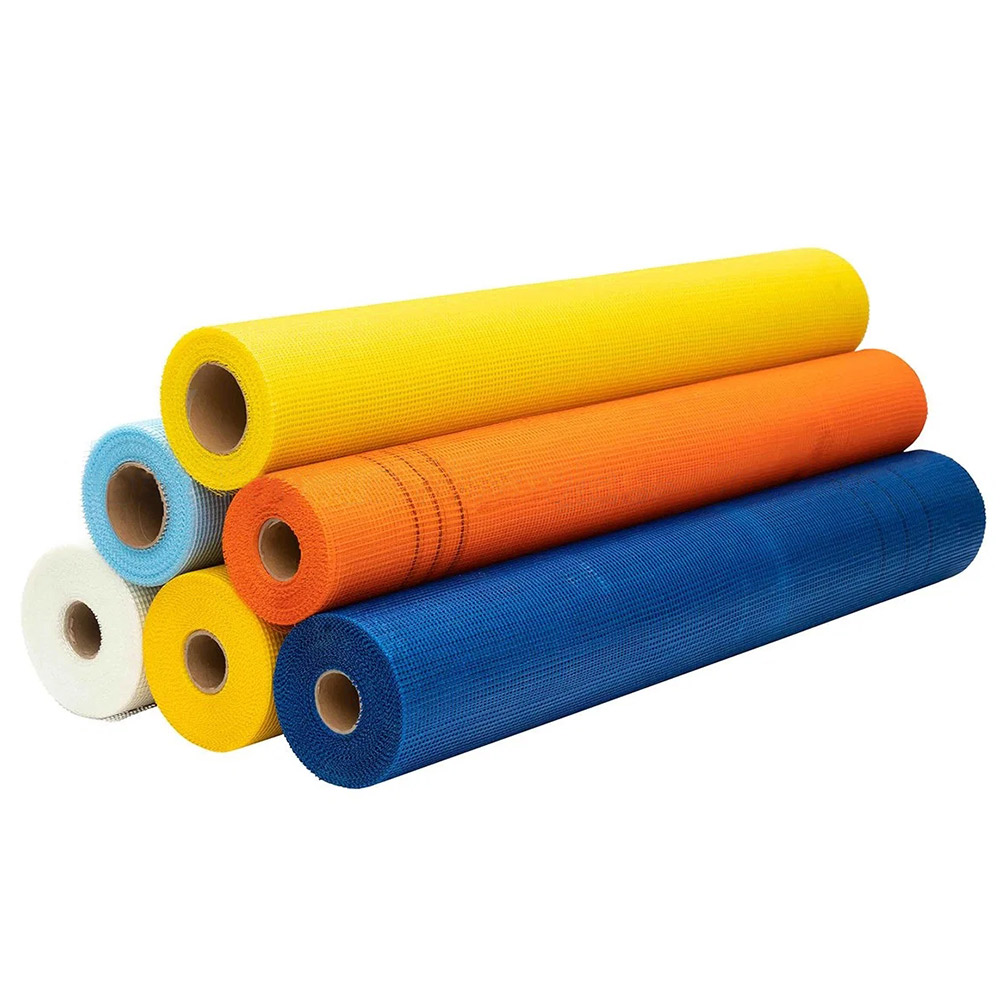
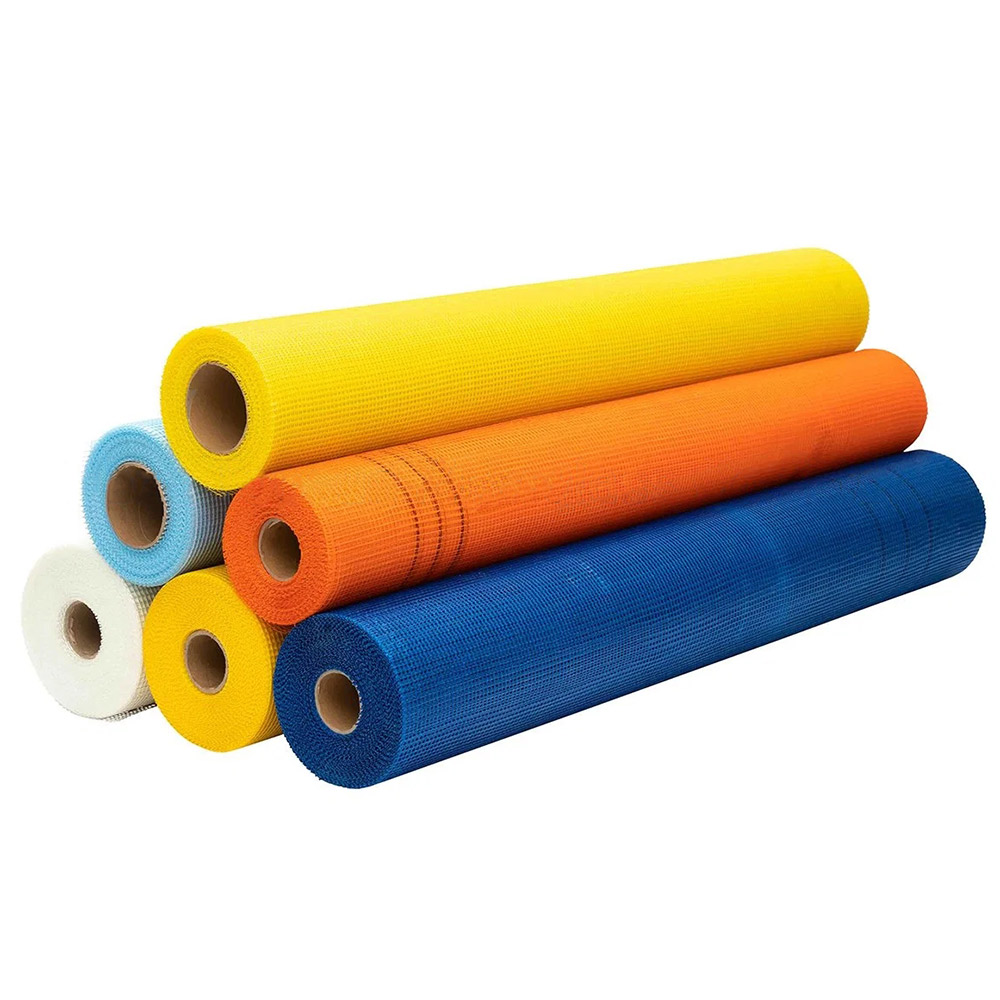
This mesh is woven from C- or E-glass yarn and then coated with an antialkali resin and a reinforcing agent, heat-set at high temperature. In cementitious environments (base coats, renders), high pH attacks unprotected glass. The coating slows that reaction so tensile strength stays where it should—especially after immersion tests. Many contractors tell me this is the make-or-break detail.
Typical Process Flow
- Materials: E-glass/C-glass yarn (silicate-based); antialkali acrylic resin; reinforcing additives.
- Methods: Plain weave → resin coating (metered) → heat setting → precision slitting → roll winding.
- Testing: Tensile (ASTM D5035 or EN 13496), alkali retention (EAD 040083/ETAG 004 guidance), dimensional stability, mass per unit area, visual defects.
- Service life: around 25–30 years in ETICS when installed per spec; real-world use may vary.
- Main industries: ETICS/EIFS, plastering, stucco crack control, gypsum board joints (self-adhesive tape variant), mosaic/stone backing, waterproofing layers.
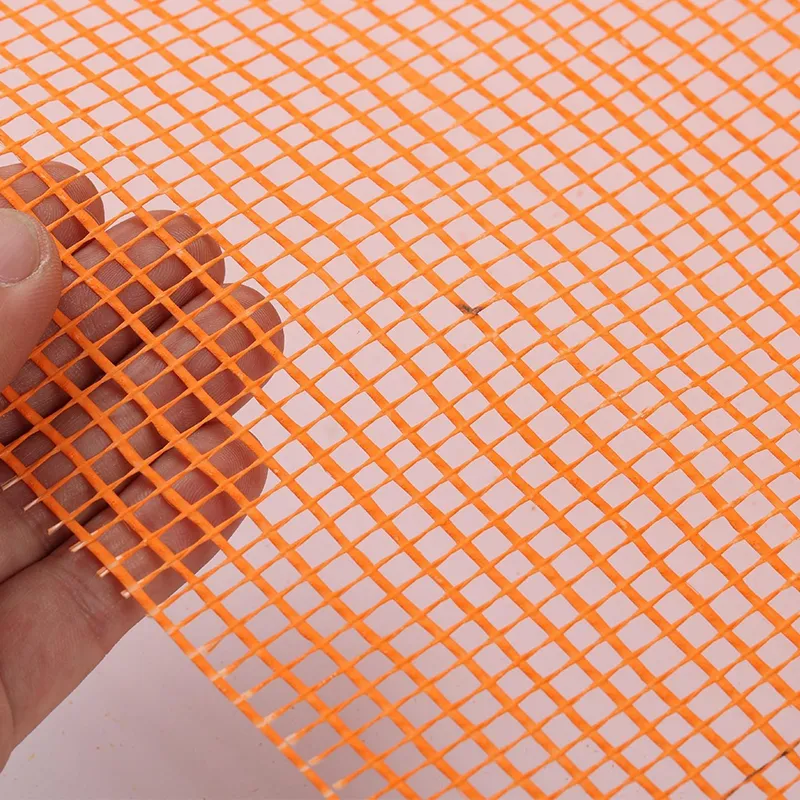
Product Specifications (field-friendly snapshot)
| Parameter | Typical Value (≈) |
|---|---|
| Base cloth | C- or E-glass fiberglass fabric |
| Coating | Antialkali acrylic + reinforcing agent; heat-finished |
| Mass per area | 125 / 145 / 160 g/m² options |
| Mesh size | 5×5 mm or 4×4 mm |
| Tensile strength | Warp ≥ 1700–2000 N/50 mm; Weft ≥ 1500–1800 N/50 mm (EN 13496) |
| Alkali retention | ≥ 50% after 28 days NaOH immersion (ETICS guidance) |
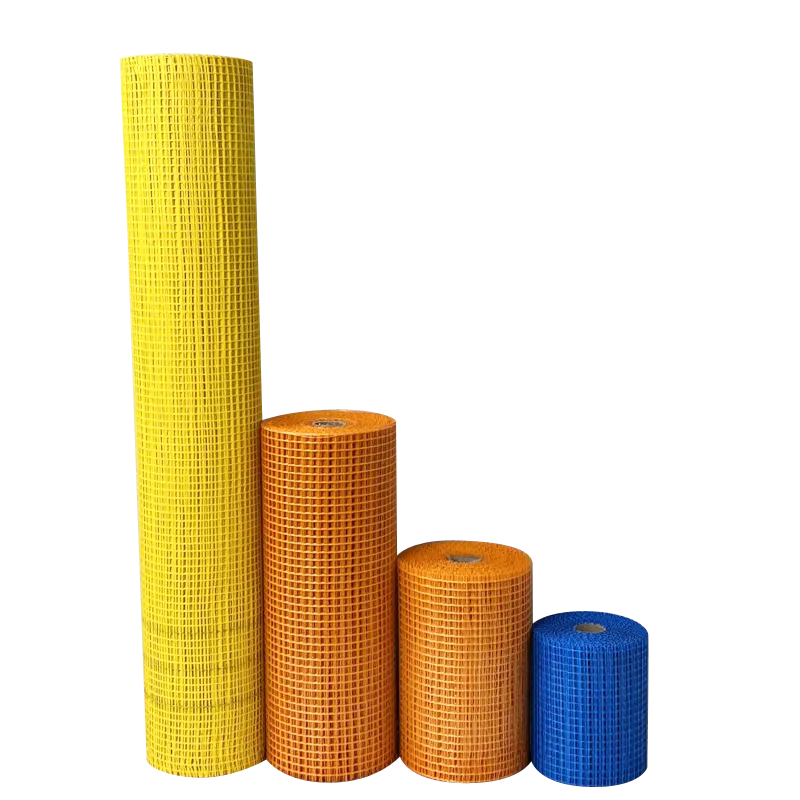
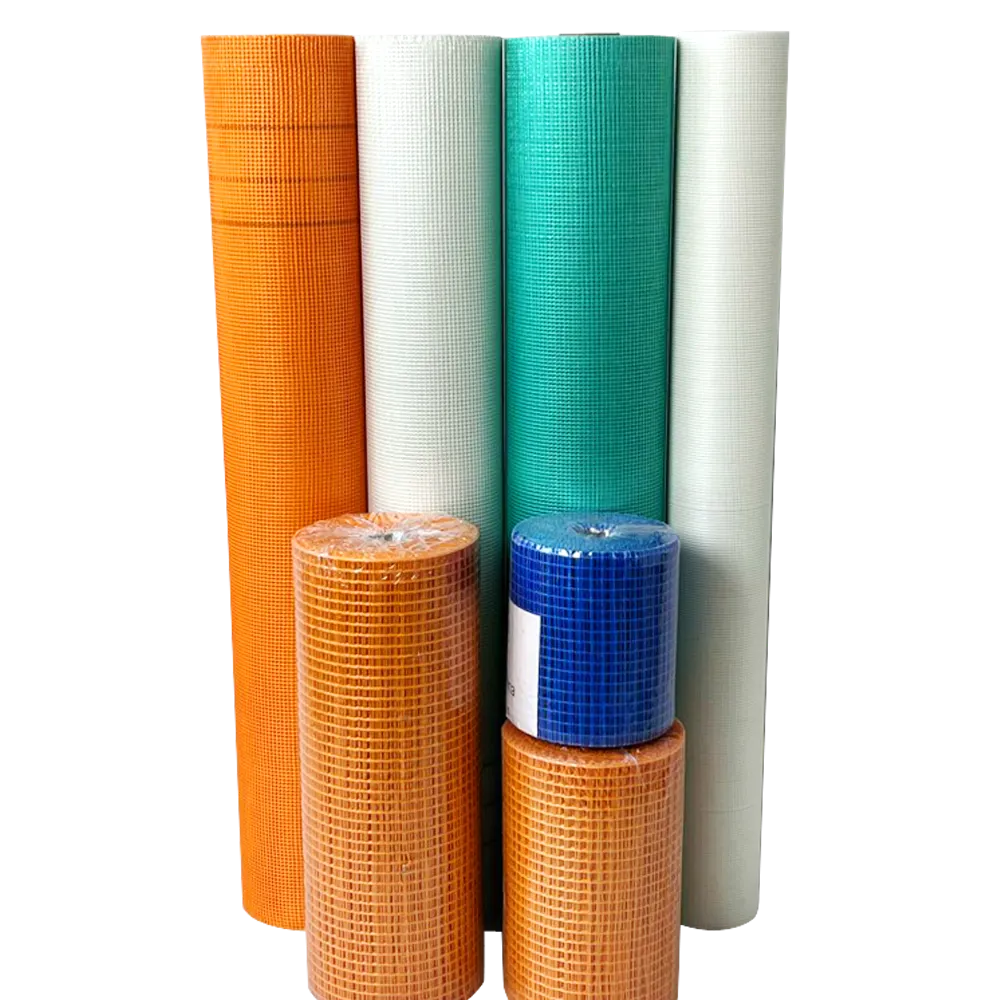
| Roll size | Width 1.0 m; 50 m/roll (others on request) |
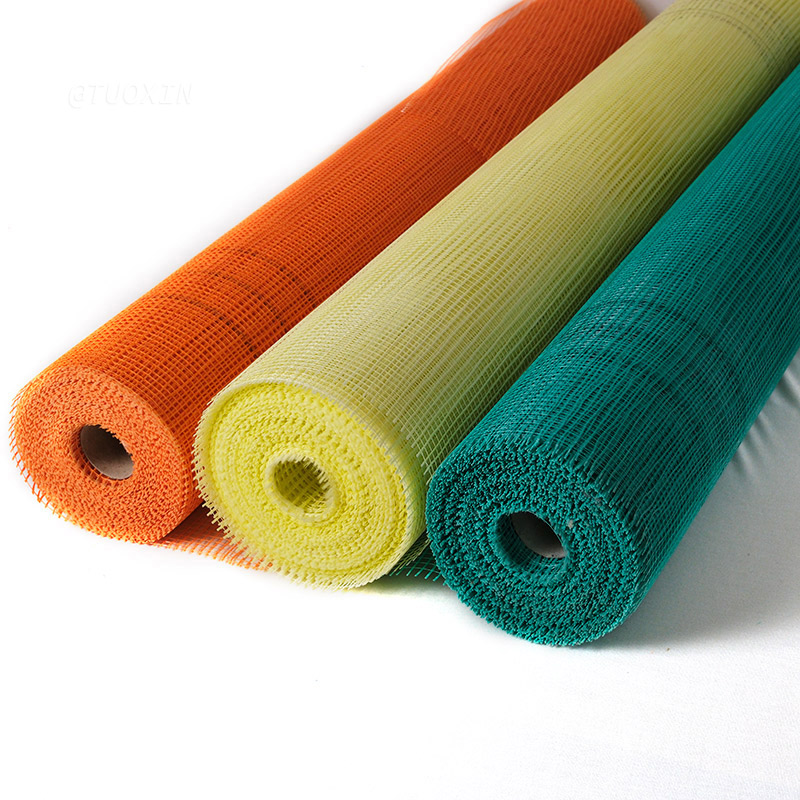
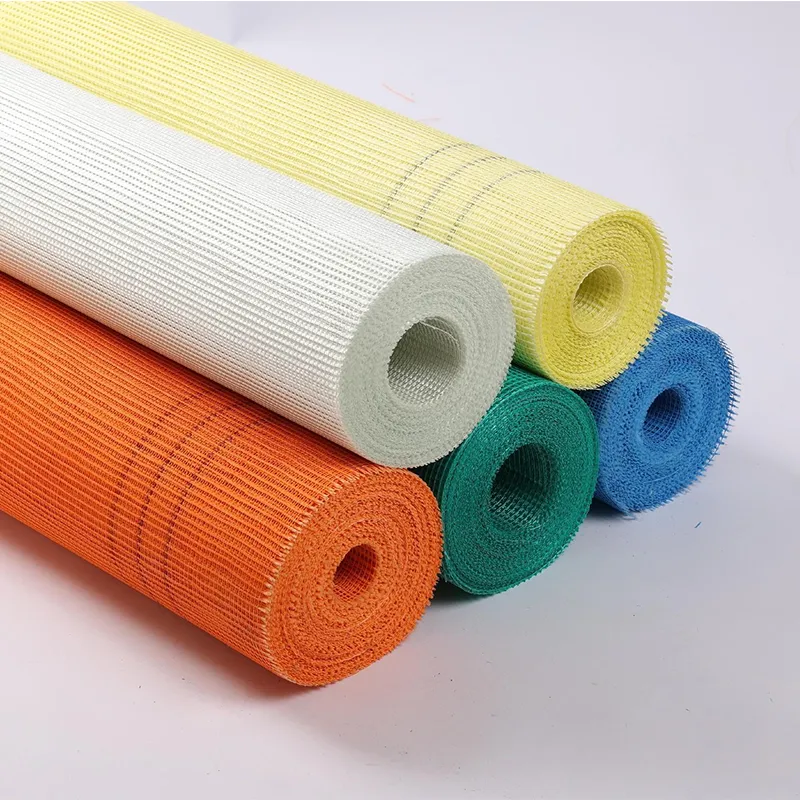
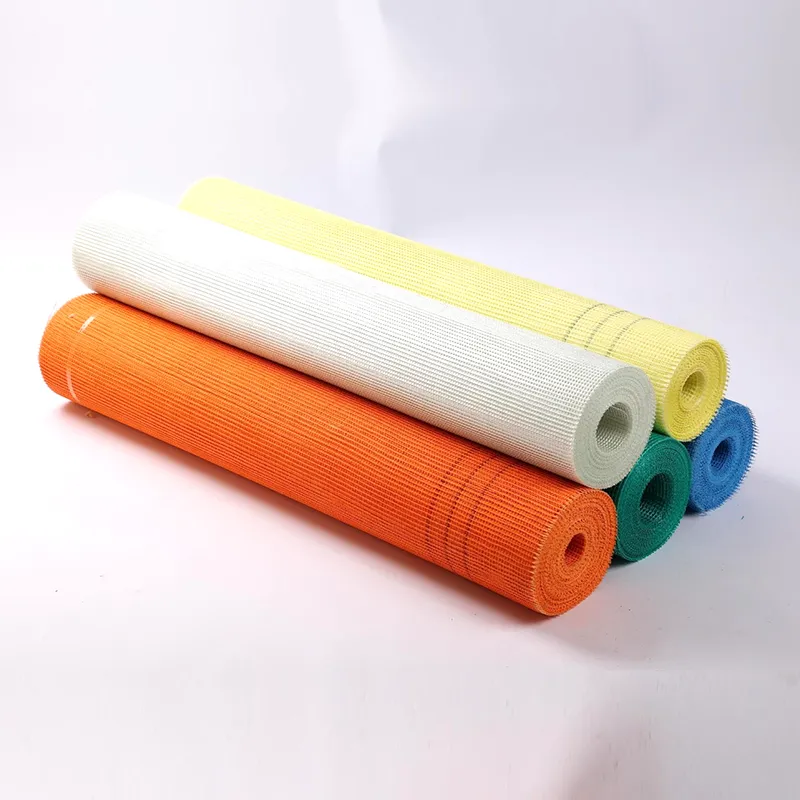
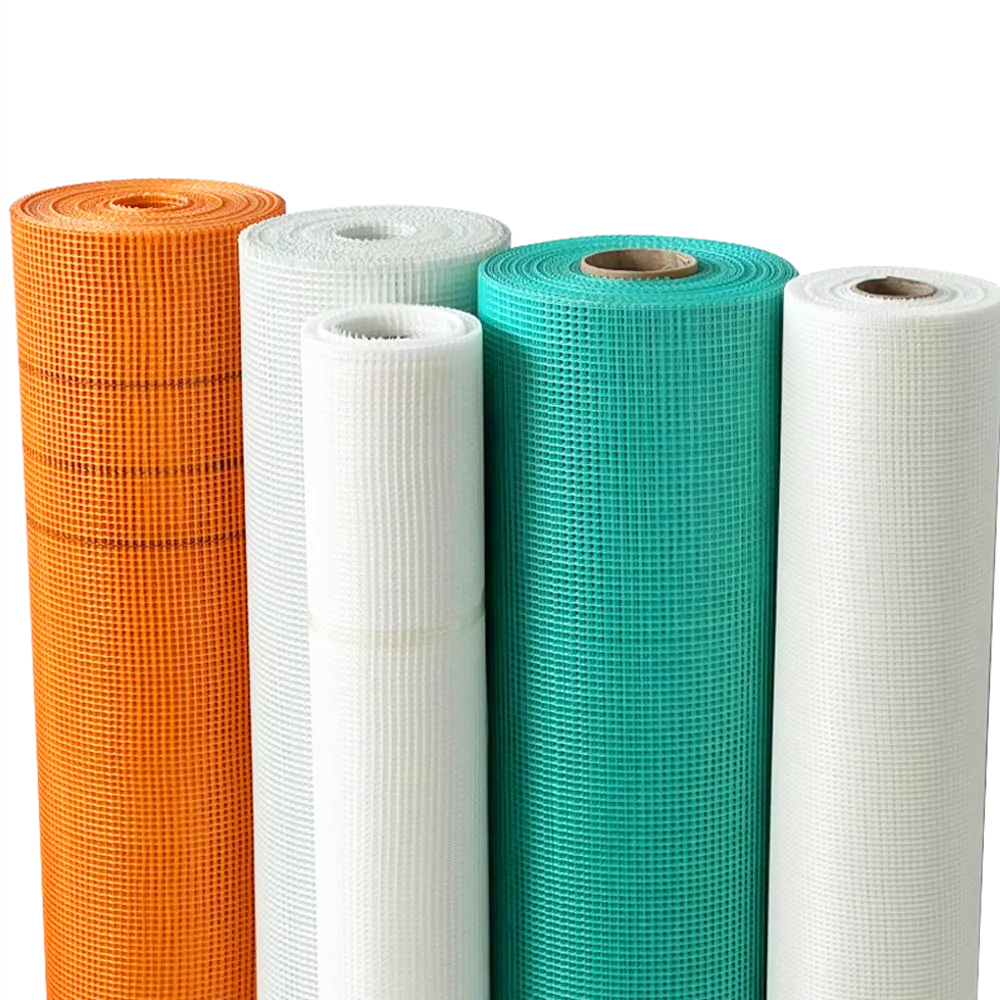
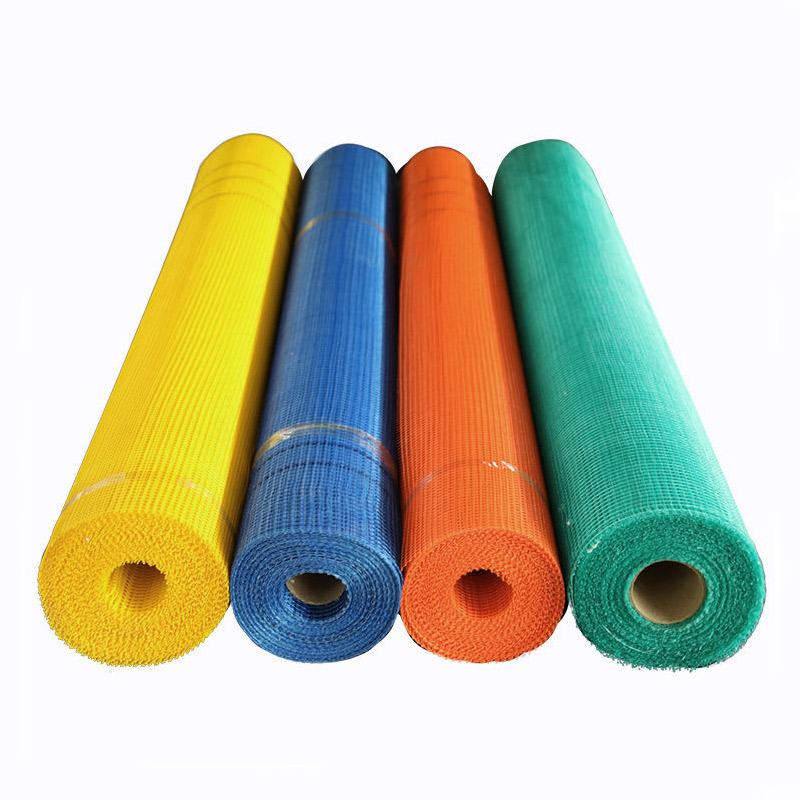
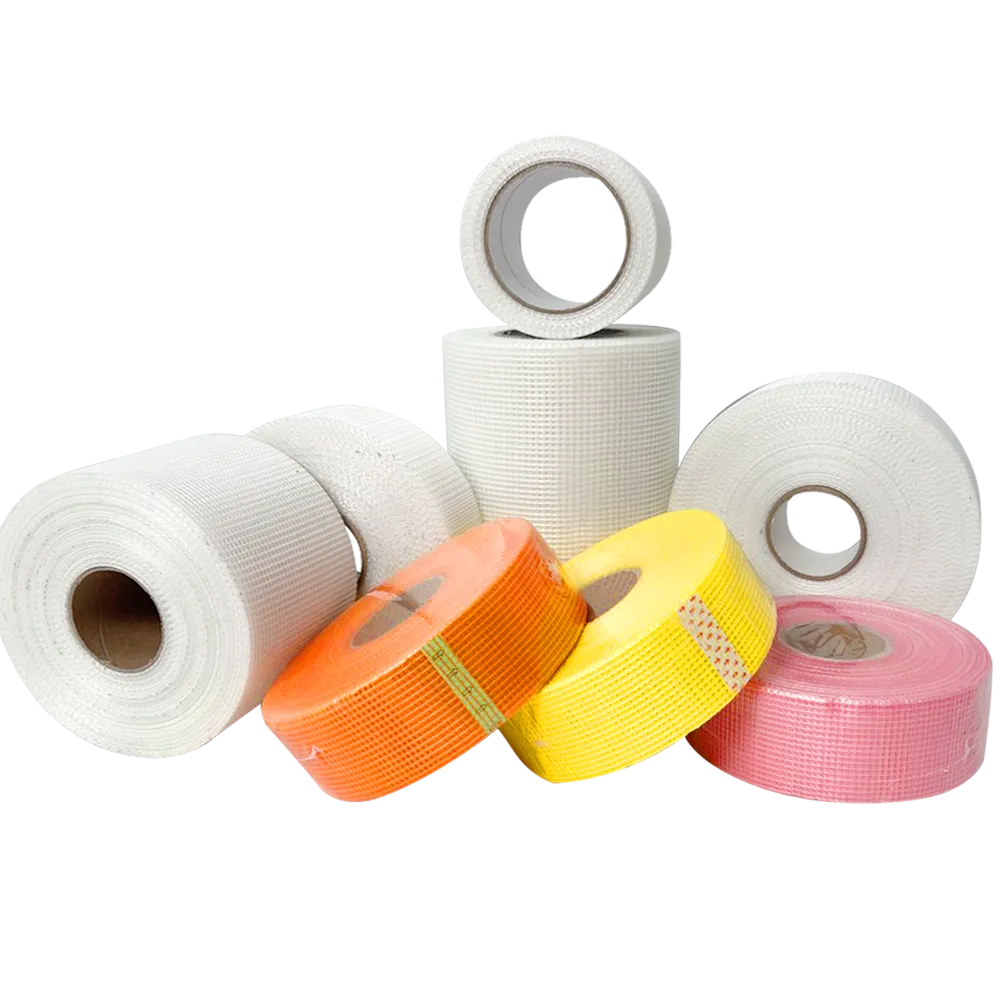
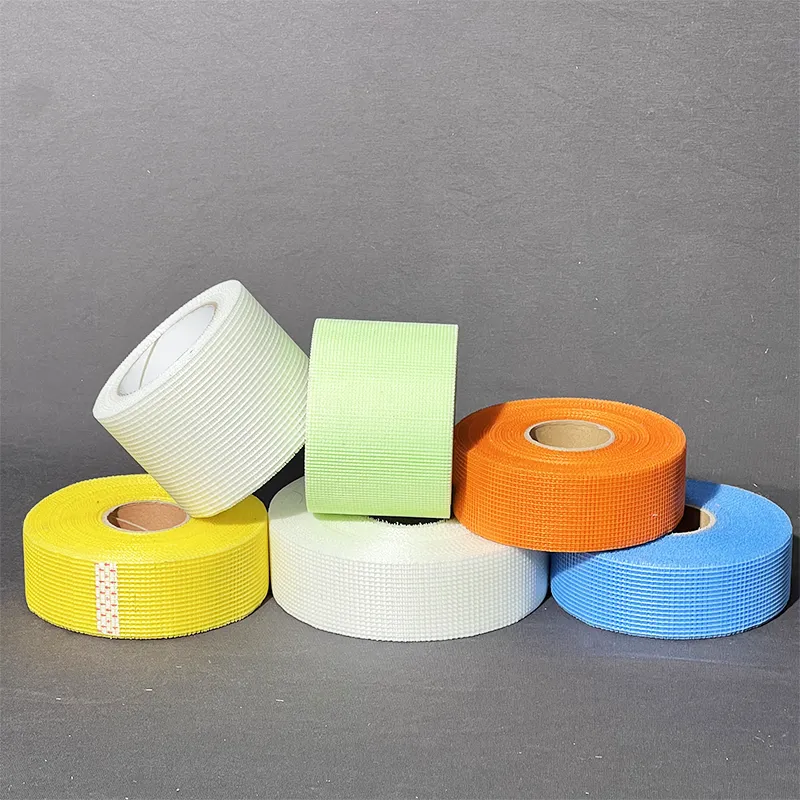
| Colors | White, blue, orange; custom logos available |
| Certs/Conformity | ISO 9001; tested to EN 13496; used in systems meeting EAD 040083 |
| Origin | Renqiu, Hebei, China |
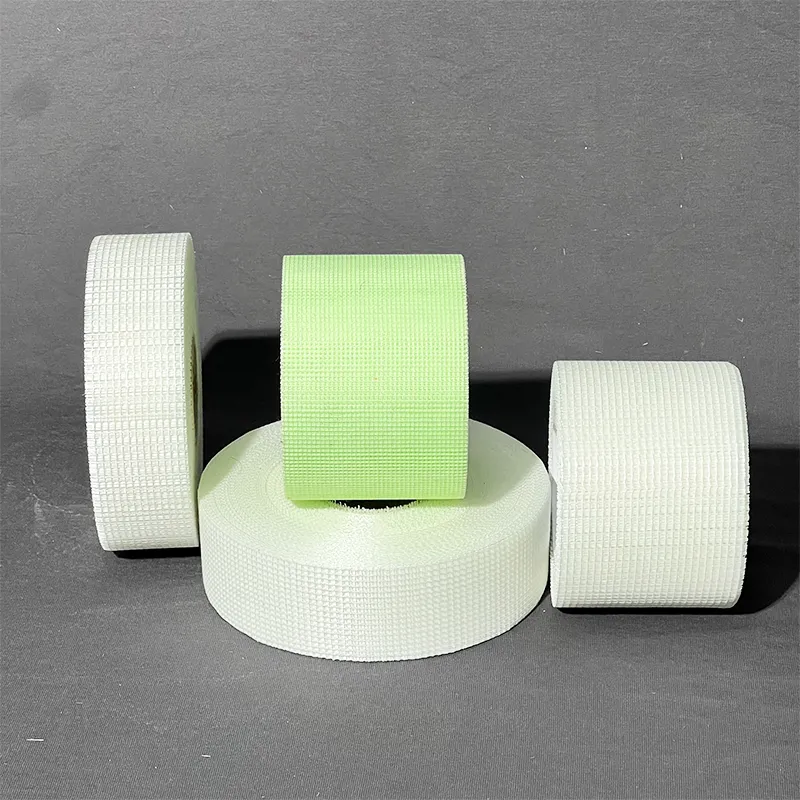
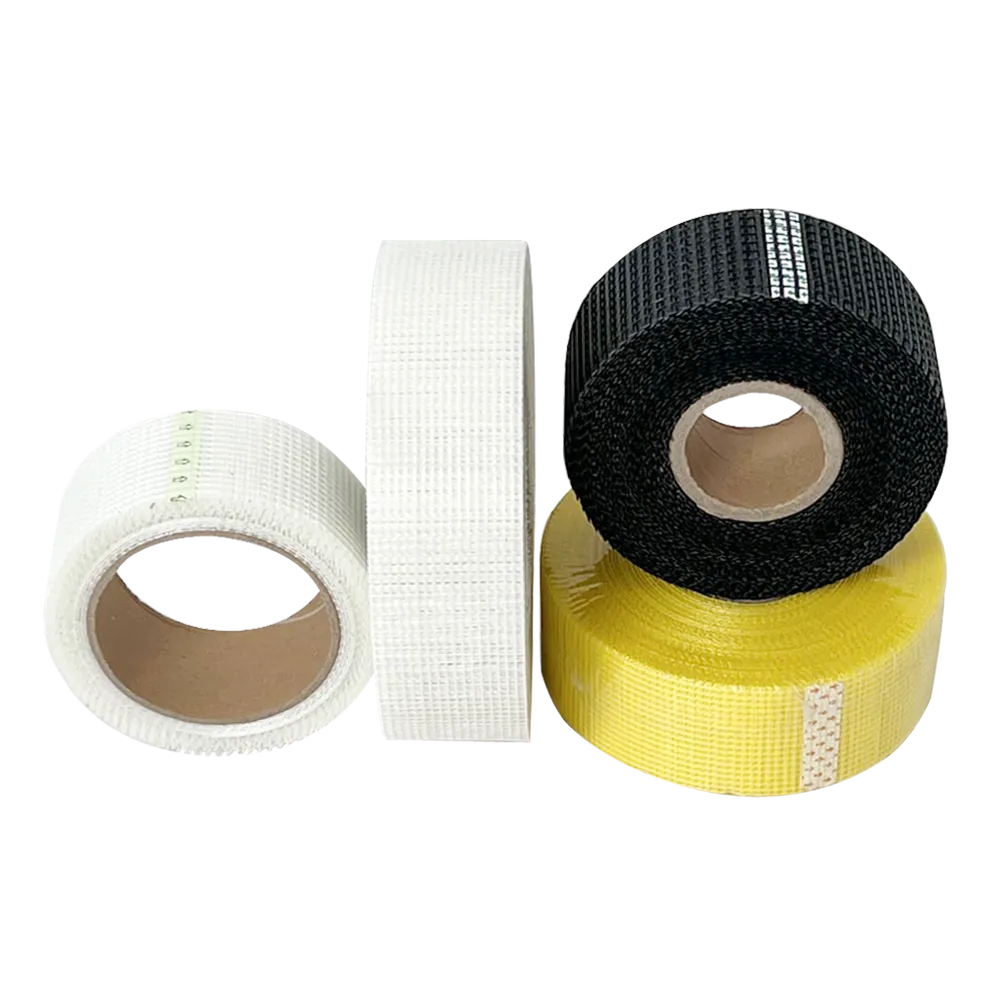
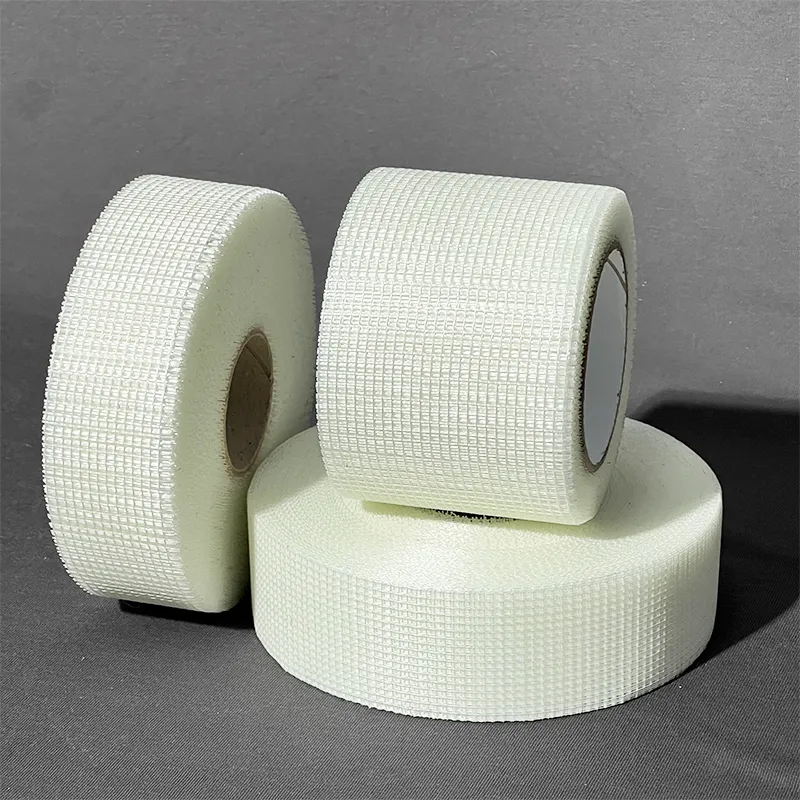
Note: for joint taping, a self-adhesive variant exists; for renders/ETICS, the standard coated mesh is embedded in wet base coat (non-adhesive). I know, naming can be confusing.
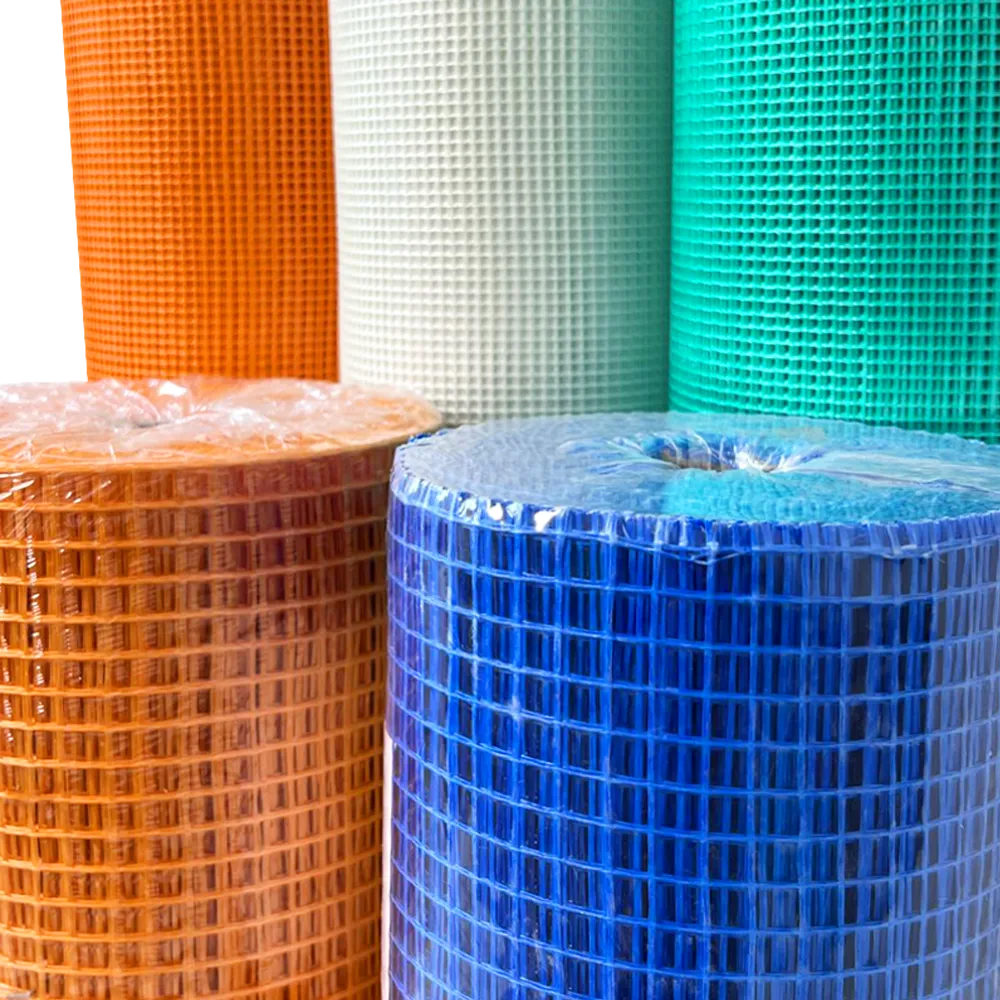
Where It’s Used (and why crews like it)
- ETICS/EIFS base coat reinforcement; corner stress control around openings.
- Plaster crack resistance over masonry or AAC blocks.
- Drywall joints with self-adhesive tape version—fast, no bubbles.
- Mosaic/stone backing and waterproofing layers over cement boards.
Field feedback: “butter-smooth laydown,” “doesn’t fuzz up when troweled,” and—my favorite—“no spaghetti edges.” Simple stuff that saves time.
Vendor Snapshot (what you actually compare)
| Vendor | GSM Range | Tensile (warp/weft) | Lead Time | Notes |
|---|---|---|---|---|
| Tainuo (Hebei) | 125–200 g/m² | ≈ 1800–2200 / 1600–2000 N/50 mm | 10–15 days typical | ISO 9001, custom colors, logo print |
| EU Supplier A | 145–160 g/m² | ≈ 2000 / 1800 N/50 mm | Stock in-region | Premium price; local warranty |
| Local Importer B | 120–145 g/m² | ≈ 1500 / 1300 N/50 mm | Immediate (limited specs) | Watch alkali-retention data |
Real Projects, Briefly
Residential ETICS, Warsaw: 160 g/m² mesh, weft laps 100 mm; pull-through cracks reduced to zero versus prior season (contractor’s claim). Lab check showed alkali retention ~55% at 28 days.
Hotel refurbishment, Doha: 145 g/m² under polymer-modified plaster; crew liked the “grab” in wet coat—less drift. To be honest, the orange color made QA easier too.
Customization and Buying Tips
- Ask for EN 13496 tensile reports and 28-day alkali soak results.
- For joint tape, request the self-adhesive backing; for renders, the standard coated mesh is correct.
- Confirm GSM and mesh size by roll sampling on arrival—simple scale + ruler.
Ready to move? If you need to buy adhesive fiberglass mesh in tape form or buy adhesive fiberglass mesh alternatives for ETICS, clarify the application first—saves headaches and returns.
Citations
- EAD 040083-00-0404 (formerly ETAG 004) – External Thermal Insulation Composite Systems.
- EN 13496 – Thermal insulation products for ETICS — Determination of mechanical properties of the mesh.
- ASTM D5035 – Standard Test Method for Breaking Force and Elongation of Textile Fabrics (Strip Method).
- ISO 4892-2 – Plastics — Methods of exposure to laboratory light sources — Xenon-arc (for coating durability studies).
-
Best Fiberglass Mesh Tape for RedGard Product Waterproofing GuideNewsApr.16,2026
-
Why High Strength Fiberglass Mesh Is Essential For Stucco ApplicationNewsApr.15,2026
-
Why Alkali Resistant Fiberglass Mesh Tape Is Essential For Cement Board And Tile InstallationsNewsApr.15,2026
-
Understanding The Role Of Drywall Fiberglass Mesh In Interior FinishingNewsApr.15,2026
-
Ultimate Guide To Using Fiberglass Mesh Tape For Drywall And Plaster RepairsNewsApr.15,2026
-
The Versatility Of Fiberglass Mesh In Marble And Stone MosaicNewsApr.15,2026