Oct . 10, 2025 09:20 Back to list
Buy adhesive fiberglass mesh—need high-strength, self-stick?
Thinking of upgrading your drywall workflow? Start here.
If you plan to buy adhesive fiberglass mesh, you’re probably juggling timelines, dust, and a fair number of elbows-on-the-table debates about what tape to spec. I’ve been around job sites where a roll of mesh basically saved a schedule after a surprise crack line. The quick version: fiberglass mesh tape—especially the self-adhesive kind—has become a quiet industry standard for fast, strong joint reinforcement.
What sets this product apart
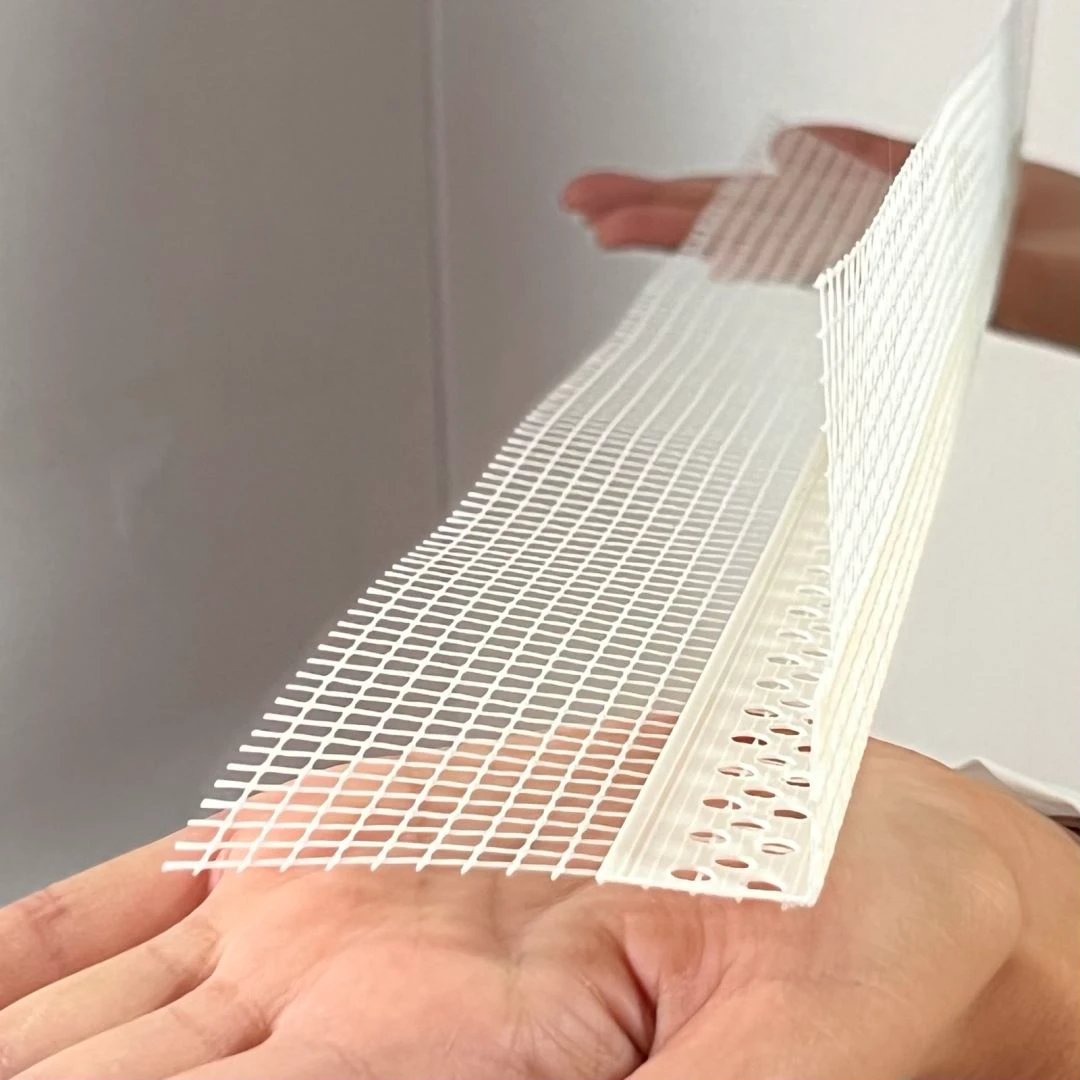
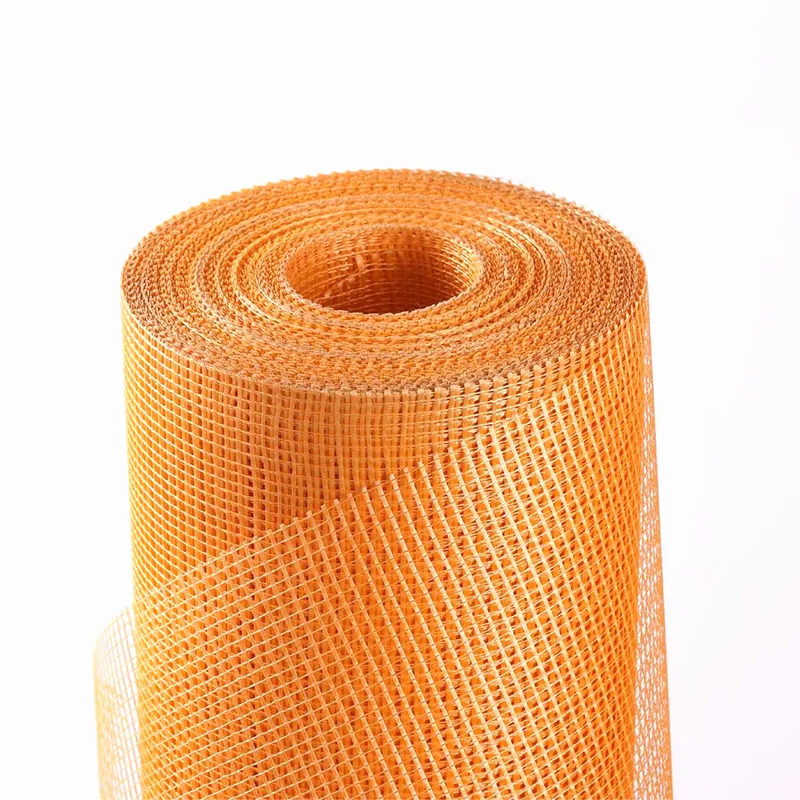
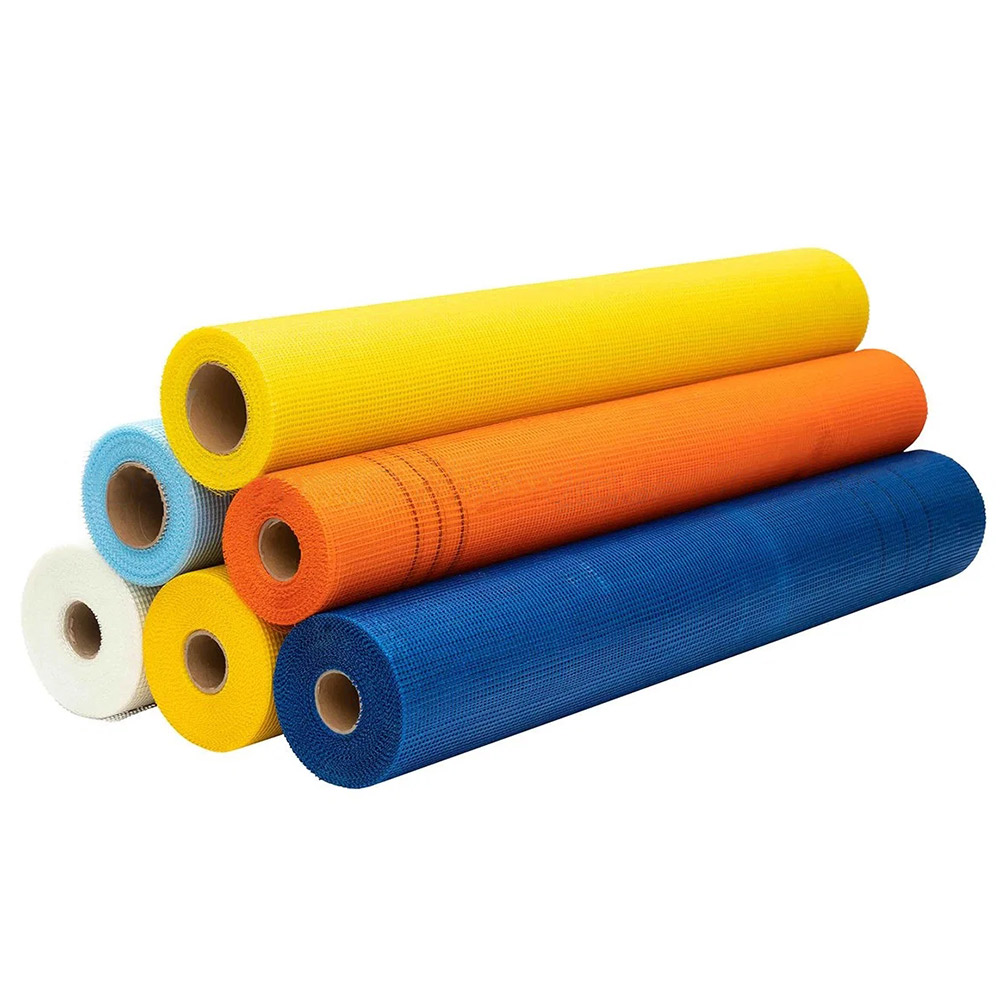
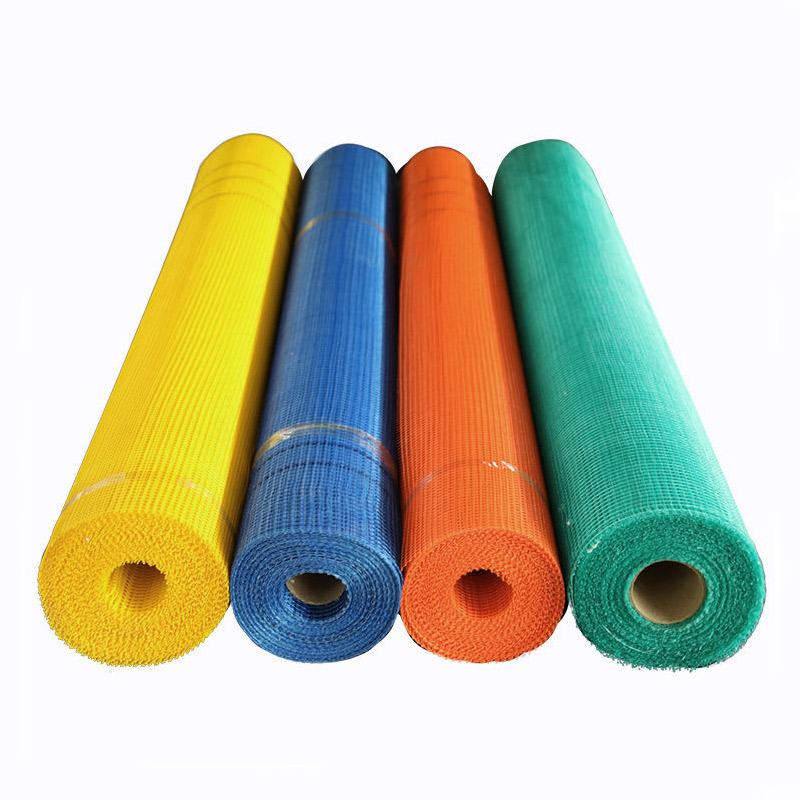
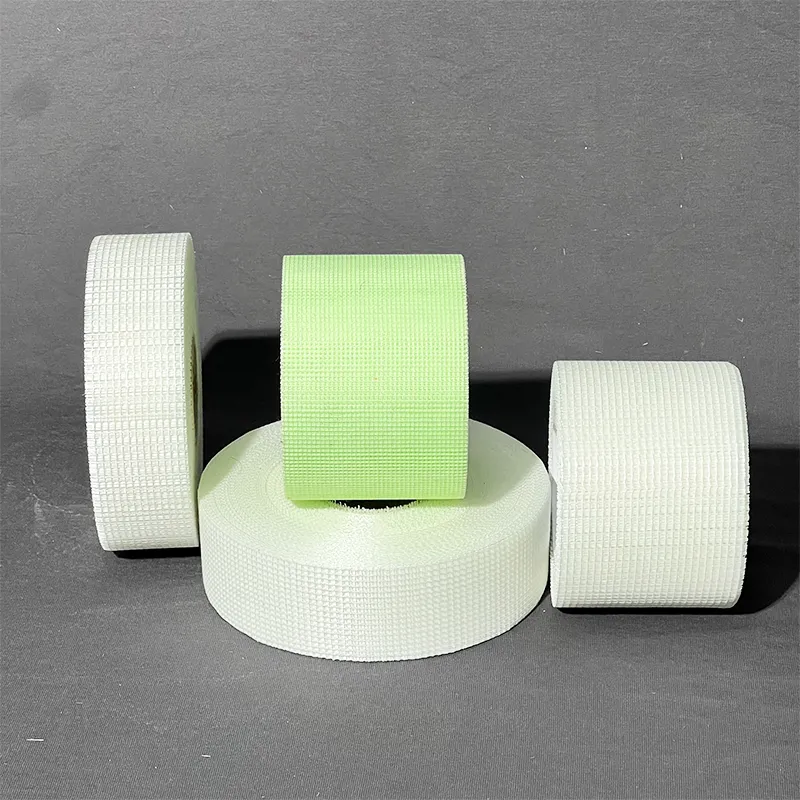
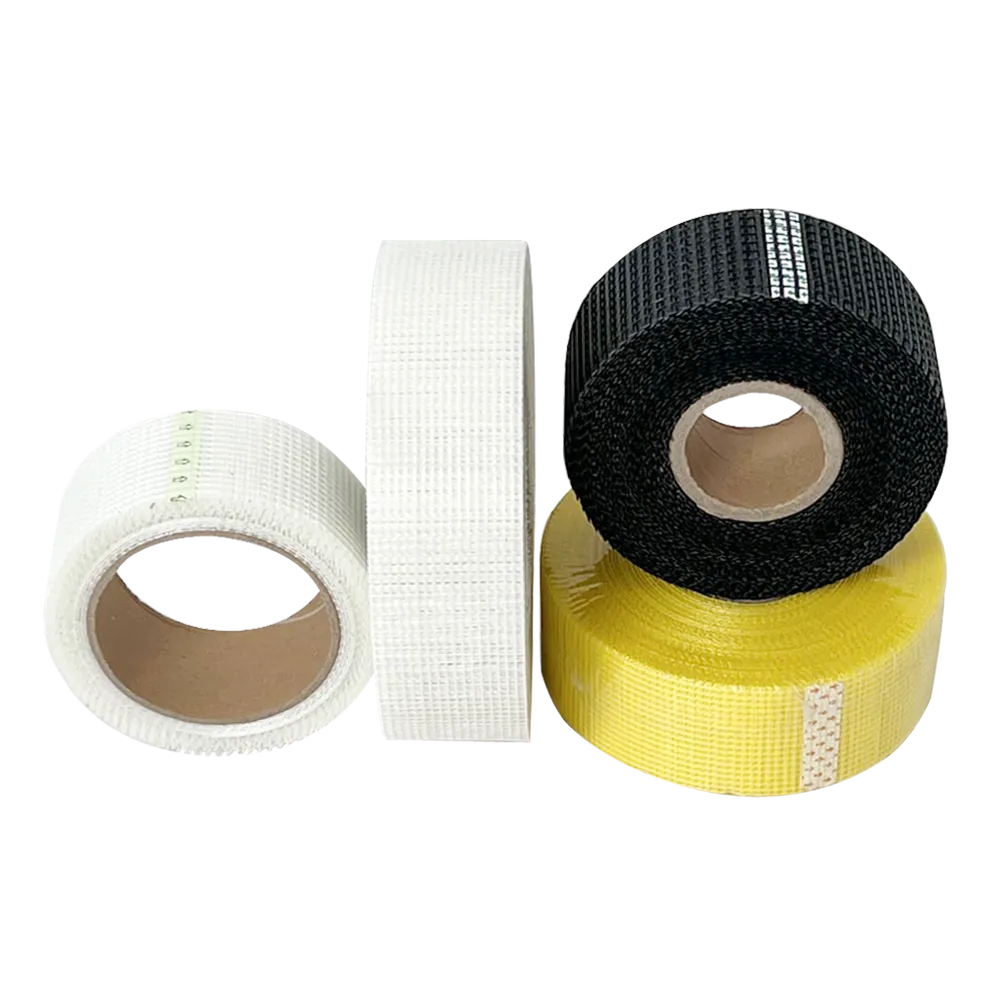
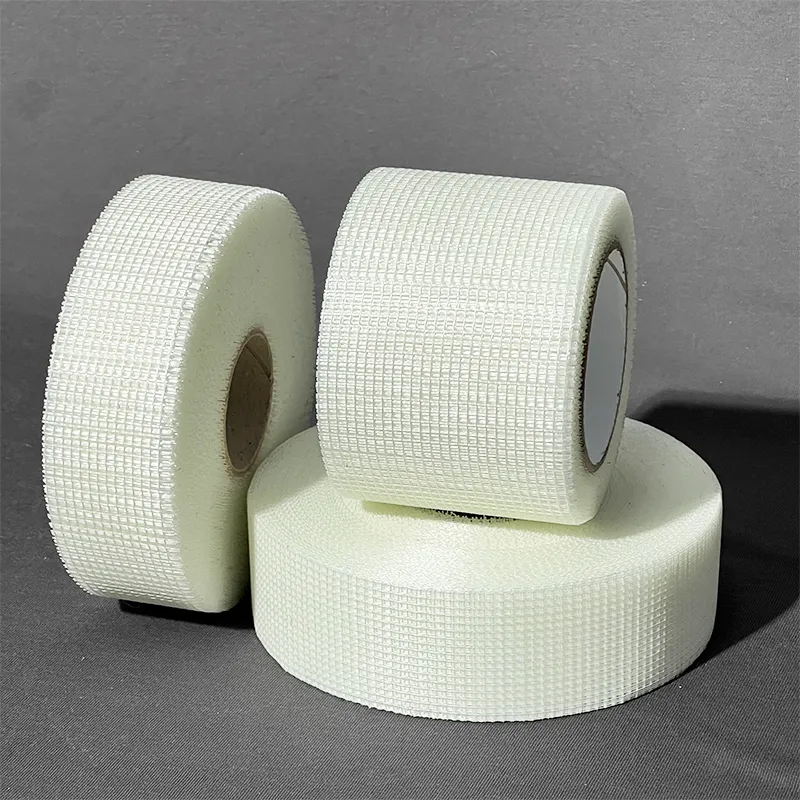
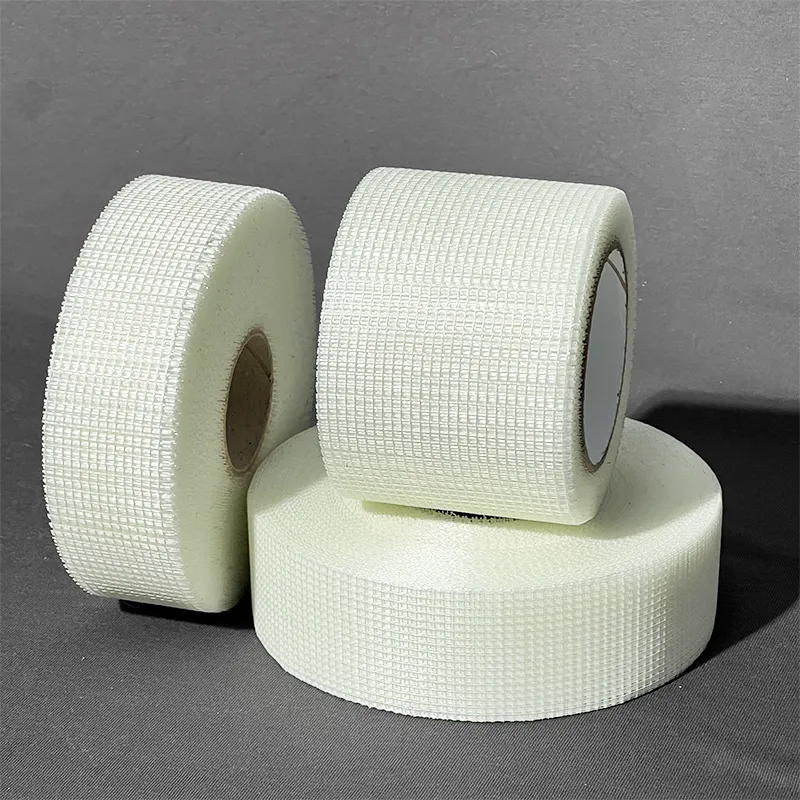
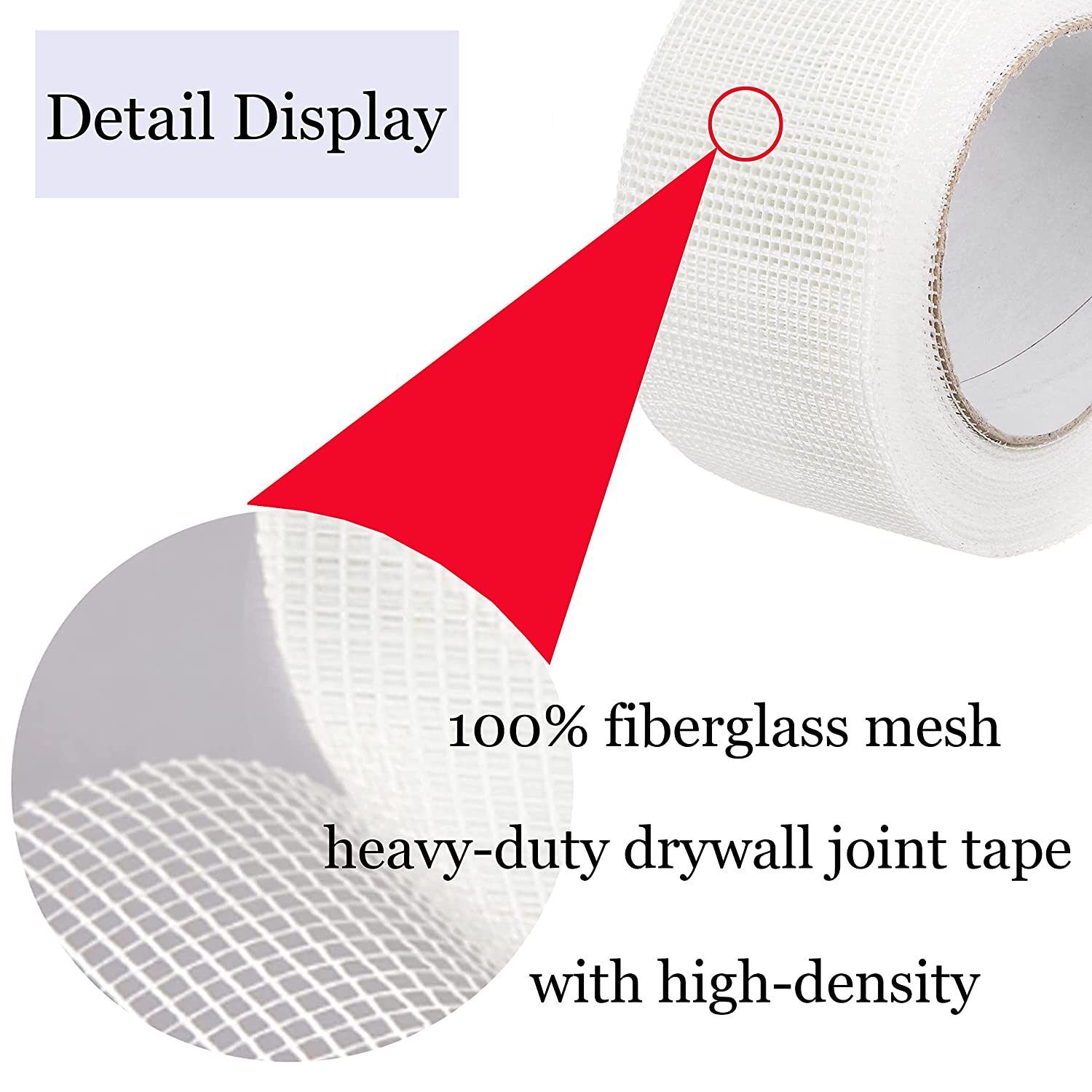
Product: High quality drywall cracks self adhesive fiberglass mesh joint tape. Origin: Xiaomen Village, Yilunbao Township, Renqiu City, Hebei Province, China—an area that’s been steadily building a reputation for stable fiberglass quality. The unique combo of E-glass mesh and pressure-sensitive acrylic adhesive means it sticks cleanly, saves a pass, and holds up under compound. Many contractors say the “no-bubble” start is the killer feature.
| Spec | Typical Value (≈) | Notes |
|---|---|---|
| Mesh size | 3 × 3 mm | Balanced embed + compound keying |
| Grammage | 60–75 g/m² | Project conditions may vary |
| Width × Length | 48/50/100 mm × 45/90 m | Common stock sizes |
| Adhesive | Acrylic PSA | Clean peel, low telegraphing |
| Tensile strength | ≥ 750 N/50 mm | ASTM D5035 reference |
| Alkali resistance | Pass | Per JG/T 158 method |
| Service life | ≈ 20–30 years (indoor) | Assumes standard conditions |
Process flow, testing, and real-world reliability
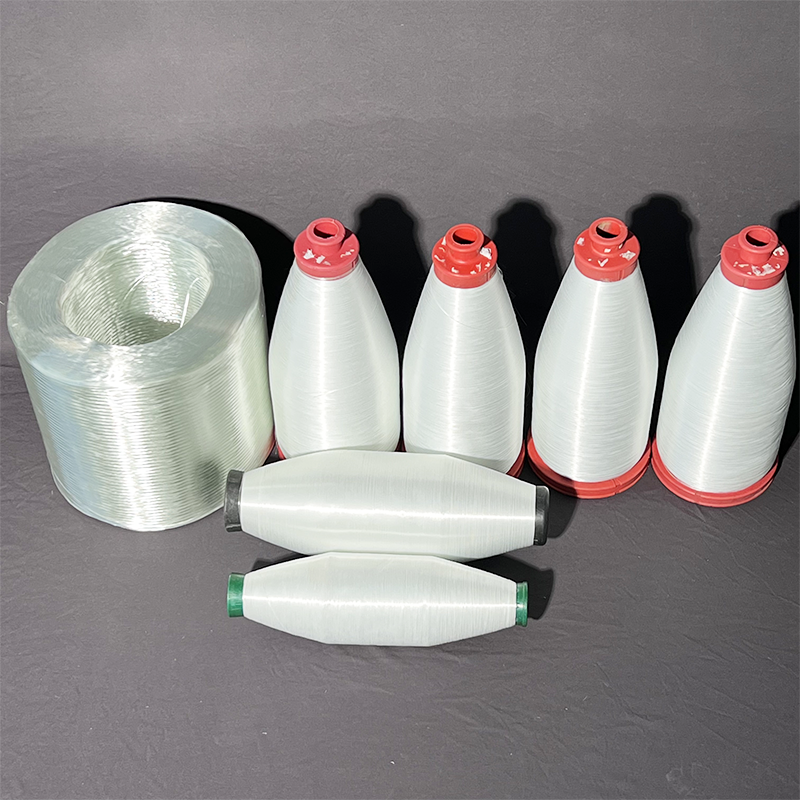
Materials: Alkali-resistant E-glass yarn → leno weaving → heat-setting → adhesive coating → slitting → roll winding. Methods: controlled coat weight for tack without bleed-through; even warp/weft tension so the tape stays flat. Testing: tensile per ASTM D5035; joint performance cross-check with ASTM C474; optional UV aging per ISO 4892-2. In fact, indoor drywall isn’t UV-heavy, but testing weeds out bad adhesive early.
Where it shines
- Drywall jointing and crack repair (residential and light commercial)
- Prefab modules needing fast close-up before shipping
- High-traffic corridors where hairline cracks love to reappear
Advantages: no pre-mudding, fewer bubbles, solid tensile across butt joints, and—surprisingly—better speed for small punch-list fixes. Many customers say once crews switch, they don’t go back.
Vendor snapshot (factory vs. middlemen)
| Vendor | MOQ | Lead Time | Certs | Customization | Price Trend |
|---|---|---|---|---|---|
| Factory (Renqiu, Hebei) | Low–medium | 7–15 days | ISO 9001, RoHS | Widths, cores, branding | Best per volume |
| Importer/Distributor | Medium | 2–4 weeks | Varies | Limited SKUs | Moderate |
| Marketplace Sellers | 1–2 cases | Stock-based | Unclear | Minimal | Highest per roll |
Customization and packaging
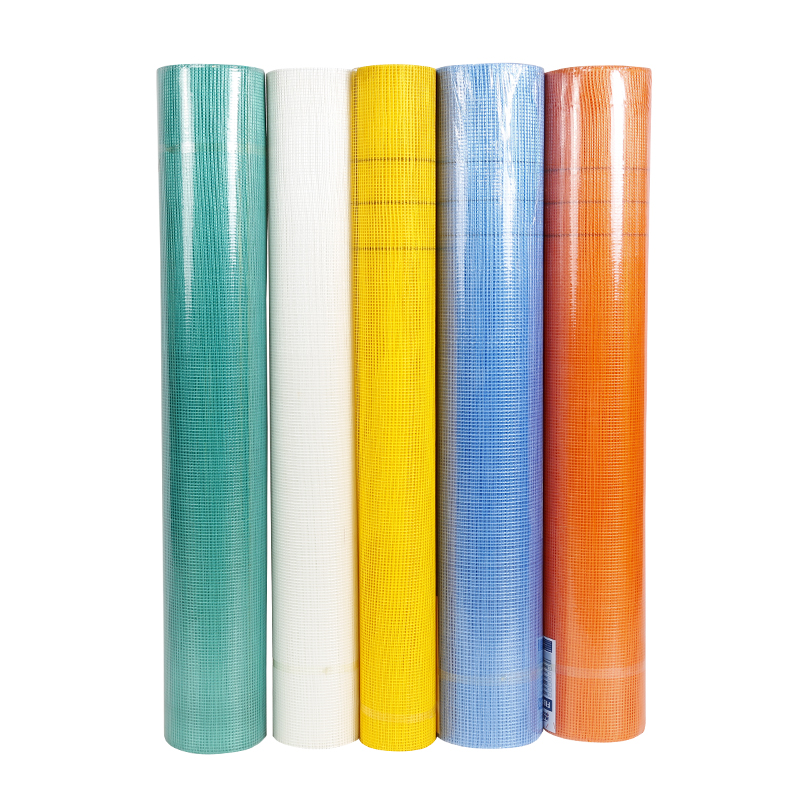
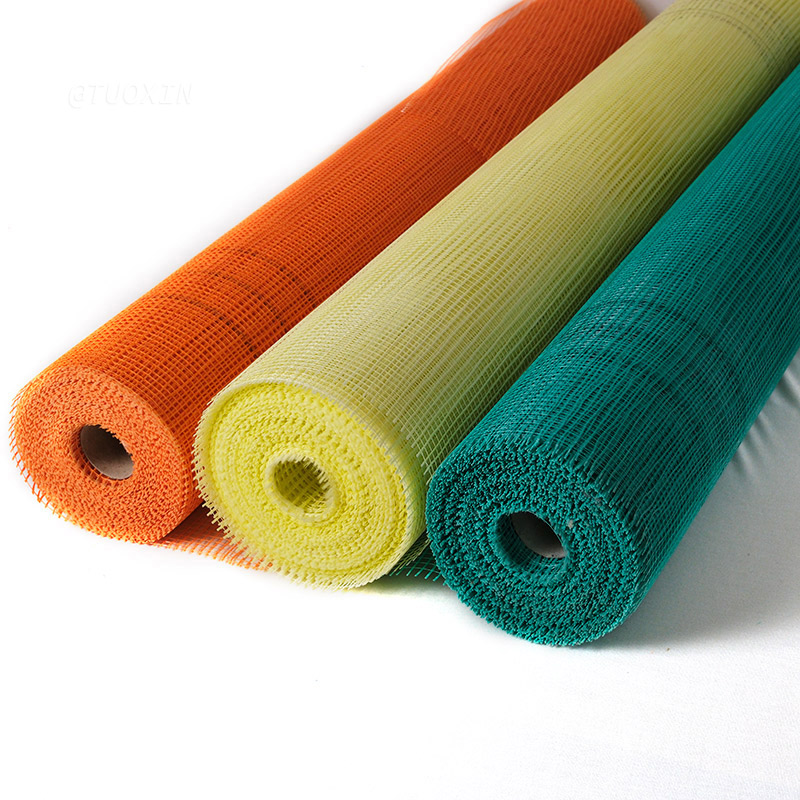
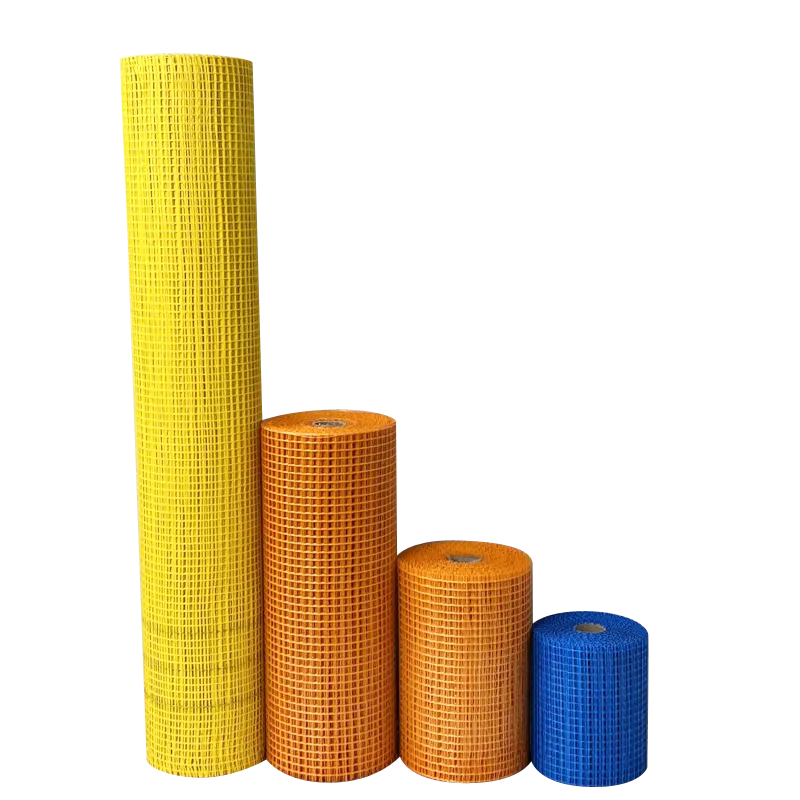
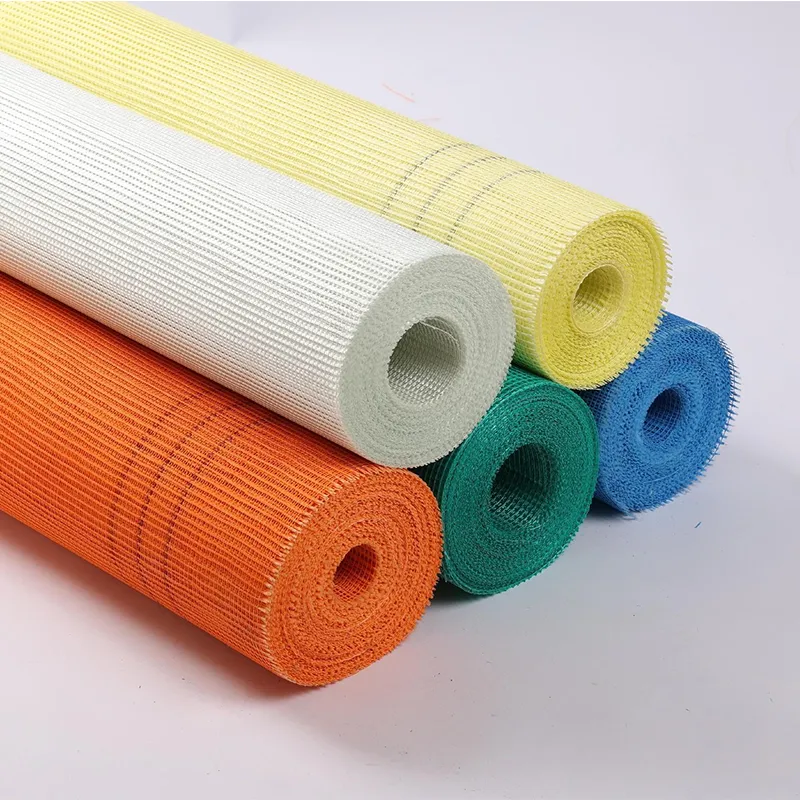
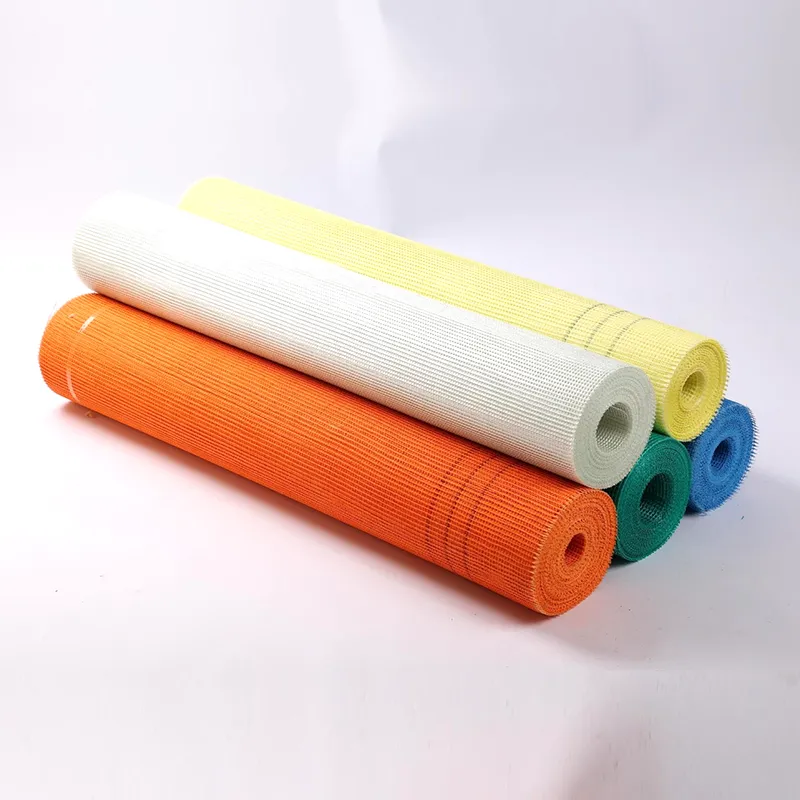
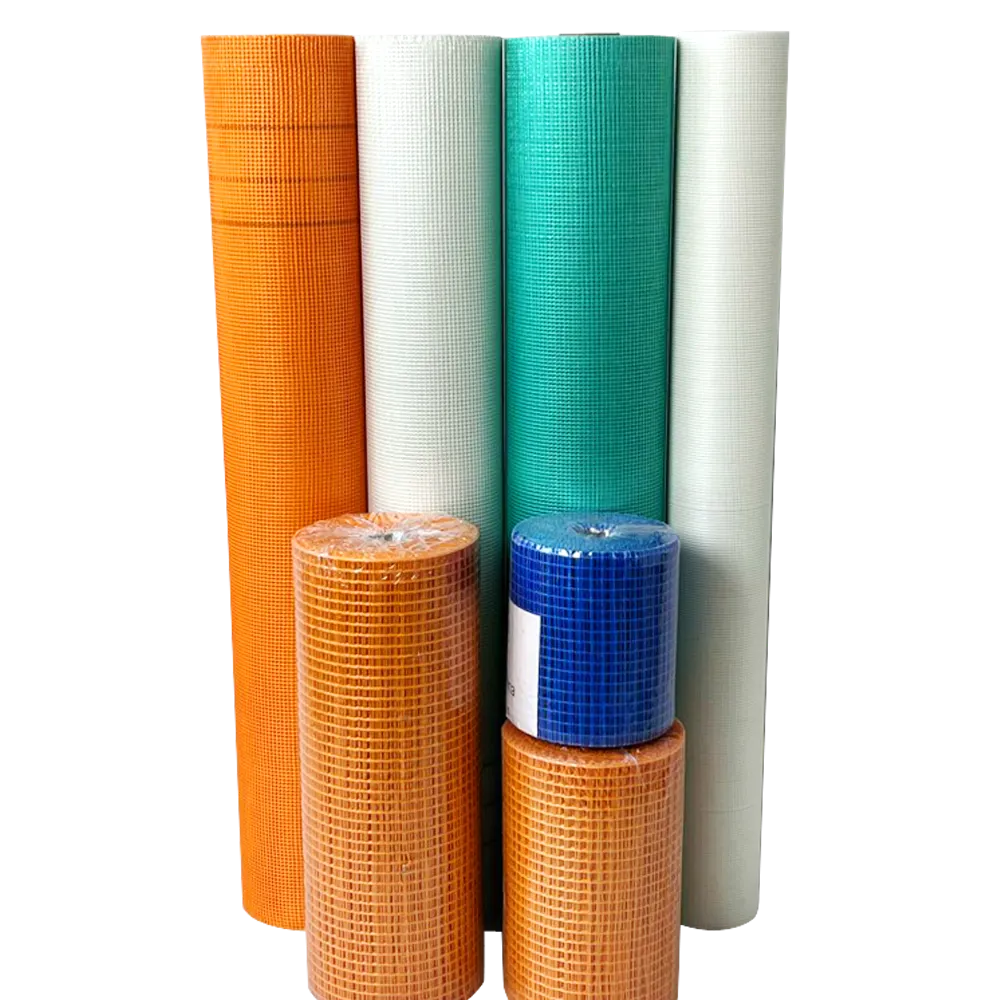
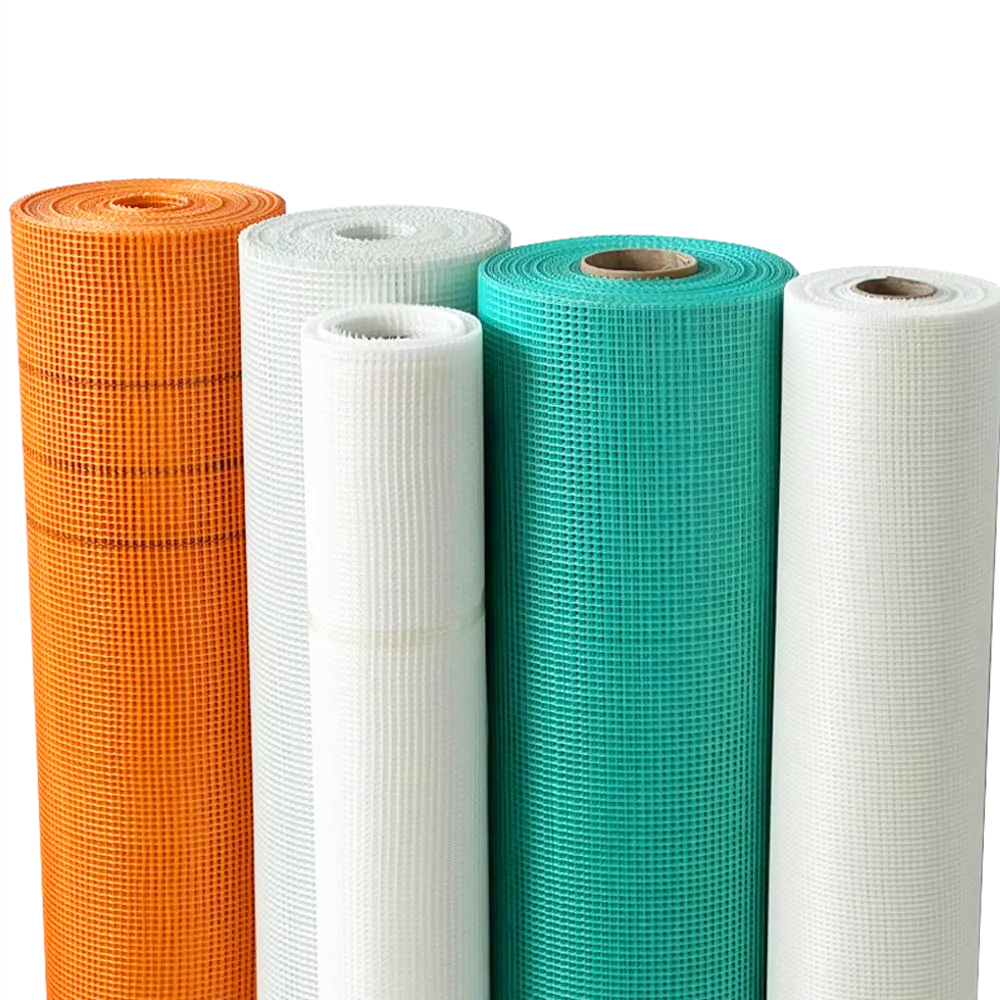
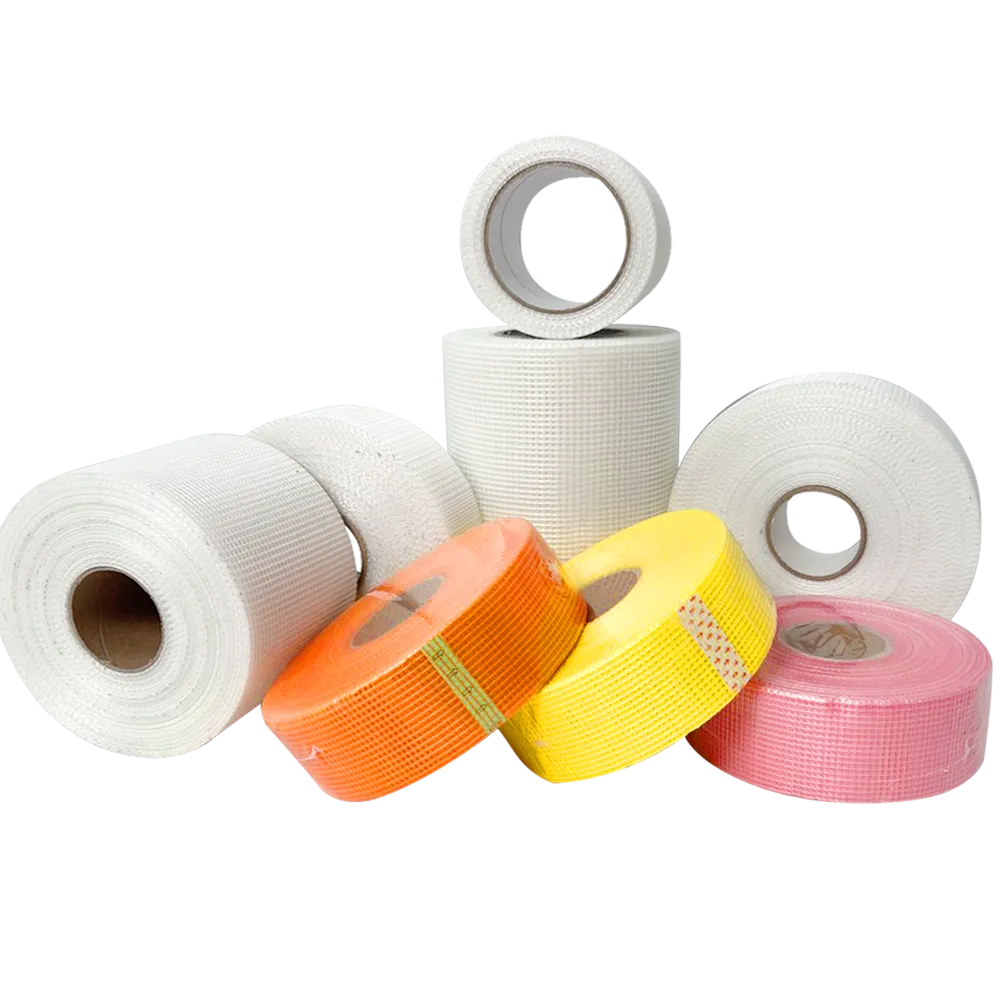
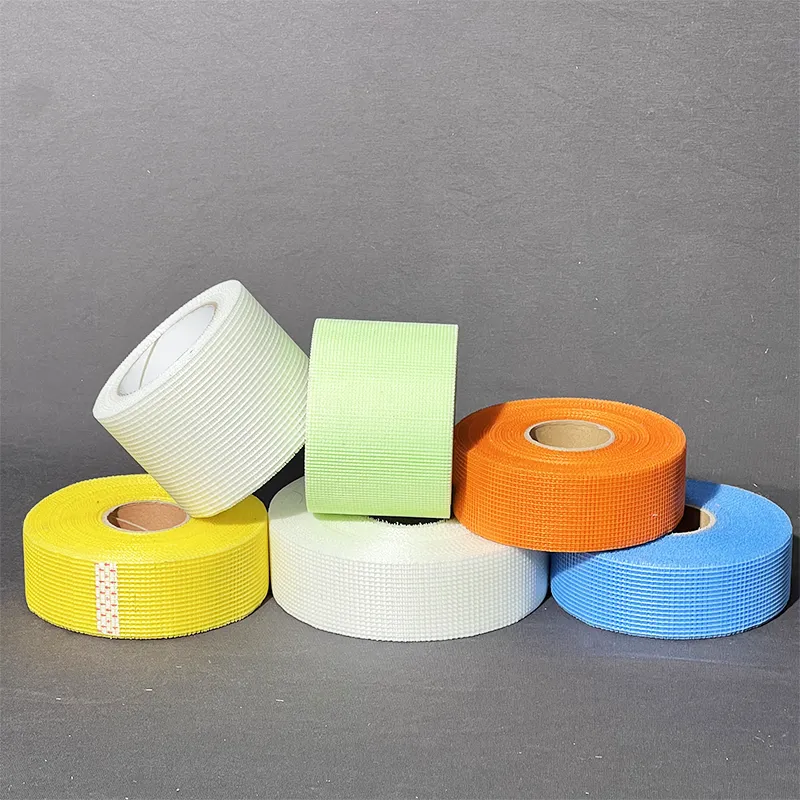
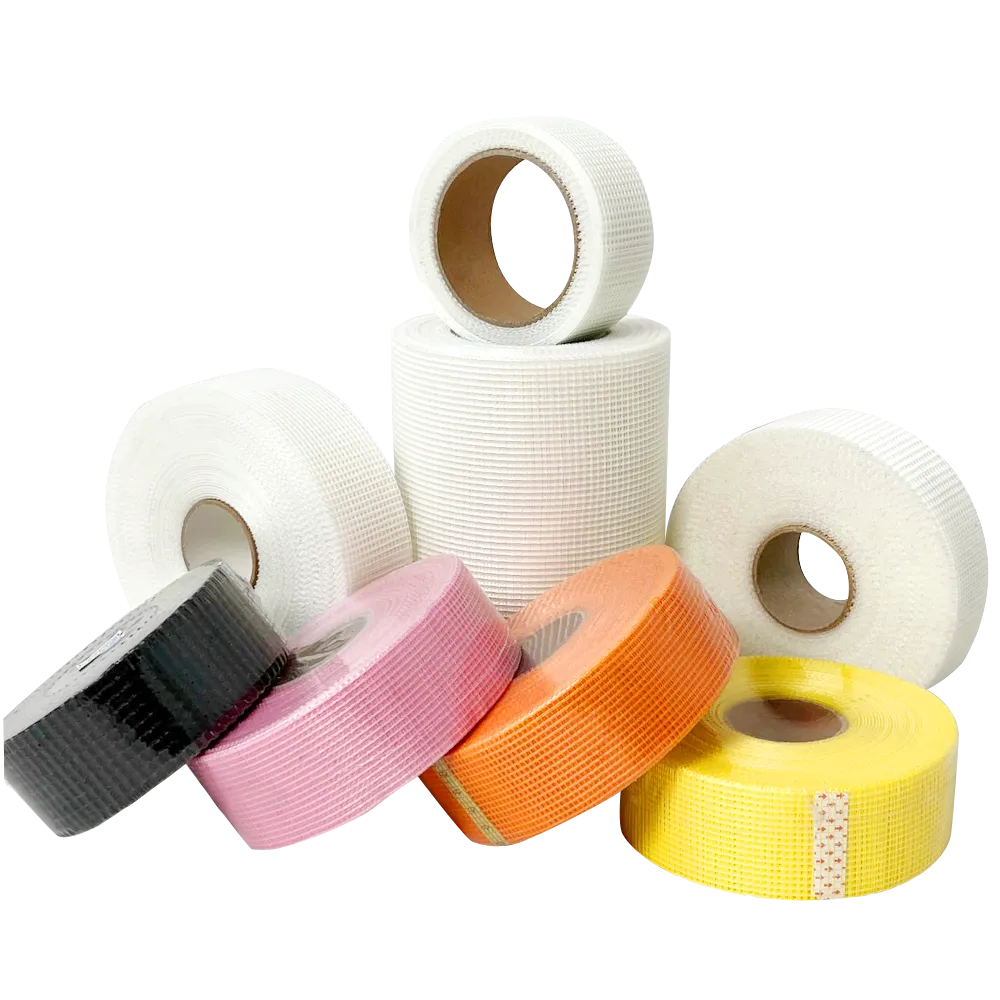
Options include 45–100 mm widths, 45–150 m lengths, 2" or 3" cores, white/yellow colors, private-label shrink-wrap, barcodes, and pallet patterns for big-box routing. QC lot traceability helps when architects ask for paperwork—happens more often than you think.
Mini case notes
- Hotel retrofit: crew cut jointing time ≈ 18% by skipping pre-mud; call-backs dropped to near zero in first 6 months.
- Prefab housing: switching to mesh reduced transit damage touch-ups, per superintendent feedback.
Compliance, data, and a quick tip
Test references: ASTM C474 for joint systems, ASTM D5035 for tensile, ISO 4892-2 for UV aging (optional), JG/T 158 for alkali resistance. Service-life indoors is solid; keep rolls clean and dry. And if you plan to buy adhesive fiberglass mesh in bulk, ask for recent tensile and alkali reports—real-world use may vary, but lab data keeps surprises to a minimum.
Citations:
1. ASTM C474 – Standard Test Methods for Joint Treatment Materials for Gypsum Board
2. ASTM D5035 – Standard Test Method for Breaking Force and Elongation of Textile Fabrics (Strip Method)
3. JG/T 158 – Alkali-resistant glass fiber mesh (China industry standard)
4. ISO 4892-2 – Plastics — Methods of exposure to laboratory light sources — Xenon-arc lamps
-
Best Fiberglass Mesh Tape for RedGard Product Waterproofing GuideNewsApr.16,2026
-
Why High Strength Fiberglass Mesh Is Essential For Stucco ApplicationNewsApr.15,2026
-
Why Alkali Resistant Fiberglass Mesh Tape Is Essential For Cement Board And Tile InstallationsNewsApr.15,2026
-
Understanding The Role Of Drywall Fiberglass Mesh In Interior FinishingNewsApr.15,2026
-
Ultimate Guide To Using Fiberglass Mesh Tape For Drywall And Plaster RepairsNewsApr.15,2026
-
The Versatility Of Fiberglass Mesh In Marble And Stone MosaicNewsApr.15,2026