Oct . 01, 2025 11:10 Back to list
Buy Adhesive Fiberglass Mesh: High Strength & Self-Adhesive?
If you’re searching where to buy adhesive fiberglass mesh without getting lost in buzzwords, welcome—you’re in good company. I’ve spent enough time on job sites (and in too many factory labs) to know what really matters: coating quality, alkali resistance, consistent tensile strength, and whether the roll actually sticks when you need it to.
What’s trending (and why it matters)
There’s a clear shift toward higher-temperature and alkali-stable meshes for ETICS/EIFS and interior drywall systems. Codes are nudging up performance, and contractors—surprisingly pragmatic—want fewer call-backs. In fact, demand for self-adhesive variants (acrylic PSA backing) has grown for patching, jointing, and fast-paced refurb jobs.
Inside the product
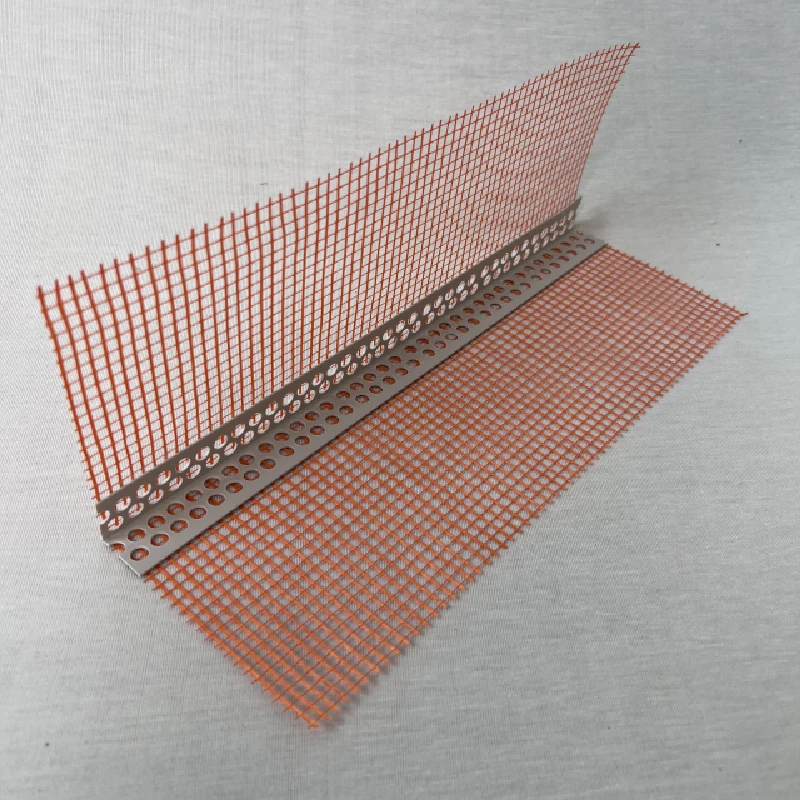
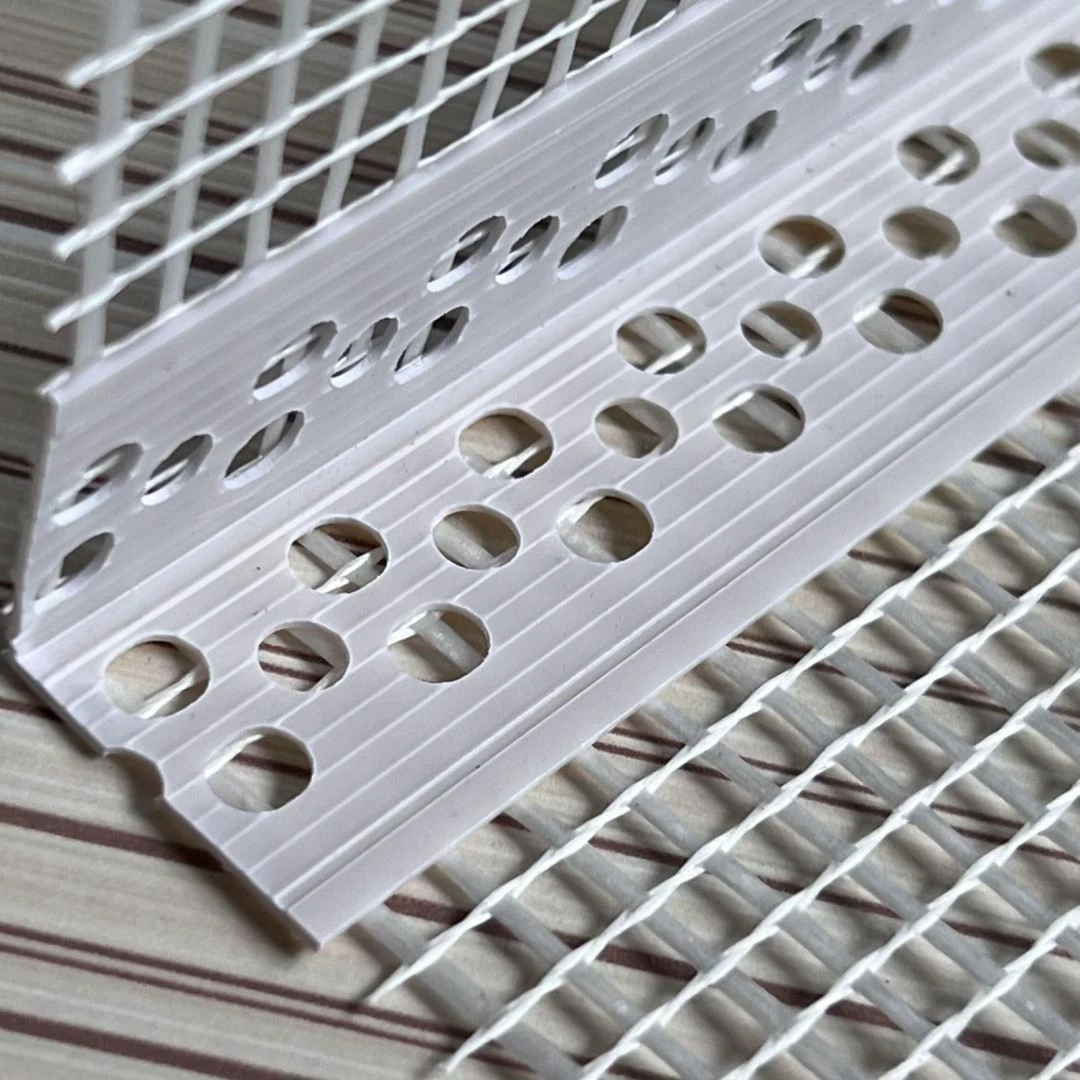
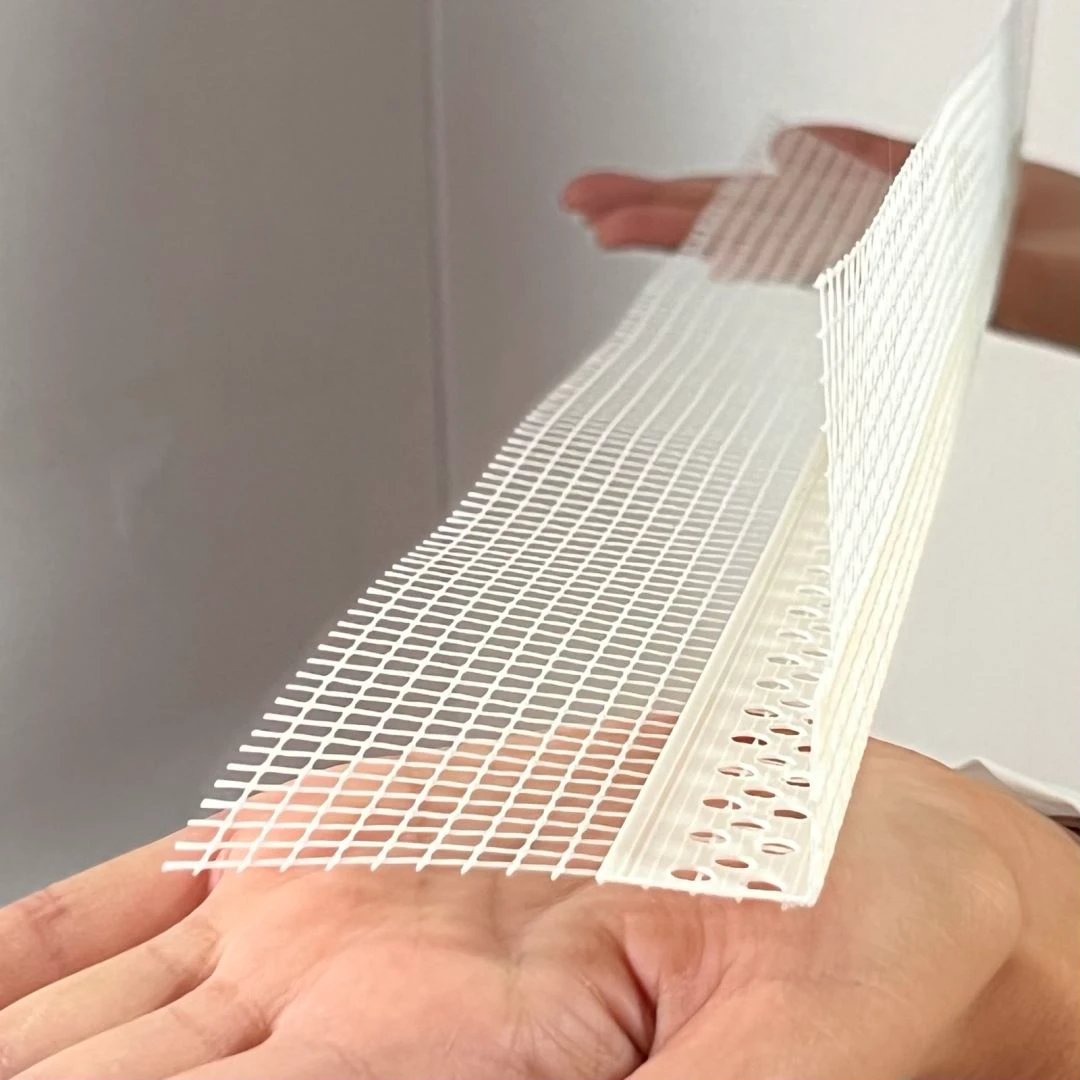
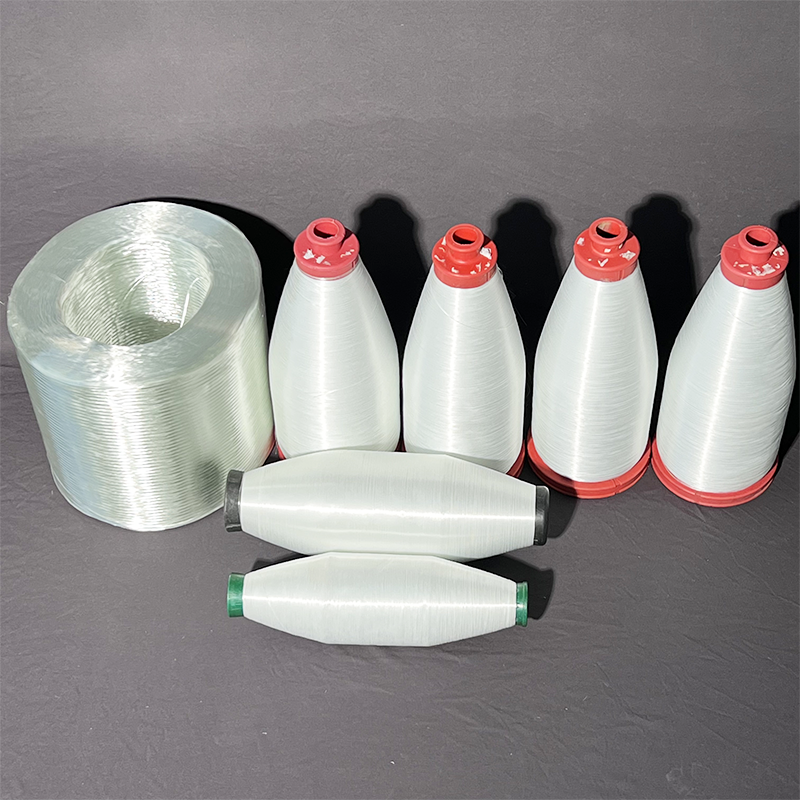
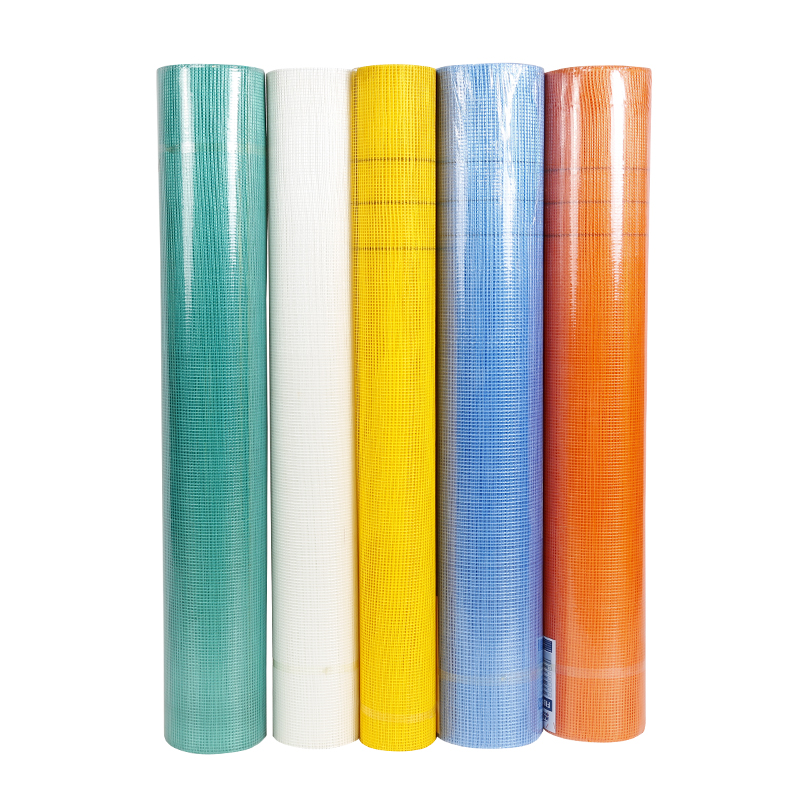
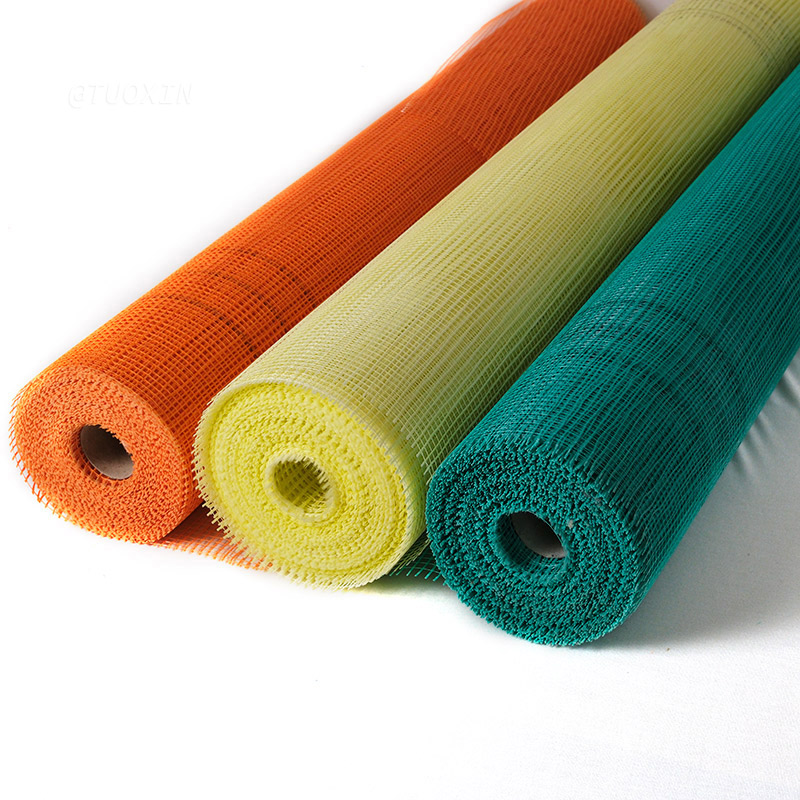
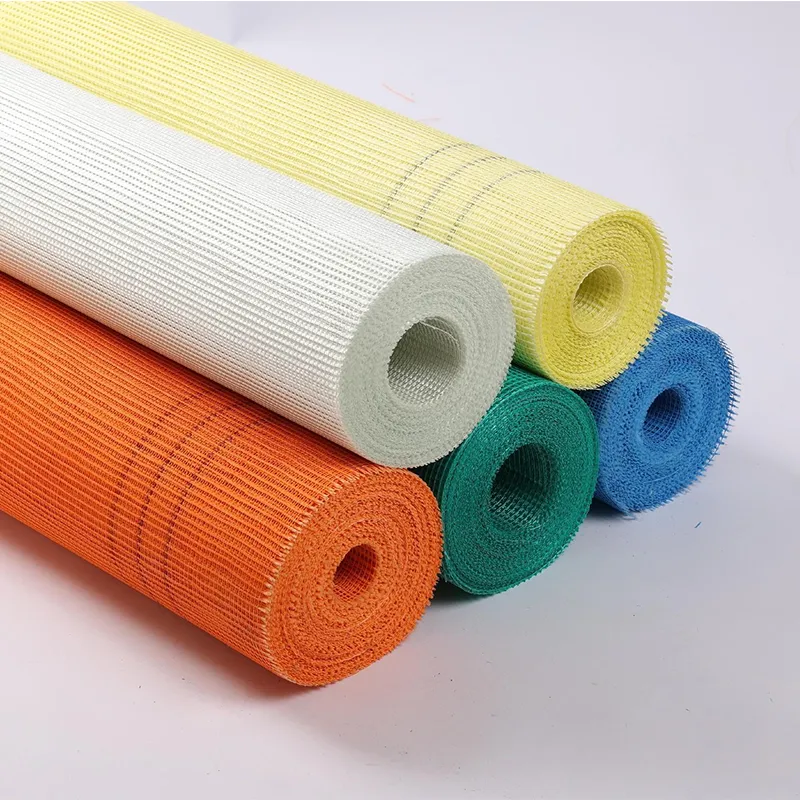
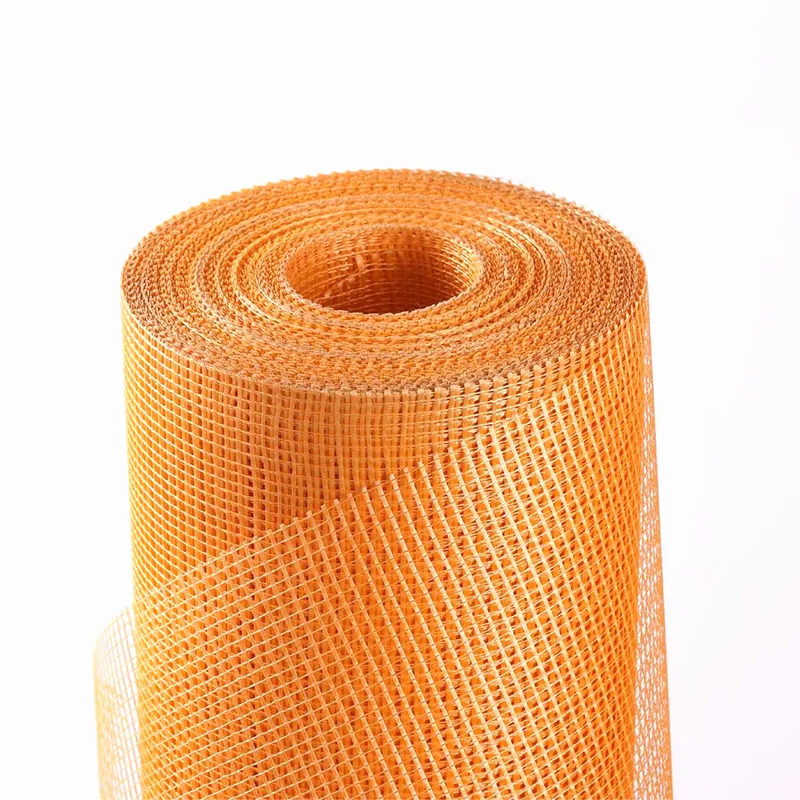
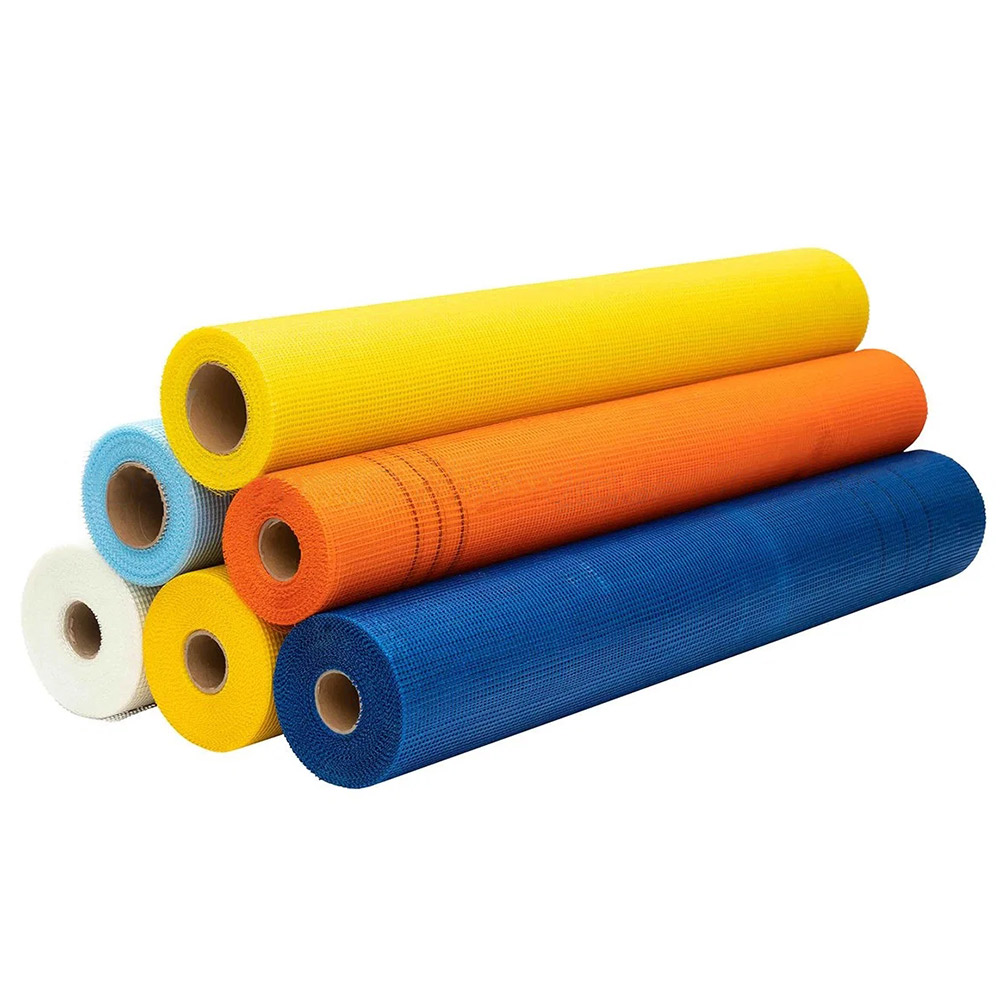
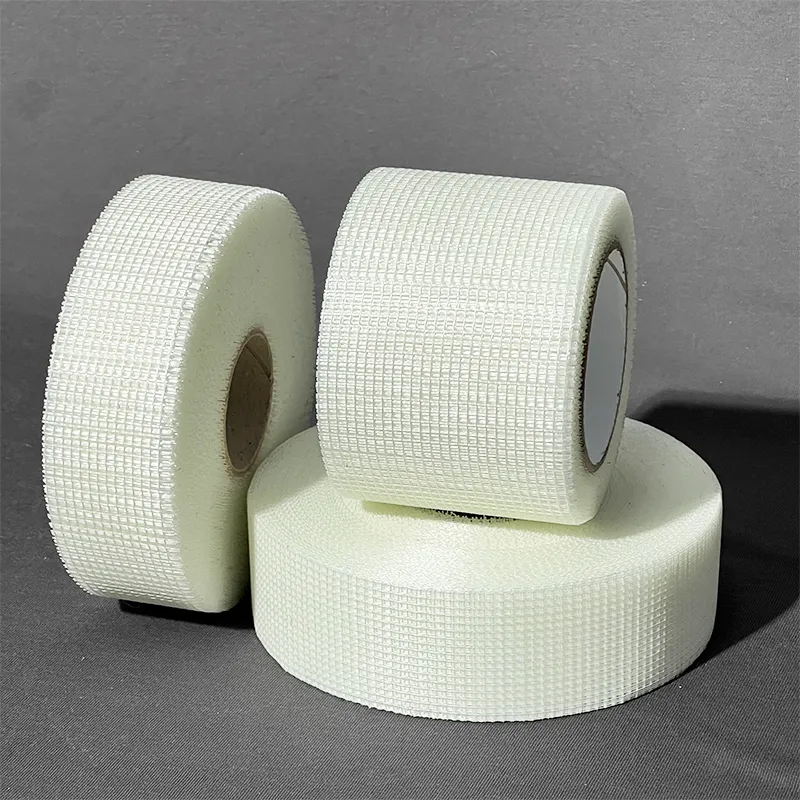
This High Temperature Resistant Fiberglass Mesh for Wall is woven from C/E-glass yarn (silicate-rich for chemical stability), then coated with an anti-alkali resin and heat-set. Optionally, a pressure‑sensitive adhesive layer can be applied for self-adhesive rolls. From Xiaomen Village, Yilunbao Township, Renqiu City, Hebei—yes, the long name—but a legit manufacturing cluster with serious weaving capacity.
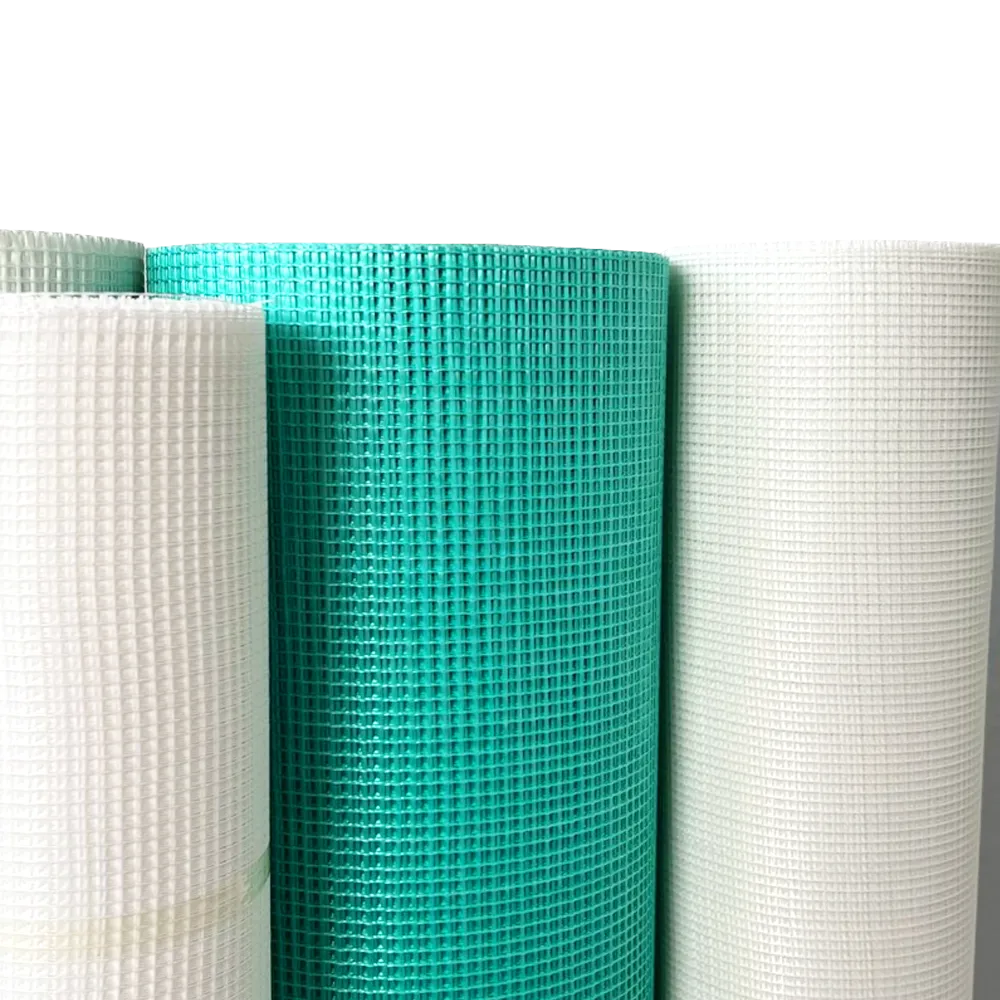
Typical process flow (condensed, but real)
- Yarn prep: E or C‑glass yarn sizing inspection (moisture, filament integrity).
- Weaving: usually leno or plain; 5×5 mm or 4×4 mm grid for walls.
- Coating: anti‑alkali acrylic/SBR bath; pick‑up rate tightly controlled.
- Heat finishing: thermal stabilization for dimensional control.
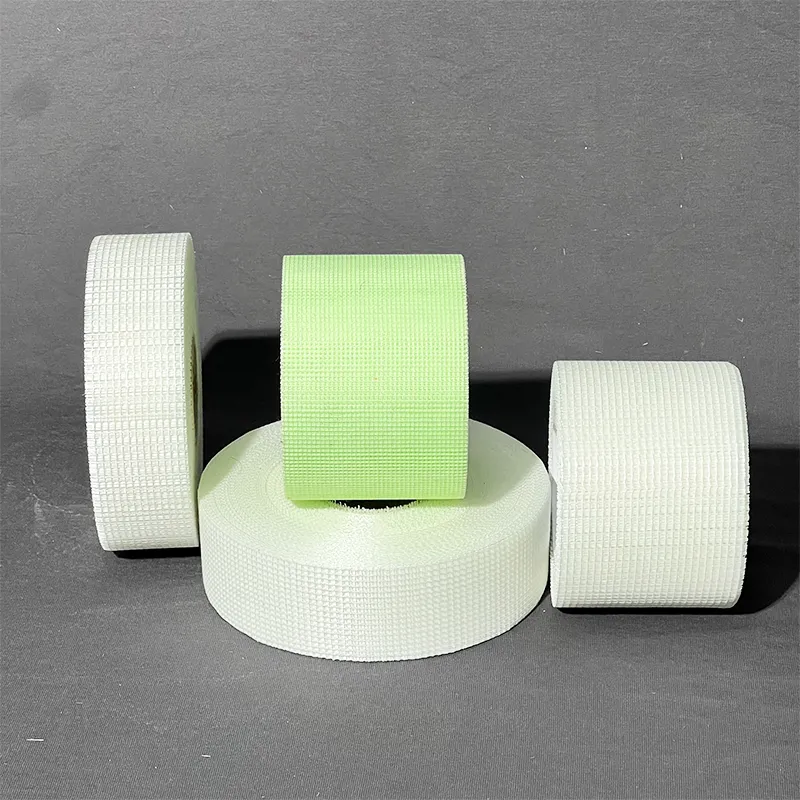
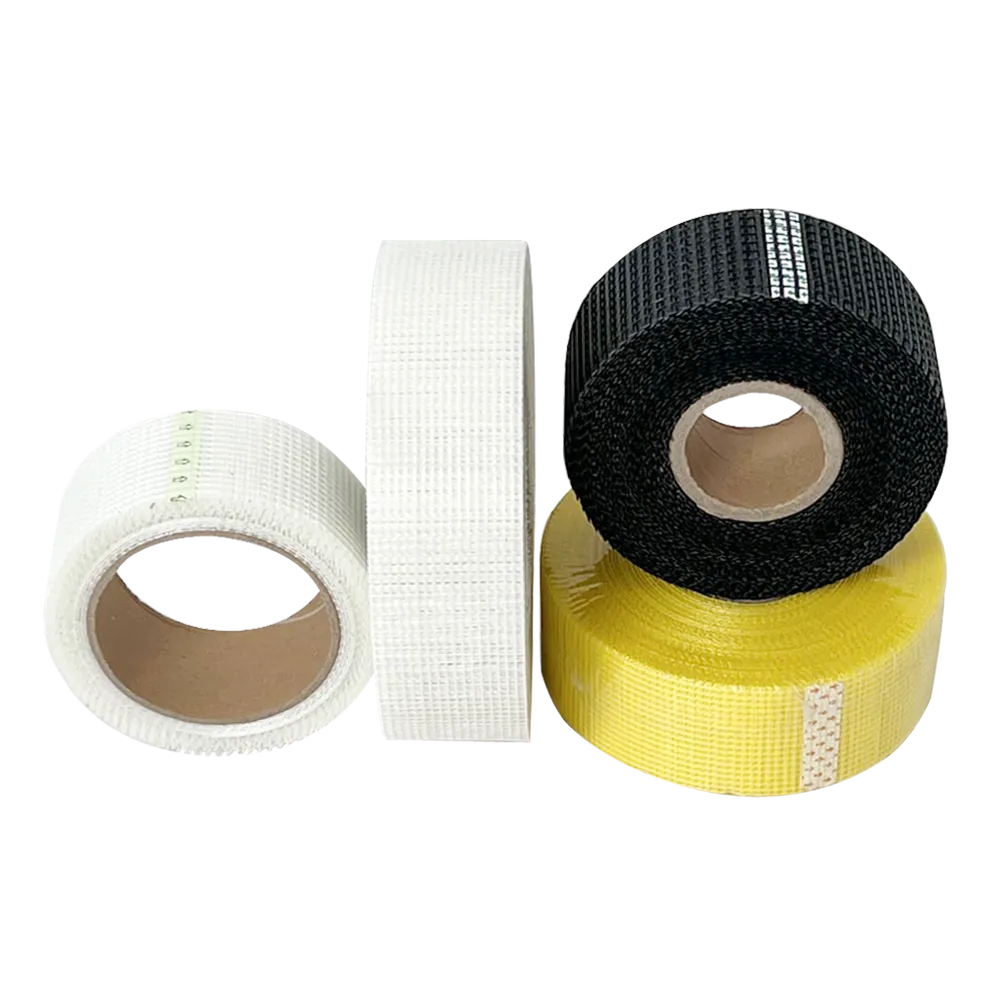
- Optional PSA: self-adhesive layer for quick-tack jointing.
- Slitting & packaging: edge integrity test, core straightness, label traceability.
- QC: tensile/alkali-resistance testing, mass per unit area, mesh count verification.
Product specifications (representative)
| Basis weight | ≈ 145 g/m² (120–160 g/m² available) |
| Mesh size | 5×5 mm (±0.5 mm), 4×4 mm optional |
| Tensile strength | ≥ 1250 / 1350 N/50 mm (warp/weft), real-world use may vary |
| Alkali resistance retention | ≥ 70% after 28 d in alkaline bath |
| Coating | Anti-alkali acrylic/SBR; optional PSA self-adhesive |
| Service life | ≈ 15–25 years in ETICS when installed per spec |
| Certs/refs | ISO 9001; tested to EN 13496/ETAG 004 methods; ASTM D5035 |
Where it shines
- ETICS/EIFS base coat reinforcement and crack control.
- Drywall jointing and patch repair (self-adhesive variant).
- Stucco/plaster façades, tile backer reinforcement, waterproofing layers.
- High-sun or coastal projects where alkali and UV stability matter.
Many customers say the self-adhesive rolls save time on soffits and awkward corners. Honestly, I’ve seen the same: faster starts, fewer blisters.
Vendor snapshot (what to compare)
| Vendor | Strengths | Watch-outs |
|---|---|---|
| Tainuo (origin: Renqiu, Hebei) | Stable coating pick-up; strong alkali retention; customization (mesh, GSM, PSA) | Lead times can stretch in peak season |
| Vendor A (general import) | Lower price on bulk lots | Inconsistent tensile; variable adhesive tack |
| Vendor B (local distributor) | Quick delivery, small MOQ | Limited spec options; fewer test reports |
Testing and data points
Lab snapshots: tensile ≥ 1250/1350 N/50 mm (warp/weft), alkali retention ≥ 70% after 28 days (per EN 13496 method), dimensional stability OK after heat ageing (ISO 4892 exposure). Surface burning classified per project system—verify with your ETICS supplier’s assembly test (ASTM E84 or EN 13501 context).
Customization
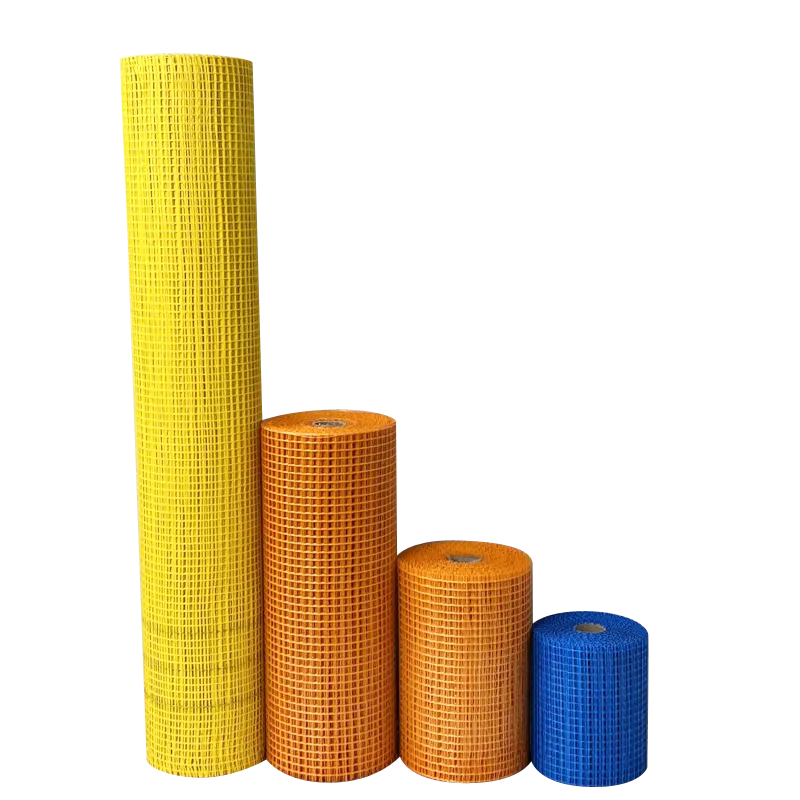
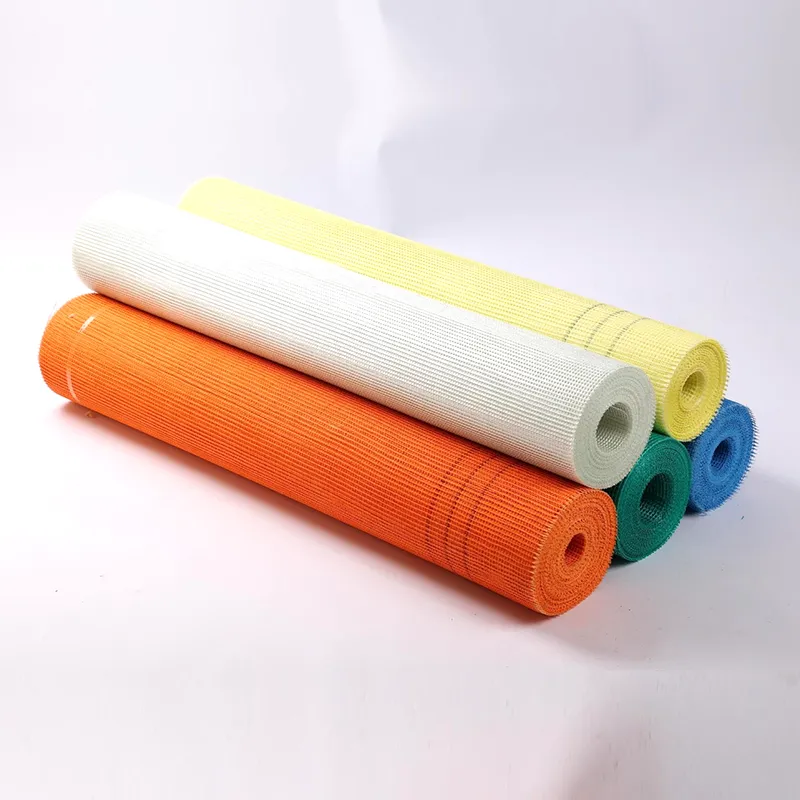
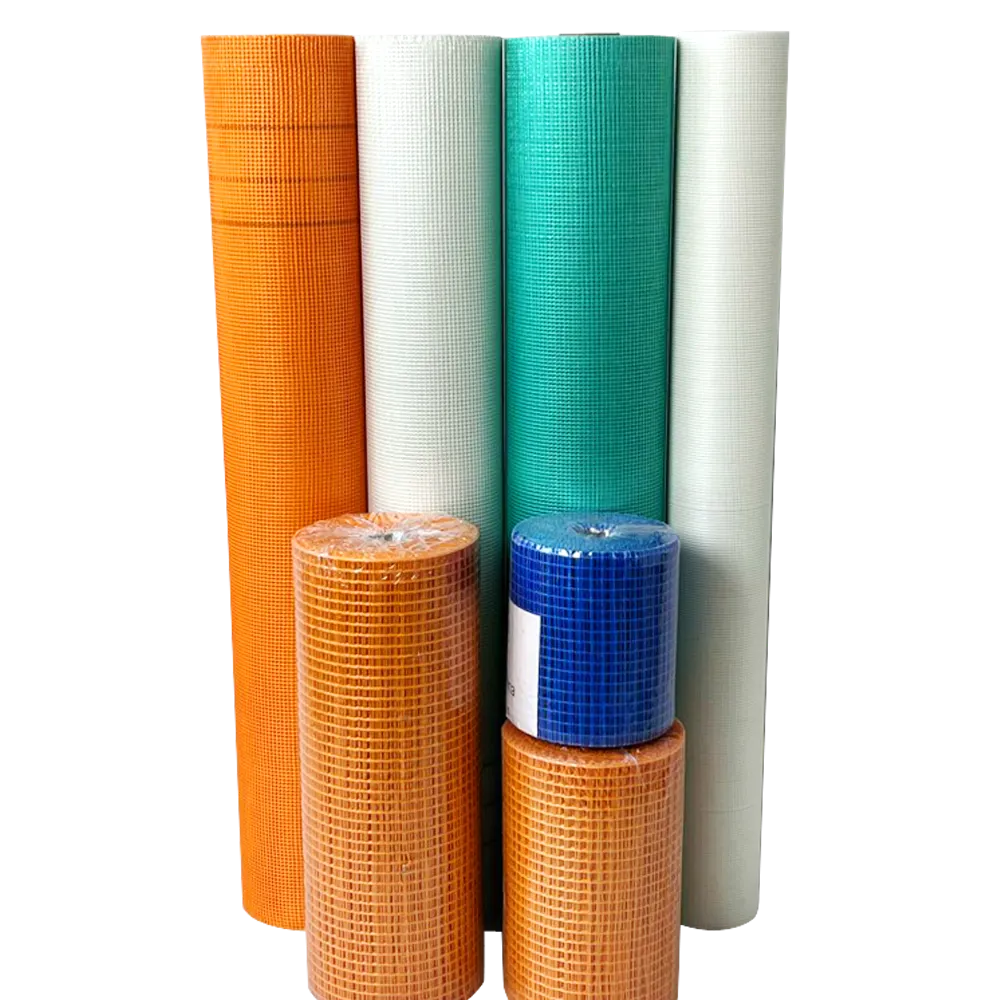
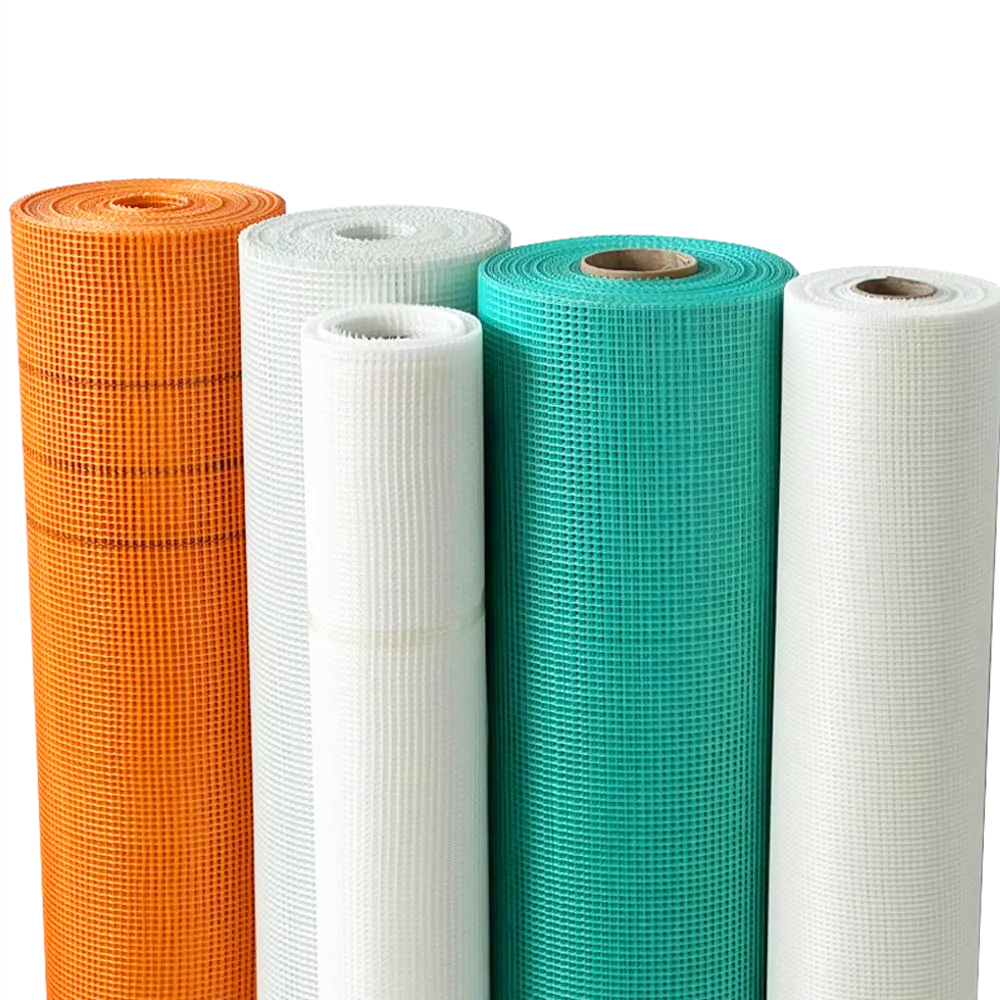
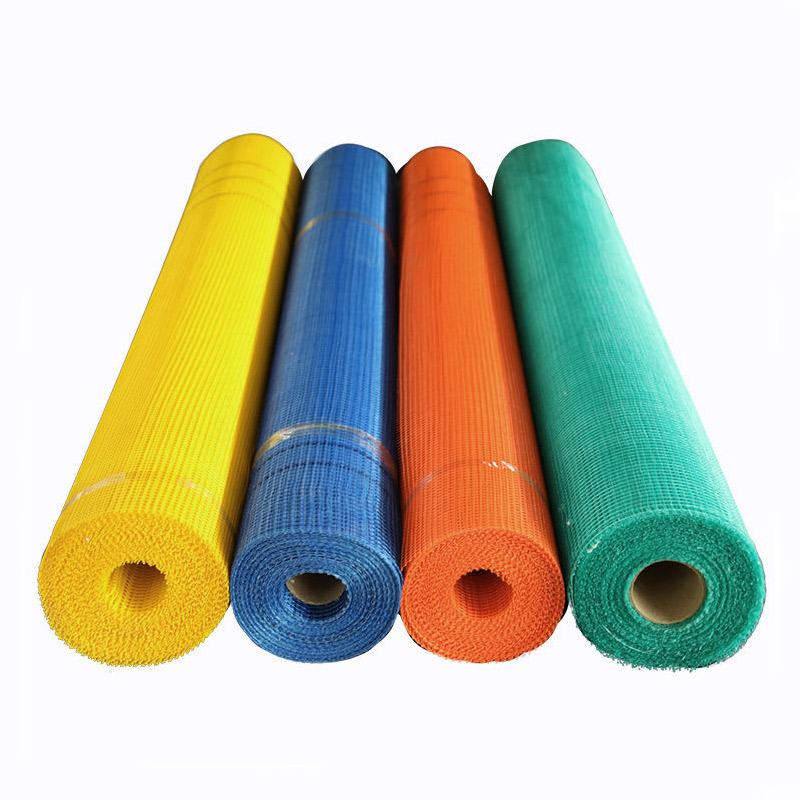
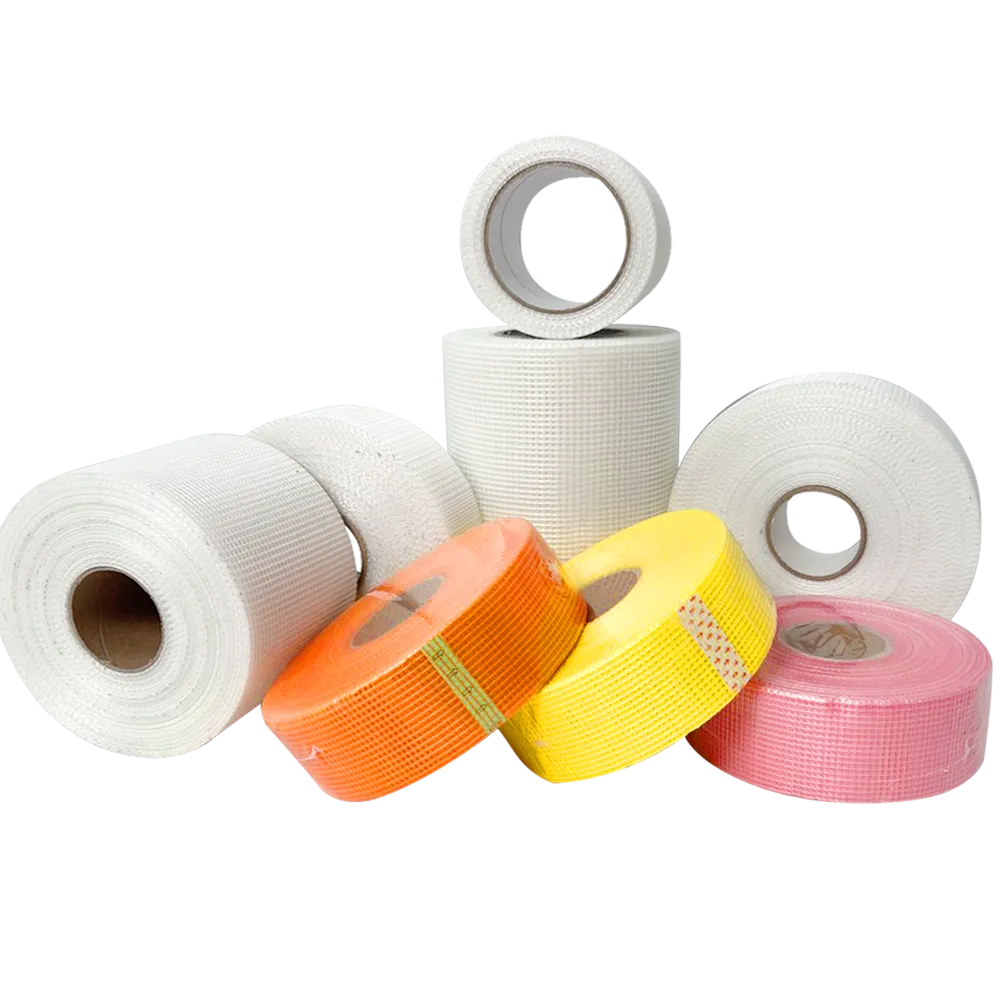
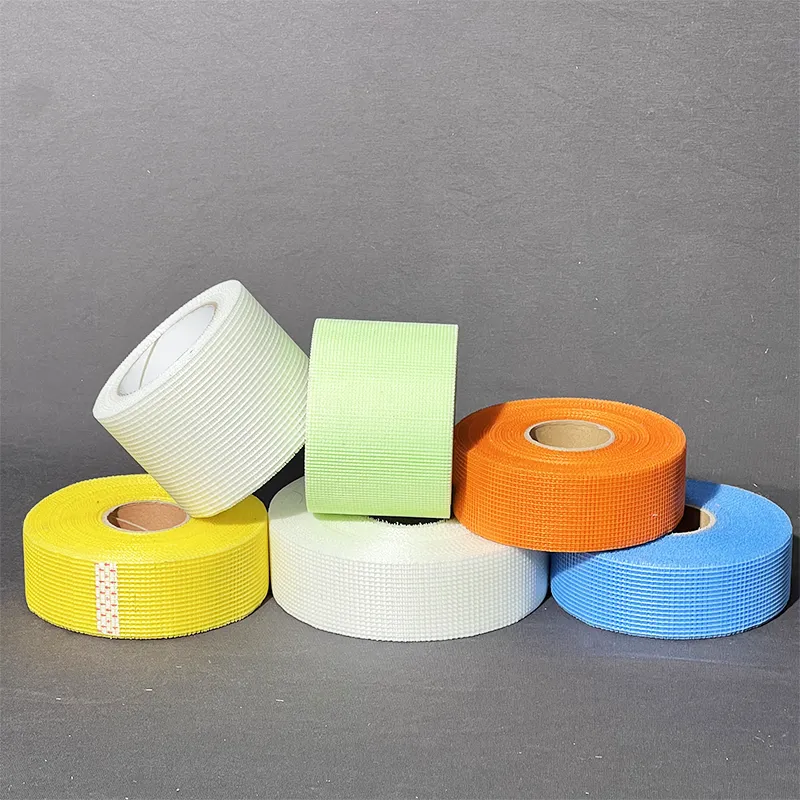
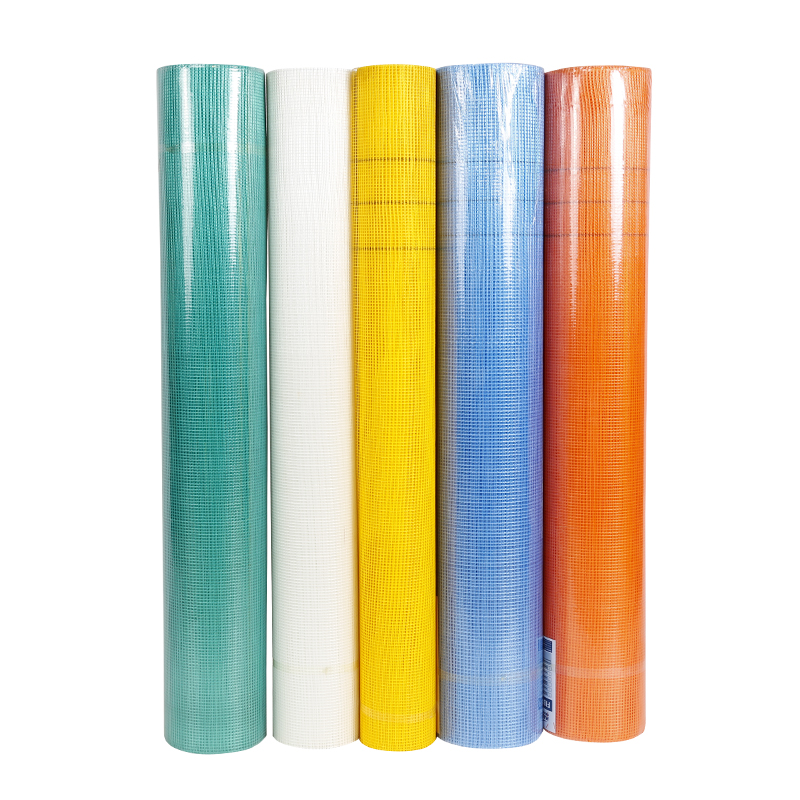
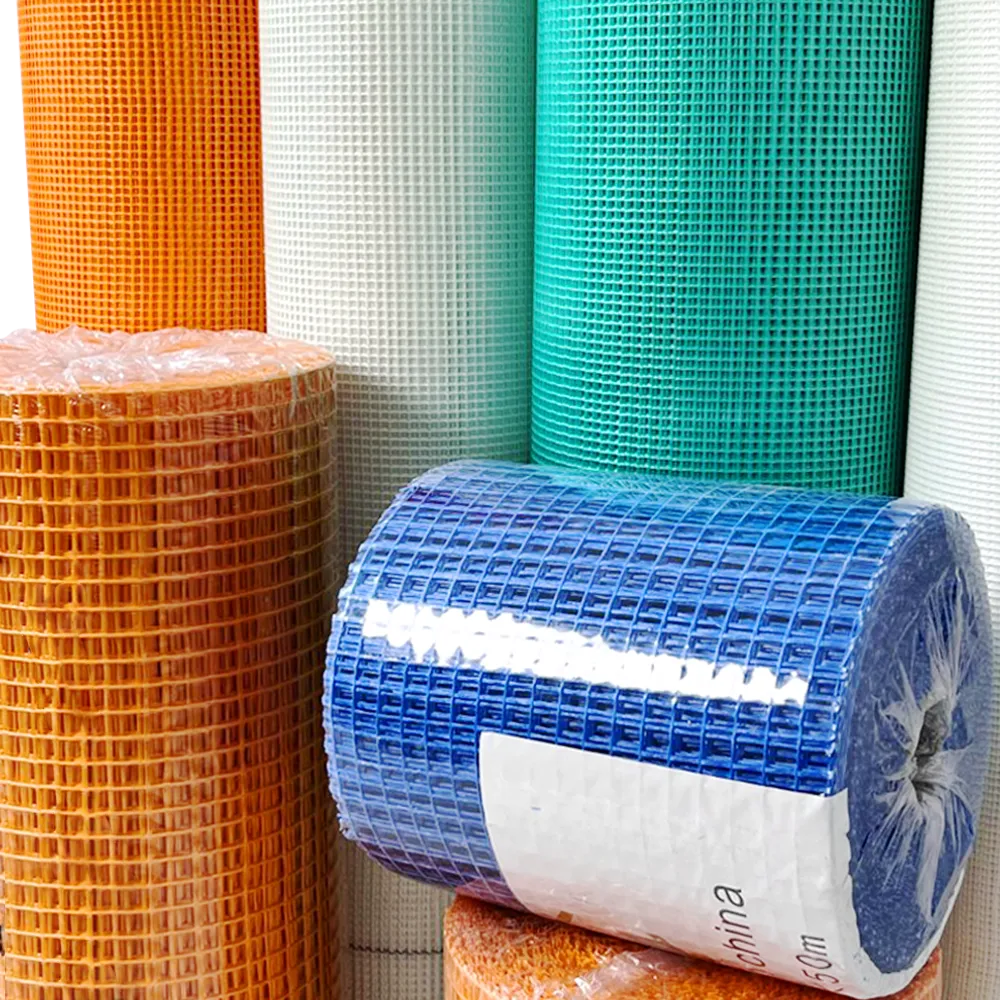
Mesh 4×4–10×10 mm, 110–200 g/m², roll 50–1000 mm widths, core ID 2–3 in, white/yellow/blue, and PSA self-adhesive options tuned for tack at low temperatures. Private-label printing is doable.
Two quick case notes
- ETICS retrofit, Central Europe, 32,000 m²: switch to high-alkali-retention mesh cut façade hairline cracking by ≈40% at year one, per contractor logs.
- Hospital corridor patching, Gulf region: self-adhesive rolls shaved ≈18% off labor hours; fewer blisters reported by finishers.
If you’re ready to buy adhesive fiberglass mesh for ETICS or buy adhesive fiberglass mesh for drywall patching, check batch test sheets and confirm alkali-retention values—not just GSM. It seems obvious, but it’s the difference between “fine” and “call-back.”
Authoritative references
- EN 13496: Thermal insulation products for buildings—Determination of adhesion strength of ETICS.
- ETAG 004 / EAD 040083-00-0404: External Thermal Insulation Composite Systems with rendering.
- ASTM D5035: Standard Test Method for Breaking Force and Elongation of Textile Fabrics (Strip Method).
- ISO 9001: Quality management systems—Requirements.
-
Best Fiberglass Mesh Tape for RedGard Product Waterproofing GuideNewsApr.16,2026
-
Why High Strength Fiberglass Mesh Is Essential For Stucco ApplicationNewsApr.15,2026
-
Why Alkali Resistant Fiberglass Mesh Tape Is Essential For Cement Board And Tile InstallationsNewsApr.15,2026
-
Understanding The Role Of Drywall Fiberglass Mesh In Interior FinishingNewsApr.15,2026
-
Ultimate Guide To Using Fiberglass Mesh Tape For Drywall And Plaster RepairsNewsApr.15,2026
-
The Versatility Of Fiberglass Mesh In Marble And Stone MosaicNewsApr.15,2026