Sep . 22, 2025 11:50 Back to list
Buy Adhesive Fiberglass Mesh | High-Strength Self-Adhesive Tape
Understanding Adhesive Fiberglass Mesh in Modern Construction and Industrial Applications
The demand to buy adhesive fiberglass mesh is rapidly expanding across various industrial and construction sectors, driven by its unparalleled strength, durability, and ease of application. This versatile material, often sought as buy adhesive fiberglass tape or buy fiberglass mesh tape for drywall, plays a critical role in enhancing structural integrity, preventing cracks, and ensuring long-term performance in demanding environments. From reinforcing wall surfaces to specialized applications like waterproofing with RedGard, adhesive fiberglass mesh offers a superior solution over traditional reinforcement methods.
Industry trends indicate a significant shift towards materials that offer both high performance and efficiency. The market for buy fiberglass mesh tape for redgard and other specialized variants is experiencing robust growth due to increased infrastructure development, stricter building codes, and a focus on sustainable, long-lasting construction materials. Innovations in polymer coatings and adhesive technologies are continually improving the performance metrics of these meshes, making them indispensable in applications requiring thermal stability, alkali resistance, and superior tensile strength. For professionals looking to buy high strength fiberglass mesh, understanding the intricate technical details and manufacturing processes is paramount to selecting the right product for specific project demands.
The Advanced Manufacturing Process of Adhesive Fiberglass Mesh
The production of adhesive fiberglass mesh involves a sophisticated multi-stage process designed to imbue the final product with exceptional mechanical and chemical properties. This ensures that when you choose to buy adhesive fiberglass mesh, you are investing in a product engineered for reliability.
Key Stages of Manufacturing:
1. Fiber Production
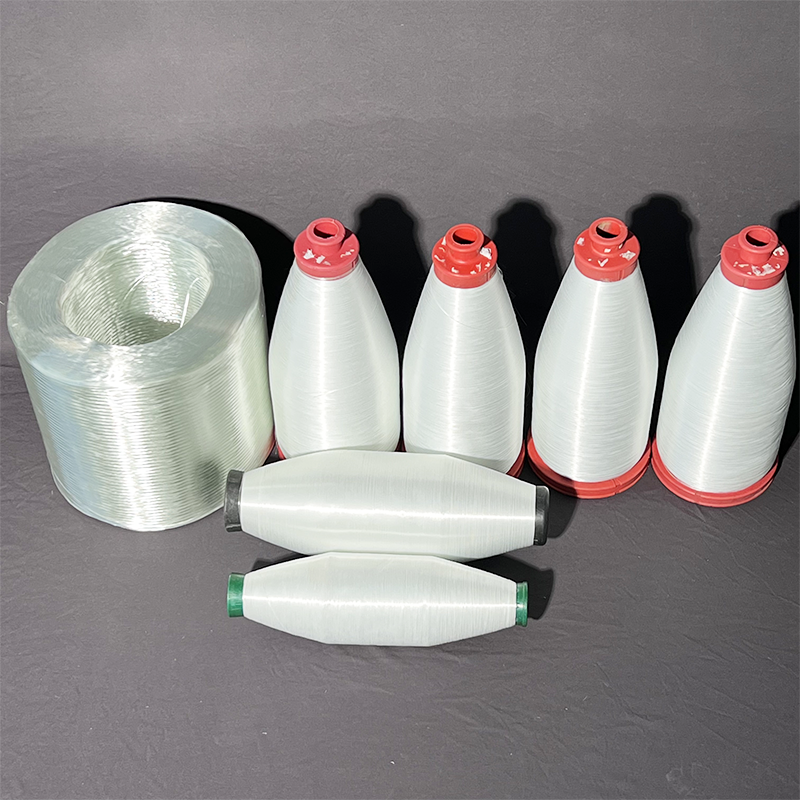
High-quality E-glass fibers are drawn from molten glass, characterized by their high tensile strength and chemical stability. This forms the foundational material for the mesh.
2. Weaving Process
The glass fibers are then woven into a precise grid pattern using advanced weaving looms. This creates a stable, open-weave fabric with consistent mesh size and density (e.g., 5x5mm, 4x4mm).
3. Alkali-Resistant Coating
The woven mesh undergoes a critical treatment where it's coated with an alkali-resistant polymer emulsion (e.g., acrylic latex). This prevents degradation when exposed to cementitious materials, significantly extending service life.
4. Adhesive Application
A high-tack, pressure-sensitive adhesive layer is precisely applied to one side of the coated mesh. This self-adhesive backing simplifies installation, allowing for quick and secure positioning.
5. Curing and Quality Control
The adhesive is then cured under controlled conditions. Throughout the entire process, rigorous quality control checks are performed, adhering to standards like ISO 9001 and ASTM. Tensile strength, alkali resistance, mesh integrity, and adhesive tackiness are continuously monitored.
6. Slitting and Packaging
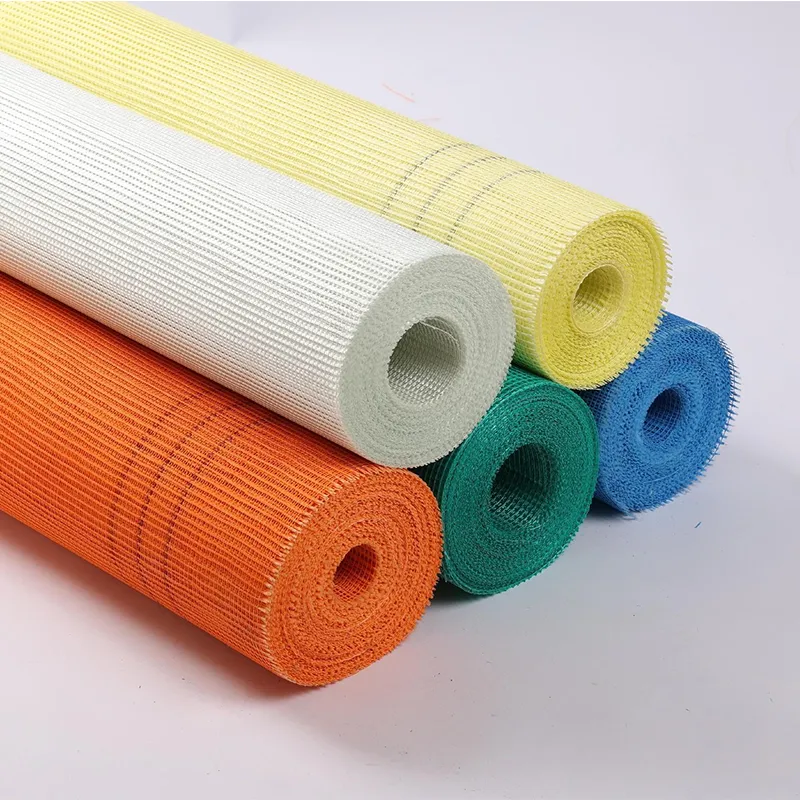
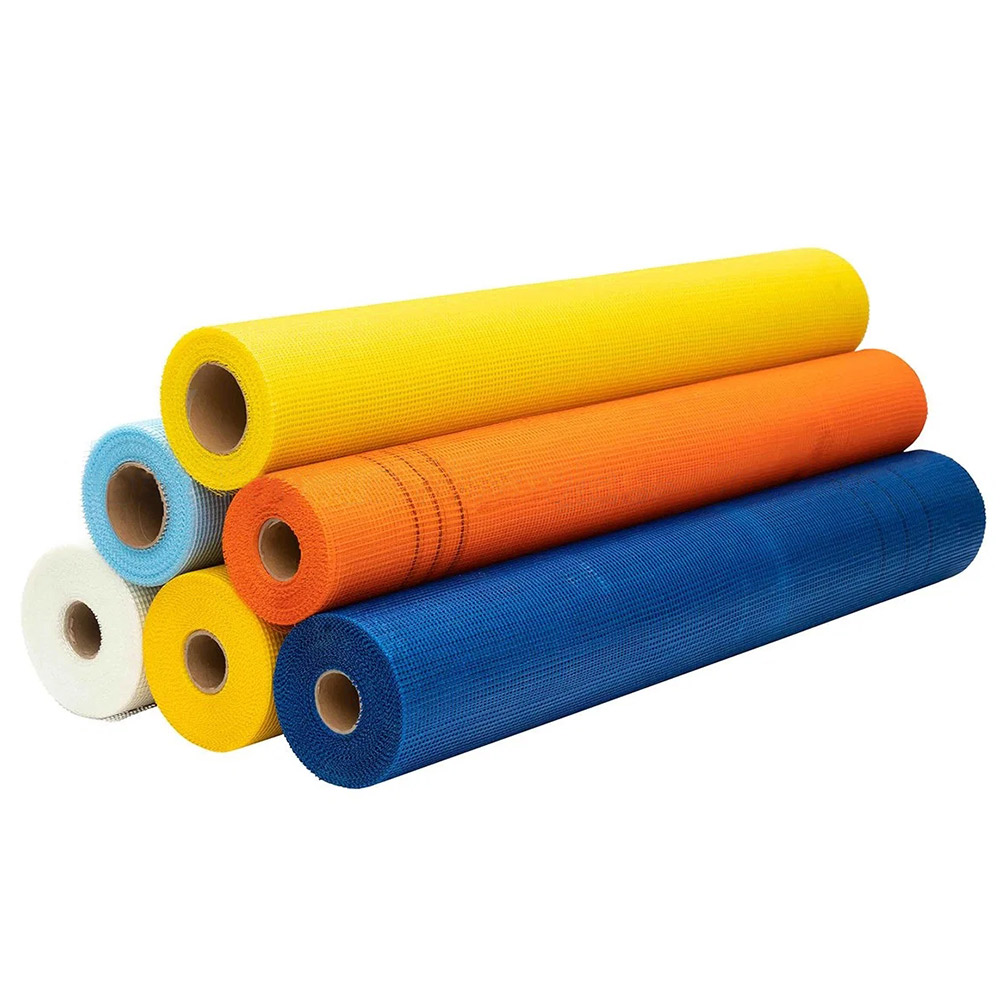
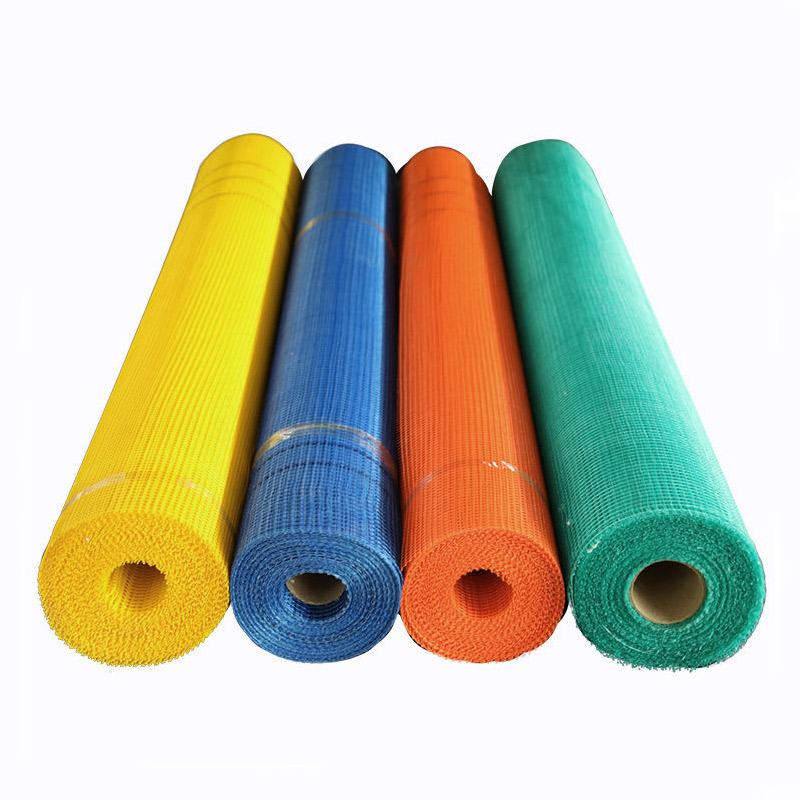
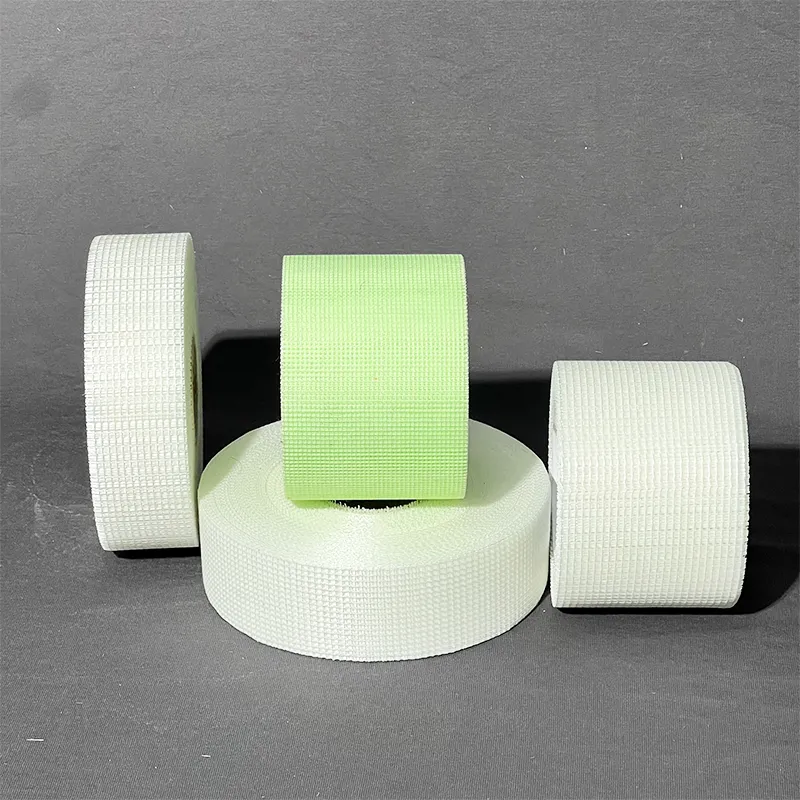
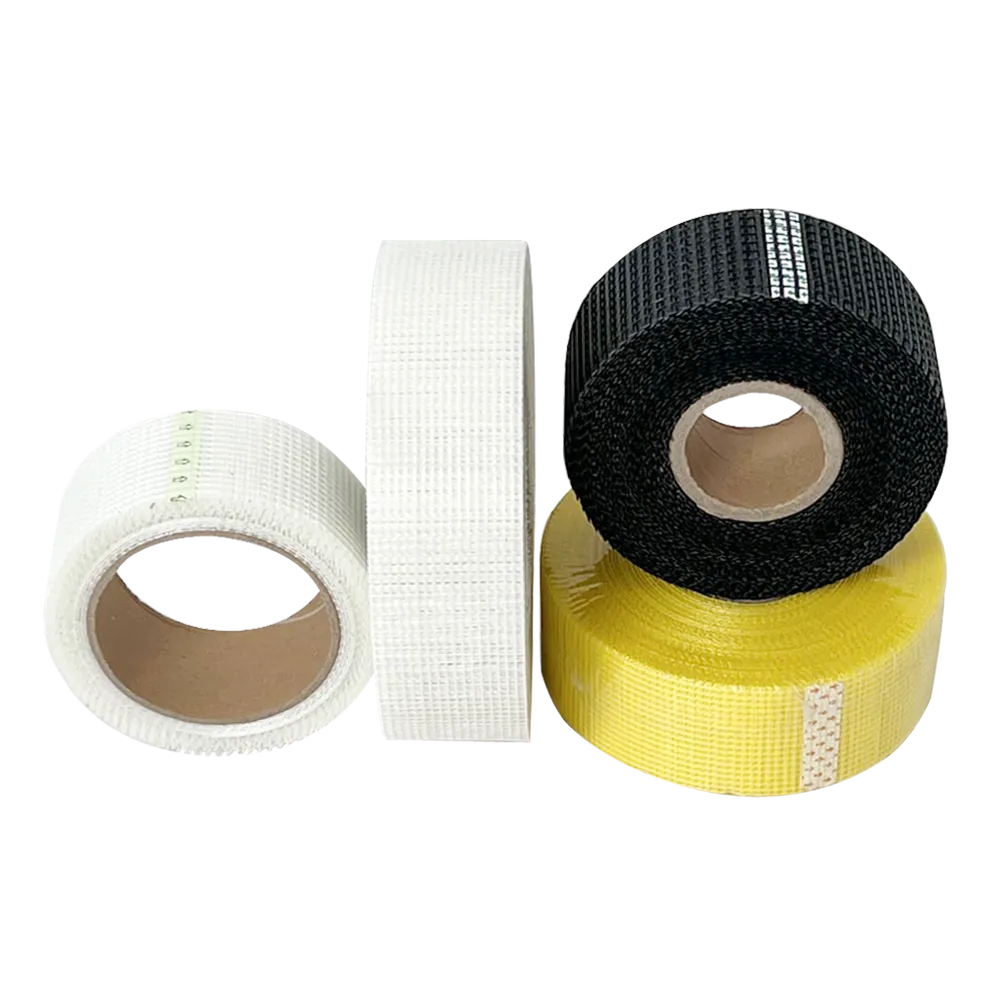
The finished product is slit into various widths and lengths, often available as buy self adhesive fiberglass tape in rolls, and carefully packaged to prevent damage during transit, ready for distribution to professionals looking to buy fiberglass sticky mesh.
This meticulous process ensures a consistent, high-performance product. The service life of properly installed adhesive fiberglass mesh can exceed 25-30 years in typical building applications, particularly in target industries like residential and commercial construction, external insulation finishing systems (EIFS), plaster reinforcement, and waterproofing. Its advantages include superior crack prevention, enhanced impact resistance, energy saving through improved thermal insulation longevity, and robust corrosion resistance.
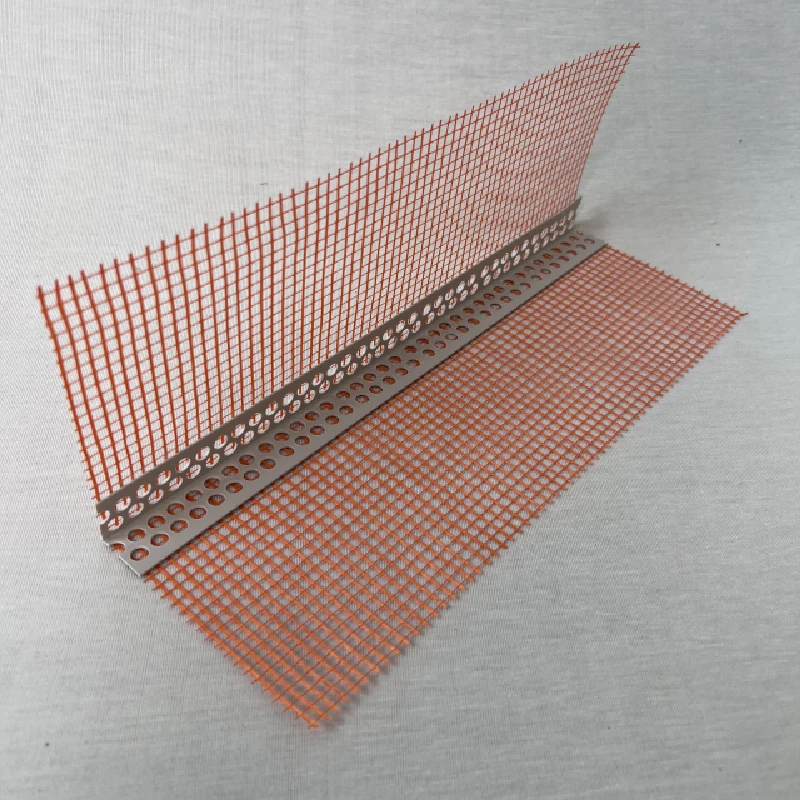
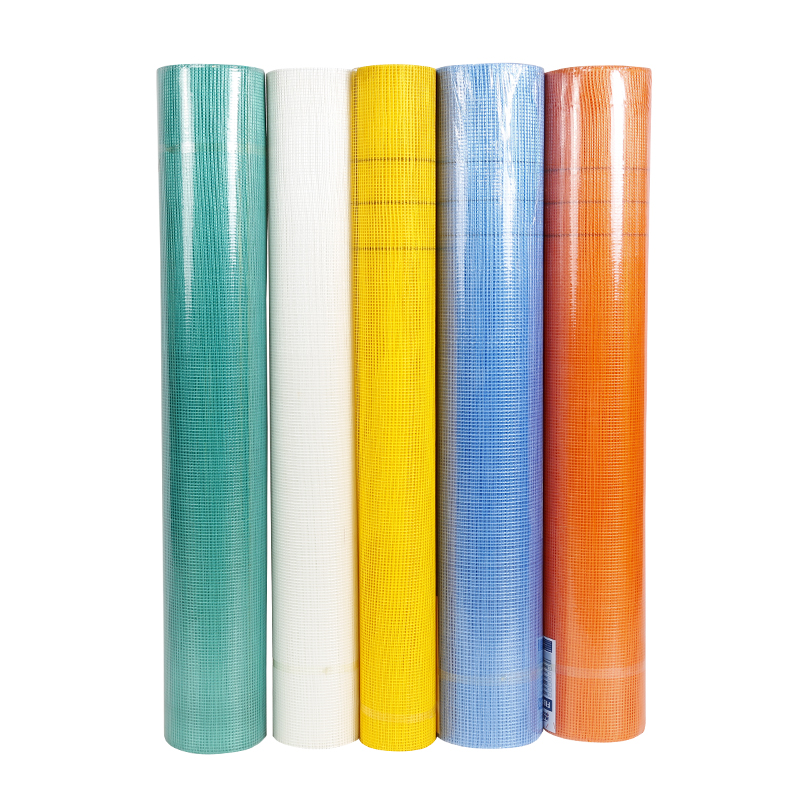
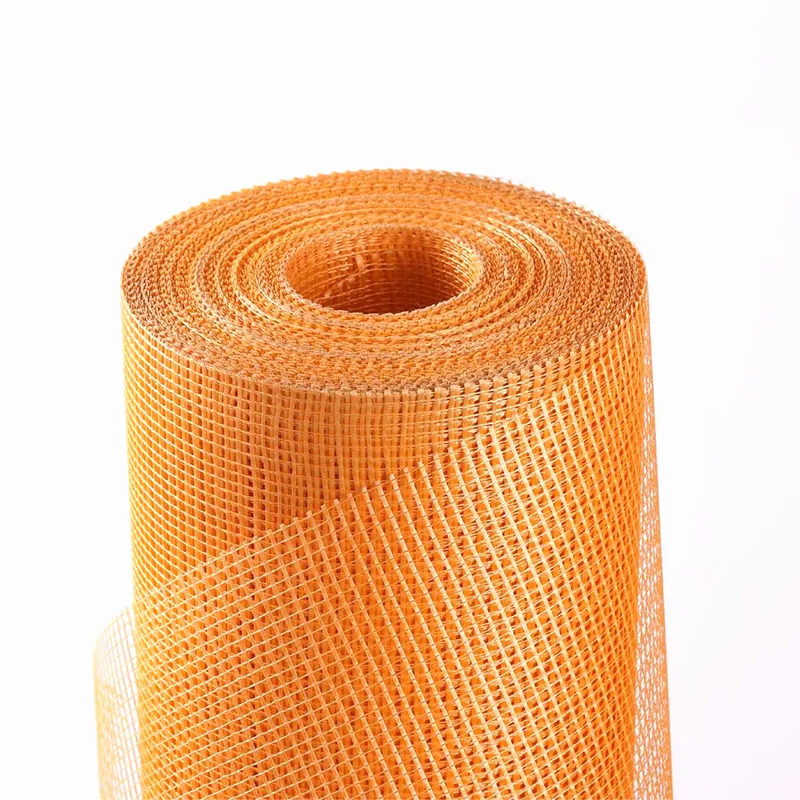
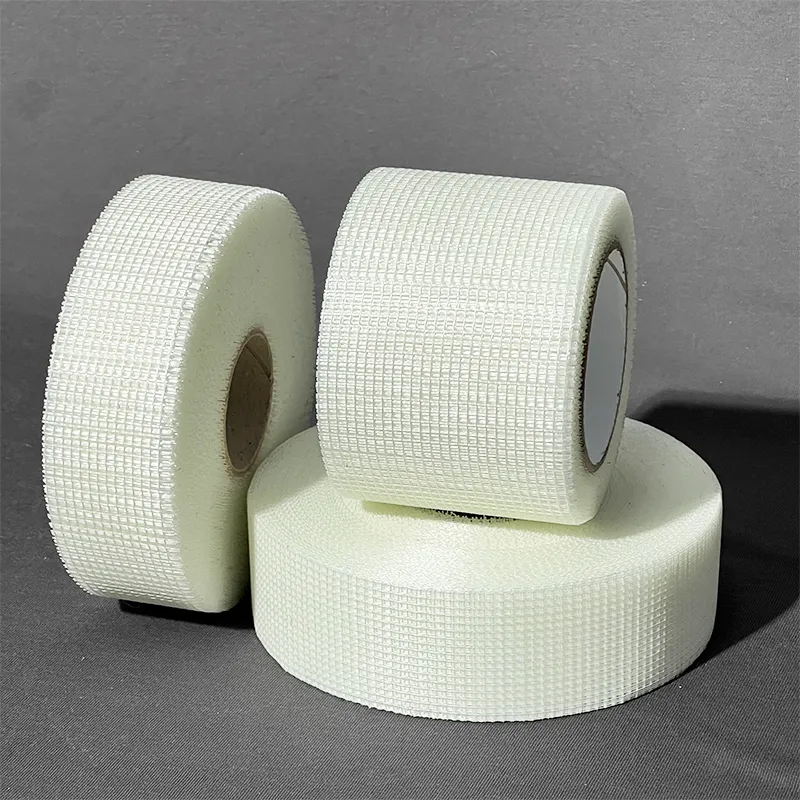
High-temperature resistant fiberglass mesh for wall applications.
Technical Specifications and Performance Metrics
When you buy adhesive fiberglass mesh, understanding the precise technical parameters is crucial for optimal material selection and project success. Below are key specifications for typical high-performance adhesive fiberglass mesh products.
Typical Product Specifications:
| Parameter | Value / Description | Testing Standard |
|---|---|---|
| Material Composition | E-glass fiber, Alkali-resistant polymer emulsion, Pressure-sensitive adhesive | Internal QC / Raw Material Certs |
| Mesh Size (Nominal) | 4x4 mm to 5x5 mm (approx. 60-80 openings/sq. inch) | ASTM E2098 |
| Weight per Square Meter | 60 gsm to 160 gsm (gram per square meter) | ISO 3374 |
| Tensile Strength (Warp/Weft) | >1500 N/50mm to >2000 N/50mm (before aging) | ISO 13934-1 / ASTM D5034 |
| Alkali Resistance (Residual Strength after 28 days in 5% NaOH) | >50% of original strength | ISO 13462-3 / ETAG 004 |
| Adhesive Tack (Loop Tack) | >2 N/inch | ASTM D6195 |
| Temperature Resistance | -40°C to +80°C (continuous), up to +180°C (intermittent for specialty) | Internal QC / ISO 11357 |
| Elongation at Break | Typically | ISO 13934-1 |
Comparison: Standard vs. High-Strength Adhesive Fiberglass Mesh
The choice between standard and high-strength options depends heavily on the application's specific requirements for structural reinforcement and longevity. When you buy lowes fiberglass mesh tape or generic brands, you often encounter standard specifications. However, for critical applications, specialized high-strength variants are essential.
| Feature | Standard Adhesive Fiberglass Mesh | High-Strength Adhesive Fiberglass Mesh |
|---|---|---|
| Weight (GSM) | ~60-90 gsm | ~100-160 gsm+ |
| Tensile Strength (N/50mm) | ~1200-1600 N | ~1800-2500 N+ |
| Alkali Resistance | Good (50% residual strength) | Excellent (60%+ residual strength, enhanced coatings) |
| Primary Application | Drywall joint repair, light plaster reinforcement, crack bridging | EIFS, stucco, heavy-duty plastering, flooring screeds, waterproofing membranes |
| Cost Effectiveness | Lower upfront cost, suitable for standard tasks | Higher upfront cost, superior long-term performance and durability in critical zones |
Versatile Application Scenarios
The self-adhesive nature and robust properties of fiberglass mesh make it suitable for an extensive range of applications, providing superior reinforcement and crack prevention.
Key Application Areas:
- Drywall Repair and Finishing: Essential for reinforcing drywall joints and repairing cracks, preventing future recurrence. Products like buy fiberglass mesh tape for drywall are specifically designed for this. Its self-adhesive backing allows for quick, seamless application before mudding and finishing, reducing labor time and ensuring a smooth, crack-free surface.
- Exterior Insulation Finishing Systems (EIFS): A critical component in EIFS, providing impact resistance and crack control for the base coat. The mesh is embedded in the wet base coat, creating a robust, continuous layer of reinforcement that enhances the system's durability and longevity. This application directly benefits from its alkali resistance.
- Stucco and Plaster Reinforcement: Used to reinforce stucco and plaster layers, particularly in areas prone to movement or stress. For those looking to buy plaster fiberglass mesh, the adhesive properties facilitate easier installation on vertical surfaces, ensuring the integrity of the plaster work against thermal expansion and minor structural shifts.
- Waterproofing Membranes: Integrated into liquid-applied waterproofing systems, especially in bathrooms, kitchens, and basements. When you buy fiberglass mesh tape for redgard or similar products, you're getting a solution specifically engineered to reinforce these membranes over cracks, seams, and substrate transitions, enhancing tear strength and preventing water ingress.
- Concrete Repair and Resurfacing: Applied to concrete surfaces before overlays or repairs to prevent reflection cracking and provide additional tensile strength, especially in thin-set applications or floor screeds.
- Tile Installation: Used to reinforce tile backer boards or substrate membranes, particularly over subfloor seams or areas of potential movement, to minimize cracking of grout and tiles.
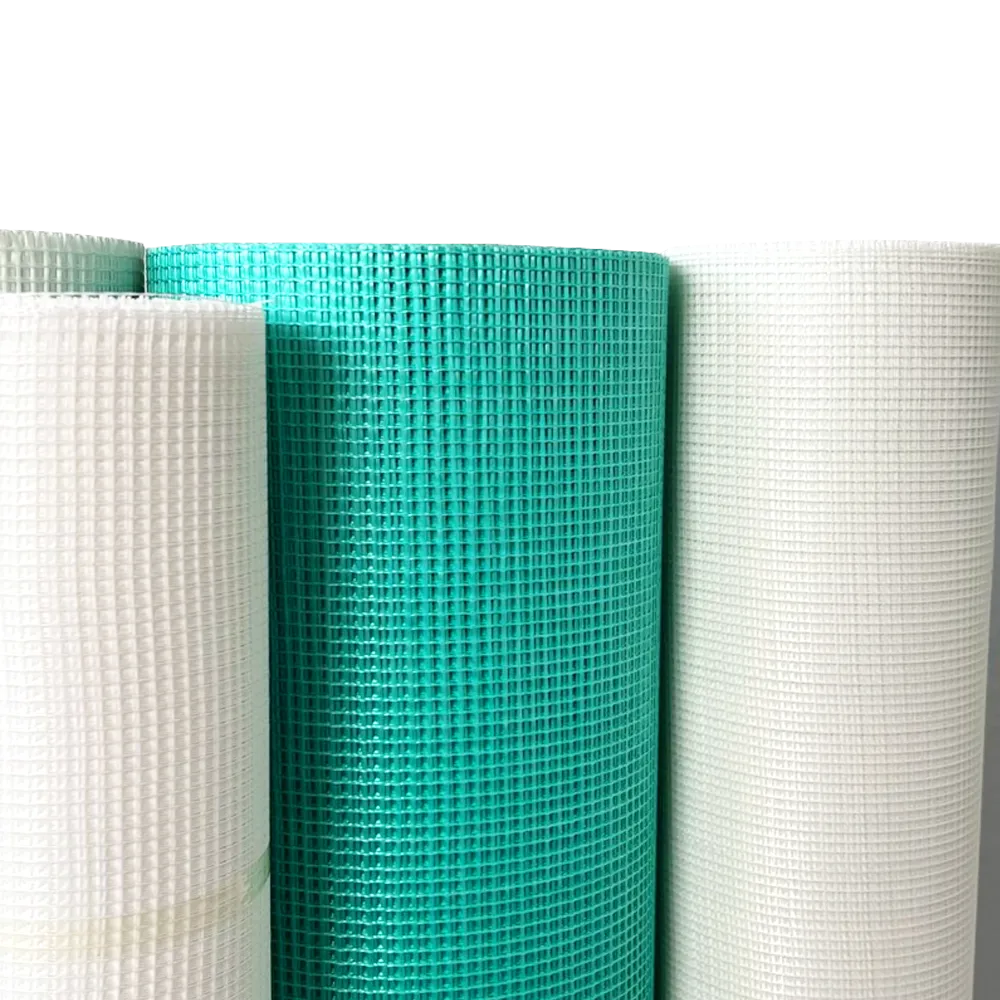
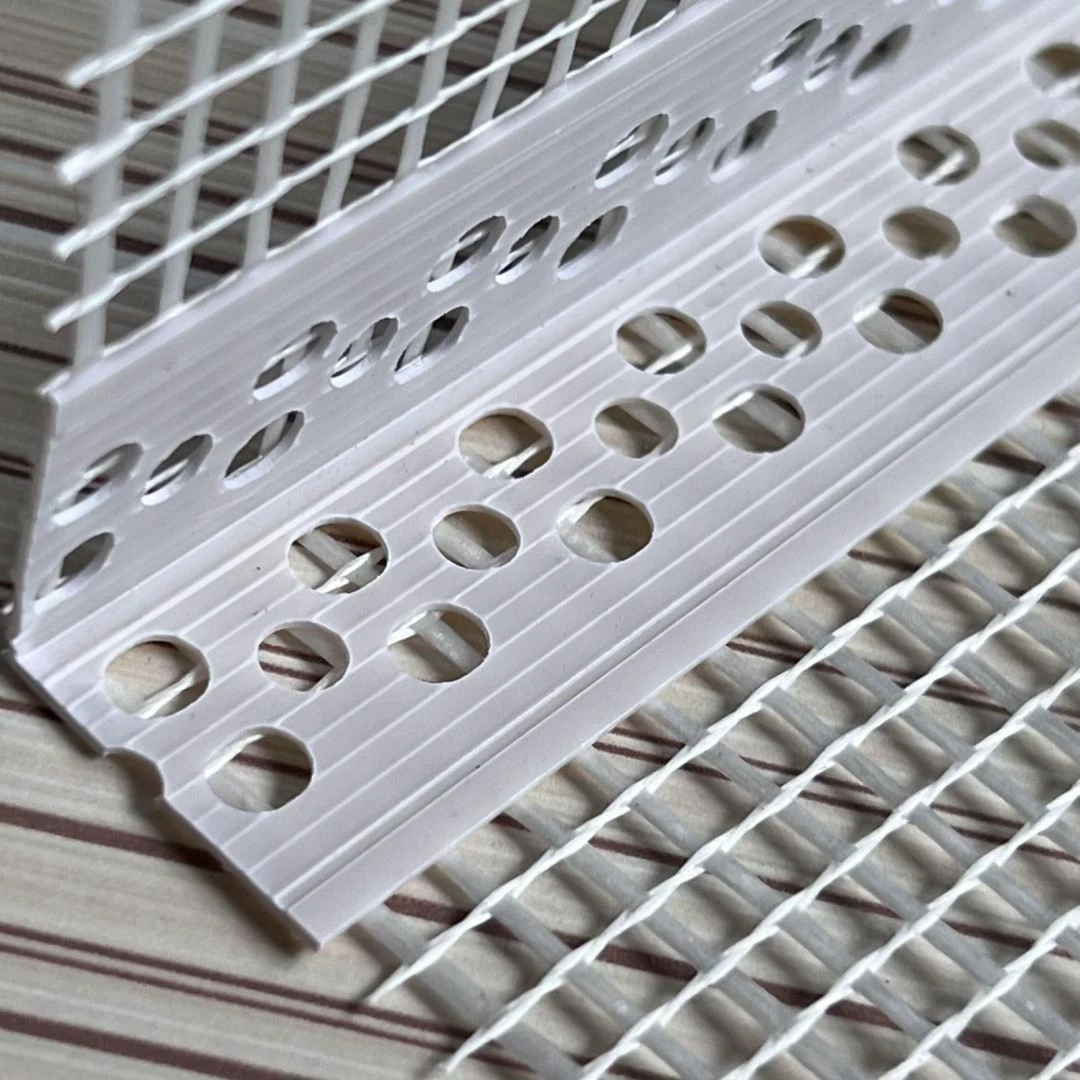
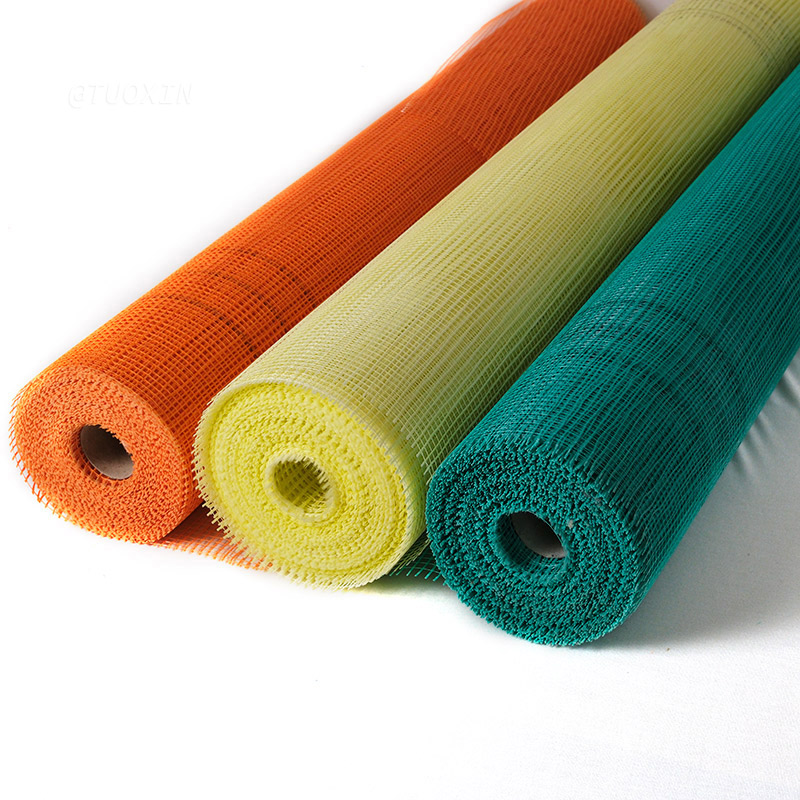
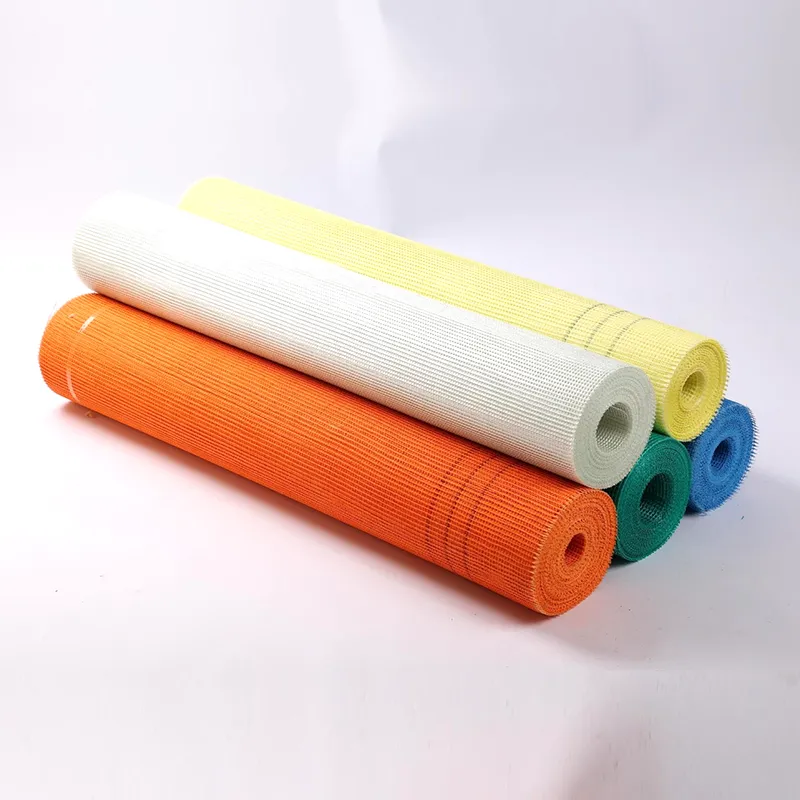
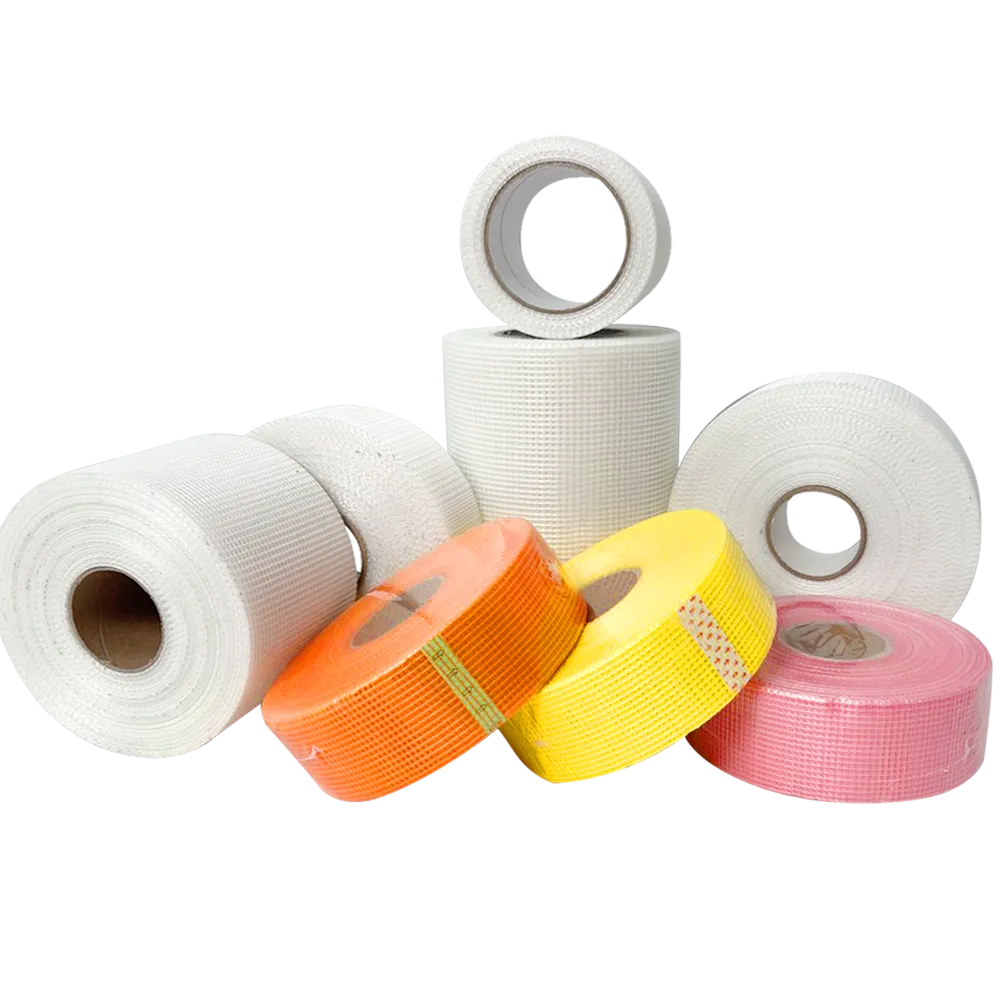
Ensuring durability in wall applications with self-adhesive mesh.
Technical Advantages and Benefits
Opting to buy adhesive fiberglass mesh brings a multitude of technical advantages that directly contribute to project efficiency, durability, and cost-effectiveness.
- Superior Crack Prevention: The high tensile strength of fiberglass fibers, combined with the mesh structure, effectively dissipates stress, preventing the propagation of micro-cracks into visible structural damage. This is particularly crucial in areas subject to thermal expansion, shrinkage, or minor structural movements.
- Excellent Alkali Resistance: The specialized polymer coating protects the glass fibers from the corrosive effects of alkaline environments found in cement, plaster, and stucco, ensuring the mesh retains its mechanical properties over decades. This is a key differentiator from untreated fiberglass.
- Ease of Application (Self-Adhesive): The integrated adhesive layer significantly simplifies installation. It eliminates the need for pre-wetting or additional fasteners, allowing for quick, precise positioning and reduced labor time, especially beneficial for single-person applications.
- High Dimensional Stability: Fiberglass mesh exhibits minimal elongation at break and excellent dimensional stability under varying temperature and humidity conditions, ensuring the reinforced layer remains stable and uniform.
- Impact Resistance: In EIFS and stucco applications, the embedded mesh dramatically improves the system's resistance to impact and penetration, protecting the underlying insulation and structure.
- Lightweight and Flexible: Despite its strength, fiberglass mesh is lightweight and highly flexible, conforming easily to irregular surfaces and corners without adding significant bulk.
- Corrosion Resistance: Being inorganic, fiberglass is immune to rust and corrosion, ensuring long-term performance even in moist or chemically aggressive environments, unlike metallic reinforcements.
Vendor Comparison and Customized Solutions
When considering where to buy adhesive fiberglass mesh, it's essential to evaluate vendors based on more than just price. A comprehensive comparison involves assessing product quality, adherence to standards, customization capabilities, and technical support.
Key Criteria for Vendor Selection:
- Certifications & Standards: Verify that the vendor's products comply with international standards such as ISO 9001, ASTM, and ETAG 004 (for EIFS applications). This ensures consistent quality and performance.
- Material Quality: Inquire about the grade of E-glass fiber used, the type and quality of the alkali-resistant coating, and the adhesive formulation. Superior materials translate to superior long-term performance.
- Range of Products: A reputable supplier should offer a diverse range of mesh weights (gsm), mesh sizes (e.g., 4x4mm, 5x5mm, 10x10mm), and roll dimensions to cater to various project requirements.
- Customization Capabilities: For large-scale or specialized projects, the ability to tailor product specifications—such as specific mesh counts, adhesive types (e.g., higher temperature resistance), widths, or lengths—is invaluable. Companies with robust R&D can offer bespoke solutions.
- Technical Support & Expertise: Access to technical data sheets, application guides, and expert consultation ensures that you select and utilize the product effectively. This is particularly important when dealing with complex installations or new material integrations.
- Logistics and Lead Times: Reliable supply chains, competitive lead times, and efficient fulfillment are critical for maintaining project schedules and inventory management.
Customized Solutions:
Specialized applications often require customized adhesive fiberglass mesh products. This could involve:
- Varying Mesh Apertures: Tailoring mesh size for specific aggregate sizes in plaster or concrete applications.
- Enhanced Coatings: Developing coatings with even higher alkali resistance, flame retardancy, or UV stability for extreme environmental conditions.
- Adhesive Formulations: Customizing adhesive tack levels or temperature resistance ranges to suit specific installation methods or operating temperatures.
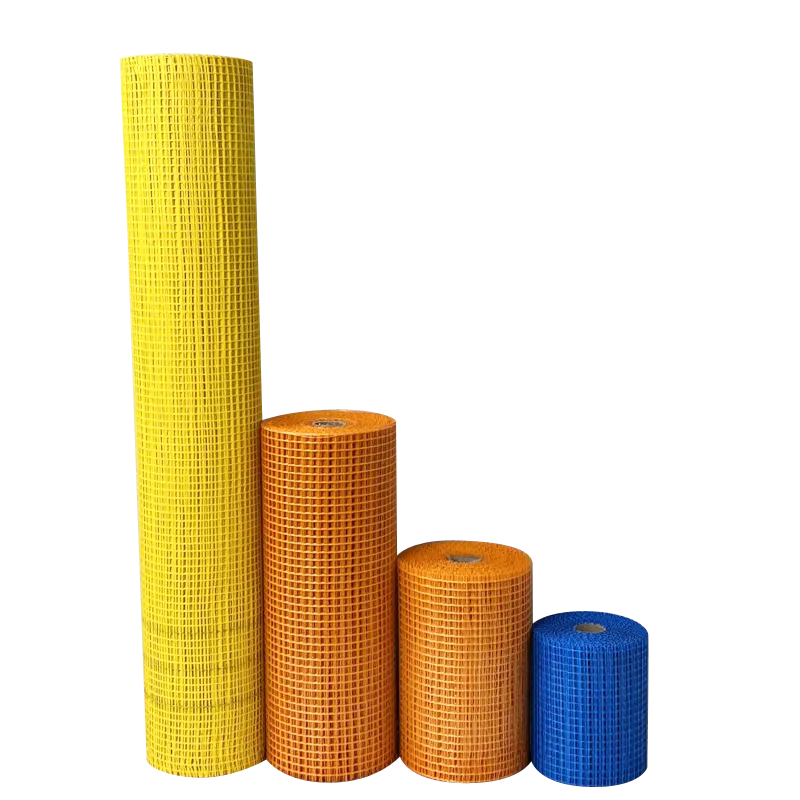
- Specific Roll Dimensions: Producing rolls in non-standard widths or lengths to minimize waste and streamline installation for large-scale projects.
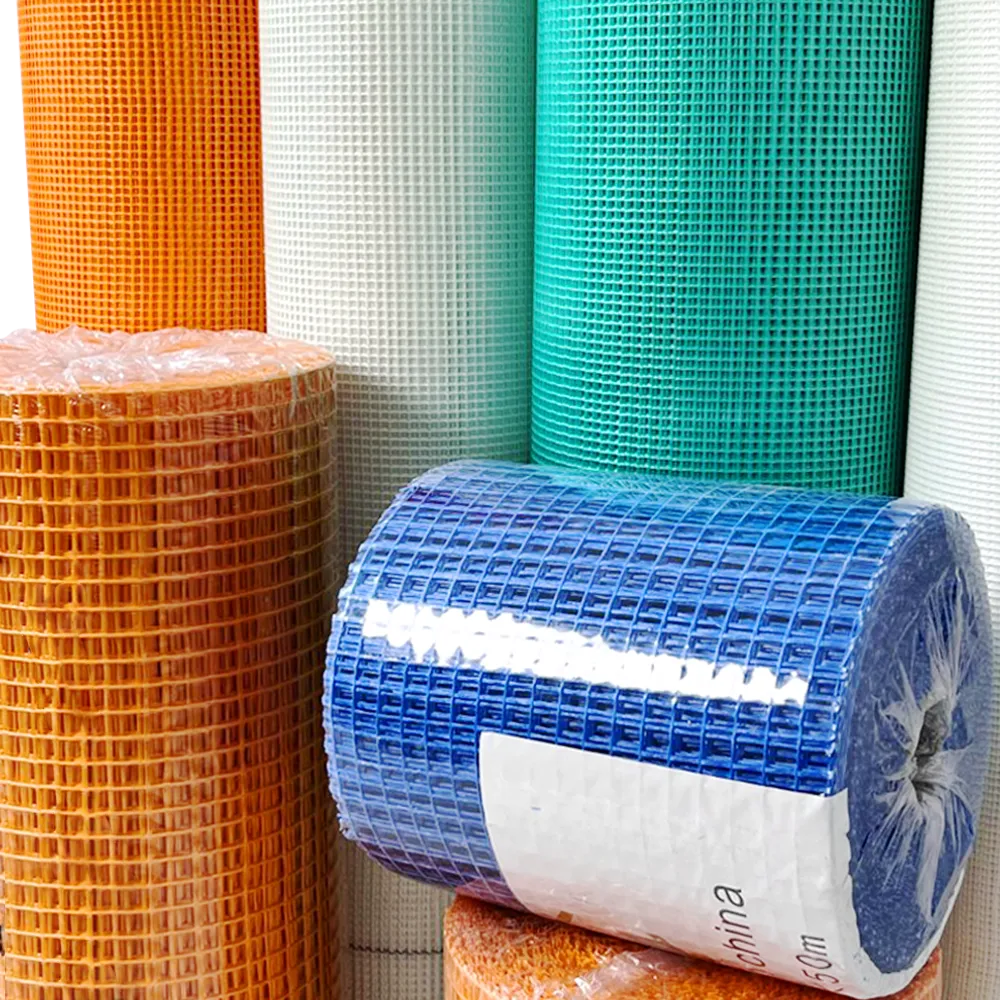
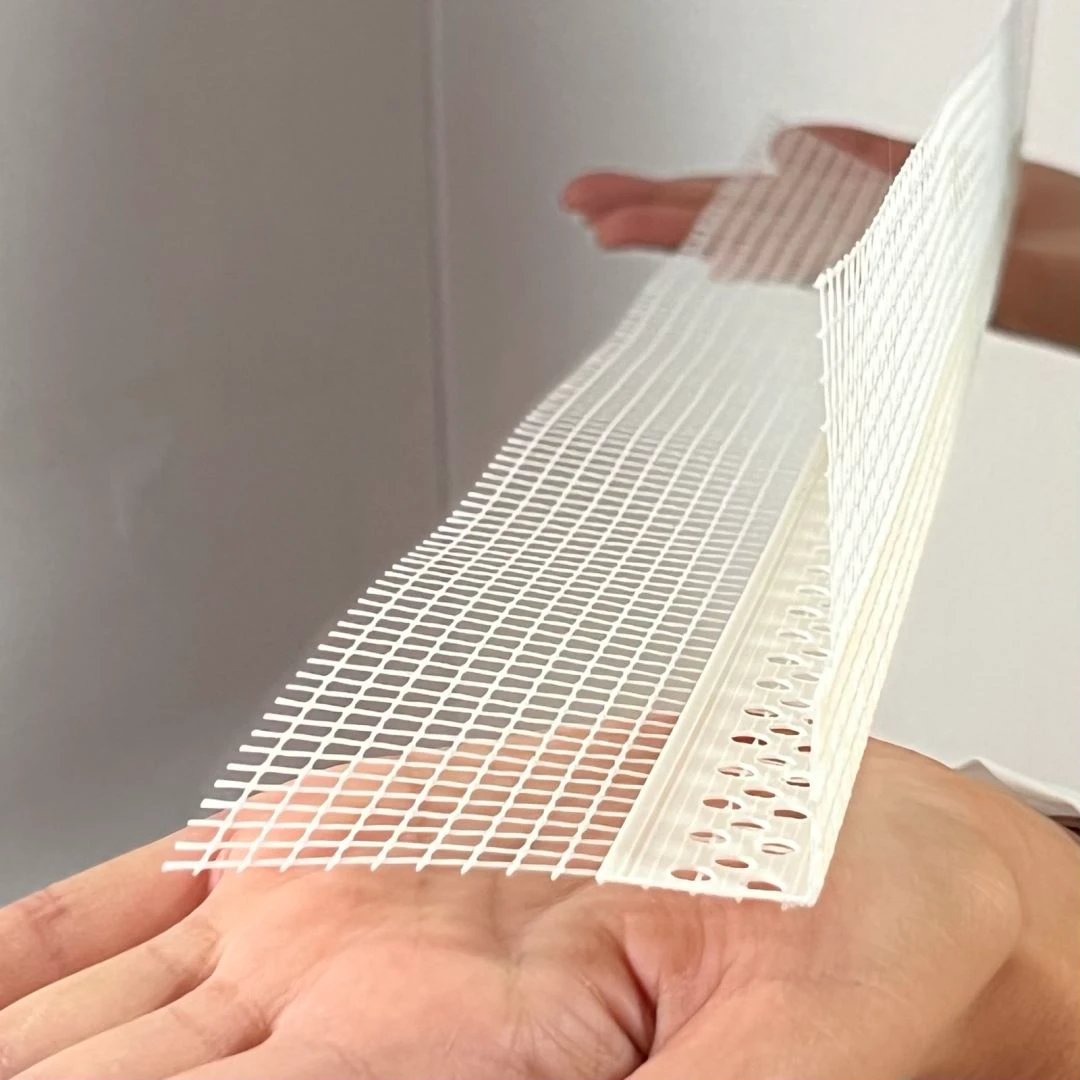
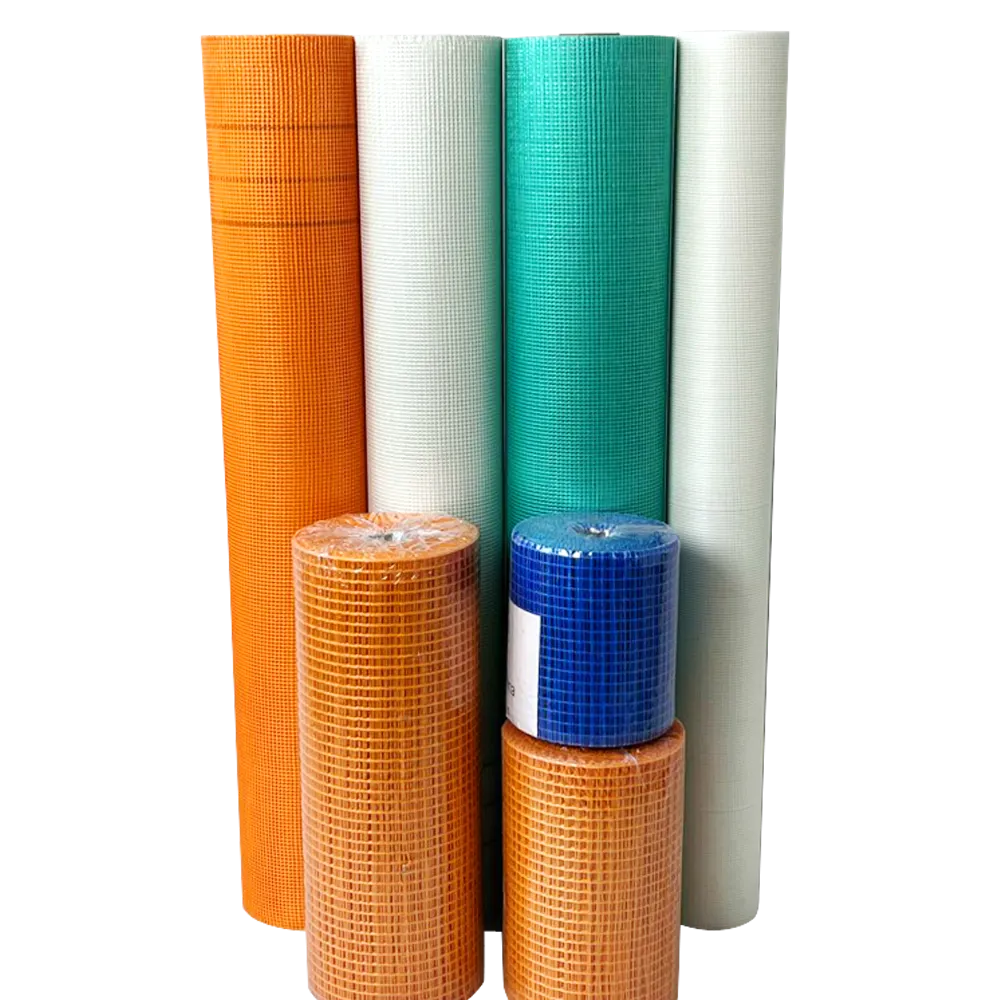
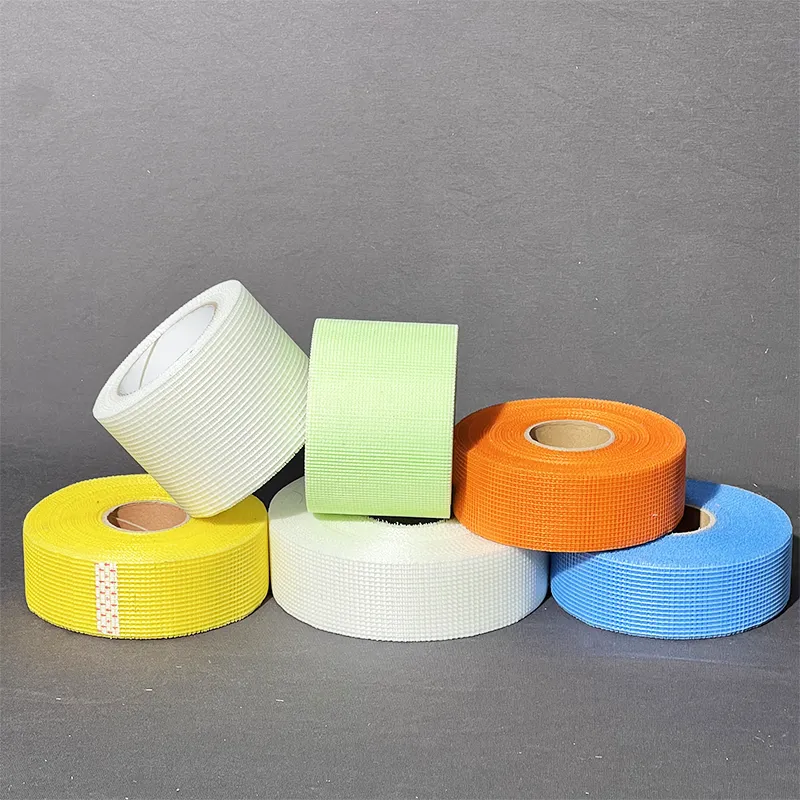
Detailing the robust construction of fiberglass mesh.
Application Case Studies & Customer Experience
Real-world applications demonstrate the tangible benefits of choosing to buy adhesive fiberglass mesh from a quality manufacturer.
Case Study 1: High-Rise Residential Facade Renovation
A major construction firm undertook the renovation of a 30-story residential building's facade, which had developed extensive hairline cracking in its existing stucco system due to thermal cycling and settlement. After an initial assessment, it was decided that a full re-stucco with integrated reinforcement was necessary. The firm chose to buy high strength fiberglass mesh (160 gsm, 5x5mm mesh) with self-adhesive properties. The adhesive backing significantly accelerated the installation process on the vertical surfaces, ensuring accurate placement and reducing the need for temporary fasteners. Post-application, the reinforced stucco system has shown no signs of new cracking over five years, enduring severe weather conditions and maintaining its aesthetic integrity. Project managers reported a 20% reduction in labor time for mesh application compared to traditional non-adhesive meshes.
Case Study 2: Commercial Bathroom Waterproofing
A hospitality group required a robust and rapid waterproofing solution for new commercial bathrooms being installed in a hotel chain. Given the high traffic and constant moisture exposure, a fail-safe system was crucial. They opted to buy fiberglass mesh tape for redgard equivalent products to reinforce liquid-applied waterproofing membranes around shower stalls, floor-to-wall transitions, and plumbing penetrations. The self-adhesive nature of the tape allowed installers to quickly bridge joints and reinforce corners before the liquid membrane was applied, creating a continuous, monolithic waterproof layer. Leak tests after installation confirmed superior impermeability, leading to significant cost savings in potential future repairs and expedited project completion.
These instances underscore the practical advantages and reliability that adhesive fiberglass mesh brings to complex construction challenges, consistently delivering on expectations for durability and ease of use.
Ensuring Trustworthiness: FAQ, Lead Time, Warranty, and Support
Frequently Asked Questions (FAQ)
- Q: Can adhesive fiberglass mesh be used on all types of wall surfaces?
- A: Adhesive fiberglass mesh is highly versatile and suitable for most common wall surfaces including drywall, plaster, concrete, and cement board. For extremely uneven or contaminated surfaces, proper preparation (cleaning, priming) is essential to ensure optimal adhesion.
- Q: Is the adhesive strong enough to hold the mesh permanently?
- A: The self-adhesive backing is designed for initial tack and positioning. While strong enough to hold the mesh in place during application, it is the subsequent embedding in a wet coat (e.g., joint compound, plaster, base coat) that provides the permanent mechanical bond and structural reinforcement.
- Q: How does alkali resistance benefit the mesh's longevity?
- A: Cementitious materials are highly alkaline. Without an alkali-resistant coating, standard glass fibers would degrade over time, losing their strength and effectiveness. The coating protects the fibers, ensuring the mesh maintains its reinforcement capabilities for decades.
- Q: What is the recommended storage for adhesive fiberglass mesh rolls?
- A: Rolls should be stored horizontally in a cool, dry place, away from direct sunlight and extreme temperatures, to maintain the integrity of the adhesive layer. Shelf life typically ranges from 12-24 months under ideal conditions.
Lead Time and Fulfillment
We understand the importance of timely delivery for your projects. Standard orders for adhesive fiberglass mesh typically have a lead time of 7-14 business days, depending on order volume and specific product configurations. For large-volume or customized orders, lead times will be confirmed at the time of quotation. We maintain efficient logistics partnerships to ensure reliable and swift delivery worldwide. Please contact our sales team for current inventory levels and precise lead time estimates for your specific requirements.
Warranty Commitments
Our adhesive fiberglass mesh products are manufactured under stringent quality control processes and come with a standard 10-year limited warranty against manufacturing defects and material failures under normal application conditions. This warranty reflects our confidence in the durability and performance of our products, ensuring peace of mind when you choose to buy adhesive fiberglass mesh from us. Full warranty details are available upon request and provided with every order.
Customer Support
Our dedicated customer support and technical teams are available to assist you from product selection through to post-installation queries. We provide comprehensive technical data sheets, safety guidelines, and application best practices. For any inquiries regarding product specifications, customization, order status, or troubleshooting, please reach out to us via phone or email. Our goal is to ensure your projects are successful with our high-quality fiberglass mesh solutions.
References
- ASTM International. (n.d.). Standard Test Methods for Tensile Properties of Textile Fabrics. ASTM D5034.
- European Organisation for Technical Approvals (EOTA). (2013). ETAG 004 Guideline for European Technical Approval of External Thermal Insulation Composite Systems with Rendering.
- International Organization for Standardization (ISO). (n.d.). Textiles - Woven fabrics - Determination of breaking strength and elongation at break - Part 1: Strip method. ISO 13934-1.
- International Organization for Standardization (ISO). (n.d.). Glass fibre - Measurement of apparent linear density of filaments, strands and rovings. ISO 1889.
- Kushwaha, M. S., & Sharma, M. P. (2017). Mechanical Characterization of Glass Fiber Reinforced Polymer Composites. International Journal of Engineering Research & Technology (IJERT), 6(03), 133-136.
-
Best Fiberglass Mesh Tape for RedGard Product Waterproofing GuideNewsApr.16,2026
-
Why High Strength Fiberglass Mesh Is Essential For Stucco ApplicationNewsApr.15,2026
-
Why Alkali Resistant Fiberglass Mesh Tape Is Essential For Cement Board And Tile InstallationsNewsApr.15,2026
-
Understanding The Role Of Drywall Fiberglass Mesh In Interior FinishingNewsApr.15,2026
-
Ultimate Guide To Using Fiberglass Mesh Tape For Drywall And Plaster RepairsNewsApr.15,2026
-
The Versatility Of Fiberglass Mesh In Marble And Stone MosaicNewsApr.15,2026