Oct . 21, 2025 11:30 Back to list
Buy Adhesive Fiberglass Mesh – High-Strength, Self-Adhesive
Practical Buyer’s Guide to Self-Adhesive Fiberglass Mesh Tape
If you’ve ever chased hairline cracks across drywall or fought with fraying paper tape, you’ll know why pros keep fiberglass joint tape in the first drawer. For anyone ready to [Buy Adhesive Fiberglass Mesh], here’s the quick, no-fluff download—from real jobsite feedback to lab metrics.
What it is (and why crews like it)
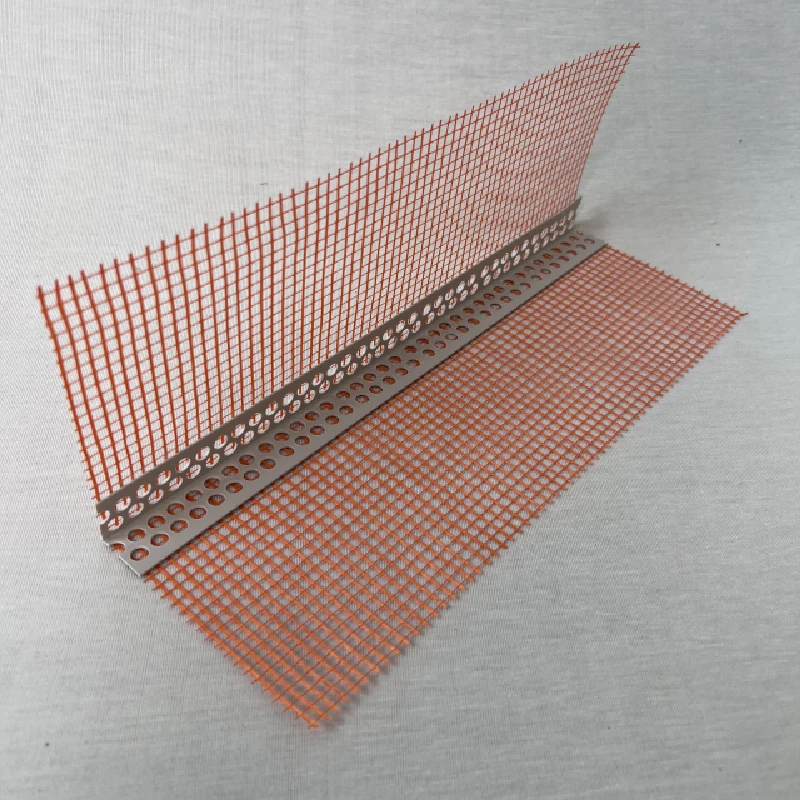
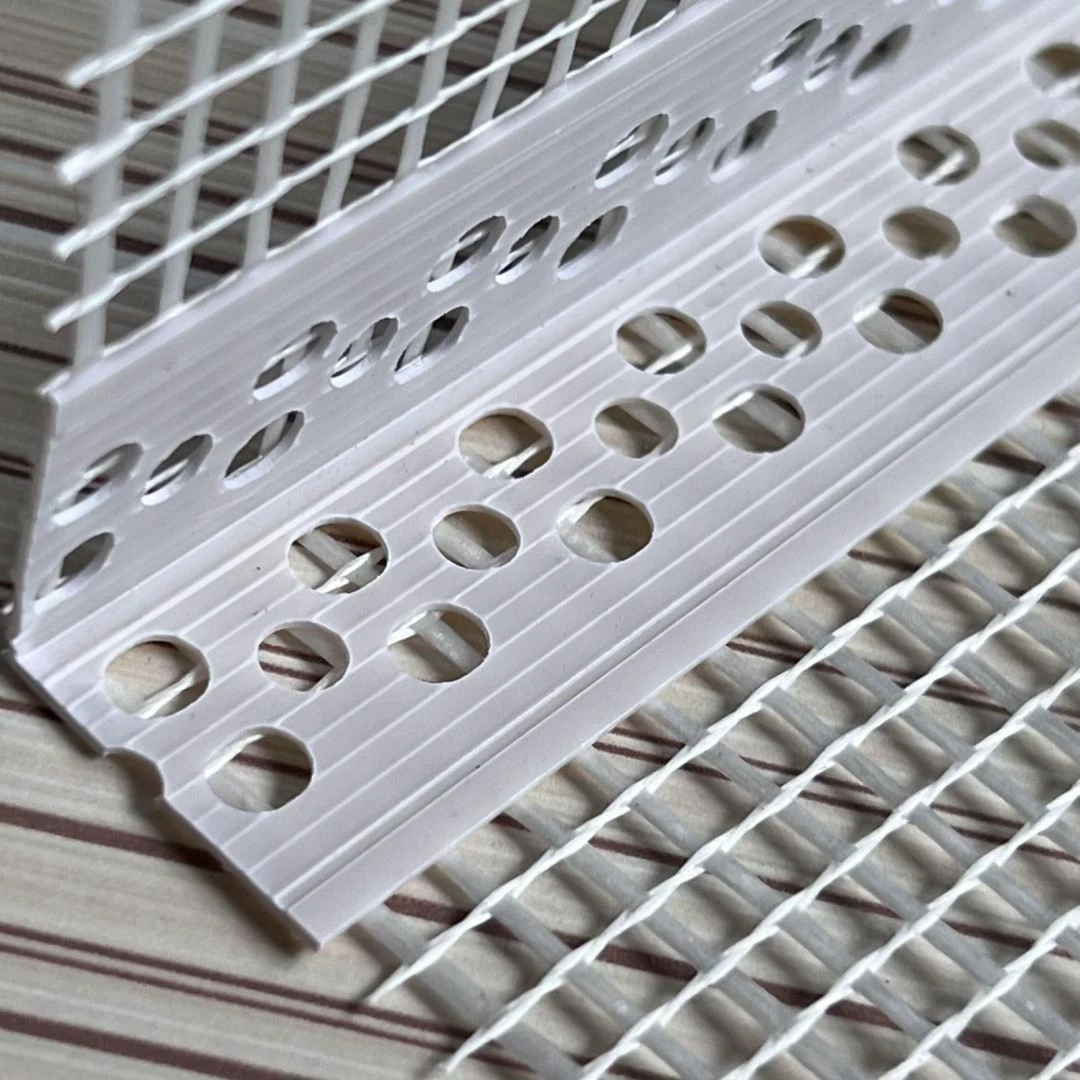
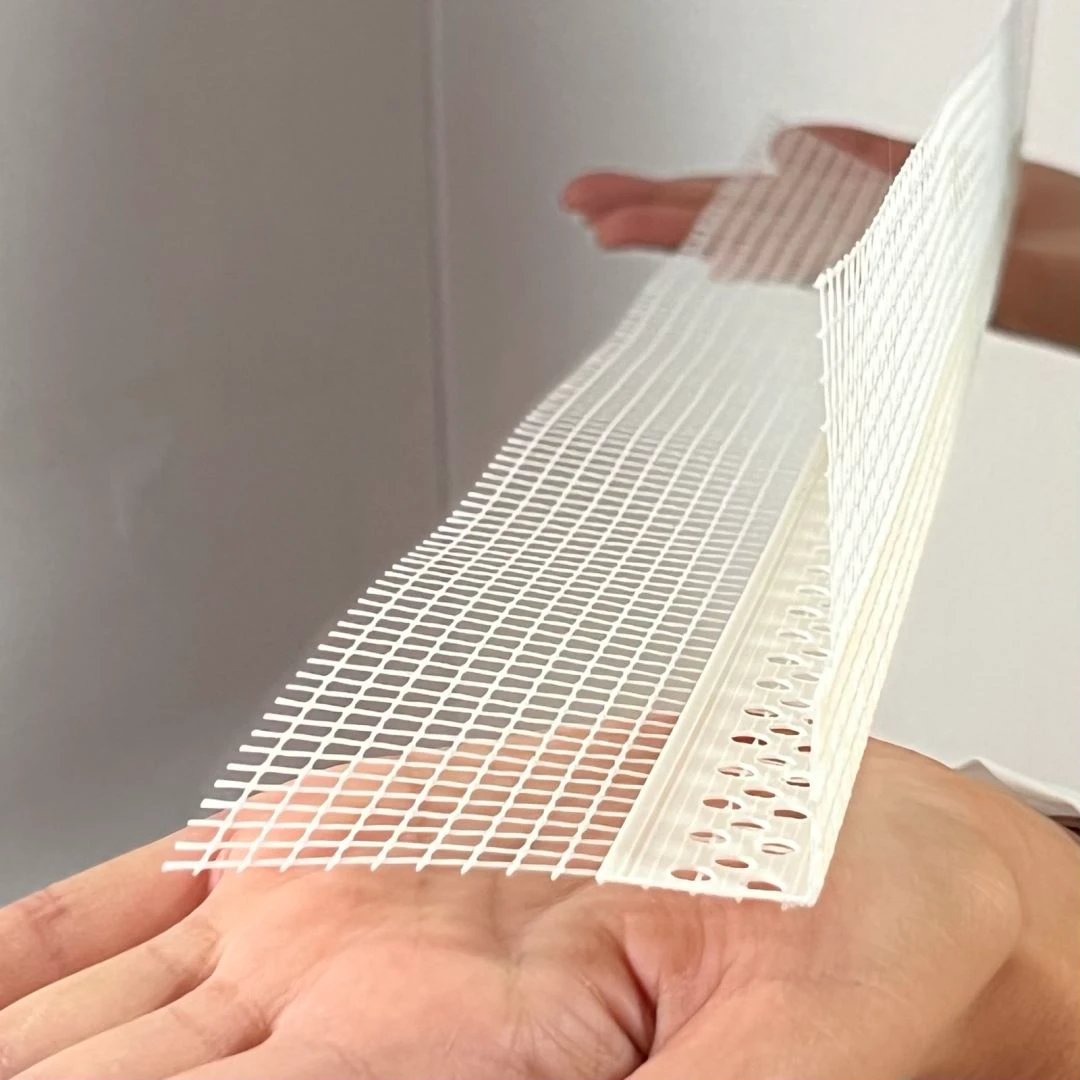
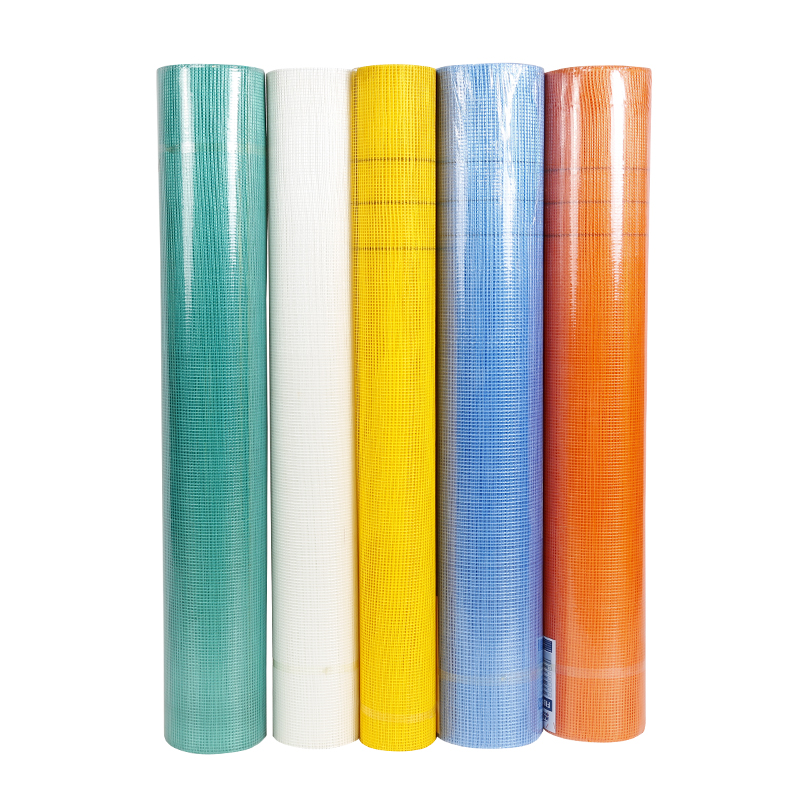
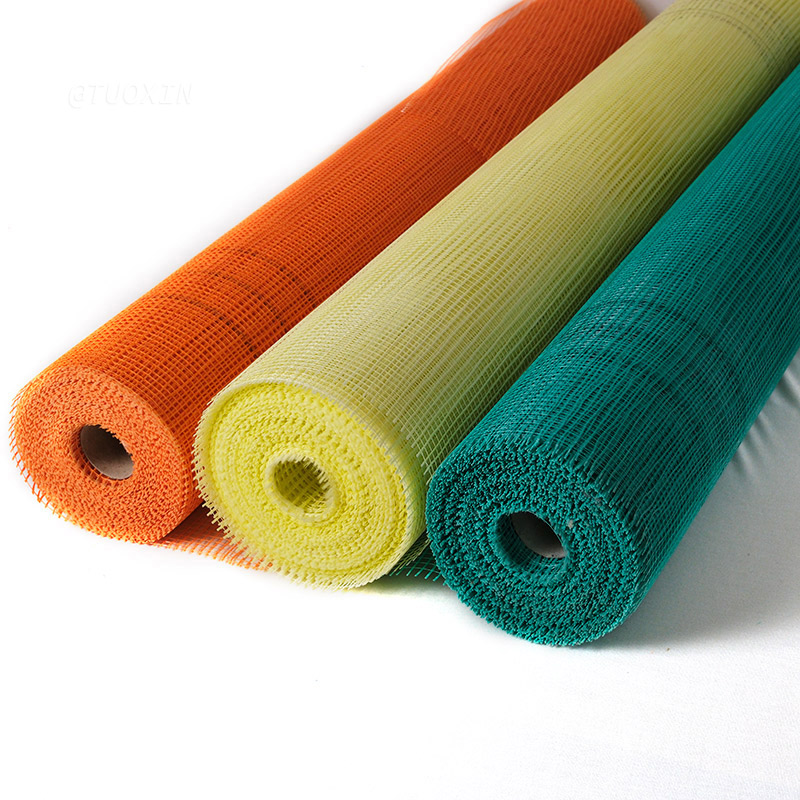
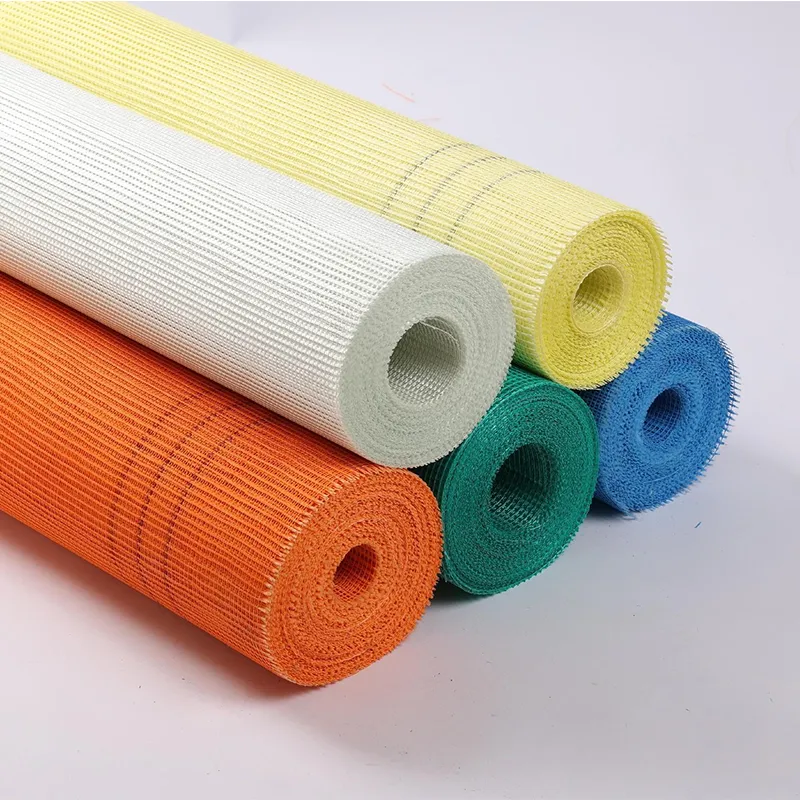
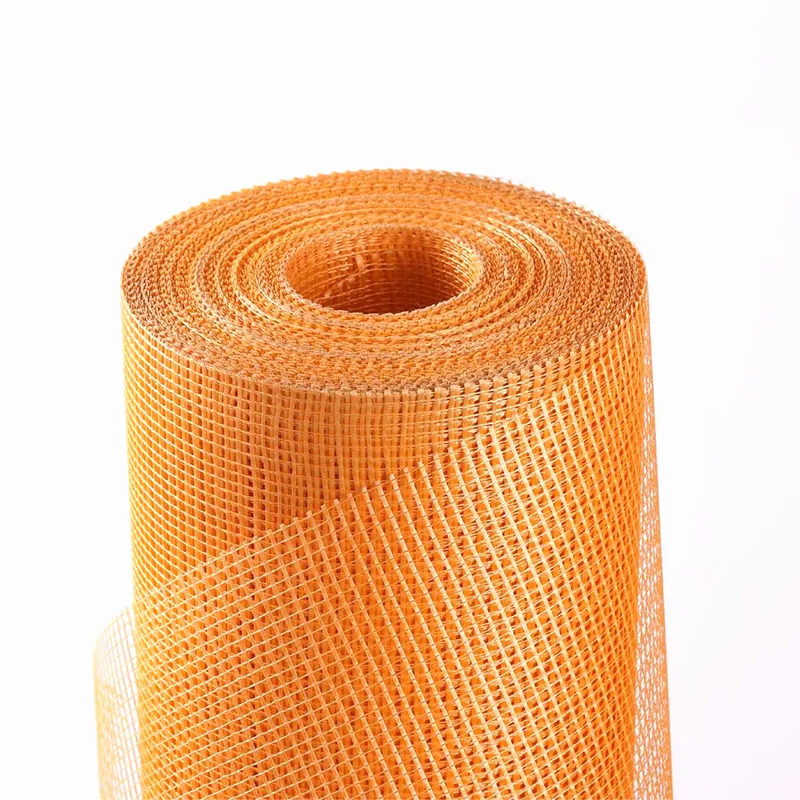
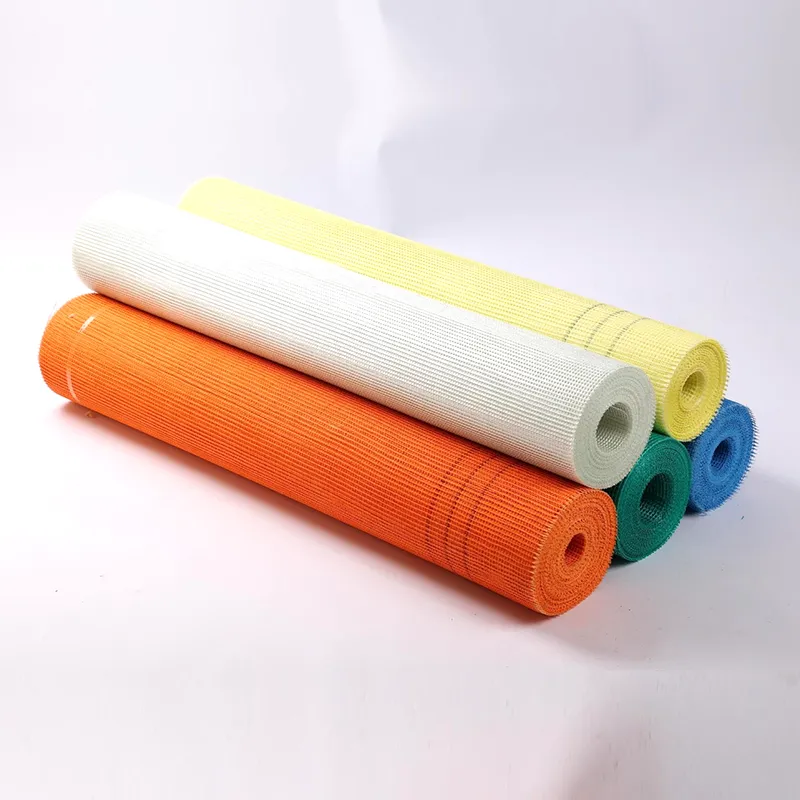
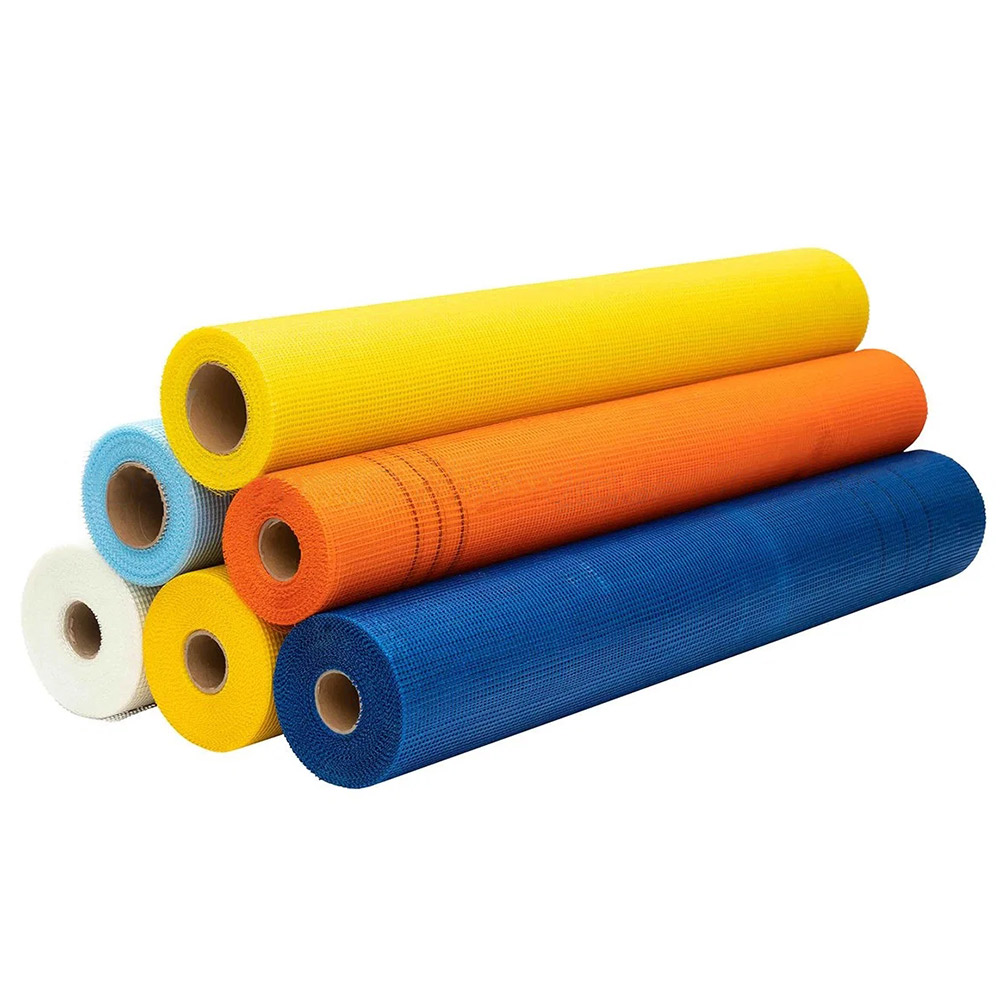
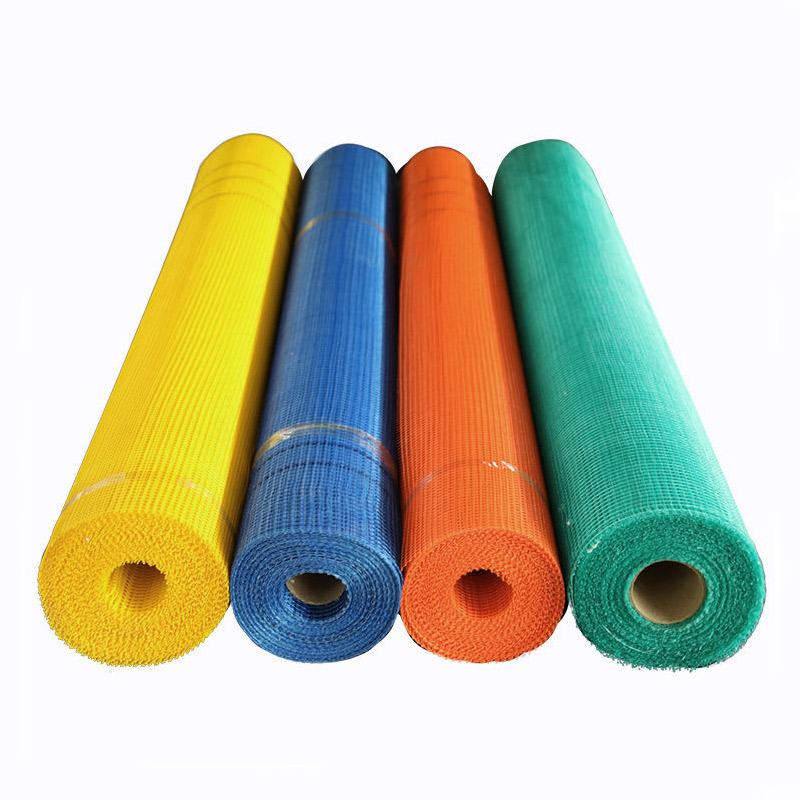
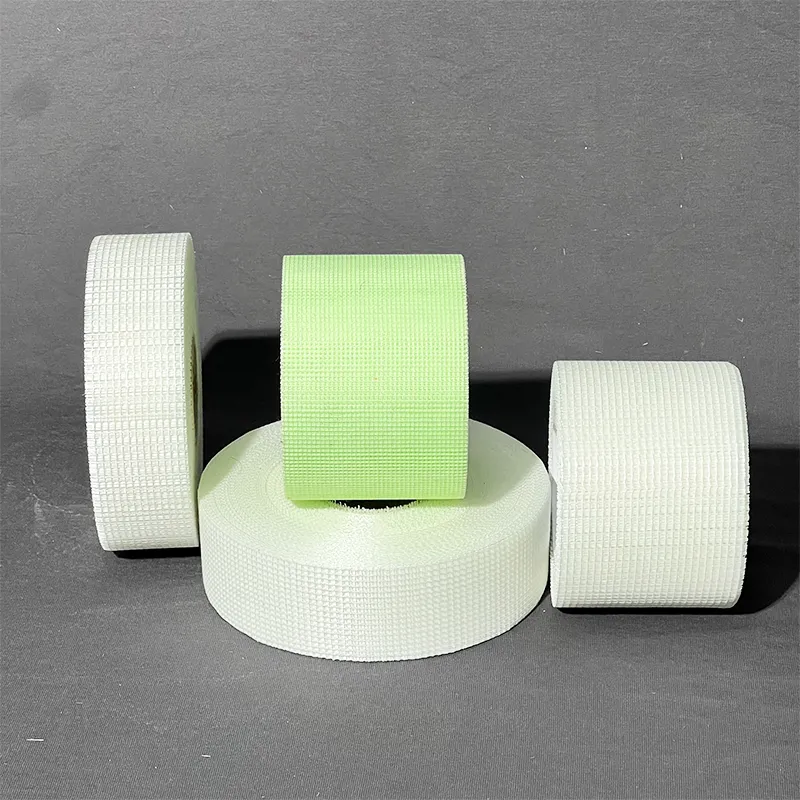
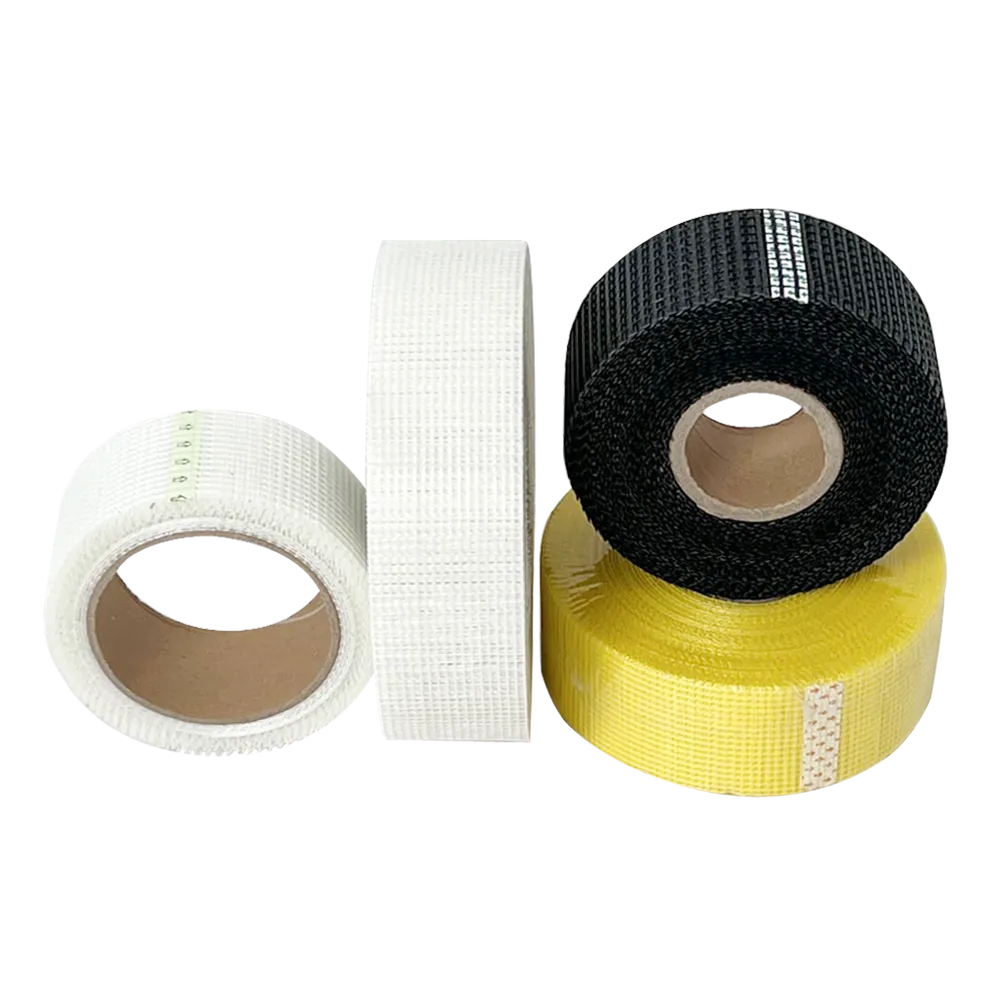
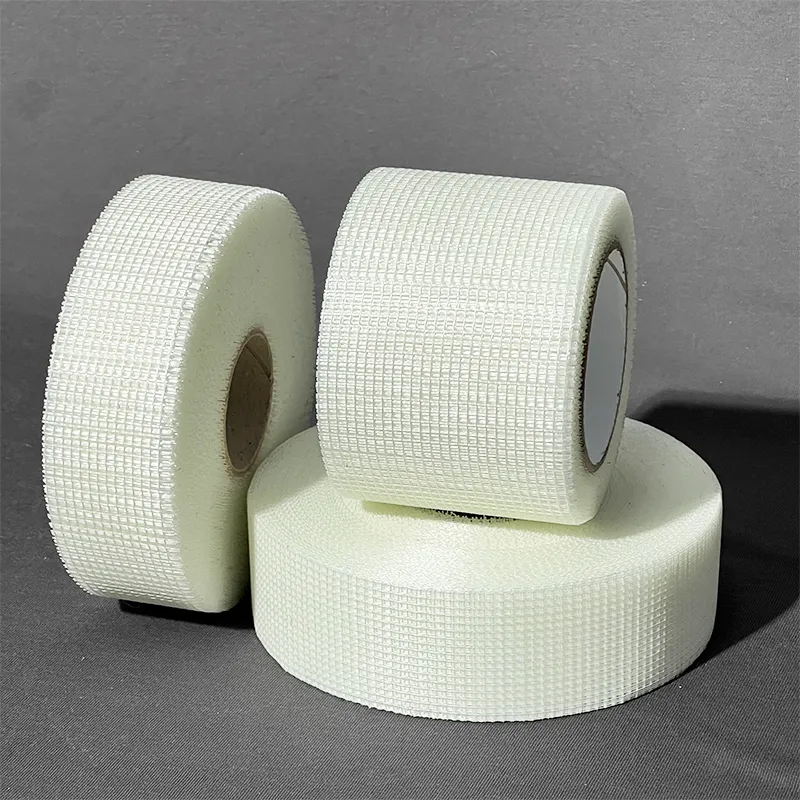
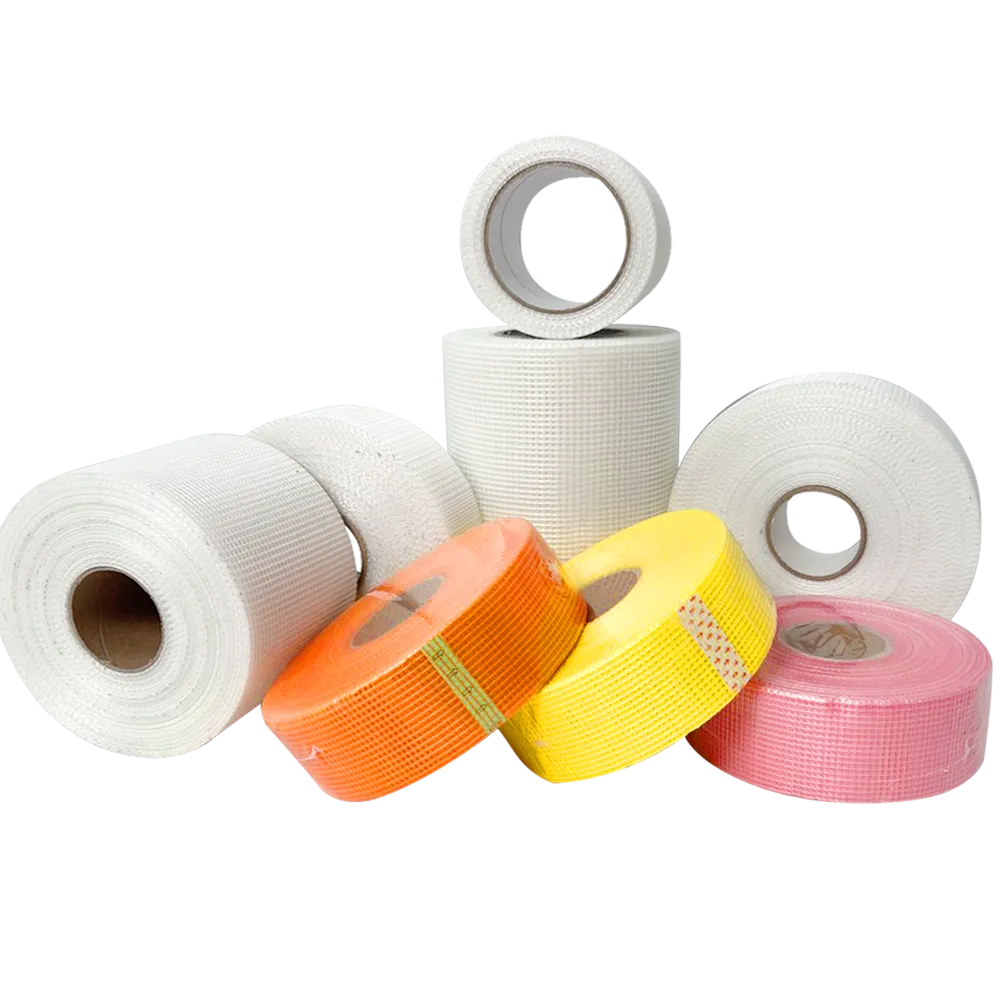
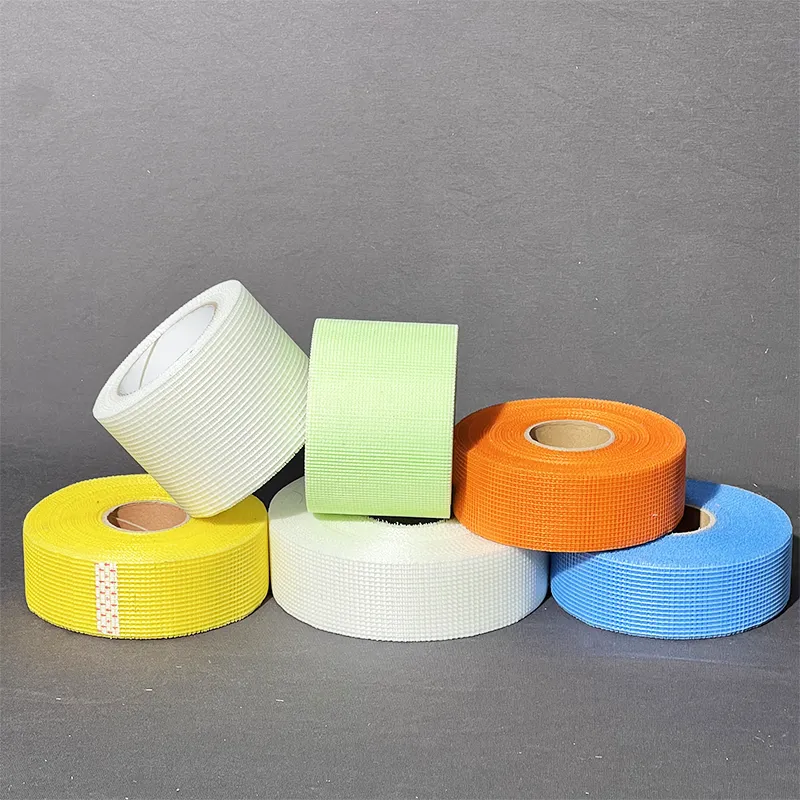
This self-adhesive fiberglass mesh joint tape—made in Xiaomen Village, Yilunbao Township, Renqiu City, Hebei Province, China—bridges drywall seams, repairs cracks, and reinforces corners. The fabric is buffed both sides for bonding consistency, with a center crease that folds neatly along inside corners. To be honest, that crease sounds minor until you’re on the ladder trying to keep a line straight.
Typical applications
- Drywall seams and butt joints before compound
- Plaster skim-coat reinforcement over old substrates
- Corner reinforcement (thanks to the center creasing)
- Spot crack repairs in renovations and post-settlement adjustments
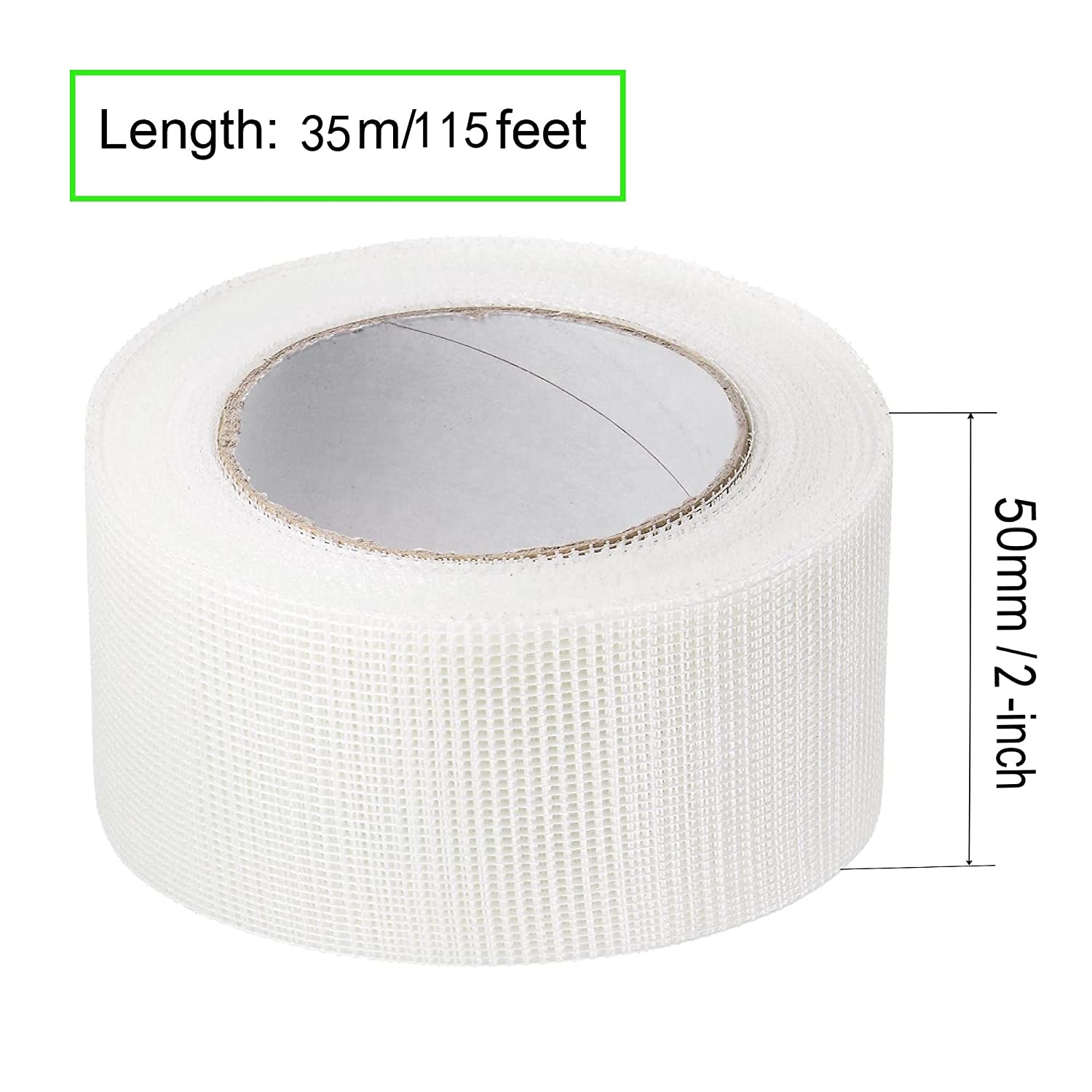
Specs that matter
| Parameter | Typical value (≈, real-world use may vary) |
|---|---|
| Base fiber | E-glass, alkali-resistant sizing |
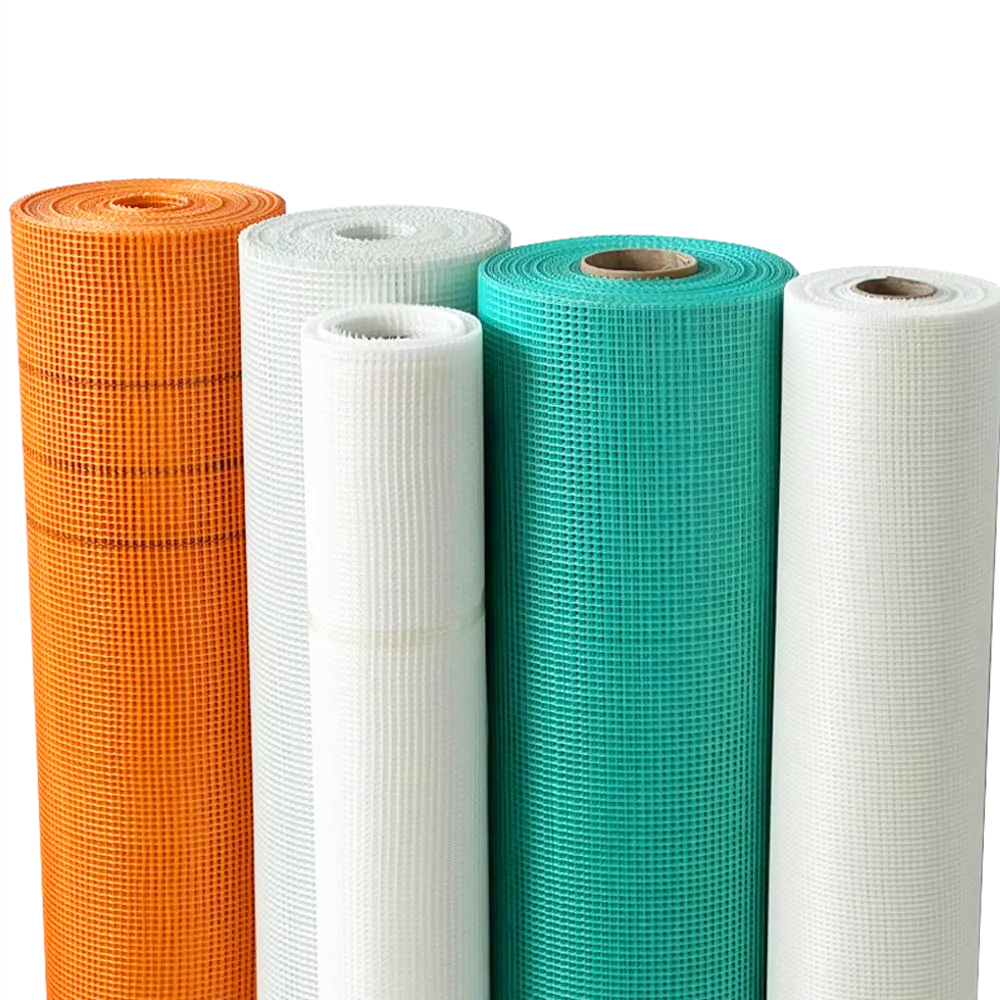
| Weave density | 8×8 to 9×9 mesh/inch |
| Grammage | ≈ 60–75 g/m² |
| Adhesive | Acrylic PSA, pH-neutral |
| Tensile strength | ≈ 500–800 N/50 mm (ASTM D5035) |
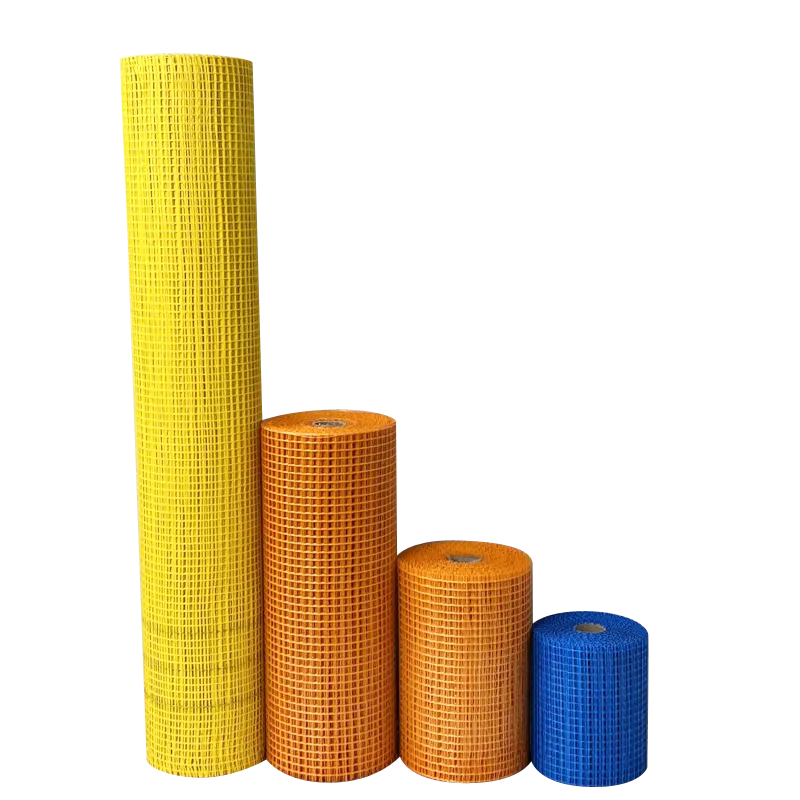
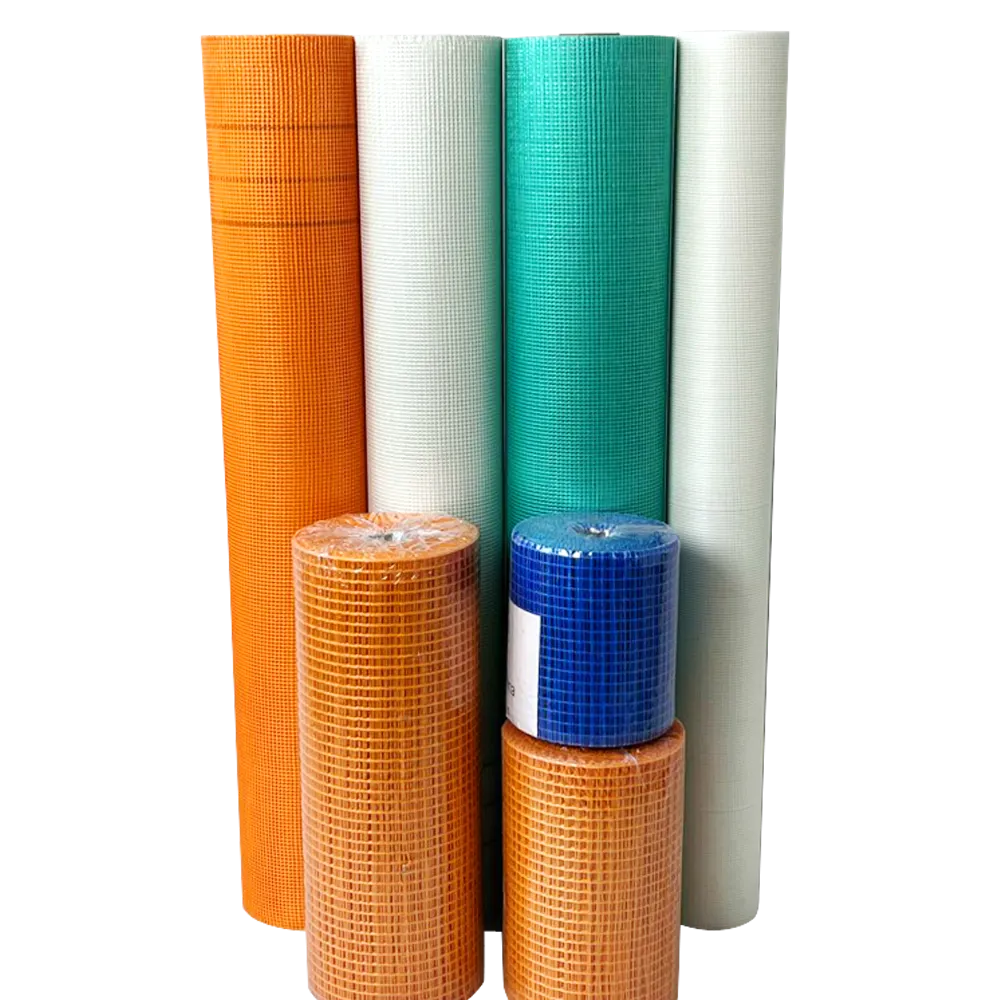
| Widths | 48 mm, 50 mm, 100 mm (custom on request) |
| Service life | Interior walls: 25–35 years under normal occupancy |
Testing and compliance: tensile (ASTM D5035), adhesive peel (ASTM D1000), surface burn index for assemblies where relevant (ASTM E84), UV aging (ISO 4892) used for QA sampling; European ETICS reinforcement guidance often references EAD 040083-00-0404, and some buyers ask for CE marking and ISO 9001 factory QA. Fair.
How it’s made (quick process flow)
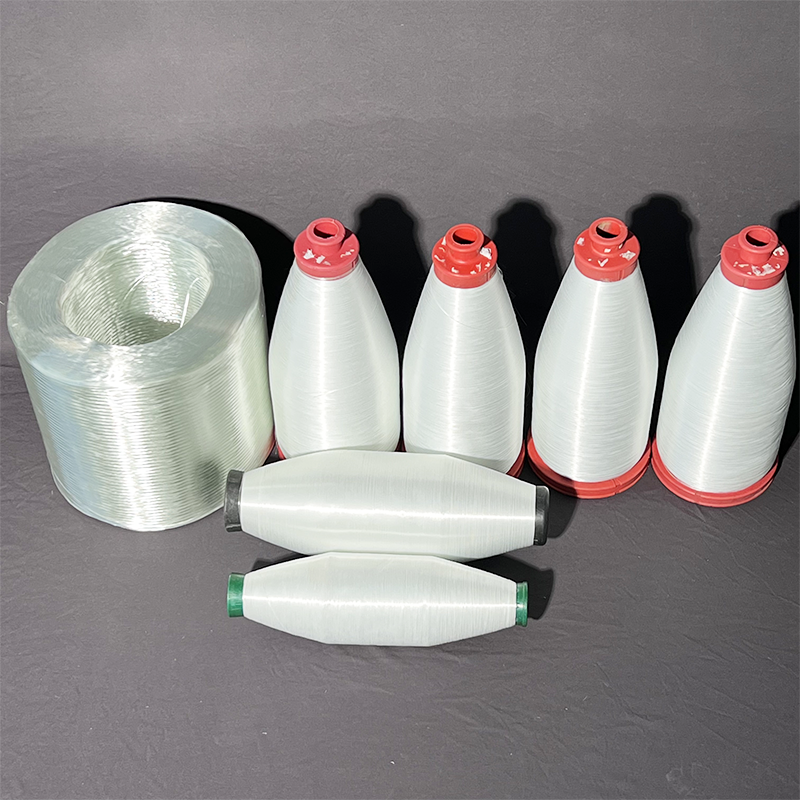
- Materials: E-glass yarn with alkali-resistant sizing; acrylic PSA; release/liner-free wind.
- Weaving: leno mesh for stability; buffing on both faces to improve keying.
- Coating: controlled adhesive laydown to avoid bleed-through.
- Center creasing: mechanical crease for corner conformity.
- QC: tensile and peel sampling; dimensional check; aging exposure; roll uniformity scan.
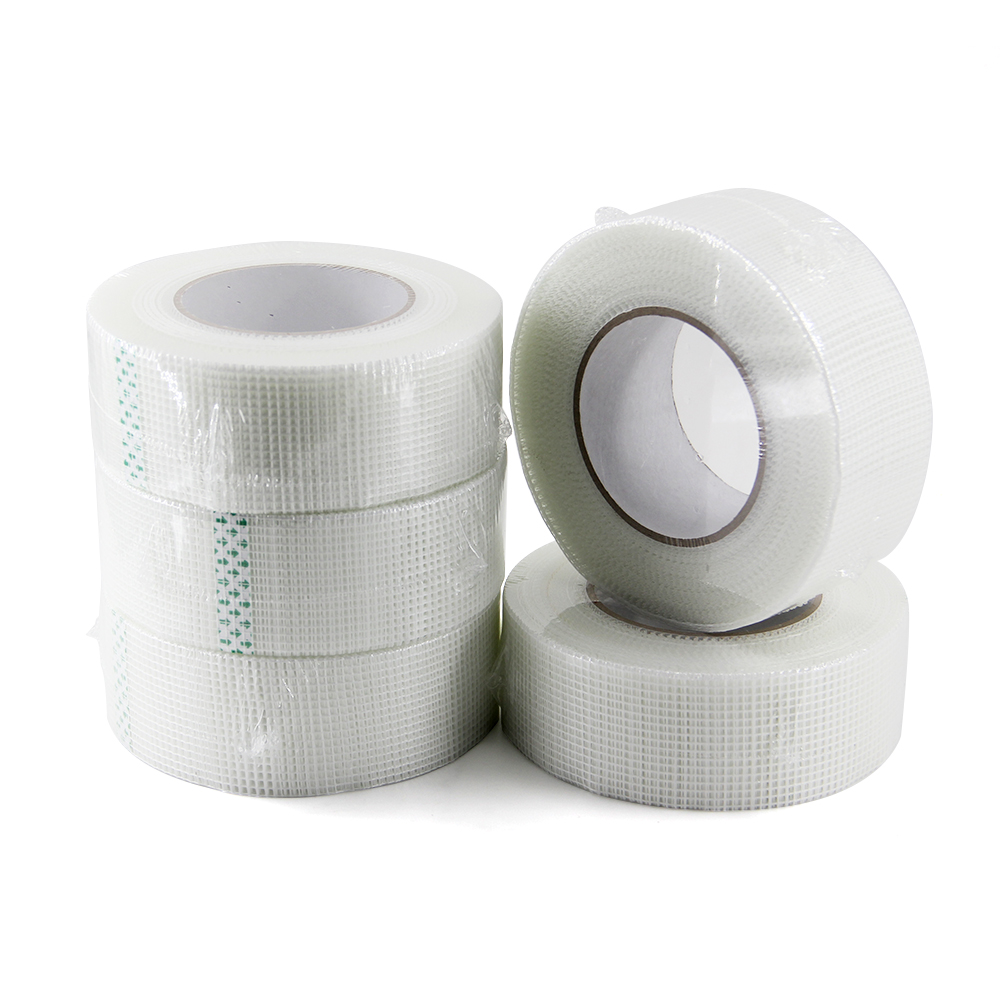
- Packing: shrink + carton; palletized for impact resistance.
Industry trend snapshot
Two shifts are obvious: contractors want faster prep (self-adhesive beats mud-set paper for many repairs) and higher alkali resistance for cementitious overlays. Also, surprisingly, customization—roll length and private labeling—has become a bigger deal for regional distributors.
Vendor comparison (what buyers often ask)
| Vendor | Mesh/Weight | Adhesive | Lead time | Customization |
|---|---|---|---|---|
| Tainuo (Hebei) | 9×9, 65–75 g/m² | Acrylic, strong tack | ≈ 10–15 days | Widths, roll length, private label |
| Brand A (EU) | 8×8, 60 g/m² | Acrylic, medium tack | ≈ 3–4 weeks | Limited SKUs |
| Brand B (US) | 9×9, 70 g/m² | Rubber-based | Stock/spot buy | Branding only |
Real-world notes, feedback, and case files
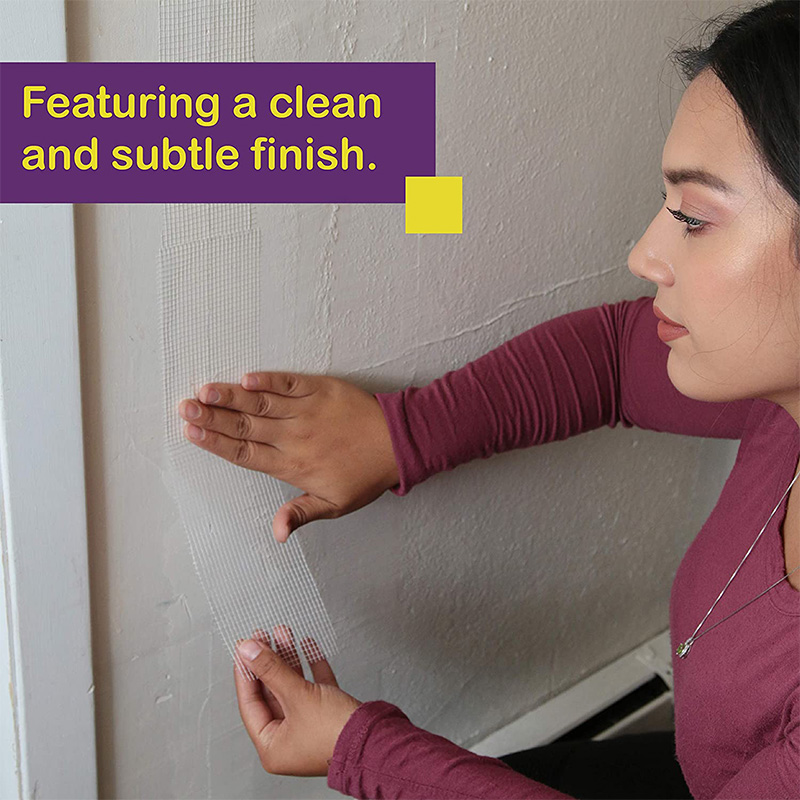
- Contractor feedback: “Sticks cleanly even on primed surfaces; less fray on edges.”
- Renovation case: 1970s apartment block—crack repair and skim; callbacks dropped by ~30% vs paper tape, per GC logs.
- Retail program: Distributor requested 45 m and 90 m rolls; private-label delivered in 12 days, which, honestly, is quick.
Buying tips and customization
Check adhesive tack (try a pull after 30 seconds), ask for tensile data and an aging test summary, and verify the crease quality if you do corners often. Custom roll width/length and branding are available; MOQ is typically manageable, I guess depending on the season.
[Buy Adhesive Fiberglass Mesh] for jobsite speed, consistent bond, and fewer redo’s. Many customers say it simply “stays put,” which is exactly what tape should do.
Citations
- ASTM D5035 – Standard Test Method for Breaking Force and Elongation of Textile Fabrics (Strip Method). https://www.astm.org/d5035
- ASTM D1000 – Standard Test Methods for Pressure-Sensitive Adhesive-Coated Tapes. https://www.astm.org/d1000
- ISO 4892 – Plastics — Methods of exposure to laboratory light sources (UV aging). https://www.iso.org/standard/72246.html
- EAD 040083-00-0404 – Reinforcing meshes for ETICS (EOTA). https://www.eota.eu/ead-040083-00-0404
- ASTM E84 – Standard Test Method for Surface Burning Characteristics of Building Materials. https://www.astm.org/e0084
-
Best Fiberglass Mesh Tape for RedGard Product Waterproofing GuideNewsApr.16,2026
-
Why High Strength Fiberglass Mesh Is Essential For Stucco ApplicationNewsApr.15,2026
-
Why Alkali Resistant Fiberglass Mesh Tape Is Essential For Cement Board And Tile InstallationsNewsApr.15,2026
-
Understanding The Role Of Drywall Fiberglass Mesh In Interior FinishingNewsApr.15,2026
-
Ultimate Guide To Using Fiberglass Mesh Tape For Drywall And Plaster RepairsNewsApr.15,2026
-
The Versatility Of Fiberglass Mesh In Marble And Stone MosaicNewsApr.15,2026