Oct . 12, 2025 10:45 Back to list
Buy Adhesive Fiberglass Mesh – High Strength, Self-Adhesive
Where Pros Actually Buy Adhesive Fiberglass Mesh (and What to Look For)
If you’re hunting around the web to buy adhesive fiberglass mesh for drywall joints and crack repairs, here’s the candid, field-tested rundown. After a decade of following gypsum and finishing trends, I can say the shift from paper tape to self-adhesive fiberglass mesh is real—driven by speed, fewer bubbles, and fewer callbacks. The product below, made in Xiaomen Village, Yilunbao Township, Renqiu City, Hebei, is one of those workhorse tapes you see in contractor vans more than in glossy ads.
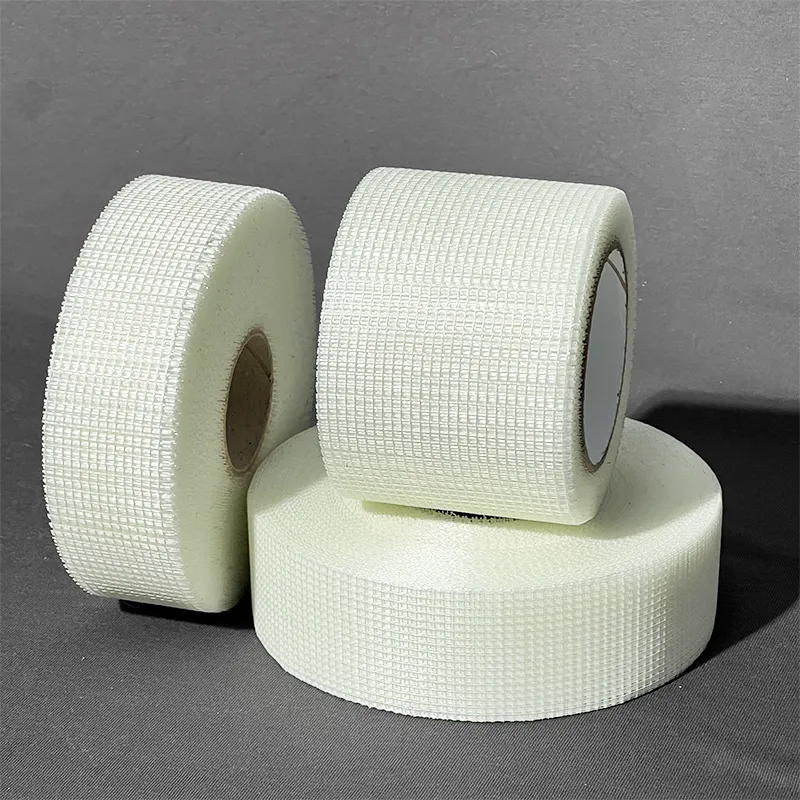
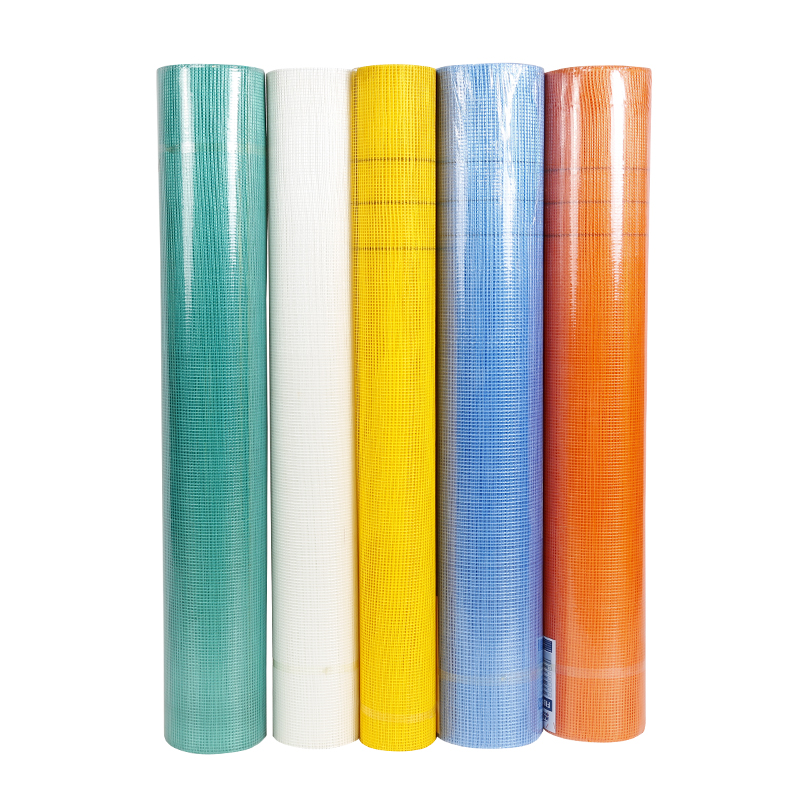
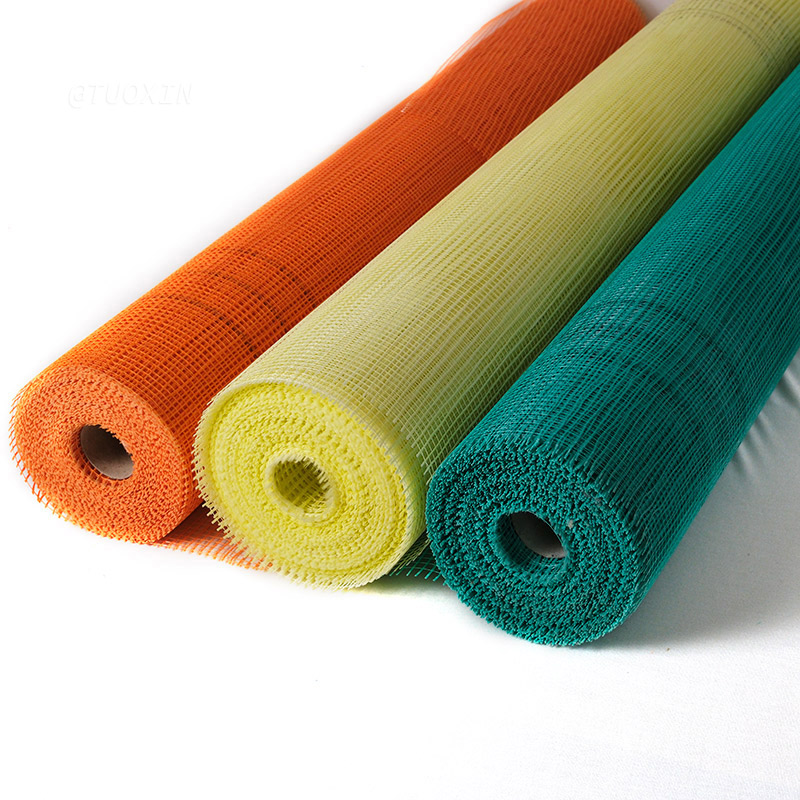
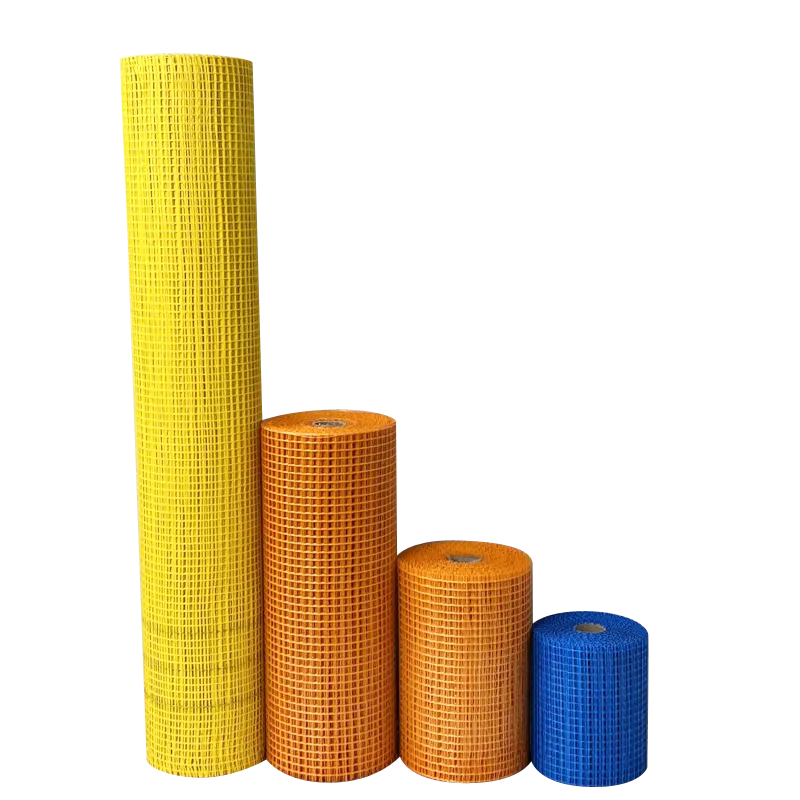
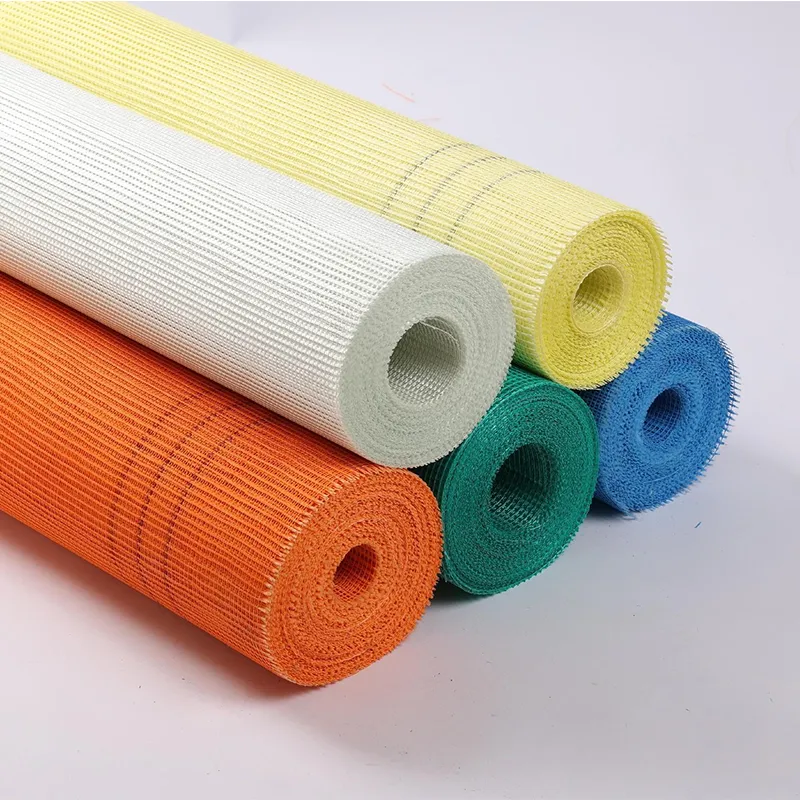
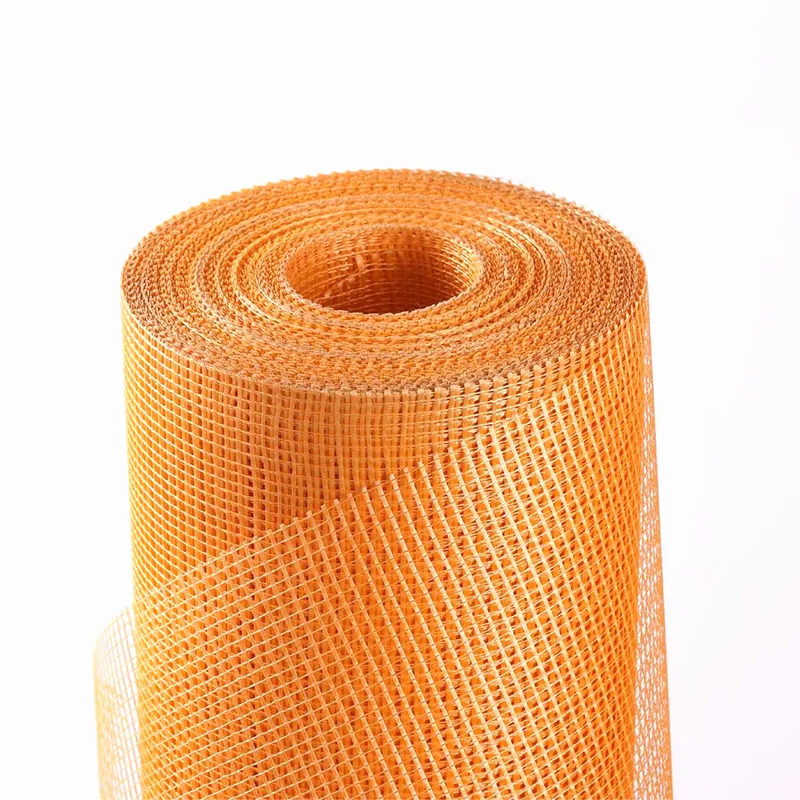
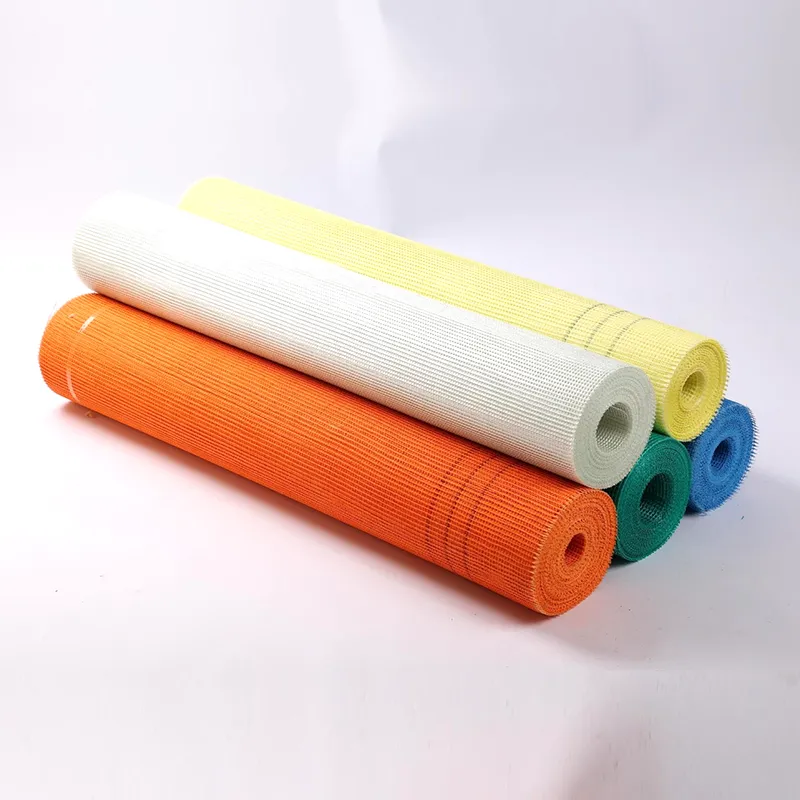
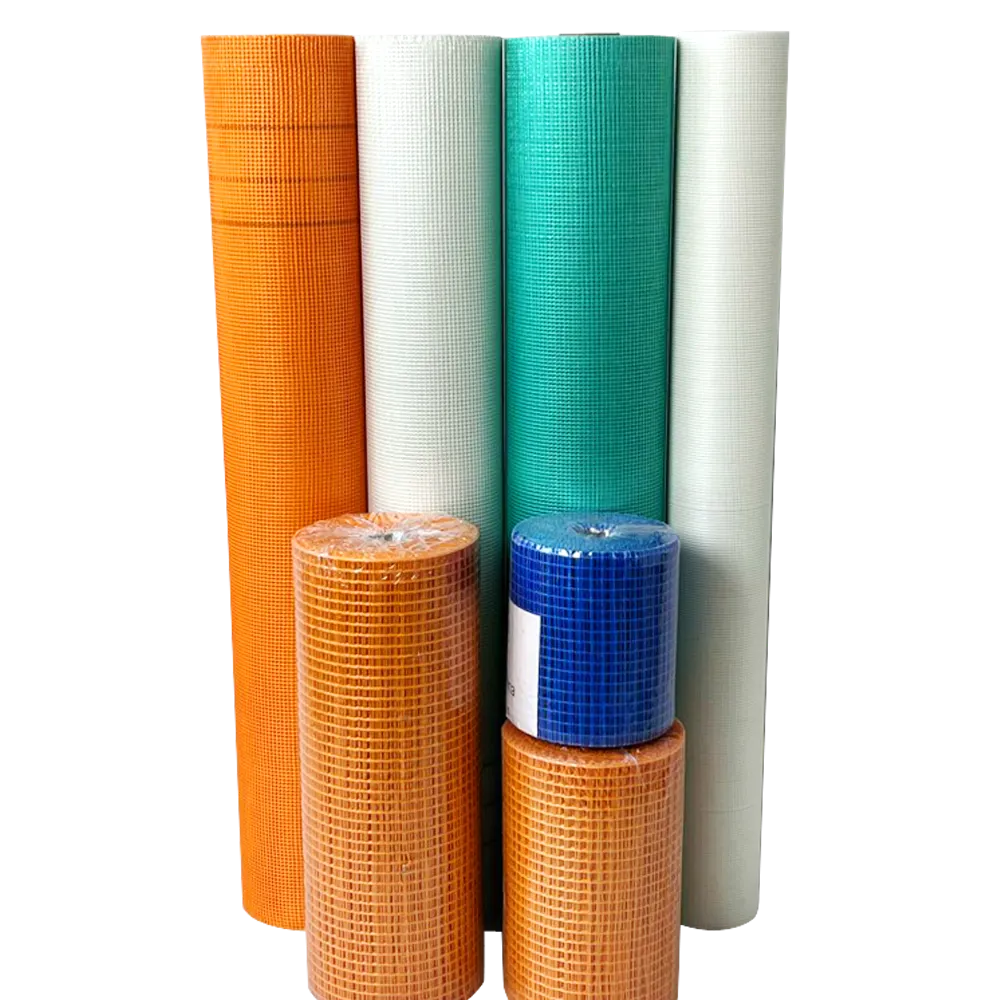
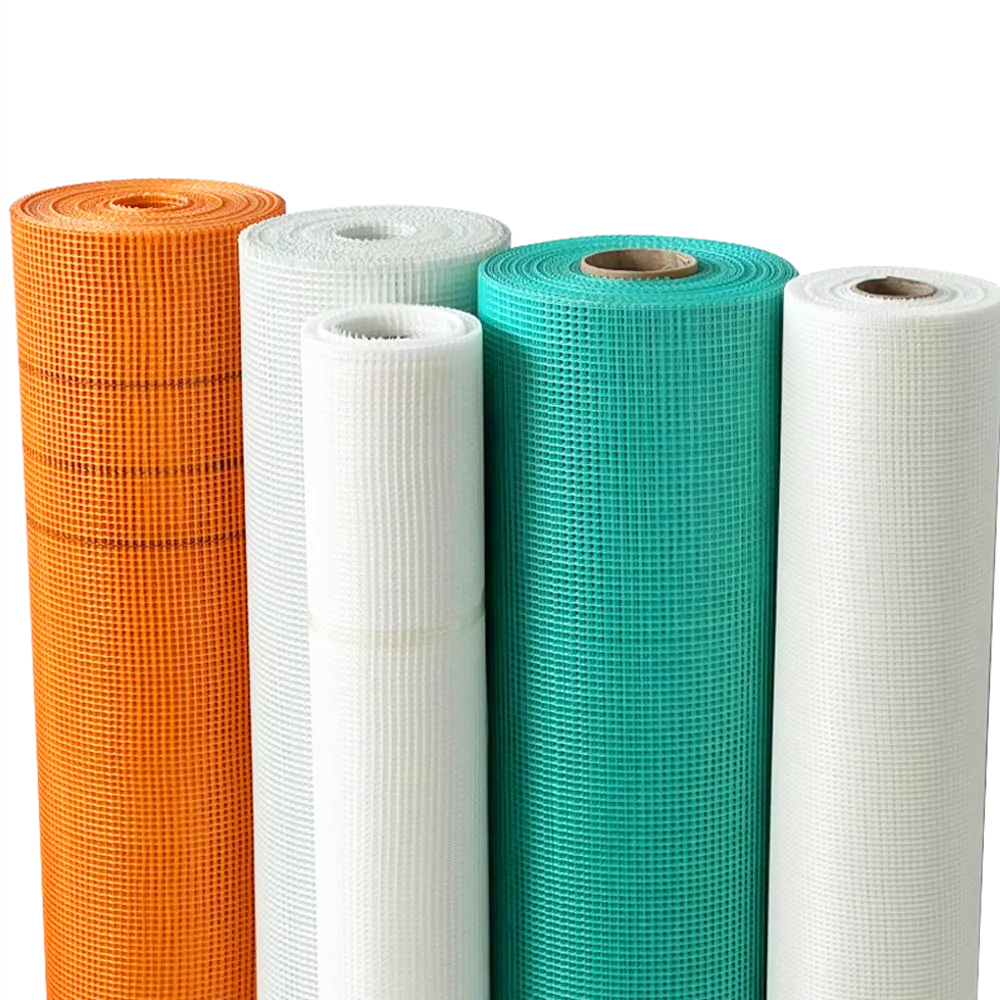
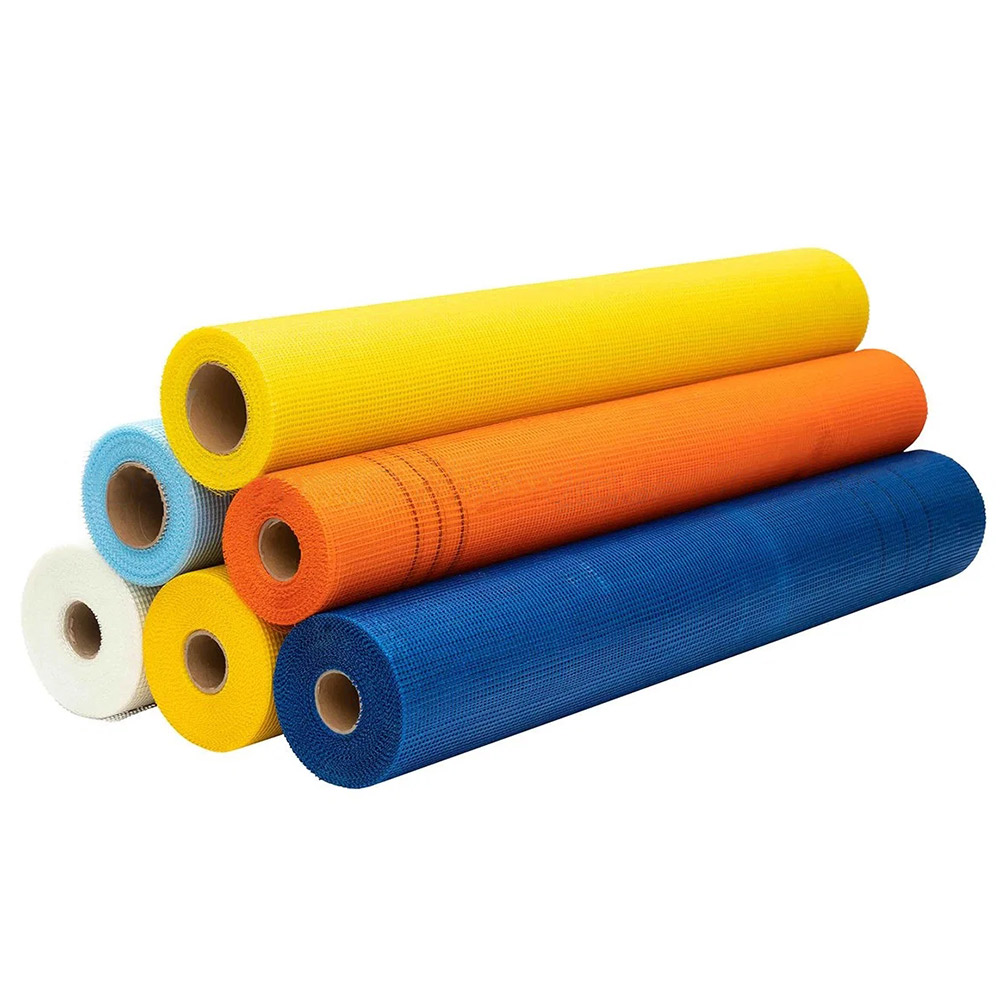
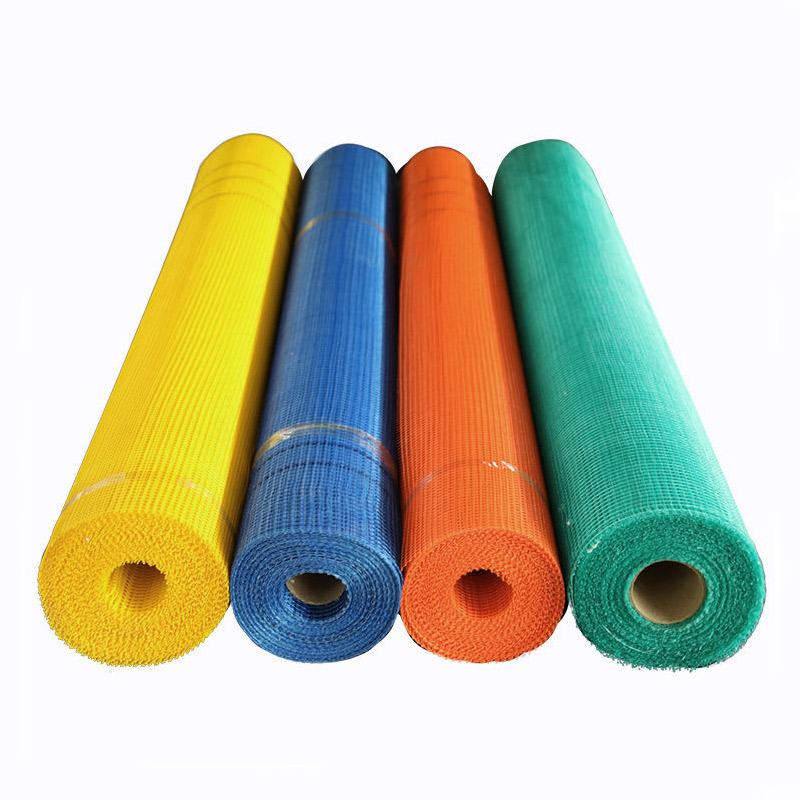
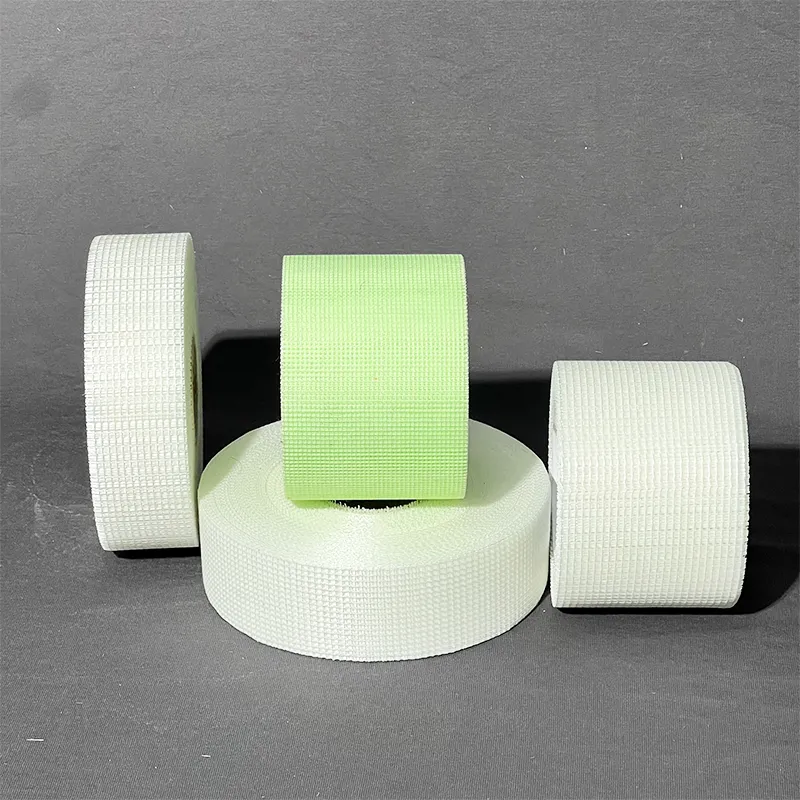
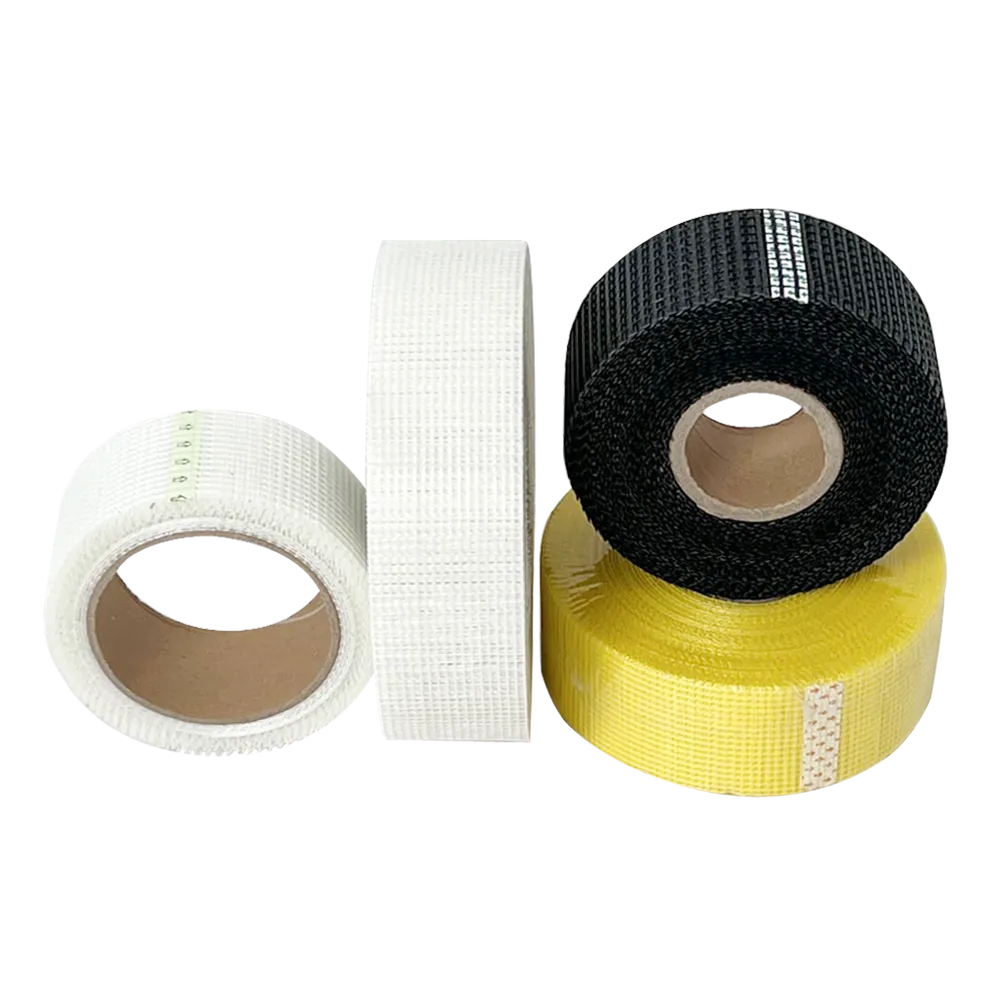
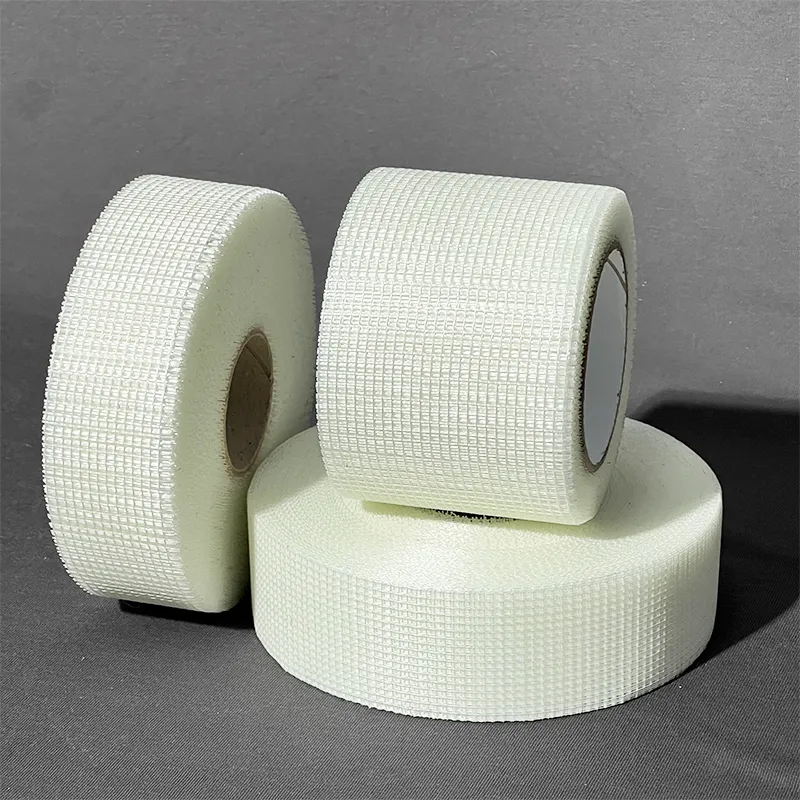
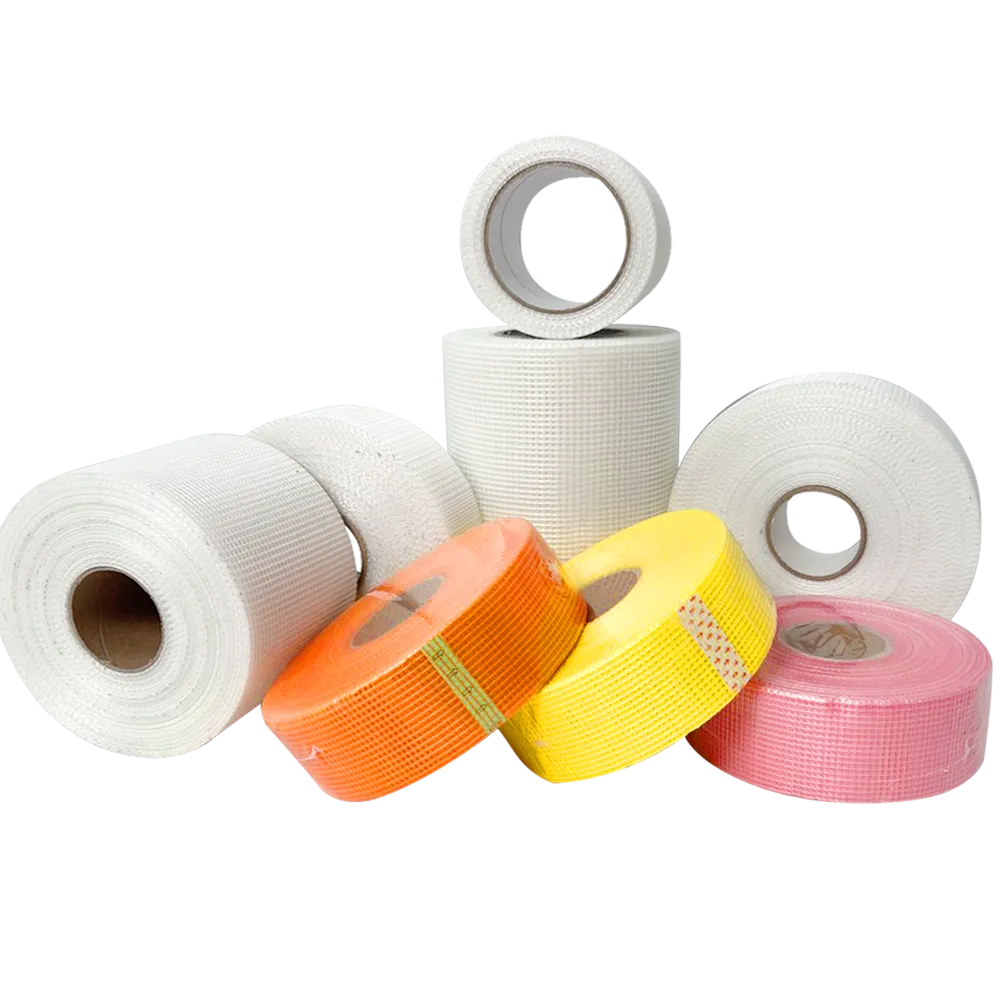
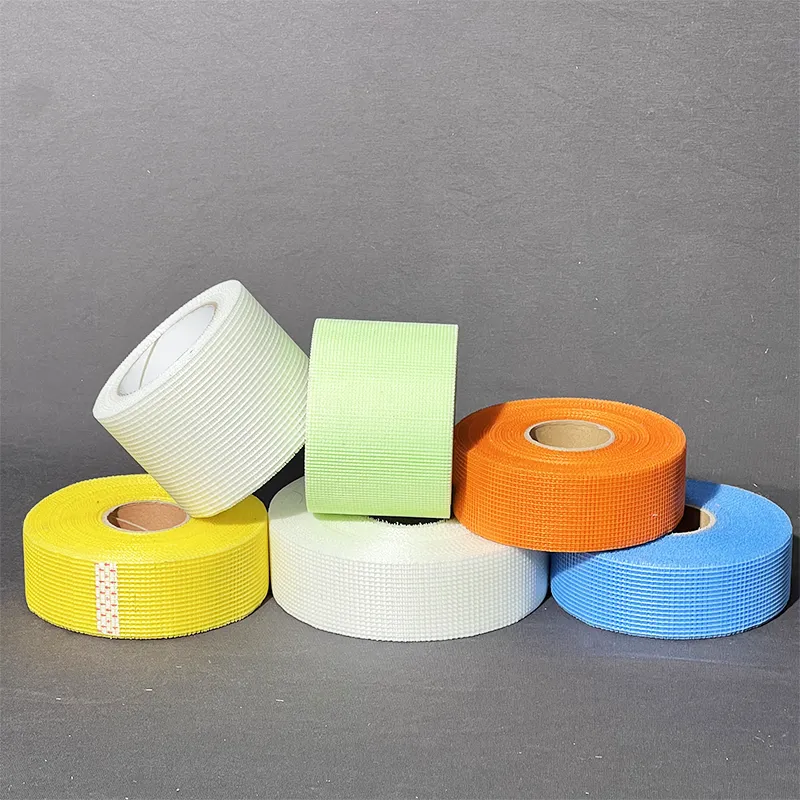
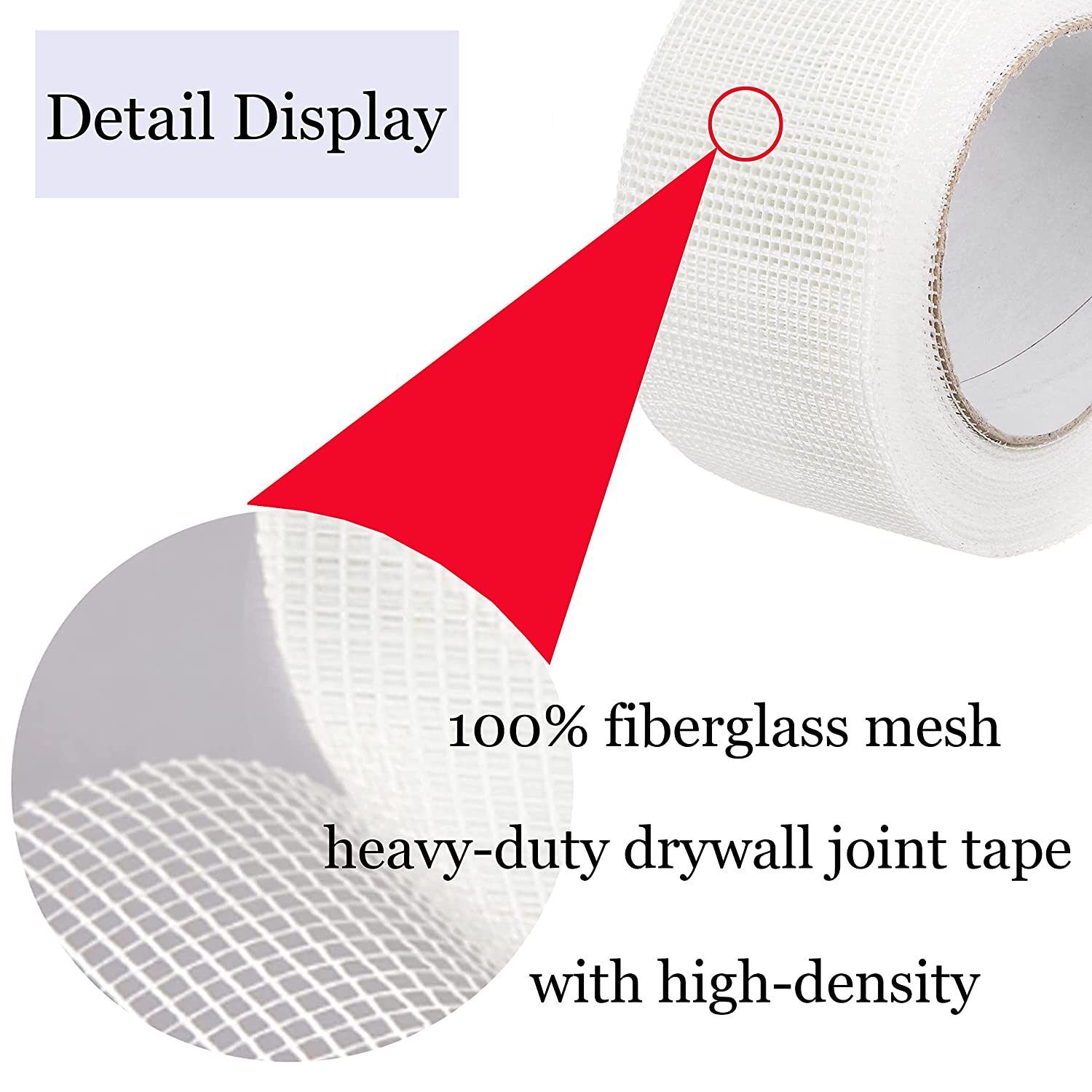
Product snapshot: High quality drywall cracks self adhesive fiberglass mesh joint tape
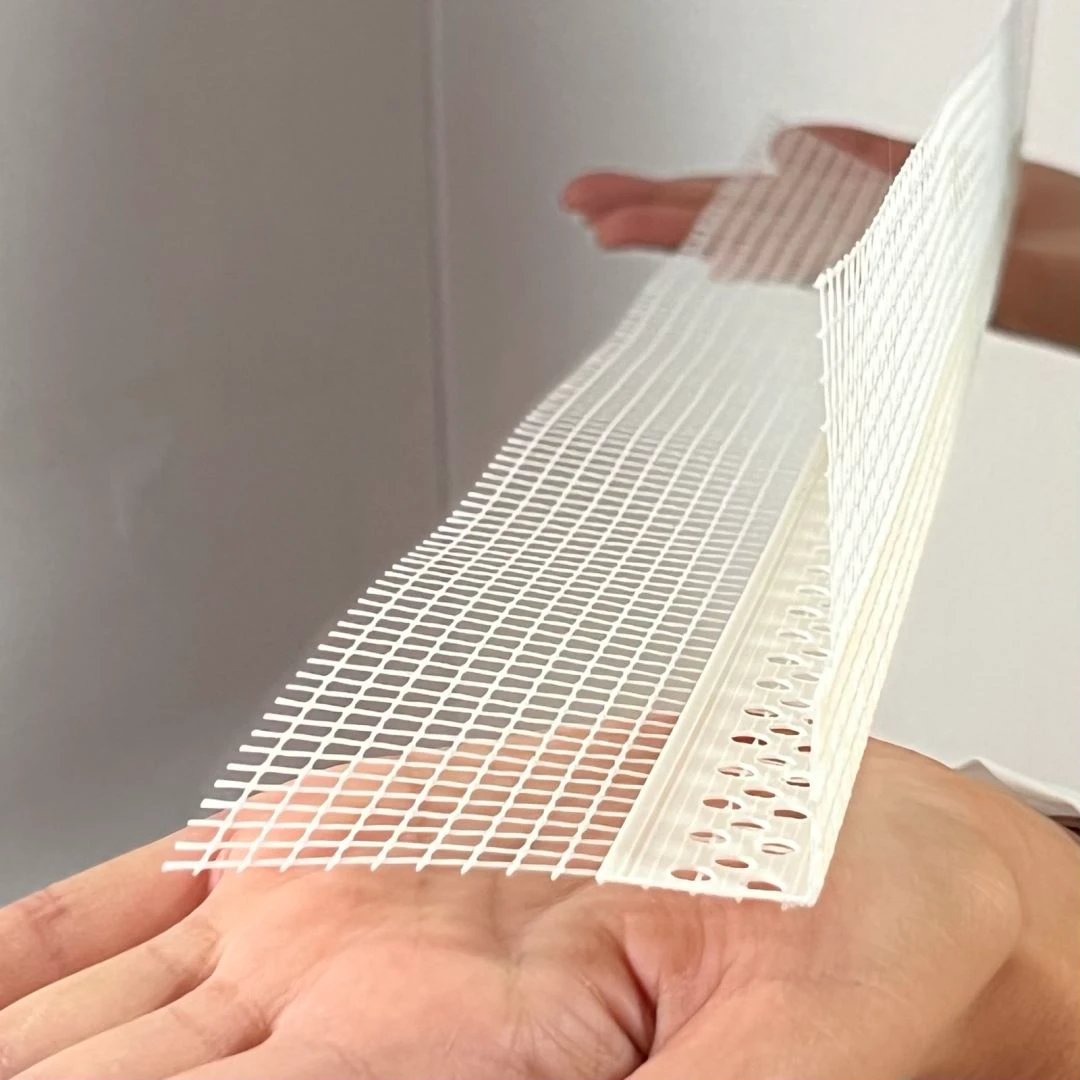
This tape blends E-glass yarns with a pressure-sensitive adhesive. That combo means you stick it once, mud over it, and move on. Many customers say it saves one full pass compared with paper, especially on long seams.
| Spec | Typical Value (≈, real-world use may vary) |
|---|---|
| Mesh size | 2.8 × 2.8 mm (≈9×9) |
| Yarn | E-glass with alkali-resistant coating |
| Weight | 60–75 g/m² |
| Adhesive | Pressure-sensitive acrylic, medium-high tack |
| Tensile strength | ≥ 600 N/50 mm (ASTM D5035 guidance) |
| Peel adhesion | ≥ 6–8 N/25 mm (ASTM D3330) |
| Widths/lengths | 48/50 mm × 45–90 m; custom on request |
| Service life (embedded) | Matches wall lifespan when properly mudded |
| Certs | Factory ISO 9001; material RoHS compliant |
Process flow (how it’s made)
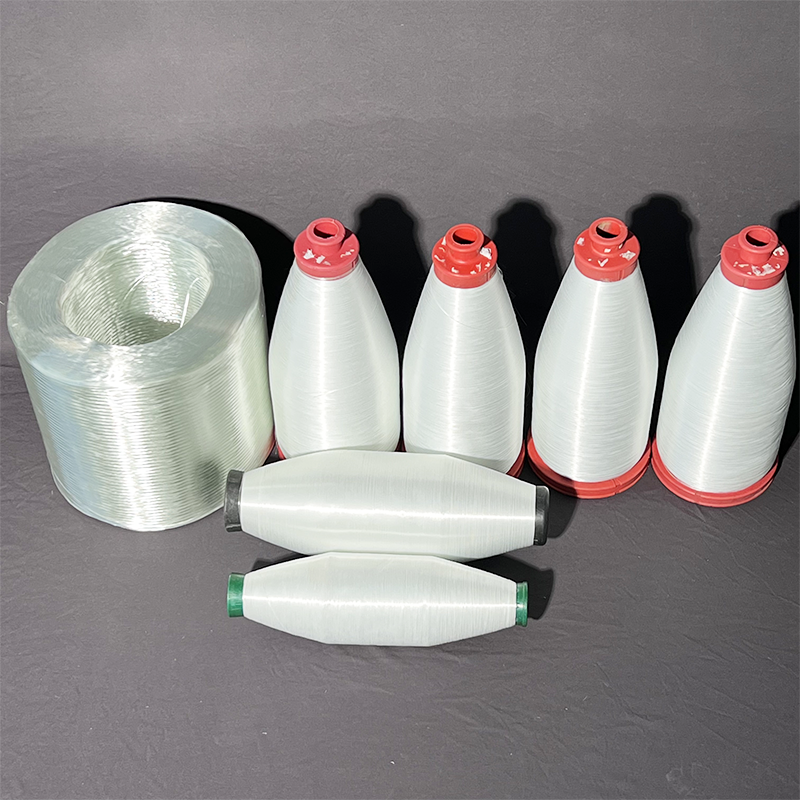
Materials: E-glass yarns → leno weaving → alkali-resistant sizing → adhesive lamination → slitting/rolls → QC. Methods: tensile testing (ASTM D5035), adhesive peel (ASTM D3330), mesh density checks, and alkali soak retention. Real talk: the tighter the weaving and cleaner slitting, the fewer frays and the smoother your first mud pass.
Where it shines
- Drywall butt and tapered joints; quick patching of hairline cracks
- Repairs around windows/doors where movement causes recurring fissures
- Prefab and modular builds needing speed and consistent tack
- Multi-family fit-outs where labor minutes matter
Advantages vs paper: faster application, no pre-bedding required, excellent crack resistance. Caveat: on finish levels GA-214 Level 5, you’ll still want careful skim to avoid telegraphing texture—nothing unusual there.
Industry trend check
Contractors are moving to buy adhesive fiberglass mesh for speed and consistency. Also seeing more requests for private-label rolls and custom widths for specialty crews. Sustainability note: E-glass is noncombustible; reduced rework = lower site waste.
Vendor comparison (quick buyer’s grid)
| Vendor | Mesh density | Adhesive | Certs | MOQ | Lead time | Custom | Price/roll ≈ |
|---|---|---|---|---|---|---|---|
| Tainuo (Hebei) | ≈9×9 | Acrylic, medium-high tack | ISO 9001, RoHS | 1,000 rolls | 10–20 days | Width, length, branding | $0.70–$1.20 |
| Vendor A (US) | ≈8×8 | Rubber-resin, high tack | ISO 9001 | 500 rolls | 2–3 weeks | Limited | $1.50–$2.20 |
| Vendor B (EU) | ≈9×9 premium | Acrylic, low-VOC | ISO 14001 | 1,200 rolls | 3–4 weeks | Wide | $2.00–$2.80 |
Note: price bands are indicative; freight and branding can swing totals.
Customization and QC
- Private label cores and cartons for distributors
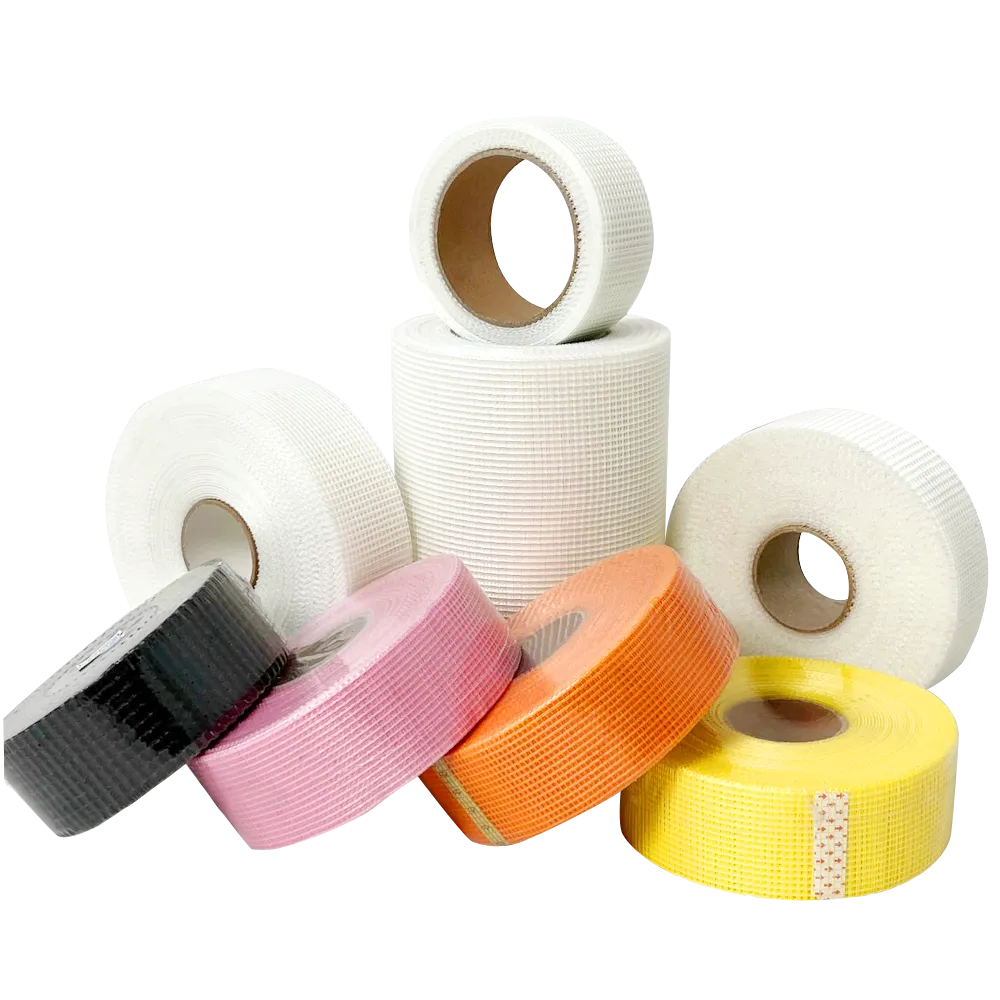
- Widths 45–100 mm; lengths up to 150 m
- Adhesive tack tuned for cold rooms or humid summers
- QC: tensile, peel, mesh count, alkali retention, roll flatness
Mini case study
A Denver fit-out crew switched to buy adhesive fiberglass mesh in 50 mm × 90 m rolls for hotel corridors. Result? About 18% faster first-coat times, fewer seam blisters, and zero callbacks over six months—according to the PM’s informal post-mortem. Not scientific, but it tracks with what we hear elsewhere.
Standards and good practice
Follow GA-214 for finish levels; ensure compound compatibility; for exterior systems, cross-check ETAG/EAD mesh guidance (different mesh class). The tape itself is noncombustible glass; always encapsulate adhesive with compound as per manufacturer notes.
Authoritative sources:
-
Best Fiberglass Mesh Tape for RedGard Product Waterproofing GuideNewsApr.16,2026
-
Why High Strength Fiberglass Mesh Is Essential For Stucco ApplicationNewsApr.15,2026
-
Why Alkali Resistant Fiberglass Mesh Tape Is Essential For Cement Board And Tile InstallationsNewsApr.15,2026
-
Understanding The Role Of Drywall Fiberglass Mesh In Interior FinishingNewsApr.15,2026
-
Ultimate Guide To Using Fiberglass Mesh Tape For Drywall And Plaster RepairsNewsApr.15,2026
-
The Versatility Of Fiberglass Mesh In Marble And Stone MosaicNewsApr.15,2026