Oct . 23, 2025 12:55 Back to list
Buy Adhesive Fiberglass Mesh - High Strength, Self-Stick, Fast
Adhesive Fiberglass Mesh: What Pros Are Buying in 2025
If you’re actively pricing materials for skim coats, EIFS, or drywall prep, you’ve probably heard this a dozen times already: Buy Adhesive Fiberglass Mesh that’s truly alkali-resistant, or pay for it later. I’ve seen crew after crew swear by the same thing—good mesh saves time, reduces callbacks, and makes plasterers look like magicians.
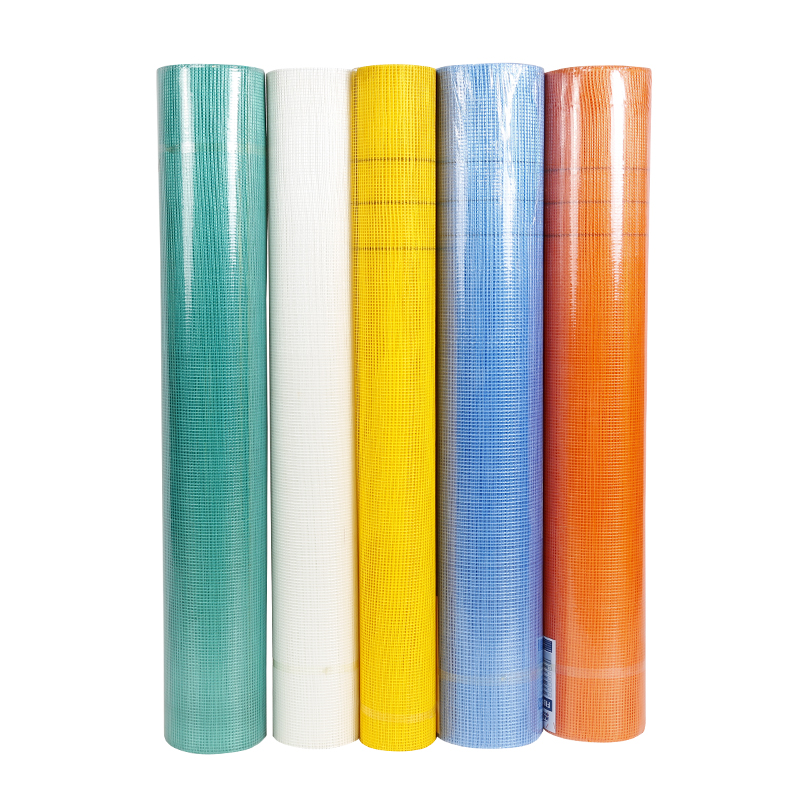
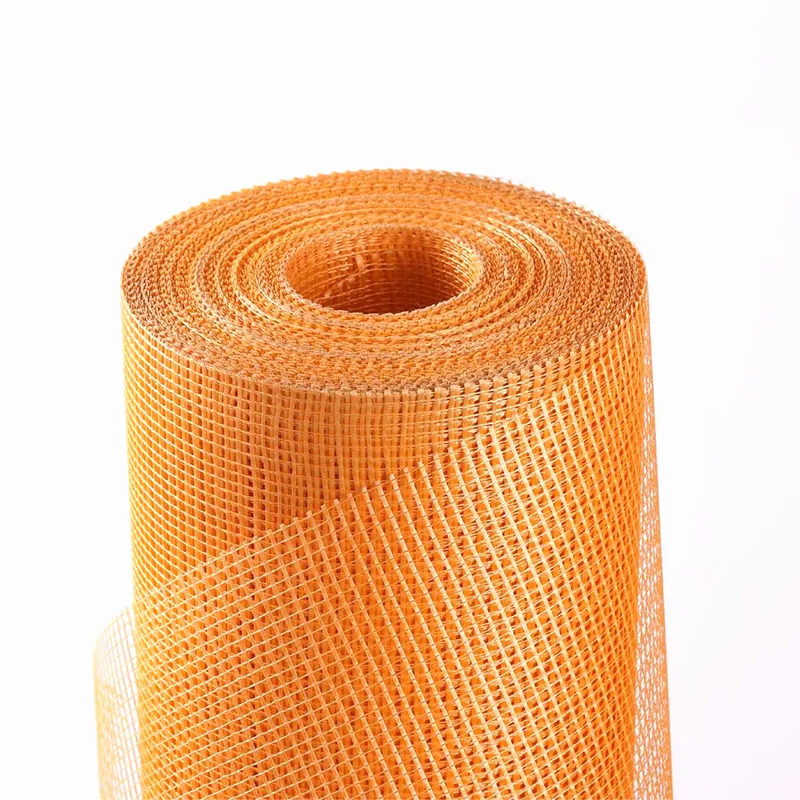
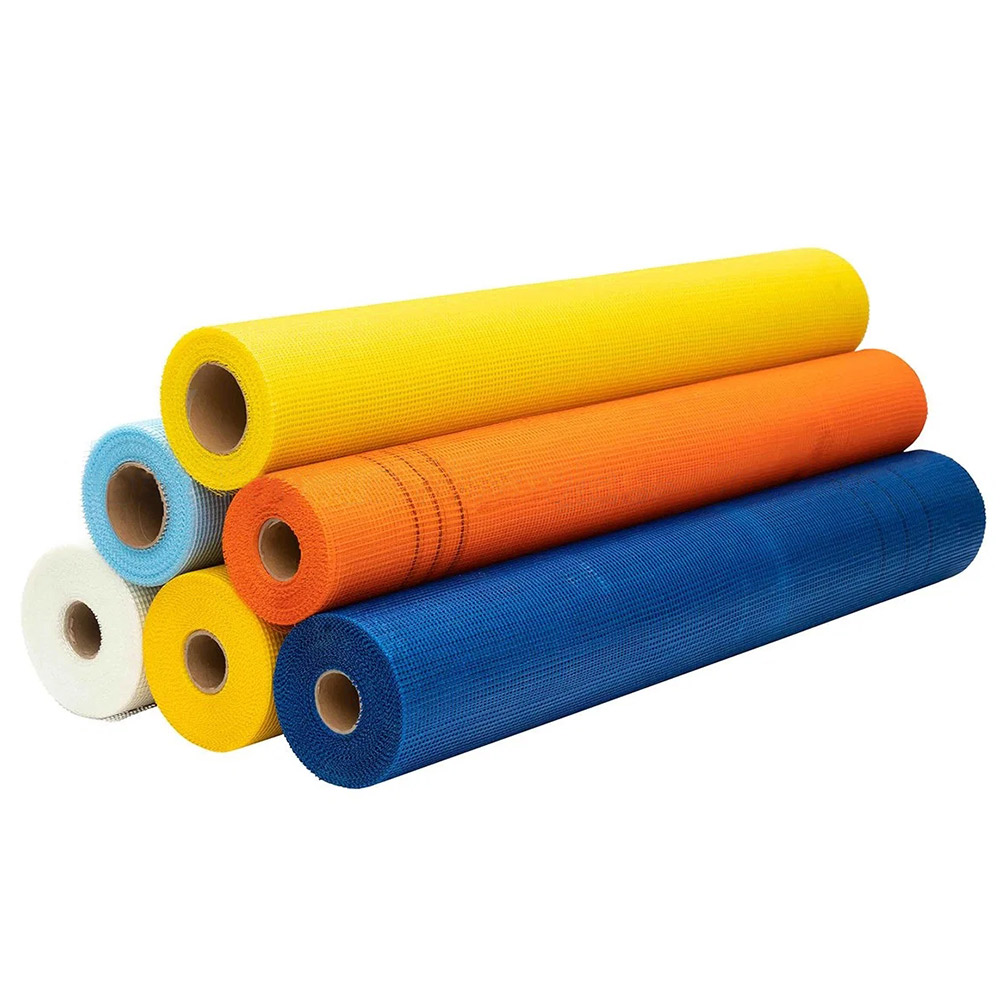
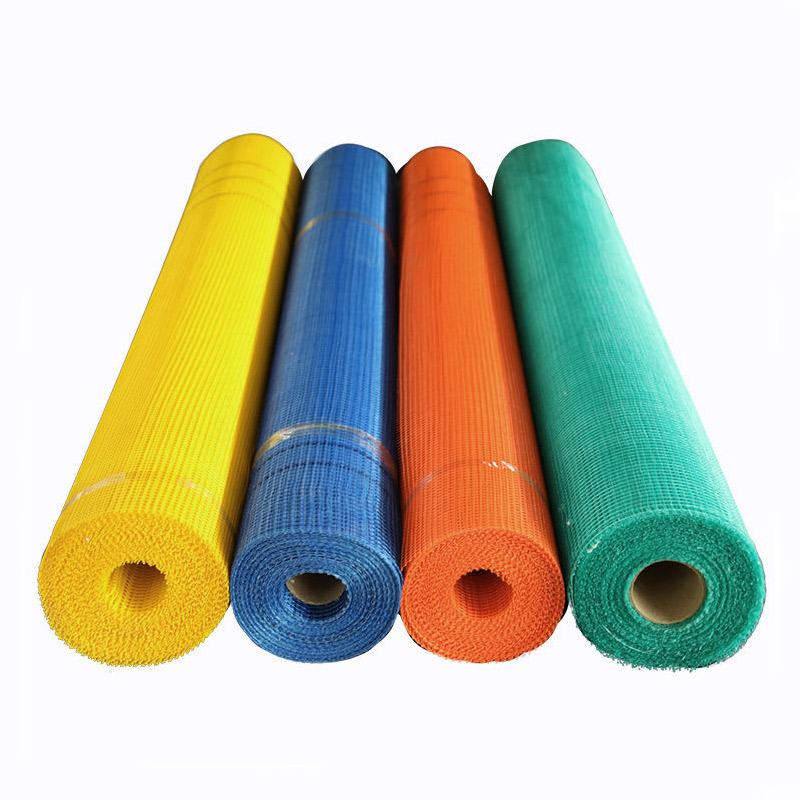
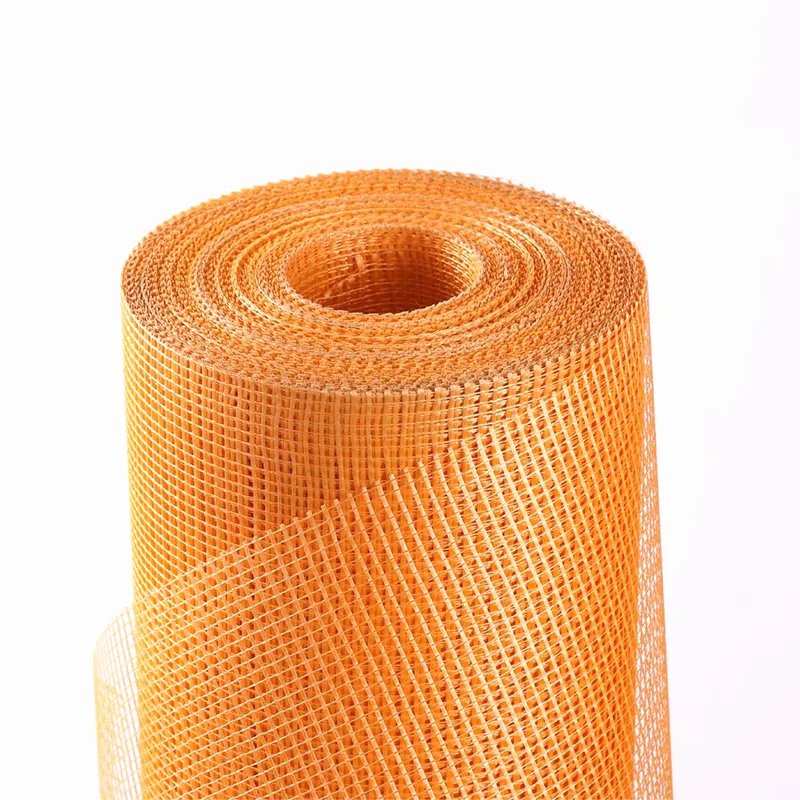
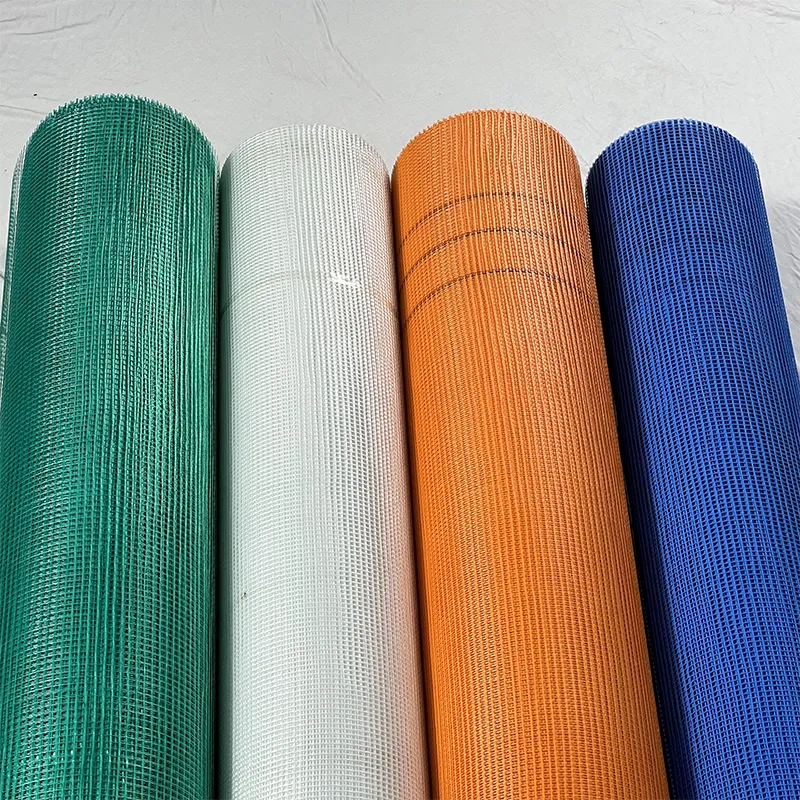
The model many contractors ask me about lately is the Alkaline Resistant Fiberglass Mesh Roll for Wall Plastering from Renqiu City, Hebei. Origin details matter (yes, I check)—this one comes out of Xiaomen Village, Yilunbao Township. It’s C/E-glass yarn, tightly woven, then finished with a high-temp alkali-resistant coating. To be honest, that coating is the entire story in harsh cement environments.
Why builders choose it
Trends first: EIFS/ETICS demand is up again (retrofits, energy codes), and so is crack-bridging mesh for gypsum veneer and thin-coat systems. Many customers say the “surprisingly consistent” tensile retention after alkali soak is what keeps them loyal. It seems that the mesh doesn’t chalk out as fast when embedded in aggressive cement chemistry.
Typical specs (real-world use may vary)
| Yarn | C/E-glass, alkali-resistant sizing |
| Weave density | ≈ 4×4 to 10×10 mesh/inch (common: 5×5) |
| Area weight | 125–160 g/m² for wall plastering; lighter for joint tape |
| Coating | Alkali-resistant polymer finish, high-temp cured |
| Tensile strength | ≥ 1,250 N/50 mm (warp), ≥ 1,200 N/50 mm (weft) after soak (typical lab) |
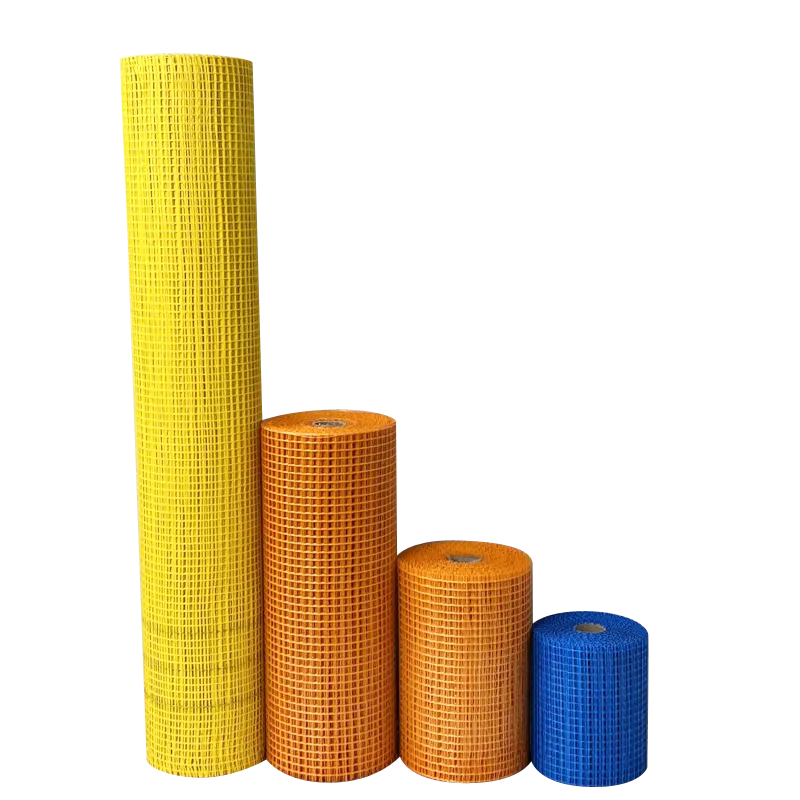
| Roll width/length | 1.0 m × 50 m (common); custom widths available |
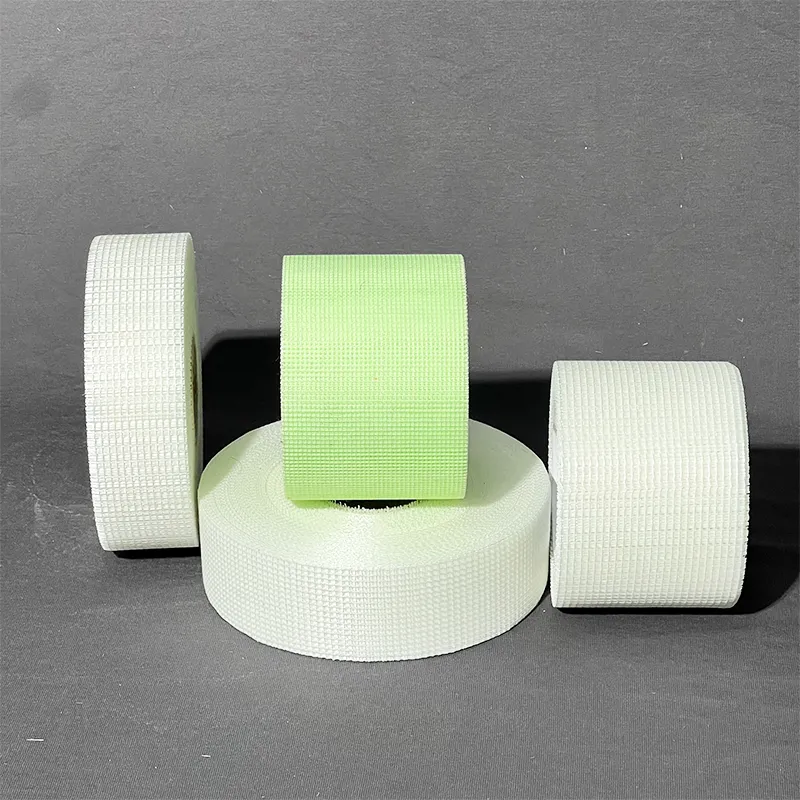
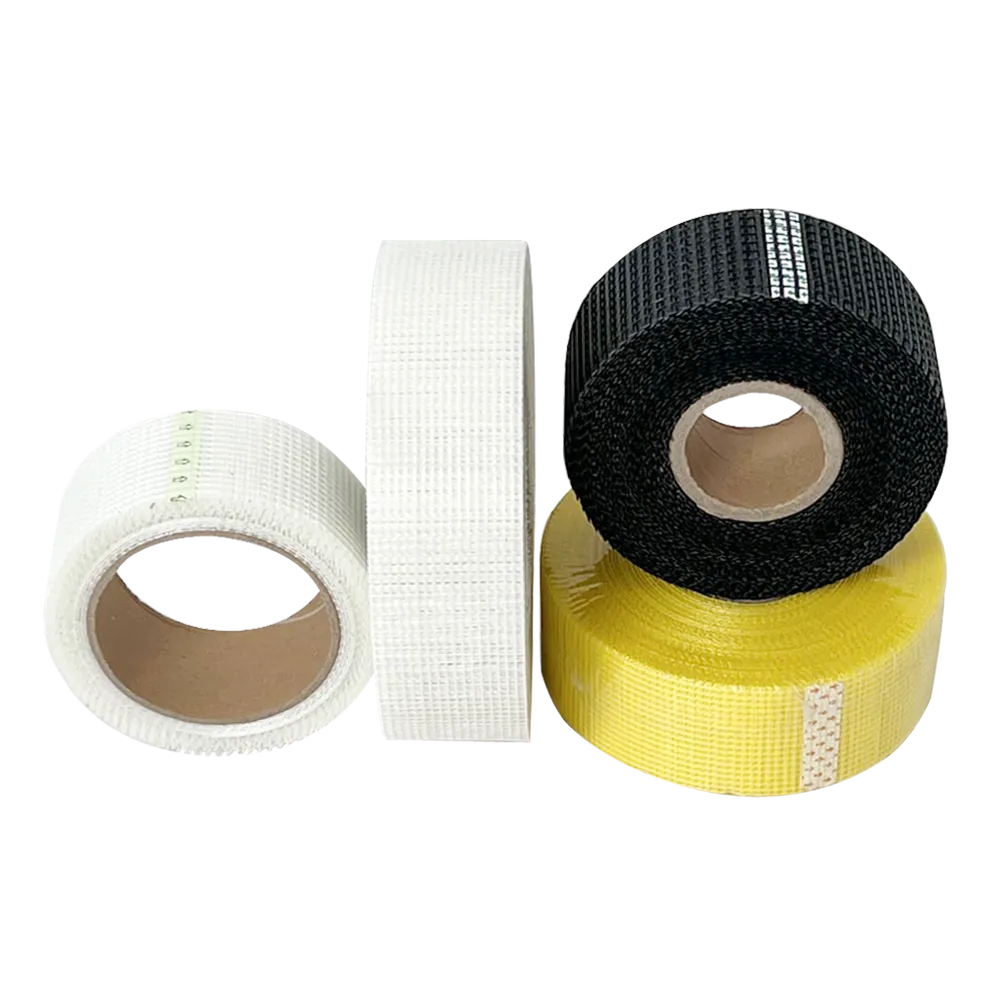
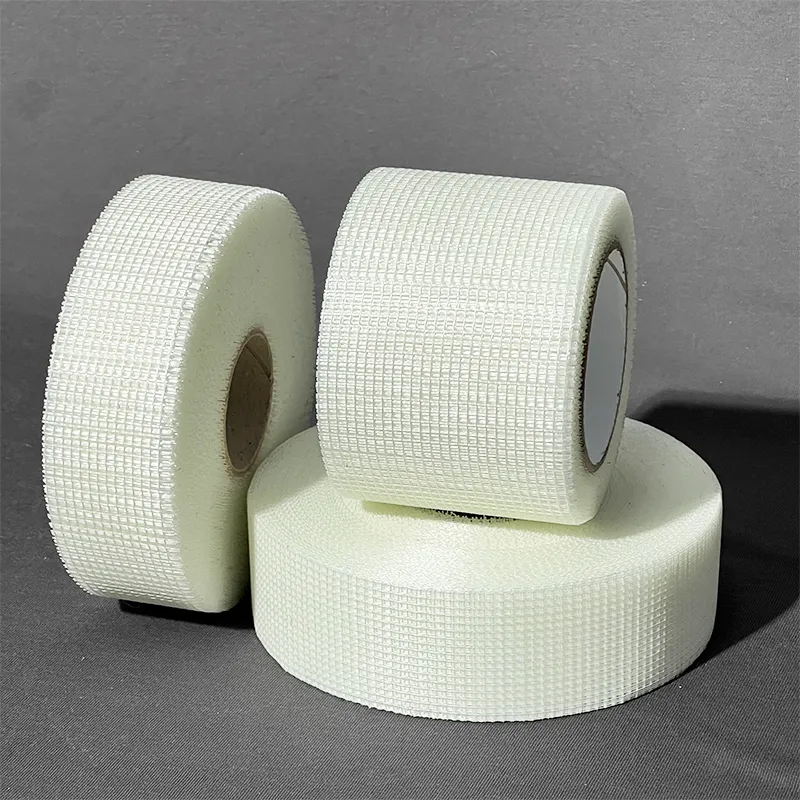
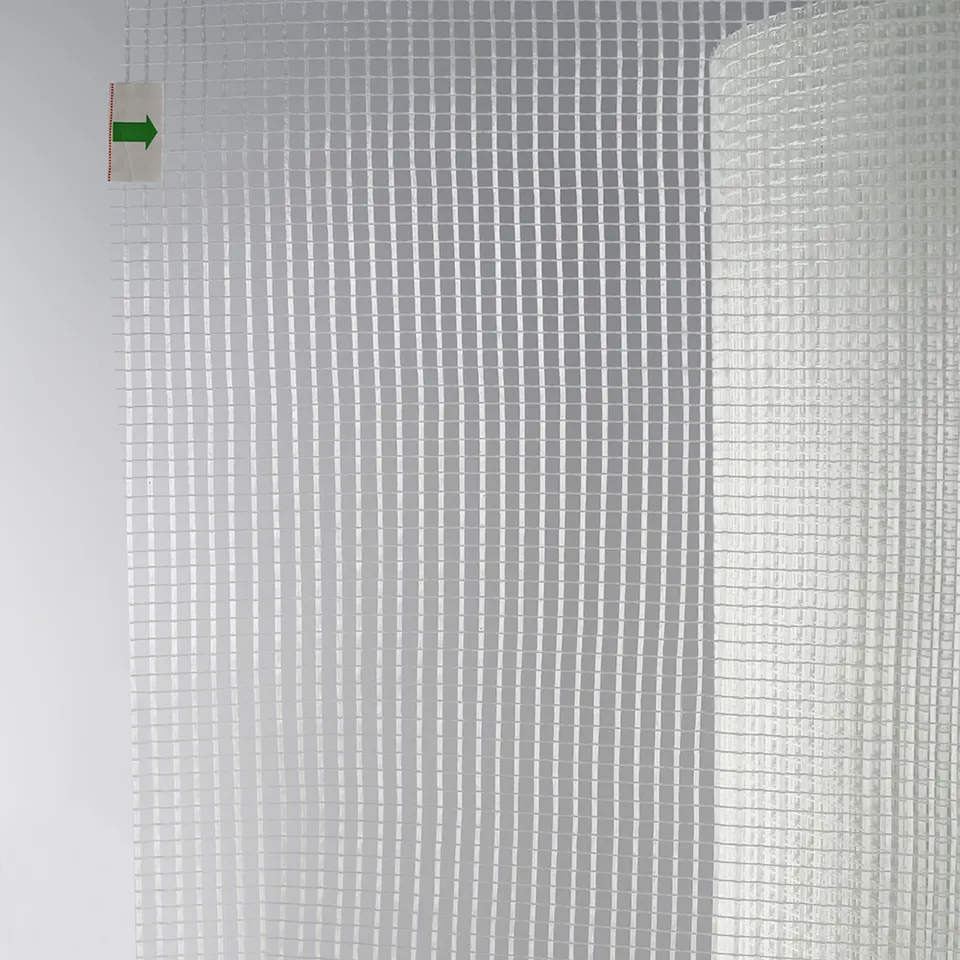
| Adhesive option | Self-adhesive drywall tape available for jointing |
Where it’s used
- EIFS/ETICS basecoat reinforcement, corner stress areas, and façade crack control
- Interior plaster skim coats over masonry or board
- Drywall joint reinforcement (self-adhesive tape variant)
- Crack isolation in tile/mosaic beds and waterproofing overlays
Process flow (how it’s made)
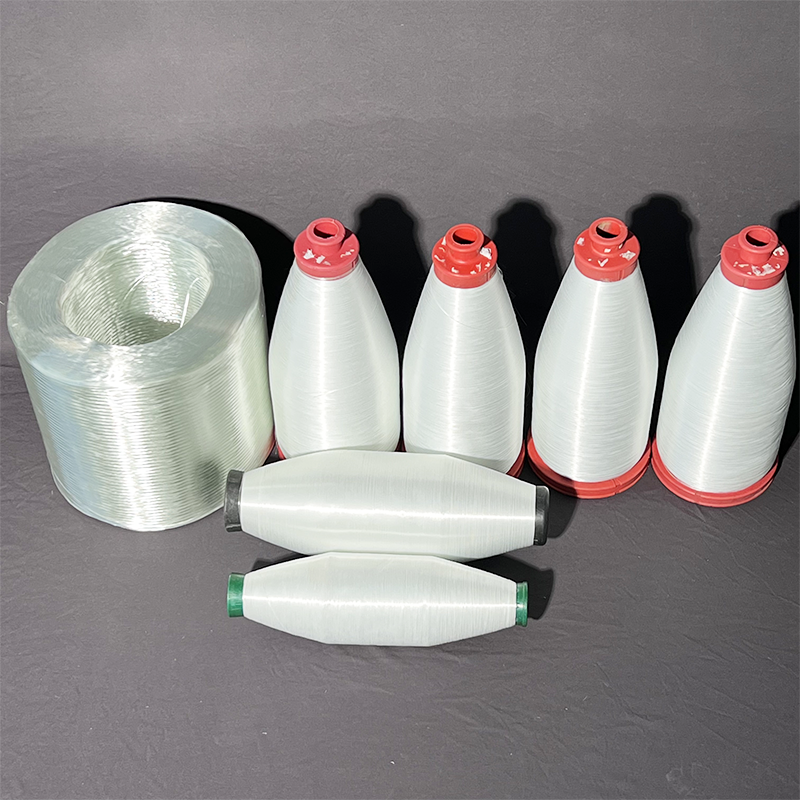
Materials: C/E-glass yarn → woven fabric → polymer bath (alkali-resistant finish) → high-temperature curing → precision slitting → roll winding and QC. Methods include tensile testing (ASTM D5035), alkali soak per ETICS guidance (EN 13496 methods), and visual weave integrity checks. Expected service life: around 25–30 years in ETICS, depending on UV shielding and render system; interior usage can exceed that, frankly.
Certifications & standards referenced
ISO 9001-managed production, ETICS compliance referencing EAD 040083 (ex-ETAG 004), mechanical testing per EN 13496; fabric tensile per ASTM D5035. Fire behavior follows the host system—mesh itself is mineral-based but always check your assembly’s classification.
Vendor comparison (quick take)
| Vendor | Coating Weight | Tensile Retention (alkali) | MOQ | Notes |
|---|---|---|---|---|
| Tainuo (Renqiu, Hebei) | ≈ 20–25% of fabric wt. | High (lab: >50% after soak) | Flexible | Custom widths/colors; steady lead times |
| Local distributor | Varies | Medium | Low | Fast pickup; mixed origin |
| No-name import | Unclear | Unverified | Low | Pricey to reject if coating too thin |
Field notes and a mini case
On a coastal hotel retrofit (salt spray, lots of wind), crews embedded this mesh in polymer-modified basecoat over XPS. Punch-outs around balconies were always the weak spot. With heavier 160 g/m² around openings, cracking virtually stopped. The superintendent told me, “We’ll Buy Adhesive Fiberglass Mesh with proper coating every time now—cheap rolls cost us two weekends last year.”
Customization
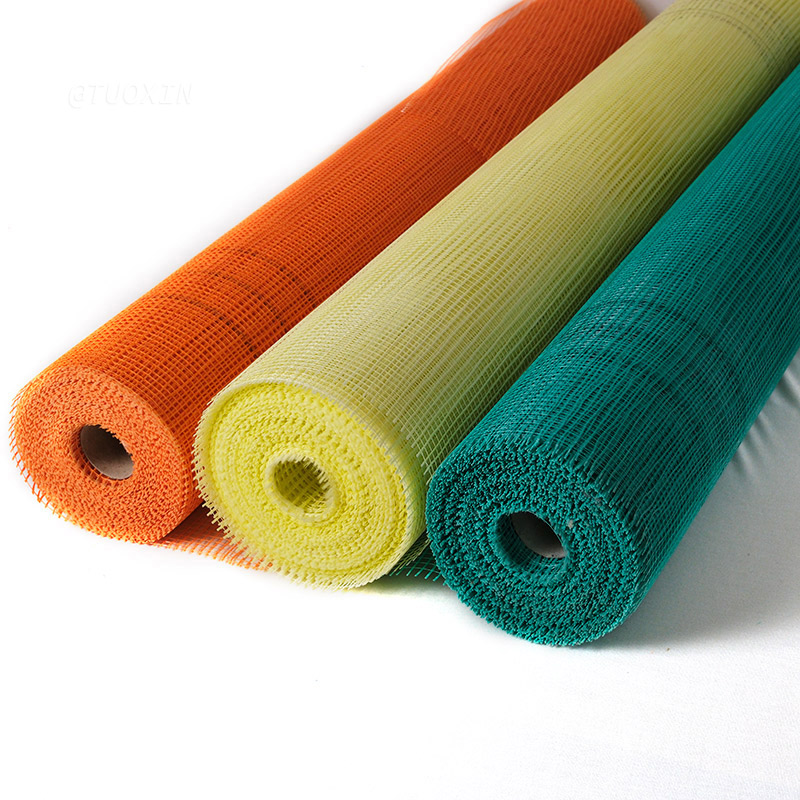
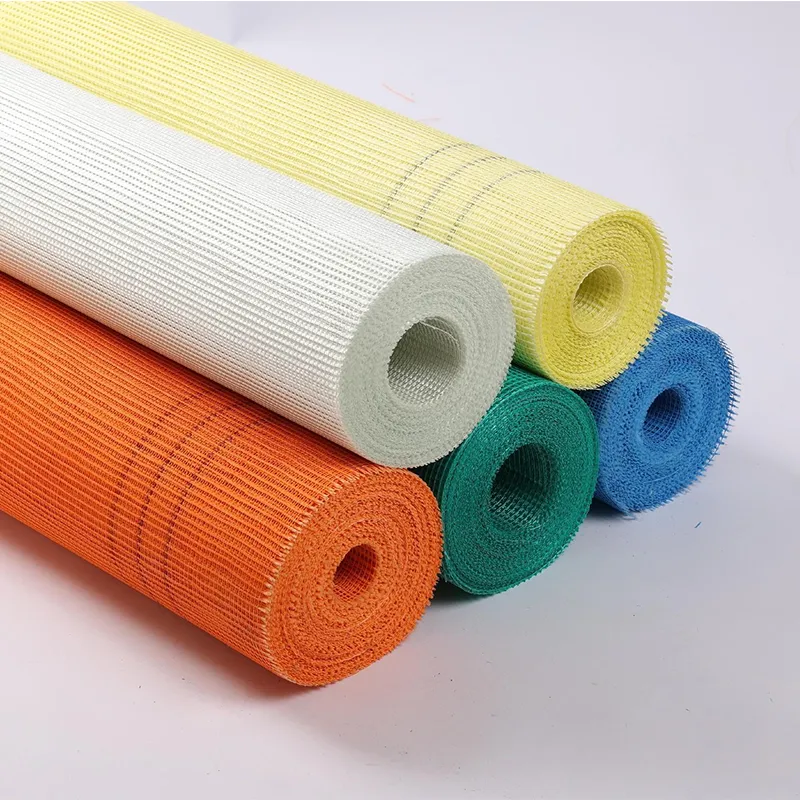
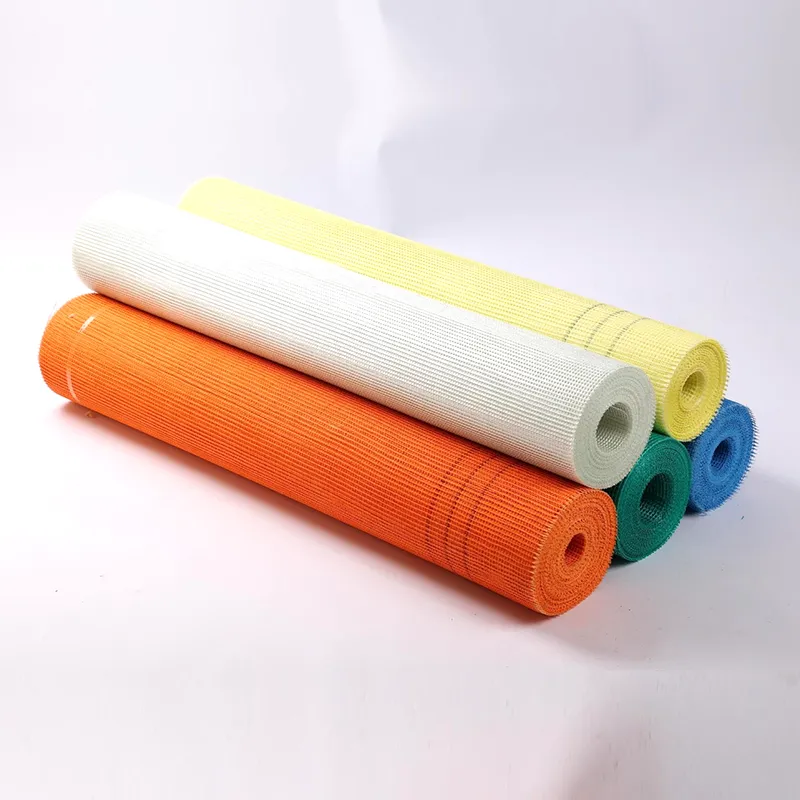
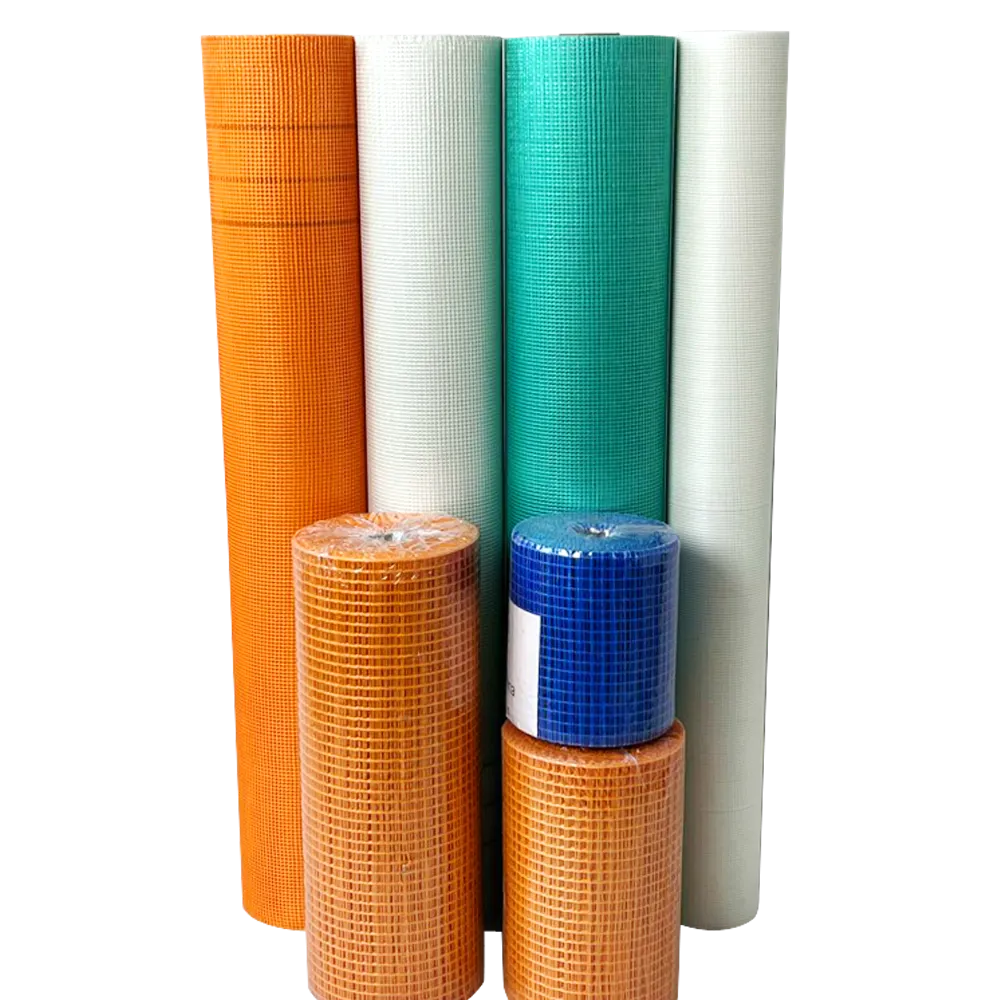
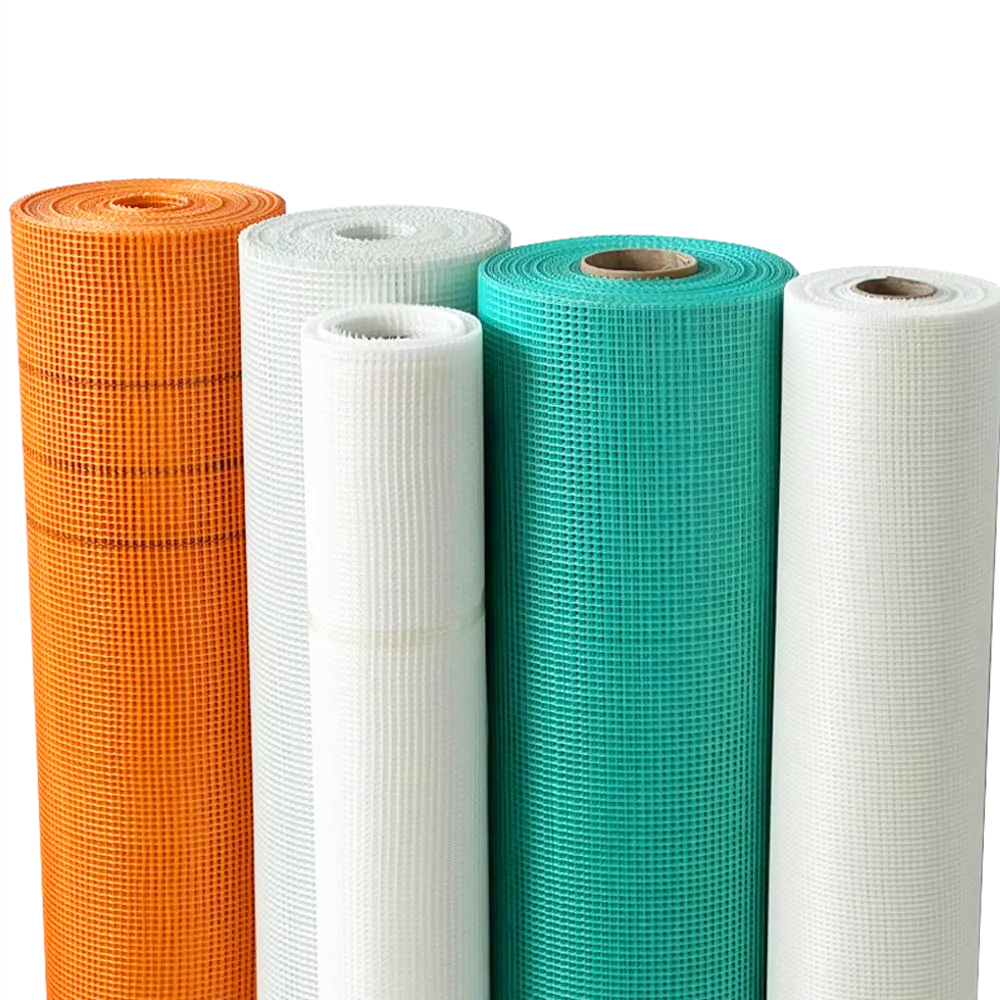
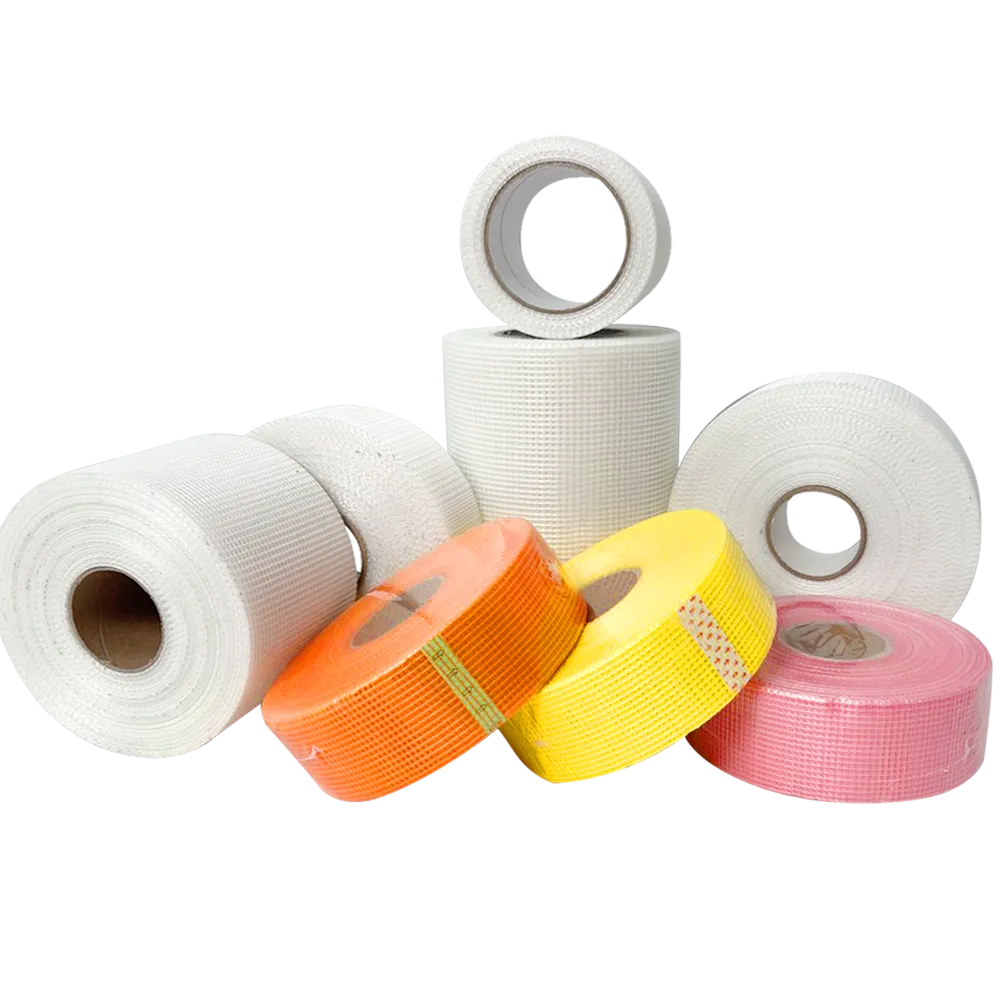
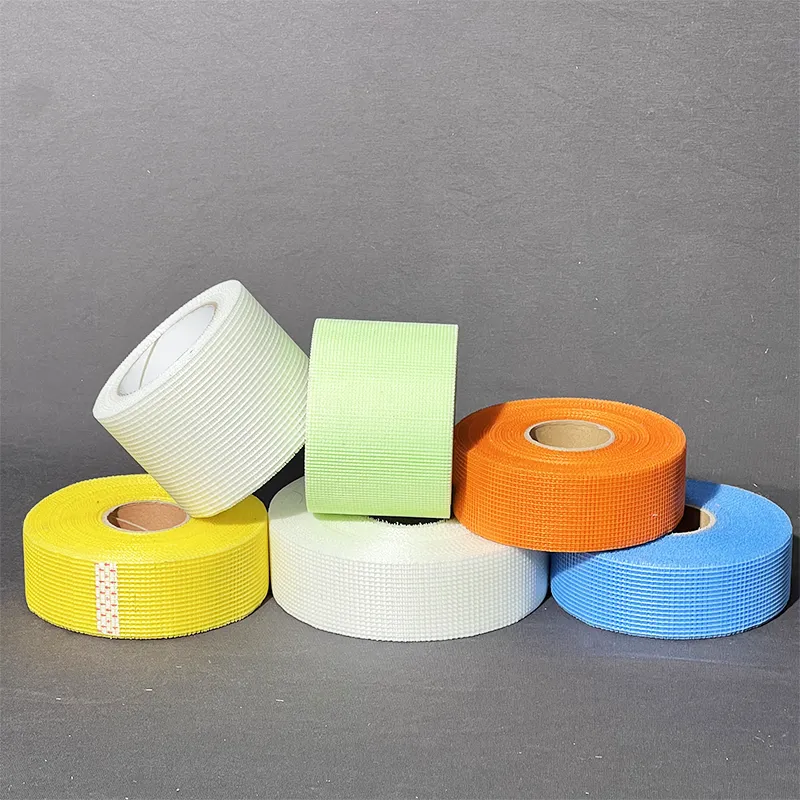
Widths from 5 cm joint tape up to 1.2 m façade rolls, logos printed on selvedge, and color coding for trades are common. If you routinely apply thin basecoats, ask for slightly higher coating pickup—the handling difference is small but the alkali resistance bump is real.
Bottom line: if you plan to Buy Adhesive Fiberglass Mesh for plastering, prioritize verified alkali retention, coating weight, and consistent weaving. That’s what separates clean façades from spider cracks.
References
- EAD 040083-00-0404 (ETICS with rendering), European Organisation for Technical Assessment, eota.eu
- EN 13496: Thermal insulation products for buildings—ETICS—Determination of mechanical properties of the reinforcement (glass fibre mesh)
- ASTM D5035: Standard Test Method for Breaking Force and Elongation of Textile Fabrics (Strip Method)
- ISO 9001:2015 Quality management systems—Requirements, iso.org
-
Best Fiberglass Mesh Tape for RedGard Product Waterproofing GuideNewsApr.16,2026
-
Why High Strength Fiberglass Mesh Is Essential For Stucco ApplicationNewsApr.15,2026
-
Why Alkali Resistant Fiberglass Mesh Tape Is Essential For Cement Board And Tile InstallationsNewsApr.15,2026
-
Understanding The Role Of Drywall Fiberglass Mesh In Interior FinishingNewsApr.15,2026
-
Ultimate Guide To Using Fiberglass Mesh Tape For Drywall And Plaster RepairsNewsApr.15,2026
-
The Versatility Of Fiberglass Mesh In Marble And Stone MosaicNewsApr.15,2026