Oct . 25, 2025 11:45 Back to list
Buy Adhesive Fiberglass Mesh - High Strength, Self-Adhesive
Choosing Adhesive Fiberglass Mesh That Actually Performs on Site
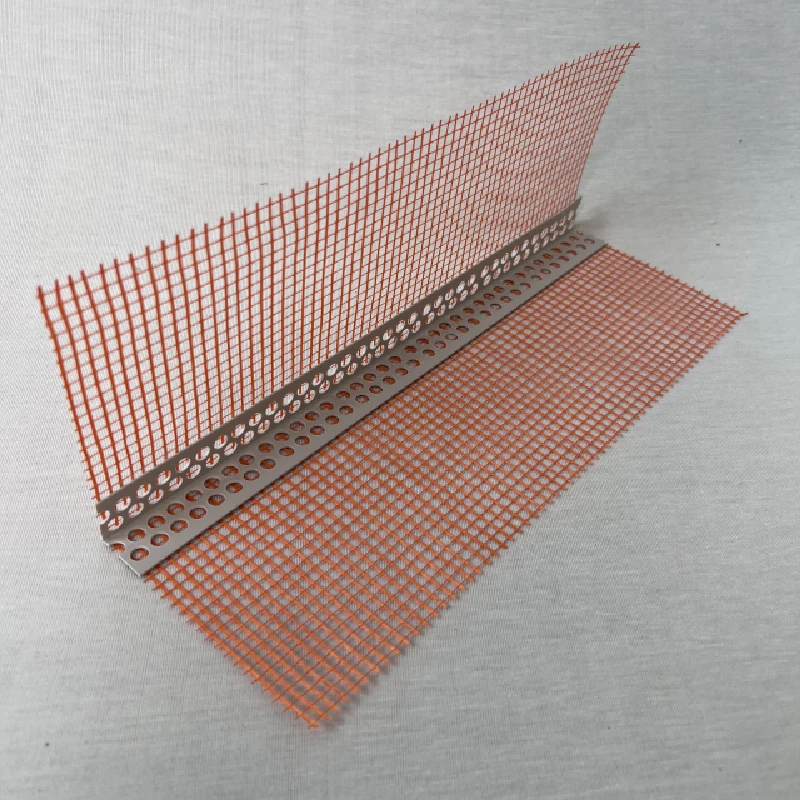
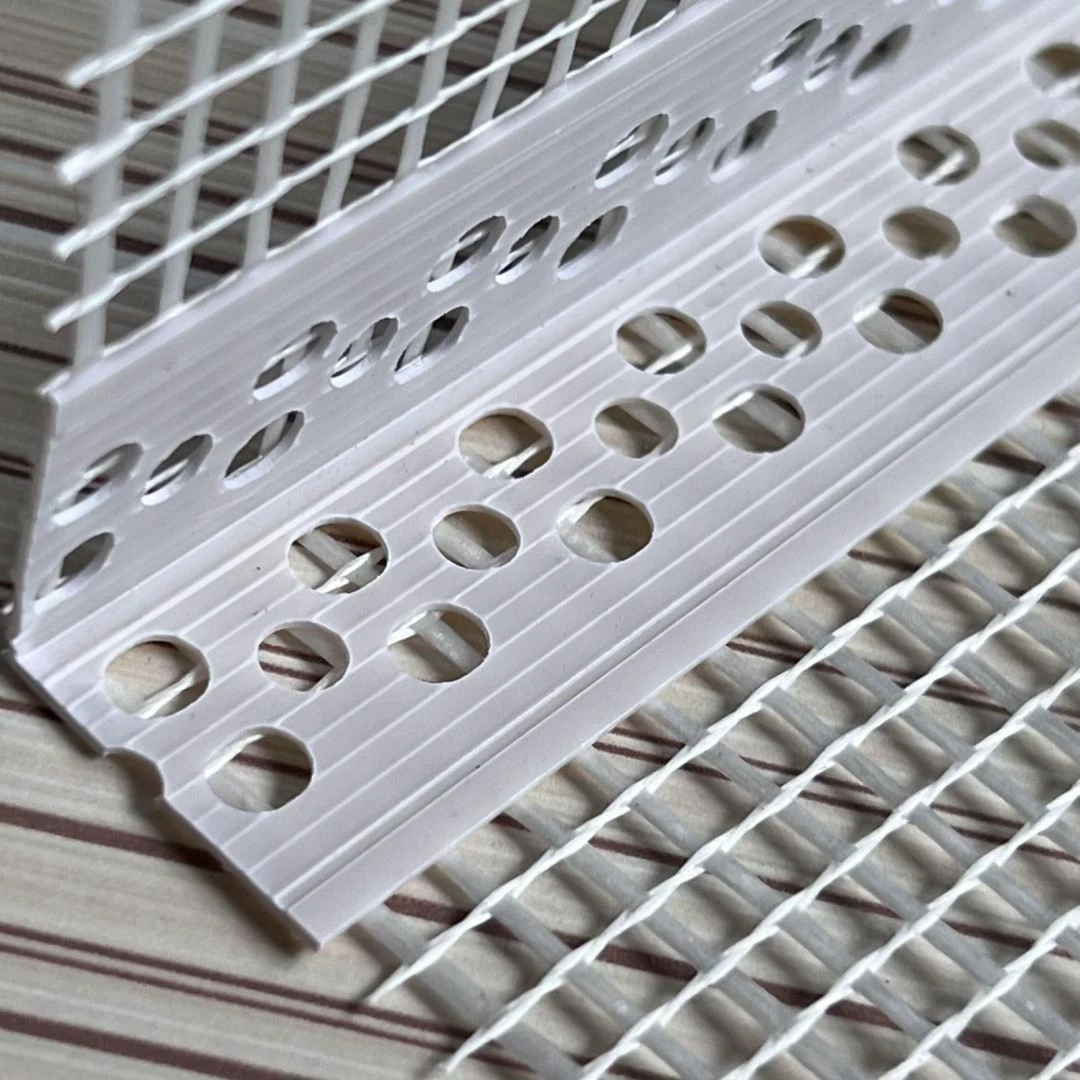
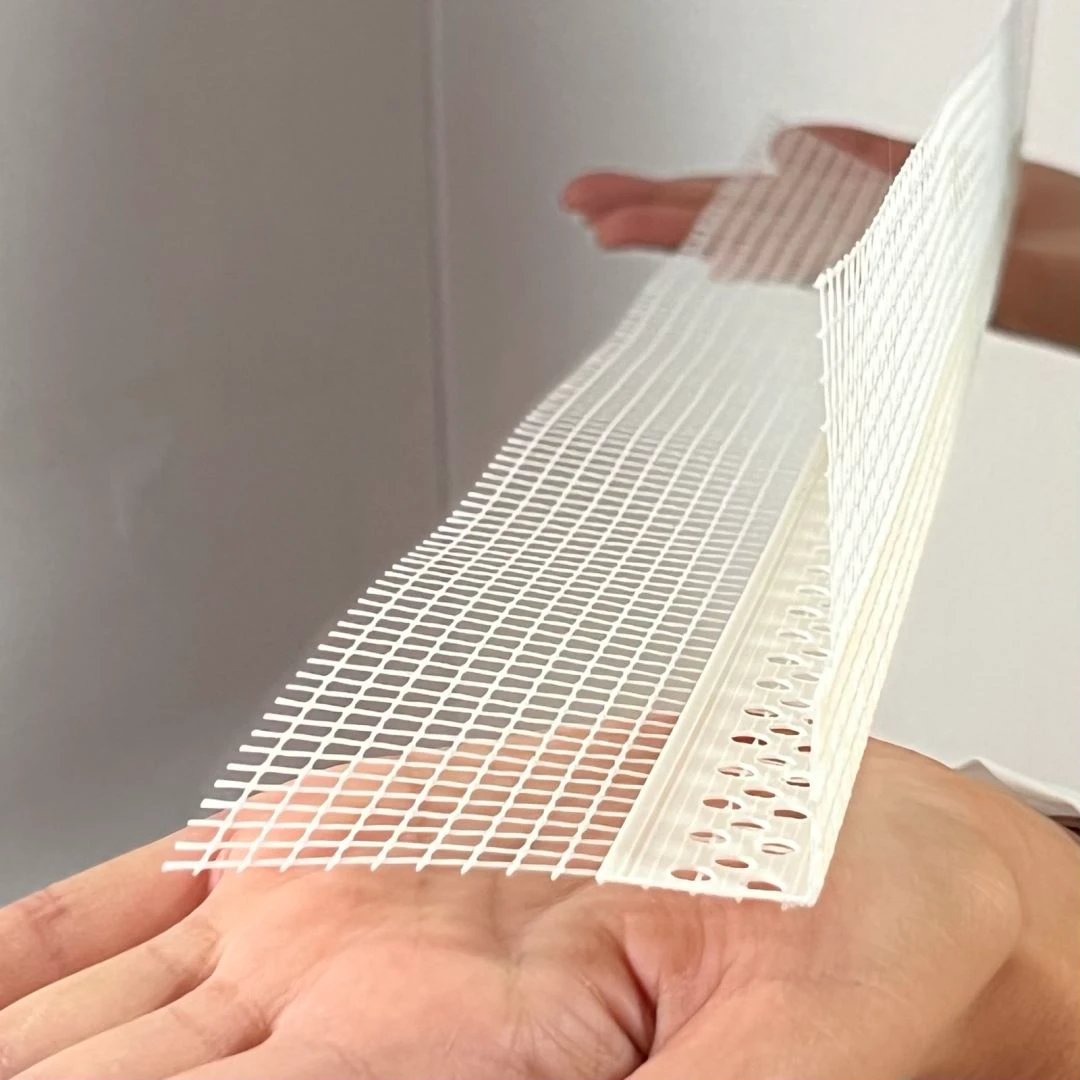
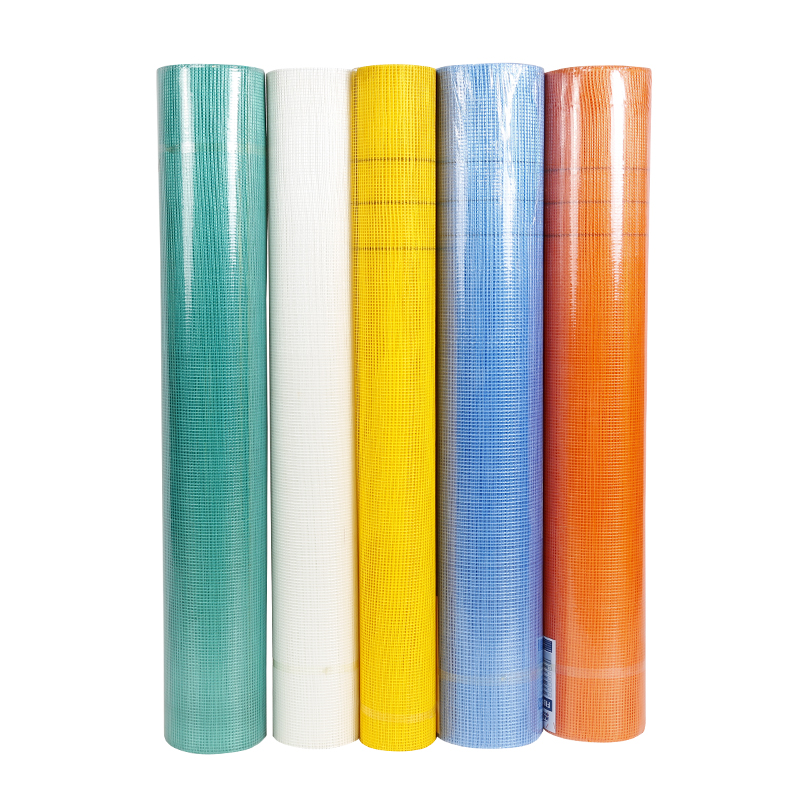
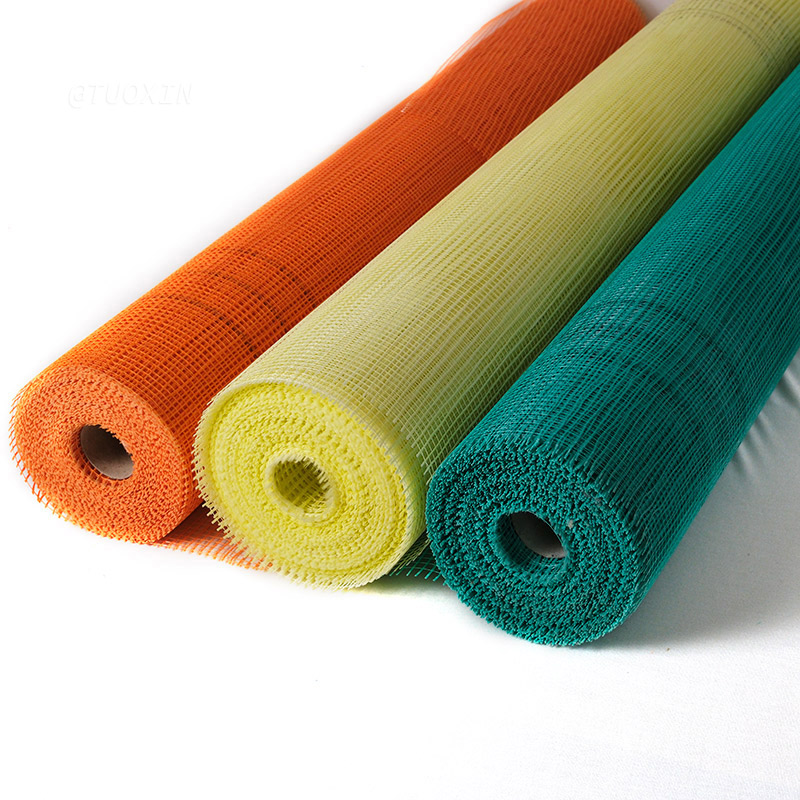
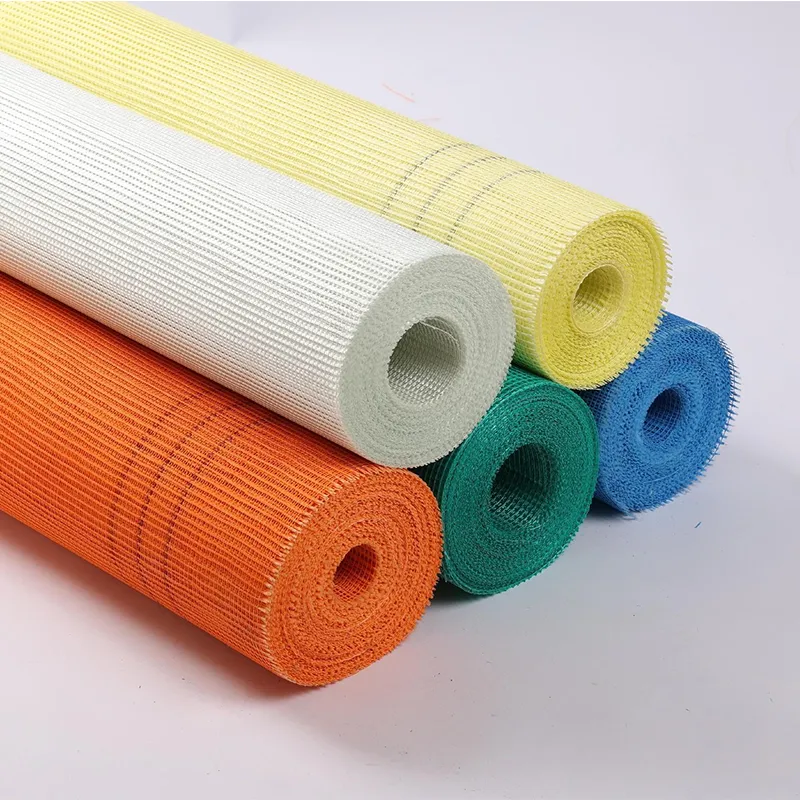
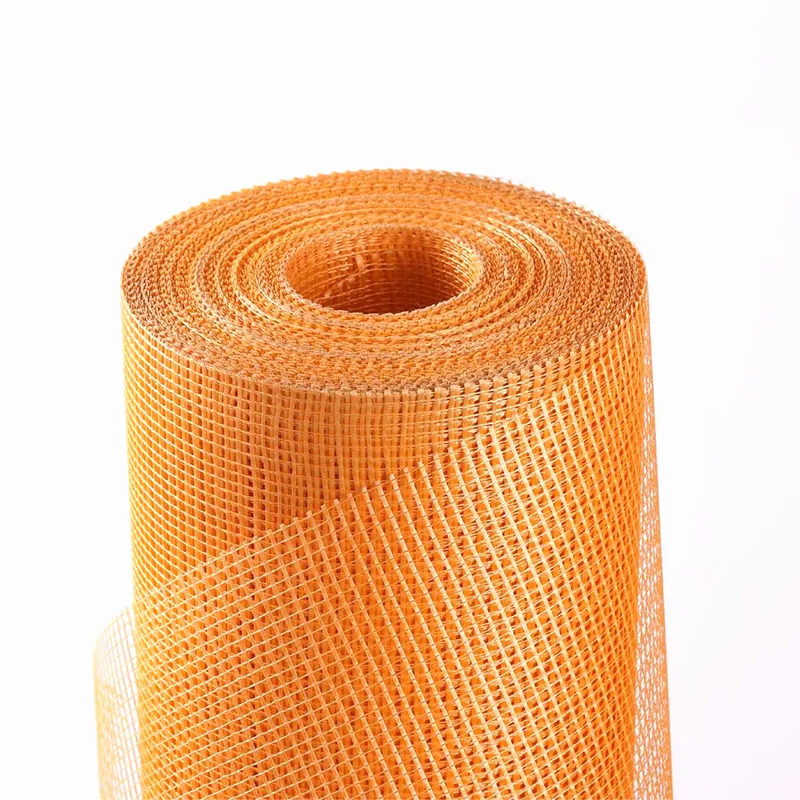
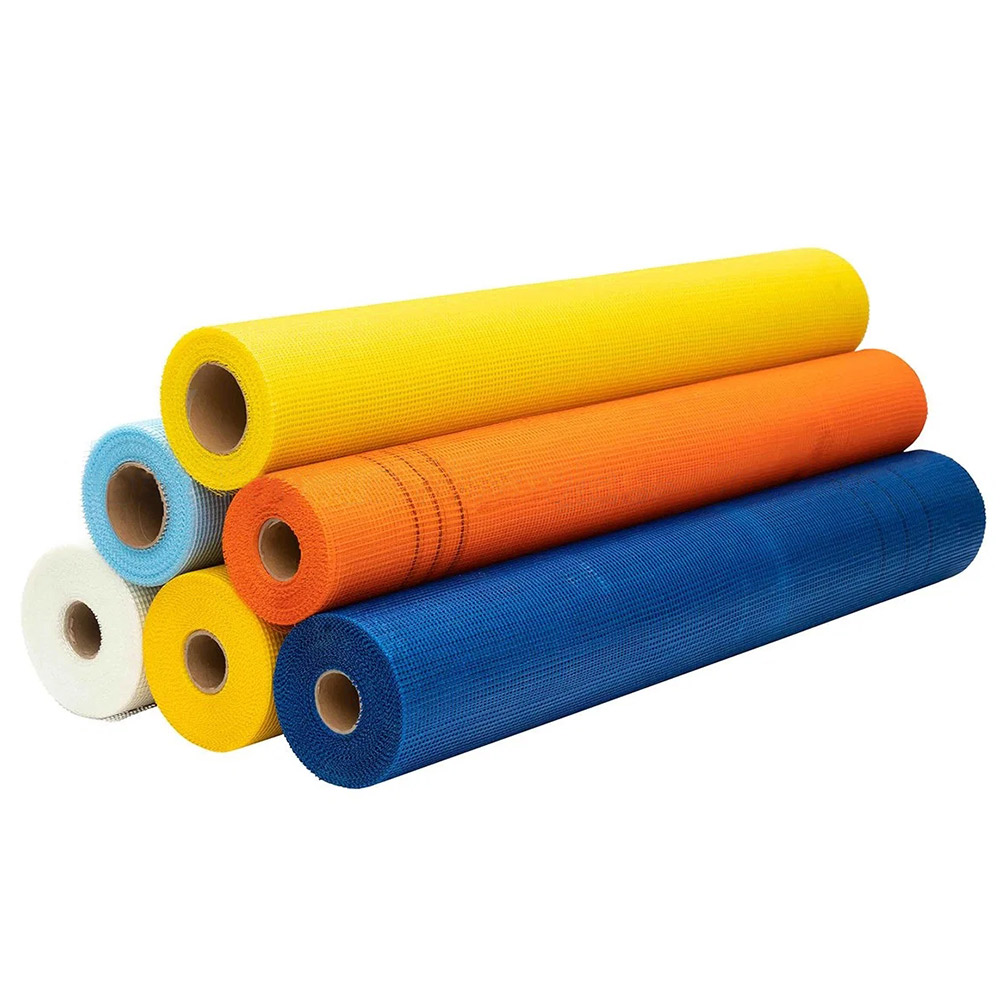
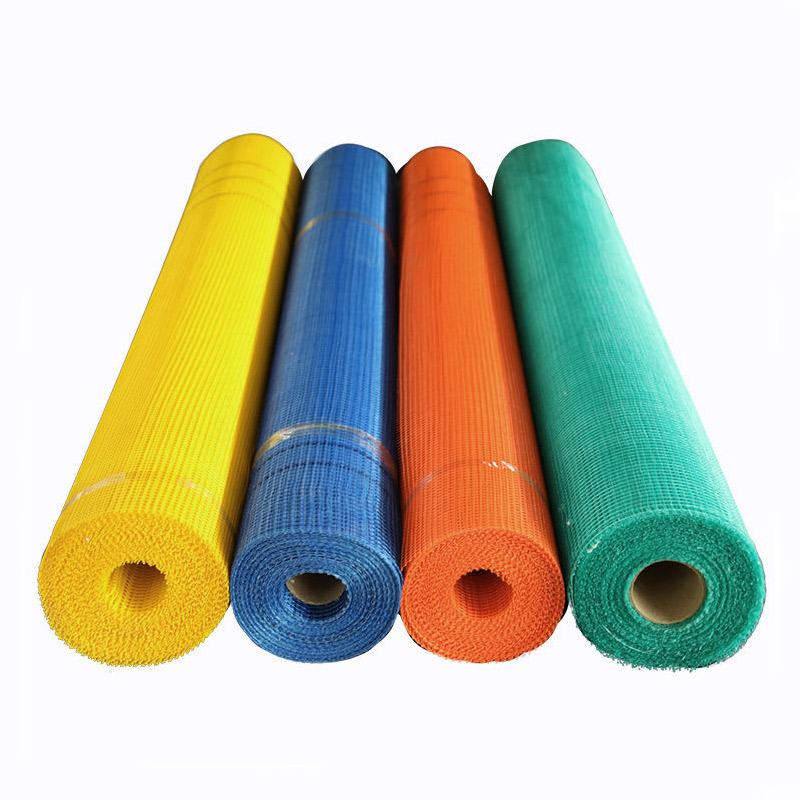
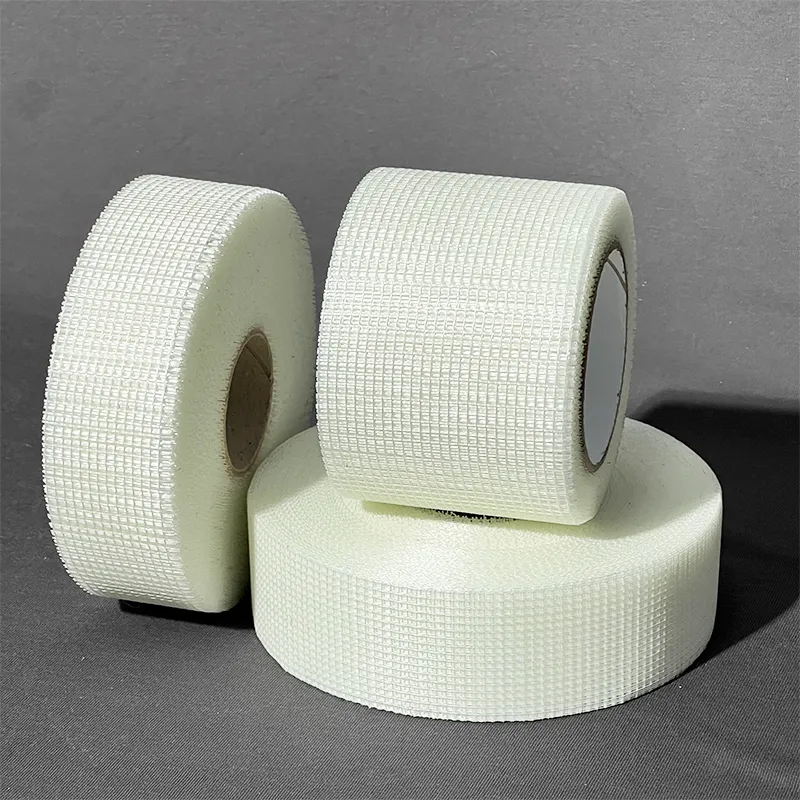
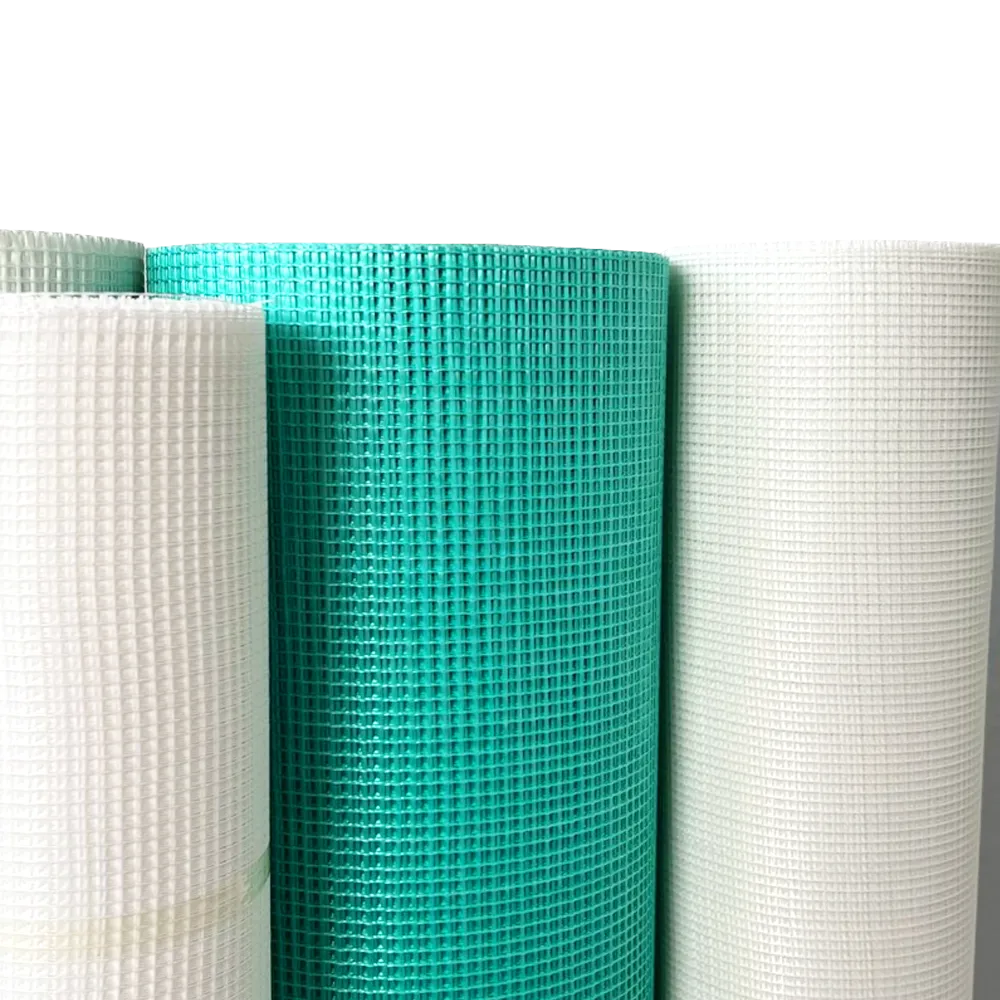
If you’re hunting for a mesh that won’t quit when the wall starts moving, here’s the short version: Buy Adhesive Fiberglass Mesh from a vendor that proves its numbers. The product I’ve been watching closely is the High Temperature Resistant Fiberglass Mesh for Wall from Xiaomen Village, Yilunbao Township, Renqiu City, Hebei, China. I visited the area years ago; a lot of quiet expertise lives in those looms.
Why this category is trending
Insulated façades, energy retrofits (ETICS), and faster interior finishing are driving demand. Specifiers want stable mesh that resists alkali from cementitious systems and doesn’t curl, even when it gets warm. Europe set the tone with ETAG/EAD criteria; now contractors in the U.S. and Middle East are asking for the same tensile numbers and aging data. In fact, 145 g/m² 5×5 mm meshes are kind of the sweet spot, but heavier grades for impact zones are picking up.
How it’s made (short version)
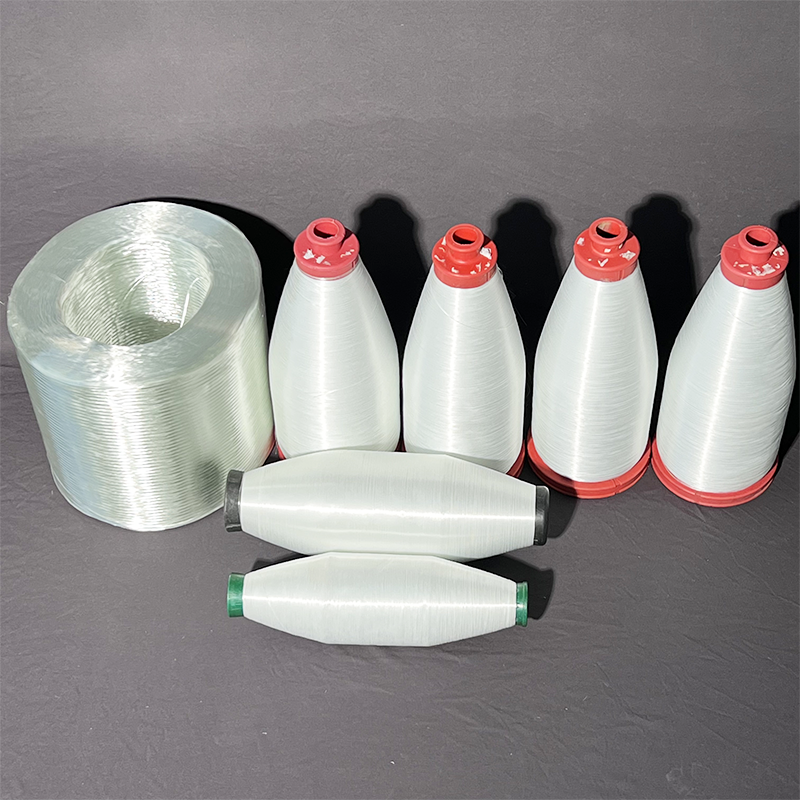
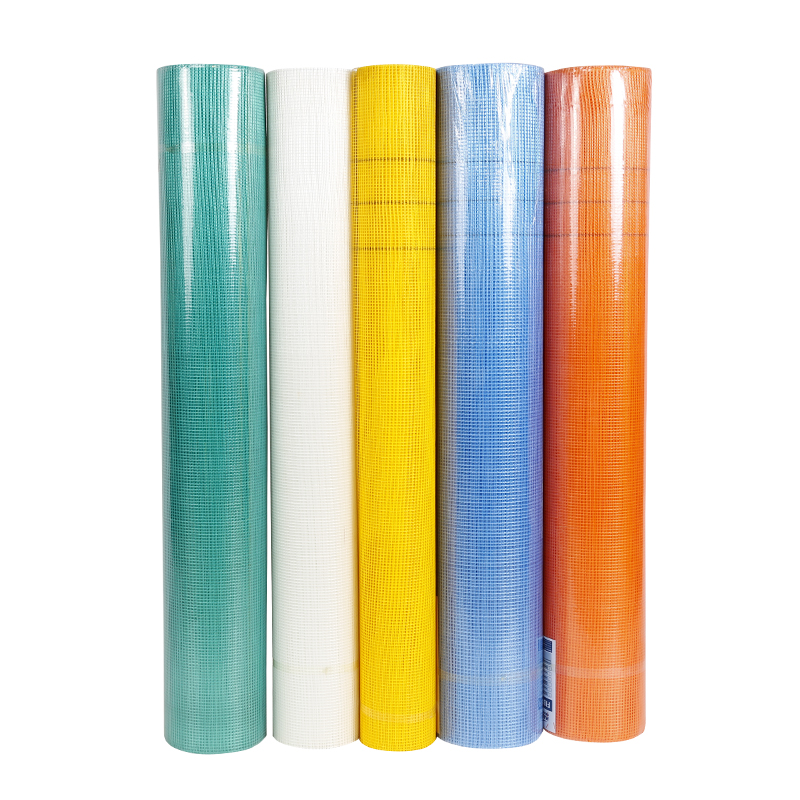
- Materials: E-glass or C-glass yarn (silicate-based) with good chemical stability; anti-alkali polymer coating.
- Weaving: Leno/open weave for crack distribution; then precision coating and heat-setting for dimensional stability.
- Testing: Mass/area (ASTM D3776), tensile (ASTM D5035 strip method), alkali aging per ETAG/EAD guidance, LOI for sizing (ISO 1887), UV conditioning (ISO 4892-2) where required.
- Service life: ≈25 years in properly designed ETICS/skim-coat systems; real-world use may vary with mortar chemistry and exposure.
Typical specifications
| Parameter | Typical Value | Notes |
| Mesh size | ≈ 5×5 mm | Common for walls/ETICS |
| Weight | 145–160 g/m² | Heavier options for impact zones |
| Tensile (warp/weft) | ≥ 1250 / 1250 N/50 mm | After aging: ≥ 1000 N/50 mm (target) |
| Temperature resistance | Glass to ≈ 550°C; coating ≈ 150–200°C | System-dependent |
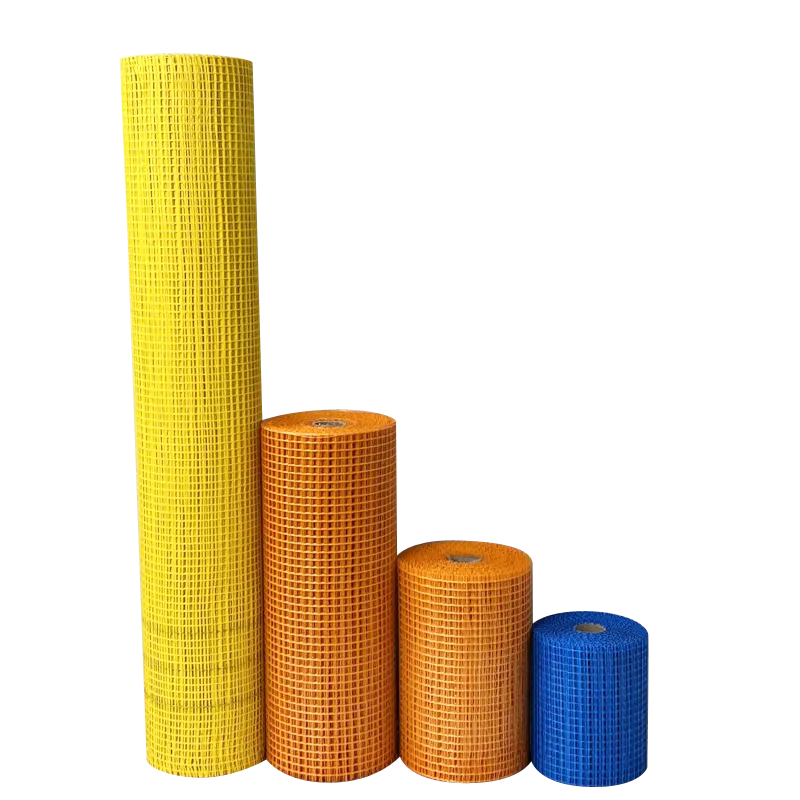
| Roll size | 1.0 m × 50 m | Other widths on request |
Where it’s used
- Exterior insulation finishing systems (base coat reinforcement).
- Interior skim coats on drywall and block, especially crack-bridging around joints and chases.
- High-temp adjacency zones (behind façade metal panels, around mechanical rooms) where coating stability matters. However, always check the full assembly rating.
Advantages I’ve seen on site
- Consistent “lay-flat” behavior; fewer bubbles to chase—many contractors mention this.
- Alkali resistance that actually holds tensile after soaking—surprisingly not universal.
- Clean edges reduce fray, which speeds crews by a bit each lift.
Vendor comparison (quick glance)
| Vendor | Certs/Standards | Aged Tensile | MOQ | Lead Time | Customization | Price |
| Tainuo (Hebei, CN) | EAD/ETAG referencing, ISO-based QA | ≈ ≥1000 N/50 mm | Low to mid | 2–4 weeks | Width, weight, color, self-adhesive | $0.25–0.45/m² |
| Importer A | Basic COA | ≈ 800–900 N/50 mm | Mid | 4–6 weeks | Limited | $0.22–0.38/m² |
| Regional Brand B | ETICS system approvals | ≈ ≥1100 N/50 mm | Low | Stocked | Color/branding | $0.40–0.65/m² |
Customization and real-world notes
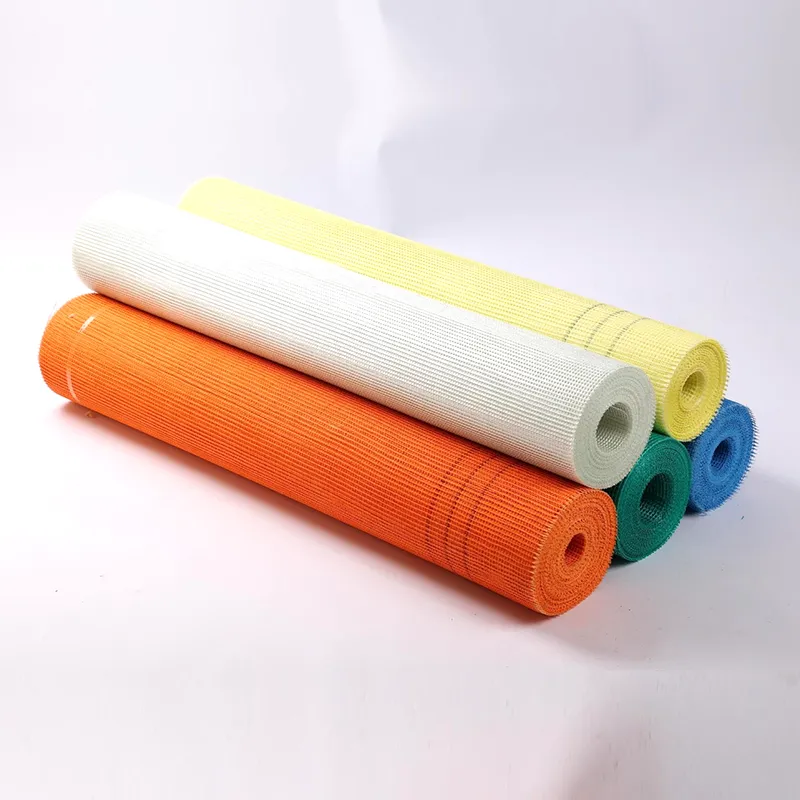
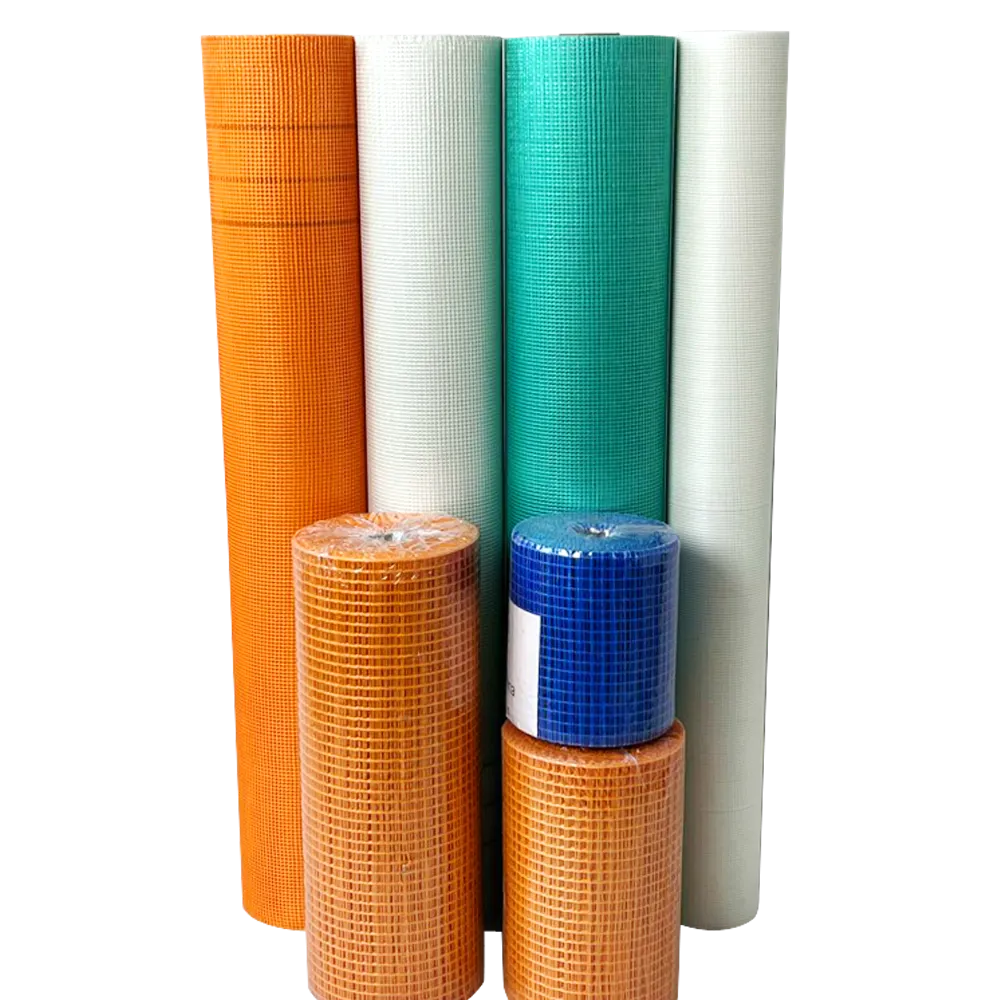
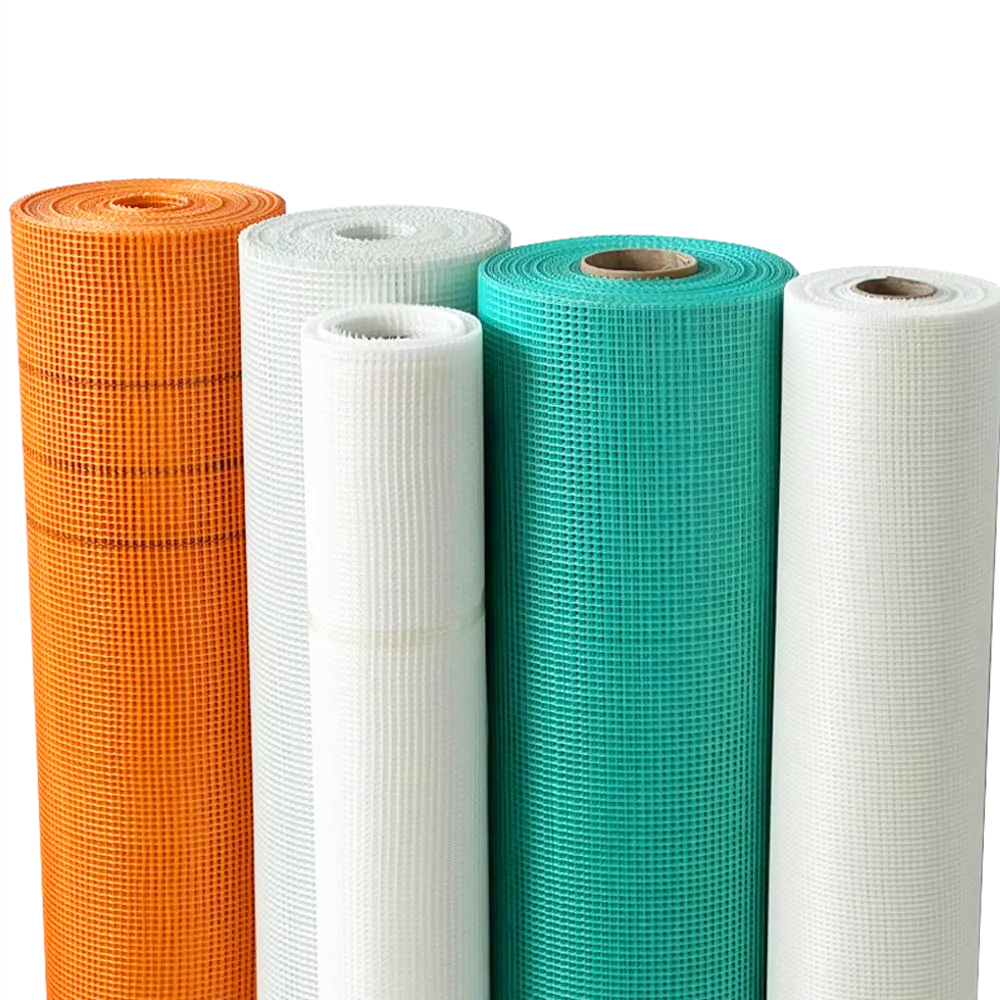
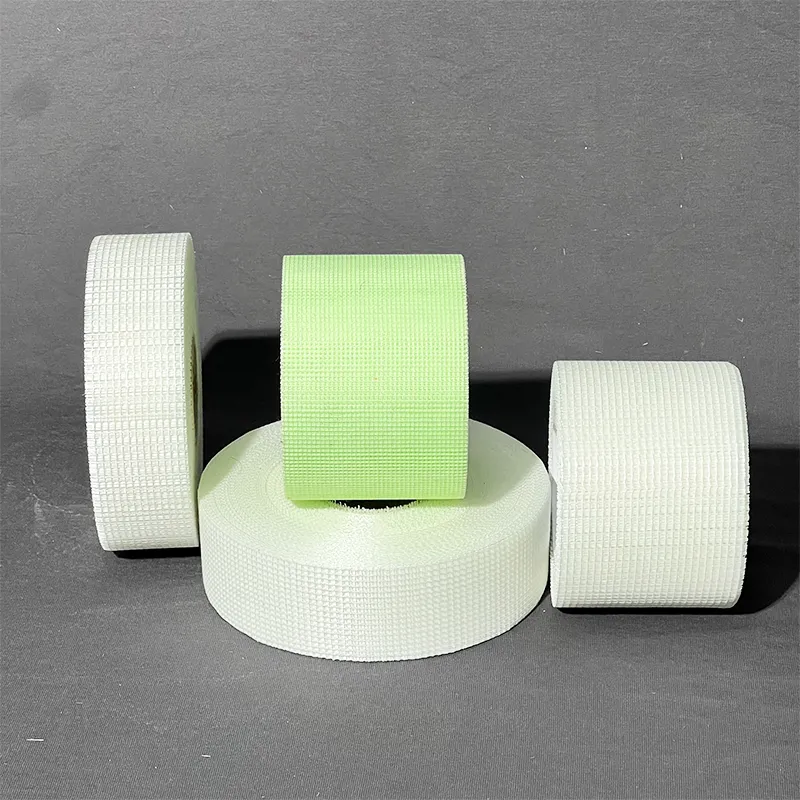
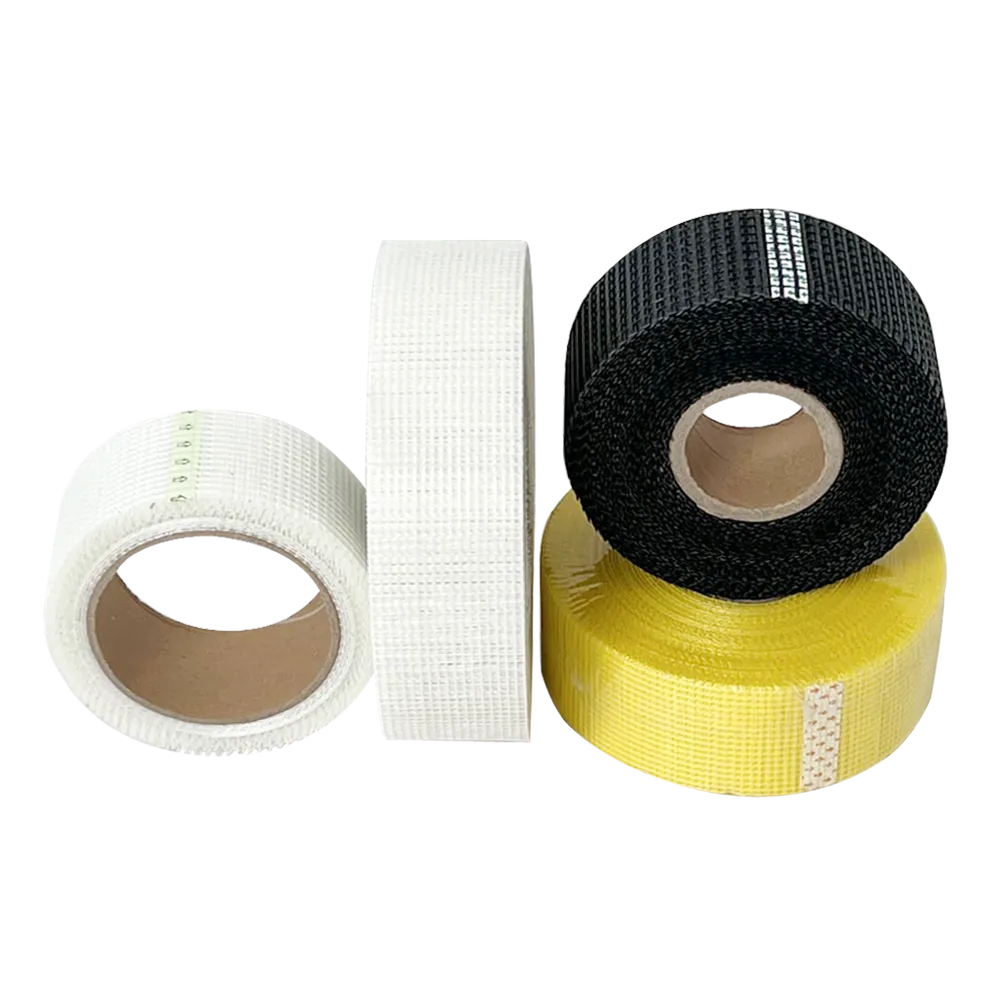
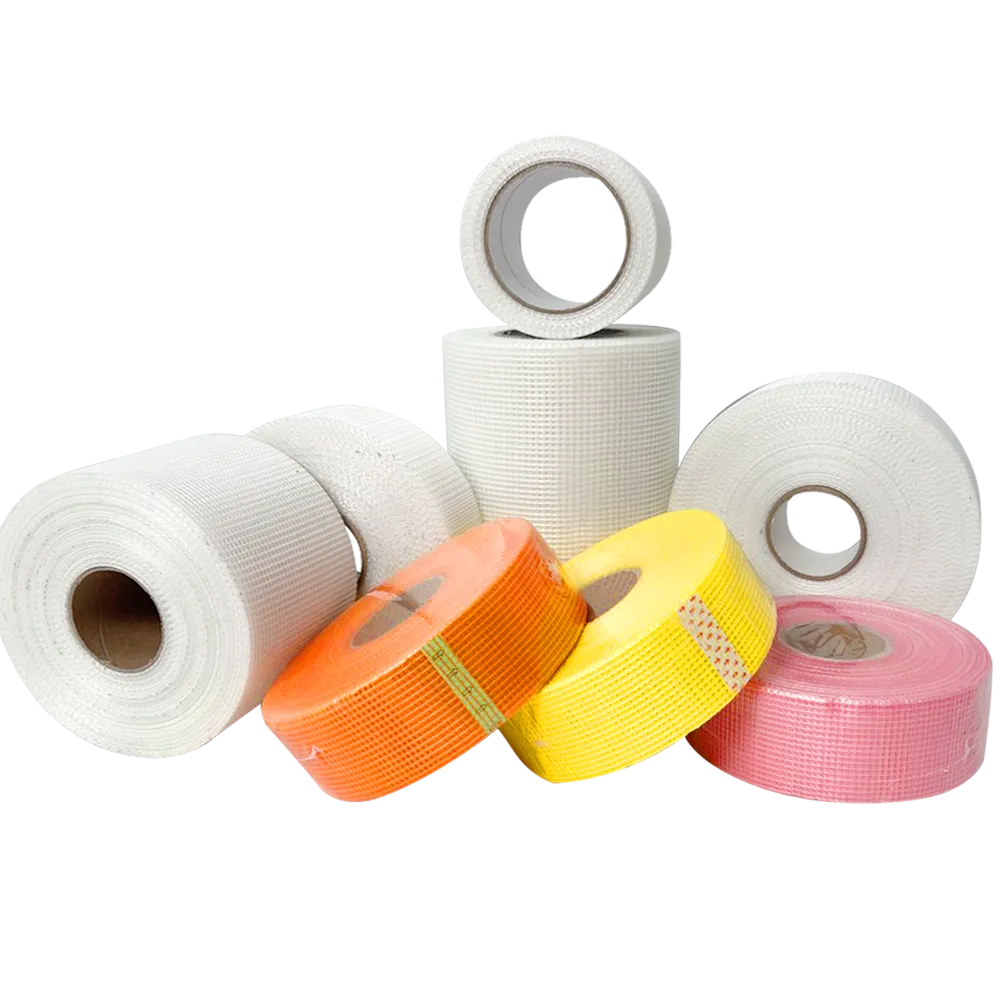
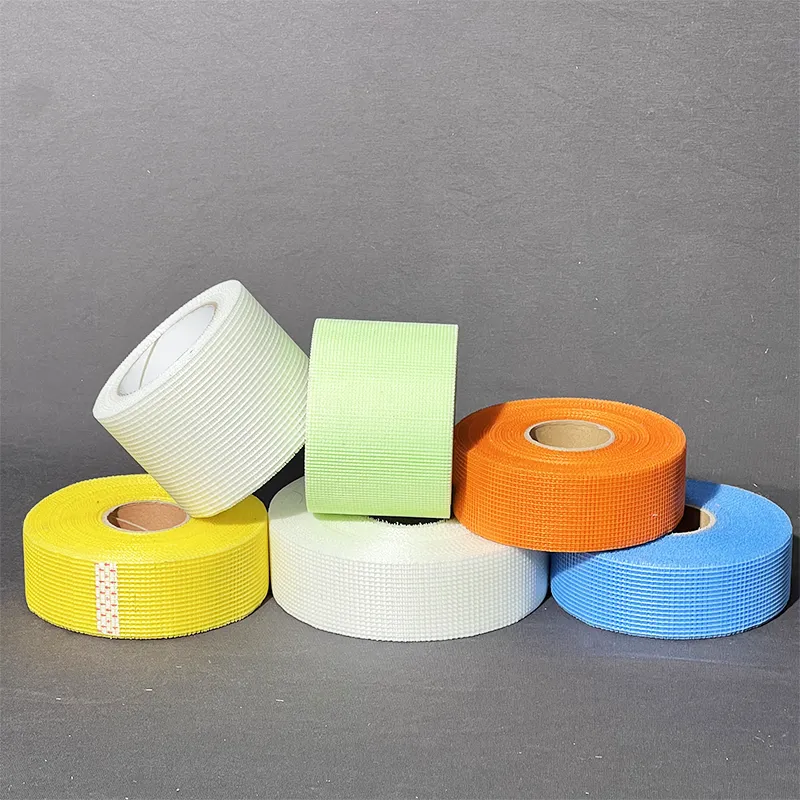
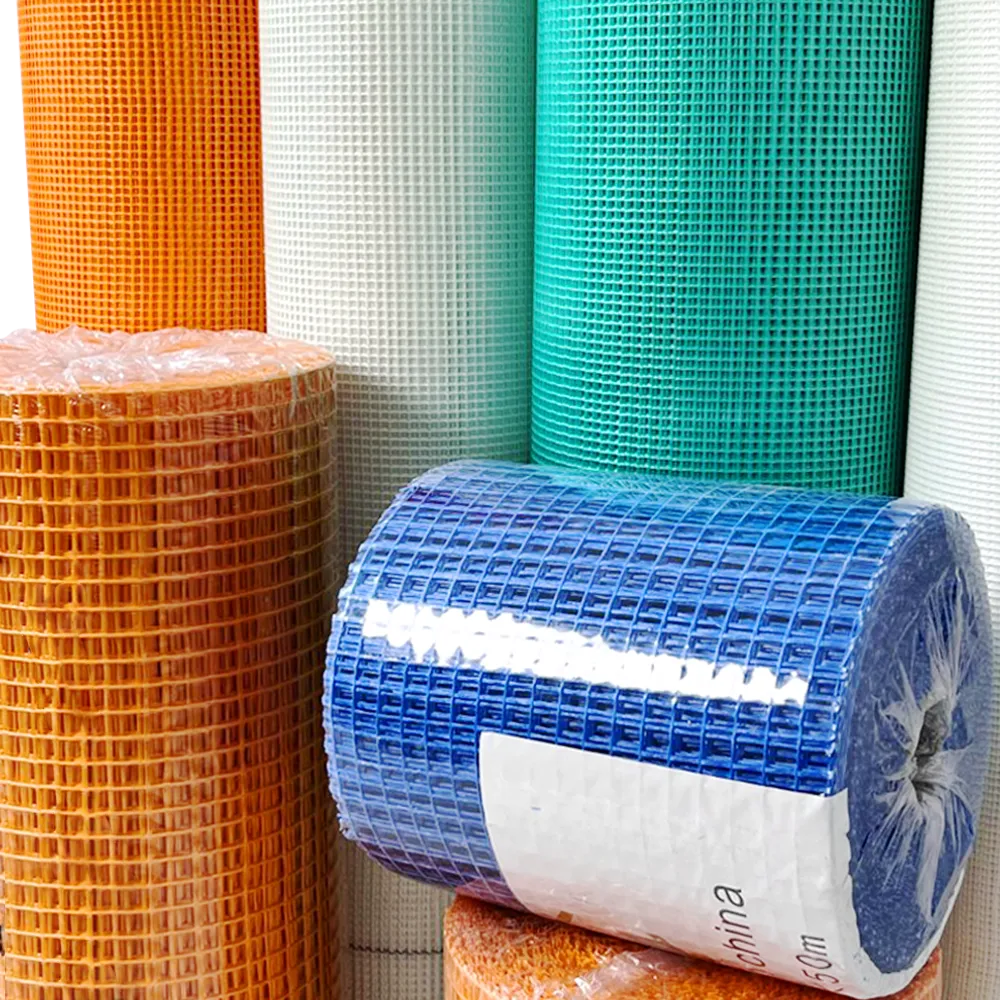
Options include self-adhesive backing, colored tracers for overlap control, heavier weights (up to 200 g/m²), flame-retardant coatings, and private labeling. To be honest, I’d always request an alkali-aging report and a simple pull test on your own mortar—lab data is great; site mixes can be quirky.
Mini case studies
- Coastal hotel ETICS, Greece: heavier 160 g/m² mesh cut corner cracking by ~30% versus prior brand, according to the GC.
- Airport retrofit, GCC: crews liked the “lay-flat” behavior; fewer wrinkles around penetrations.
- Drywall repair chain, U.S.: self-adhesive variant reduced joint prep time on patch work orders.
Ready to Buy Adhesive Fiberglass Mesh? Look for retained tensile after alkali aging, proper coating cure, and consistent roll geometry. If those boxes are ticked, the rest of your system has a fighting chance.
References
- [1] EAD 040083-00-0404, External Thermal Insulation Composite Systems (ETICS) with rendering — EOTA
- [2] ASTM D5035, Breaking Force and Elongation of Textile Fabrics (Strip Method) — ASTM International
- [3] ISO 1887, Determination of mass loss of glass fibre — ignition loss — ISO
- [4] ISO 4892-2, Plastics — Methods of exposure to laboratory light sources — Xenon-arc — ISO
-
Best Fiberglass Mesh Tape for RedGard Product Waterproofing GuideNewsApr.16,2026
-
Why High Strength Fiberglass Mesh Is Essential For Stucco ApplicationNewsApr.15,2026
-
Why Alkali Resistant Fiberglass Mesh Tape Is Essential For Cement Board And Tile InstallationsNewsApr.15,2026
-
Understanding The Role Of Drywall Fiberglass Mesh In Interior FinishingNewsApr.15,2026
-
Ultimate Guide To Using Fiberglass Mesh Tape For Drywall And Plaster RepairsNewsApr.15,2026
-
The Versatility Of Fiberglass Mesh In Marble And Stone MosaicNewsApr.15,2026