Oct . 19, 2025 11:55 Back to list
Buy Adhesive Fiberglass Mesh - High Strength, Easy Apply
A Practical Guide to Choosing Adhesive Fiberglass Mesh for Plaster, Drywall, and ETICS
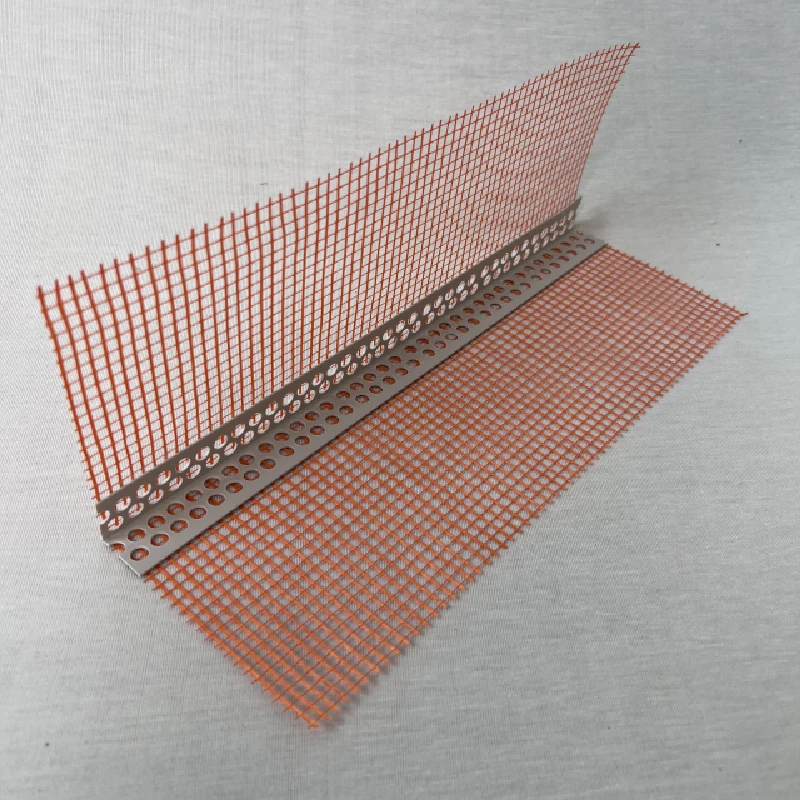
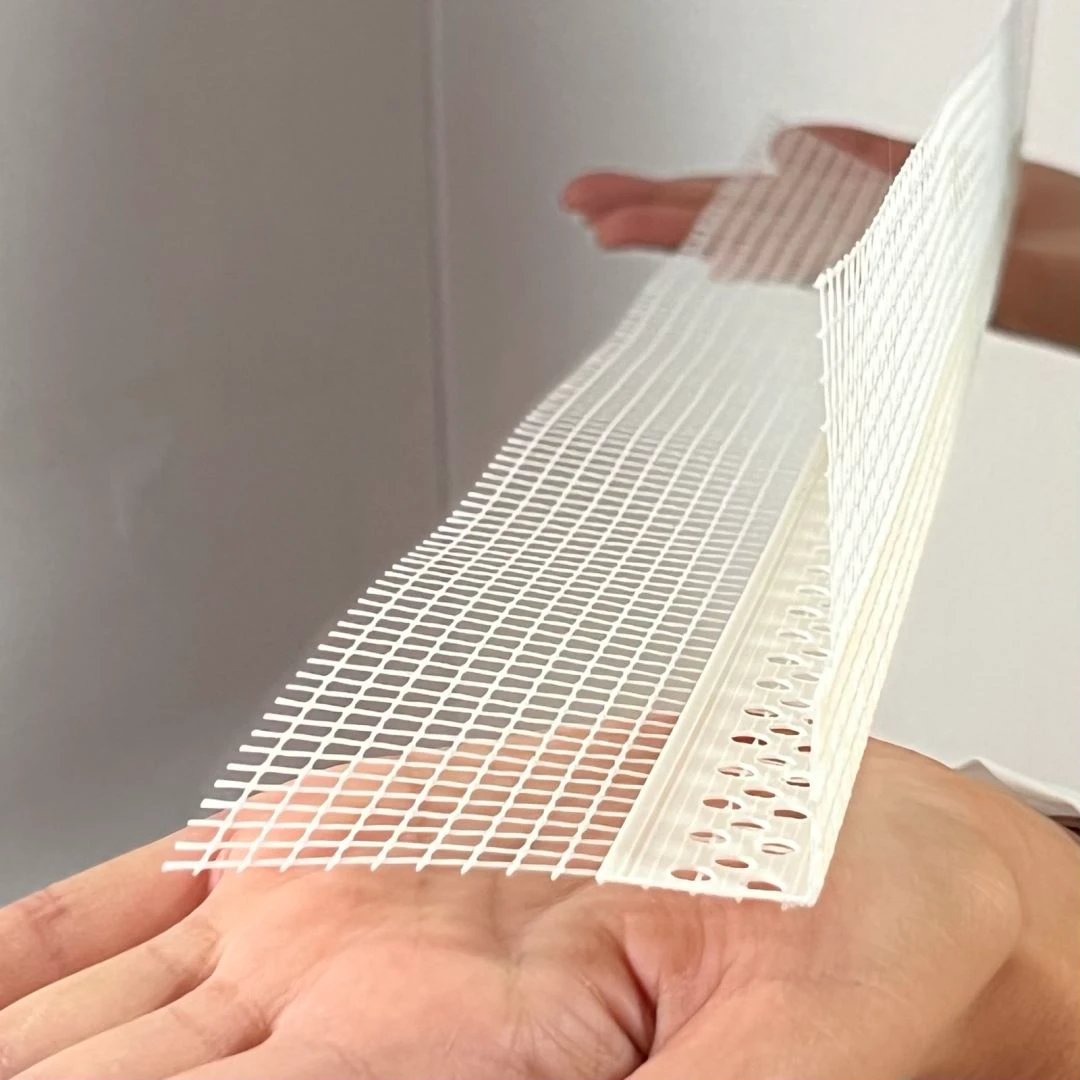
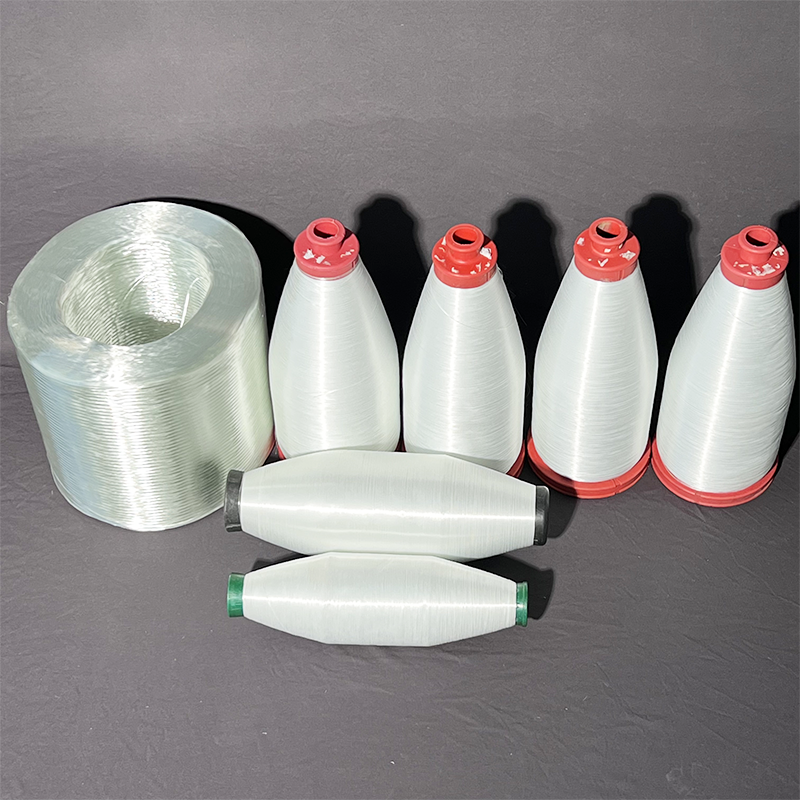
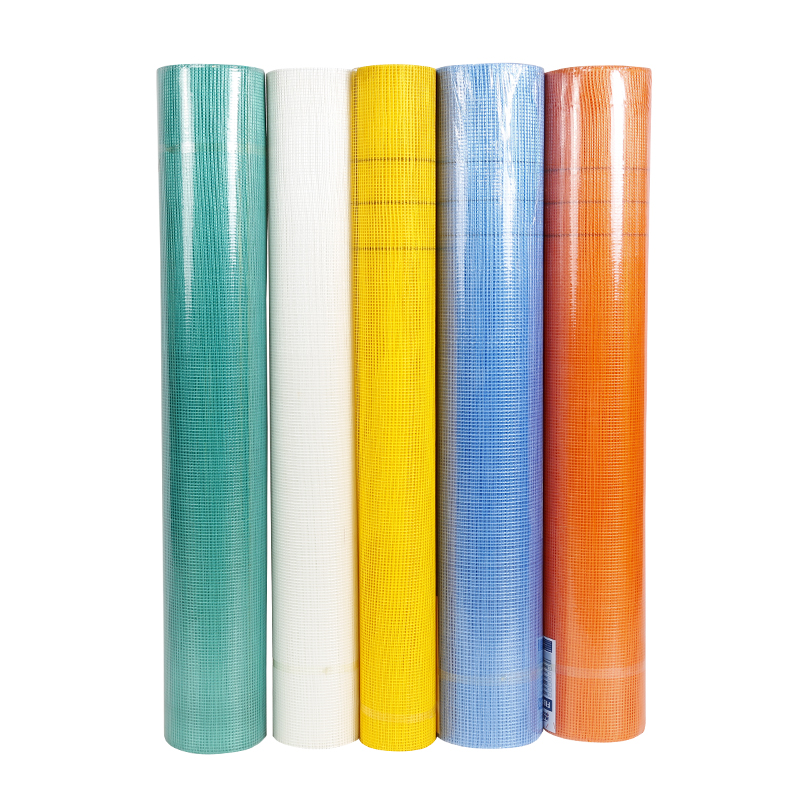
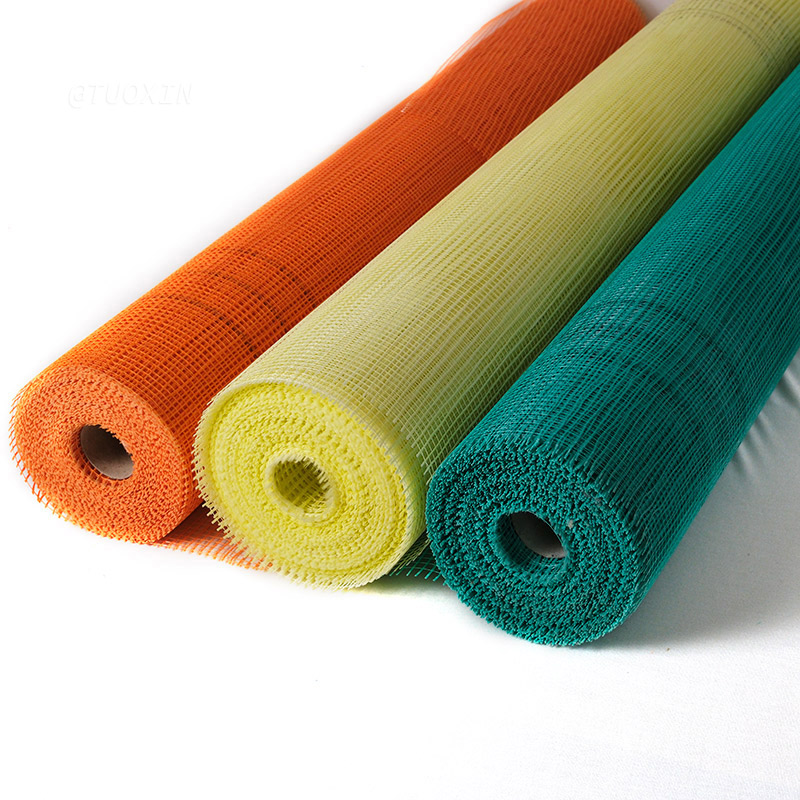
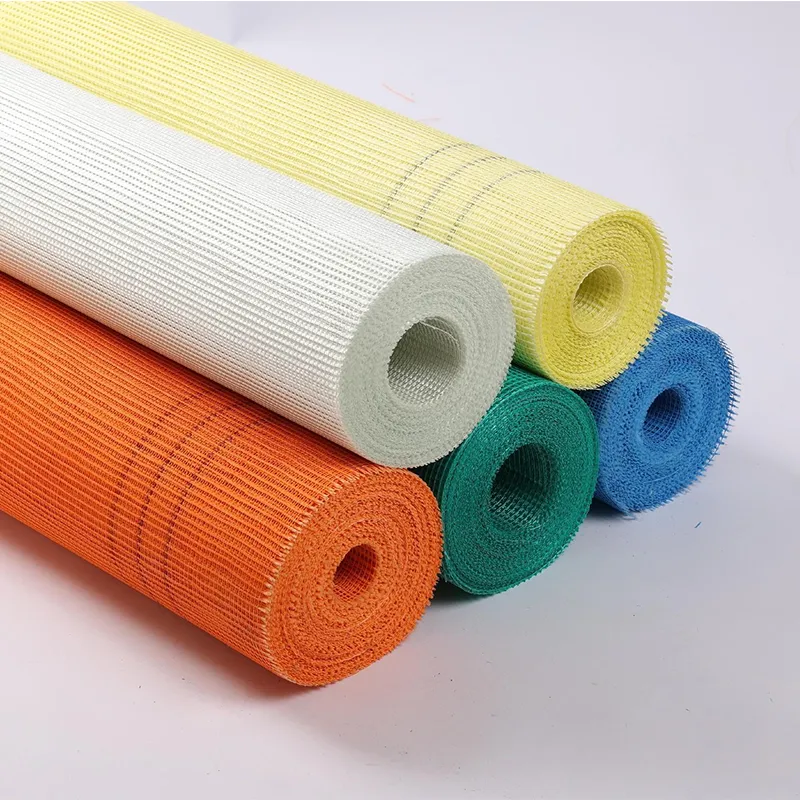
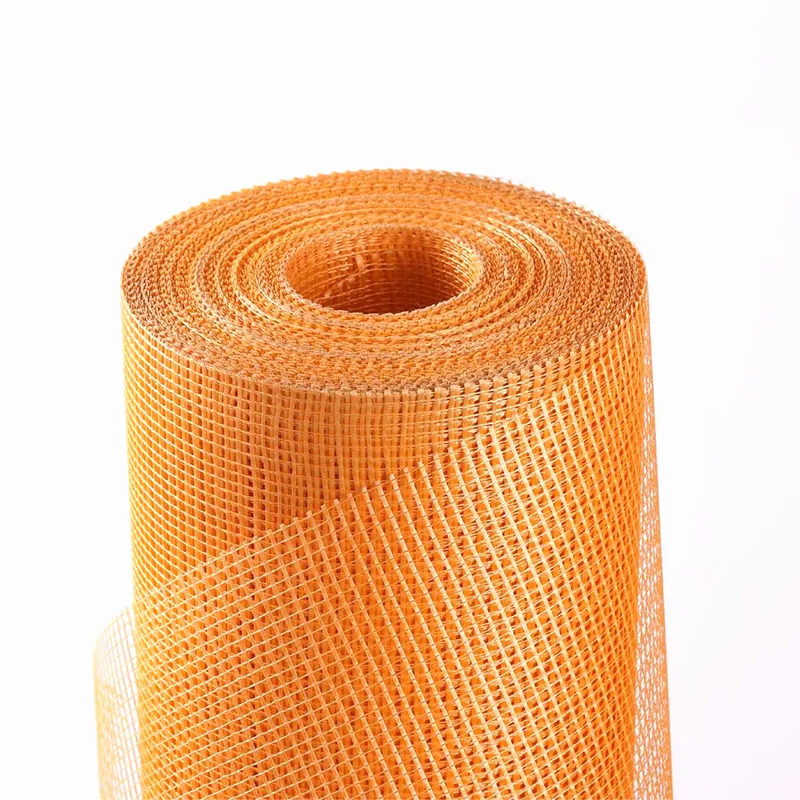
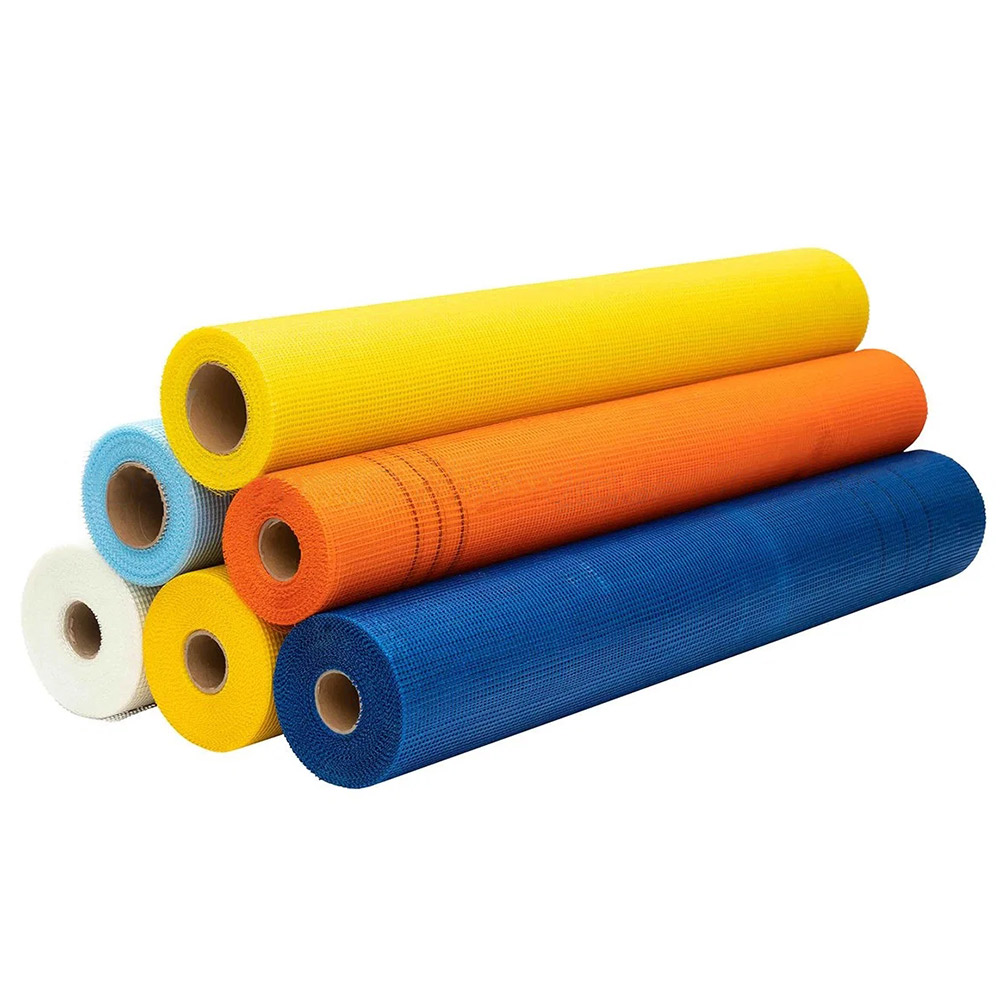
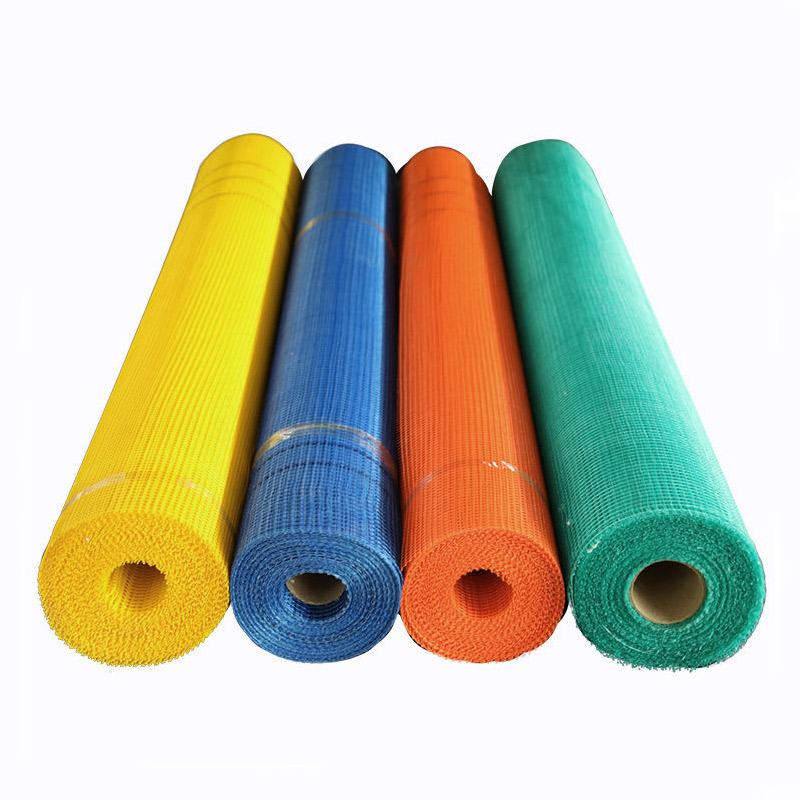
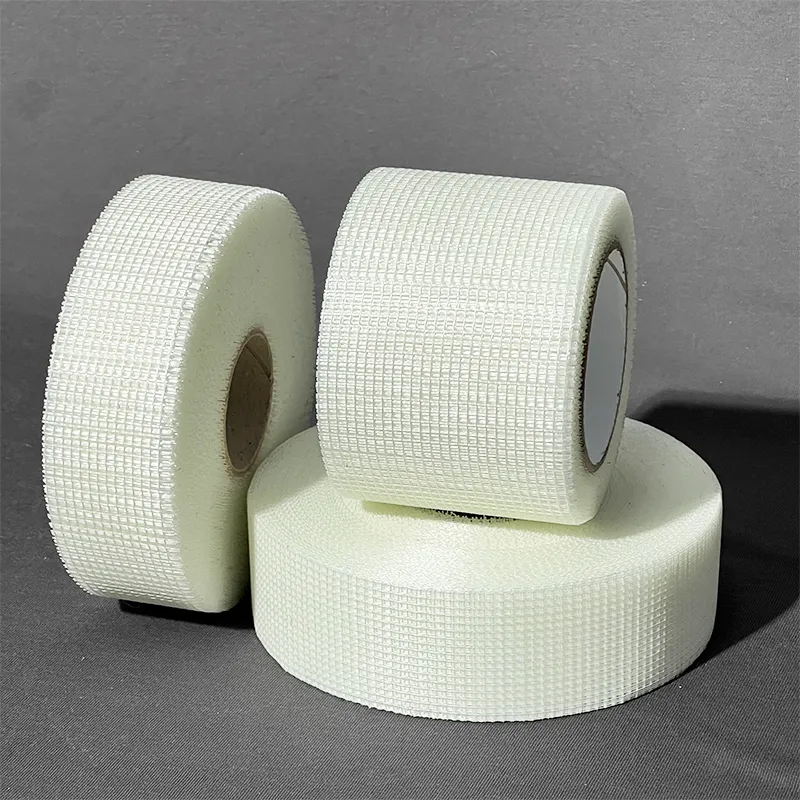
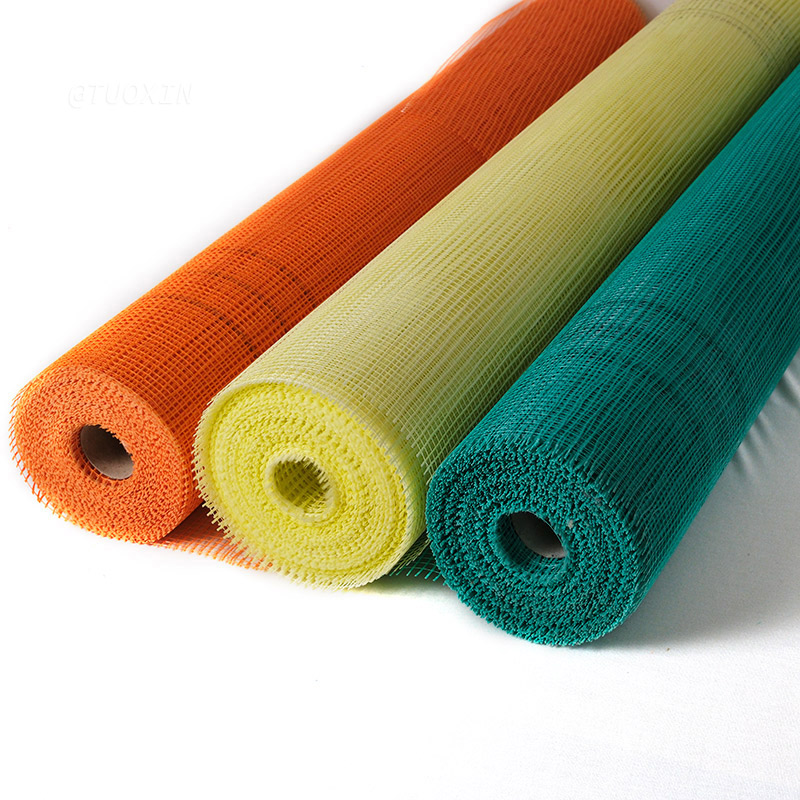
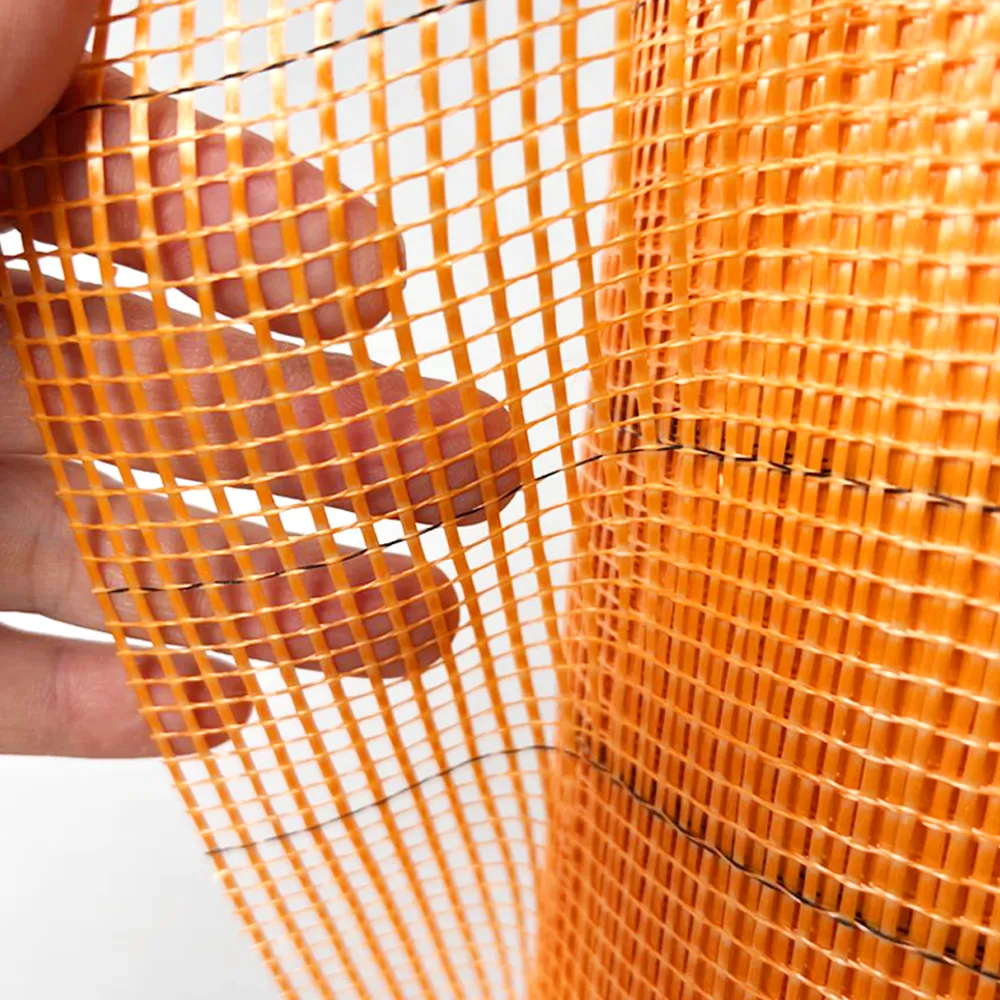
If you’re hunting around to buy adhesive fiberglass mesh that actually holds up in real jobs—not just lab sheets—here’s what’s worth knowing. The product I’ve been looking at lately is “Fiberglass mesh manufacture plaster mesh net,” produced in Xiaomen Village, Yilunbao Township, Renqiu City, Hebei Province, China. It’s woven from C-glass, E-glass or AR-glass and coated with an acrylic acid copolymer. In plain English: good alkali resistance, steady tensile strength, and better-than-expected flexibility. Many contractors tell me it saves them rework, which—let’s be honest—is the real test.
Industry trends (and what actually matters)
Three things are shaping the market: stronger alkali resistance for cementitious systems (EIFS/ETICS), tighter tolerances on GSM and mesh aperture to reduce cracking, and faster site productivity with adhesive-backed rolls. In fact, the shift to AR-glass content for high-pH environments isn’t hype—it’s because low-retention meshes fail faster in stucco and basecoat. Surprisingly, mid-weight (≈145 g/m²) meshes are a sweet spot for wall reinforcement; heavier meshes are great but not always necessary.
Specifications (typical, customizable)
| Base yarn | C-glass / E-glass / AR-glass (woven) |
| Coating | Acrylic acid copolymer (alkali-resistant) |
| Mesh size | ≈5×5 mm (4×4–10×10 mm optional) |
| Mass per unit area | ≈145 g/m² (range 75–200 g/m²) |
| Tensile strength | ≥1250 / 1200 N per 50 mm (warp/weft), after-alkali retention ≥50% (real-world use may vary) |
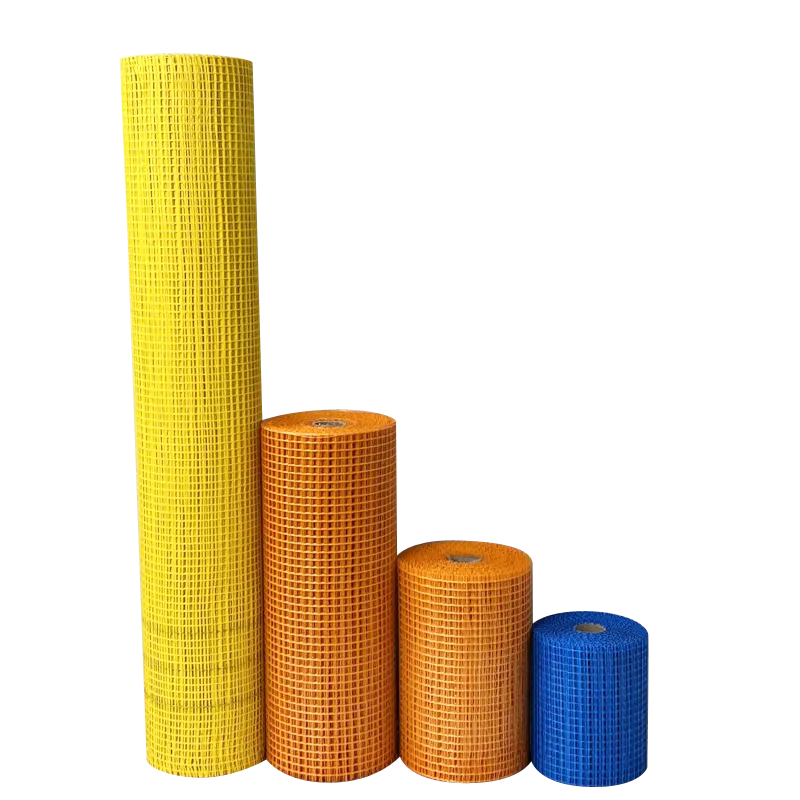
| Width & length | 1.0 m × 50 m standard (0.2–2.2 m widths; 20–100 m rolls optional) |
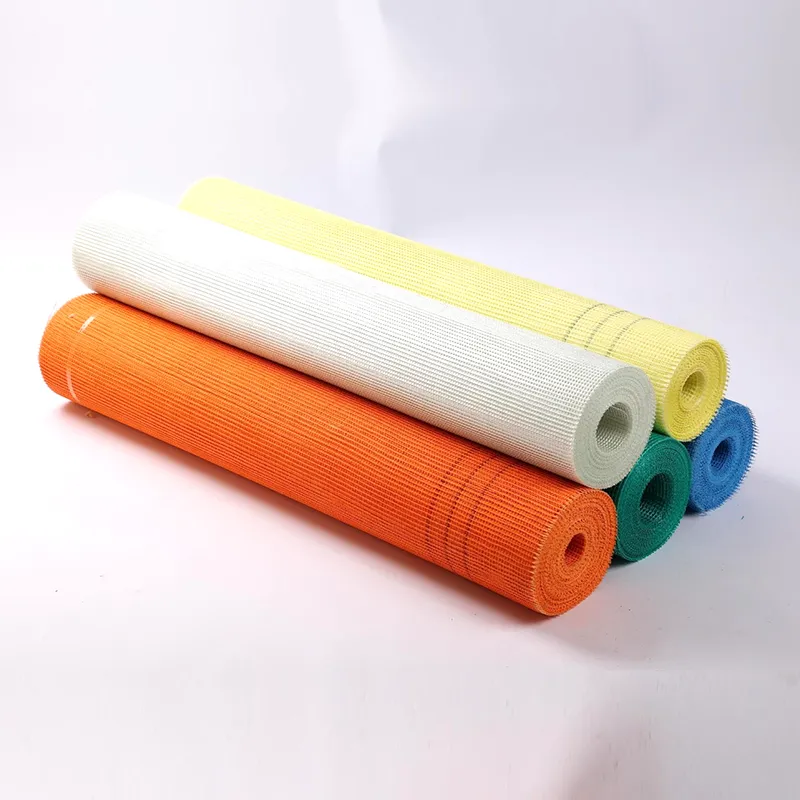
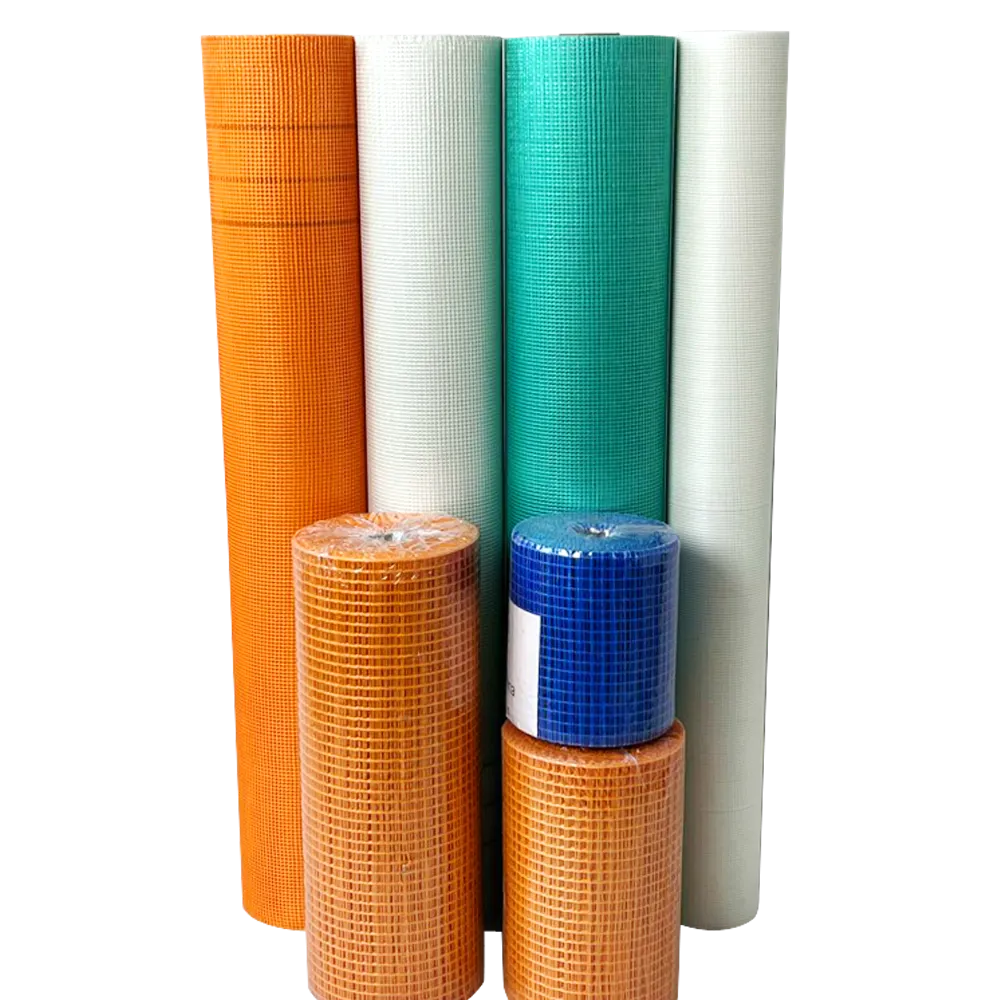
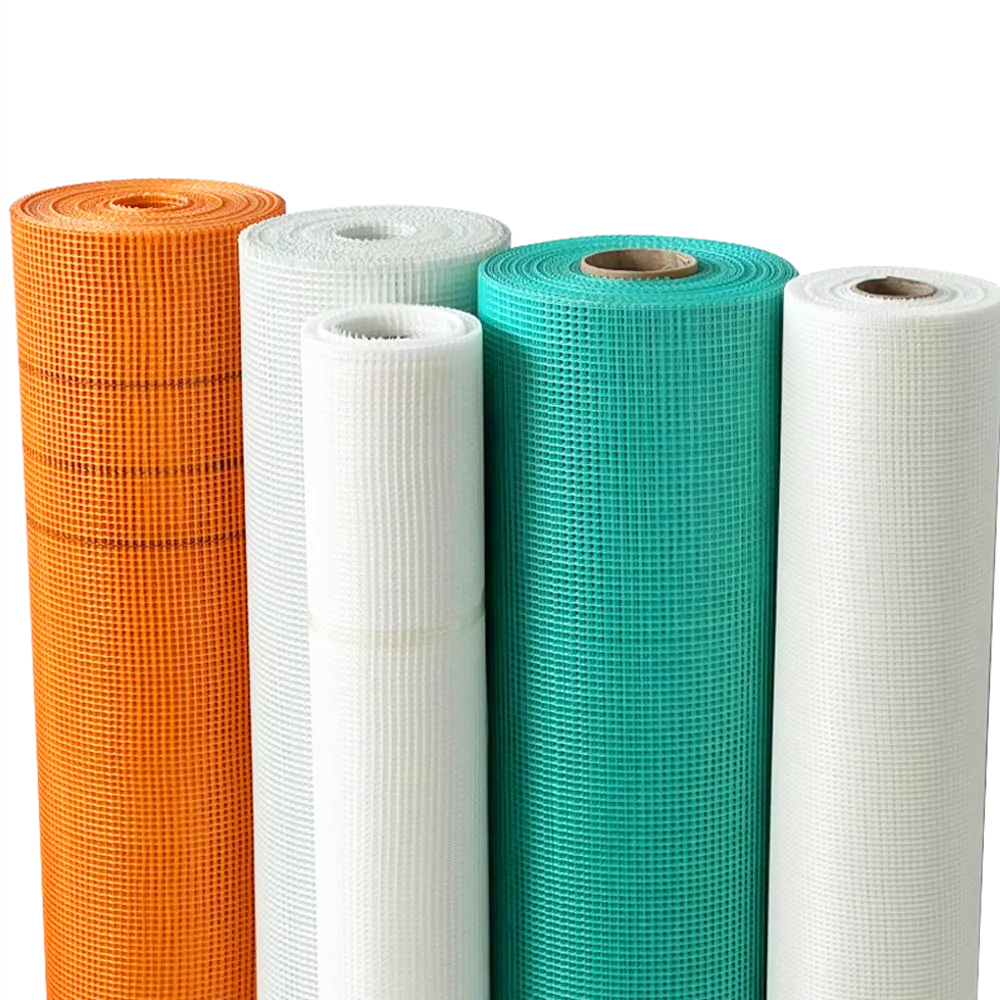
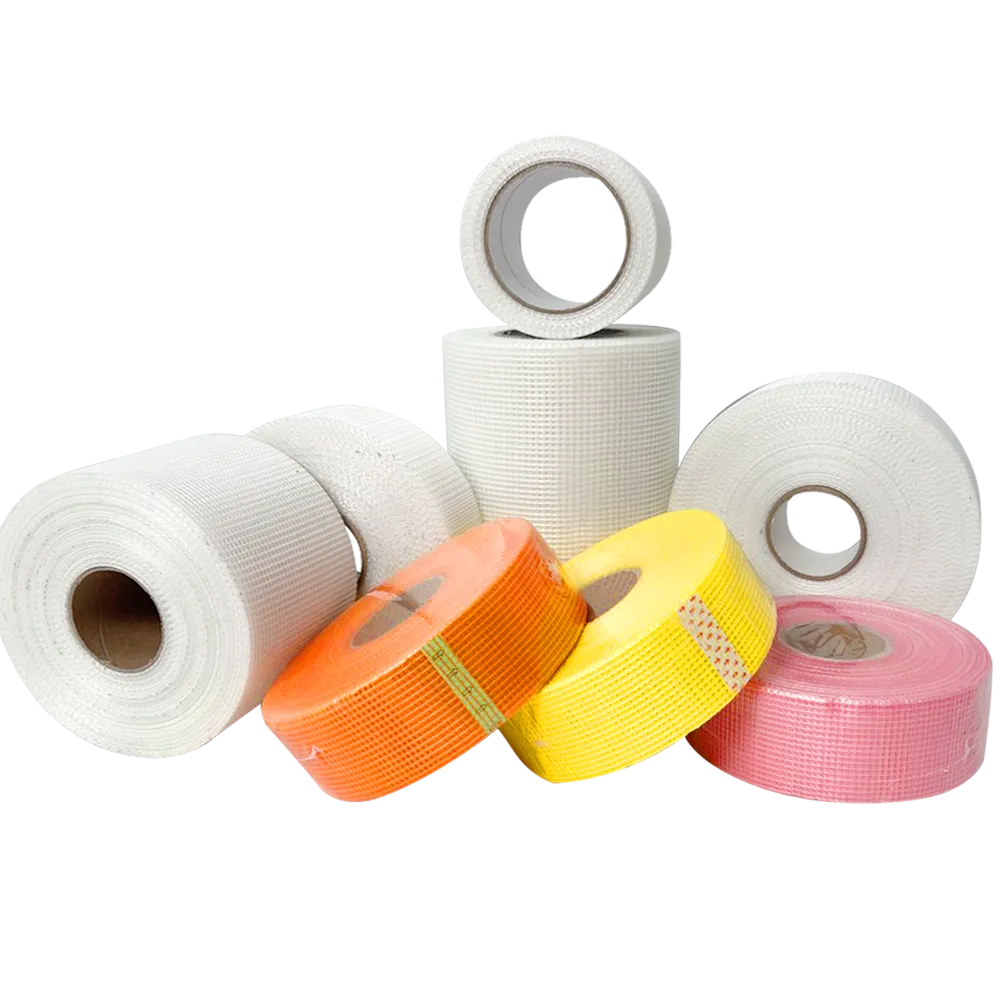
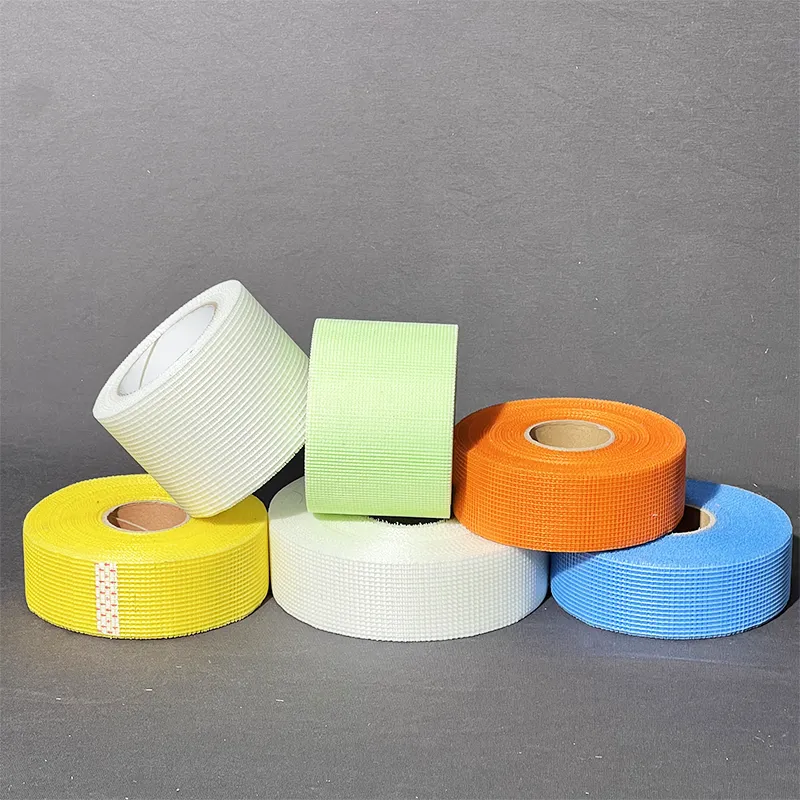
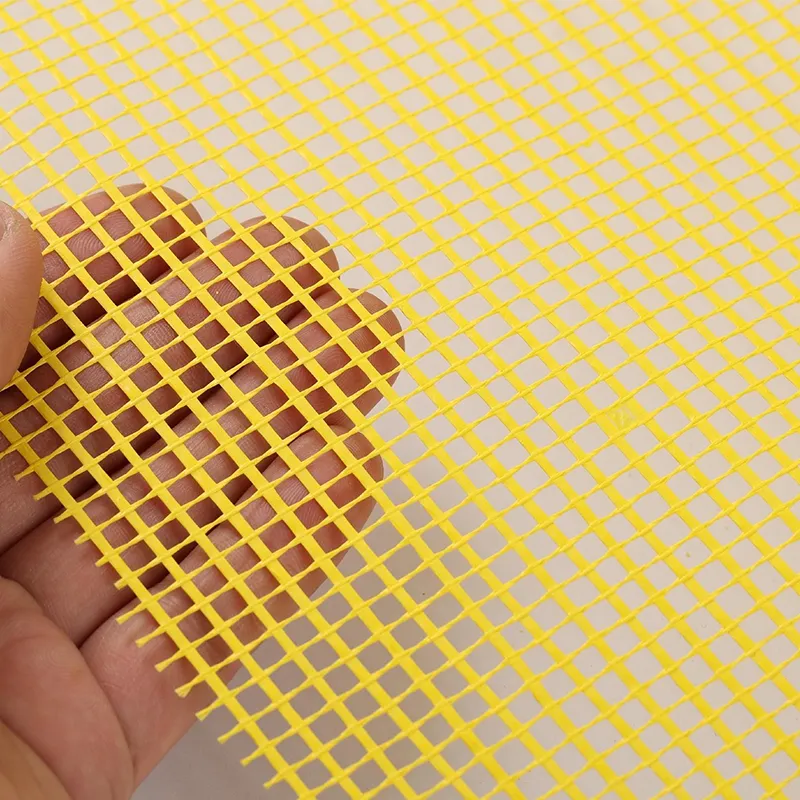
| Colors | White, yellow, blue; custom logo/print on request |
| Service life | ≈25 years in ETICS under normal conditions (installation dependent) |
Process flow and QC
Materials are sourced as C/E/AR glass yarn → woven on rapier looms → acrylic copolymer coating → oven drying and sintering → slitting → shrink-wrapped rolls. Testing typically covers: mass per unit area, mesh aperture, tensile (ASTM D5035/ISO 13934-1 methods), alkali soak (e.g., 5% NaOH, 28 days) with retention check, dimensional stability, and coating adhesion. To be honest, the alkali-retention number is the one I always ask for first.
Where it’s used (and why it helps)
- EIFS/ETICS basecoat reinforcement (crack control over insulation boards)
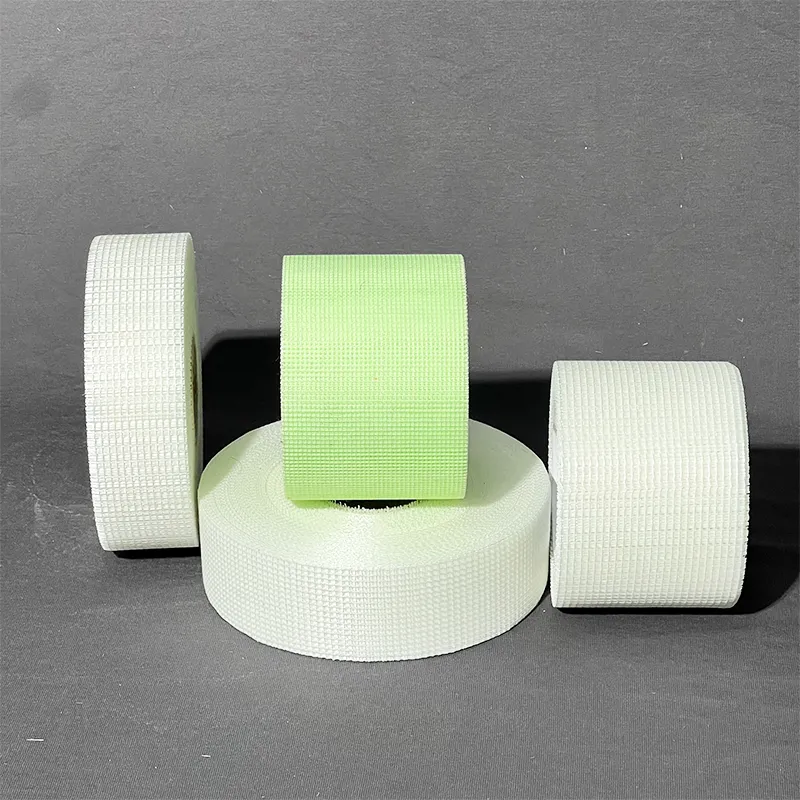
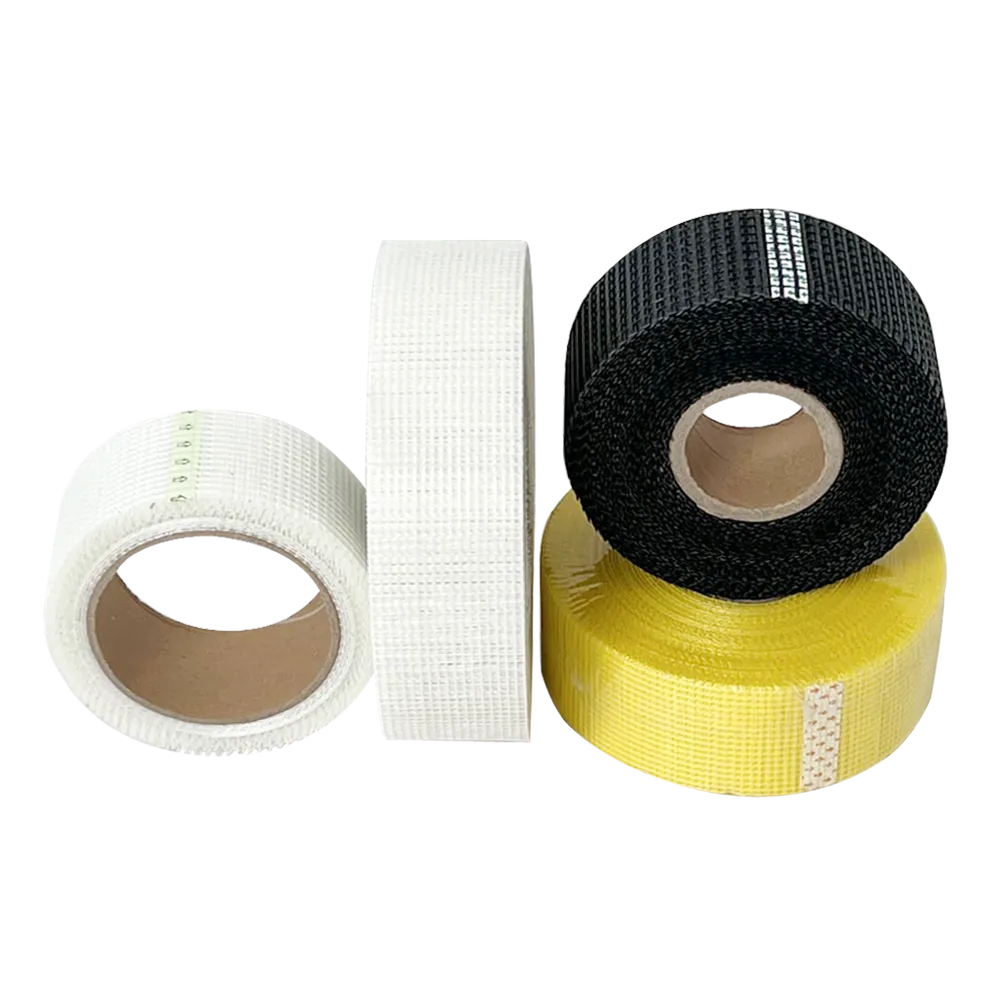
- Interior drywall joints and patching; tile backer transitions
- Plaster rendering on block/brick; mosaic or stone veneer backing
- Roof waterproof layers, gypsum board seams, and facade repair
Advantages: alkali resistance in cement, good hand feel for embedding, consistent roll tension, and—customers say—clean edges that don’t shed like cheaper imports. If you plan to buy adhesive fiberglass mesh for ETICS, ask for after-alkali tensile data in N/50 mm, not just GSM.
Vendor snapshot (indicative)
| Vendor | Origin | Typical GSM | Alkali retention | Lead time | Notes |
|---|---|---|---|---|---|
| Tainuo (factory) | Hebei, China | ≈145 g/m² | ≥50–70% (spec-dependent) | 7–15 days | Custom widths/prints; stable QC |
| Generic importer | Mixed | ≈125 g/m² | ≈30–45% | 25–40 days | Low price; variable lots |
| EU brand | EU | ≈160 g/m² | ≥60–70% | 10–20 days | Premium; excellent docs |
Mini case notes
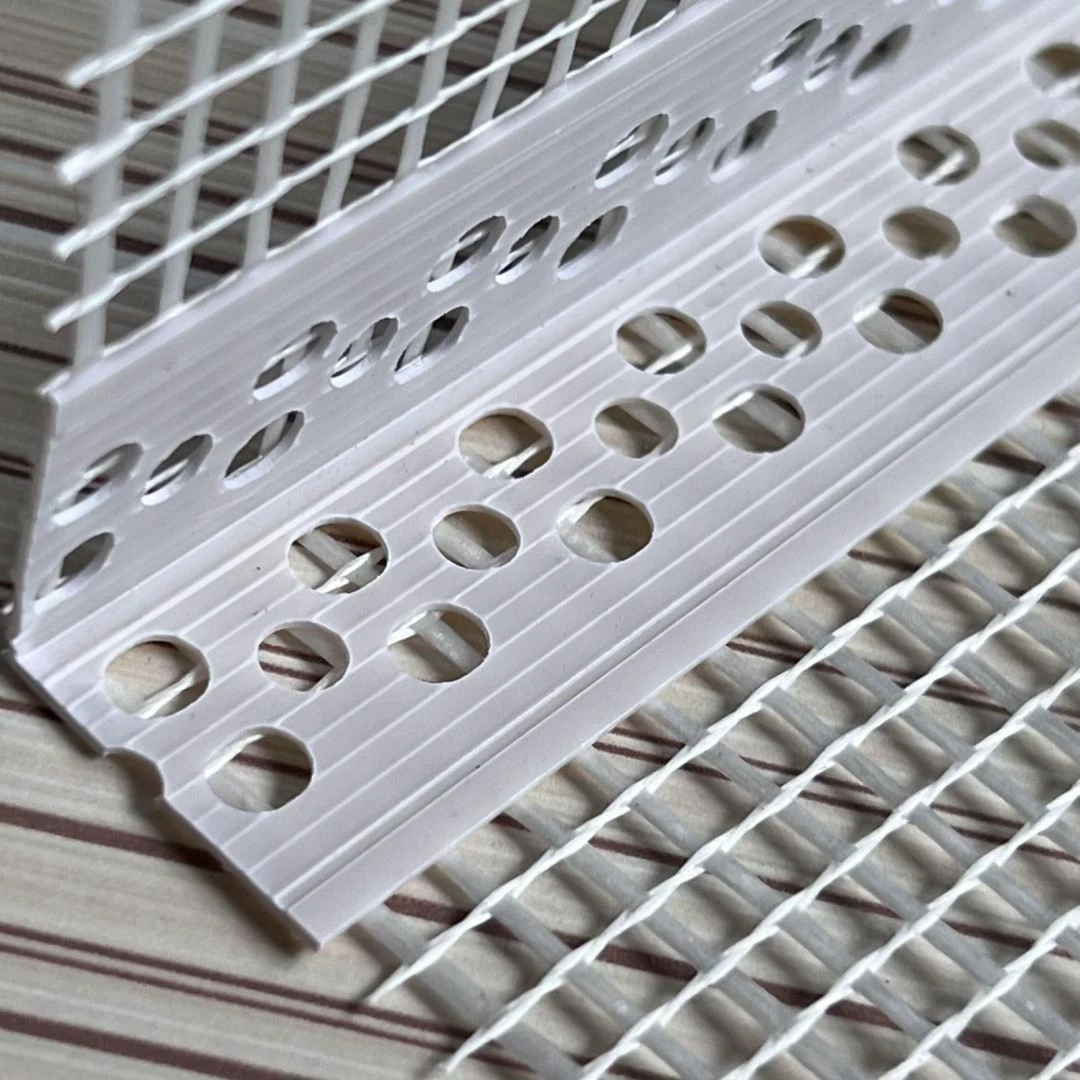
1) Coastal hotel retrofit: 145 g/m² mesh in cement basecoat, salt-laden winds—no blistering at 18 months; pull-off tests remained stable. 2) Drywall clinic: adhesive mesh tape plus setting compound reduced call-backs by ~30% (contractor feedback). 3) Factory facade ETICS: heavy-weight corner strips + standard field mesh beat hairline cracking through two winters. Anecdotal? Sure, but aligns with lab retention data.
Standards, test data, and paperwork
Look for: compliance with AR-glass guidelines (ASTM C1666 where applicable), ETICS documentation per EAD 040083 (formerly ETAG 004), and ISO 9001 quality systems. Typical in-house data: 145 g/m², 5×5 mm, tensile 1250/1200 N/50 mm, alkali retention ≥50% after 28 days NaOH—good enough for most basecoats. Glass itself is non-combustible; still, follow the wall-system fire rating, not just the mesh.
Final tip: when you buy adhesive fiberglass mesh, specify GSM, aperture, after-alkali retention, roll length, and whether you need custom colors or printed logos. The right details upfront save you from site surprises later.
References
-
Best Fiberglass Mesh Tape for RedGard Product Waterproofing GuideNewsApr.16,2026
-
Why High Strength Fiberglass Mesh Is Essential For Stucco ApplicationNewsApr.15,2026
-
Why Alkali Resistant Fiberglass Mesh Tape Is Essential For Cement Board And Tile InstallationsNewsApr.15,2026
-
Understanding The Role Of Drywall Fiberglass Mesh In Interior FinishingNewsApr.15,2026
-
Ultimate Guide To Using Fiberglass Mesh Tape For Drywall And Plaster RepairsNewsApr.15,2026
-
The Versatility Of Fiberglass Mesh In Marble And Stone MosaicNewsApr.15,2026