Oct . 08, 2025 22:35 Back to list
Buy Adhesive Fiberglass Mesh for Crack-Free, Fast Installs?
Thinking of upgrading your wall system? Here’s what pros look for when they buy fiberglass mesh with adhesive performance
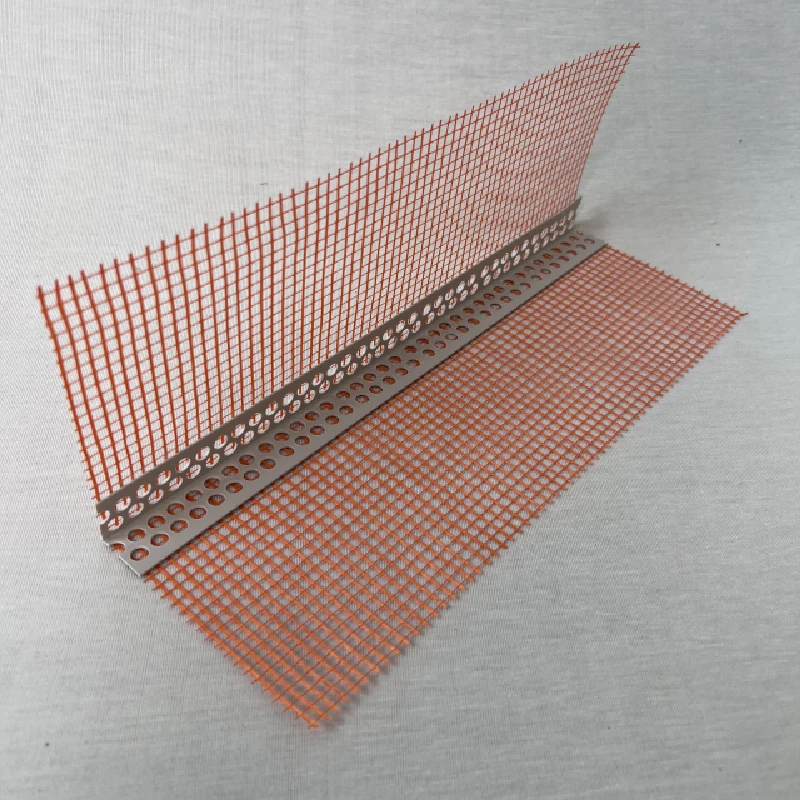
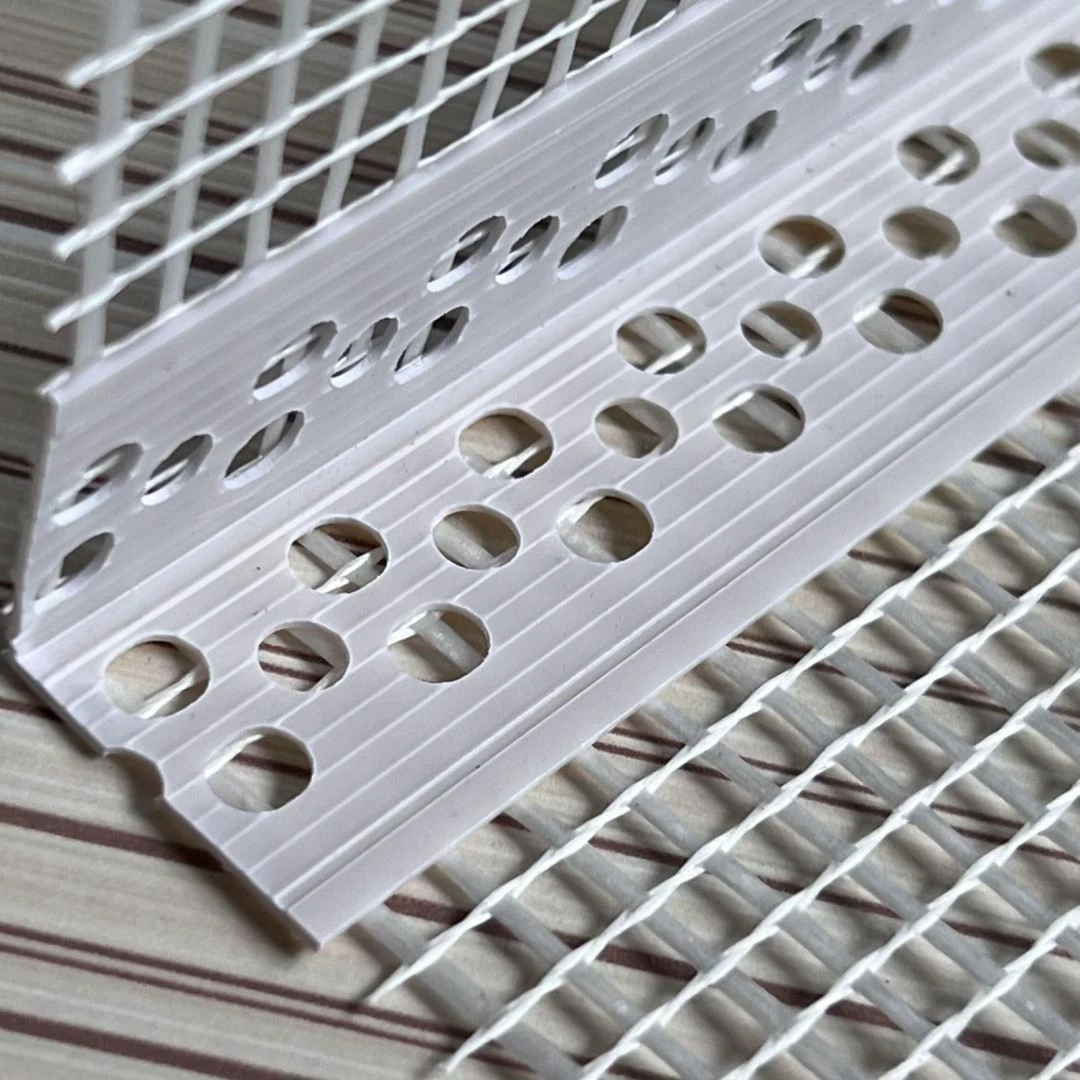
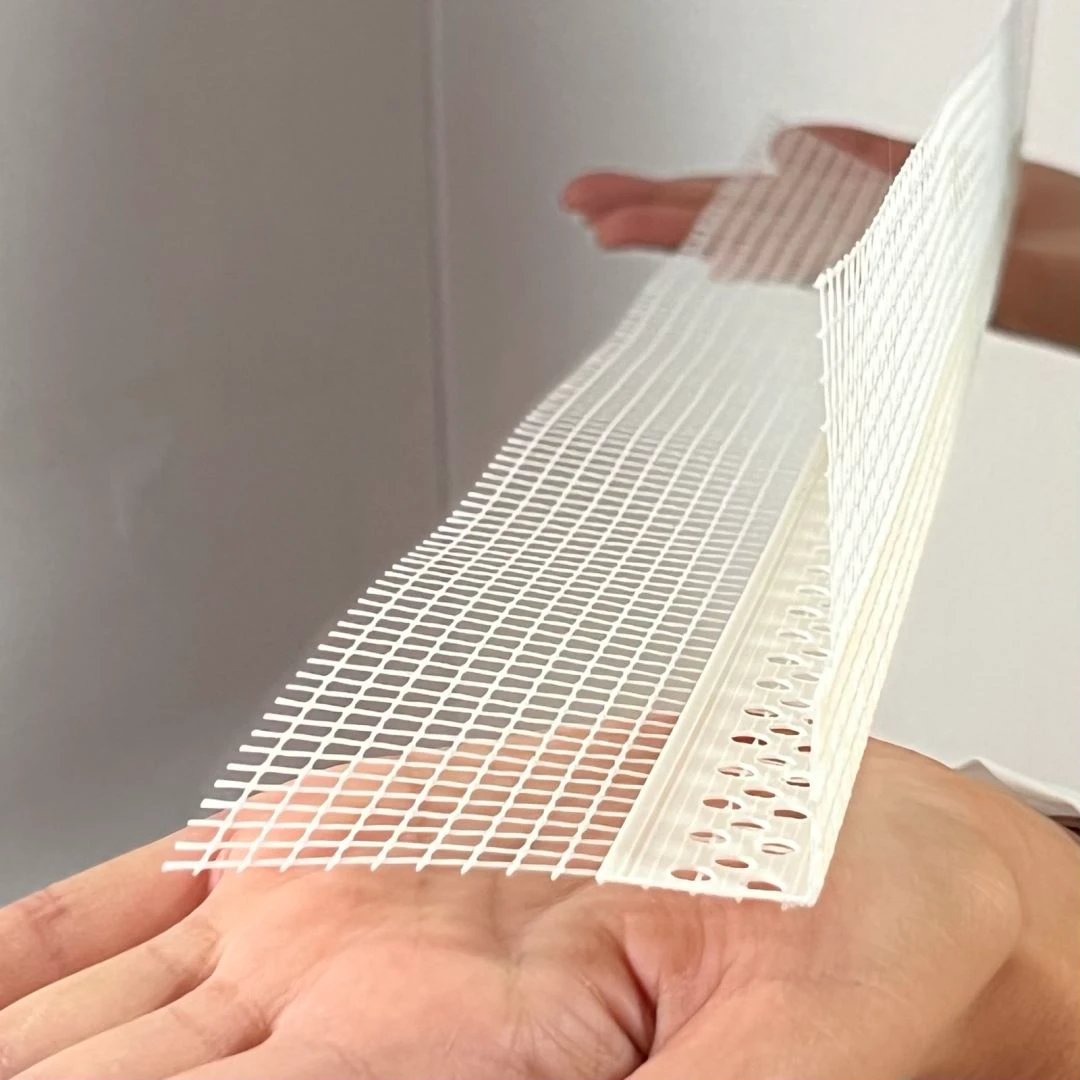
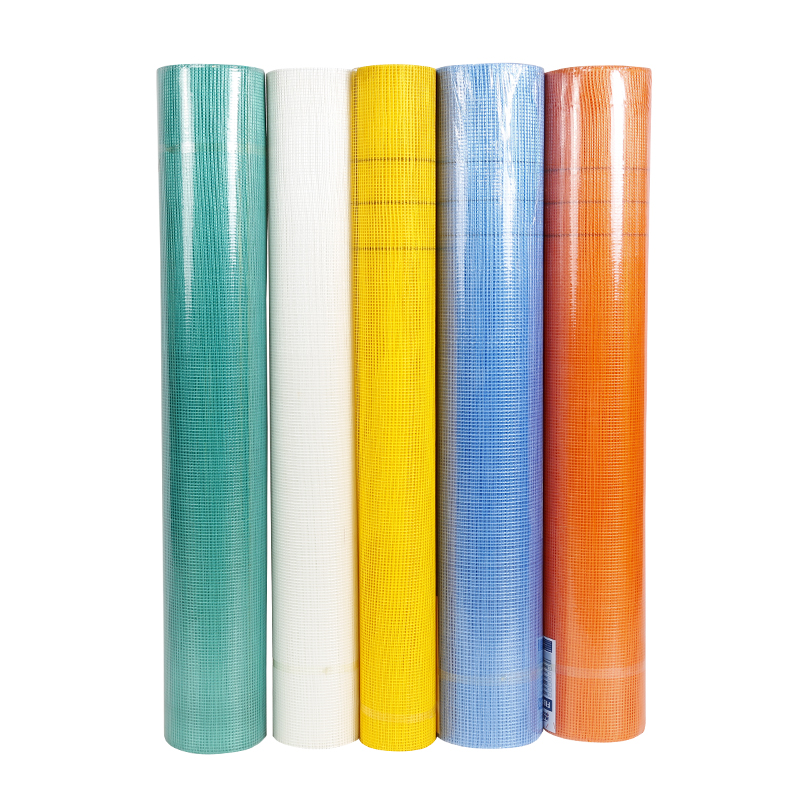
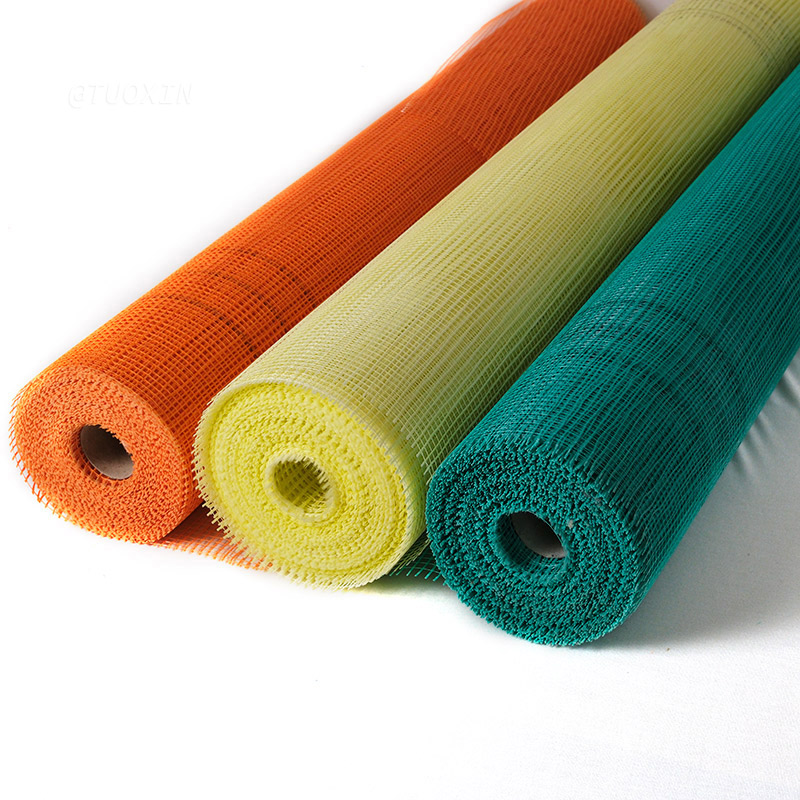
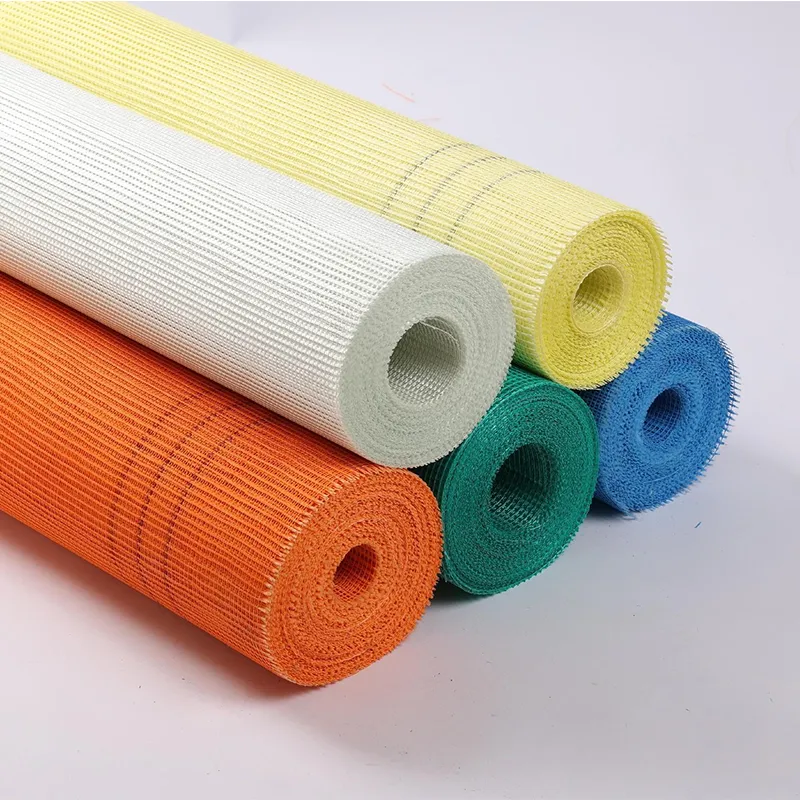
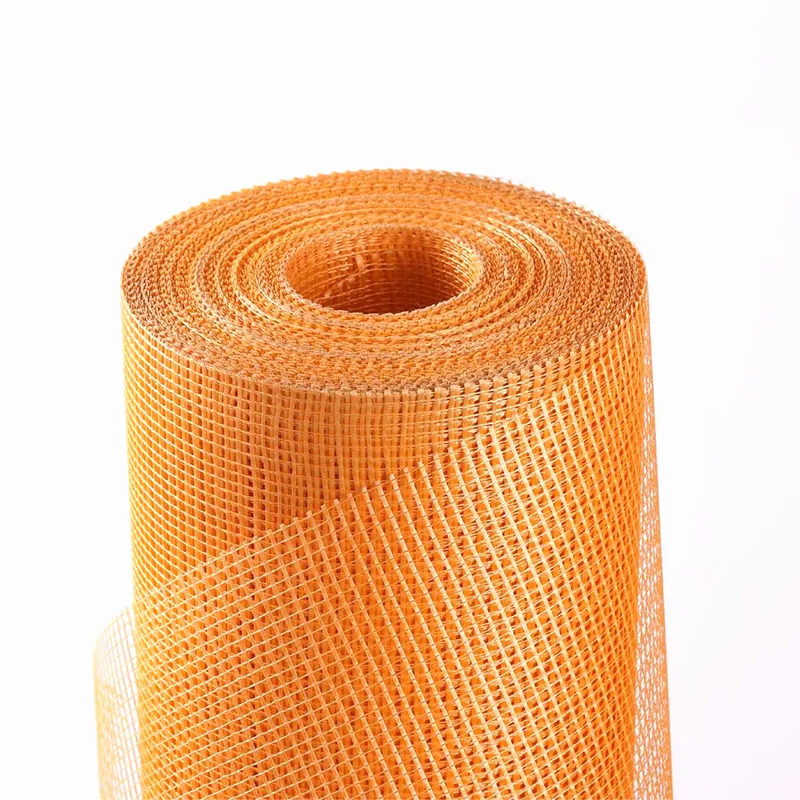
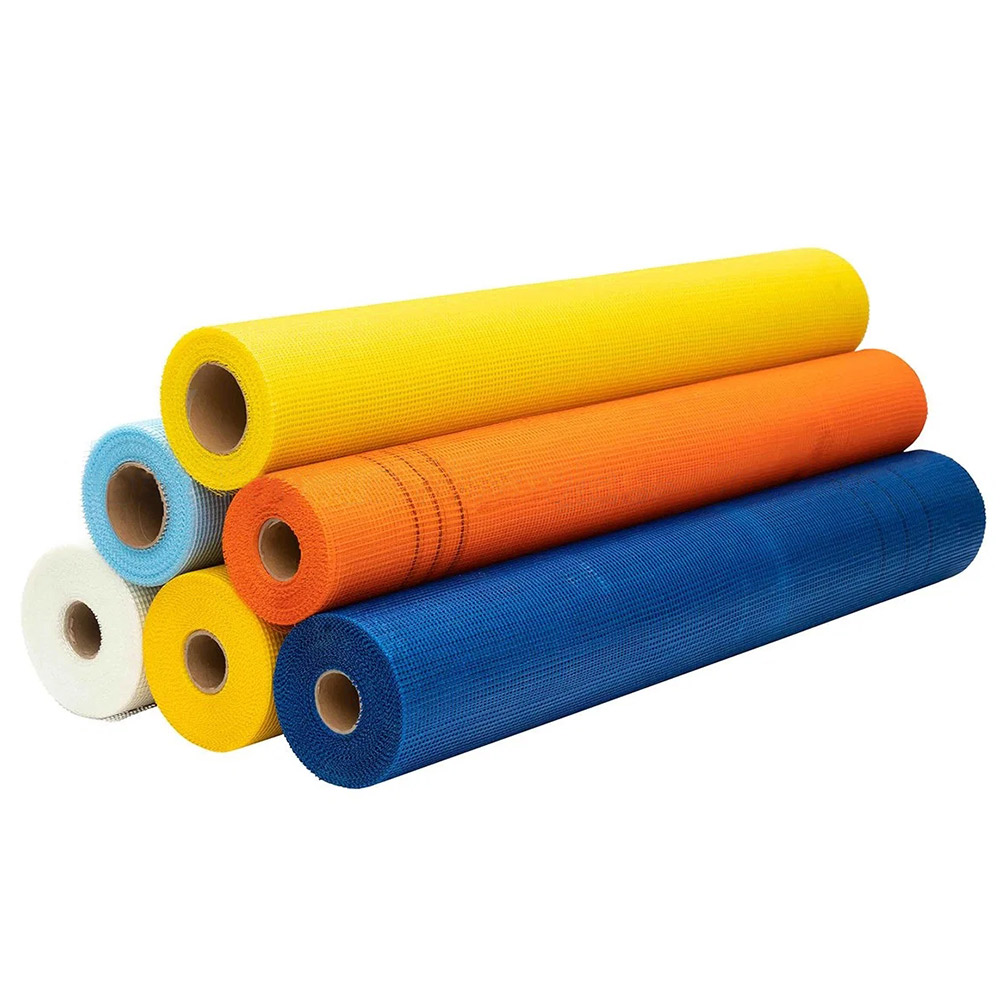
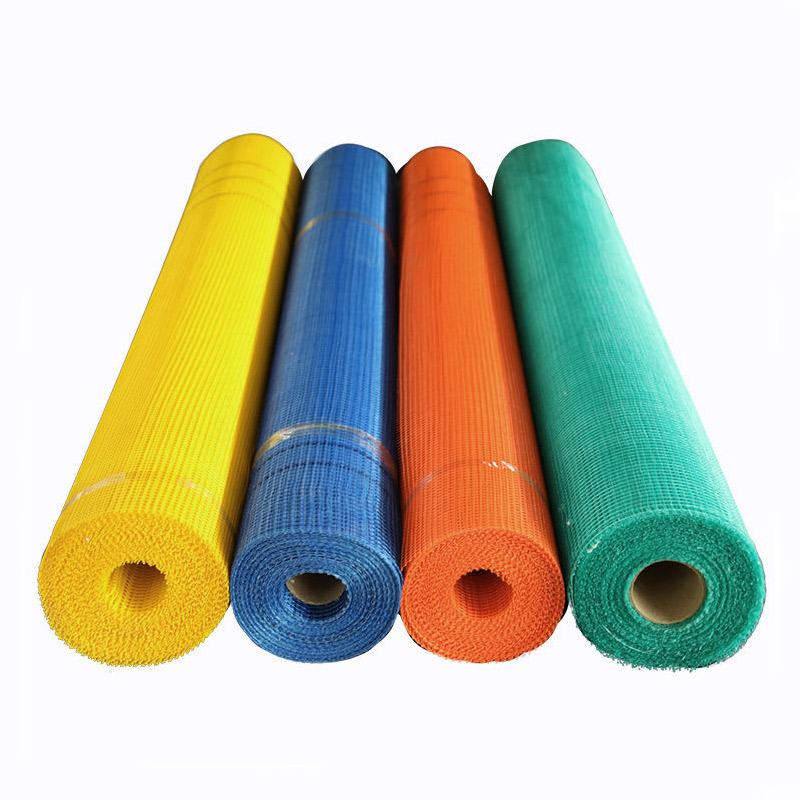
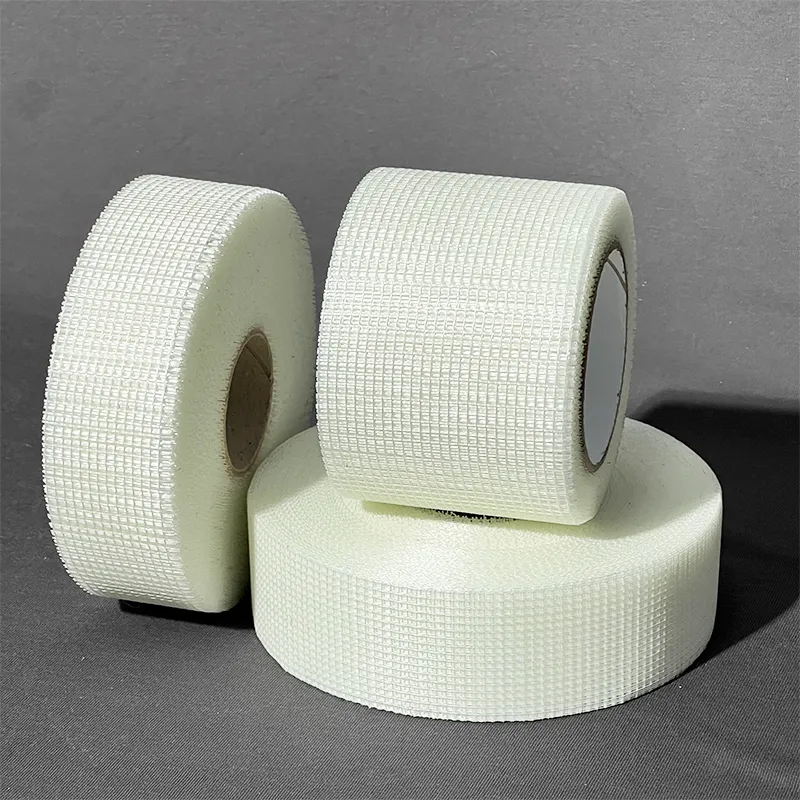
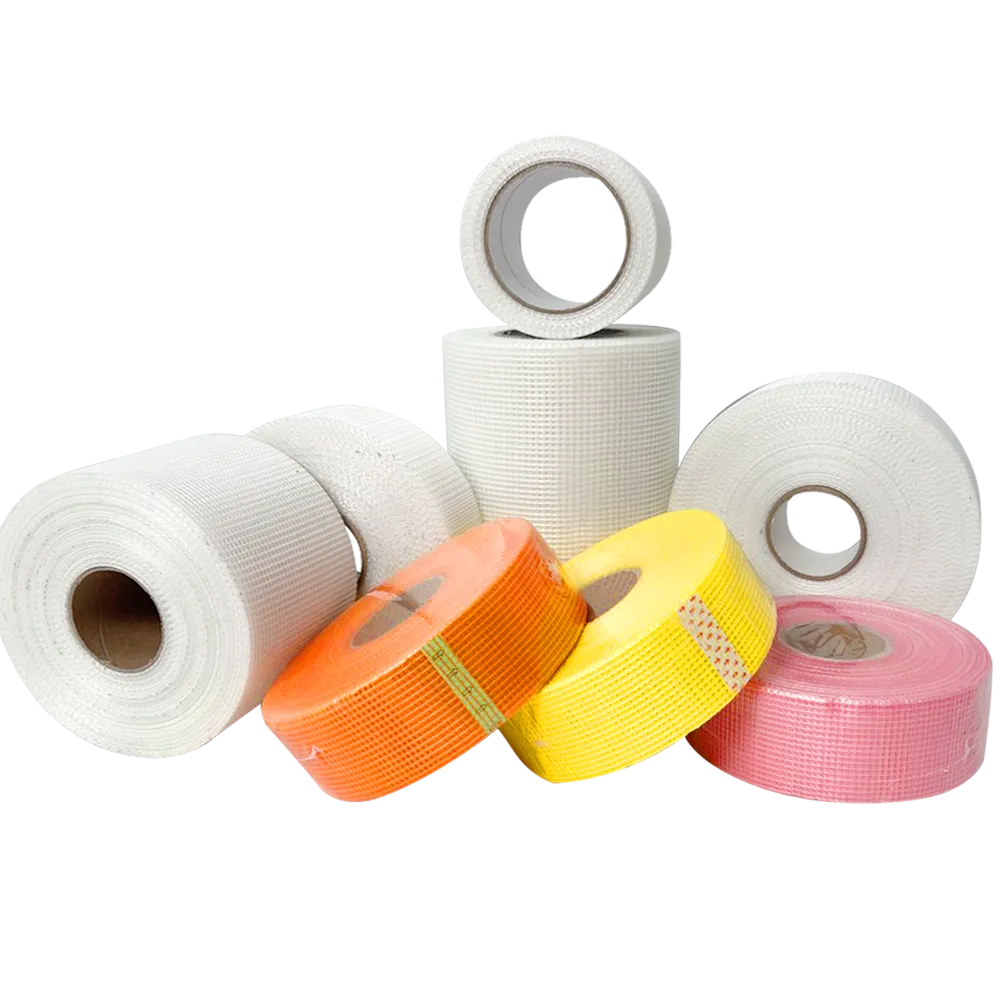
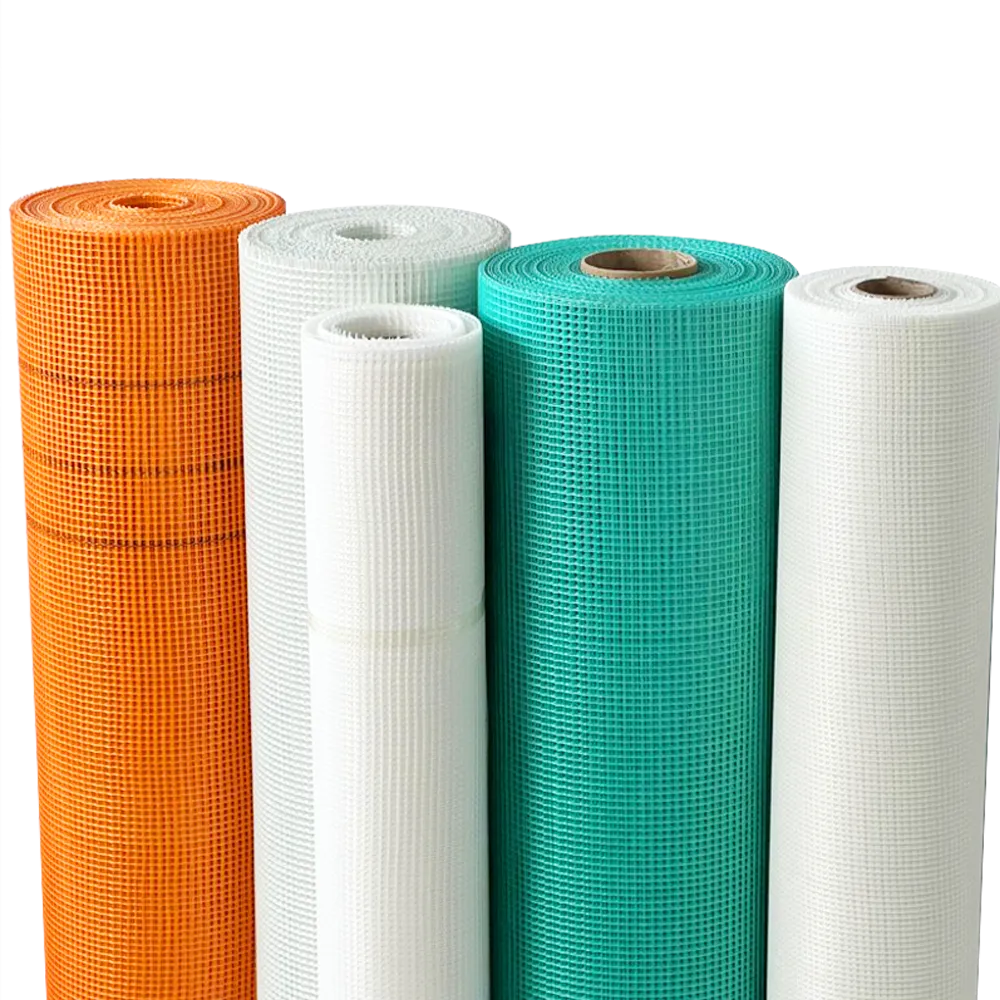
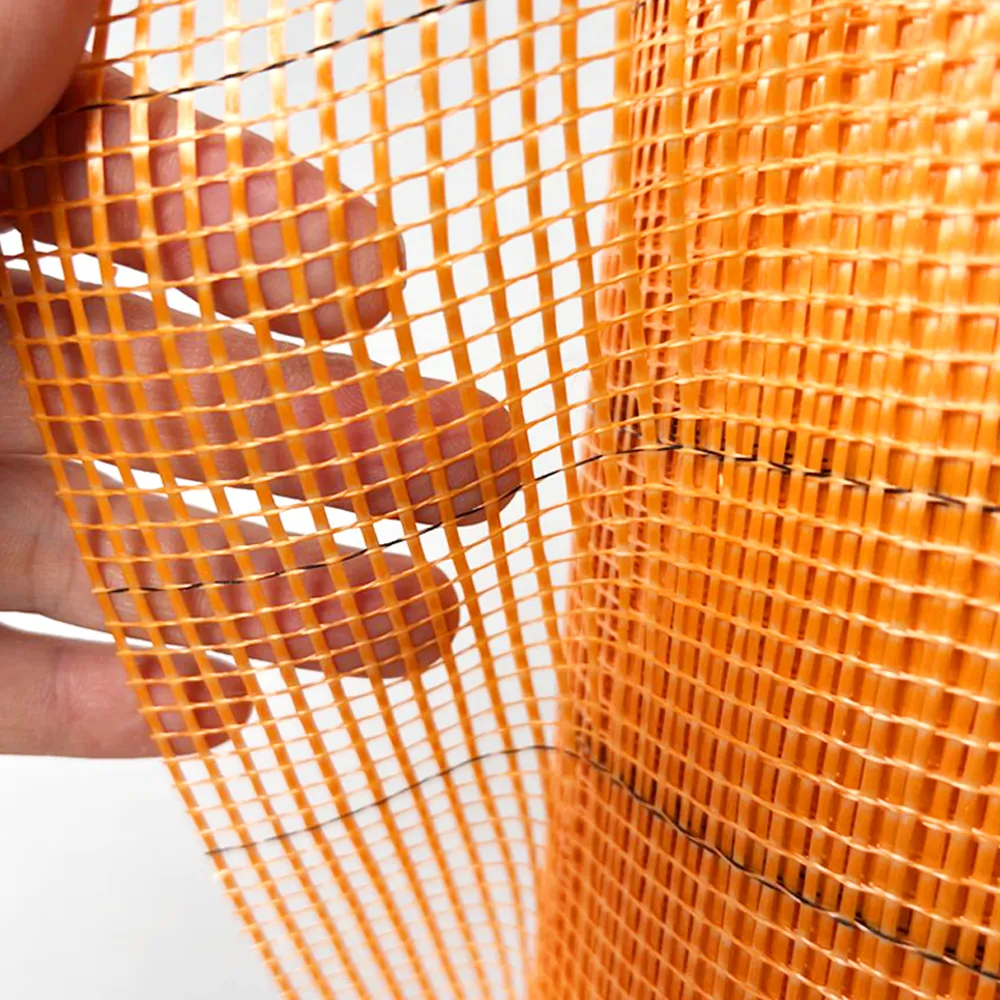
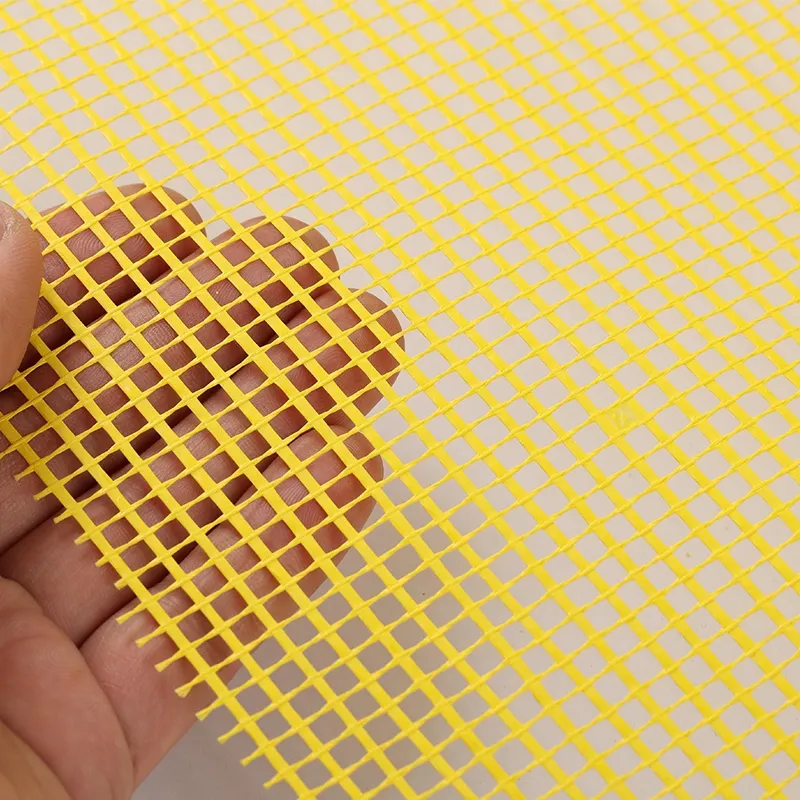
If you’re planning to buy adhesive fiberglass mesh, you’re probably juggling specs, lead times, and a foreman who wants the façade closed yesterday. I’ve walked enough job sites to know: a reliable alkali-resistant mesh is the quiet hero behind crack-free plaster and tougher ETICS layers. The product in focus here—Alkali Resistant Reinforced Wall Construction Fiberglass Plaster Mesh—comes out of Xiaomen Village, Yilunbao Township, Renqiu City, Hebei, China, where this category has quietly become an export staple.
What’s trending (and why it matters)
Two big shifts: 1) more EIFS/ETICS retrofits calling for meshes that survive high-alkali cement and longer UV exposure during staging; 2) contractors asking for consistent roll tension (less “fish-mouth,” fewer reworks). Many customers say a coated E-glass fabric with solid alkali retention outlasts bargain meshes—no surprise there. And honestly, labor is pricier than materials now; a dependable mesh pays for itself by cutting callbacks.
Materials and process flow (the quick, real-world version)
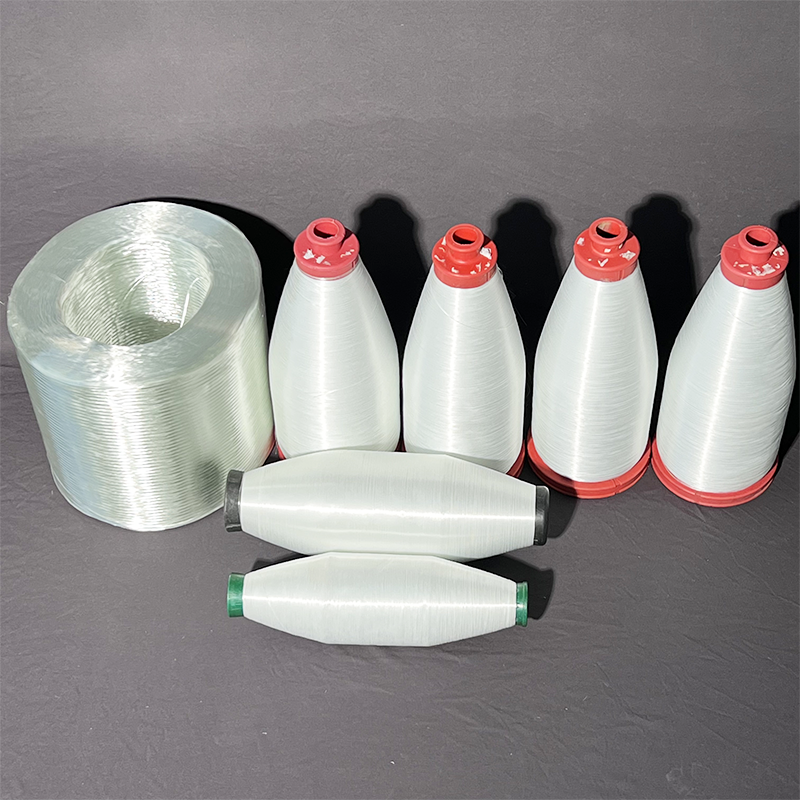
- Base yarn: C- or E-glass fiber yarn, leno or plain weave depending on crack-bridging spec.
- Coating: alkali-resistant polymer + reinforcing agents (applied uniformly), then high-temperature heat setting for dimensional stability.
- QC checkpoints: yarn tex incoming test → loom tension control → coating pickup (g/m²) → tensile strip test → alkali soak aging.
In fact, this line’s known for balanced warp/weft strength—less curling, better embed in cementitious base coats.
Product specifications (field-proven ranges)
| Parameter | Typical Value | Notes |
|---|---|---|
| Mesh size | 4×4 mm / 5×5 mm | Common for ETICS/base coat |
| Area weight | 110, 145, 160 g/m² | ≈145–160 g/m² for exterior |
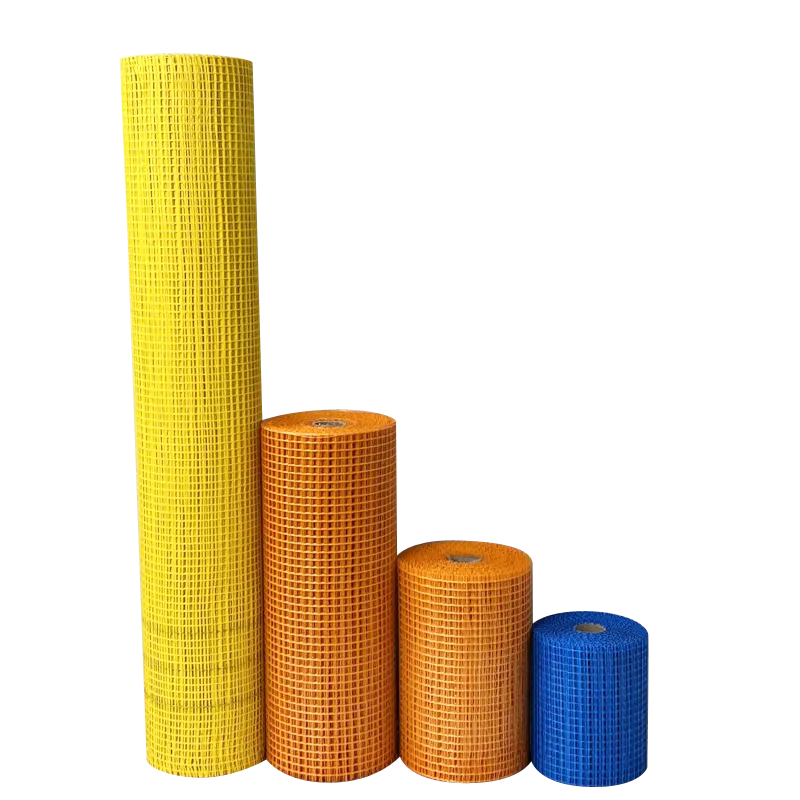
| Roll width/length | 1.0–1.2 m / 50 m | Custom widths on request |
| Tensile strength (warp/weft) | ≥ 1750 / 1600 N/50 mm | After conditioning; real-world may vary |
| Alkali resistance (28 d) | ≥ 50–70% strength retention | Per ETAG 004 / JG/T 158 |
| Service life | ≈ 25 years in ETICS | With correct embed and UV protection |
Where it’s used (and how to get it right)
- ETICS/EIFS base coat reinforcement over EPS/XPS/MW boards.
- Exterior plaster crack control on masonry and AAC.
- Interior gypsum and cement renders; wet areas with waterproofing layers.
Pro tip: embed the mesh in the wet base coat, overlapping ≥100 mm, keeping it in the outer third of the layer. It sounds basic, but this is where most failures start.
Testing, certifications, and data you can cite
Tensile tested to ASTM D5035 or GB/T 7689.5; alkali resistance benchmarked to ETAG 004 and China’s JG/T 158-2013. Plants typically run ISO 9001. CE marking applies when the mesh is part of a certified ETICS kit. Field reports I’ve seen show strength retention around 60% after 28-day alkali soak—solid for a coated E-glass fabric.
Vendor snapshot (straight talk)
| Vendor | Strength | Watch-outs |
|---|---|---|
| Renqiu (Hebei) producer | Stable coating pickup; fast lead times | Specify exact g/m² to avoid substitutions |
| EU mesh brands | ETICS system approvals, easy documentation | Higher price; MOQs vary |
| Budget imports | Attractive initial cost | Inconsistent tensile; coating flake risk |
Customization and ordering tips
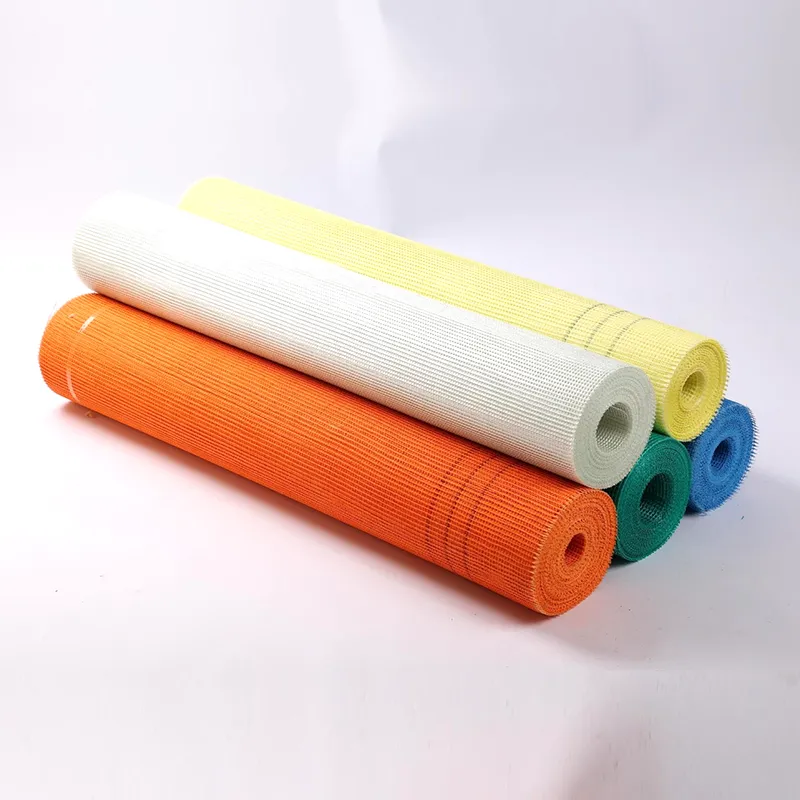
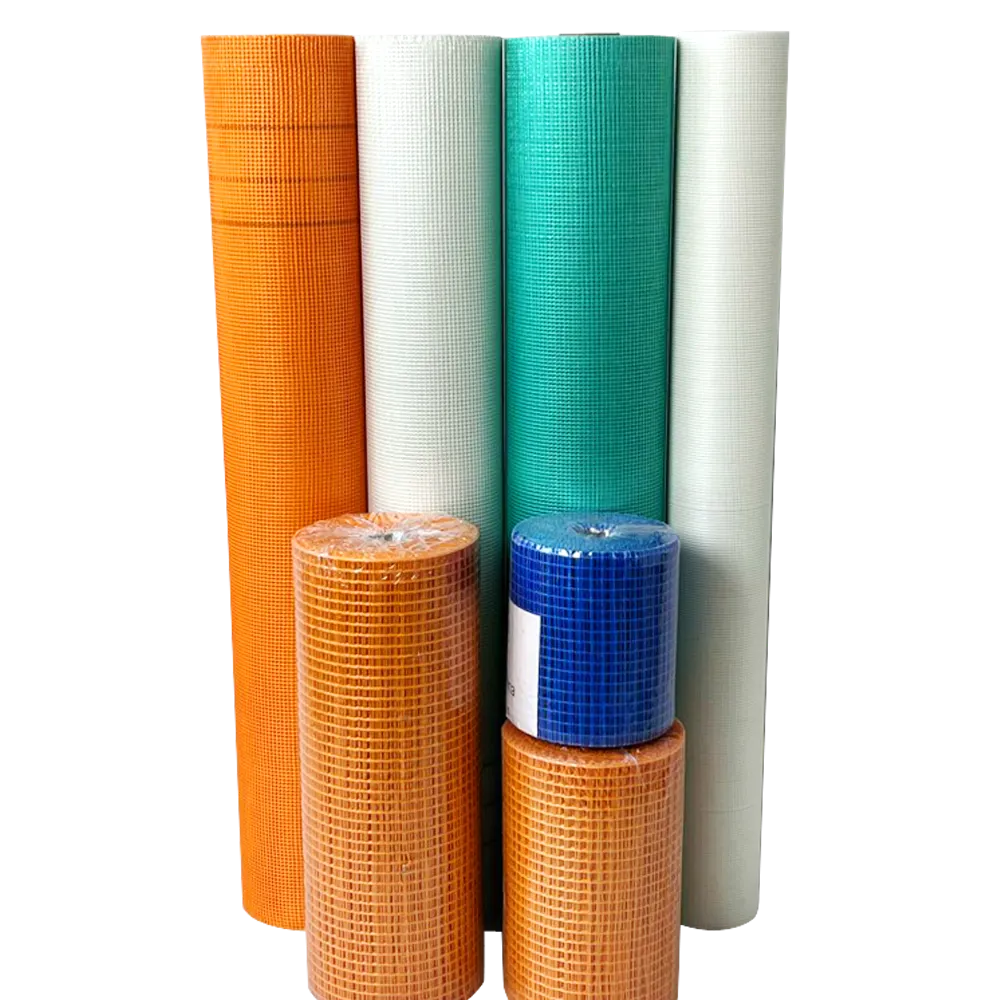
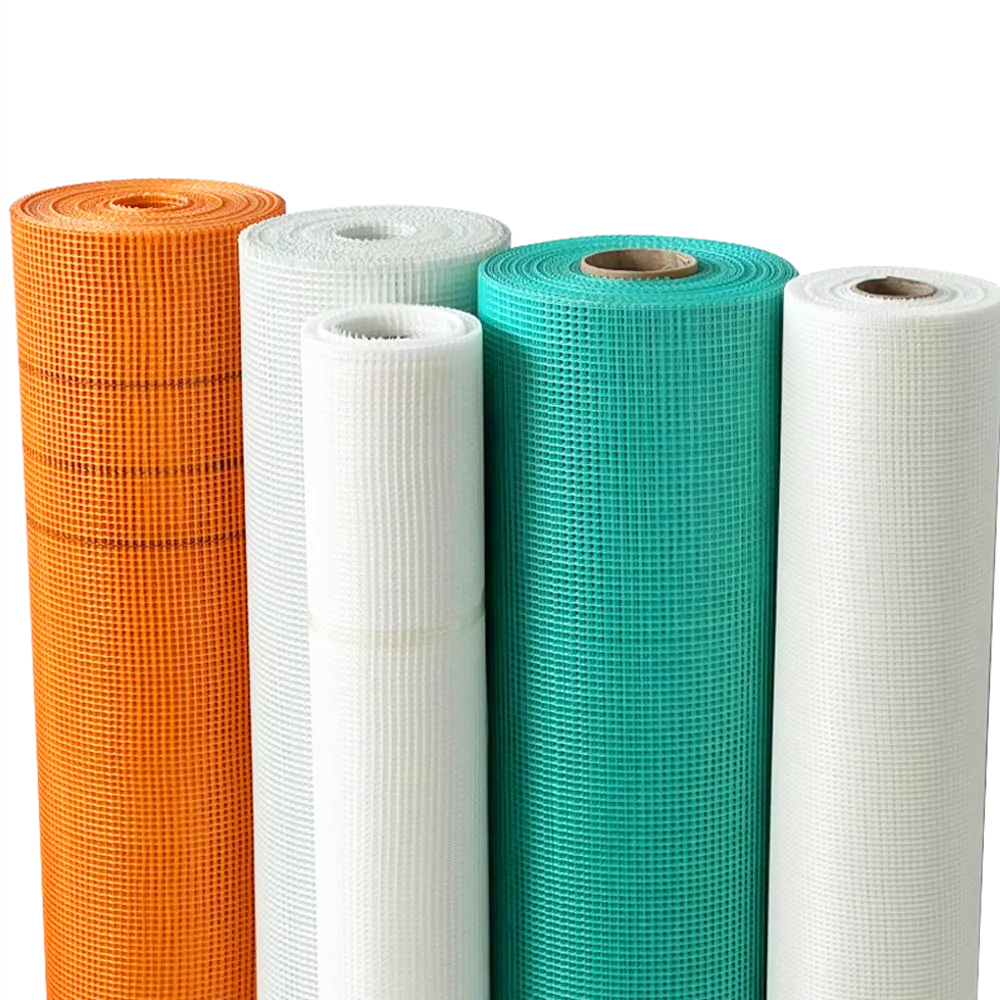
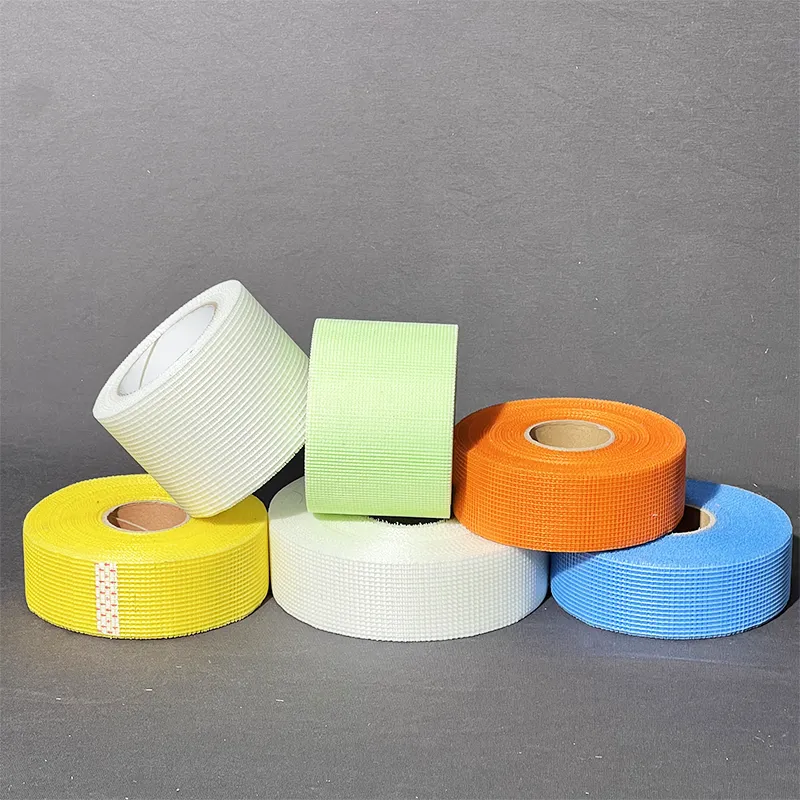
Ask for 145 or 160 g/m², 5×5 mm mesh for exteriors; stick with 1.0 m rolls for easier handling. Private labeling and color stripes are doable. If you need to buy adhesive fiberglass mesh for fast-track jobs, request pre-palletized, film-wrapped rolls and a COA referencing ETAG 004 retention.
Mini case notes
Coastal hotel retrofit (ETICS over old stucco): crews reported smoother trowel feel and fewer “telegraphed” seams with 145 g/m². Industrial bay repair: a 160 g/m² mesh cut shrinkage cracking across wide panel joints—contractor said “it just behaved.” That’s the kind of quiet win you want when you buy adhesive fiberglass mesh.
Bottom line
If durability, predictable handling, and honest test data are on your punch list, this alkali-resistant fiberglass plaster mesh from Hebei is a smart, budget-steady choice. To be honest, it’s hard to argue with fewer call-backs.
Authoritative citations
- ETAG 004: Guideline for European Technical Approval of External Thermal Insulation Composite Systems (ETICS).
- JG/T 158-2013: Alkali-Resistant Glass Fiber Mesh for Wall Reinforcement (China MOHURD).
- ASTM D5035: Standard Test Method for Breaking Force and Elongation of Textile Fabrics (Strip Method).
- GB/T 7689.5: Test Methods for Woven Fabrics of Glass Fiber—Tensile Properties.
-
Best Fiberglass Mesh Tape for RedGard Product Waterproofing GuideNewsApr.16,2026
-
Why High Strength Fiberglass Mesh Is Essential For Stucco ApplicationNewsApr.15,2026
-
Why Alkali Resistant Fiberglass Mesh Tape Is Essential For Cement Board And Tile InstallationsNewsApr.15,2026
-
Understanding The Role Of Drywall Fiberglass Mesh In Interior FinishingNewsApr.15,2026
-
Ultimate Guide To Using Fiberglass Mesh Tape For Drywall And Plaster RepairsNewsApr.15,2026
-
The Versatility Of Fiberglass Mesh In Marble And Stone MosaicNewsApr.15,2026