Nov . 26, 2025 09:30 Back to list
Affordable & Durable 160g Fiberglass Mesh Rolls Quotes - Global Supplier Guide
What Are 160g Fiberglass Mesh Rolls and Why Do They Matter?
At first glance, 160g fiberglass mesh rolls quotes might sound like some niche industrial jargon. But in reality, this lightweight yet sturdy material plays a huge role in construction, infrastructure maintenance, and even disaster relief around the world. Think of it as the invisible web reinforcing buildings, streets, and protective coatings, quietly making structures safer and longer-lasting.
Understanding the nuances of fiberglass mesh — especially the specific 160 gram per square meter variety — helps manufacturers, builders, and project managers balance cost, effectiveness, and durability in their projects. And with growing urbanization and climate challenges, this is no small thing.
Mini takeaway: 160g fiberglass mesh is a versatile reinforcement fabric essential for modern construction and infrastructure resilience.
The Global Context: Why This Mesh Is Gaining Ground
Globally, infrastructure development is surging — the World Bank reports that global construction output is expected to surpass $15 trillion by 2030. That's enormous demand for materials that combine strength and economy. Meanwhile, organizations like the International Organization for Standardization (ISO) continue to raise quality benchmarks for construction materials, prioritizing sustainability and performance.
Yet, the challenge remains: how to reinforce surfaces — be it concrete walls, roads, or facades — with materials that are lightweight, resistant, and affordable? This is where 160g fiberglass mesh rolls quotes come into play. They're becoming the go-to solution in many parts of the globe, especially in regions prone to seismic activity or harsh weather.
In post-disaster zones, for example, rapid repair tactics must lean on effective, easy-to-deploy materials without sacrificing safety.
Mini takeaway: Global infrastructure needs and stricter quality benchmarks drive up demand for affordable, durable fiberglass mesh solutions.
Defining 160g Fiberglass Mesh Rolls
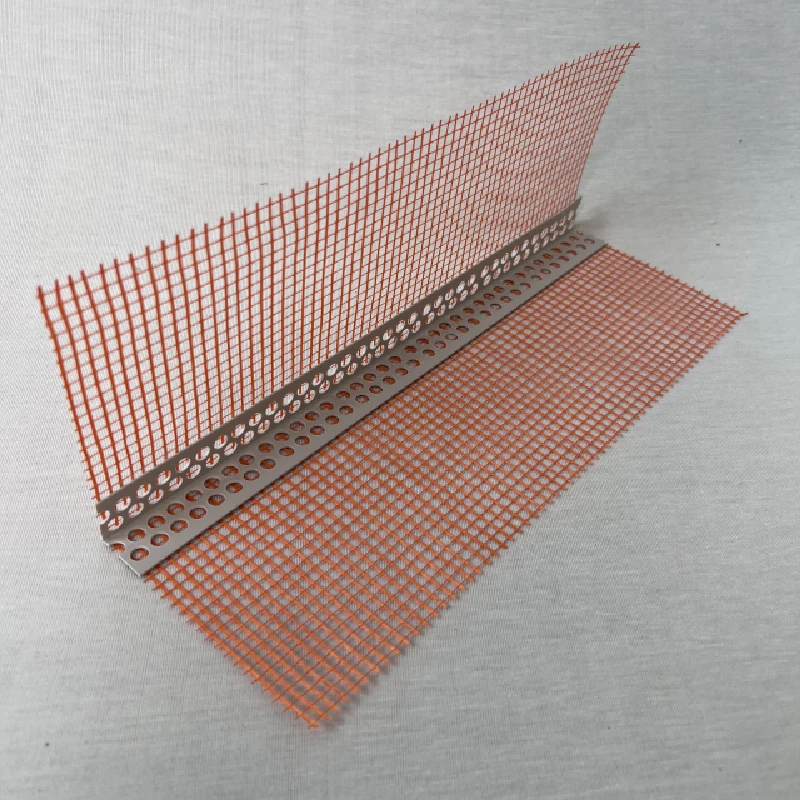
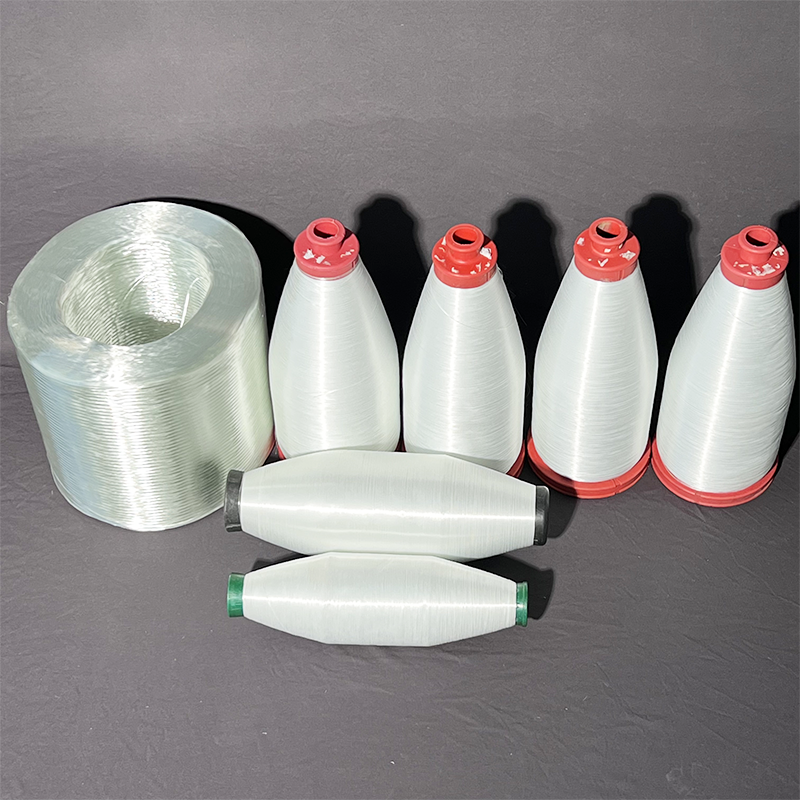
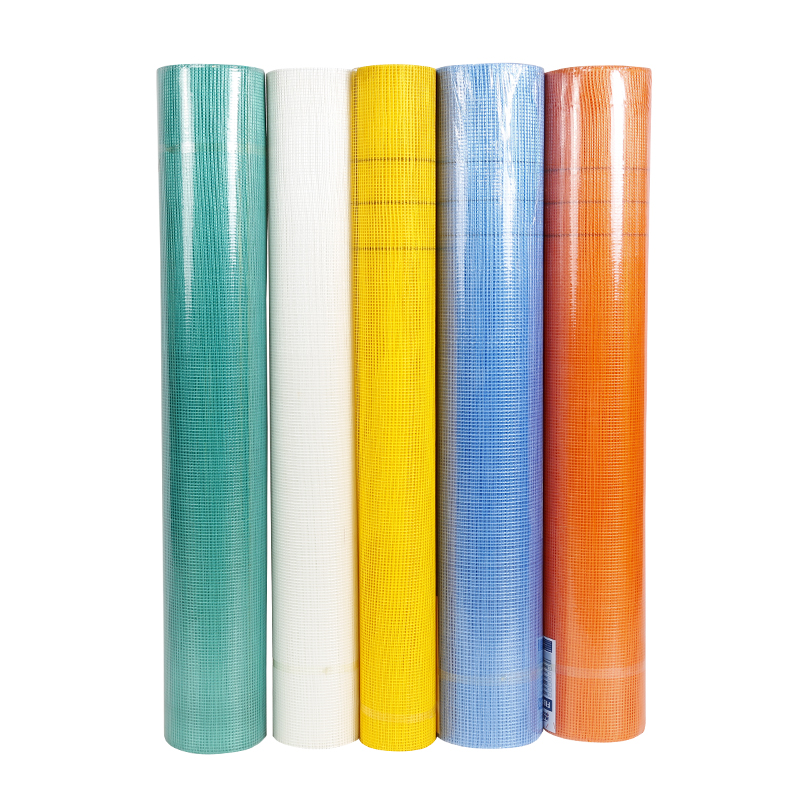
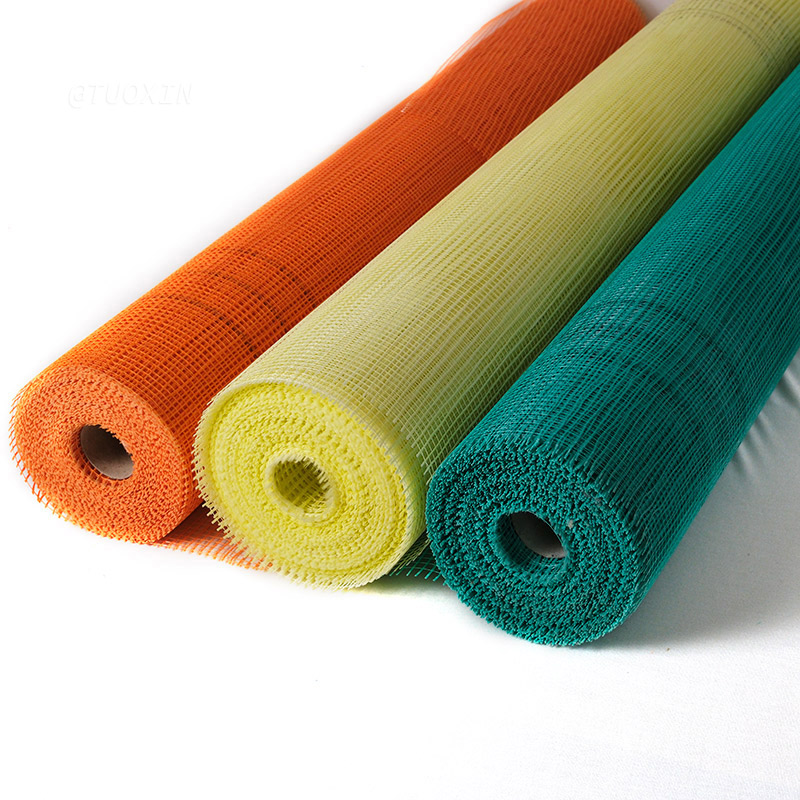
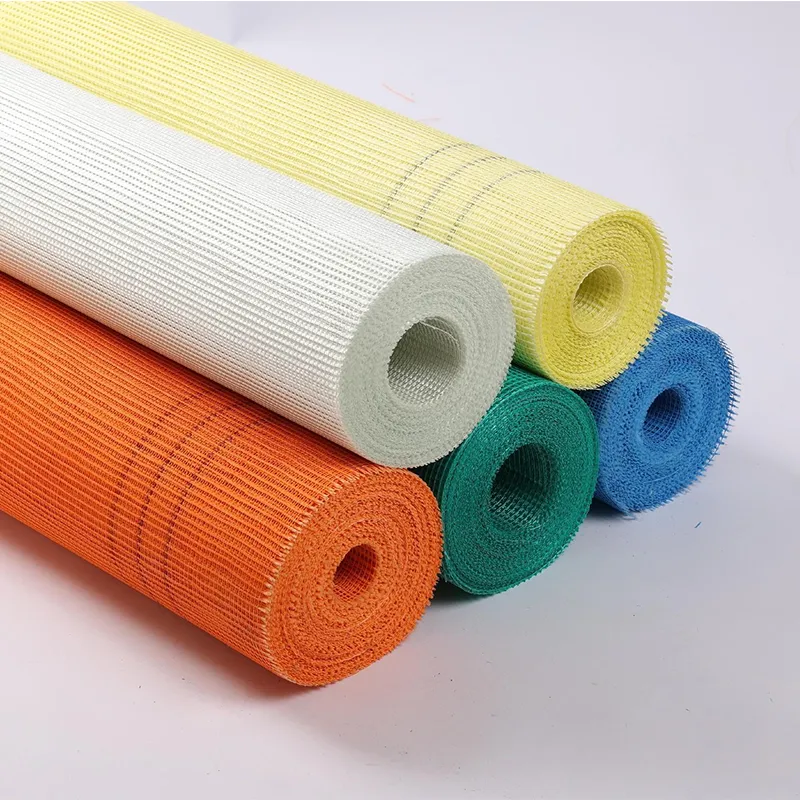
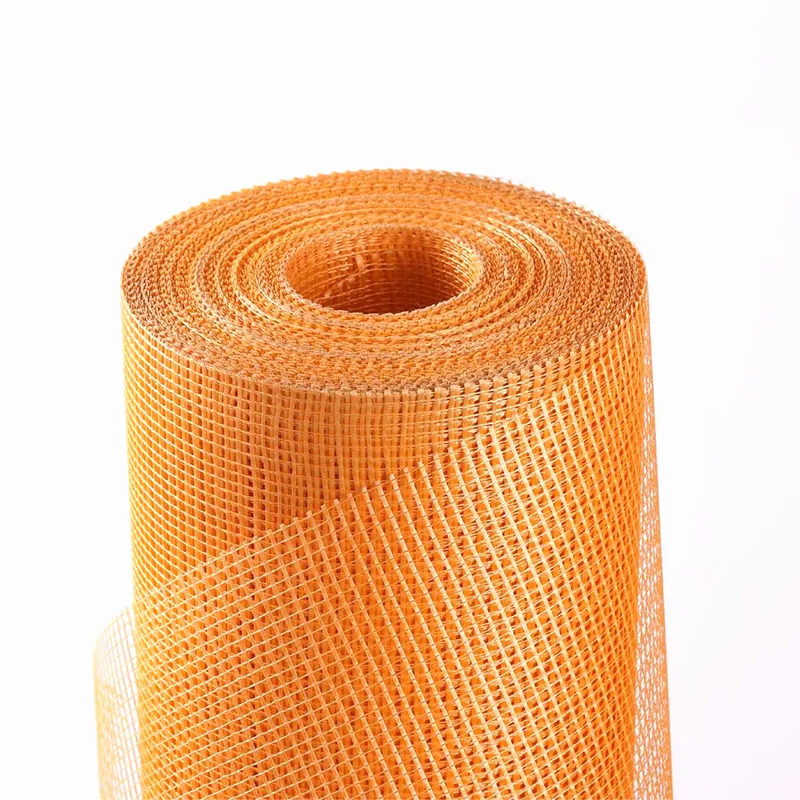
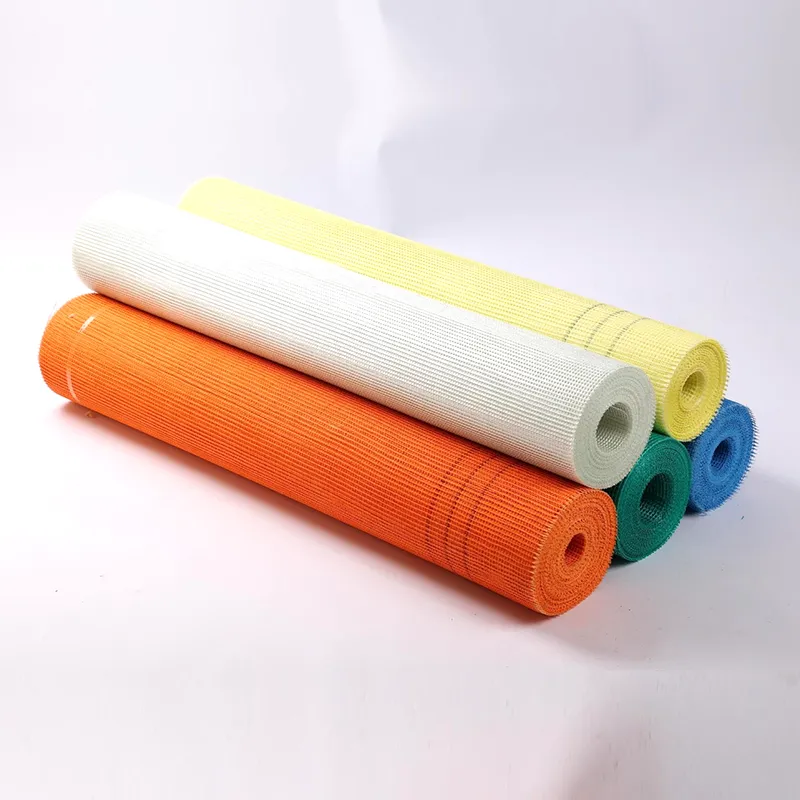
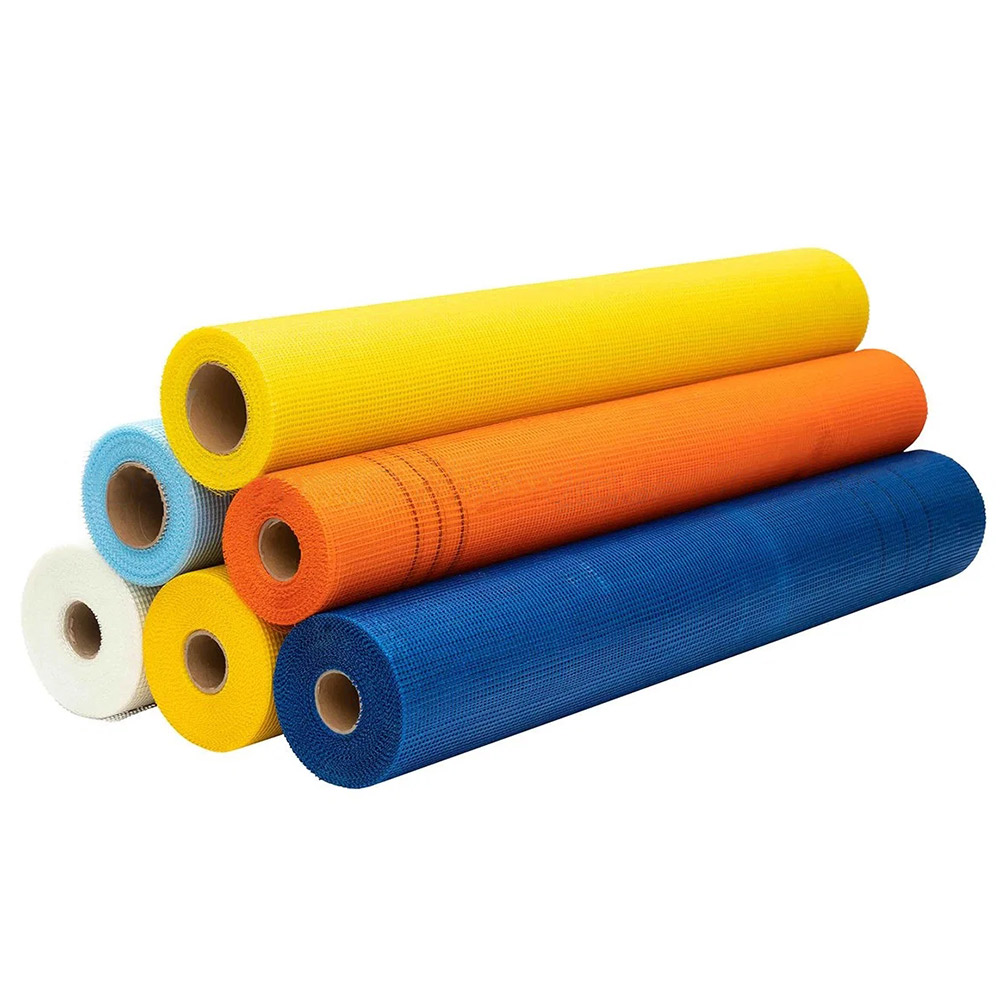
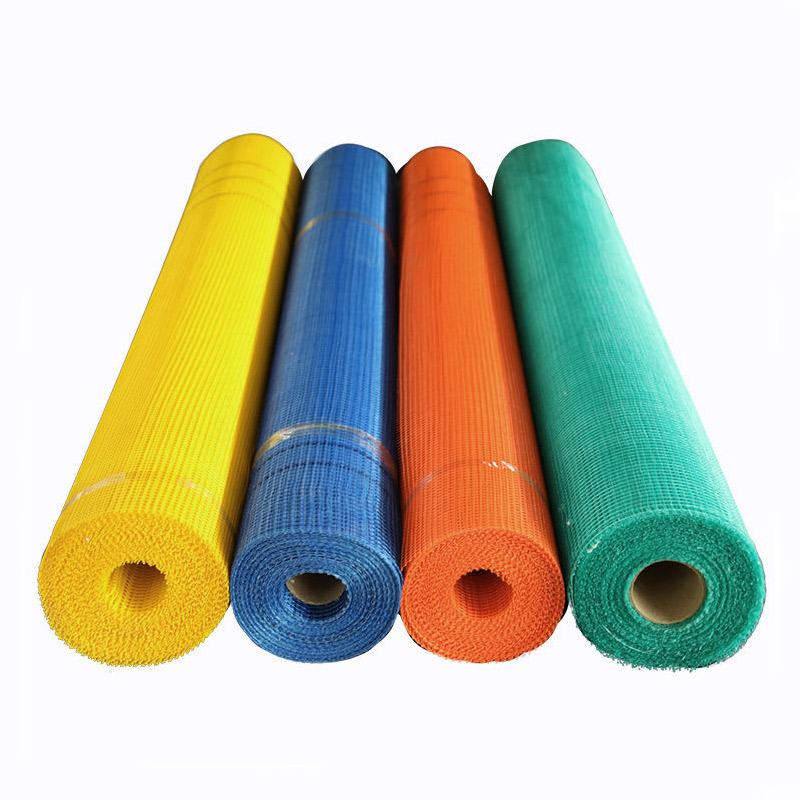
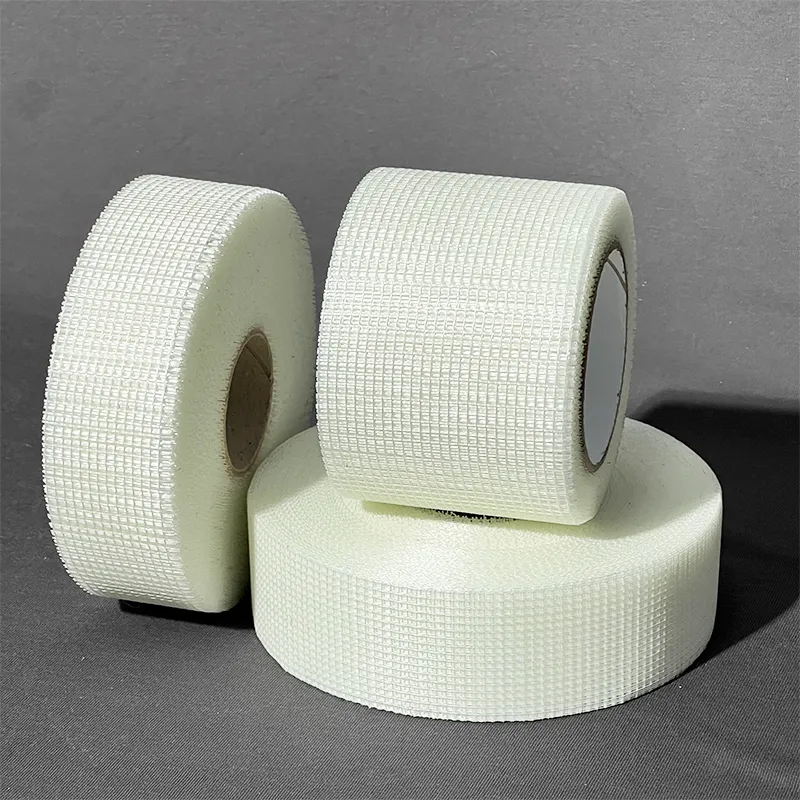
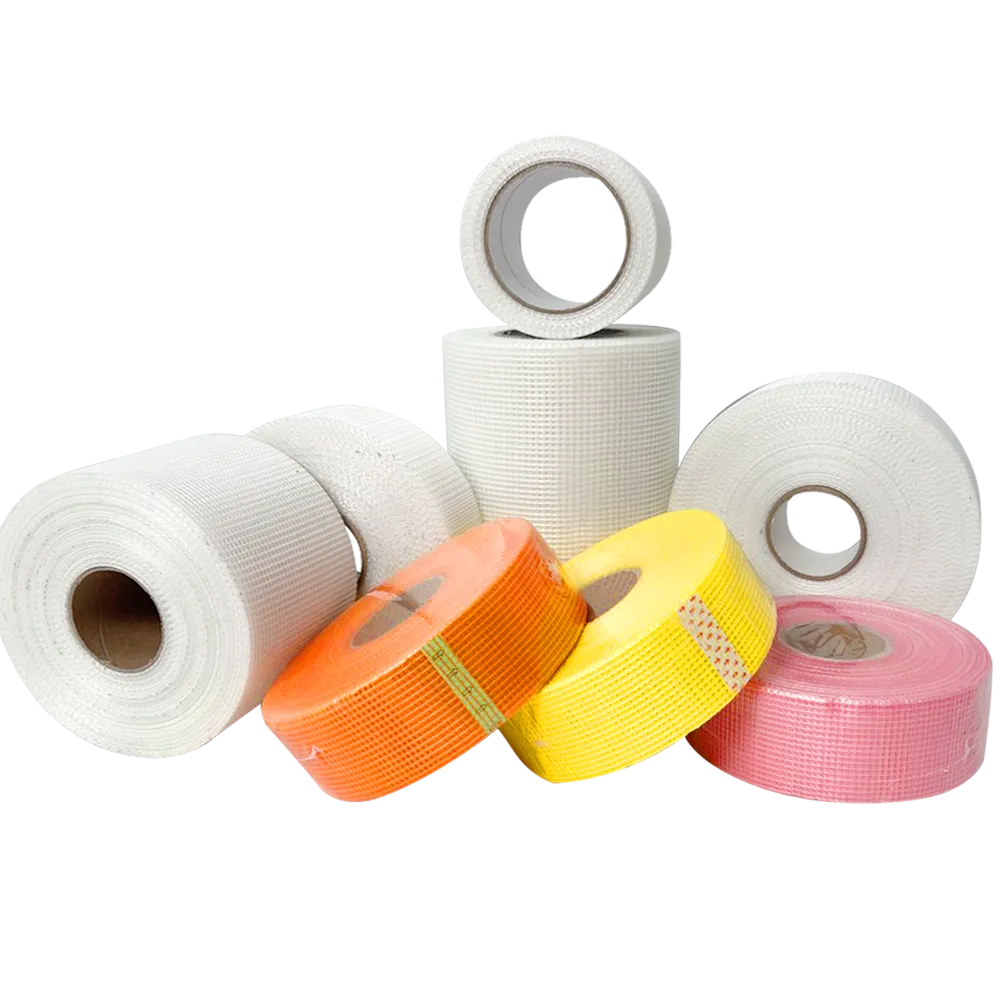
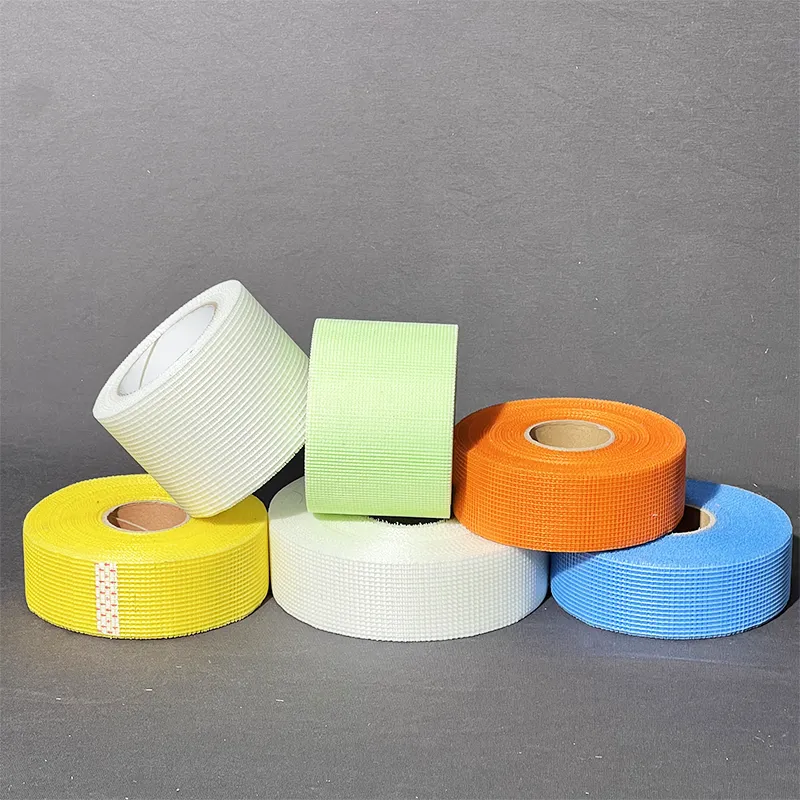
So, what exactly is a "160g fiberglass mesh roll"? Simply put, it's a roll of woven fiberglass yarn formed into a grid mesh, where the fabric weighs roughly 160 grams per square meter (gsm). This specific weight indicates a balance — not too heavy to be bulky and not so light as to lose structural integrity.
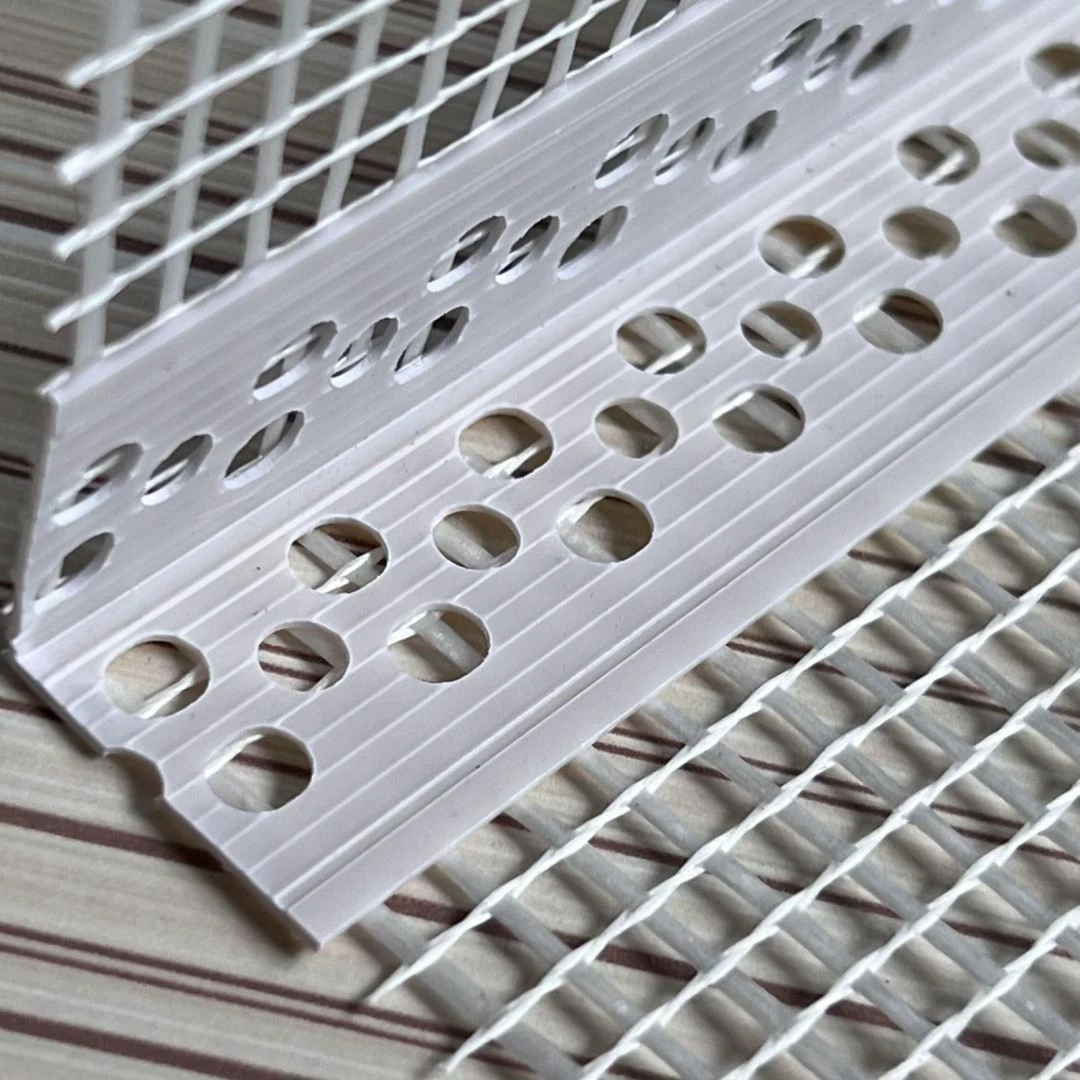
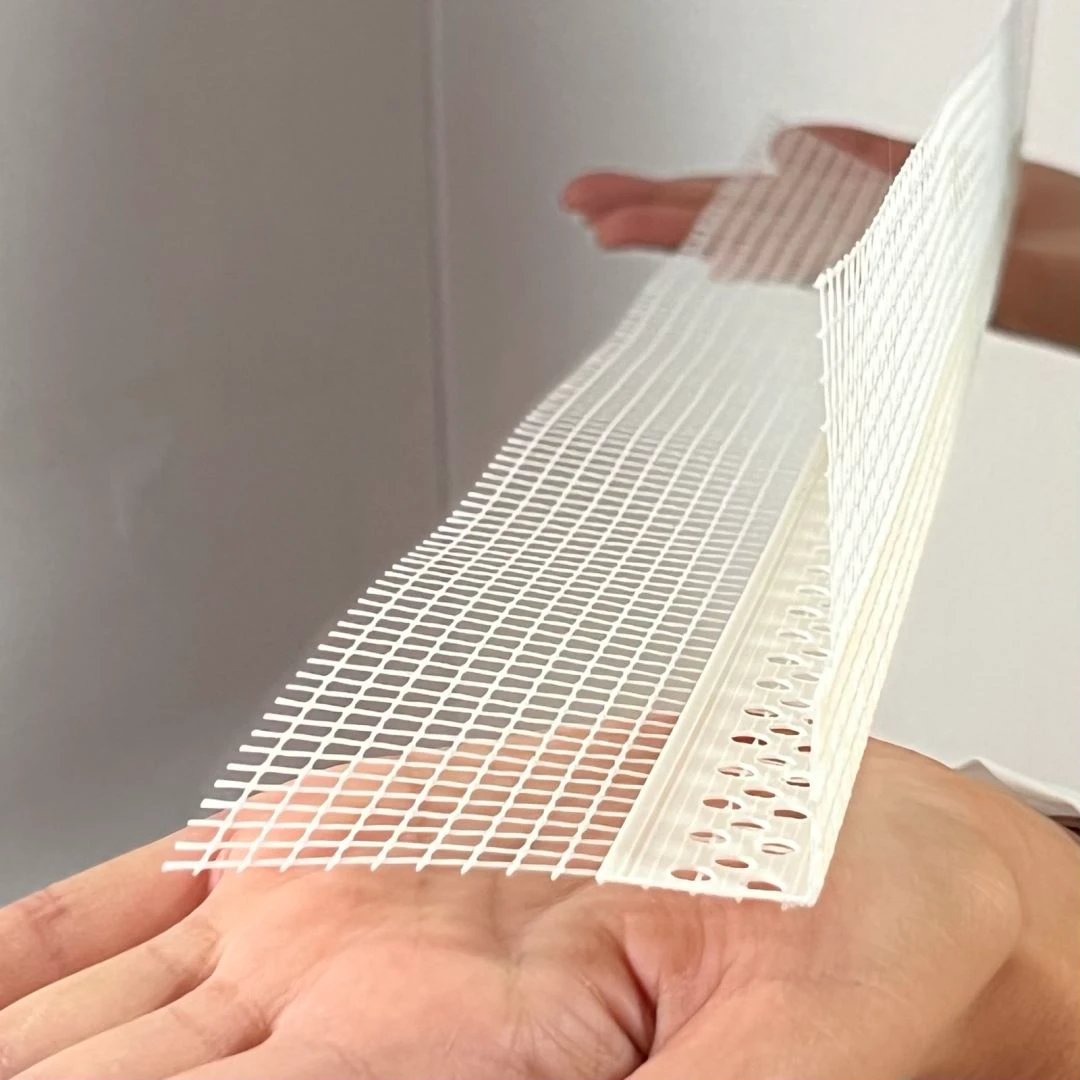
Fiberglass mesh acts as a reinforcing layer inserted into plaster, mortar, or concrete. It controls cracking, enhances tensile strength, and improves bonding. You see it mainly in External Thermal Insulation Composite Systems (ETICS), waterproofing layers, and wall reinforcement.
While its industrial uses are well-known, this fabric’s ease of transport and relatively low cost make it handy for rapid response efforts — a key humanitarian benefit when rebuilding safe housing quickly.
Mini takeaway: The 160g designation balances durability and flexibility — making these mesh rolls a construction staple worldwide.
Core Components That Make the Difference
Durability
The fiberglass used is composed of thin glass fibers that resist corrosion, alkali, and moisture — essential for outdoor use. At 160 grams, the mesh is thick enough to resist tearing yet light enough to conform to surfaces without adding excessive bulk.
Cost Efficiency
Heavier mesh versions exist, but they cost more and are harder to handle. On the other hand, 160g strikes a practical price-performance balance, making it attractive to contractors working on both small and large-scale projects.
Scalability
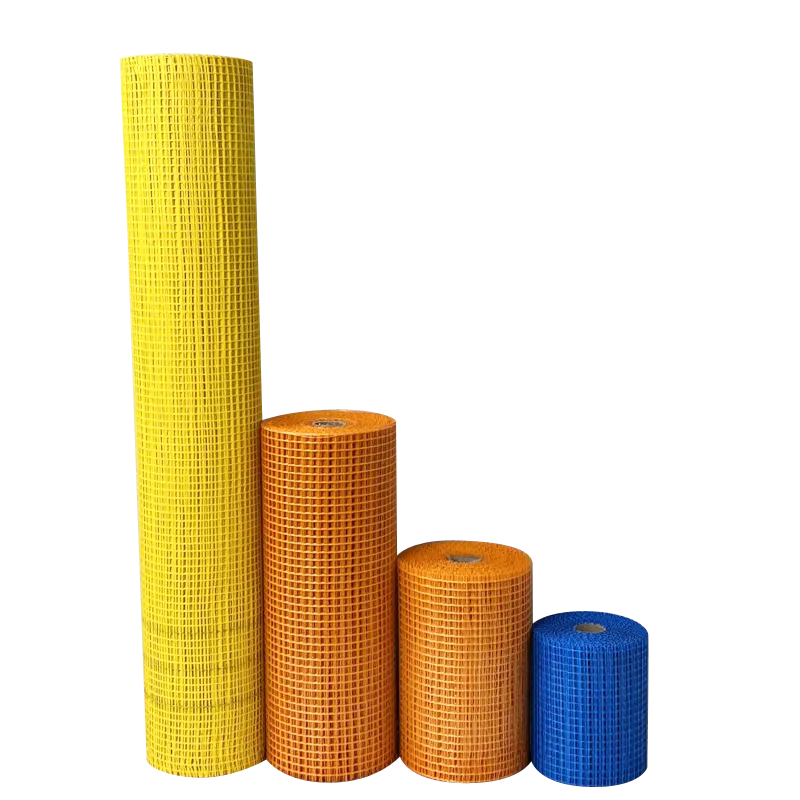
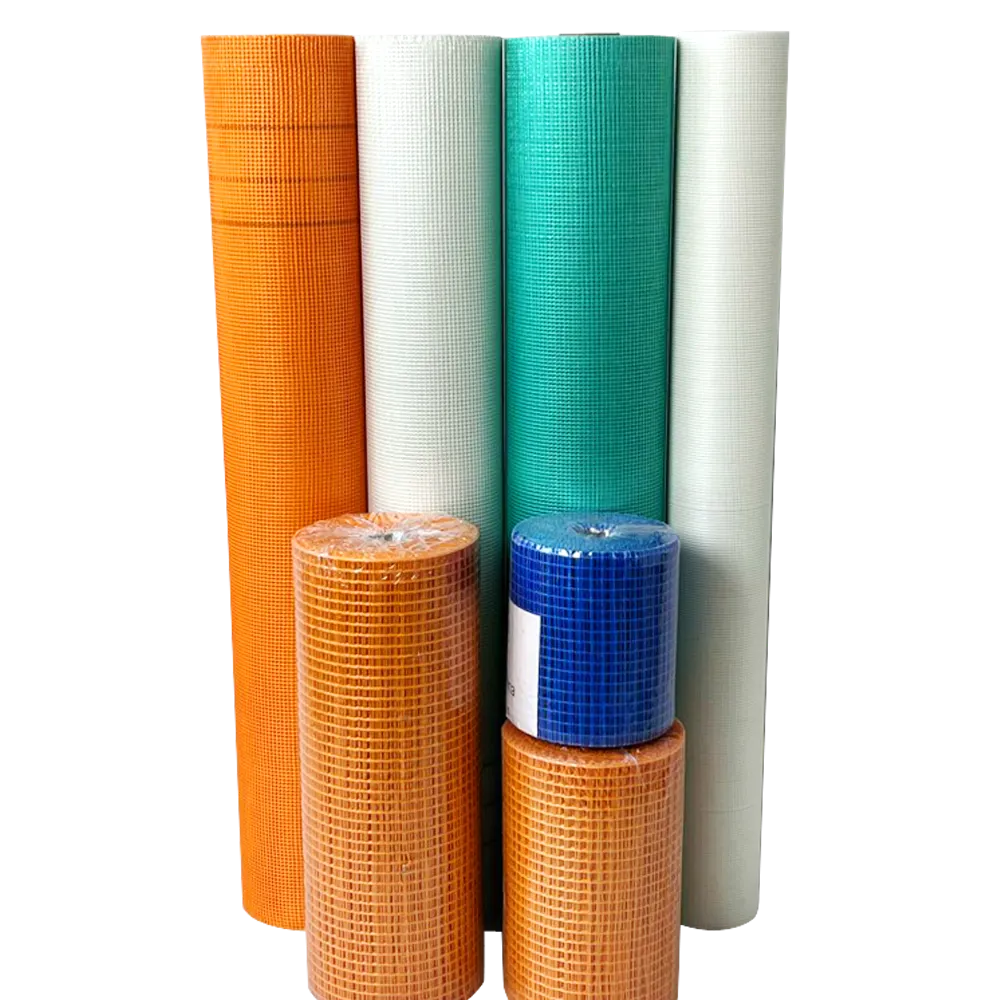
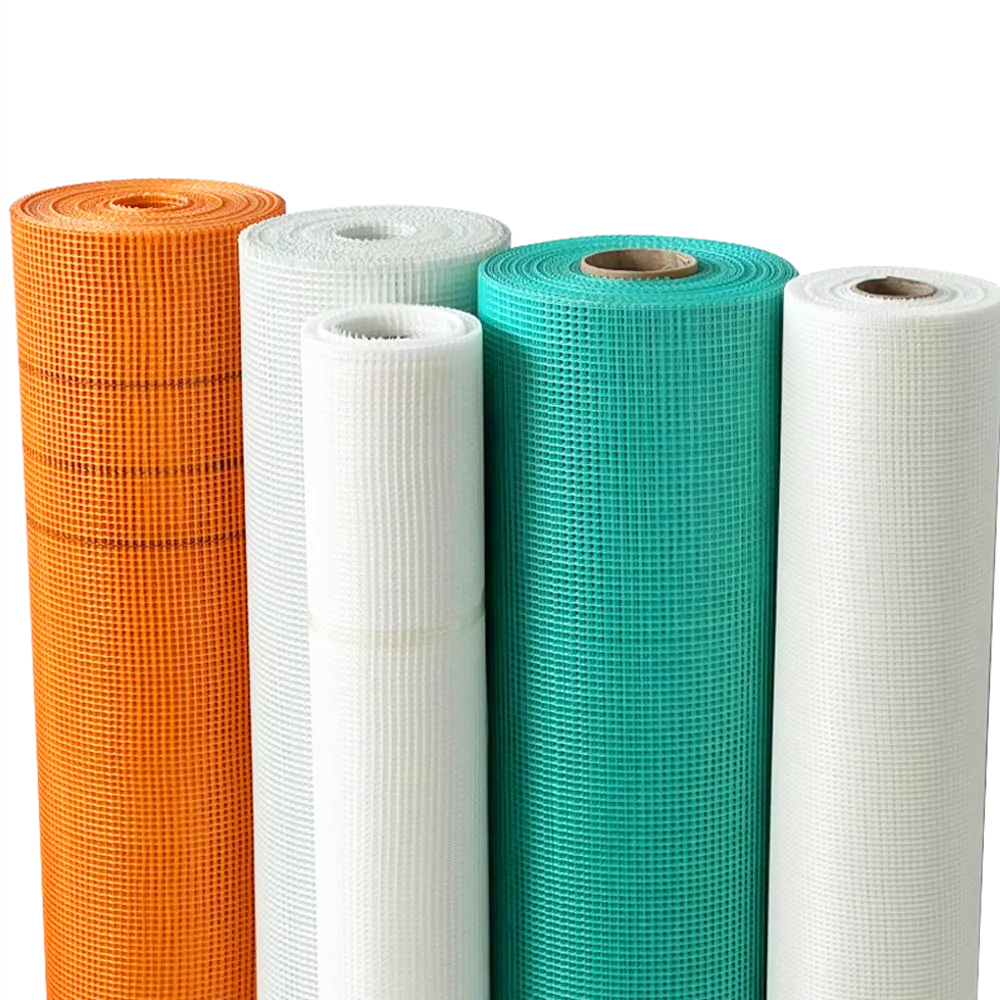
The rolls come in wide widths and long lengths, meaning manufacturers and suppliers can quote bulk sizes—often reflected in 160g fiberglass mesh rolls quotes—to match project size without waste.
Compatibility with Coatings
This mesh integrates seamlessly with a variety of plaster types, mortars, and waterproofing compounds, providing versatility and ease of use on different surfaces.
Environmental Resistance
Being alkali-resistant means the mesh maintains integrity when embedded in cementitious materials — an important factor for longevity.
Mini takeaway: The interplay of durability, cost, and compatibility explains why 160g mesh remains a preferred material, especially in reinforcement roles.
Where In The World Does It Make a Difference?
This product is everywhere — from Europe to Southeast Asia, Africa, and the Americas. In Europe, stricter energy codes mean 160g fiberglass mesh rolls are commonly used in the ETICS industry for better insulation reinforcement. In China and India, massive infrastructure projects rely on these rolls to improve road and bridge longevity.
Humanitarian NGOs use fiberglass mesh in rebuilding after floods or earthquakes — a perfect example came during relief efforts in the 2015 Nepal earthquake, where quick structural reinforcement saved many temporary shelters from further damage.
Industries also use this mesh in heavy-duty flooring solutions or chemical-resistant tank coatings, highlighting versatility.
Mini takeaway: The global footprint of 160g fiberglass mesh extends from cutting-edge urban developments to urgent humanitarian rebuilds.
Product Specification Table
| Specification | Details |
|---|---|
| Material | Alkali-Resistant Fiberglass Yarn |
| Weight | 160 grams per square meter (gsm) |
| Roll Width | 1 meter (commonly), other sizes available |
| Roll Length | Typically 50 - 100 meters |
| Mesh Size | 4x4 mm to 5x5 mm |
| Alkali Resistance | ≥ 200 hours (tested per ISO 6988) |
Advantages & Long-Term Value
One of the obvious benefits is cost savings over time. Durability means fewer repairs, which means budgets stretch further. I’ve noticed many contractors swear by its reliable performance, especially in humid or coastal climates where salt and moisture eat away at traditional reinforcements.
Plus, fiberglass mesh enhances worker safety — by reducing cracking and degradation, it lowers structural failures after installation. That emotional reassurance of a sound building? It’s priceless.
Sustainability is another growing piece of the puzzle. While the mesh itself is synthetic, its contribution to enhanced building longevity helps cut down on frequent material replacements — a subtle but real environmental plus.
Mini takeaway: 160g fiberglass mesh is an investment in longevity, safety, and indirect sustainability — appealing both practically and emotionally.
Vendor Comparison Table
| Vendor | Price per Roll (USD) | Roll Size | Alkali Resistance | Lead Time |
|---|---|---|---|---|
| AlphaMesh Co. | $45 | 1m x 50m | >200 hrs | 2 weeks |
| FibraTech Ltd. | $48 | 1.2m x 100m | >250 hrs | 3 weeks |
| Global Glass Mesh | $42 | 1m x 60m | >220 hrs | 1 week |
Looking Ahead: The Future of Fiberglass Mesh
As we lean more into digital transformation, we're seeing “smart” fiberglass meshes — integrated with sensors — to monitor structural health in real time. Imagine a building that tells you where cracks might soon appear.
Moreover, green materials are a hot topic. Research is underway to create recyclable fiberglass composites or mesh infused with bio-based coatings to reduce environmental impact further.
Automation in manufacturing also promises cost reductions and tighter quality control for 160g fiberglass mesh rolls, making quality products more accessible worldwide.
Mini takeaway: Innovation is converging on smarter, greener, and more cost-efficient fiberglass mesh solutions — exciting times ahead.
Challenges and Practical Solutions
One persistent issue is installation: improperly embedded mesh can lead to weak spots or early cracking. Many engineers recommend detailed training for on-site workers, plus quality checks using nondestructive testing.
Supply chain bottlenecks can also slow down projects. Sourcing from multiple vendors or local factories might mitigate lead time issues. And of course, 160g fiberglass mesh rolls quotes can fluctuate, so locking in bulk orders early makes sense.
FAQ: Frequently Asked Questions About 160g Fiberglass Mesh Rolls Quotes
- Q: How do I know if 160g mesh is right for my project?
- A: If you need a balance between strength and flexibility for wall or surface reinforcement, 160g mesh is quite popular. Heavier weights are better for extremely high-impact areas, but often unnecessary.
- Q: Can fiberglass mesh rolls be easily shipped internationally?
- A: Yes, rolls are lightweight and flexible, making them cost-effective to ship. Many suppliers provide export-ready packaging and documentation for import-friendly quotes.
- Q: How long does 160g fiberglass mesh typically last once installed?
- A: With proper embedding and surface protection, it can last decades — often 25 years or more — resisting moisture and mechanical stress effectively.
- Q: Are there eco-friendly alternatives to fiberglass mesh?
- A: Some bio-based or recycled composite meshes are emerging, but fiberglass remains dominant due to its performance and cost. Watch this space, though, as green innovation picks up.
- Q: How do I get accurate 160g fiberglass mesh rolls quotes?
- A: Contact multiple reputable vendors and specify roll width, length, alkali resistance standards, and delivery terms. This site offers competitive and transparent quotes.
Conclusion: Why Investing in 160g Fiberglass Mesh Rolls Pays Off
Overall, 160g fiberglass mesh rolls represent a smart, cost-effective way to fortify a wide range of building and infrastructure projects. The blend of durability, affordability, and adaptability means they’ll keep being a go-to option globally. Whether you’re a company tendering for new builds or an NGO sourcing durable materials for rapid reconstruction, reliable quotes and good supplier partnerships make all the difference.
If you want to explore tailored solutions or bulk 160g fiberglass mesh rolls quotes, visit our website. It’s an easy first step toward smarter, safer construction.
References:
1. World Bank Infrastructure Outlook
2. ISO 6988: Alkali resistance testing of fiberglass
3. Fiberglass - Wikipedia
-
Best Fiberglass Mesh Tape for RedGard Product Waterproofing GuideNewsApr.16,2026
-
Why High Strength Fiberglass Mesh Is Essential For Stucco ApplicationNewsApr.15,2026
-
Why Alkali Resistant Fiberglass Mesh Tape Is Essential For Cement Board And Tile InstallationsNewsApr.15,2026
-
Understanding The Role Of Drywall Fiberglass Mesh In Interior FinishingNewsApr.15,2026
-
Ultimate Guide To Using Fiberglass Mesh Tape For Drywall And Plaster RepairsNewsApr.15,2026
-
The Versatility Of Fiberglass Mesh In Marble And Stone MosaicNewsApr.15,2026