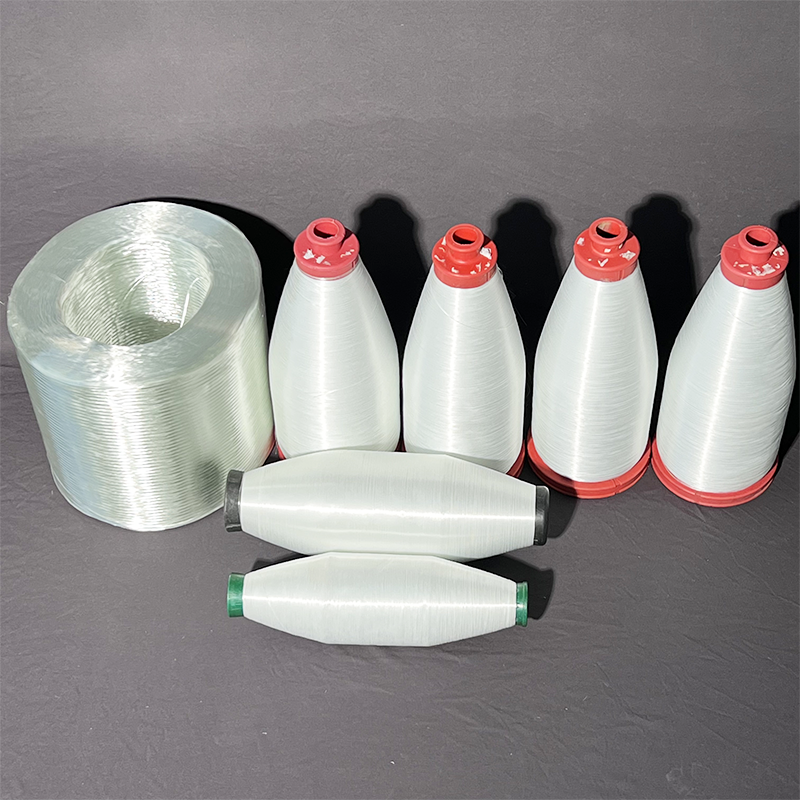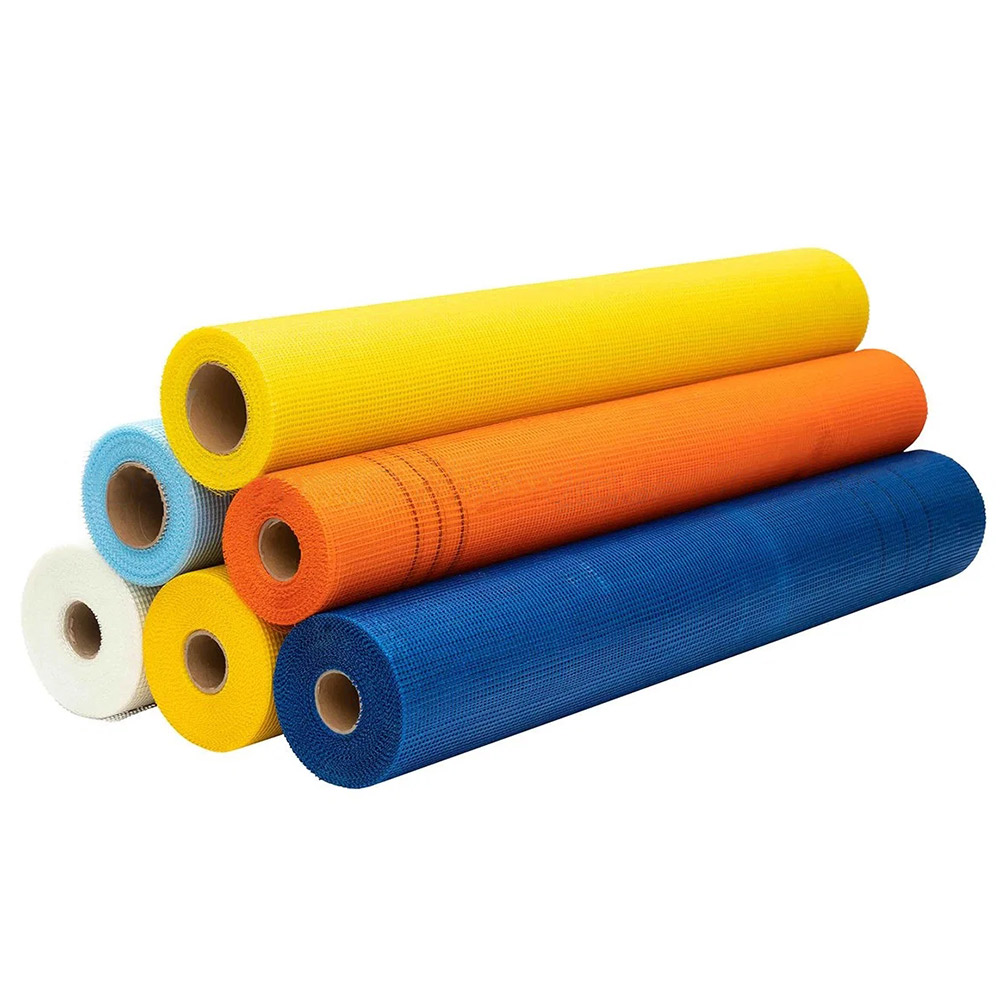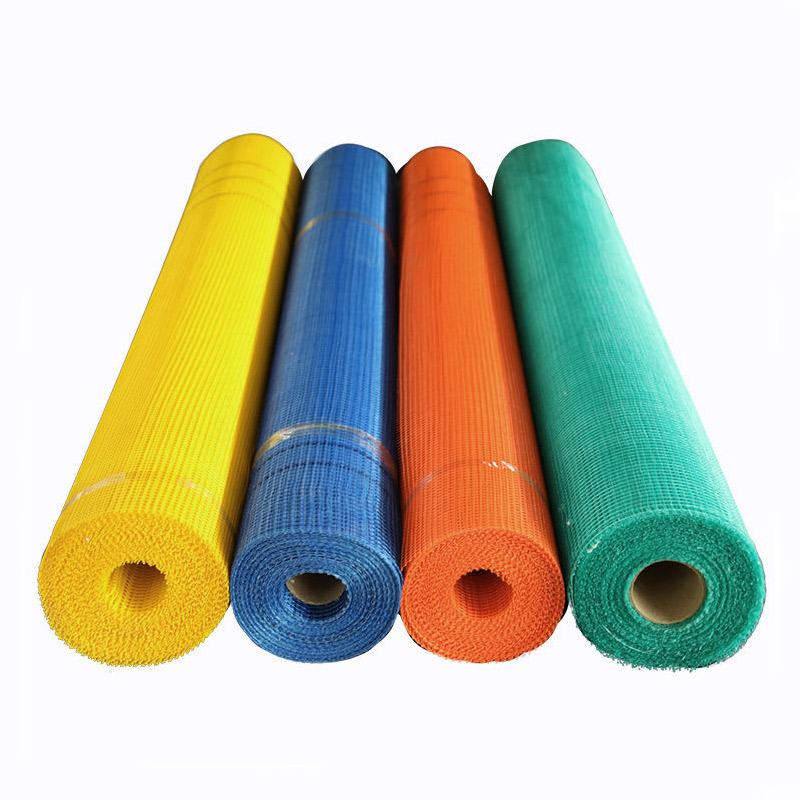
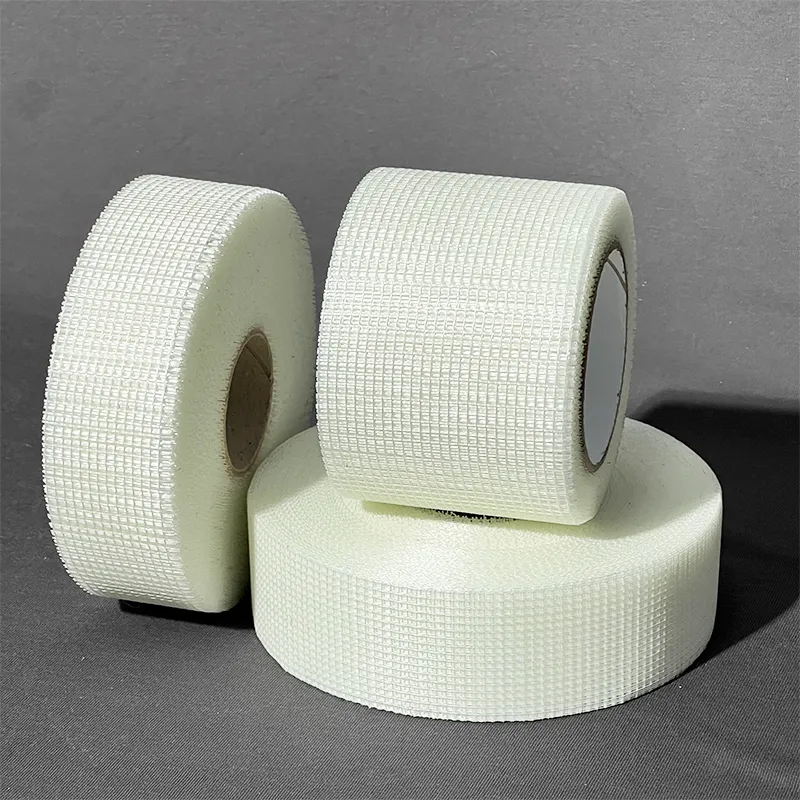
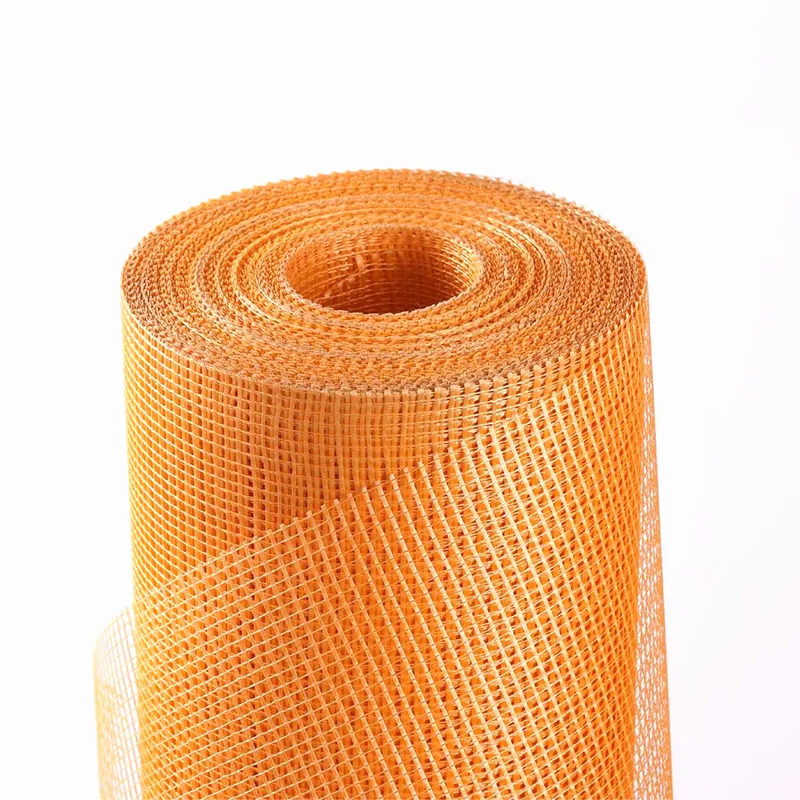
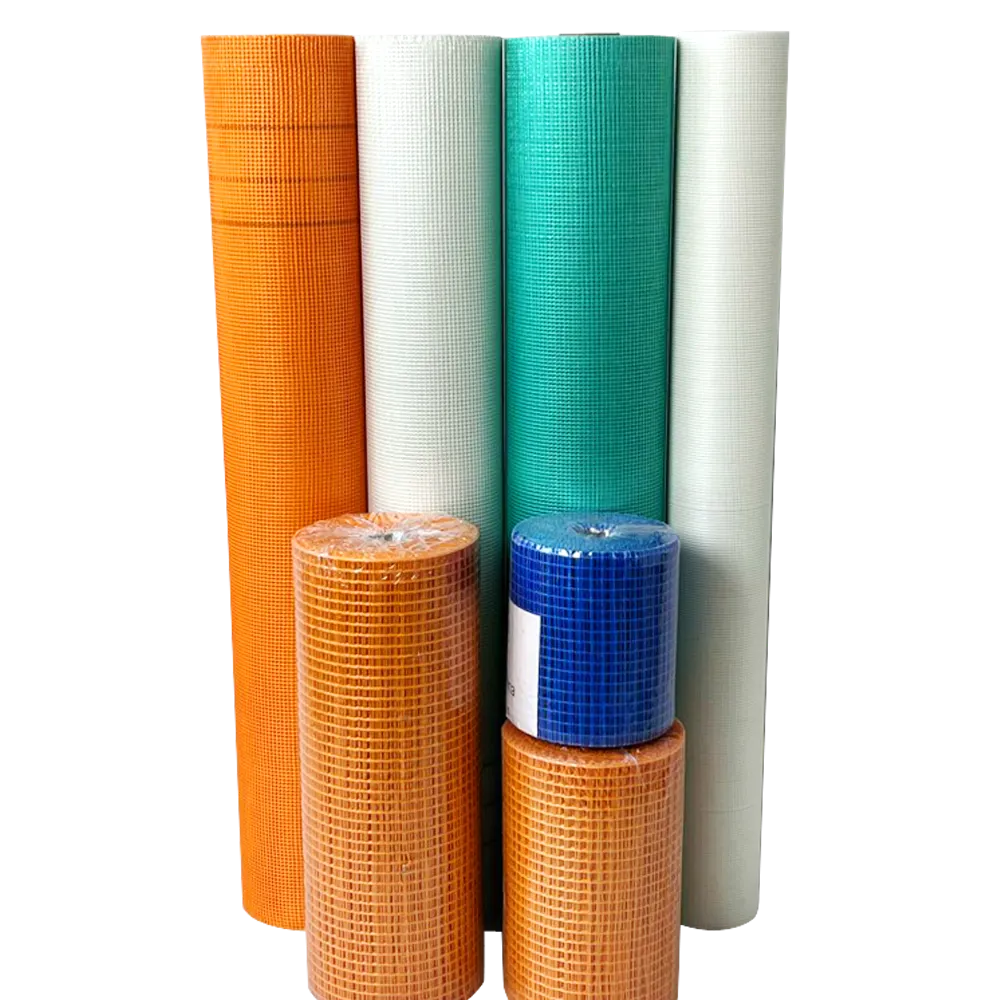
Advanced alkali resistant fiberglass mesh Solutions for Uruguay Construction

High-performance reinforcement materials engineered to withstand the unique architectural and climatic demands of the Uruguayan market.

Advanced alkali resistant fiberglass mesh Solutions for Uruguay Construction

Providing the construction industry in Uruguay with premium grade reinforcement fabrics that eliminate cracks and ensure structural longevity in diverse environmental conditions.

Current State of Wall Reinforcement in Uruguay

Analyzing the intersection of Uruguayan climatic variability and modern building material requirements.

Uruguay's construction sector faces specific challenges due to its humid subtropical climate and significant temperature fluctuations between seasons. These factors often lead to thermal expansion and contraction in masonry, making the use of fiberglass mesh fabric essential for preventing structural fissures in residential and commercial facades.

In urban centers like Montevideo, there is a growing shift toward rapid urbanization and the adoption of EIFS (Exterior Insulation and Finish Systems). This transition has increased the demand for specialized fiberglass mesh for plastering to ensure that external renders remain adhered to the substrate despite the high humidity levels characteristic of the Atlantic coast.

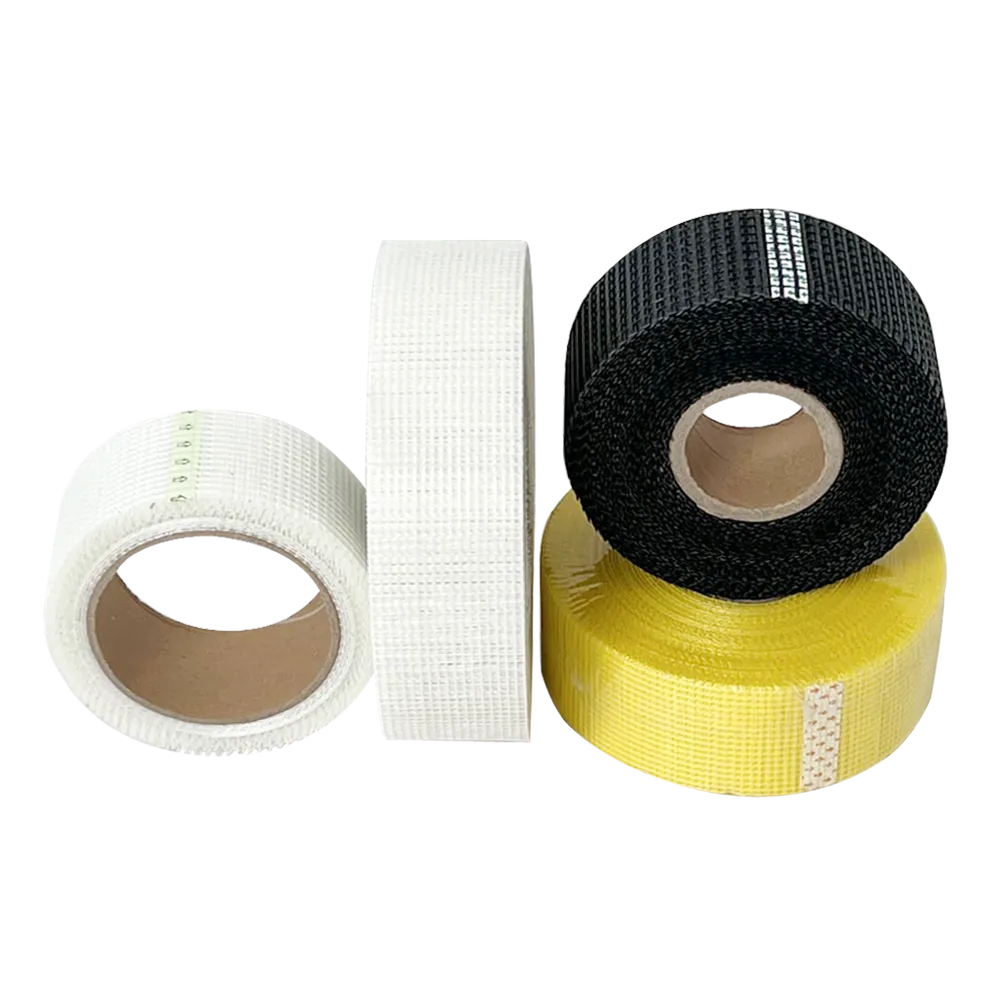
Furthermore, the local market is seeing a transition from traditional mortar-only methods to integrated reinforcement systems. The adoption of drywall fiberglass mesh is becoming standard in interior renovations to enhance the joint strength of gypsum boards, reflecting a broader trend toward industrialization in the Uruguayan building sector.
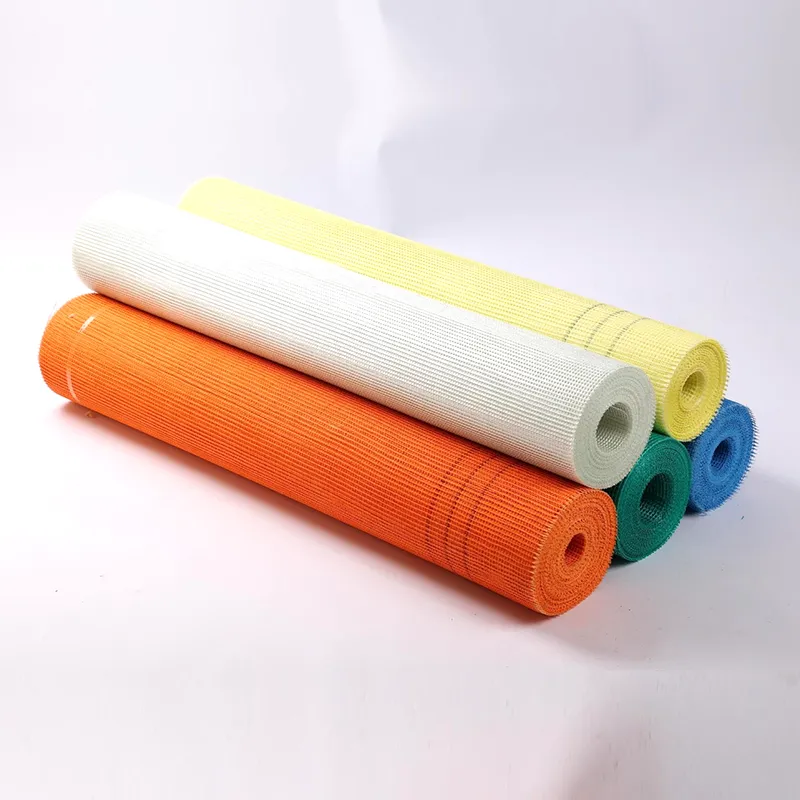
Evolution and Trajectory of Fiberglass Reinforcement

From basic mesh applications to high-tech chemical resistance in the South American market.

Market Development History

In the early 2000s, the Uruguayan market relied heavily on expanded metal laths and basic synthetic nets. These materials often suffered from corrosion or degradation when exposed to the alkaline nature of cement, leading to premature peeling of plaster layers.

Around 2010, the introduction of chemically treated alkali resistant fiberglass mesh marked a turning point. By coating the glass fibers in silane, the materials could finally withstand the high pH of concrete, significantly extending the lifecycle of building envelopes across the region.

From 2018 to the present, the focus has shifted toward installation efficiency. The rise of self adhesive fiberglass mesh has allowed contractors in Uruguay to reduce labor costs and installation time, particularly in high-speed interior drywall projects.

Future Development Trends

Integration of Eco-friendly Coatings

Expect a shift toward meshes with biodegradable or low-VOC adhesive layers to align with Uruguay's strict environmental sustainability goals for new urban developments.

Higher Tensile Strength-to-Weight Ratios

Technological iterations will focus on thinner yet stronger fibers, reducing material weight while increasing the crack-resistance of external thermal insulation systems.

Smart-Mesh Monitoring

Integration of conductive fibers into the mesh structure to allow for structural health monitoring, detecting moisture ingress or stress points within the walls.

Industry Trends and Future Outlook

Strategic forecasting for fiberglass reinforced plastics in the Southern Cone.

Prefabrication Growth
Increased use of modular construction in Uruguay is driving the demand for pre-integrated mesh systems in wall panels.
Efficiency Optimization
Transition toward adhesive-backed meshes to minimize on-site waste and reduce installation labor hours.
Material Durability
Enhanced chemical resistance to withstand higher alkalinity in specialized Uruguayan coastal cements.
Green Building Certs
Alignment with LEED and local Uruguayan standards through recyclable fiberglass materials.

Industry Outlook

Based on Google search trends in South America, there is a significant increase in queries regarding "sustainable construction materials" and "crack-free plastering." This indicates that Uruguayan architects are prioritizing long-term durability over initial material cost, favoring high-quality fiberglass mesh fabric.

Over the next 3-5 years, we expect the market to move toward specialized mesh products tailored for extreme weather resistance. The integration of fiberglass reinforcement into 3D concrete printing and advanced modular systems will likely be the next frontier for the Uruguayan manufacturing sector.

Localized Application Scenarios in Uruguay

Practical implementations of fiberglass reinforcement across various Uruguayan architectural needs.

01. Coastal Villa Facade Protection

In coastal cities like Punta del Este, salt-laden air accelerates the degradation of traditional renders. Utilizing alkali resistant fiberglass mesh ensures that exterior finishes remain crack-free despite the corrosive environment.

02. Rapid Office Interior Fit-outs

For corporate renovations in Montevideo, the use of self adhesive fiberglass mesh allows for rapid jointing of drywall, meeting tight deadlines while maintaining a seamless professional finish.

03. Agricultural Warehouse Reinforcement

Large-scale storage facilities in the interior of Uruguay require heavy-duty fiberglass mesh for plastering to reinforce concrete blocks against structural vibrations and temperature swings.

04. Residential Gypsum Board Joints

Modern apartment complexes utilize drywall fiberglass mesh to bridge gaps between panels, preventing the common "seam cracking" often seen in older Uruguayan constructions.

05. Historic Building Restoration

When renovating colonial-era structures, thin fiberglass mesh fabric is used to stabilize old plaster without adding excessive thickness, preserving the original architectural aesthetic.

Brand Story

Global Development Journey of Renqiu Tainu Building Materials Co., Ltd.

Industrial Foundation

Founded with a mission to solve the fragility of traditional plastering, we began by mastering the chemical composition of alkali-resistant glass fibers.

Technological Breakthrough

We developed proprietary coating technologies that ensured our mesh could survive the harshest cement environments, reducing wall failure rates by 60%.

Global Market Entry

Expanding beyond Asia, we identified the South American market as a key growth area, tailoring our products to meet regional construction standards.

Uruguayan Partnership

By collaborating with local distributors in Uruguay, we optimized our logistics and product specifications to serve the Southern Cone more efficiently.

Sustainability Leadership

Today, we focus on creating the next generation of eco-friendly reinforcement, ensuring a greener future for the global construction industry.

Uruguay Construction FAQ

Expert answers to common technical questions regarding fiberglass mesh application.

Why is alkali resistant fiberglass mesh necessary for Uruguayan concrete?

Concrete and cement are highly alkaline. Without the specialized alkali-resistant coating, standard glass fibers would degrade and dissolve, leading to the loss of reinforcement and resulting in structural cracks.

How does self adhesive fiberglass mesh improve installation speed?

The adhesive backing eliminates the need for manual pinning or temporary adhesives, allowing workers to apply the mesh directly to the substrate and immediately follow with plastering, significantly cutting labor time.

What is the best way to use drywall fiberglass mesh for jointing?

Apply a thin layer of joint compound to the seam, embed the mesh firmly into the compound, and then apply a second smooth coat. This creates a reinforced bridge that prevents seasonal movement cracks.

Can fiberglass mesh for plastering be used in exterior EIFS systems?

Yes, it is specifically designed for this. It provides the necessary tensile strength to the base coat of an EIFS system, preventing the outer decorative render from cracking under thermal stress.

Is fiberglass mesh fabric effective against high humidity in Montevideo?

Absolutely. Unlike metal reinforcements, fiberglass does not rust or corrode when exposed to high humidity or salty sea air, making it the ideal choice for Uruguayan coastal cities.

How do I choose the right weight of mesh for my project?

The choice depends on the application. Lightweight mesh is suitable for drywall joints, while heavier, higher-grammage mesh is required for external facades and structural reinforcement in masonry.

Get Your Custom Reinforcement Solution

Contact our technical experts today to optimize your construction projects in Uruguay with the world's leading fiberglass technology.

Contact Us Now
You have selected 0 products