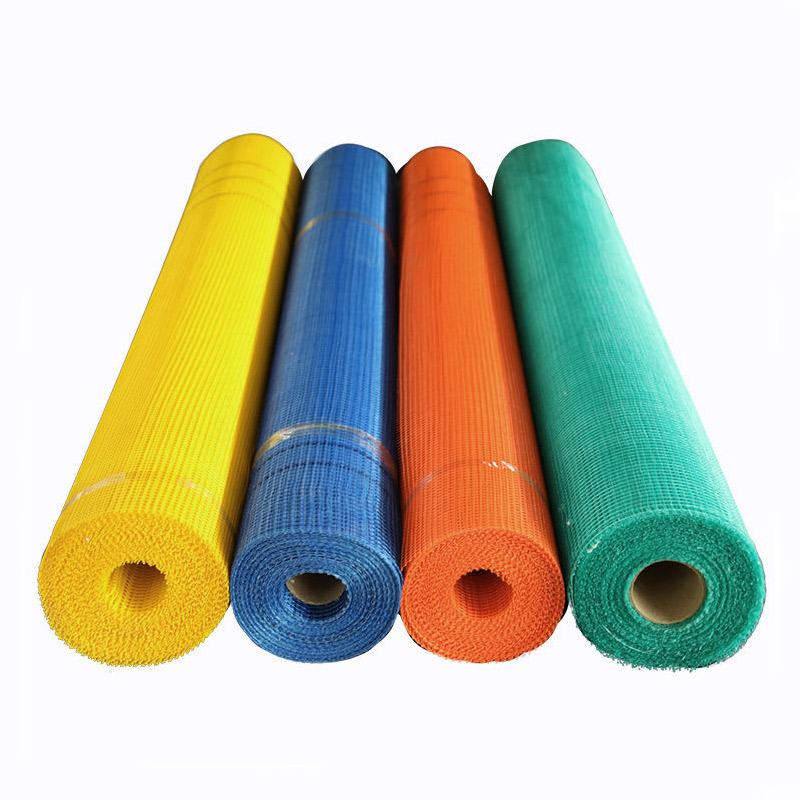
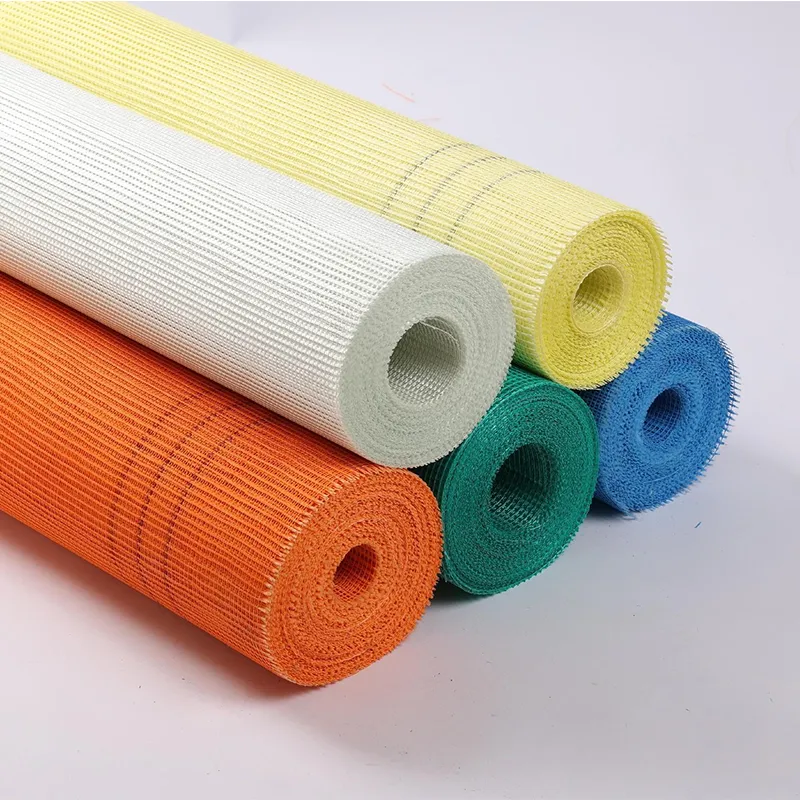
Advanced alkali resistant fiberglass mesh Solutions for Paraguay Infrastructure

Enhancing structural integrity and durability for the Paraguayan construction market with high-performance reinforcement materials.

Advanced alkali resistant fiberglass mesh Solutions for Paraguay Infrastructure

Providing Paraguay with professional-grade fiberglass reinforcement to eliminate cracks and enhance the lifespan of concrete and plaster surfaces in humid subtropical climates.

The State of Wall Reinforcement in Paraguay

Analyzing the challenges of traditional masonry in the heart of South America.

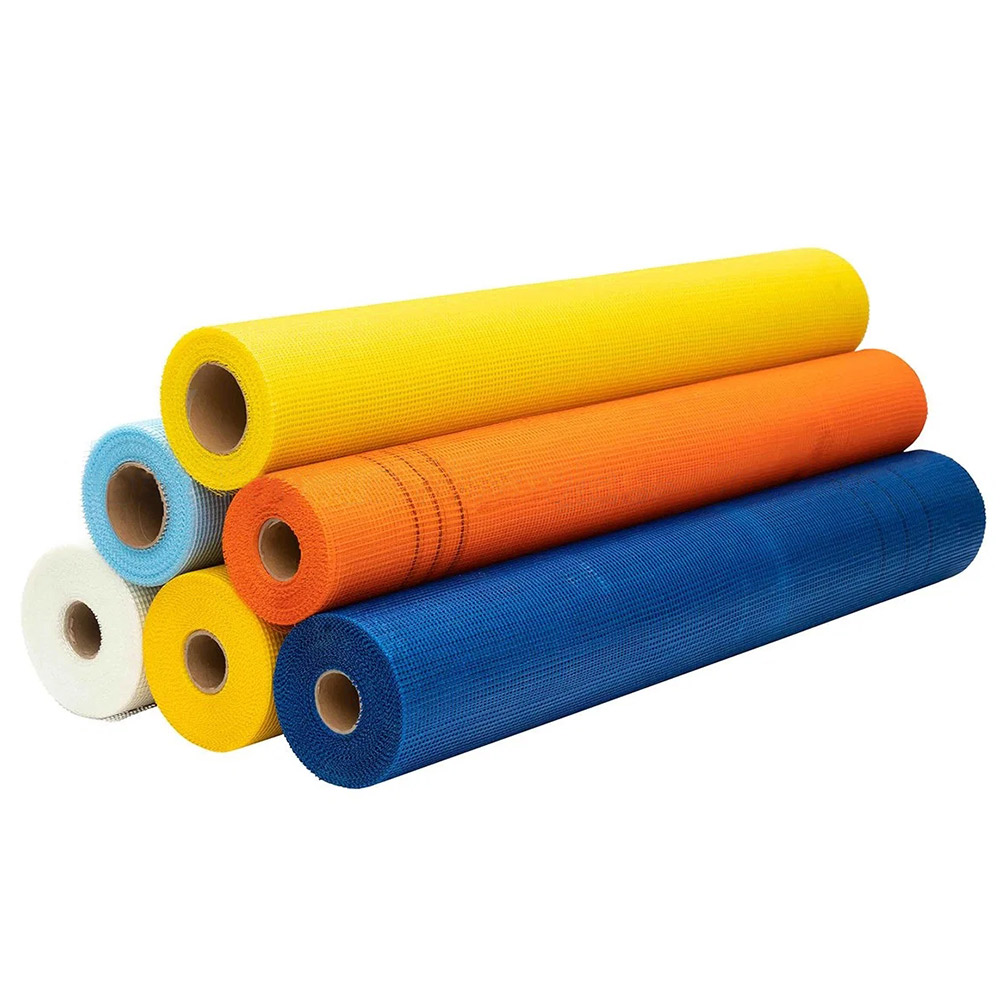
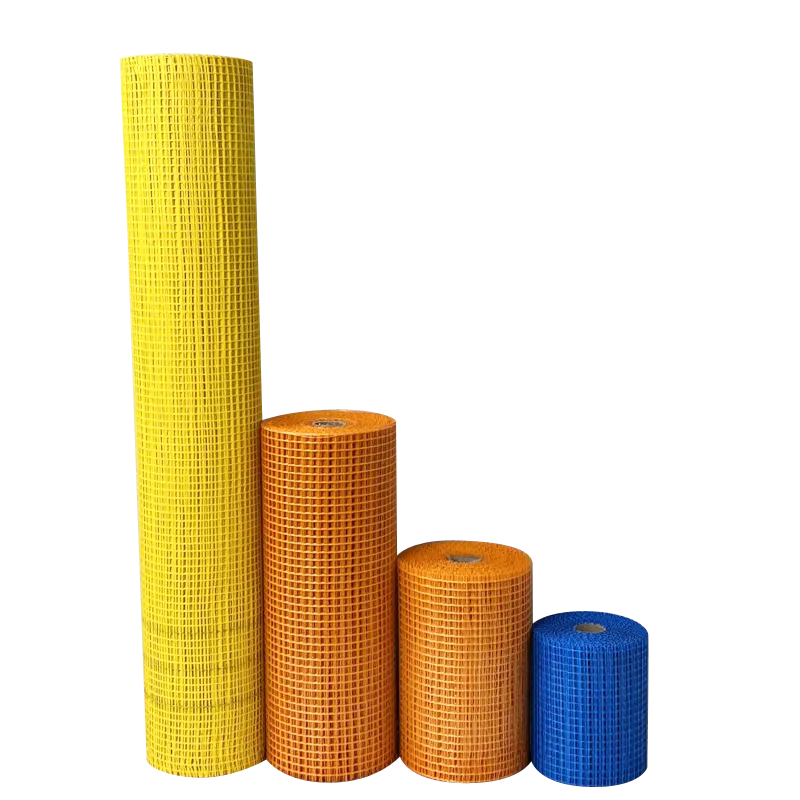
Paraguay's construction sector faces unique challenges due to its humid subtropical climate, where extreme temperature fluctuations and high moisture levels often lead to premature cracking in plaster and concrete. Traditionally, builders relied on simple cement mixes, but the increasing demand for urban development in Asunción and Ciudad del Este has highlighted the need for fiberglass mesh fabric to ensure long-term stability.

The adoption of fiberglass mesh for plastering is growing as local contractors realize that standard mortar cannot withstand the thermal expansion typical of the region. The shift toward non-metallic reinforcement is driven by the need to prevent corrosion, which is common in Paraguay's moisture-rich environments.

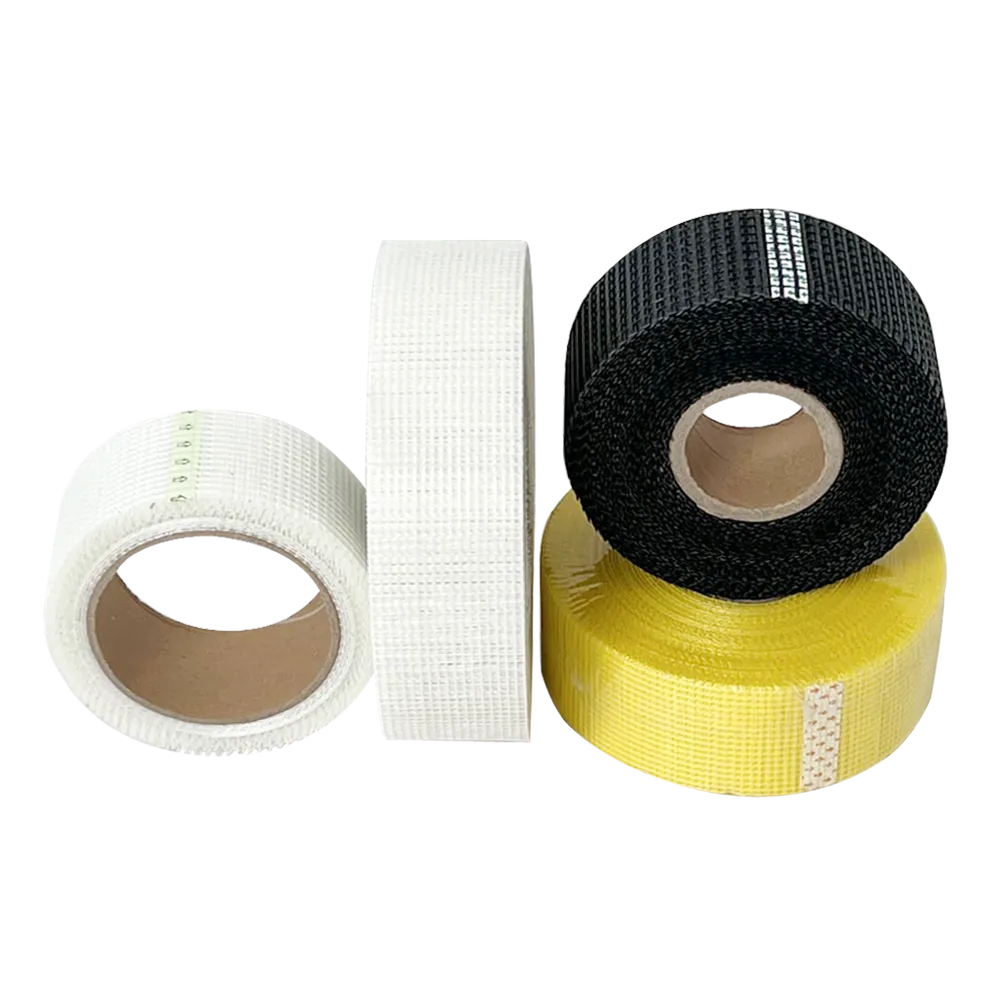
Currently, the market is transitioning from basic reinforcement to specialized solutions. There is a significant rise in the use of drywall fiberglass mesh for interior partitions in modern commercial hubs, reflecting a broader trend toward faster installation times and higher precision in finishing.
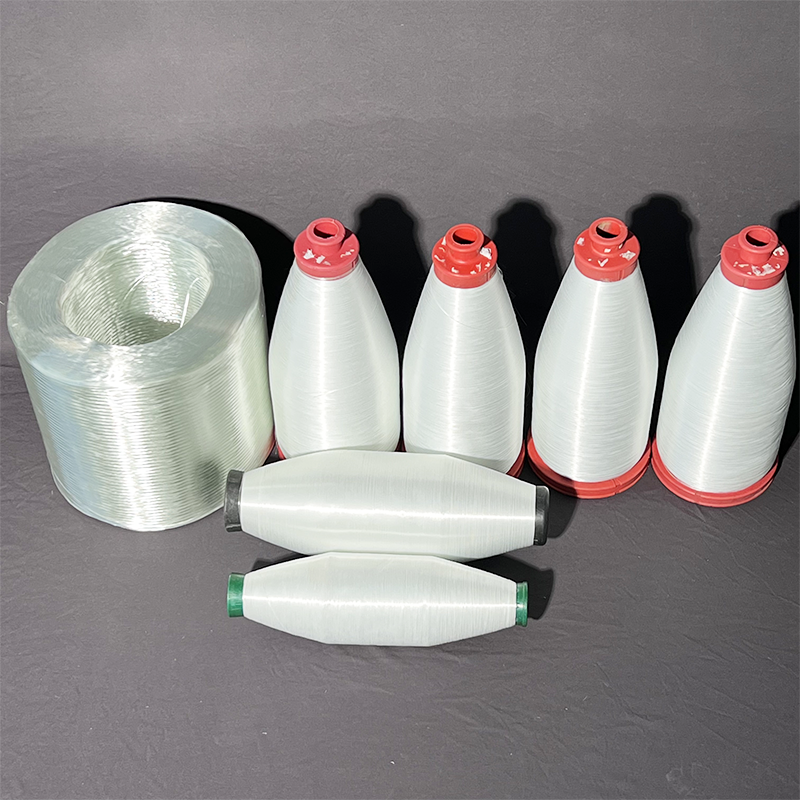
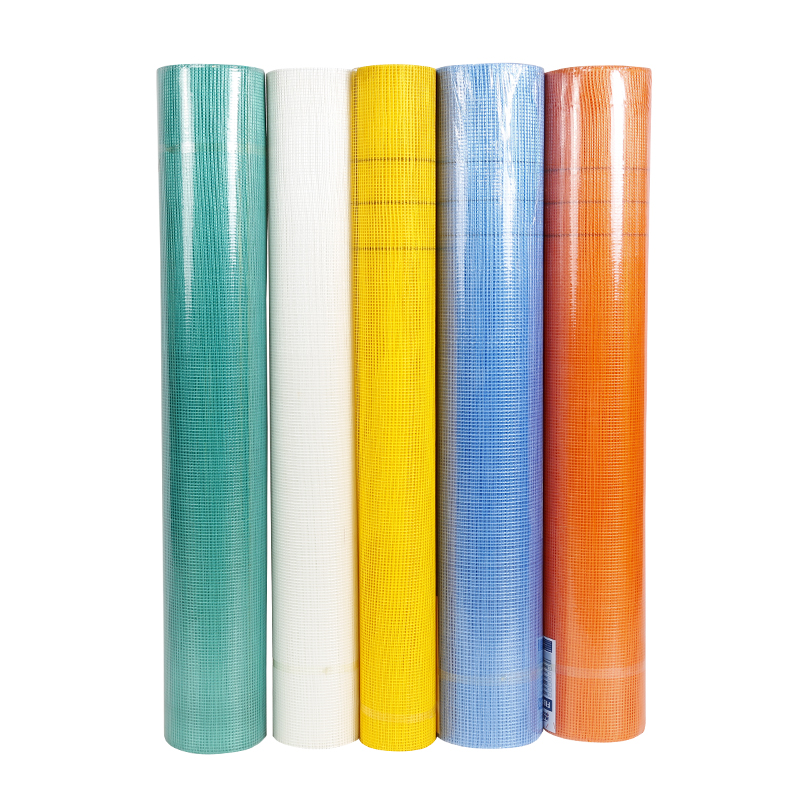
Evolution and Trajectory of Reinforcement Technology

From traditional wire mesh to high-tech alkali-resistant glass fibers.

Market Development History

Between 1990 and 2010, the Paraguayan market relied heavily on expanded metal lath and traditional wire mesh. While effective for heavy loads, these materials were prone to oxidation and caused "rust bursting" in thin plaster layers, leading to high maintenance costs.

Around 2012, the introduction of first-generation fiberglass meshes began to replace metal. However, early versions often failed due to the high alkalinity of local cement. This led to the critical adoption of the "alkali-resistant" coating, ensuring the glass fibers wouldn't degrade within the concrete matrix.

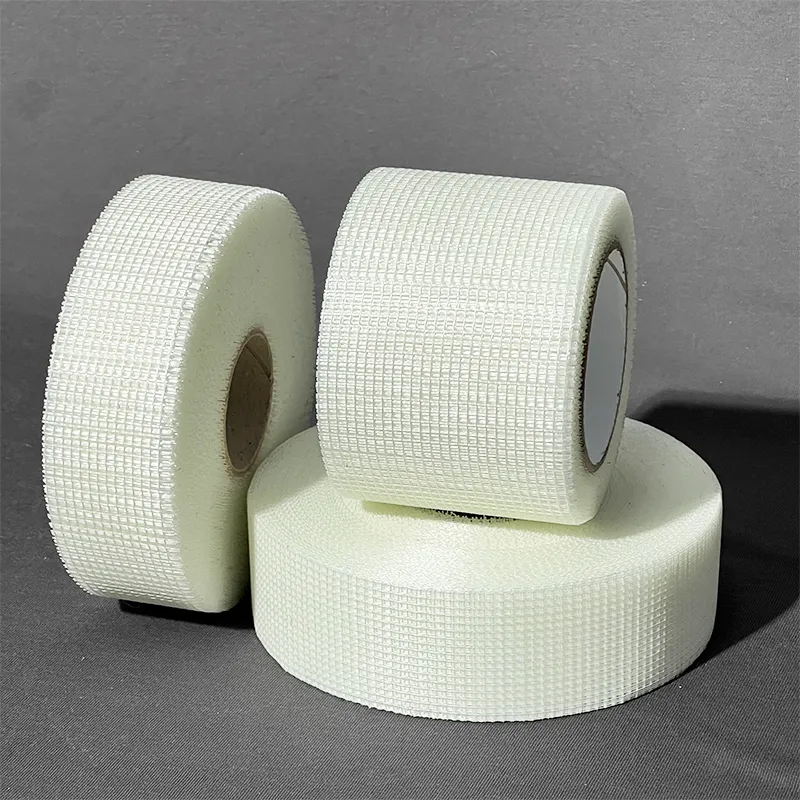
From 2018 to the present, the focus has shifted toward efficiency. The arrival of self adhesive fiberglass mesh has revolutionized the site-work process in Paraguay, reducing labor costs and eliminating the need for secondary fixing agents.

Future Development Trends

Eco-Friendly Composite Materials

Driven by global sustainability goals, Paraguay will see a shift toward meshes with lower carbon footprints and recyclable glass polymers to meet green building certifications.

Smart Integration of Mesh

We anticipate the integration of phase-change materials with fiberglass mesh fabric to provide passive thermal insulation for homes in the Chaco region.

Automation in Application

The trend is moving toward machine-applied reinforcement layers, which will increase the demand for consistent, high-tensile mesh rolls to ensure uniformity in large-scale infrastructure projects.

Industry Trends and Future Outlook

Strategic directions for the fiberglass reinforced plastics industry in Paraguay.

Climate-Resilient Coating
Development of advanced polymers that protect the mesh from Paraguay's extreme humidity and UV exposure.
Rapid Installation Logic
Increased demand for self-adhesive variants to speed up the construction cycle in expanding urban areas.
High-Tensile Standards
Shift toward heavier grammage meshes for industrial warehouses and bridge deck reinforcement.
Regulatory Compliance
Alignment with international ASTM and EN standards to qualify for government infrastructure tenders in Paraguay.

Industry Outlook

Based on Google Search trends for building materials in the region, there is a clear upward trajectory in queries related to "crack prevention" and "durable plastering." This indicates that the Paraguayan consumer is moving away from "cheap and fast" toward "quality and longevity."

Over the next 3-5 years, we expect the market for fiberglass reinforced plastics to expand by 15% annually, particularly in the residential sector where the adoption of dry-construction techniques is accelerating.

Localized Application Scenarios in Paraguay

Real-world deployment of fiberglass mesh in diverse Paraguayan environments.

1. High-Rise Residential in Asunción

Using drywall fiberglass mesh in luxury apartments to prevent joint cracks during the settling phase of the building, ensuring a flawless paint finish.

2. Industrial Warehouses in Ciudad del Este

Implementing heavy-duty alkali resistant fiberglass mesh in floor screeds and wall panels to withstand heavy machinery vibrations and industrial wear.

3. Rural Housing in the Chaco Region

Applying fiberglass mesh for plastering to protect walls from the extreme thermal expansion caused by the harsh sunlight and dry heat of the Chaco.

4. Bridge and Tunnel Infrastructure

Utilizing high-density fiberglass mesh fabric as a reinforcement layer in shotcrete applications for slope stabilization and tunnel lining.

5. Rapid Commercial Renovations

Deployment of self adhesive fiberglass mesh for quick repairs of damaged facades in commercial districts, minimizing business downtime.

Brand Story

Global Development Journey of Renqiu Tuoxin Building Materials Co., Ltd.

Founding Vision

Established with a mission to solve the fundamental problem of material degradation in alkaline environments, focusing on high-purity glass fiber research.

Technological Breakthrough

Perfected the chemical vapor deposition process for alkali-resistant coatings, ensuring our meshes outlast traditional reinforcements by 3x.

Global Market Entry

Expanded operations into the South American market, adapting product specifications to meet the unique climatic demands of regions like Paraguay.

Innovation in Adhesives

Launched the self-adhesive series to address the pain point of slow installation times in fast-paced urban construction projects.

Sustainable Future

Investing in green manufacturing to provide the construction industry with eco-friendly, long-lasting reinforcement solutions worldwide.

Common Questions in Paraguay's Construction Market

Expert answers regarding the application of fiberglass reinforcement.

Why is alkali resistant fiberglass mesh essential for Paraguayan cement?

Cement is naturally alkaline; without a special alkali-resistant coating, standard glass fibers would dissolve over time, causing the reinforcement to fail and the walls to crack.

How does self adhesive fiberglass mesh speed up renovation?

It eliminates the need for separate adhesive application and mechanical fasteners, allowing workers to simply peel and stick the mesh directly to the substrate before plastering.

Can fiberglass mesh for plastering prevent cracks in humid climates?

Yes, it distributes tensile stress across the surface, absorbing the movement caused by humidity-induced expansion and contraction, which prevents visible cracks.

What is the best weight of fiberglass mesh fabric for external facades?

For external facades in Paraguay, we recommend a weight between 145g and 160g to provide sufficient strength against wind loads and thermal stress.

Is drywall fiberglass mesh suitable for interior partitions?

Absolutely. It is the ideal choice for joint reinforcement in gypsum boards, providing a seamless transition and preventing cracks at the seams.

How to store fiberglass mesh in high-humidity areas?

Keep the rolls in their original moisture-proof packaging and store them in a cool, dry place to prevent premature degradation of the adhesives or coatings.

Get Your Professional Reinforcement Quote

Ready to upgrade your construction quality in Paraguay? Contact our technical team for customized mesh solutions today.

Contact Us Now
You have selected 0 products