Advanced alkali resistant fiberglass mesh Solutions for Chile's Construction

Providing high-performance reinforcement materials tailored for the seismic requirements and diverse climatic conditions of the Chilean infrastructure market.

Advanced alkali resistant fiberglass mesh Solutions for Chile's Construction

Our specialized fiberglass reinforcement systems are engineered to prevent cracking and enhance the structural integrity of plaster and concrete surfaces across Chile, from the Atacama desert to the Patagonia region.

Market Status of Reinforcement Materials in Chile

Analyzing the demand for high-durability mesh in a high-seismic activity zone.

Chile's construction industry is characterized by a stringent adherence to seismic codes. The frequent tectonic movements necessitate the use of fiberglass mesh fabric that can absorb stress and distribute tension across wall surfaces, reducing the risk of catastrophic structural failure during earthquakes.

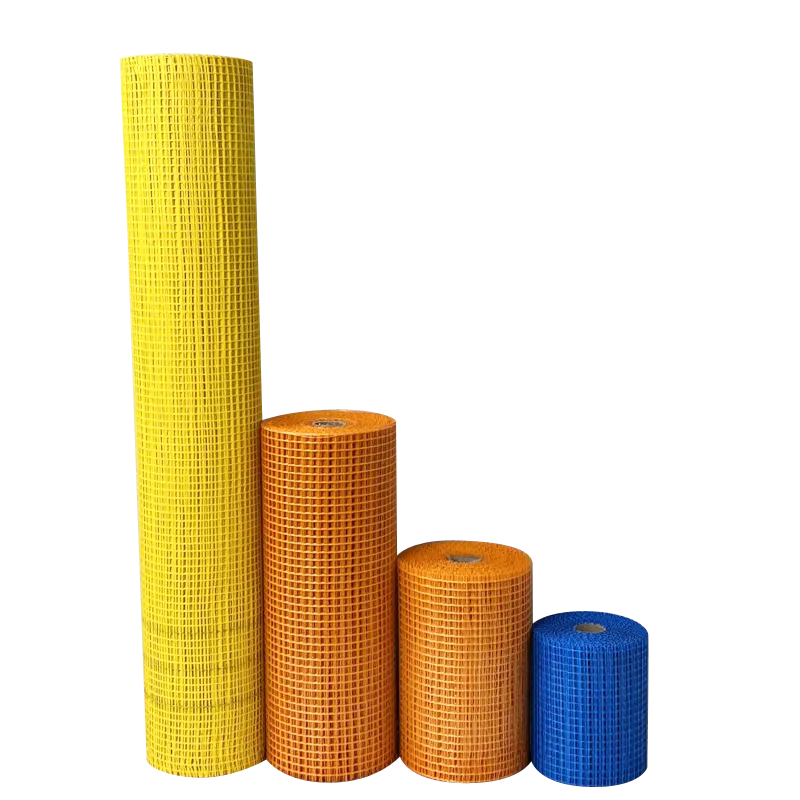
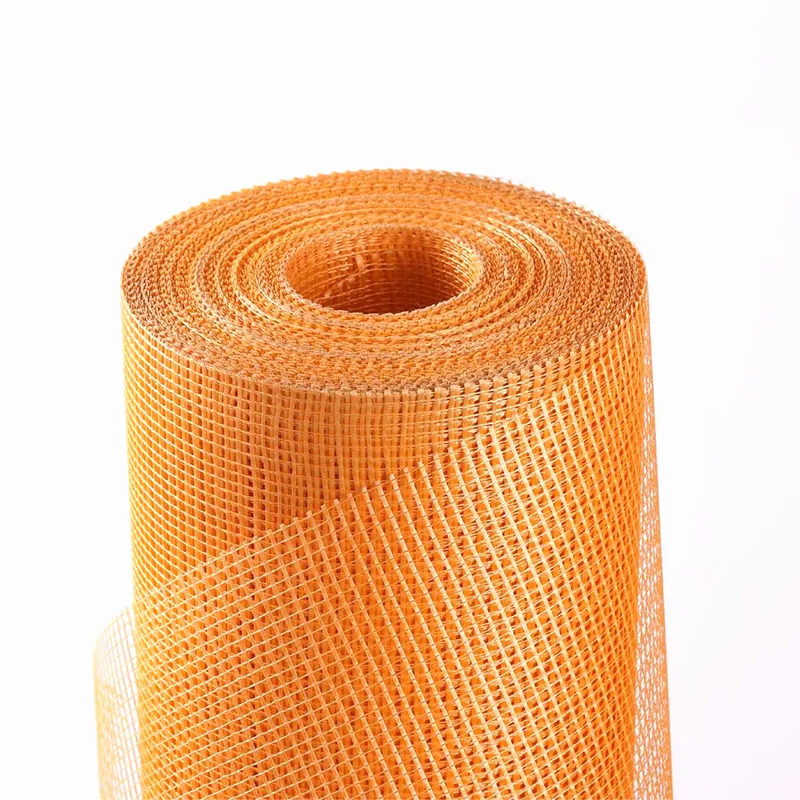
In the coastal regions of Chile, the saline air and high humidity accelerate the corrosion of traditional metal lattices. This has led to a massive transition toward alkali resistant fiberglass mesh, which provides the necessary chemical stability against the alkaline environment of cement while remaining immune to rust.

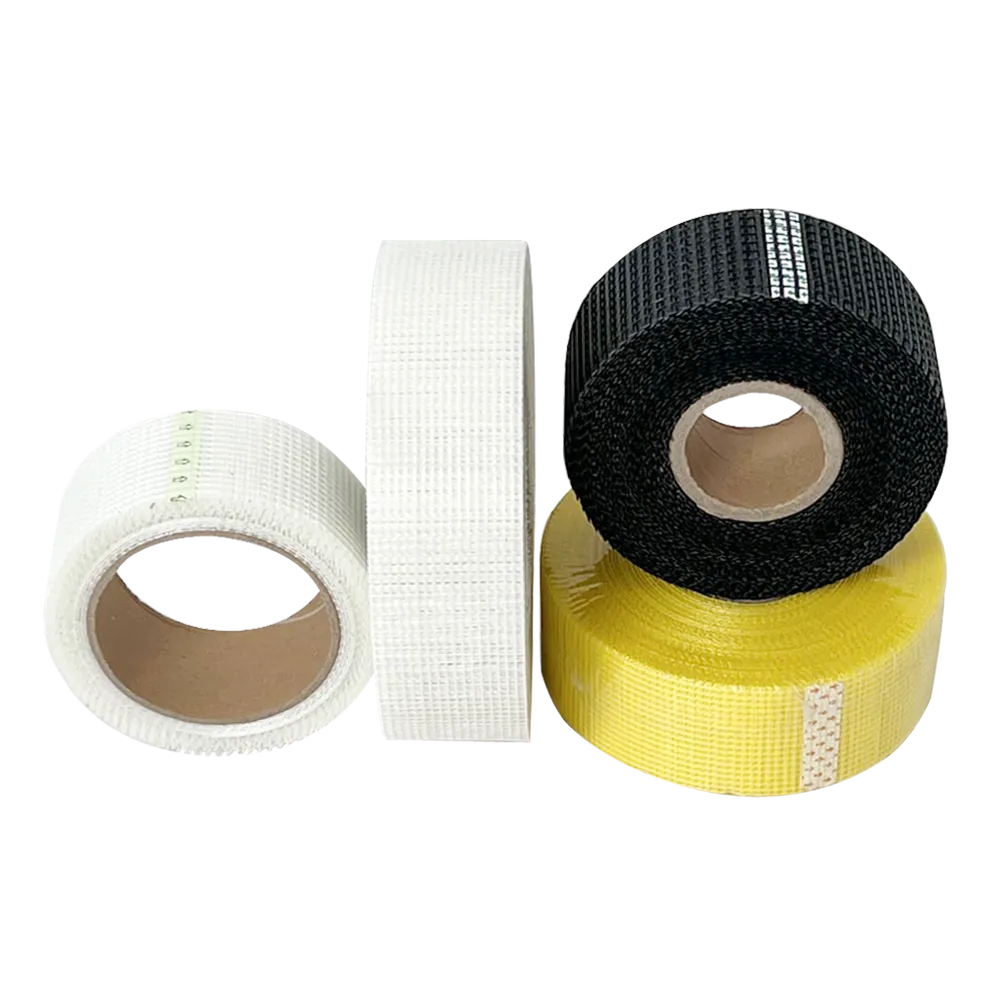
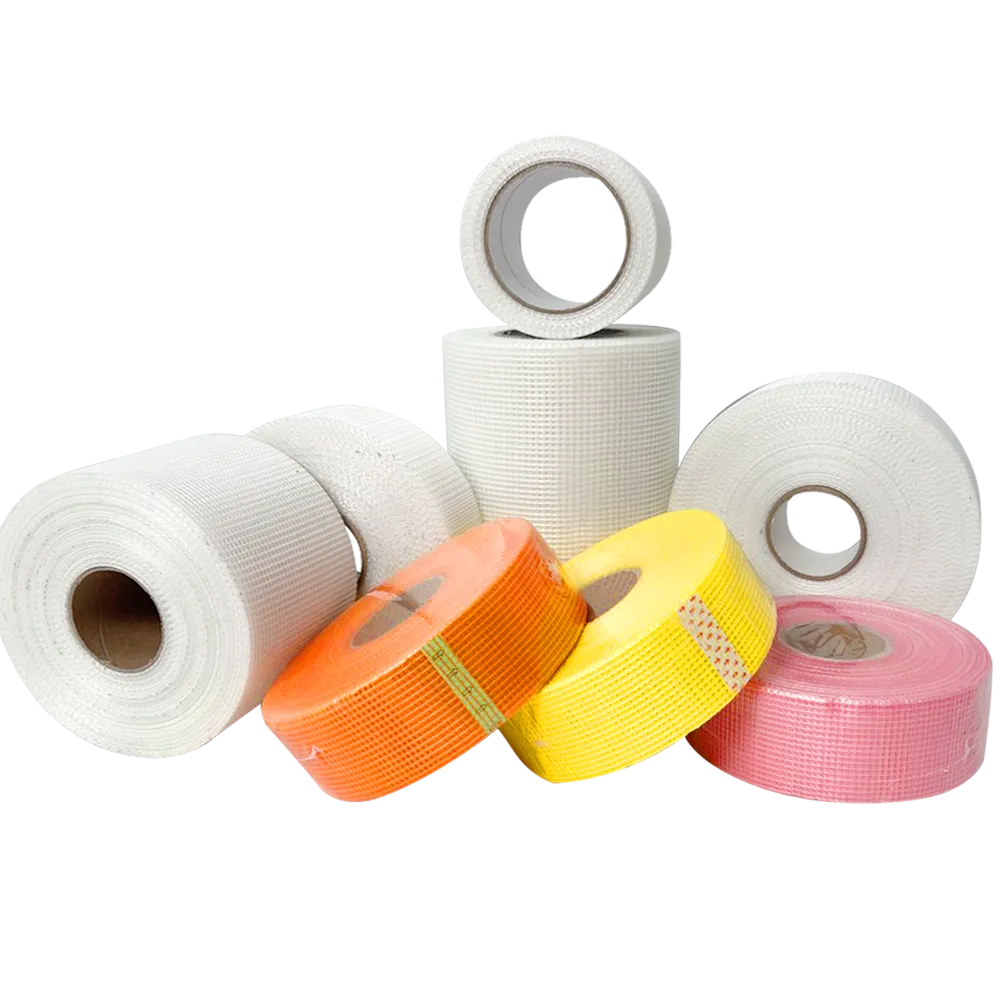
Furthermore, the rapid urbanization in Santiago and Valparaíso has increased the demand for fast-track interior finishing. Contractors are now prioritizing self adhesive fiberglass mesh to reduce labor time and ensure seamless joints in modern residential complexes.
Evolution of Fiberglass Reinforcement in South America

From basic fabrics to specialized engineered mesh systems.

Market Development History

During the late 1990s, the Chilean market relied heavily on expanded metal laths and organic fibers for plastering. However, these materials suffered from corrosion and rot, leading to frequent maintenance cycles in the humid south.

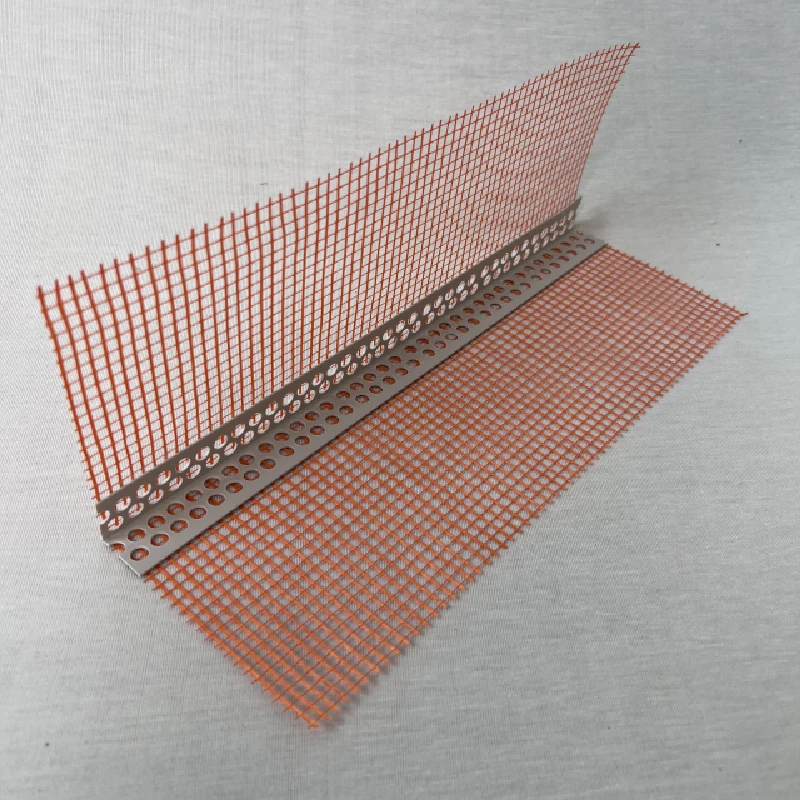
Between 2005 and 2015, the introduction of fiberglass mesh for plastering revolutionized the EIFS (External Insulation and Finish Systems) sector. The shift toward glass fiber allowed for thinner coating layers without sacrificing tensile strength.

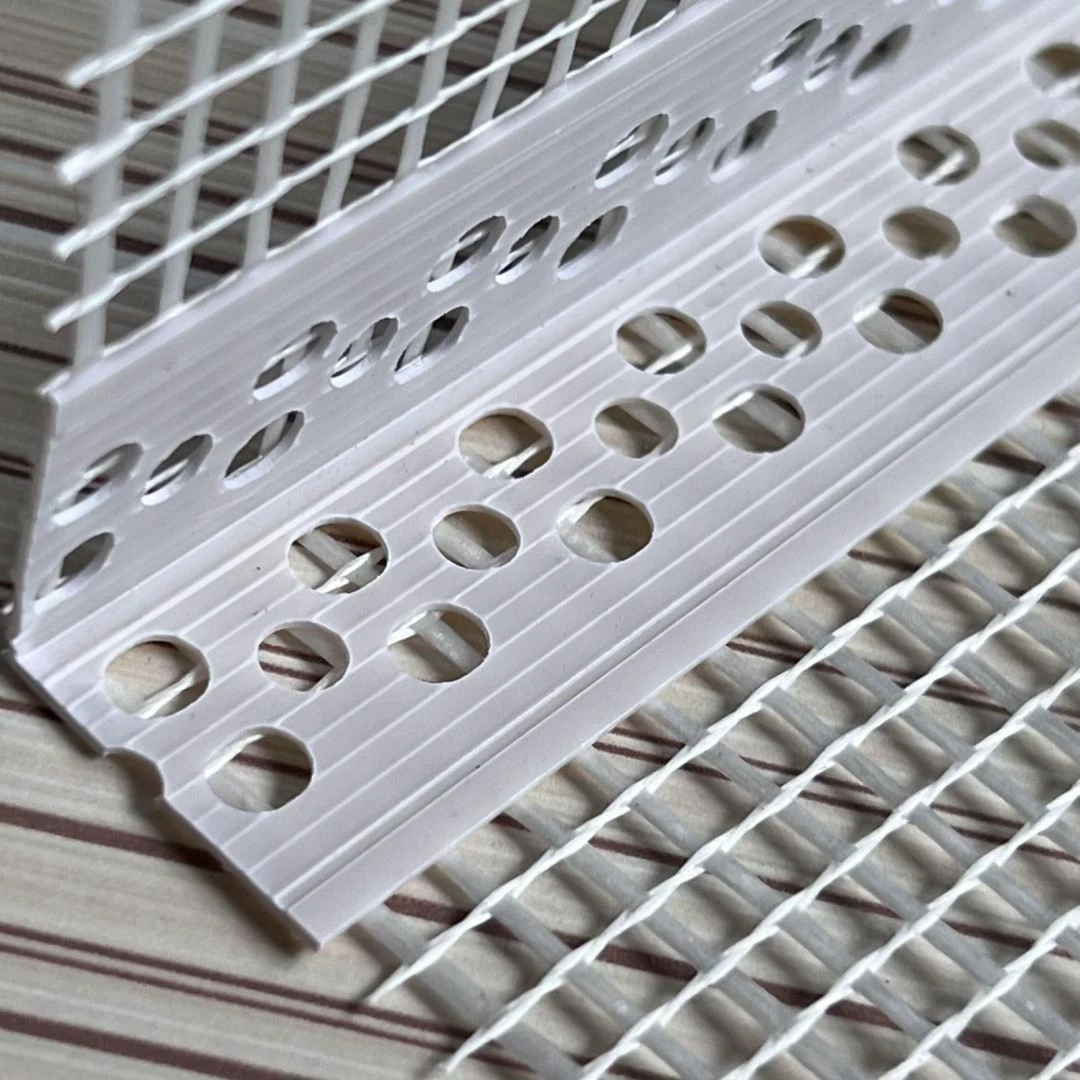
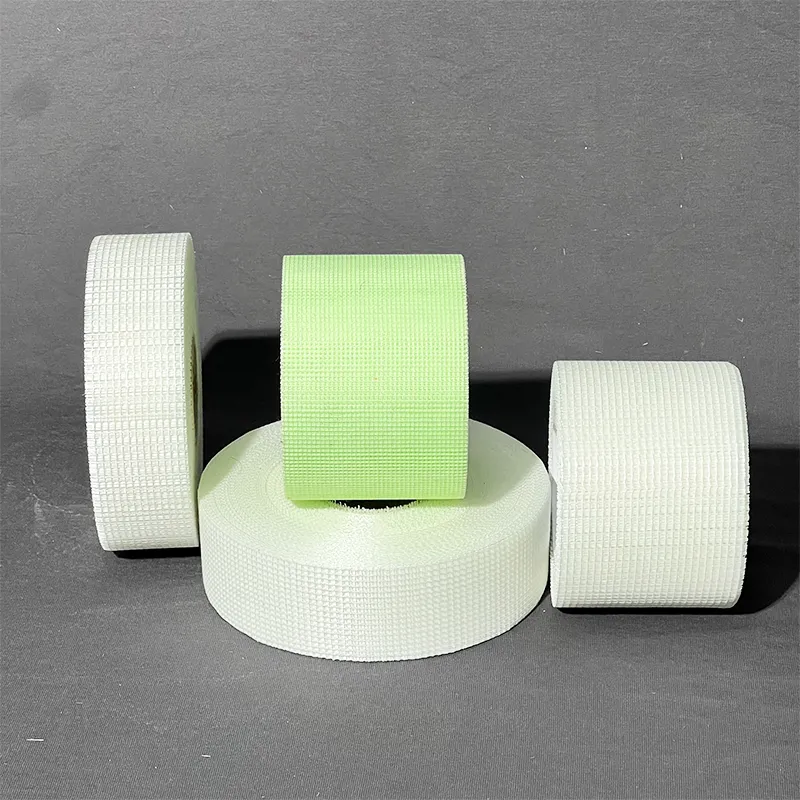
From 2016 to the present, the industry has moved toward high-precision drywall fiberglass mesh, focusing on specialized adhesive backings and optimized weave patterns to meet the "Zero Crack" standards of luxury architectural projects.

Future Development Trends

Eco-Friendly Resin Integration

Future iterations will likely incorporate bio-based sizing agents to reduce the carbon footprint of fiberglass production, aligning with Chile's national sustainability goals.

High-Modulus Fiber Weaves

As buildings grow taller in urban centers, we expect a move toward higher density mesh with increased modulus to handle greater vertical load stress.

Smart Integration Sensors

Integration of conductive fibers within the mesh to monitor structural stress and moisture levels in real-time, facilitating predictive maintenance for infrastructure.

Industry Trends and Future Outlook

Strategic forecasting for the non-metallic mineral products sector in Chile.

Seismic Resilience Optimization
Increasing the elasticity of mesh structures to better withstand the frequent seismic shifts typical of the Andean region.
Rapid Installation Systems
Expansion of adhesive-backed solutions to meet the demands of the growing modular housing market in Chile.
Alkaline Resistance Enhancement
Developing advanced silane coatings to prolong the life of mesh in extremely alkaline concrete mixtures.
Hybrid Material Synergy
Combining fiberglass with basalt or carbon fibers for extreme load-bearing industrial applications.

Industry Outlook

Google search trends indicate a rising interest in "sustainable construction materials" and "earthquake resistant walls" within the Chilean market. This suggests a pivotal shift toward lightweight, high-tensile reinforcements that reduce material waste.

Over the next 3-5 years, the market will likely move from generic fiberglass fabrics to application-specific meshes, where the weight, weave, and coating are customized for the specific climate of the region where the project is located.

Localized Application Scenarios in Chile

Real-world implementations of fiberglass reinforcement across diverse Chilean terrains.

01. Seismic Reinforcement for Santiago Residential High-Rises

Utilizing drywall fiberglass mesh in interior partitions to allow for micro-movements during tremors without causing visible cracking in the plaster finish.

02. Coastal Corrosion Protection in Valparaíso

Implementing high-grade alkali resistant fiberglass mesh for exterior facades to prevent the spalling caused by chloride penetration and alkaline reactions in salty sea air.

03. Fast-Track Industrial Warehousing in San Antonio

Using self adhesive fiberglass mesh for rapid joint treatment in massive drywall installations, significantly reducing project handover times for logistics hubs.

04. Thermal Insulation Systems (EIFS) in Southern Chile

Applying fiberglass mesh for plastering to reinforce the base coat of external insulation, ensuring the facade withstands extreme temperature fluctuations in Patagonia.

05. Mining Infrastructure Reinforcement in Atacama

Deploying heavy-duty fiberglass mesh fabric for the stabilization of shotcrete and plaster in mining tunnels and worker housing, resisting the harsh, arid environment.

Brand Story

Global Development History of Renqiu Tainu Construction Materials Co., Ltd.

Foundational Excellence

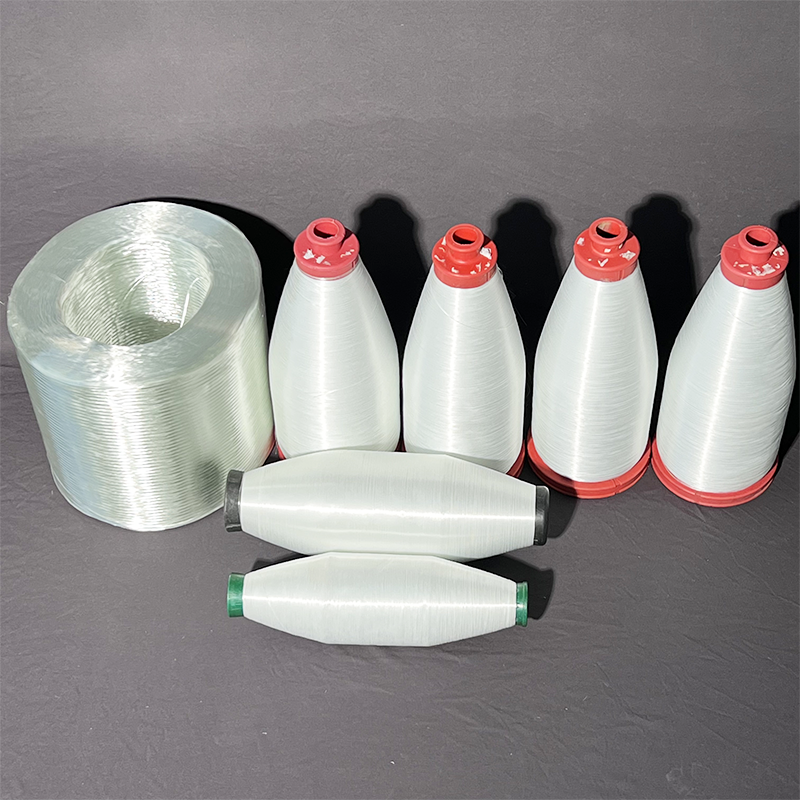
Established with a focus on high-performance glass fiber, we began by solving the fundamental problem of alkaline degradation in standard construction meshes.

Technical Innovation

Developed proprietary sizing technologies that significantly improved the bonding strength between fiberglass and cementitious mortars.

Global Expansion

Extended our reach to South American markets, adapting our product specifications to meet the rigorous seismic and climatic demands of countries like Chile.

Quality Certification

Achieved international quality benchmarks, ensuring every roll of mesh provides consistent tensile strength and chemical resistance.

Future Vision

Committed to leading the transition toward sustainable, low-carbon reinforcement materials for the next generation of global infrastructure.

Common Questions about Fiberglass Mesh in Chile

Expert answers to technical queries regarding reinforcement applications.

How does alkali resistant fiberglass mesh prevent wall cracking in Chile?

The alkali-resistant coating prevents the glass fibers from being eaten away by the high pH of cement. This allows the mesh to maintain its tensile strength over decades, distributing stress across the wall and preventing hairline cracks during thermal expansion or minor seismic shifts.

Is self adhesive fiberglass mesh suitable for high-humidity coastal areas?

Yes, provided a high-quality acrylic adhesive is used. Our adhesive meshes are designed to bond firmly to drywall and masonry even in humid conditions, ensuring the joint remains stable before the final compound is applied.

What is the difference between fiberglass mesh for plastering and standard fabric?

Plastering mesh is specifically treated with a chemical sizing that allows it to merge with the mortar. Standard fabric lacks this treatment and may detach or degrade when exposed to the alkaline nature of wet plaster.

Can drywall fiberglass mesh be used for external facade reinforcement?

Drywall mesh is typically designed for interior joints. For external facades, we strongly recommend using heavy-duty alkali resistant mesh embedded in a base coat to provide the necessary UV and weather protection.

How do I choose the right weight of fiberglass mesh fabric for my project?

The choice depends on the application. For interior joints, lightweight mesh is sufficient. For exterior EIFS or seismic reinforcement, we recommend higher grammage (160g/m² or above) to ensure maximum structural stability.

Does fiberglass mesh improve the energy efficiency of Chilean homes?

Indirectly, yes. By enabling the safe and durable installation of External Insulation and Finish Systems (EIFS), the mesh allows for thick insulation layers that significantly reduce heating and cooling costs in varied climates.

Ready to Reinforce Your Infrastructure?

Contact our technical team today for customized fiberglass solutions delivered directly to your project sites in Chile.

Contact Us Now
You have selected 0 products