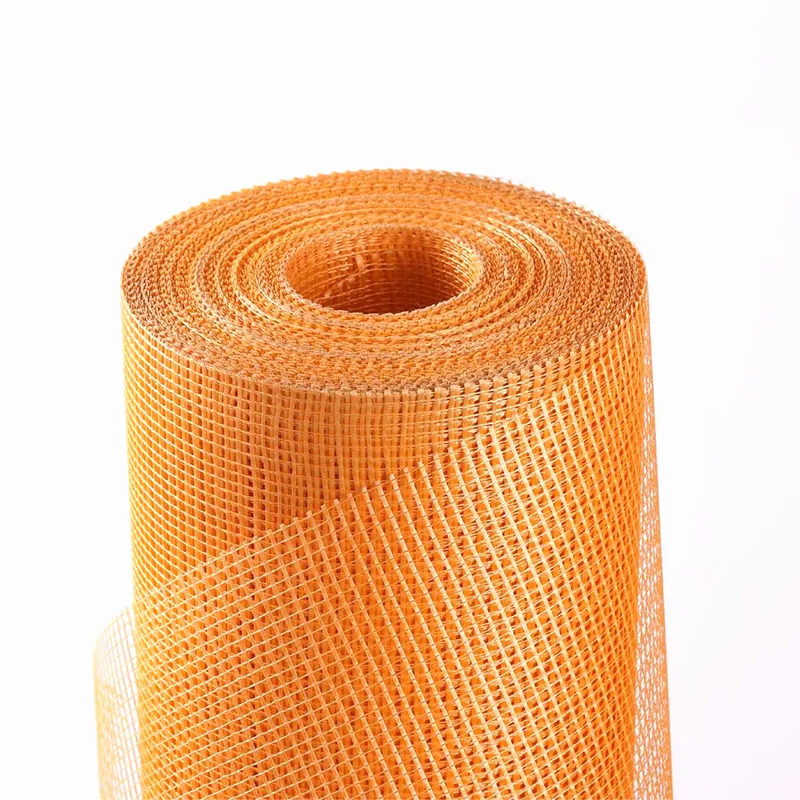
Advanced alkali resistant fiberglass mesh Solutions for Bolivia Construction

Enhancing structural integrity and preventing wall cracks in the diverse climatic zones of the Bolivian highlands and lowlands with premium reinforcement fabrics.

Advanced alkali resistant fiberglass mesh Solutions for Bolivia Construction

Providing high-tensile reinforcement materials designed to withstand the alkaline nature of cement and the extreme temperature fluctuations found across Bolivia.

The Current State of Wall Reinforcement in Bolivia

Addressing the challenge of seismic activity and thermal expansion in Andean architecture.

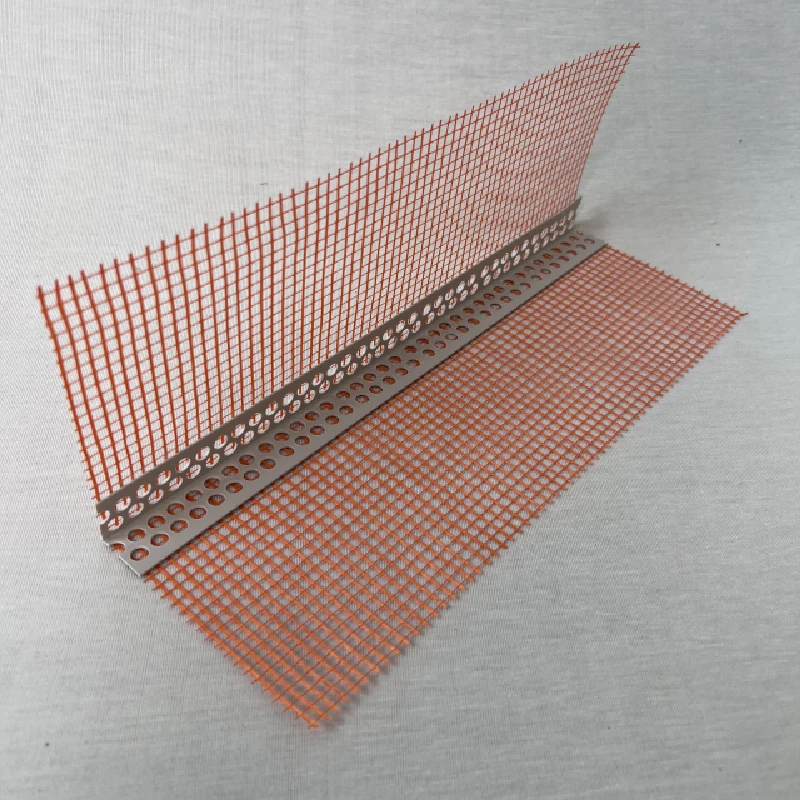
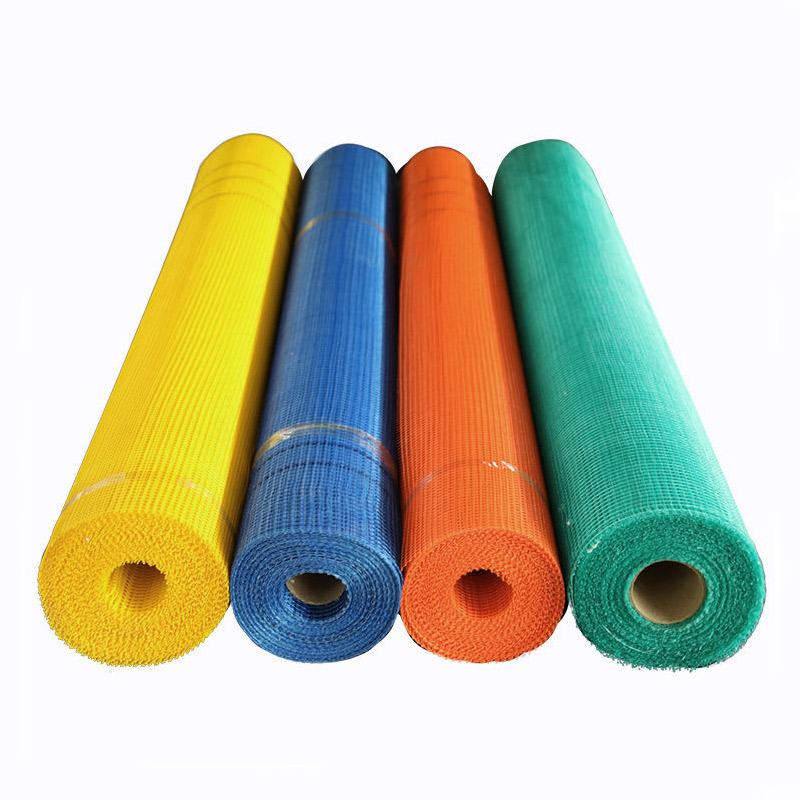
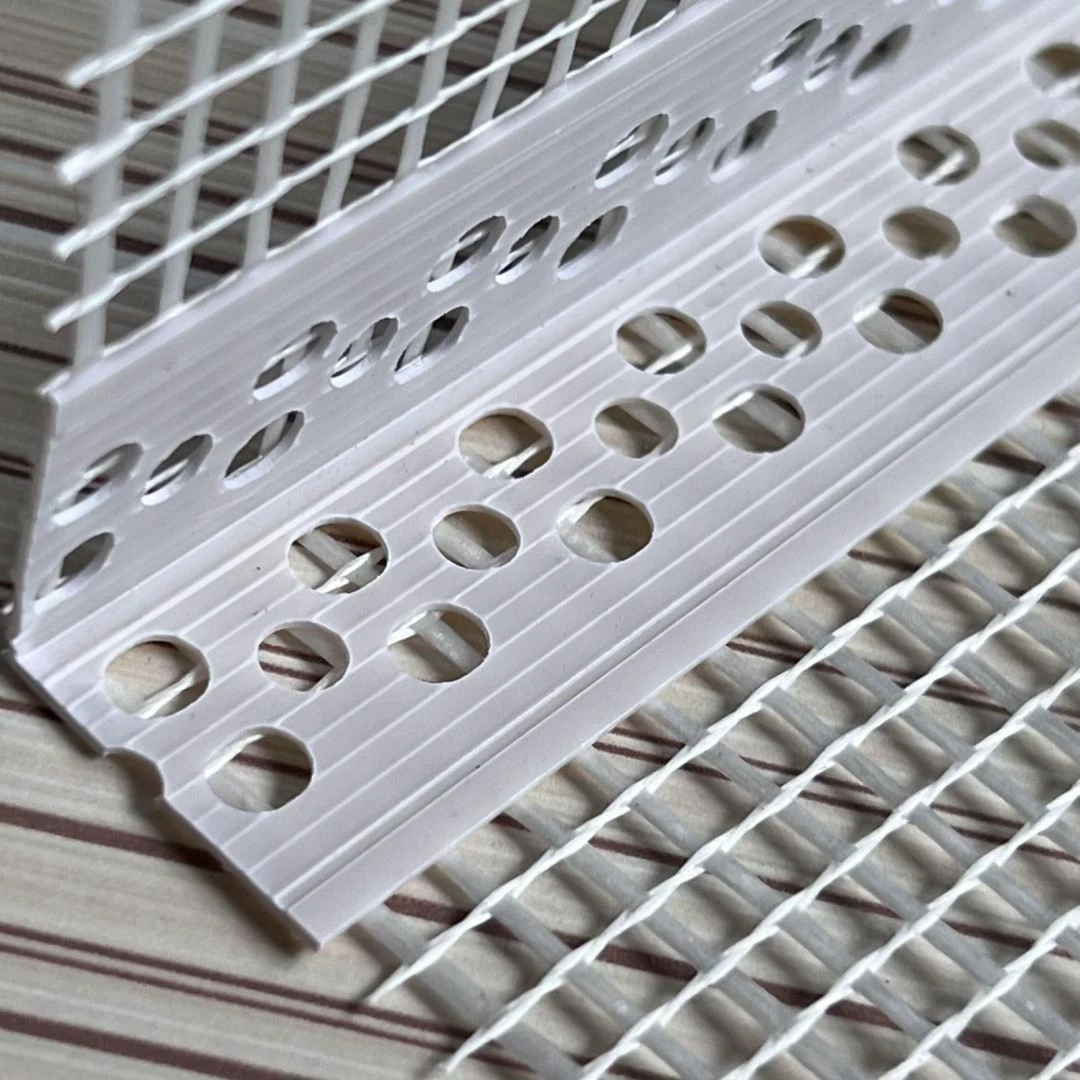
In Bolivia, the construction industry faces unique geographical challenges. From the high-altitude Altiplano to the humid tropical lowlands, buildings are subjected to extreme thermal cycling. The widespread use of traditional cement plasters often leads to shrinkage cracks, creating a critical demand for high-quality fiberglass mesh for plastering to stabilize surfaces.

Currently, the market is shifting from basic wire meshes to advanced composites. The adoption of fiberglass mesh fabric has increased as contractors in La Paz and Santa Cruz seek materials that offer both lightweight handling and superior tensile strength to combat the region's frequent minor seismic tremors.

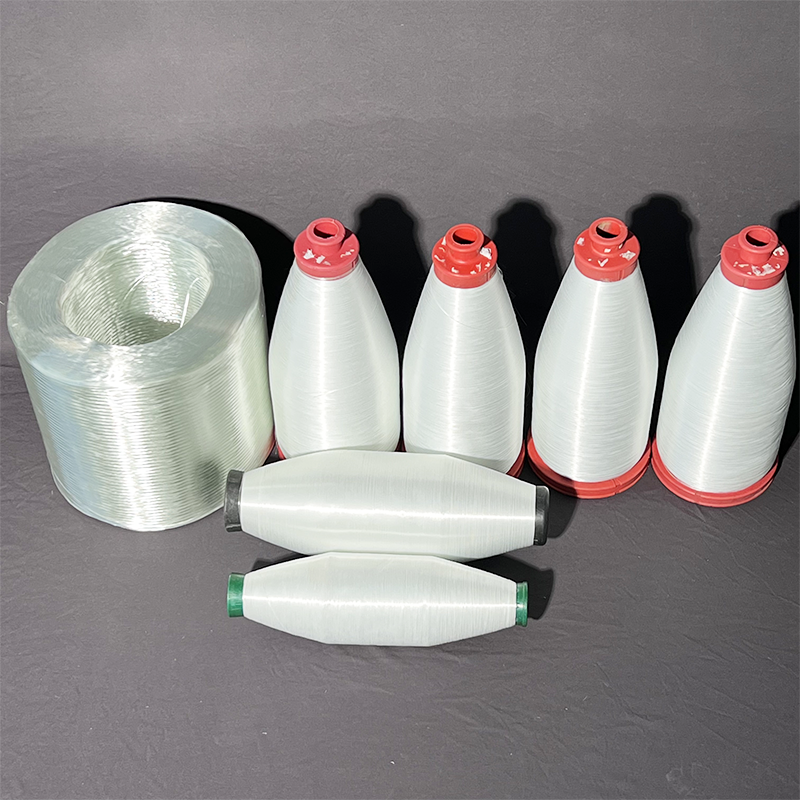
Despite the progress, there is a growing need for specialized products. The high alkalinity of local cement brands requires materials that won't degrade over time, making the transition to alkali-resistant coatings a priority for sustainable infrastructure development across the country.
Evolution and Trajectory of Fiberglass Reinforcement

From manual labor techniques to precision engineering in the Bolivian masonry sector.

Market Development History

Before 2010, the Bolivian market relied heavily on expanded metal laths and organic fibers, which were prone to corrosion and rot in humid eastern regions. The initial introduction of synthetic meshes provided a basic solution but lacked chemical stability against lime-based mortars.

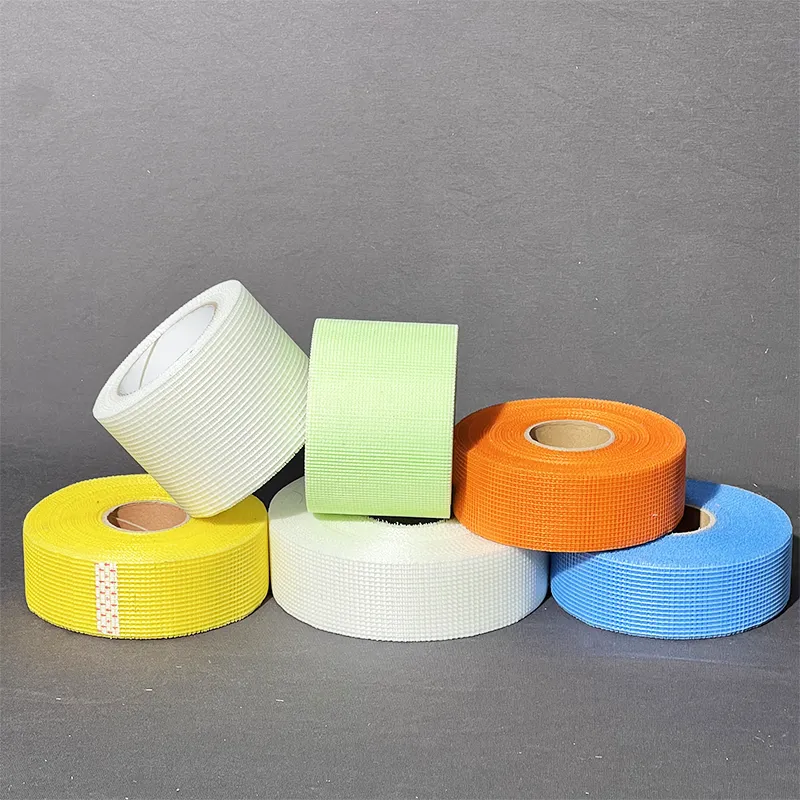
Between 2012 and 2018, the industry saw the rise of drywall fiberglass mesh as the urban centers began adopting gypsum board systems for faster interior finishing, moving away from heavy brick-and-mortar interior partitions.

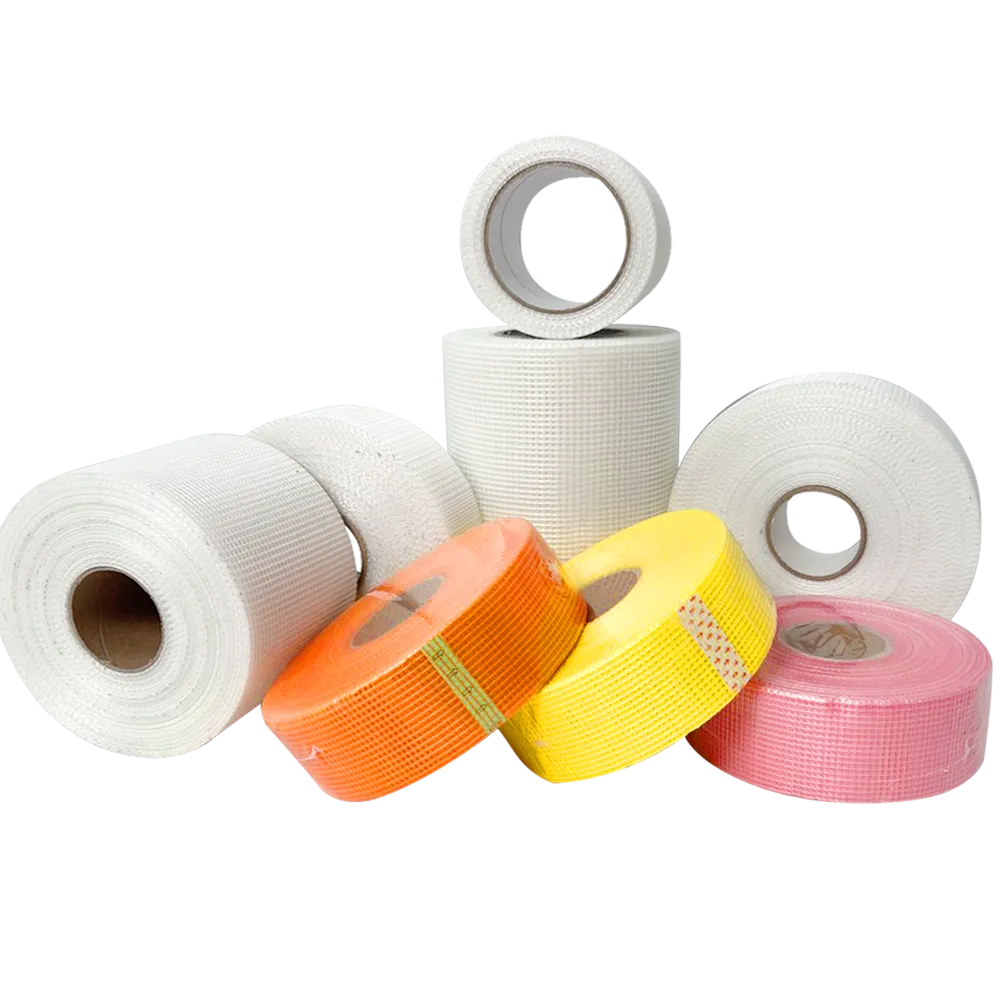
Since 2019, the technical focus has shifted toward "Installation Efficiency." The introduction of self adhesive fiberglass mesh has revolutionized the job site, reducing the need for excessive adhesive beds and cutting labor time by nearly 30% in large-scale residential projects.

Future Development Trends

Eco-Friendly Polymer Coatings

Driven by global sustainability trends, we predict a move toward bio-based alkali-resistant coatings that maintain the strength of the glass fibers while reducing the carbon footprint of the manufacturing process.

Integration with EIFS Systems

External Insulation and Finish Systems (EIFS) are expected to grow in Bolivia's colder regions, necessitating higher GSM mesh weights to support thicker insulation layers.

Smart Mesh Application

The adoption of precision-cut, pre-fabricated mesh panels will replace manual on-site cutting to minimize material waste and ensure perfect alignment in high-end architectural projects.

Industry Trends and Future Outlook

Analyzing the shift toward high-performance composite materials in South American construction.

Rapid Urbanization Needs
The surge in vertical housing in Santa Cruz requires faster installation materials to meet tight deadlines.
Climate Adaptation
Developing meshes with higher thermal stability to handle the intense UV radiation of the Bolivian Altiplano.
Chemical Resistance
Increasing demand for specialized alkali-resistant coatings to extend the lifespan of reinforced concrete.
Labor Cost Reduction
Transitioning to self-adhesive solutions to reduce the manpower required for wall preparation.

Industry Outlook

According to regional construction trends, the next 3-5 years will see a massive shift toward lightweight, high-strength composites. Google search data indicates a rising interest in "crack-free wall solutions" and "fast-setting plastering" within the Bolivian market, pointing toward the dominance of adhesive-backed mesh products.

Furthermore, the integration of these fiberglass solutions into government-led social housing projects will standardize the use of alkali-resistant fabrics, ensuring that low-cost housing meets high-durability standards across the diverse terrain of South America.

Localized Application Scenarios in Bolivia

Practical implementations of fiberglass mesh across different Bolivian environments.

01. High-Altitude Residential Plastering in La Paz

In the cold, thin air of La Paz, rapid drying of plaster can lead to severe cracking. Using fiberglass mesh for plastering ensures the structural skin remains intact despite the extreme temperature swings between day and night.

02. Industrial Warehouse Flooring in Santa Cruz

Large scale industrial floors in the lowlands require high-strength fiberglass mesh fabric to prevent expansion joints from failing under heavy machinery loads and high humidity.

03. Rapid Drywall Installation in Urban Offices

For commercial renovations in the business districts, drywall fiberglass mesh is used to create seamless joints quickly, allowing businesses to resume operations with minimal downtime.

04. Infrastructure Reinforcement for Bridge Abutments

Using alkali resistant fiberglass mesh in concrete overlays for road infrastructure protects the structure from the corrosive nature of saline soils found in certain Bolivian regions.

05. Fast-Track Interior Wall Repair in Cochabamba

Contractors utilize self adhesive fiberglass mesh for rapid crack repair in older masonry buildings, providing an immediate bond and structural reinforcement without the need for complex priming.

Brand Story

Global Development Journey of Renqiu Tainu Construction Materials Co., Ltd.

Technical Foundation

Established with a mission to solve the core problem of concrete cracking, we focused on the chemical stability of glass fibers in high-alkali environments.

Product Innovation

Developed a proprietary sizing process that enhances the bond between fiberglass and cement, creating the industry standard for alkali resistance.

Global Expansion

Expanded our reach into South America, tailoring our mesh specifications to meet the rigorous demands of Andean geography and tropical climates.

Efficiency Revolution

Launched the self-adhesive series to address the pain point of labor shortages and installation inefficiency in emerging markets.

Sustainable Future

Committing to green manufacturing to ensure that our reinforcement solutions contribute to a more sustainable global construction landscape.

Common Questions Regarding Fiberglass Mesh in Bolivia

Expert answers to the most frequent technical queries from local contractors and engineers.

Why should I use alkali resistant fiberglass mesh in Bolivian cement?

Bolivian cement often has high alkalinity which can dissolve standard glass fibers. Alkali-resistant mesh is coated with zirconia, preventing degradation and ensuring the reinforcement lasts for the life of the building.

How does self adhesive fiberglass mesh speed up wall installation?

It eliminates the need for applying a separate adhesive layer to the wall first. The mesh sticks directly to the substrate, allowing the plasterer to apply the compound immediately, saving hours of labor per room.

Is drywall fiberglass mesh suitable for the humid climate of Santa Cruz?

Yes, fiberglass is inorganic and does not rot or support mold growth, making it far superior to paper-faced tapes in high-humidity regions like the Bolivian lowlands.

What is the best fiberglass mesh for plastering in high-altitude areas?

We recommend a higher GSM (grams per square meter) mesh to better accommodate the thermal expansion and contraction cycles typical of high-altitude cities like La Paz.

Can fiberglass mesh fabric be used for exterior facade reinforcement?

Absolutely. When embedded in a base coat of mortar, it provides the necessary tensile strength to prevent cracks caused by UV exposure and wind loads on exterior walls.

How do I ensure the mesh is properly embedded in the plaster?

The mesh should be placed in the middle of the plaster layer. Apply a base coat, press the mesh into it, and then apply the final skim coat to ensure full encapsulation.

Request a Technical Consultation

Get expert advice on the best reinforcement specifications for your specific project needs in Bolivia.

Contact Us Now
You have selected 0 products