Dec . 02, 2025 15:28 Back to list
Comprehensive Guide to Black Fibreglass Mesh Suppliers and Their Global Impact
Black Fibreglass Mesh Suppliers: What You Need to Know
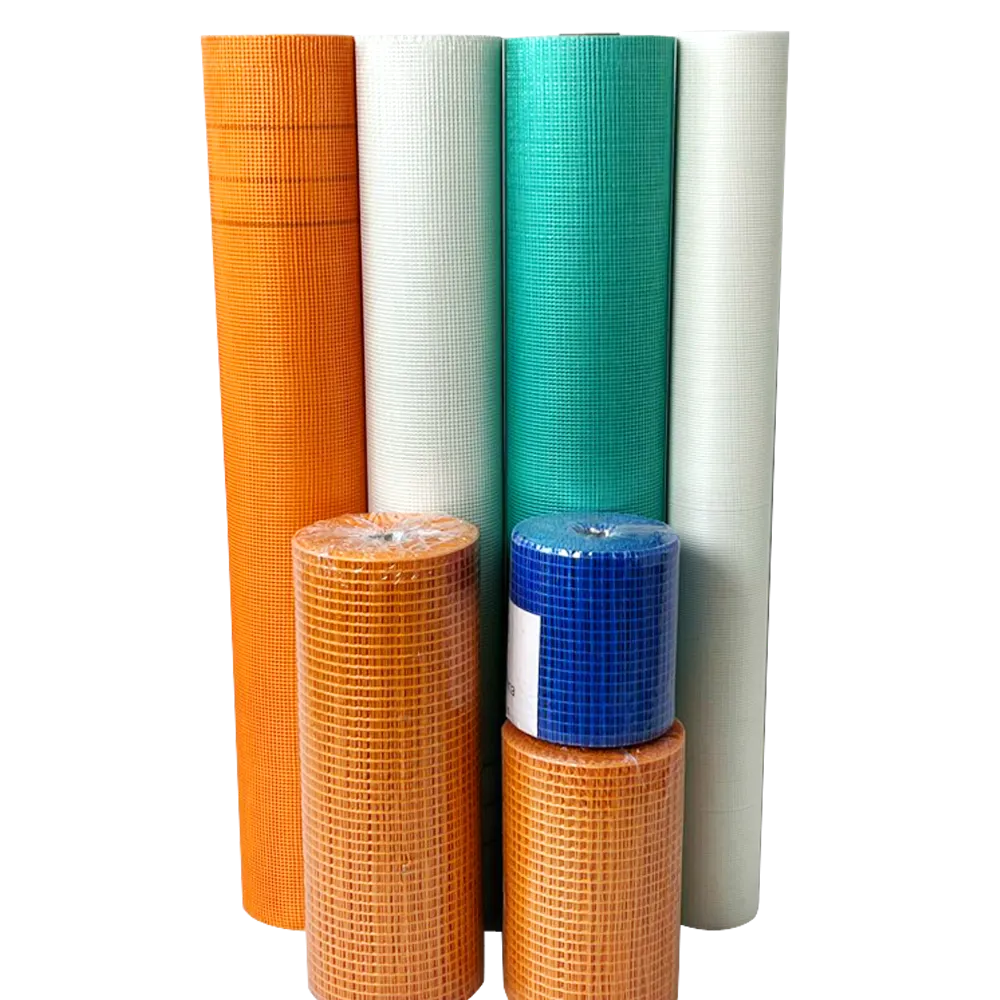
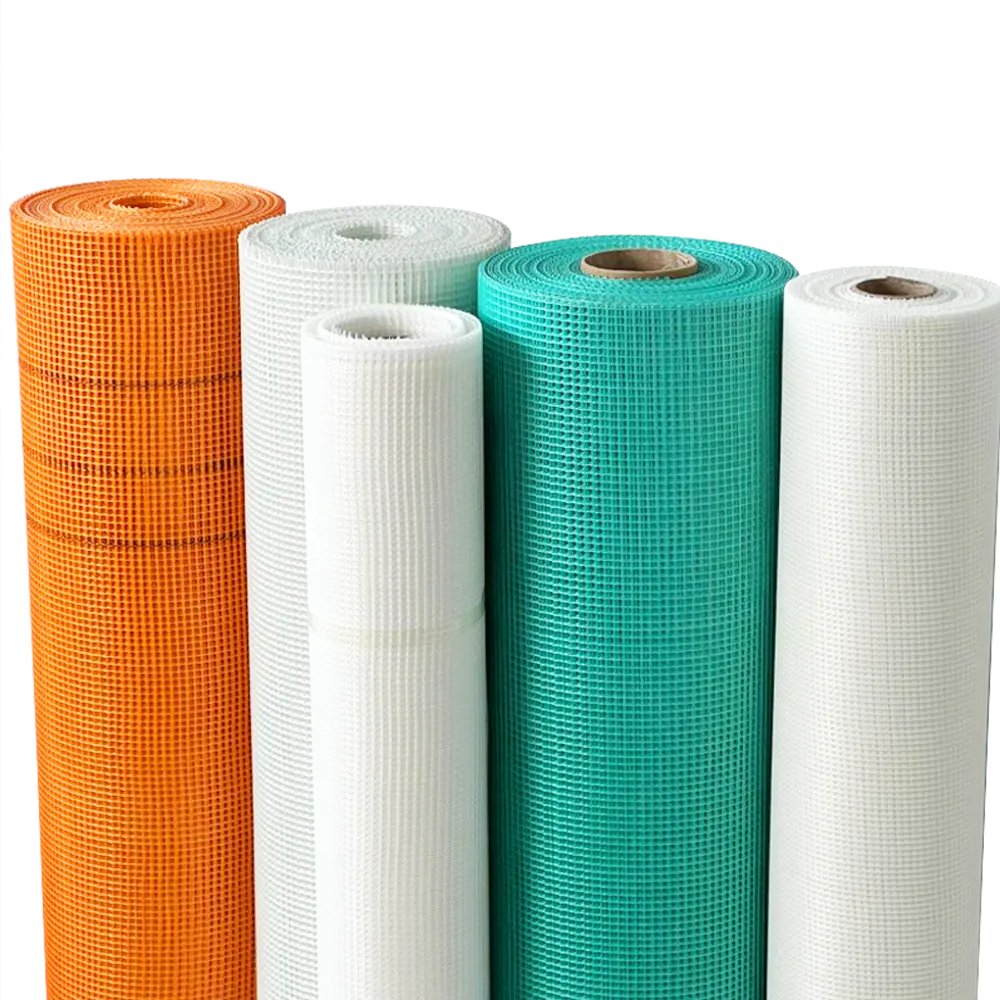
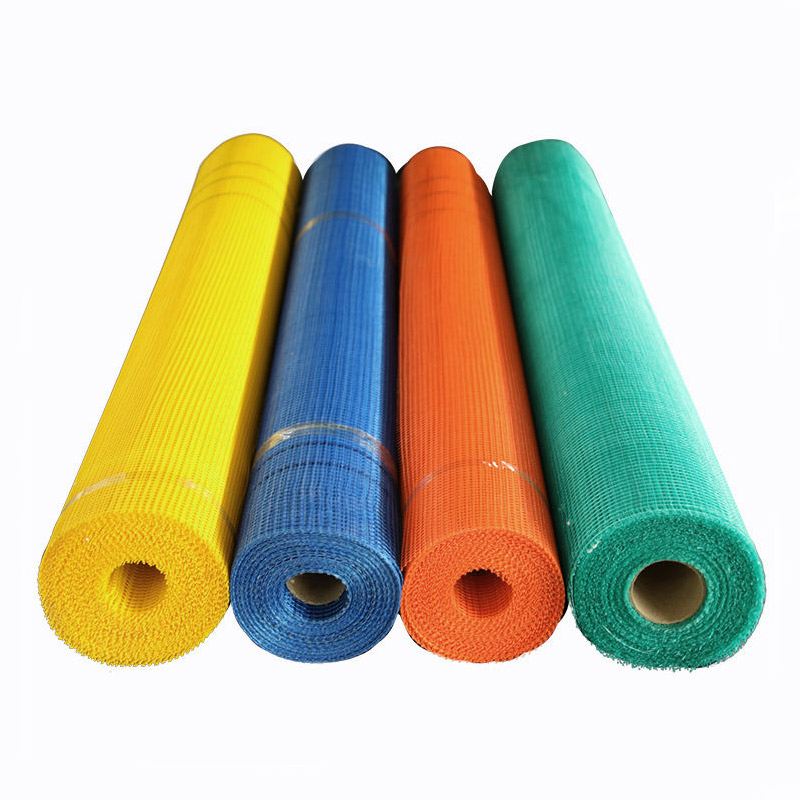
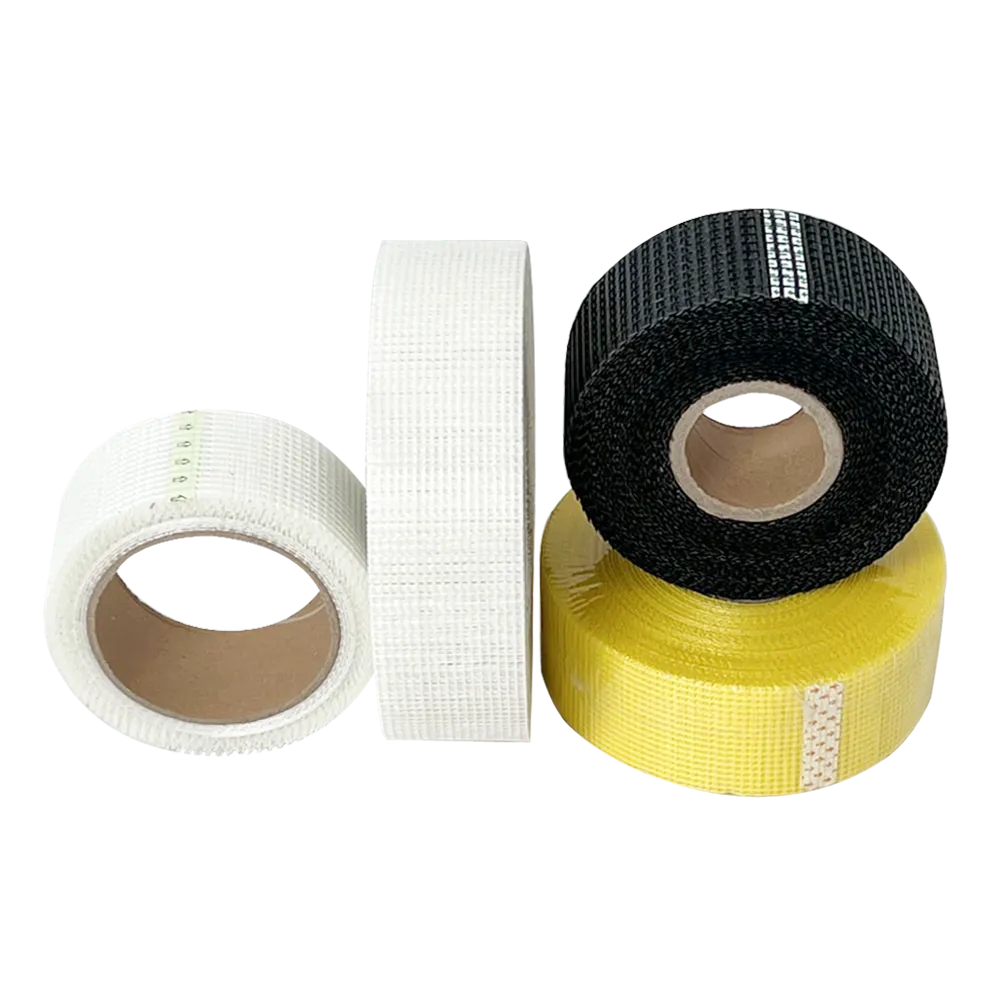
Black fibreglass mesh might sound niche, but its global impact is surprisingly broad and meaningful. You see, this material plays an underrated role in industries ranging from construction to disaster relief. The ability to source reliable black fibreglass mesh suppliers shapes how effectively engineers and architects strengthen structures, improve safety, and even cut costs.
Frankly, understanding these suppliers and their products is more important than most give it credit for. Whether you’re in manufacturing, infrastructure projects, or humanitarian logistics, know-how here translates directly into smarter, more sustainable solutions.
Global Context: Why Black Fibreglass Mesh Matters Worldwide
The demand for black fibreglass mesh, particularly from reputable suppliers, aligns closely with global trends. According to the International Organization for Standardization (ISO), composite materials like fibreglass see steady growth, especially in regions investing heavily in resilient infrastructure.
Natural disasters and climate challenges—reported extensively by the United Nations—push engineers towards materials that are lightweight, durable, and corrosion-resistant. Black fibreglass mesh fits these needs perfectly and helps reduce dependence on steel, which is prone to rust and heavier. That’s a serious problem when speed and longevity matter equally.
In short, the rise in construction projects in Asia, the Middle East’s infrastructural boom, and post-disaster rebuilding in coastal areas mean black fibreglass mesh suppliers are more than suppliers—they're crucial collaborators.
Defining Black Fibreglass Mesh Suppliers
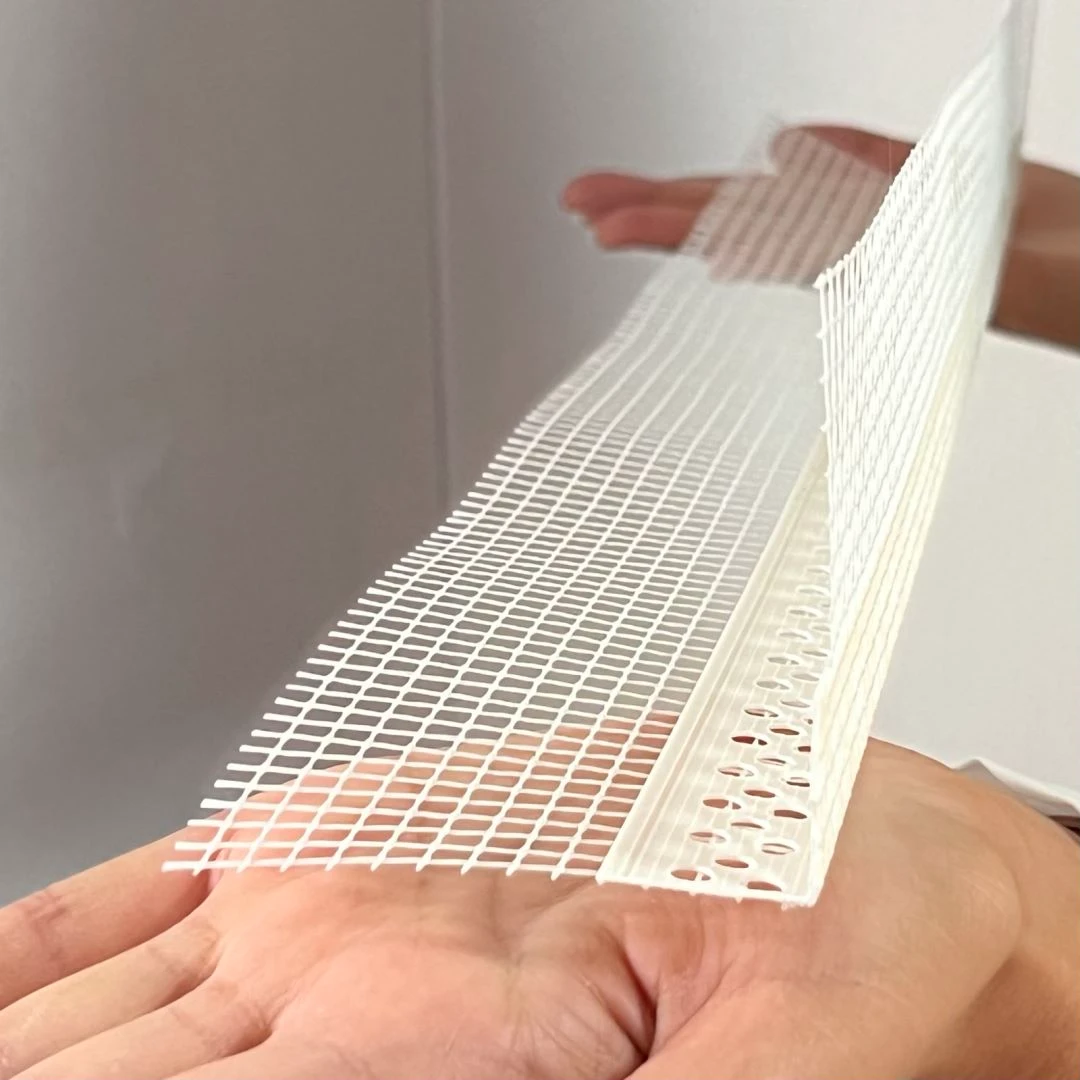
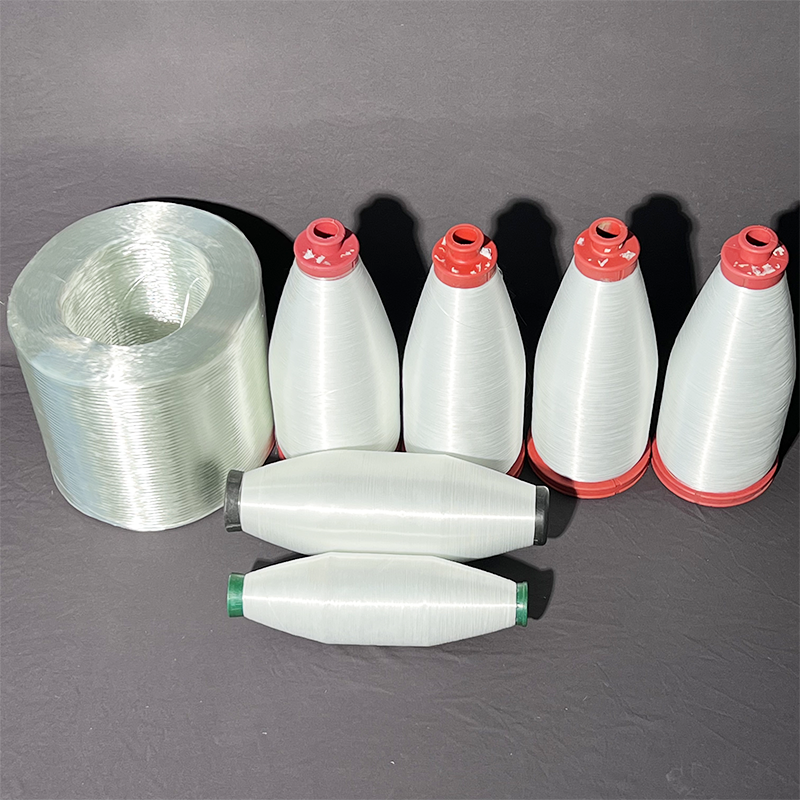
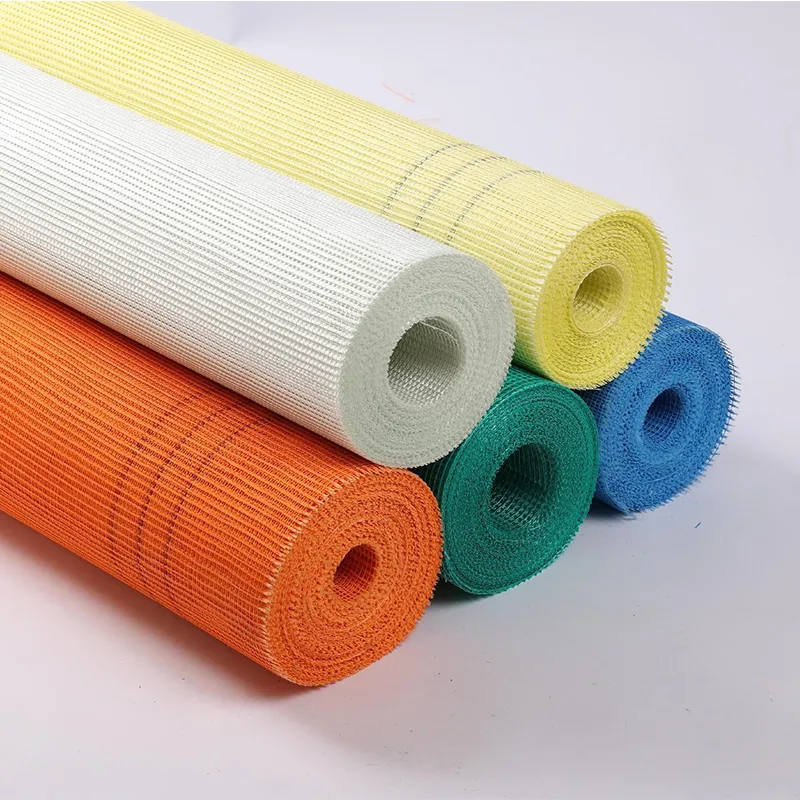
So, what exactly do we mean by “black fibreglass mesh suppliers”? At the core, these are companies specialized in producing and distributing fibreglass sheets or nets dyed black, often impregnated with resins to boost performance. This black coloring isn’t just aesthetic—it adds ultraviolet (UV) resistance, enhancing the mesh’s longevity outdoors.
These suppliers supply the building blocks used in reinforcement applications—think wall strengthening, facades, waterproofing membranes, and even geotechnical engineering. Their products meet specific standards ensuring tensile strength, chemical resistance, and flexibility—all critical to modern industrial and humanitarian demands.
Key Factors of Black Fibreglass Mesh
1. Durability
Longevity against environmental factors, like UV exposure, chemicals, and moisture, is fundamental. Black pigment strengthens UV resistance, meaning the mesh won’t degrade rapidly under sun exposure — a key selling point.
2. Scalability
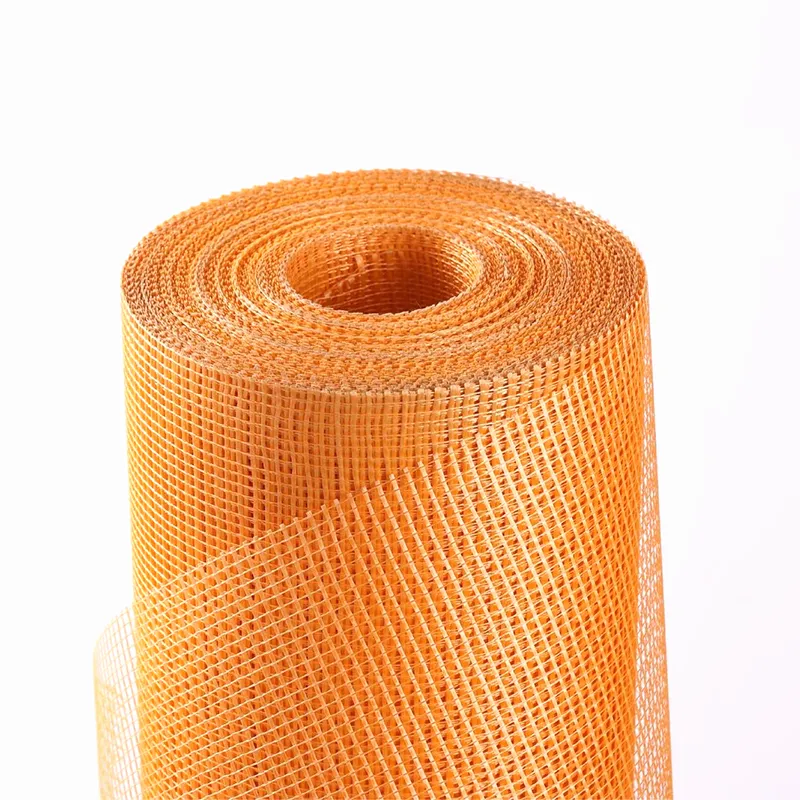
Whether you need mesh for a small renovation or a massive infrastructure project, suppliers typically offer varied roll sizes and customizable specifications, adapting easily to different demands.
3. Cost Efficiency
While not the cheapest fiber reinforcement option, black fibreglass mesh balances upfront cost with lifecycle savings — less maintenance, fewer replacements.
4. Lightweight but Strong
Its high strength-to-weight ratio means less load on structures and easier transport to remote or disaster-affected areas.
5. Chemical Resistance
Its inert nature resists many corrosive agents, making it ideal for use in harsh industrial environments.
Mini Takeaway:
Black fibreglass mesh combines durability and flexibility with versatility across industries, thanks to its UV protection, weight advantages, and cost benefits.
Global Applications & Use Cases
In real-world applications, these mesh products have wide-ranging use:
- Construction & Renovation: Reinforcing plaster and concrete, preventing cracks in new or repaired buildings.
- Infrastructure Resilience: Bridges and tunnels incorporate fibreglass mesh to fight corrosion, especially in saline or humid environments.
- Disaster Relief: NGOs sourcing black fibreglass mesh help rebuild durable shelters after floods or earthquakes.
- Geotechnical Engineering: Soil reinforcement in landslide-prone regions—often in Southeast Asia and Latin America.
For instance, during recent disaster relief operations in coastal India, rapid deployment of fibreglass mesh-reinforced temporary shelters provided communities with safer housing quicker than conventional materials allowed.
Advantages and Long-Term Value
The practical benefits extend into several zones:
- Cost savings come from lower repair frequency and reduced labor for installations.
- Environmental sustainability arises since fibreglass mesh reduces the volume of steel needed, cutting carbon footprint.
- Social impact follows when communities gain safer, more reliable housing, which promotes dignity and well-being.
- Innovation and trust are built as engineers rely on consistent supplier quality to meet international standards.
Product Specification Table
| Parameter | Specification |
|---|---|
| Mesh Type | Woven/Nonwoven |
| Weight (g/m²) | 100–180 |
| Tensile Strength (N/50mm) | >1200 |
| UV Resistance | Excellent (due to black pigment) |
| Roll Size | 1m x 50m or customizable |
| Chemical Resistance | High to alkalis and acids |
Vendor Comparison: Leading Black Fibreglass Mesh Suppliers
| Supplier | Product Range | Lead Times | Customization | Certifications |
|---|---|---|---|---|
| Tainuo Fibreglass Mesh | Wide (woven/nonwoven, sizes) | 2-4 weeks | High | ISO 9001, CE |
| Global Fibreglass Corp | Moderate (mostly woven) | 4-6 weeks | Medium | ISO 14001 |
| FibroTech Supplies | Specialty meshes | 1-3 weeks | Limited | REACH Compliance |
Future Trends & Innovations
Looking ahead, the black fibreglass mesh market is steadily embracing greener, more sustainable production methods. Advances in bio-based resins and recycling processes aim to reduce environmental footprints. Smart coatings enhancing self-cleaning or anti-microbial properties are also on the horizon.
Digitally, suppliers are adopting automation and online customization platforms to speed up orders and tailor products to precise requirements—relevant for clients operating remotely or under time pressure.
Challenges & Solutions
Challenges persist, though. For one, inconsistent global standards make it tricky to assure quality uniformly. Shipping logistics, especially to remote or disaster-stricken areas, cause delays or increased costs. Plus, some end-users hesitate due to upfront pricing.
Innovative solutions have emerged, from establishing regional warehouses to educating buyers on lifecycle cost benefits over simple price comparisons. Certifications like ISO and CE are helping build trust by ensuring products meet rigorous benchmarks.
FAQ About Black Fibreglass Mesh Suppliers
- Q: How do I choose a reliable black fibreglass mesh supplier?
A: Look for certifications, lead times, product range, and customization capabilities. Reviews and direct inquiries about testing standards help too. - Q: Can black fibreglass mesh be used outdoors in extremely sunny regions?
A: Yes, the black pigment enhances UV resistance, making it suitable for prolonged sun exposure without quick degradation. - Q: How flexible is black fibreglass mesh for curved or complex surfaces?
A: It’s designed to be flexible; however, nonwoven meshes offer more adaptability compared to rigid woven types. - Q: What industries benefit most from black fibreglass mesh?
A: Construction, infrastructure, geotech engineering, and disaster relief agencies commonly rely on it. - Q: How can buyers from developing countries access these suppliers?
A: Many suppliers provide international shipping and logistic support; direct contact often opens pathways to customized solutions.
Conclusion
In real terms, black fibreglass mesh suppliers are more than product providers—they’re key partners in building sustainable, resilient structures worldwide. Their materials deliver strength, longevity, and cost-effectiveness that modern industries and humanitarian projects desperately need.
If you’re eager to explore reliable black fibreglass mesh options supported by strong expertise and customization, I’d recommend heading over to Tainuo Fiberglass Mesh. Trust me, connecting with a top-tier supplier changes the game.
Takeaway: Smart sourcing of black fibreglass mesh isn’t just procurement—it’s investing in safety, innovation, and sustainability for years to come.
References:
1. ISO Composite Materials
2. United Nations Climate Change Reports
3. Wikipedia: Fiberglass
-
High Strength Self Adhesive Fibreglass Mesh Tape for ConstructionNewsJul.01,2026
-
High Quality Adhesive Fibreglass Mesh for Modern ConstructionNewsJun.29,2026
-
Professional Guide to High Strength Glass Fiber Joint TapeNewsJun.27,2026
-
Professional Fibreglass Tape for Plasterboard Joint Repair GuideNewsJun.26,2026
-
Professional Guide to Seamless Walls using fiberglass drywall tapeNewsJun.25,2026
-
How to Choose the Best Plaster Net Companies for Your ProjectNewsJun.23,2026