Dec . 02, 2025 14:44 Back to list
Black Fibreglass Mesh Factory: Global Impact, Applications & Innovations
Understanding the Black Fibreglass Mesh Factory: A Global Perspective
When you first hear black fibreglass mesh factory, what probably comes to mind is some niche industrial term. But frankly, it’s so much more — these factories produce a versatile, durable product that’s quietly pivotal across construction, infrastructure, and even humanitarian fields worldwide. With global infrastructure investment expected to top trillions over the next decade (source: World Bank), understanding black fibreglass mesh and its production isn’t just for engineers or buyers — it’s for anyone curious about how materials help shape our resilient built environment.
So why does this matter globally? For starters, black fibreglass mesh offers a unique combination of strength, flexibility, and corrosion resistance, which addresses some persistent problems like reinforcing lightweight concrete, preventing cracking in plaster, or even serving as a protective barrier against wear and tear in harsh climates. In places where weather and economic conditions are challenging, having a reliable mesh product can mean longer-lasting infrastructure — an underestimated form of social stability.
Introduction: The Industry and Global Context
Globally, factories specializing in black fibreglass mesh cater to booming sectors like construction, transportation, and infrastructure rehabilitation. According to an ISO report, fibreglass reinforcement products have been rising in demand by about 8% annually in emerging markets.1 This is largely due to their superior properties over traditional materials like steel mesh, especially in corrosive or humid environments.
But there’s a problem: many regions still face shortages of quality reinforcement materials, spurring delays and increased costs for critical projects. Black fibreglass mesh factories are stepping in to fill this gap. The factories not only produce the material but innovate on application-specific designs to suit needs ranging from earthquake-resistant buildings to coastal infrastructure.
What Is a Black Fibreglass Mesh Factory?
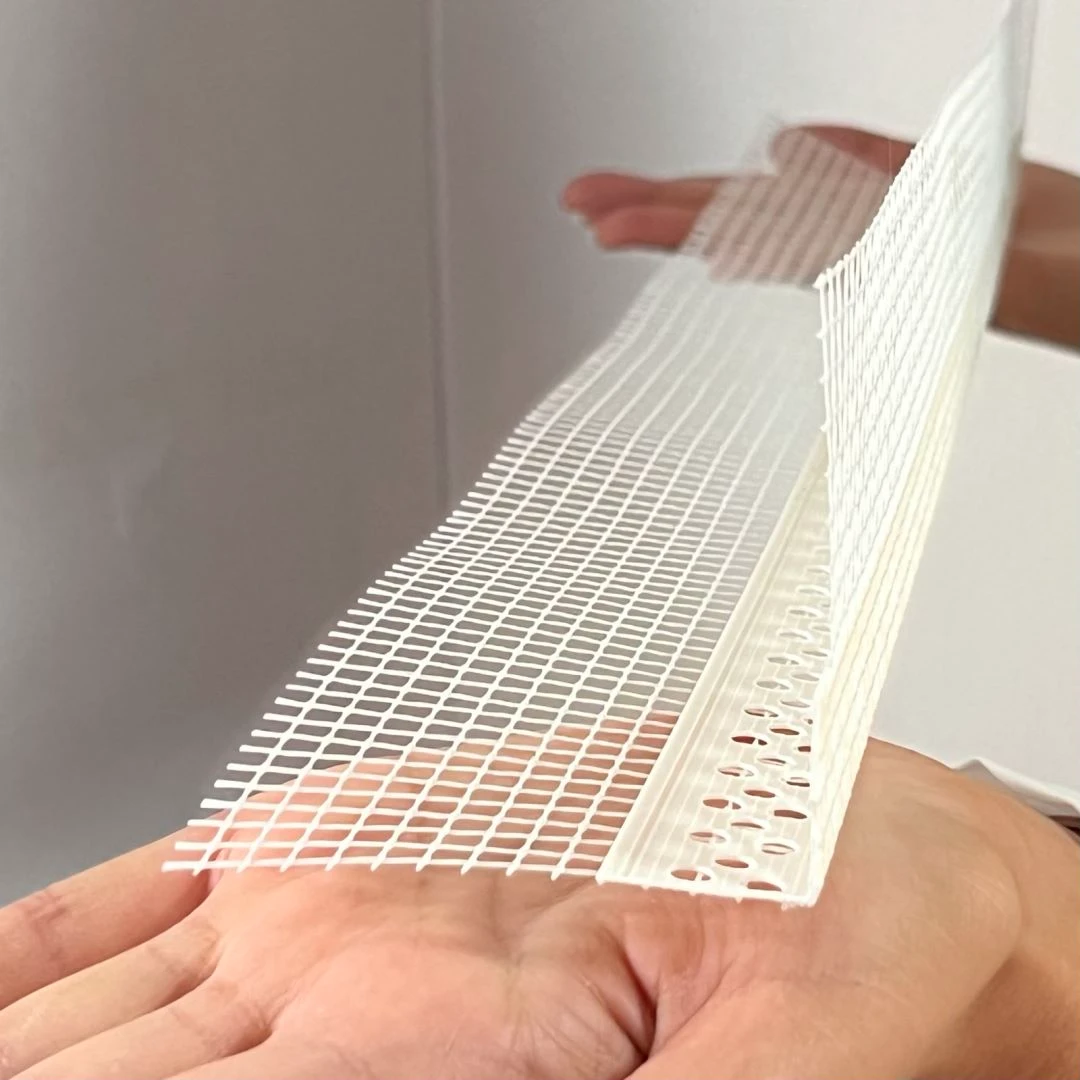
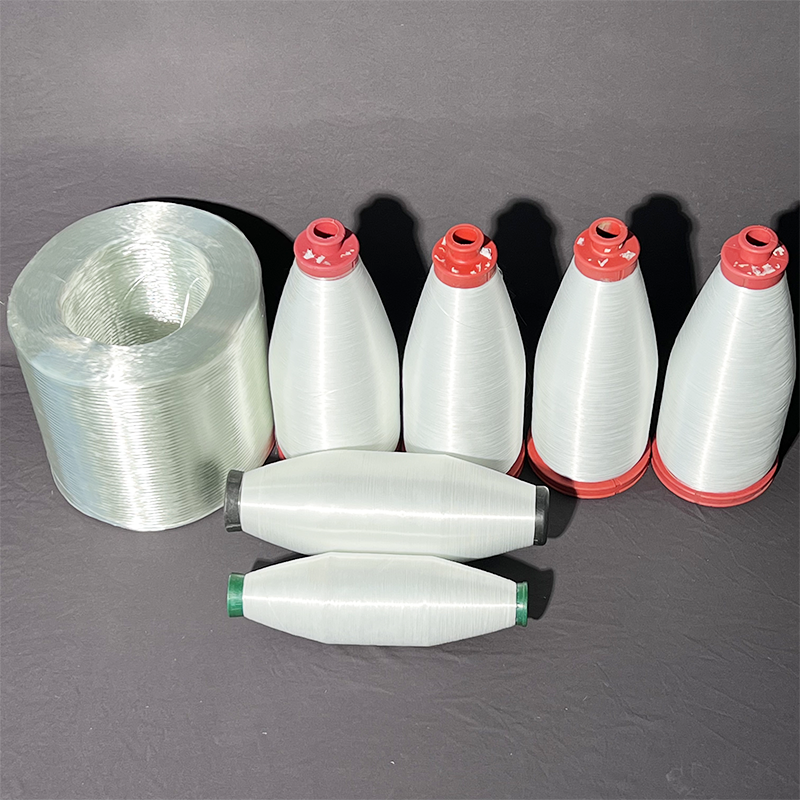
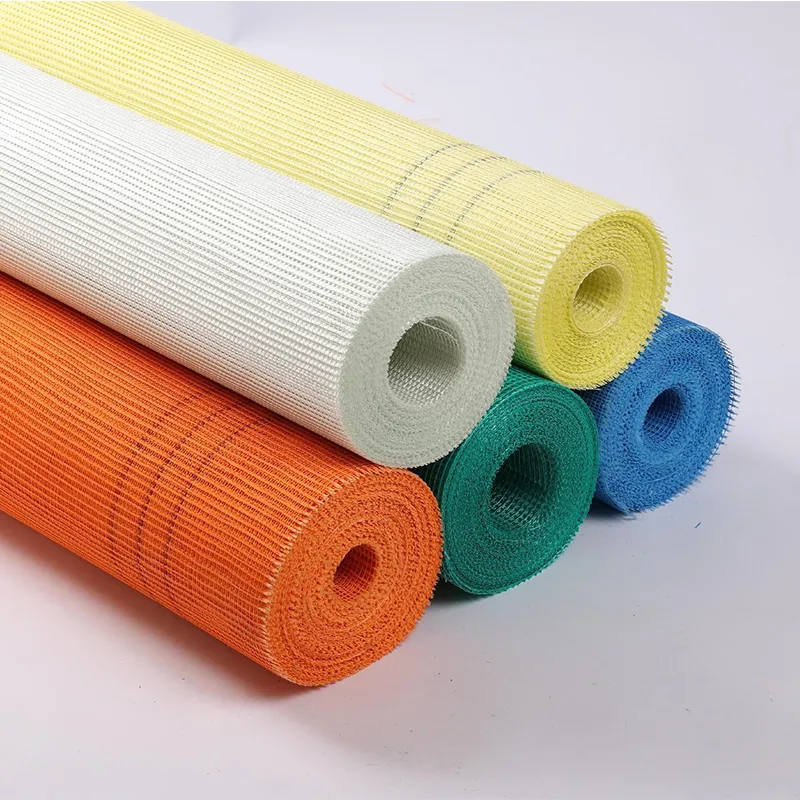
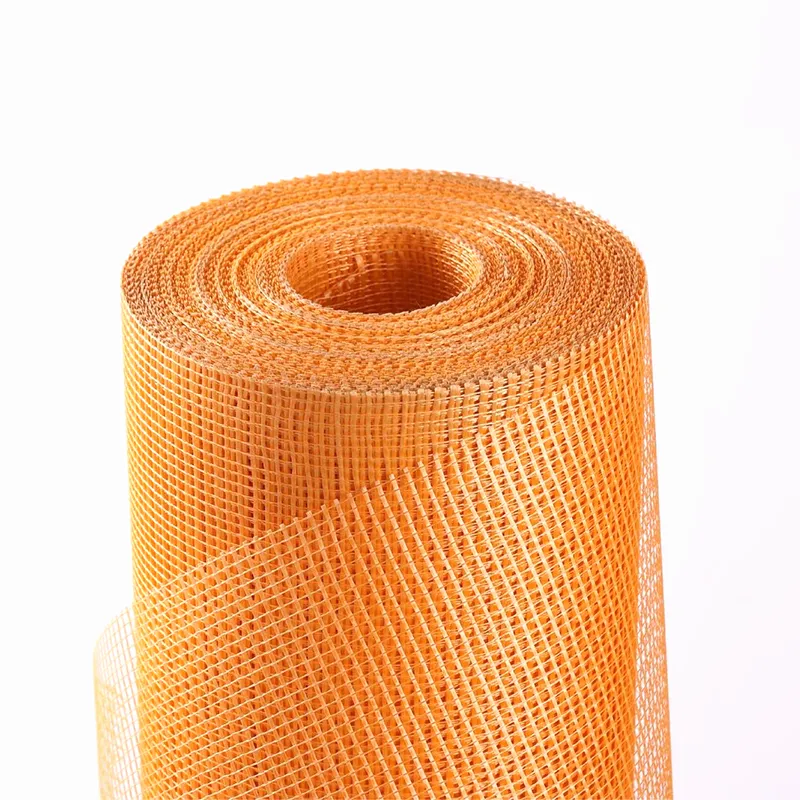
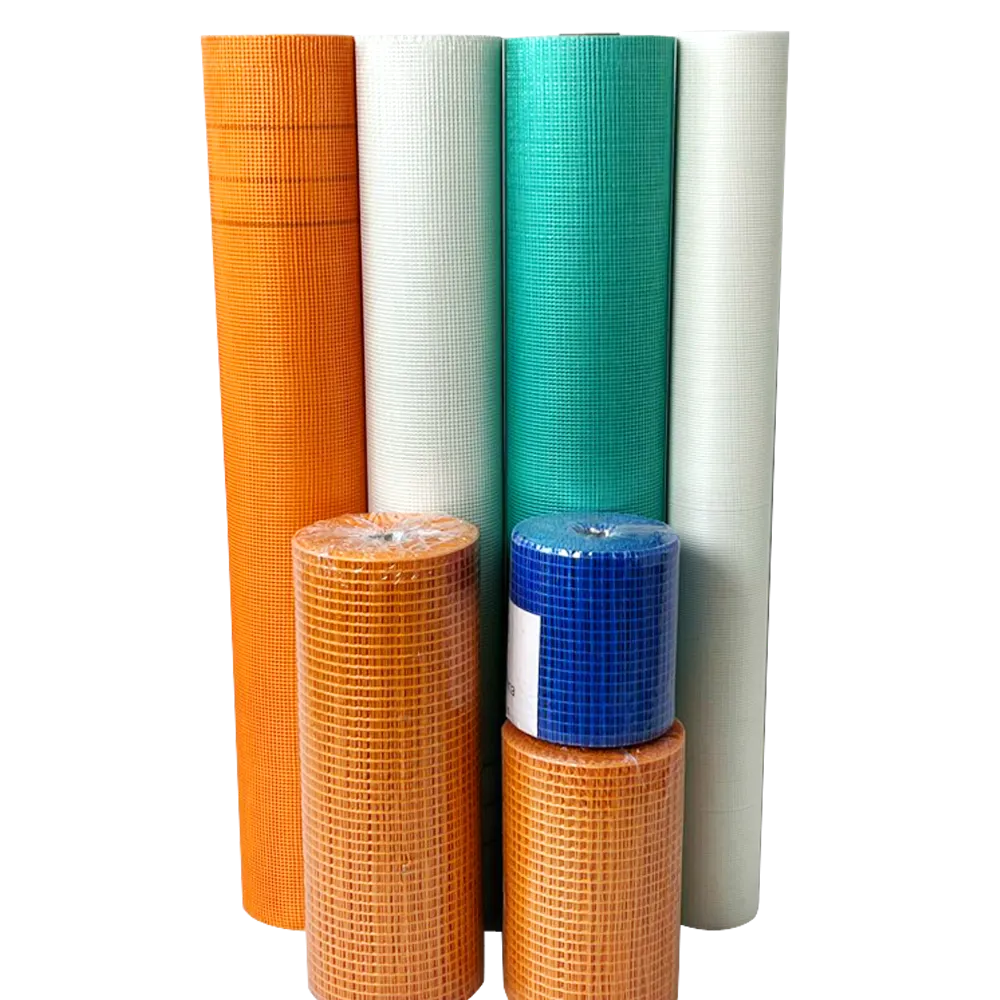
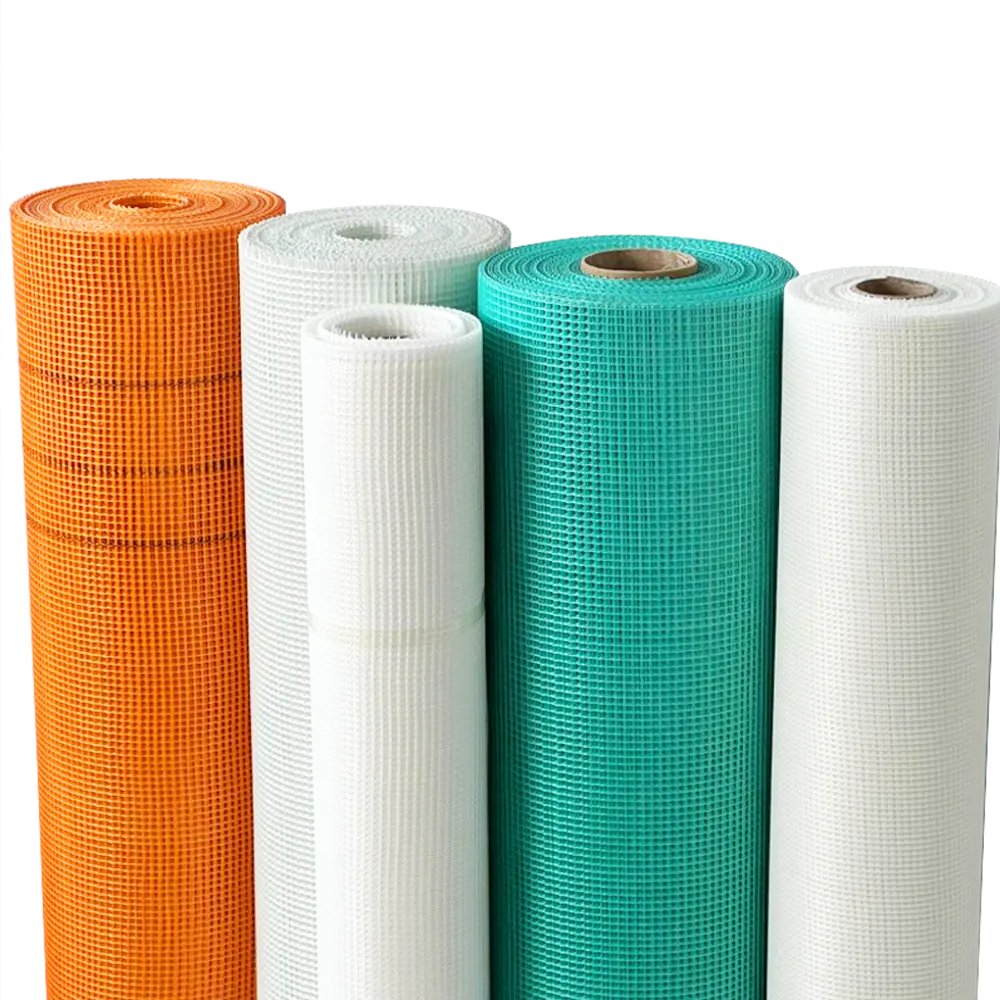
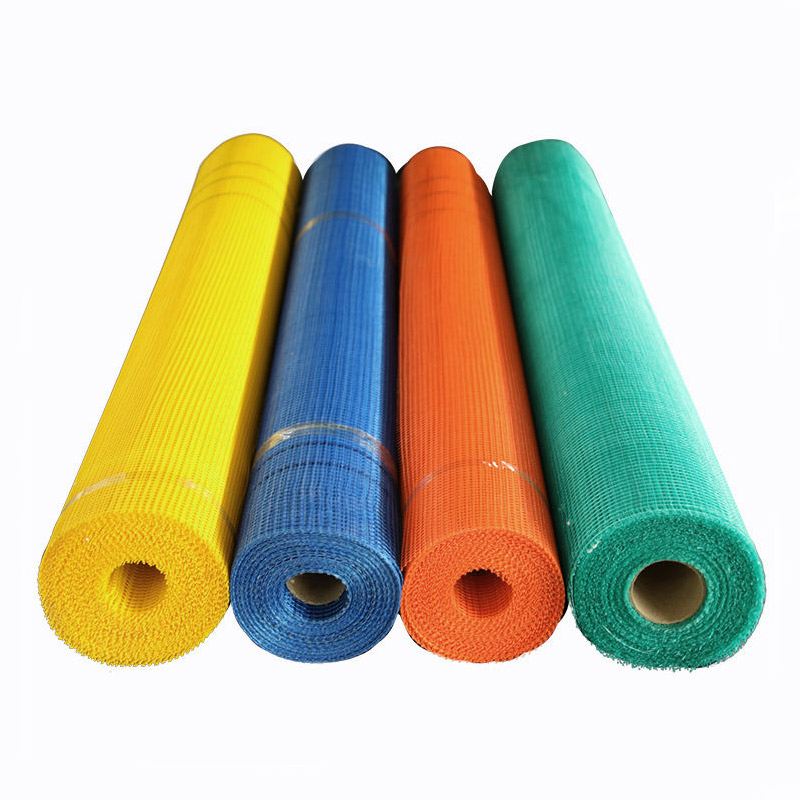
Simply put, a black fibreglass mesh factory manufactures woven or knitted mesh fabrics made from black-dyed fibreglass yarns. These thin but tough strands are combined to create a grid-like structure that reinforces materials like concrete, plaster, or composite panels.
The "black" element isn’t just aesthetic; it usually means UV inhibitors and additional coatings have been applied to improve longevity outdoors. This makes it especially relevant in construction and infrastructure projects where exposure to sunlight and weathering can degrade standard fibreglass meshes over time.
In modern industry, these factories help provide scalable, lightweight, corrosion-resistant alternatives to steel reinforcement — which is perfect for everything from buildings and bridges to low-cost housing and even signage panels. The connection to humanitarian needs is strong too: fibreglass mesh can be shipped flat, deployed quickly, and improves structural safety in disaster-prone zones.
Key Factors & Core Components of Black Fibreglass Mesh
1. Durability and Corrosion Resistance
Unlike steel mesh, black fibreglass mesh does not rust or corrode, which means it maintains strength over decades in moist or chemically aggressive environments.
2. Lightweight and Ease of Handling
It is significantly lighter than metal alternatives, making installation faster, safer, and more adaptable to difficult terrains or heights.
3. Scalability in Production
Modern factories can adjust mesh thickness, weave size, and coating treatments to tailor products for various use cases — from heavy industrial reinforcement to delicate finishing layers.
4. Cost Efficiency Over Lifecycle
Though initial purchase prices can be higher than steel mesh, reduced maintenance, and longer service life often result in better overall project economics.
5. Environmental Sustainability
Fibreglass meshes use non-metal raw materials that produce less carbon footprint in manufacturing; additionally, long-lasting use means fewer replacements and waste.
Global Applications & Use Cases of Black Fibreglass Mesh
- Post-Disaster Relief: In earthquake-prone regions like parts of Asia, fibreglass mesh reinforces emergency housing materials, reducing collapse risk.
- Coastal Infrastructure: Saltwater corrosion resistance makes black fibreglass mesh ideal for piers, seawalls, and maritime constructions.
- Transportation Projects: Used in bridge decks and tunnels to extend lifespan under heavy traffic.
- Industrial Zones: Factories apply it for lightweight but durable partitions and protective linings that withstand chemical exposure.
For example, companies building modular homes in sub-Saharan Africa report a 30% improvement in wall integrity when using black fibreglass mesh reinforcement over traditional wiring systems.
Black Fibreglass Mesh Product Specifications
| Specification | Details |
|---|---|
| Material | Black UV-protected fibreglass yarn |
| Mesh Size | 4x4 mm to 12x12 mm (customizable) |
| Weave Type | Woven or knitted |
| Roll Width | 1m to 3m |
| Roll Length | 50m standard |
| Tensile Strength | Over 1000 MPa |
Vendor Comparison: Leading Black Fibreglass Mesh Factory Suppliers
| Supplier | Production Capacity (tons/year) | Customization Level | Lead Time | Price Range |
|---|---|---|---|---|
| Tainuo Fibreglass | 5000 | High (mesh size, coating options) | 3-4 weeks | $$ |
| Global Mesh Solutions | 3500 | Moderate (standard models) | 4-6 weeks | $$$ |
| Fibreglass Plus Ltd. | 2800 | Limited (few mesh widths) | 2-3 weeks | $ |
Advantages and Long-Term Value
The mesh’s durability and ease of use are prime selling points: construction workers consistently highlight less fatigue thanks to the lightweight design. Emotionally, it’s reassuring to know that structures withstand storms, tremors, or time better — qualities that foster trust and dignity, especially in vulnerable communities.
Future Trends in Black Fibreglass Mesh Manufacturing
Factories are incorporating automation to boost precision and cut material waste. Sustainable coatings reduce environmental footprint, and the next wave might even embed sensors for real-time structural health monitoring.2 In other words, black fibreglass mesh factories are evolving with the times, bridging tradition with cutting-edge innovation.
Common Challenges & How They’re Tackled
Higher upfront costs and transport logistics remain barriers in some markets. Still, manufacturers offer smaller roll sizes and local distribution partnerships to ease this. Plus, aid organizations often collaborate to deploy these meshes in disaster zones economically and rapidly.
Frequently Asked Questions
- What makes black fibreglass mesh better than steel mesh?
- Black fibreglass mesh offers superior corrosion resistance and lighter weight, which improves installation ease and longevity in challenging environments.
- How customizable are black fibreglass mesh products?
- Factories often allow adjustments to mesh size, weaving pattern, roll dimensions, and coatings to meet diverse project needs.
- Is black fibreglass mesh eco-friendly?
- While not biodegradable, the longer lifespan and energy-efficient manufacturing reduce overall environmental impact compared to metal alternatives.
- How do international NGOs procure mesh for relief efforts?
- NGOs typically work with manufacturers or distributors for bulk orders, sometimes backed by government or UN procurement frameworks.
In Closing
Black fibreglass mesh factories deliver more than fabric; they supply resilience, innovation, and hope for safer, longer-lasting environments worldwide. Curious? Explore the possibilities at the black fibreglass mesh factory.
Final thought: Sometimes, the key to global progress lies in something as unassuming as a mesh.
- World Bank Infrastructure Data, 2023: worldbank.org
- ISO Report: Advanced Composite Reinforcements, 2022: iso.org
- Fibreglass Reinforcement Research Journal, 2023
-
High Strength Self Adhesive Fibreglass Mesh Tape for ConstructionNewsJul.01,2026
-
High Quality Adhesive Fibreglass Mesh for Modern ConstructionNewsJun.29,2026
-
Professional Guide to High Strength Glass Fiber Joint TapeNewsJun.27,2026
-
Professional Fibreglass Tape for Plasterboard Joint Repair GuideNewsJun.26,2026
-
Professional Guide to Seamless Walls using fiberglass drywall tapeNewsJun.25,2026
-
How to Choose the Best Plaster Net Companies for Your ProjectNewsJun.23,2026