Dec . 04, 2025 00:32 Back to list
Drywall Fiberglass Mesh Quotes – A Guide to Quality, Cost & Global Trends
Understanding Drywall Fiberglass Mesh Quotes: A Practical Guide
When you hear the term drywall fiberglass mesh quotes, you might picture just some technical jargon tossed around construction sites or supplier meetings. But, frankly, it’s much more pivotal than it sounds—especially in a world that's building faster, safer, and with smarter materials. Whether you’re a contractor, project manager, or just curious about construction innovations, getting a grip on this topic can save time, money, and a lot of headaches.
Why Drywall Fiberglass Mesh Quotes Matter Globally
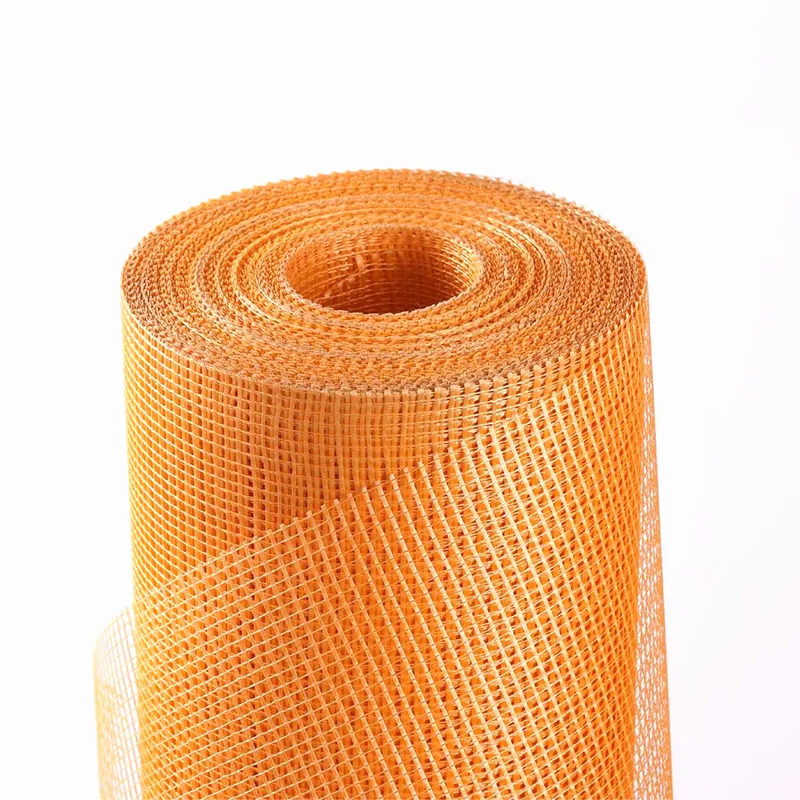
Drywall fiberglass mesh is a high-performance reinforcing material widely used for drywall repairs, crack prevention, and reinforcement. Its quotes—essentially, pricing and specs from vendors—might seem mundane, but they reflect dynamic trends affecting the construction industry worldwide. For instance, according to ISO standards, materials quality and environmental compliance are under tighter scrutiny than ever. This pushes manufacturers to innovate while buyers seek cost-efficient, durable solutions. Plus, in fast-growing markets, especially in Asia-Pacific and Africa, quick-to-install and reliable drywall reinforcements help build resilient infrastructure benefiting communities and economies alike.
Oddly enough, you find that even humanitarian building efforts, like disaster-relief shelters or schools, rely on affordable, reliable drywall fiberglass mesh. The right quote can thus represent a crucial lever. Getting it wrong would mean wasted resources or compromised safety.
What Are Drywall Fiberglass Mesh Quotes?
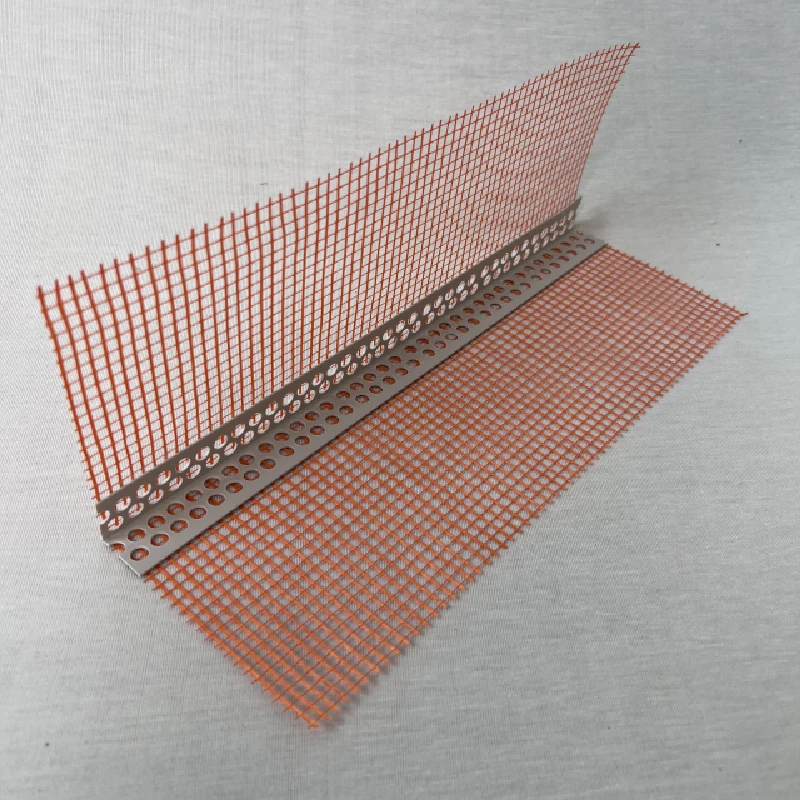
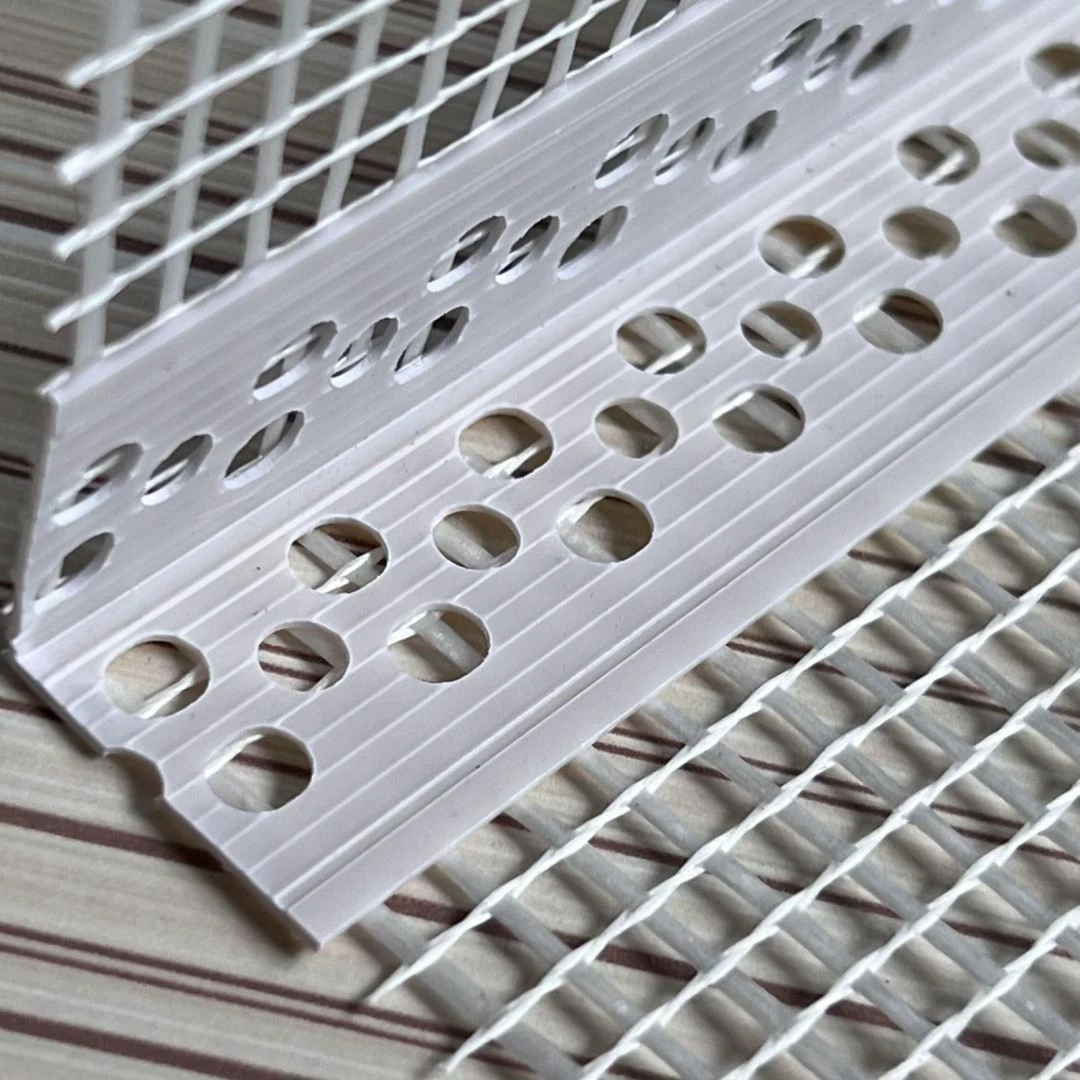
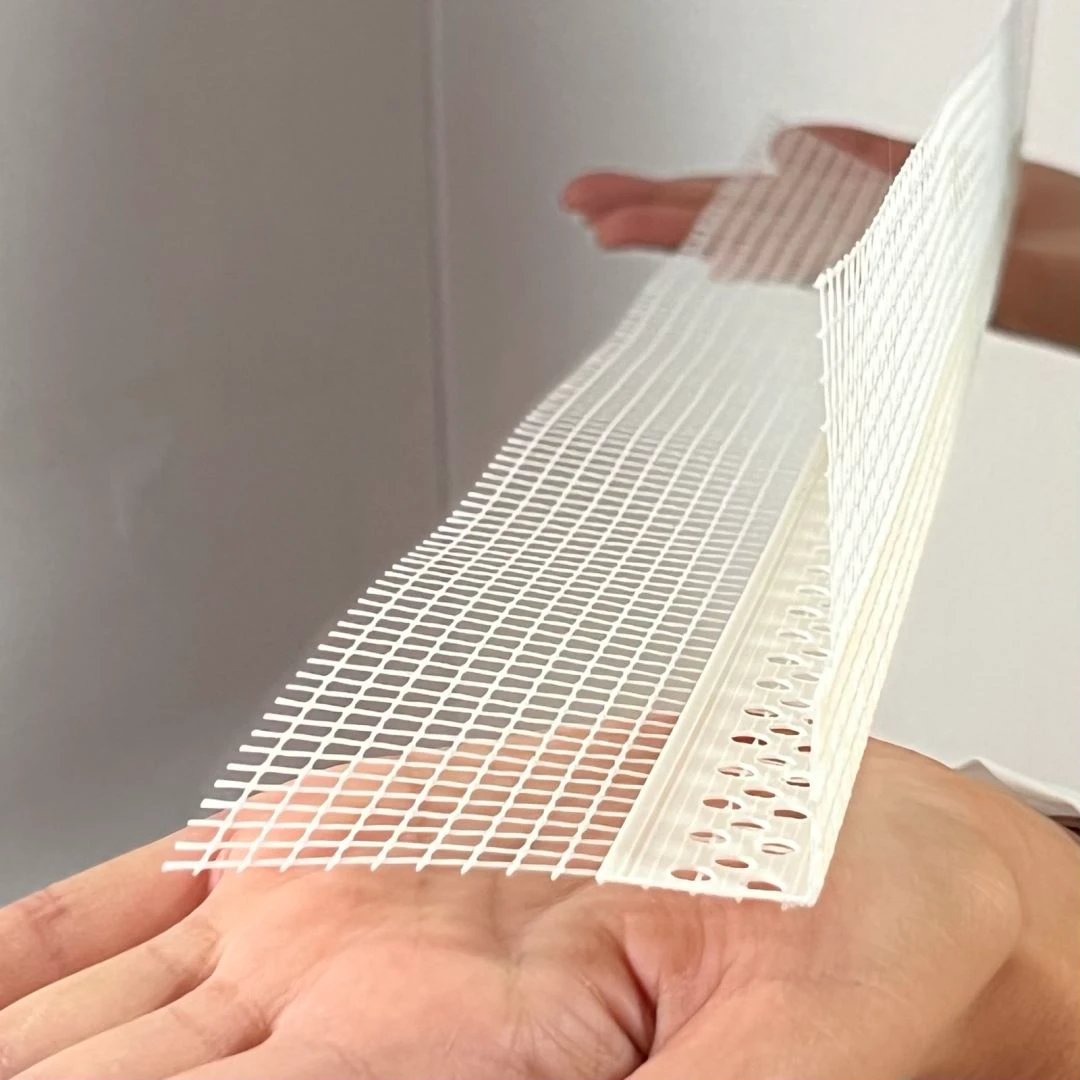
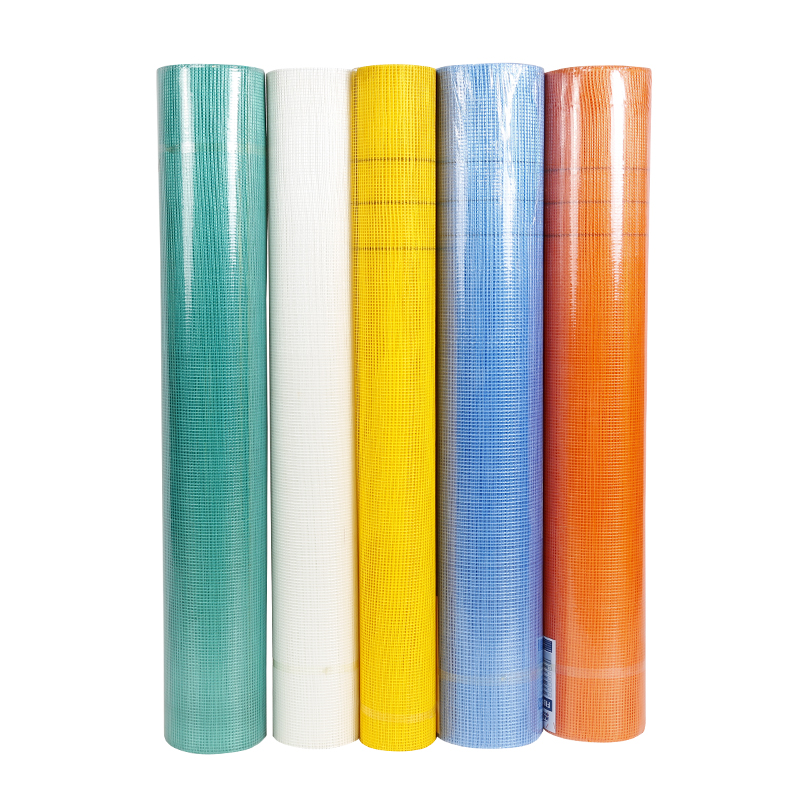
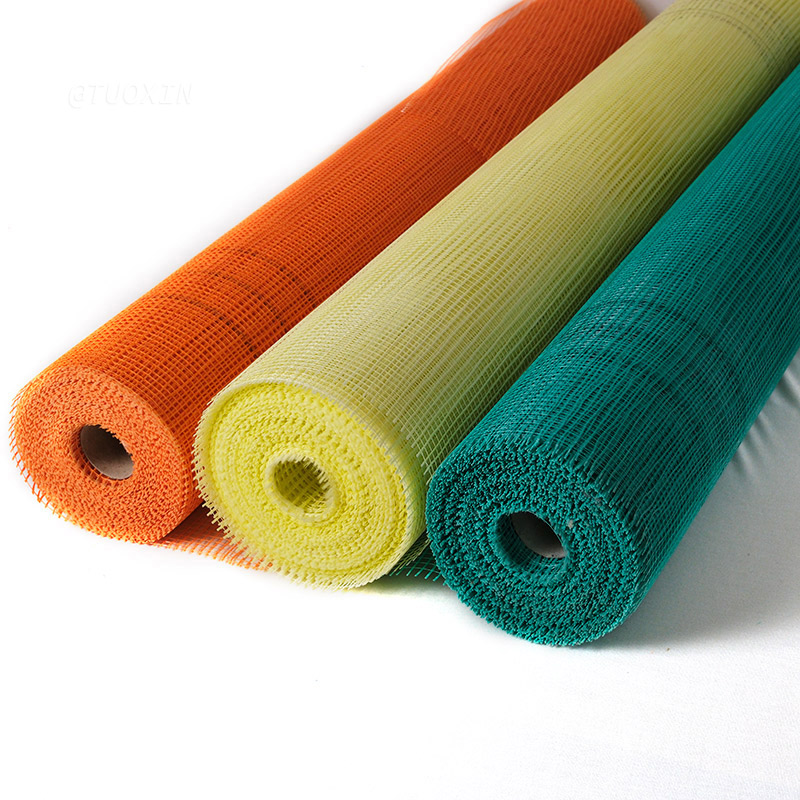
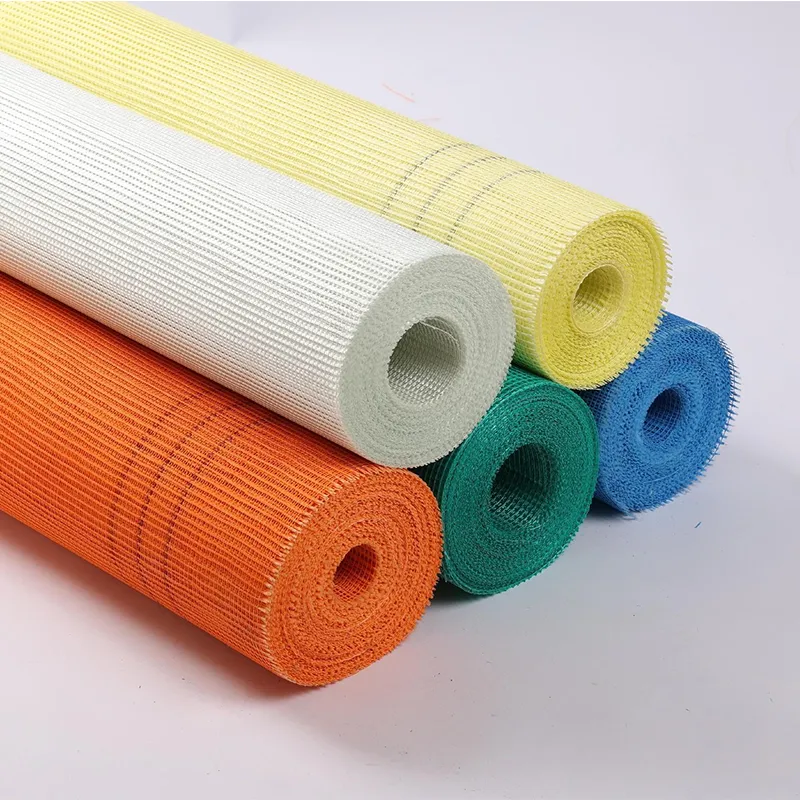
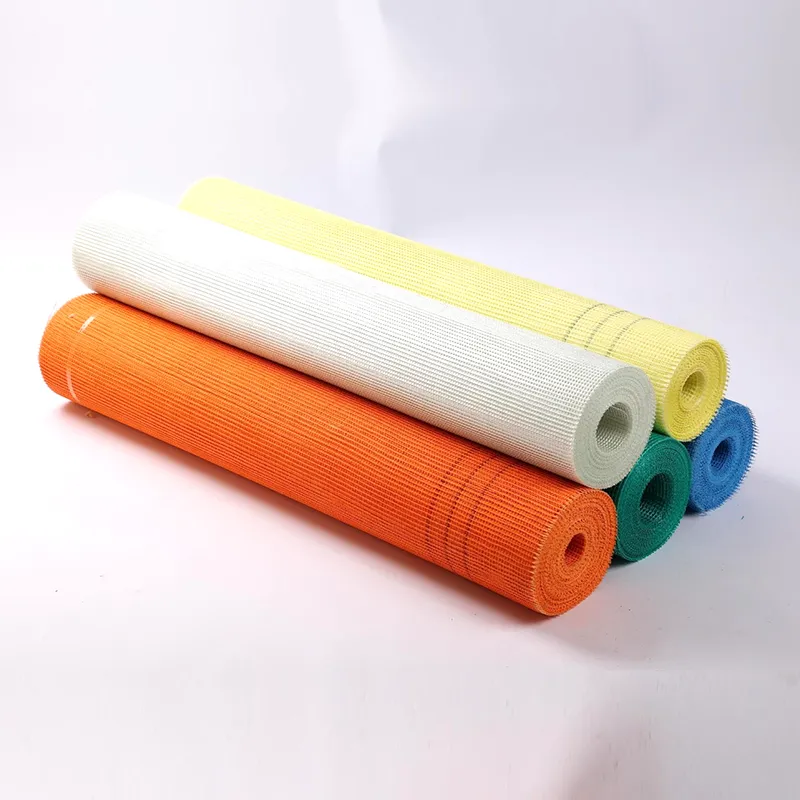
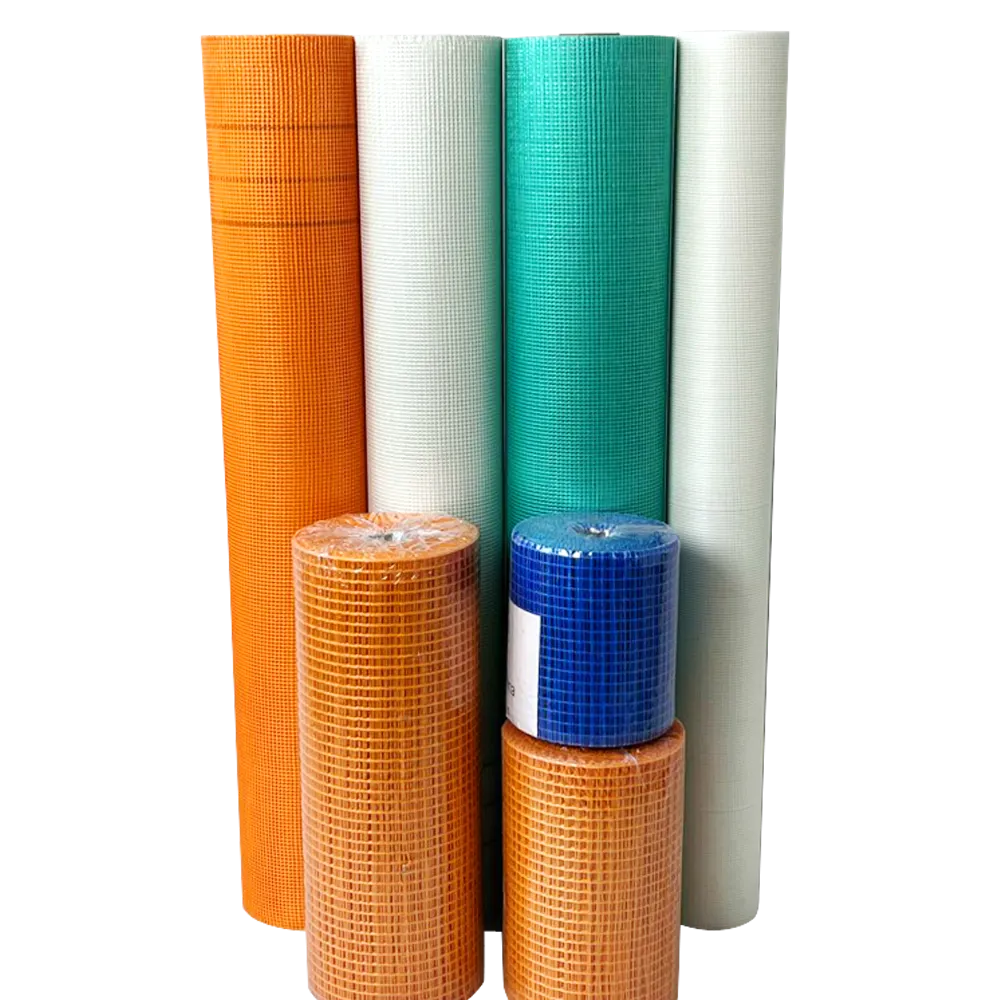
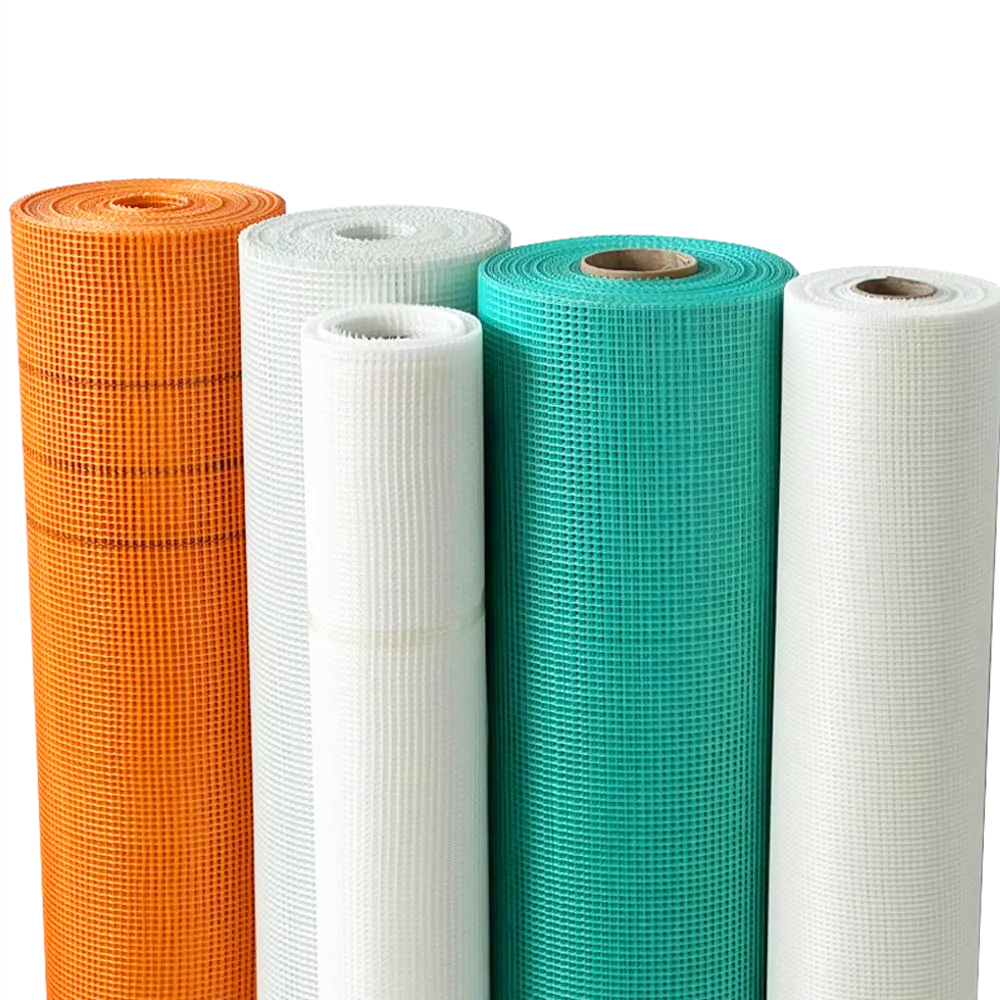
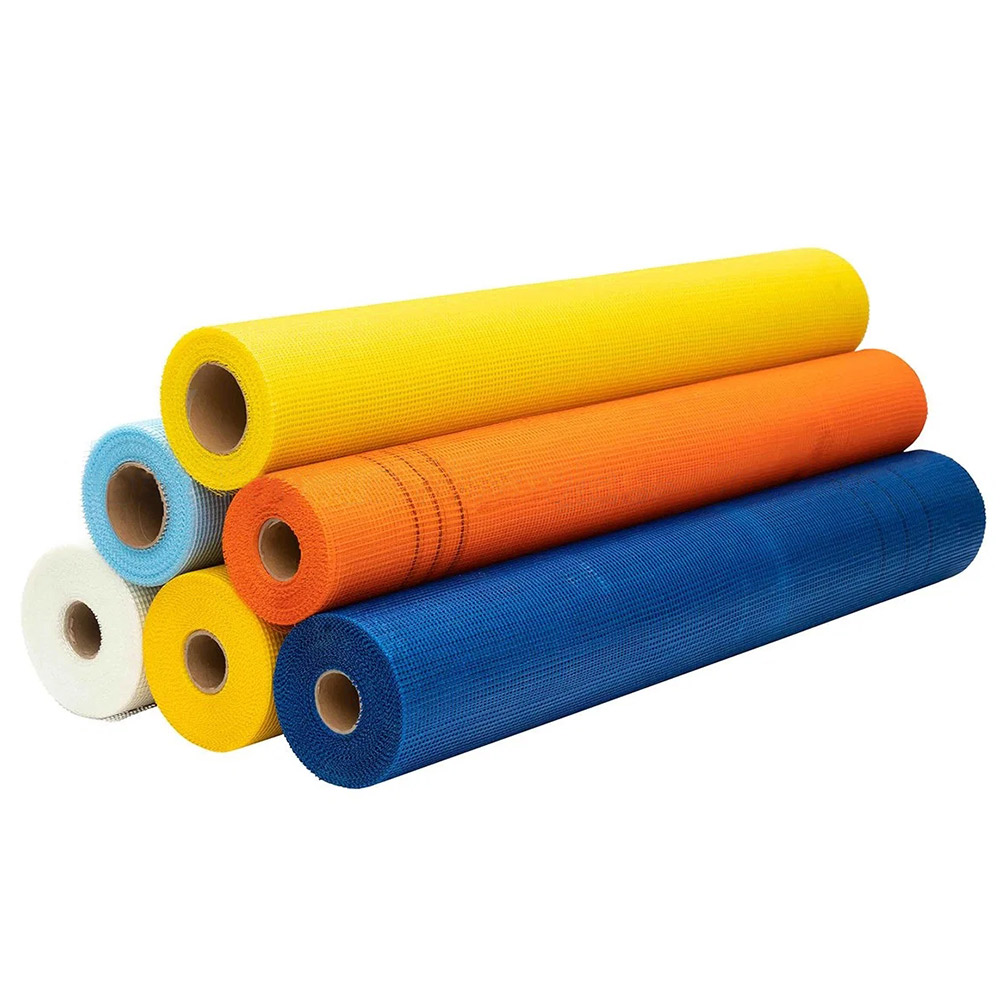
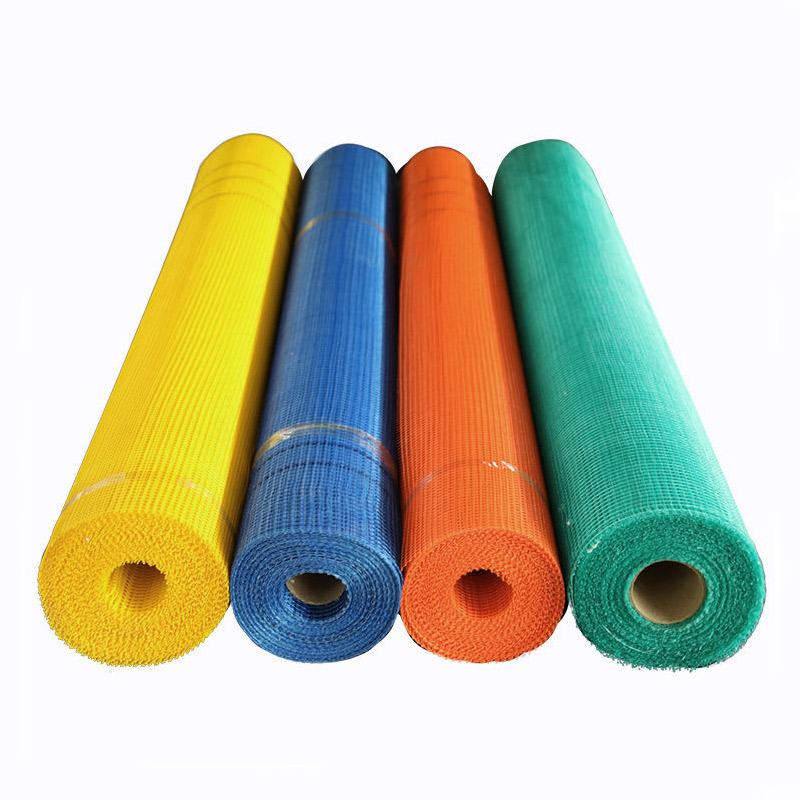
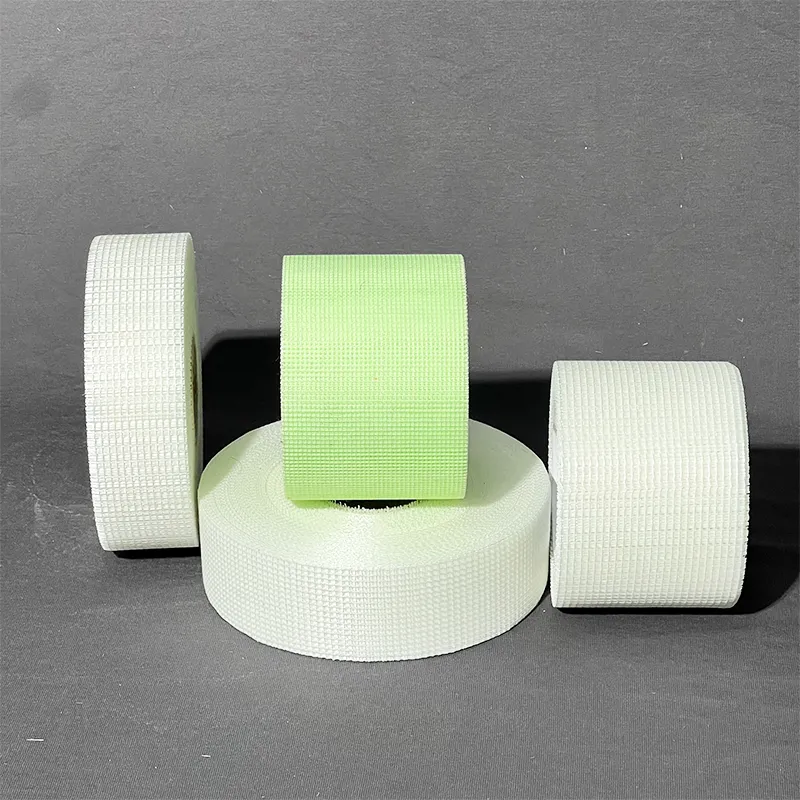
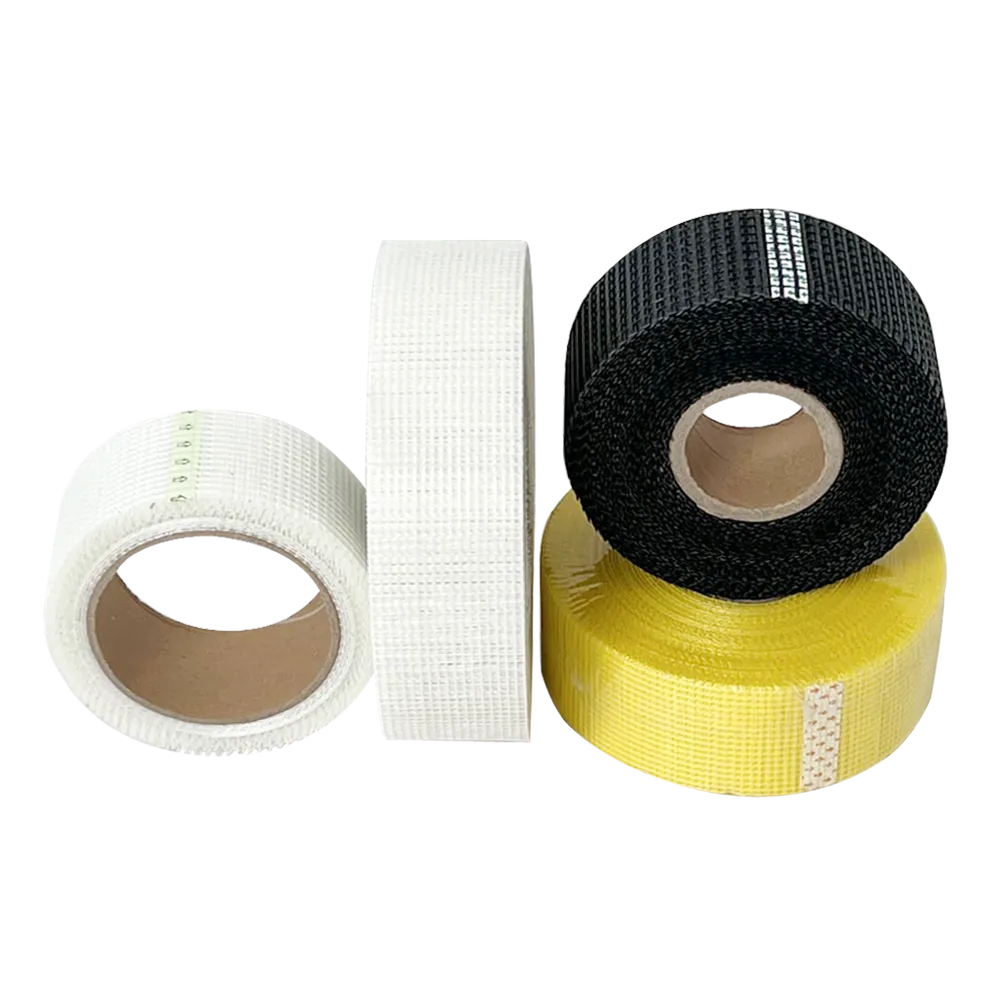
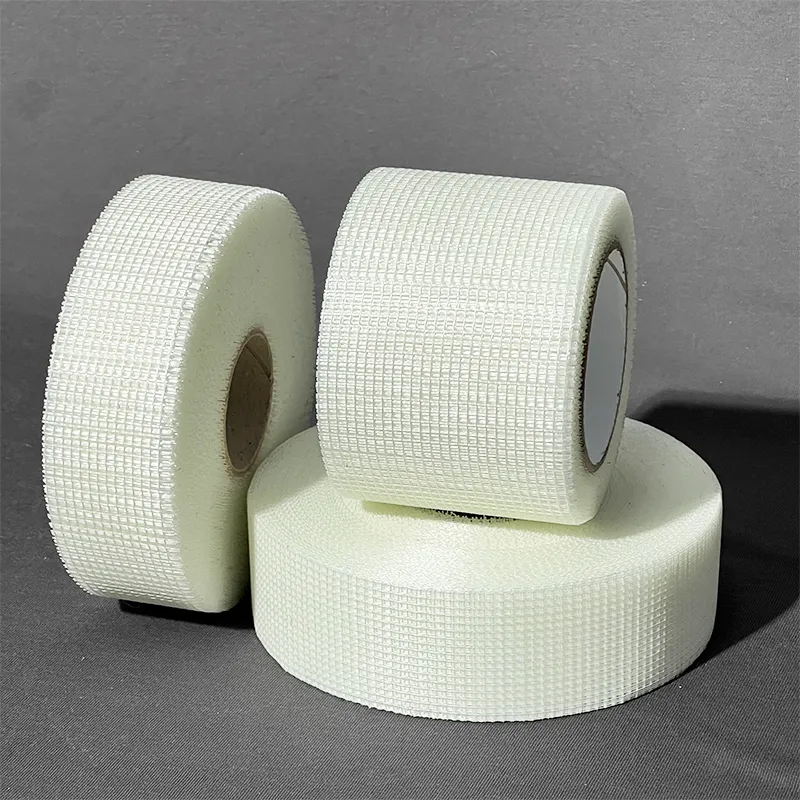
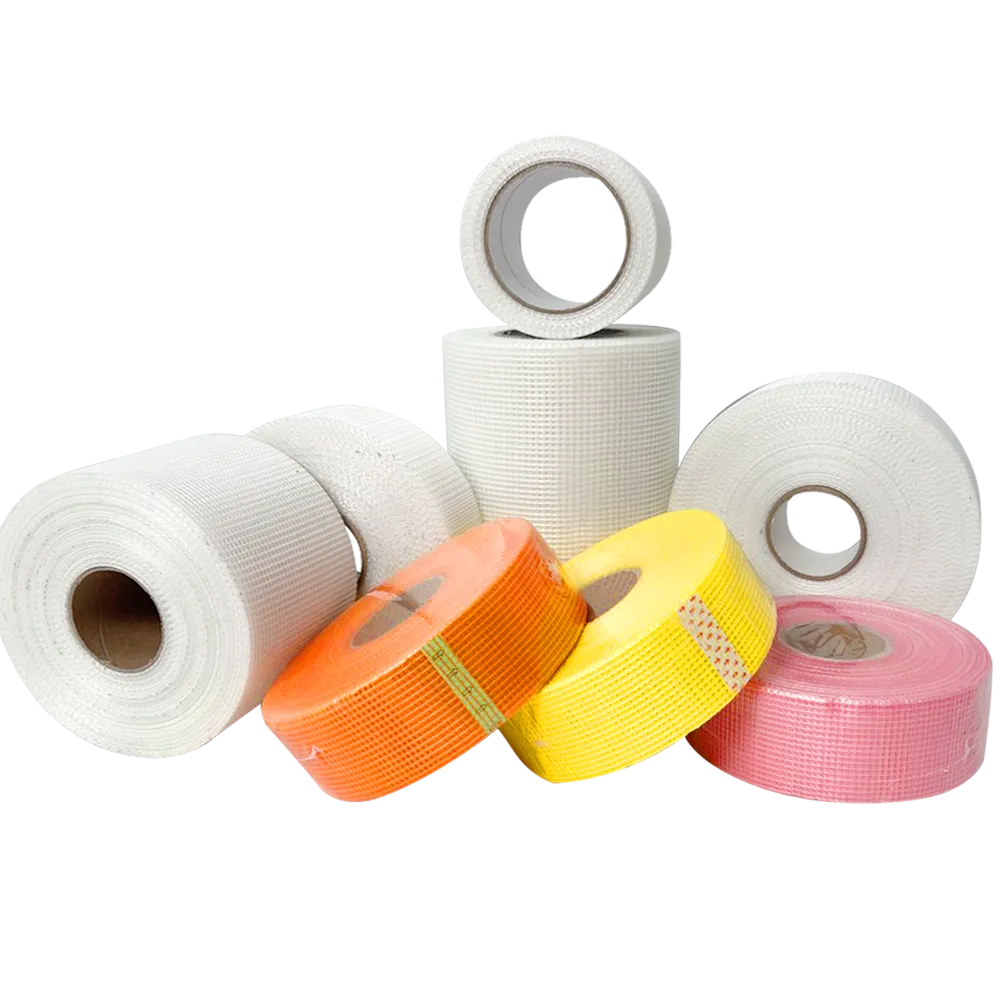
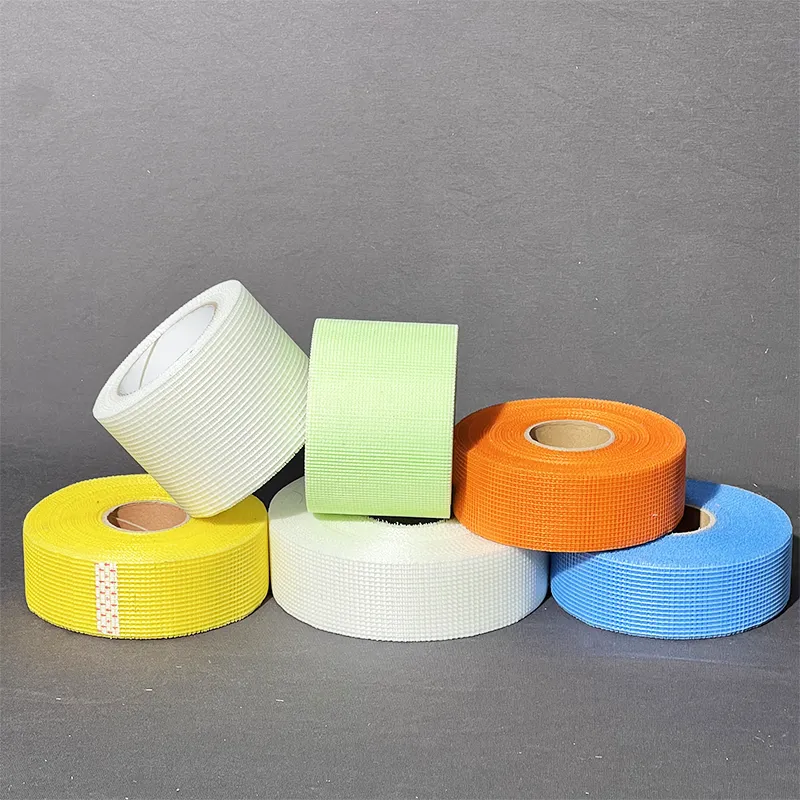
Put simply, drywall fiberglass mesh quotes are estimates or official offers from suppliers detailing the price, availability, and specs of fiberglass mesh products used in drywall construction. These products are thin, open-weave fabrics made of glass fibers designed to reinforce drywall joints and repair cracks. They prevent deterioration, reduce cracking, and create smooth finishes.
With thousands of products available, and varying qualities and thicknesses, getting reliable quotes means you align needs with budget, and quality with compliance. This becomes vital as more construction shifts toward sustainable and long-lasting materials.
Key Factors in Drywall Fiberglass Mesh Quotes
1. Durability and Strength
One of the biggest selling points is how these meshes reinforce drywall against cracks caused by vibrations, temperature changes, or settlement in buildings. The weave tightness and fiber thickness hugely influence durability. Thicker strands tend to break less and last longer, but cost more.
2. Flexibility and Ease of Application
Not all meshes are created equal when it comes to workability. Some vendors offer specialty meshes with better adhesives or flexibility for curved surfaces. This is a handy feature when you’re on complex renovations.
3. Cost Efficiency
Drywall fiberglass mesh quotes vary based on fiber quality and manufacturing processes. If you want to stretch a budget, you might be tempted to buy cheaper products. However, low-cost mesh can lead to more repairs and increased labor costs down the line.
4. Environmental Compliance
The construction sector is moving towards greener products. Fiberglass meshes that comply with environmental standards (like RoHS or REACH) may cost slightly more upfront but reduce liabilities and meet client sustainability goals.
Typical Product Specifications at a Glance
| Specification | Description |
|---|---|
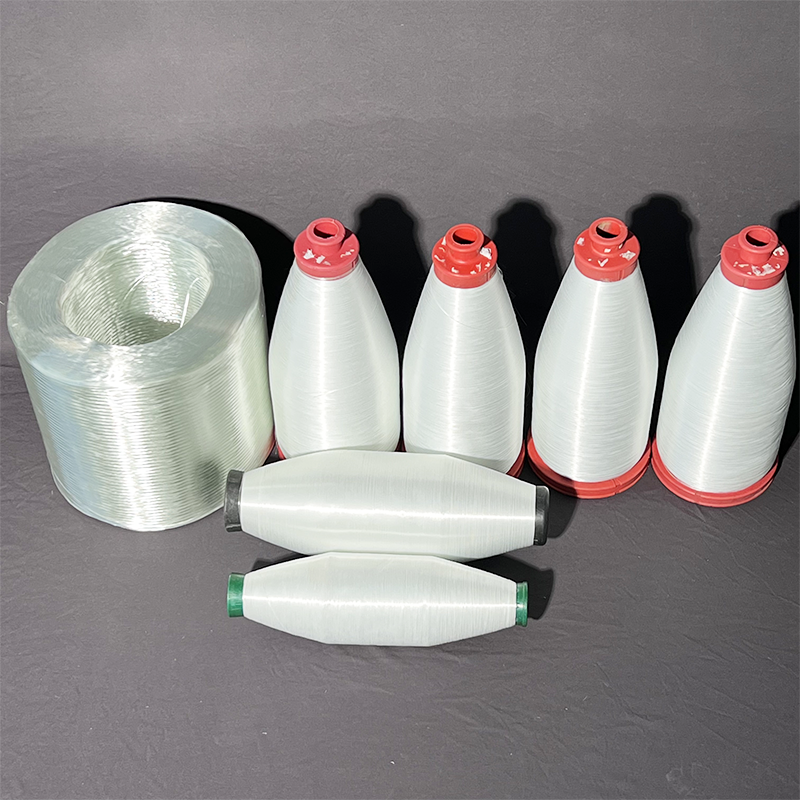
| Material | Woven fiberglass yarns, alkali-resistant coating |
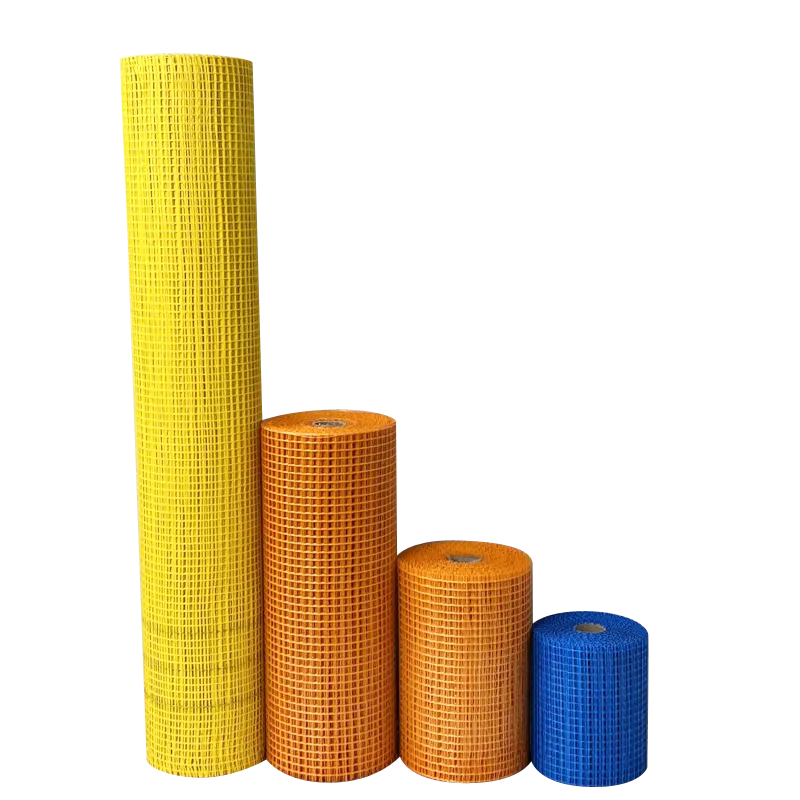
| Width | 50 mm - 150 mm (typical); custom sizes available |
| Roll Length | 45 m - 90 m |
| Weight | Approximately 80-120 g/m² |
| Tensile Strength | Min. 400 N/5cm |
| Color | Usually white or off-white |
Global Applications and Real-World Use Cases
- Residential Construction: Reinforcing drywall seams in homes, especially in earthquake-prone areas, reduces costly repairs later.
- Commercial Projects: Large-scale refurbishments use fiberglass mesh for long-lasting durability, reducing downtime.
- Disaster Relief and Humanitarian Efforts: Quick repairs using drywall fiberglass mesh allow temporary shelters to last through harsh conditions.
- Industrial Zones: Factories often experience vibrations and temperature swings; mesh helps maintain wall integrity.
For instance, in Southeast Asia’s fast-expanding urban centers, reliable drywall mesh is integral to maintaining quality building standards while keeping costs down and speeds up. Exactly the kind of balance projects need.
Vendor Comparison for Drywall Fiberglass Mesh Quotes
| Vendor | Price per Roll | Typical Delivery Time | Eco-Compliance | Customization |
|---|---|---|---|---|
| Tainuo Fiberglass | $35 - $45 | 5-7 days | RoHS, ISO certified | Available on request |
| FiberTech Inc. | $30 - $40 | 7-10 days | Limited certifications | Standard only |
| GlasMesh Solutions | $38 - $50 | 3-5 days | ISO, REACH compliant | Custom sizes |
Advantages and Long-Term Value of Drywall Fiberglass Mesh
Simply put, using high-quality fiberglass mesh means better performance, less rework, and safer buildings. There’s also a sustainability angle — many fiberglass products are recyclable, and with durability comes less frequent replacement. As one site manager once told me, “It feels like investing once and sleeping better for years.”
Beyond logistics, it delivers peace of mind—it’s about safety for occupants, and trust between contractors and clients. A good mesh solution helps maintain walls' structural integrity through environmental challenges, preserving both aesthetics and function.
Future Trends and Innovations
The future is fascinating here: advancements in alkali-resistant coatings, nanotechnology enhancements, and digital traceability (QR codes on rolls for authenticity) are on the rise. Sustainability efforts push toward fiberglass meshes with bio-based coatings or even hybrid fibers. Automation in manufacturing reduces errors and cost, delivering more competitive quotes.
And, one can’t overlook the shift to integrated building information modeling (BIM) where drywall fiberglass mesh specs are pre-planned for efficient procurement and installation.
Challenges and Expert Solutions
Of course, not everything is smooth. High-quality mesh can cost more upfront, and supply chain disruptions affect availability. Some less-informed purchasers compromise on product specs leading to cracks and failures. Expert advice? Prioritize vendors with clear certifications and established track records. Also, consider volume purchase agreements to secure pricing and timely supply.
FAQ: Your Common Questions About Drywall Fiberglass Mesh Quotes
- Q: How do I ensure the drywall fiberglass mesh quote I get matches quality?
- A: Request certificates like ISO or RoHS compliance and samples before committing. Verify vendor reputation through references or online reviews. Detailed specs accompanying the quote help clarify product quality.
- Q: Can I use fiberglass mesh for both new drywall installation and repairs?
- A: Absolutely. While commonly used in joint reinforcement during installation, fiberglass mesh is also excellent for repairing cracks or damaged drywall surfaces.
- Q: Are there eco-friendly fiberglass mesh options available?
- A: Yes, some manufacturers offer meshes with sustainable coatings and recycled content. Look for REACH or other eco-certifications in the quote documents.
- Q: What affects the price range in drywall fiberglass mesh quotes?
- A: Factors include fiber quality, mesh density, roll size, certification standards, and additional features like adhesive backing or flame resistance.
Conclusion: Why Paying Attention to Drywall Fiberglass Mesh Quotes Pays Off
Taking time to understand and compare drywall fiberglass mesh quotes is far from a minor detail—it’s a gateway to enhanced durability, reduced repair costs, and higher construction quality. Plus, it ties neatly into global sustainability goals and industry standards. If you’re ready to explore reliable suppliers, get detailed quotes, or simply want more info, I suggest visiting our site: drywall fiberglass mesh quotes.
In real terms, the right mesh can turn a cracking wall problem into a smooth success story.
References:
-
Best Fiberglass Mesh Tape for RedGard Product Waterproofing GuideNewsApr.16,2026
-
Why High Strength Fiberglass Mesh Is Essential For Stucco ApplicationNewsApr.15,2026
-
Why Alkali Resistant Fiberglass Mesh Tape Is Essential For Cement Board And Tile InstallationsNewsApr.15,2026
-
Understanding The Role Of Drywall Fiberglass Mesh In Interior FinishingNewsApr.15,2026
-
Ultimate Guide To Using Fiberglass Mesh Tape For Drywall And Plaster RepairsNewsApr.15,2026
-
The Versatility Of Fiberglass Mesh In Marble And Stone MosaicNewsApr.15,2026