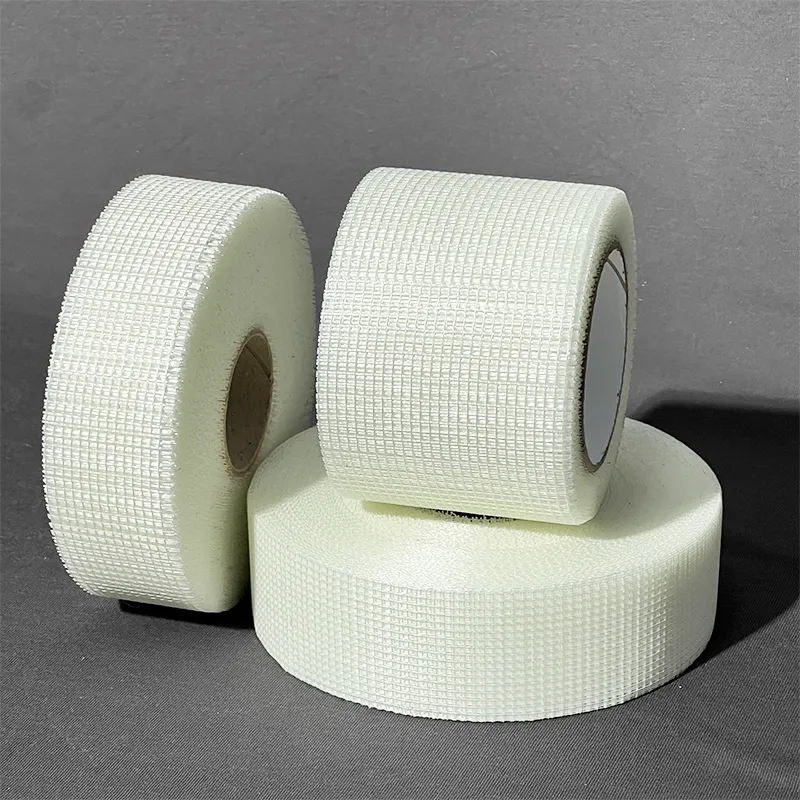
High Quality Alkali Resistant Fiberglass Mesh Manufacturers China
When selecting high-performance reinforcement materials for modern construction, the technical composition of the mesh often dictates the longevity of the structure. Alkali-resistant fiberglass mesh is engineered specifically to withstand the harsh chemical environment of cement and mortar, preventing the common issue of structural degradation. By utilizing a specialized weaving technique and high-temperature heat finishing, these materials provide the essential tensile strength required to mitigate cracking in external thermal insulation systems and wall reinforcements.
For procurement managers and engineers, sourcing from reliable fiberglass mesh manufacturers china ensures a balance between international quality standards, such as CE certification, and cost-efficiency. Whether applying a 4x4 145g roll for Turkish construction standards or customized mesh for GRC panels, the priority remains the material's ability to maintain dimensional stability under thermal stress and physical impact, ensuring that the finished surface remains smooth and structurally sound over decades of use.

Technical Composition and Alkali Resistance Mechanisms in Fiberglass Mesh
The core effectiveness of professional-grade fiberglass mesh lies in its chemical treatment. Manufactured from C or E glass fiber yarn, the raw material is inherently susceptible to the high pH levels found in cement. To counteract this, the yarn undergoes a specialized coating process using anti-alkali and reinforcing agents, followed by high-temperature heat finishing. This creates a protective barrier that prevents the glass fibers from dissolving in alkaline environments, which is critical for maintaining the structural integrity of the mesh when embedded in concrete or gypsum.
Beyond chemical resistance, the physical weaving process determines the mesh's performance. A consistent mesh size, such as the common 4x4mm or 5x5mm configurations, ensures an even distribution of stress across the reinforced surface. This technical approach results in several key advantages:
- Dimensional Stability: The mesh resists stretching or shrinking during the curing process of the mortar.
- Impact Resistance: The interlocking weave absorbs kinetic energy, protecting walls from surface cracks during minor impacts.
- Thermal Insulation: When used with EPS or XPS boards, the mesh helps distribute heat evenly across the building envelope.

Industrial Applications Across Modern Construction and Decoration
The versatility of fiberglass mesh allows it to be integrated into a wide variety of building components. In wall reinforcement, it is primarily used as a base for External Thermal Insulation Composite Systems (ETICS), where it prevents the cracking of the base coat. Additionally, it is a critical component in the manufacturing of Glass Reinforced Concrete (GRC) wall panels and gypsum boards, providing the internal skeleton that allows these materials to be thin yet exceptionally strong.
Beyond vertical surfaces, the application extends to specialized flooring and roofing solutions. For example, the mesh is frequently used as a backing for luxury stone materials like granite, mosaic, and marble to prevent shifting and cracking during installation. In roofing, it serves as a reinforcement fabric for waterproof membranes and asphalt roofing, ensuring that the protective layer does not tear under temperature fluctuations. The ability to customize weight—ranging from 60g/m² for light decoration to 300g/m² for heavy reinforcement—allows engineers to match the mesh specifications exactly to the load-bearing requirements of the project.
Strategic Procurement Considerations for High-Performance Mesh
When evaluating suppliers, procurement specialists must look beyond the price per roll and focus on the consistency of the technical specifications. One of the most common pitfalls is the variation in weight; a mesh that is nominally 145g/m² but fluctuates significantly across the roll can lead to uneven reinforcement and localized failures in the wall. Therefore, ensuring the manufacturer has a strong technical team and integrated production lines—from yarn production to weaving—is vital for quality control.
Another critical factor is the packaging and logistics. Given that fiberglass mesh is often exported in large volumes, the choice between woven bags and cartons affects both the shipping cost and the condition of the product upon arrival. For OEM and ODM orders, the ability to customize the roll length (typically 50m or 100m) and width is essential for reducing on-site waste. Buyers should also verify CE certification to ensure compliance with international building codes, particularly for projects in Europe and the USA where safety standards are stringent.
Technical Specifications and Application Matching Guide
| Mesh Specification | Typical Weight | Primary Application | Key Performance Benefit |
|---|---|---|---|
| 4x4mm Mesh | 145g/m² | External Wall Insulation (ETICS) | High Tensile Strength & Crack Prevention |
| 5x5mm Mesh | 160g/m² | GRC Panels & Gypsum Board | Enhanced Dimensional Stability |
| 6x6mm Mesh | 110g/m² | Mosaic & Marble Backing | Flexible Adhesion & Support |
| Custom Heavy Mesh | 200-300g/m² | Industrial Concrete Reinforcement | Maximum Impact & Load Resistance |
| Lightweight Mesh | 60-90g/m² | Interior Decoration & Waterproofing | Easy Application & High Pliability |
Evaluating Manufacturing Capability and Quality Assurance
The reliability of a fiberglass mesh product is a direct result of the manufacturing infrastructure. An integrated enterprise that manages everything from yarn production to the final weaving process can maintain much tighter tolerances than those who simply outsource raw materials. For instance, having dedicated yarn production lines ensures that the fiber diameter and the anti-alkali coating thickness are consistent, which is the foundation of the mesh's overall strength.
Quality assurance also depends on the scale of the weaving facility. A large-scale production base, equipped with advanced fiberglass mesh production lines, can provide the stability needed for long-term contracts and large-scale infrastructure projects. When assessing a manufacturer, it is important to consider their ability to provide samples that match the mass production quality. This consistency is what allows contractors to maintain a uniform standard across thousands of square meters of wall reinforcement, avoiding the risk of patchy performance that can lead to costly repairs.
Future Trends in Fiberglass Reinforcement Technology
The construction industry is moving toward more sustainable and energy-efficient building envelopes, which is driving the demand for more sophisticated reinforcement materials. We are seeing a shift toward "smart" mesh specifications where the weight and weave density are optimized using software to provide the maximum strength with the minimum amount of material. This reduces the carbon footprint of the construction process while maintaining the required safety margins for structural integrity.
Furthermore, there is an increasing trend toward integrating self-adhesive properties into fiberglass mesh tapes to speed up the installation process for wall cracks and jointing. This reduces labor costs and minimizes the time required for surface preparation. As building standards evolve globally, the role of fiberglass mesh will expand from a simple additive to a precision-engineered component of the building's thermal and structural skin, requiring closer collaboration between the manufacturers and the architectural engineers.
Frequently Asked Questions Regarding Fiberglass Mesh Procurement
What is the difference between C-glass and E-glass in fiberglass mesh?
E-glass is the general-purpose electrical grade glass fiber, while C-glass is specifically designed for chemical resistance, particularly against alkalis. High-quality alkali-resistant mesh often uses a blend or a specially coated E-glass to achieve the necessary durability in cementitious environments.
How do I choose the correct weight (g/m²) for my project?
Weight depends on the application. For standard interior wall reinforcement, 110-145g/m² is typical. For heavy-duty external facades or industrial GRC panels, weights of 160g/m² to 300g/m² are recommended to ensure higher tensile strength and impact resistance.
Can the mesh be customized for specific dimensions?
Yes, professional manufacturers offer customization for roll width and length (e.g., 1m width, 50m or 100m length). Additionally, mesh sizes like 4x4mm, 5x5mm, and 6x6mm can be selected based on the required porosity and strength.
What is the typical lead time for large production orders?
If the product is in stock, delivery can often happen within 5 days. For customized production runs that require specific weights or dimensions, the lead time is typically 7 to 10 days.
Is CE certification necessary for fiberglass mesh?
CE certification is highly recommended, especially for projects in Europe and the USA. It ensures that the product meets essential health, safety, and environmental protection standards required for construction materials.
What is the most effective way to package mesh for long-distance sea shipment?
The most secure method is wrapping each roll in a plastic bag, followed by placing 6 to 8 rolls into a heavy-duty carton. This prevents moisture ingress and protects the edges of the mesh from fraying during transit.
eTechnical References and Industry Standards
- ISO Standards for Glass Fiber Reinforcements
- ASTM International - Building Material Specifications
- European Commission - CE Marking Requirements
- International Federation for Structural Concrete (fib)
Selecting the right reinforcement mesh is a critical decision that affects the long-term viability of any construction project. By focusing on alkali resistance, precise weight specifications, and proven manufacturing capabilities, you can ensure a crack-free, durable finish. If you have specific technical requirements for your project, we recommend consulting with an engineer to determine the optimal mesh density and weight for your application.
Related Technical Guides