Sep . 30, 2025 11:25 Back to list
Buy Adhesive Fiberglass Mesh—Self-Adhesive, High Strength?
Field Notes from the Drywall Aisle: When to buy adhesive fiberglass mesh (and what to look for)
If you’ve ever chased hairline cracks across a drywall joint after a seasonal humidity swing, you know why pros quietly swear by fiberglass. When teams ask where to buy adhesive fiberglass mesh, I usually point them to a tape that’s boring in the best possible way: consistent weave, honest adhesive, and no surprises at corners.
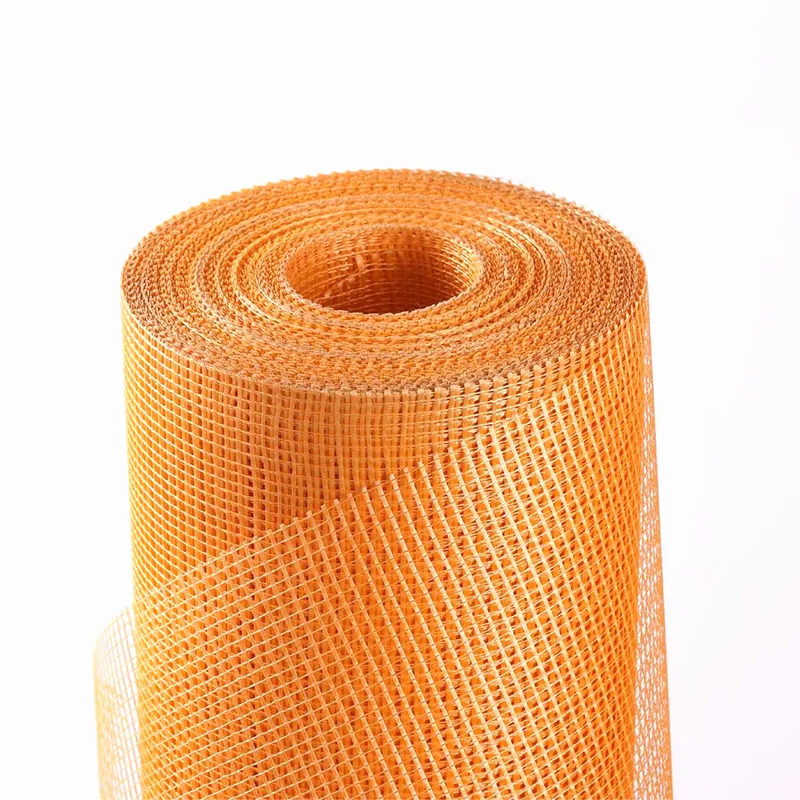
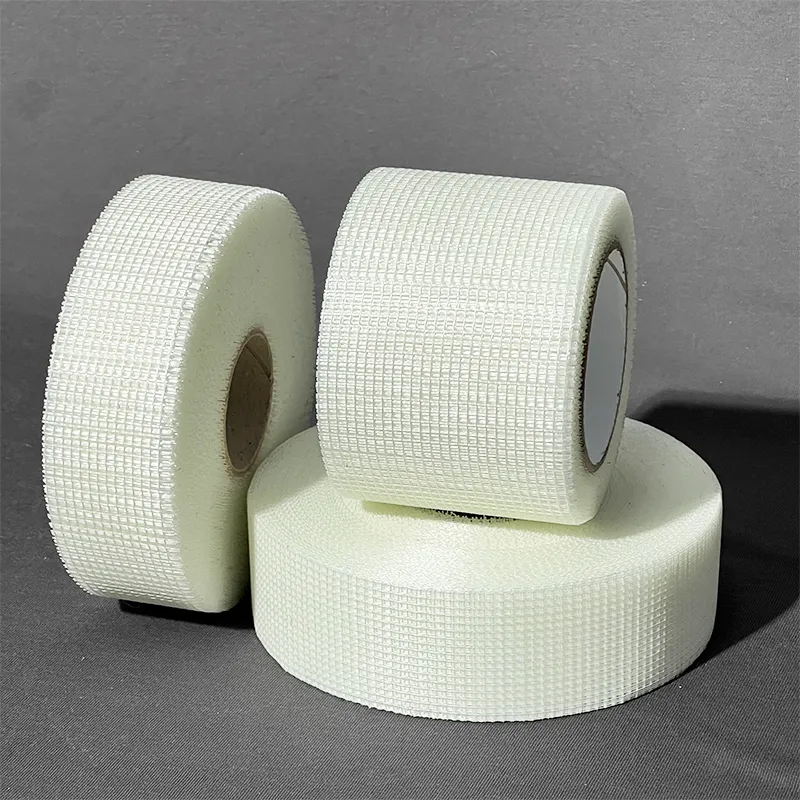
Product snapshot: Alkali-resistant fiberglass mesh drywall tape
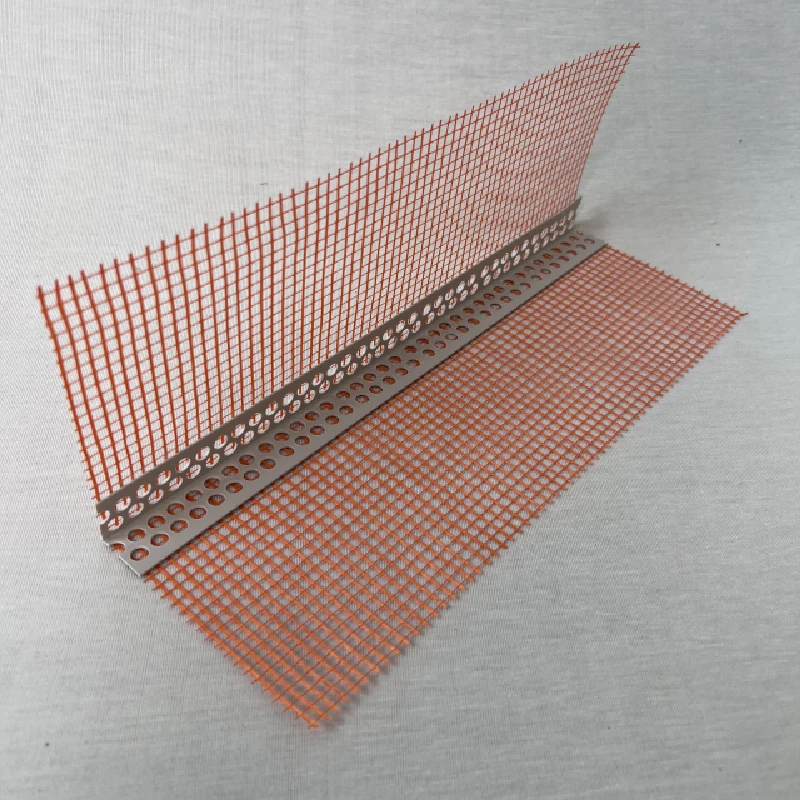
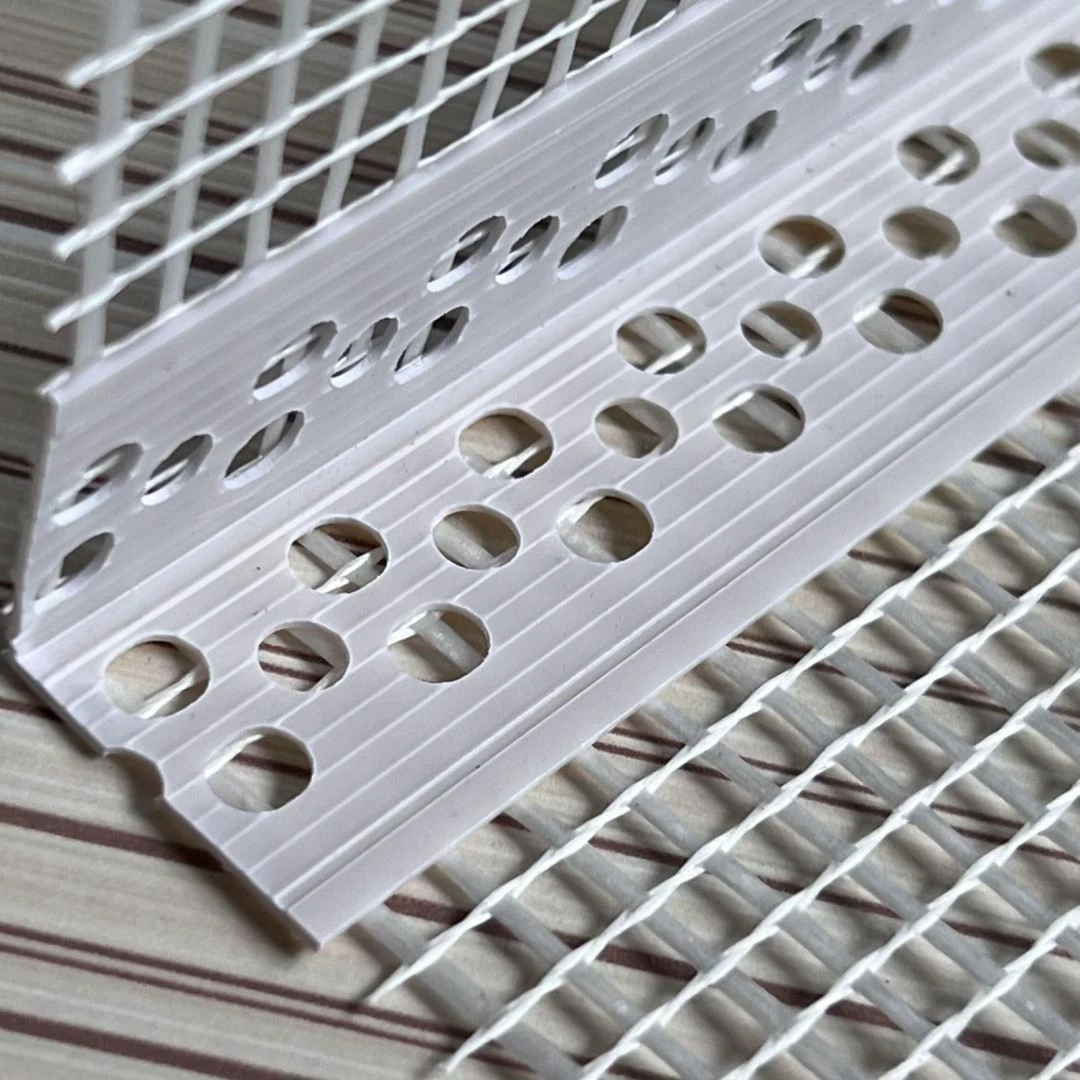
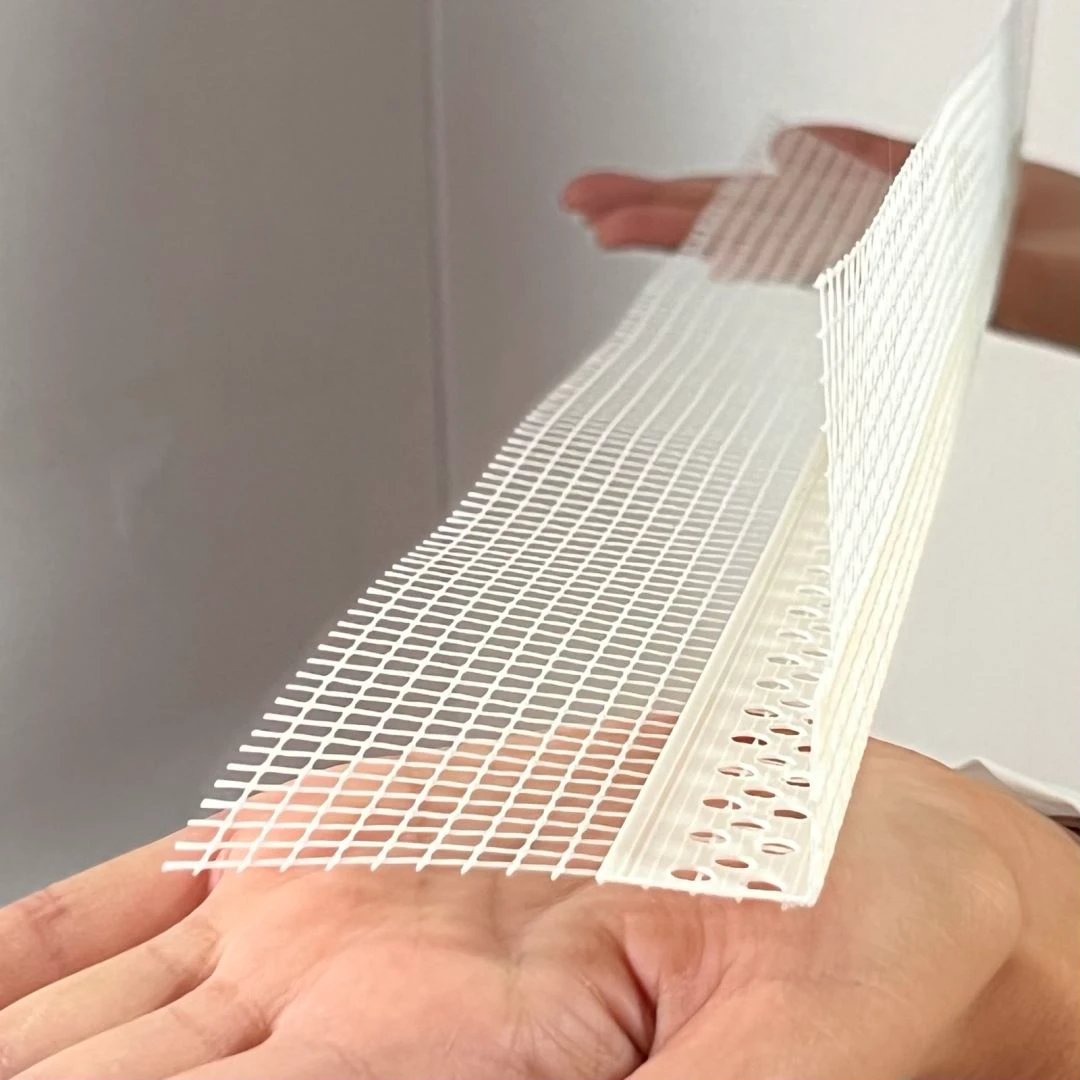
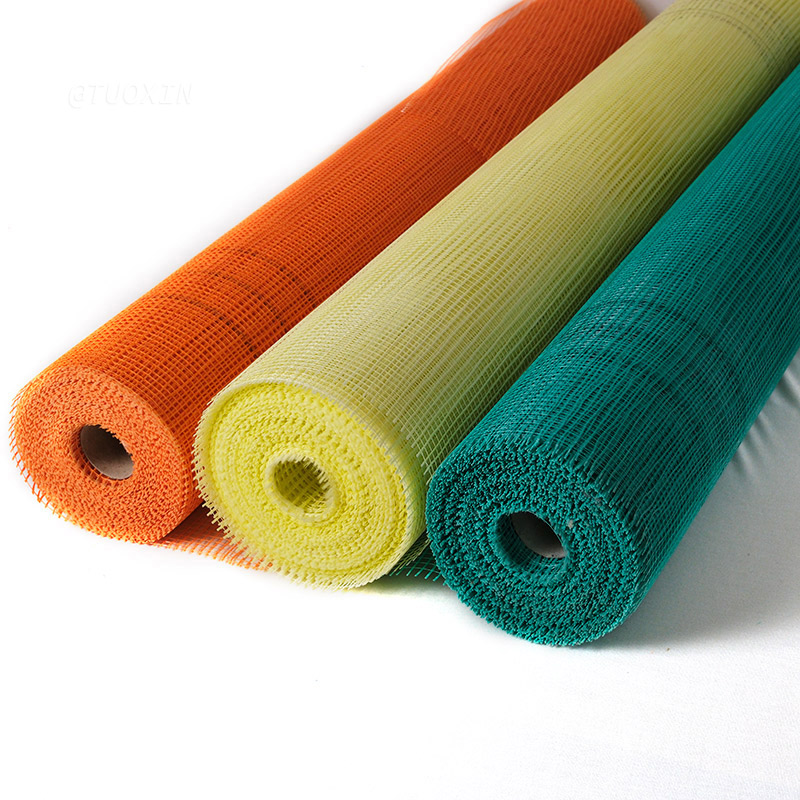
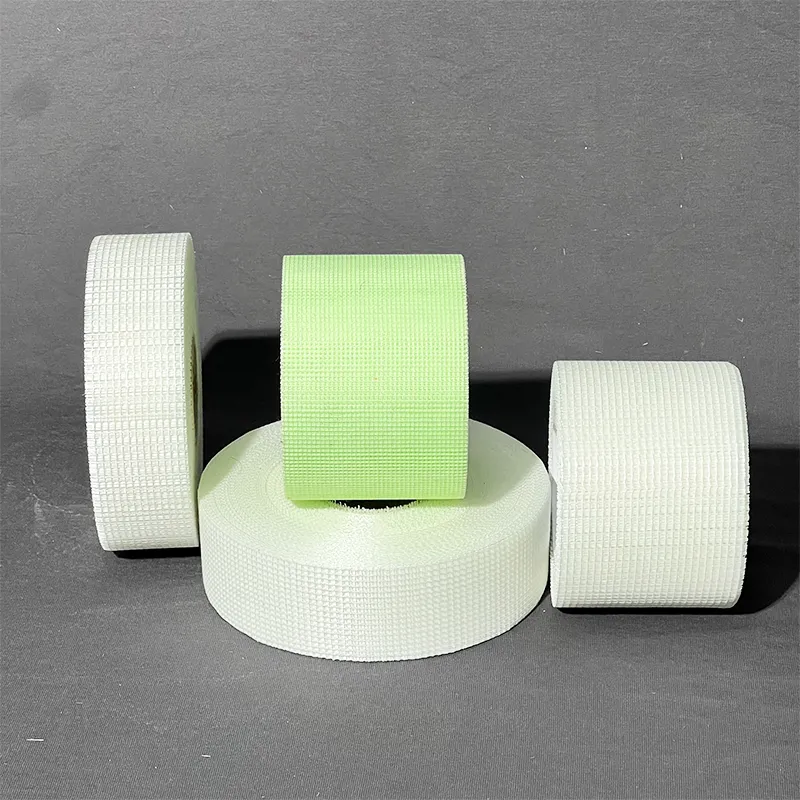
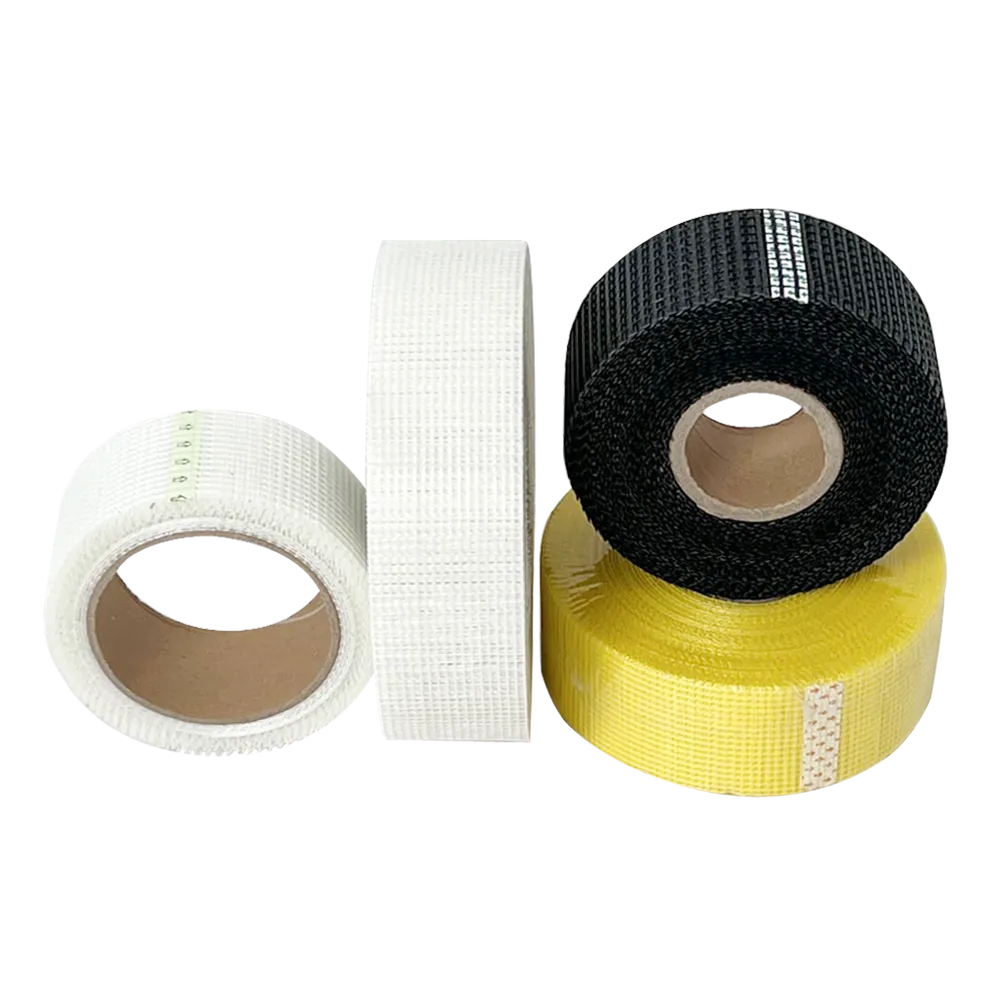
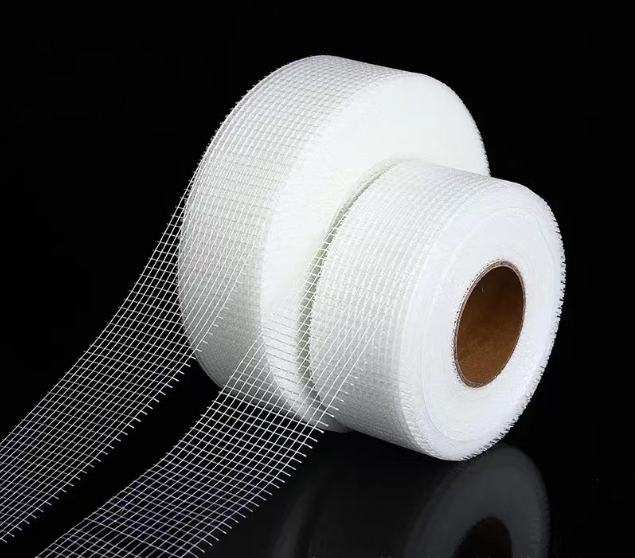
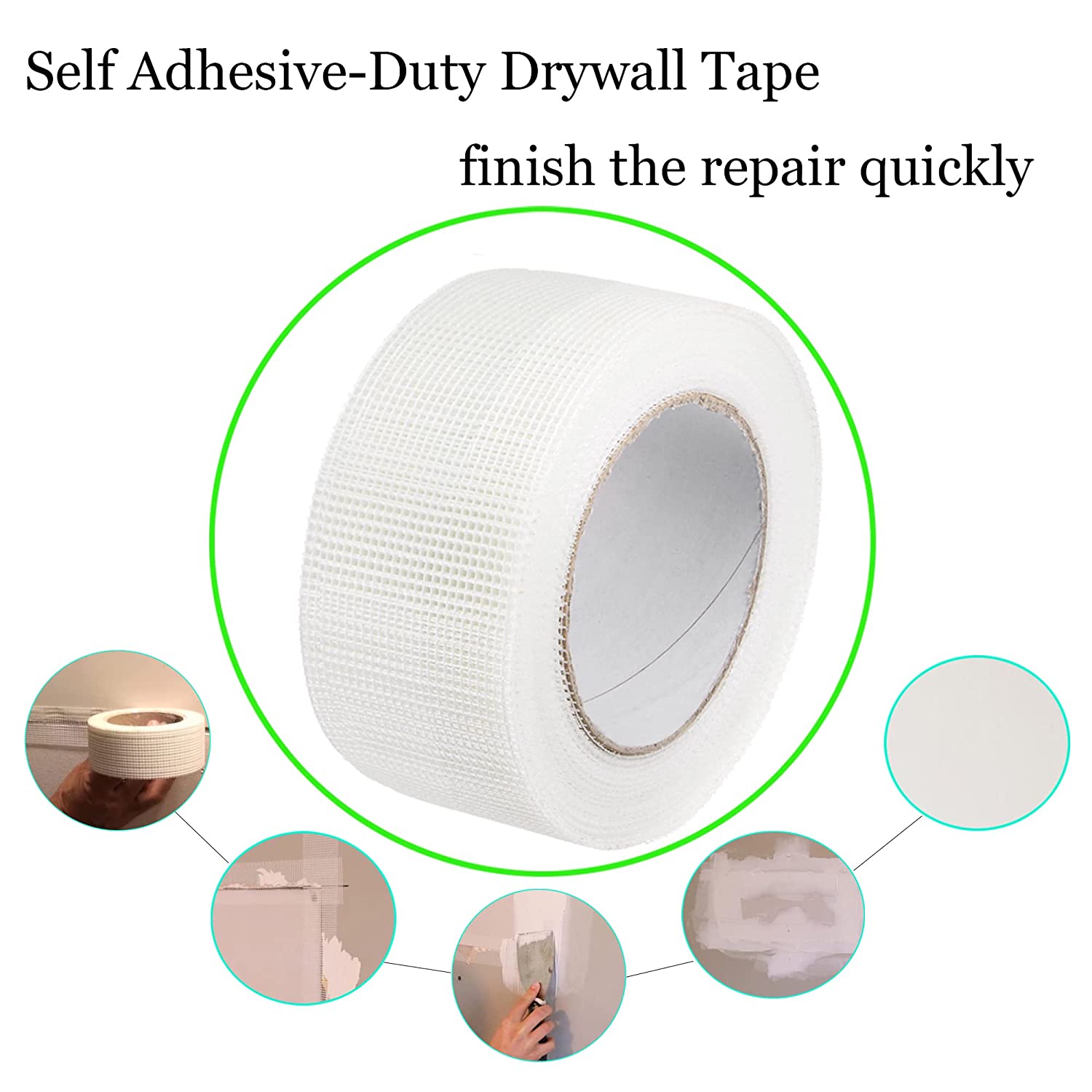
Made in Xiaomen Village, Yilunbao Township, Renqiu City, Hebei Province, China, this self-adhesive mesh is buffed on both sides and pre-creased down the center, so it behaves at corners (a small detail that saves real time). It’s designed for both ready-mix and setting-type joint compounds, plus gypsum veneer systems. Many crews tell me adhesion is “Goldilocks”—sticks fast, lifts clean if you catch a misalignment early. To be honest, that’s half the battle on tall runs.
| Base fiber | E-glass with alkali-resistant coating |
| Mesh | ≈ 9×9 per inch (≈3.2×3.2 mm) |
| Weight | ≈ 60–75 g/m² |
| Widths / lengths | 48/50/100 mm; 45 m or 90 m rolls |
| Adhesive | Modified acrylic PSA, self-adhesive |
| Tensile strength | ≈ 800 N/50 mm (warp), 600 N/50 mm (weft) |
| Peel adhesion (on primed gypsum) | ≈ 1.2–1.8 N/cm (ASTM D3330) |
| Center crease / buffing | Yes / both sides |
| Compliance | ASTM C475; EN 13963 (Type T) |
| Service life | >20 years in normal interior conditions |
Where it’s used (and why crews like it)
- Drywall joints and inside corners (gypsum board, veneer plaster).
- Remodel patches where movement is expected around old framing.
- Prefab modules, mobile homes, and hospitality fit-outs where speed matters.
Advantages I’ve actually seen on site: fast embed, less blistering than paper in humid rooms, and fewer callbacks for micro-cracking. If you need to buy adhesive fiberglass mesh for a high-turnover project, the center crease is surprisingly handy.
How it’s made (quick process flow)
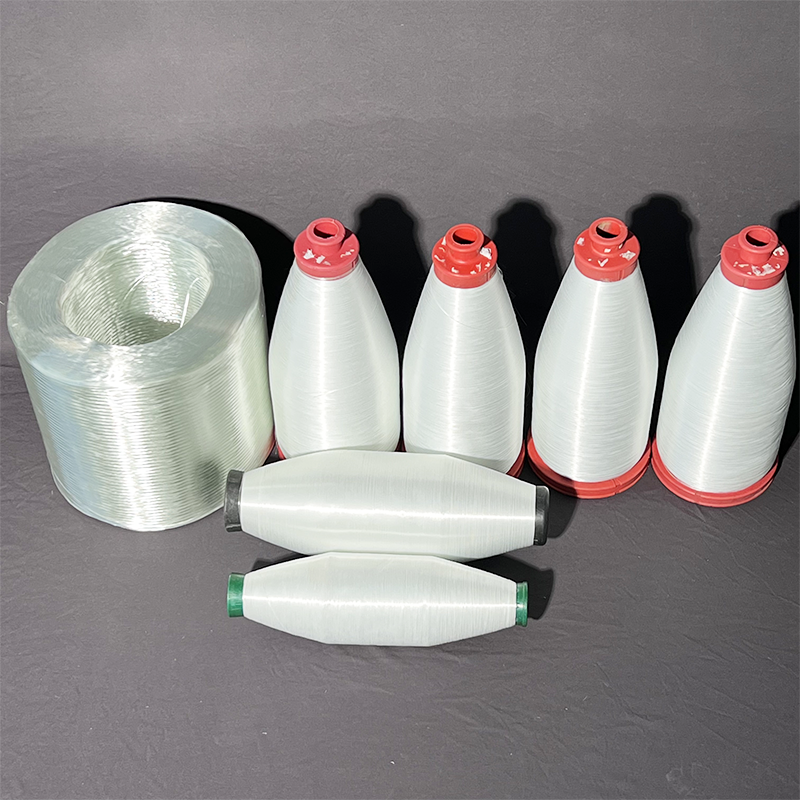
Materials: E-glass yarn → leno weave → alkali-resistant coating → buffing → PSA coating (one side) → drying → slitting → center creasing → roll winding → QC. Core tests: tensile (ISO 13934-1 method), peel (ASTM D3330), alkali retention (per JC/T 841 protocol, adapted), and dimensional stability. Batches are checked to ASTM C475 and EN 13963 tolerances.
Industry trends I’m seeing
- Shift toward higher peel PSA for cold rooms (still repositionable).
- Wider 100 mm tapes for rehab work to bridge irregular seams.
- Traceable lots and CE/UKCA paperwork getting requested even for interior work—compliance creep is real.
Vendor comparison (indicative)
| Vendor | Origin | Certs | Lead time | Customization | Price band |
|---|---|---|---|---|---|
| Tainuo (Hebei) | China | ASTM/EN reports, ISO 9001 | ≈ 10–15 days | Widths, lengths, branding | Value |
| EU Importer | EU | CE, DoP | Stock/fast | Limited | Premium |
| OEM Aggregator | Asia (mixed) | Varies | ≈ 20–30 days | Broad but variable | Lowest |
Customization options
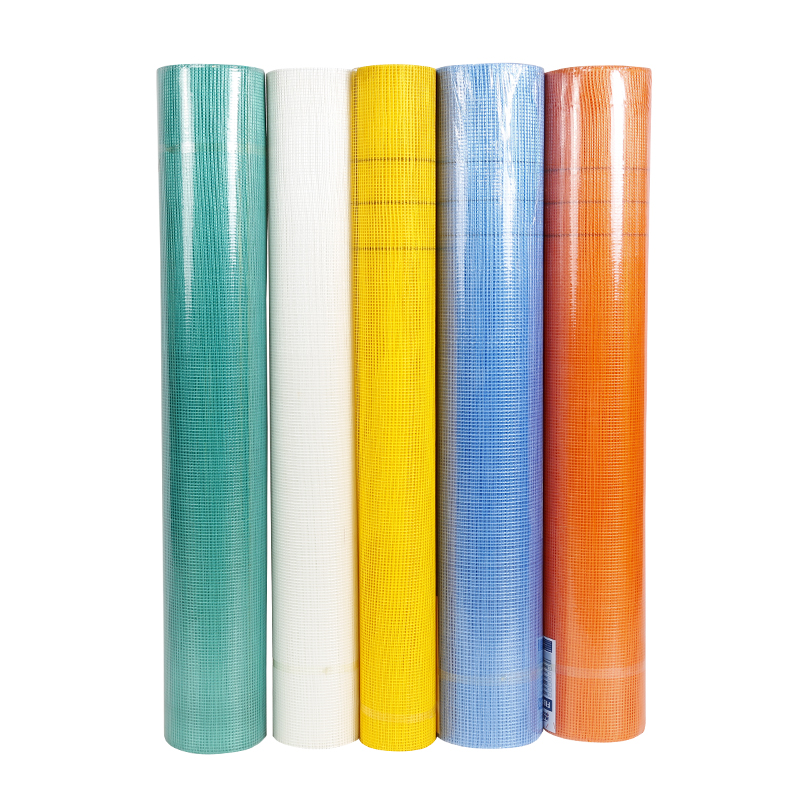
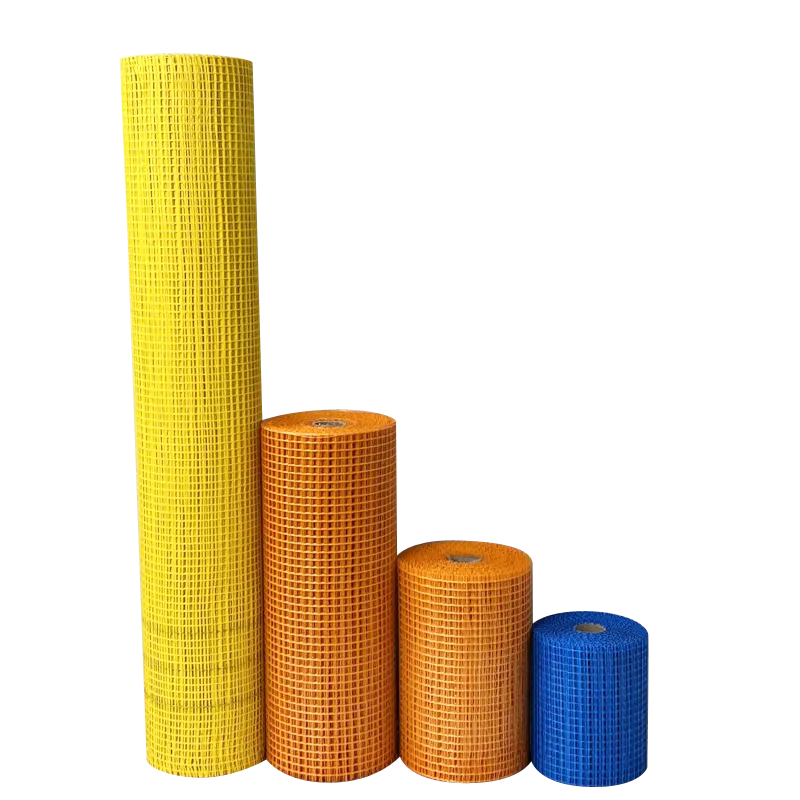
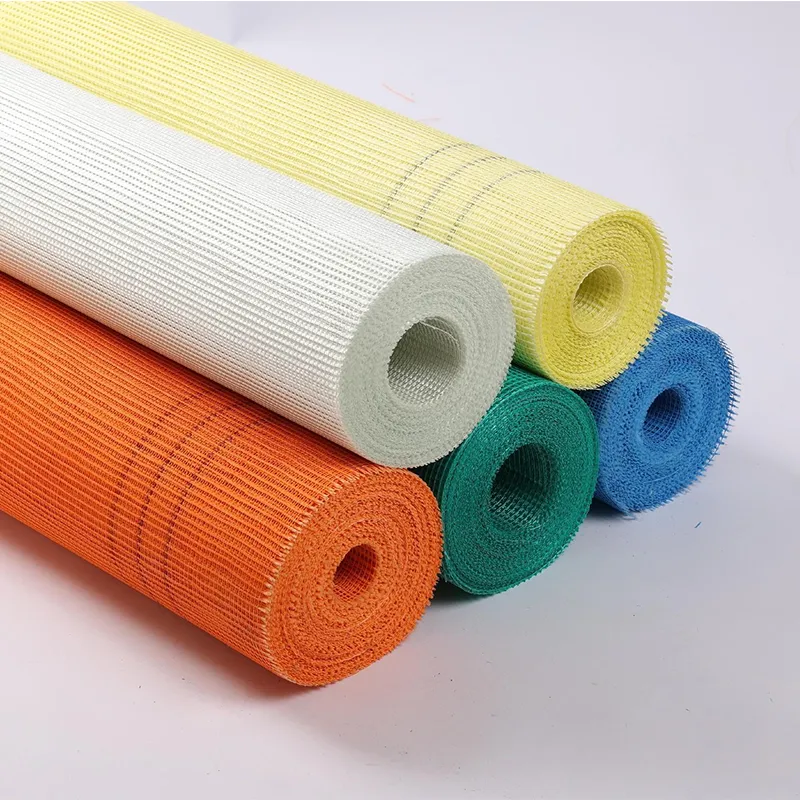
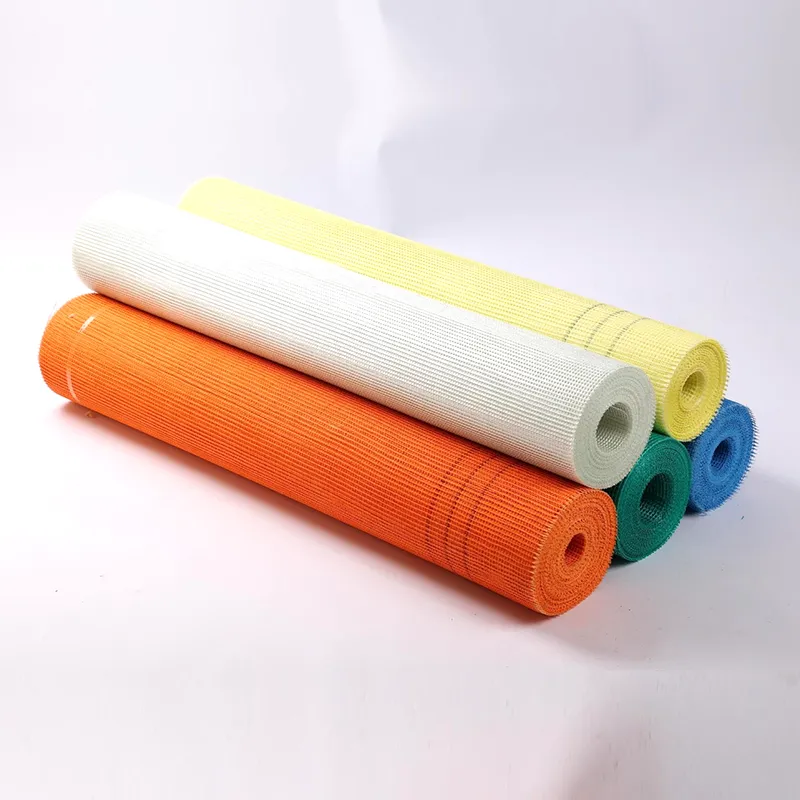
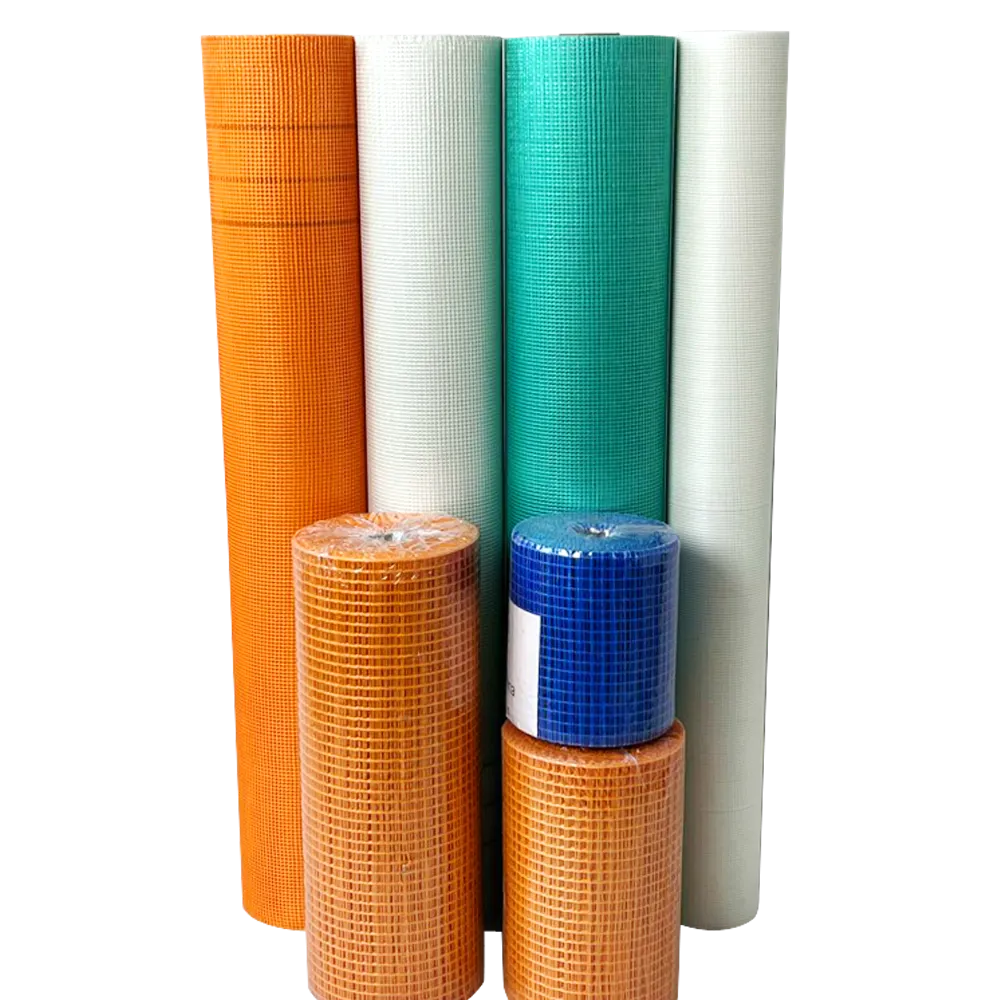
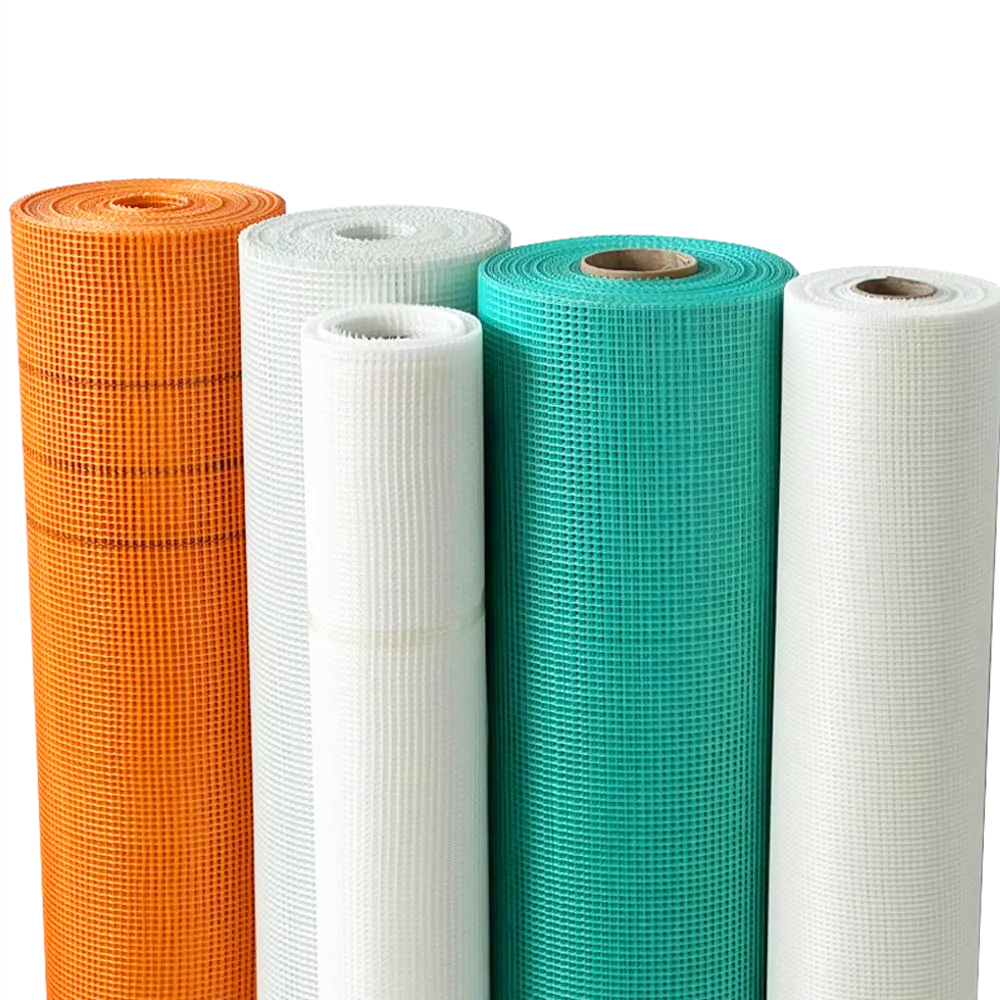
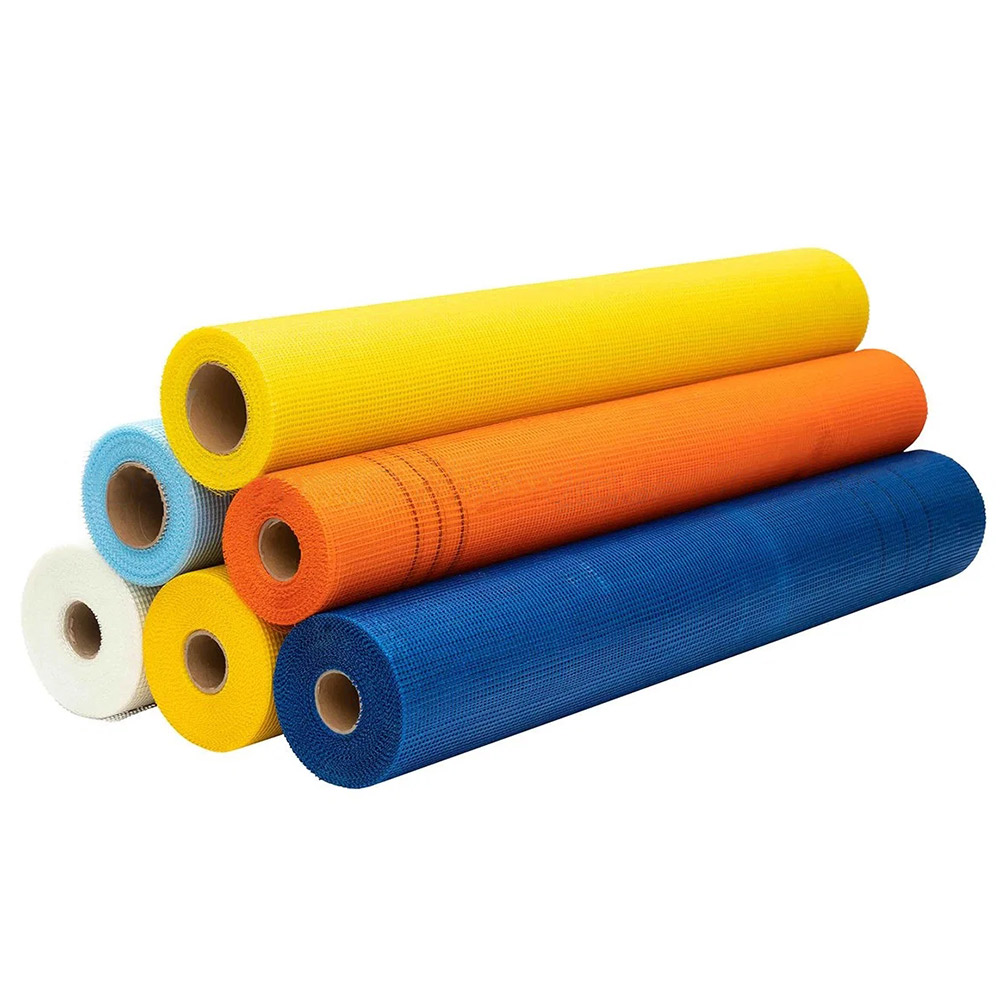
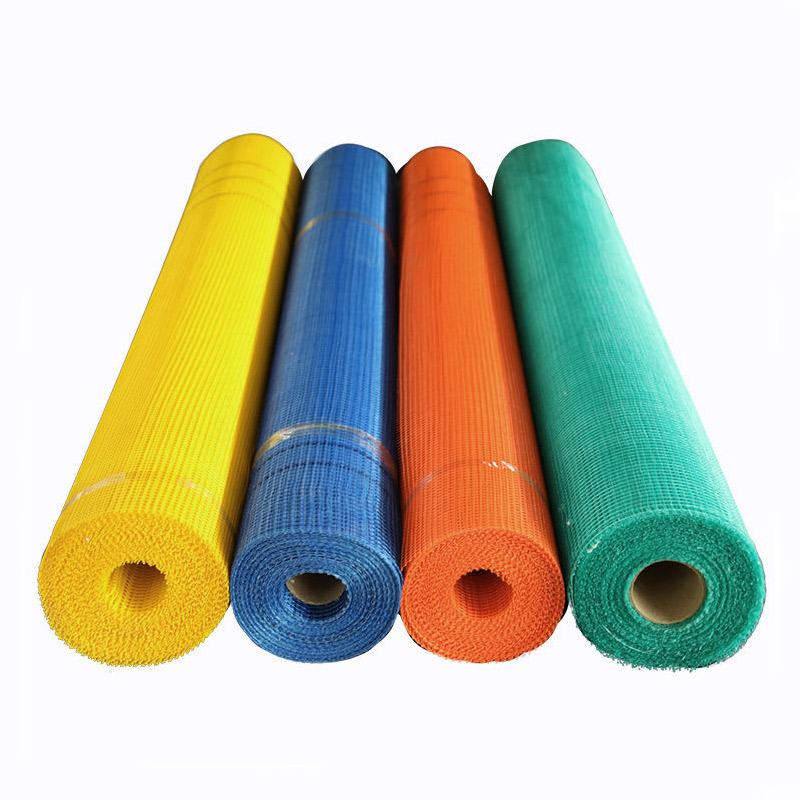
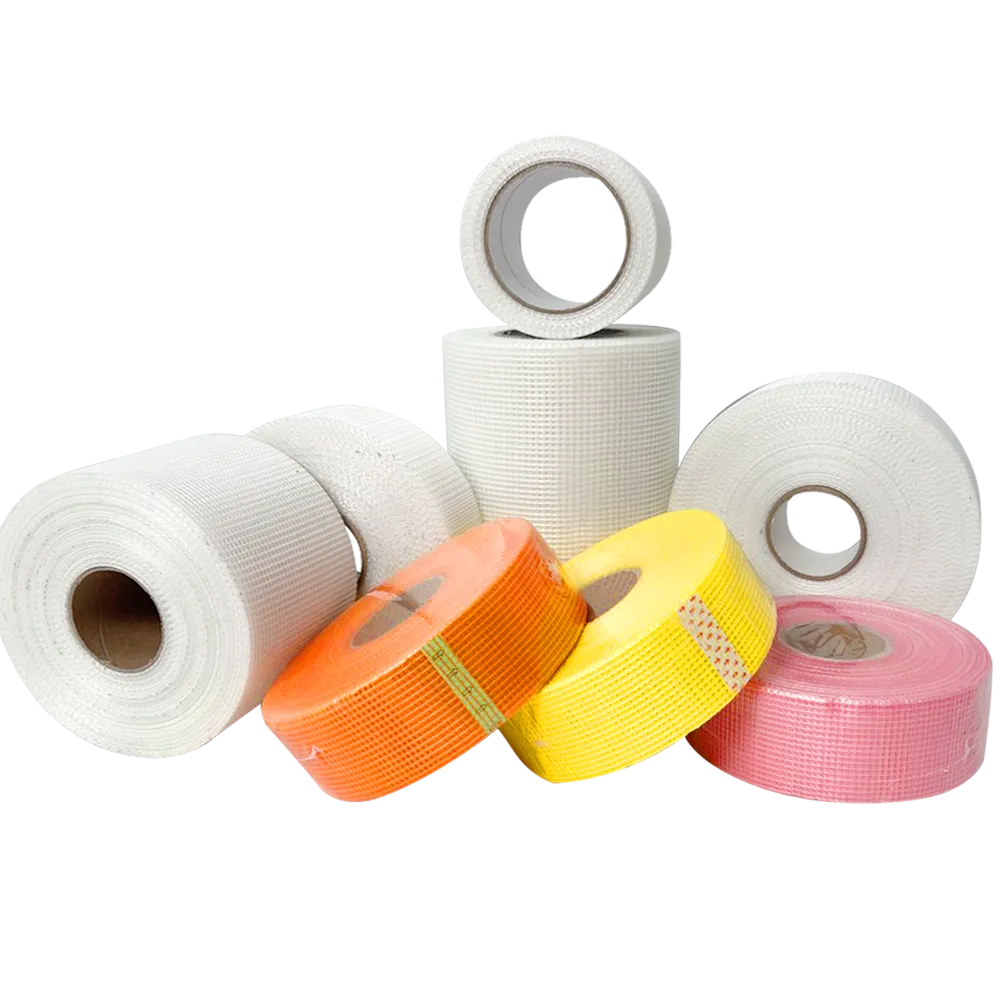
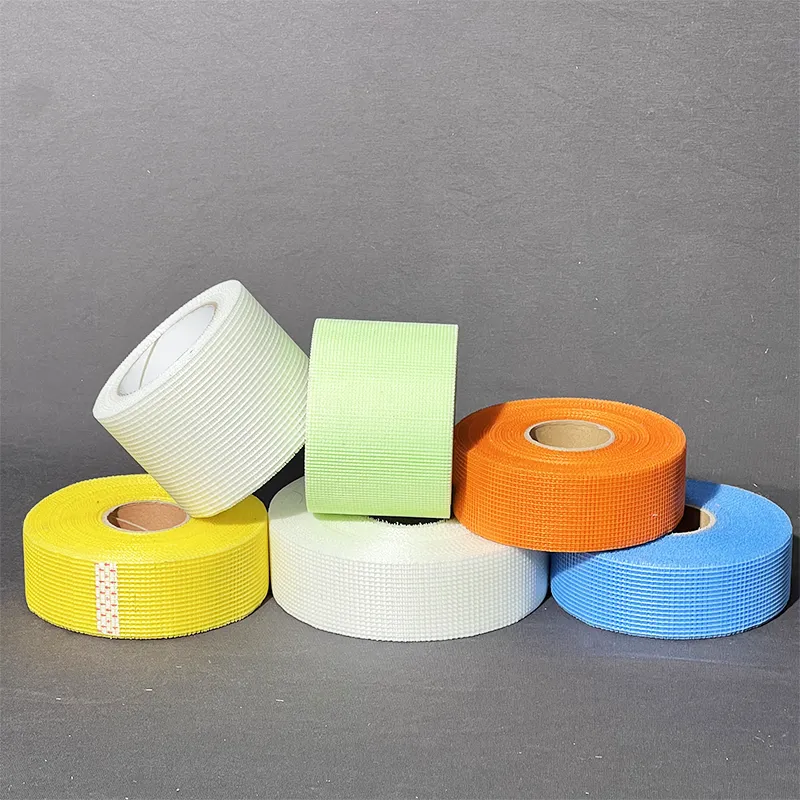
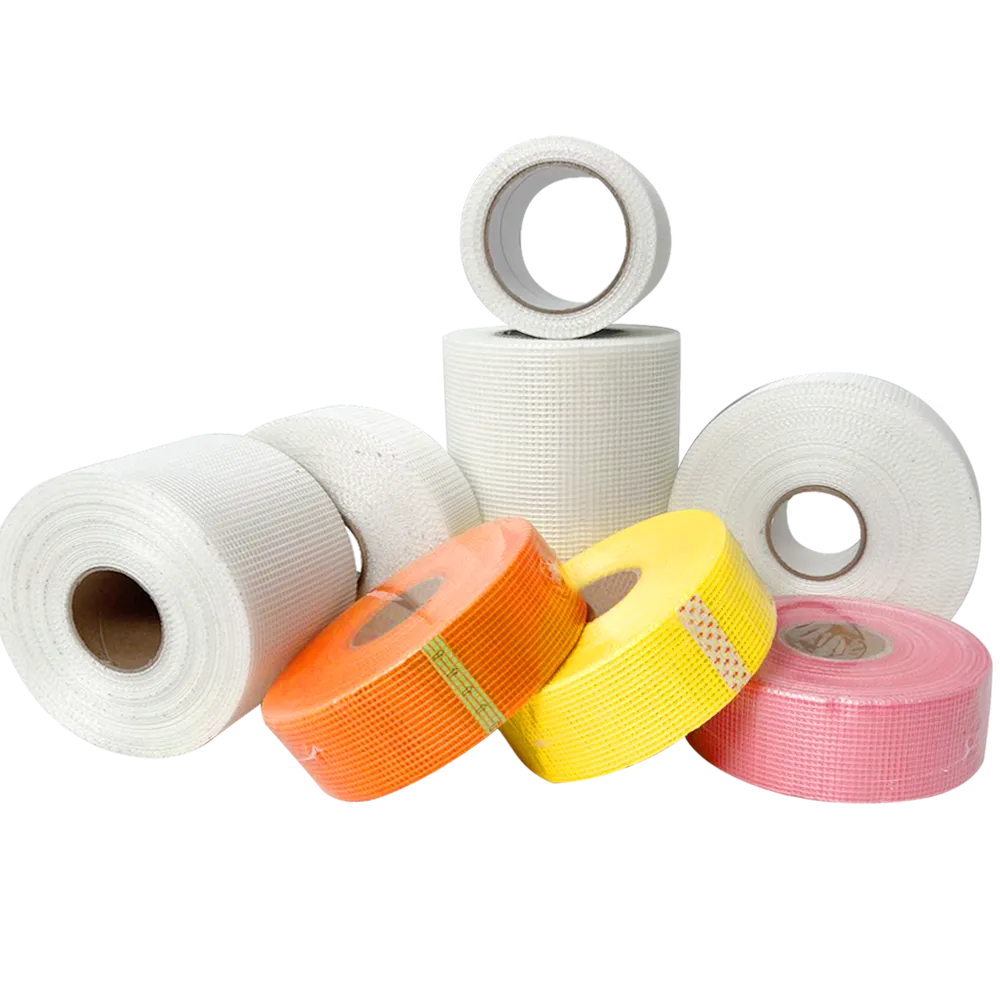
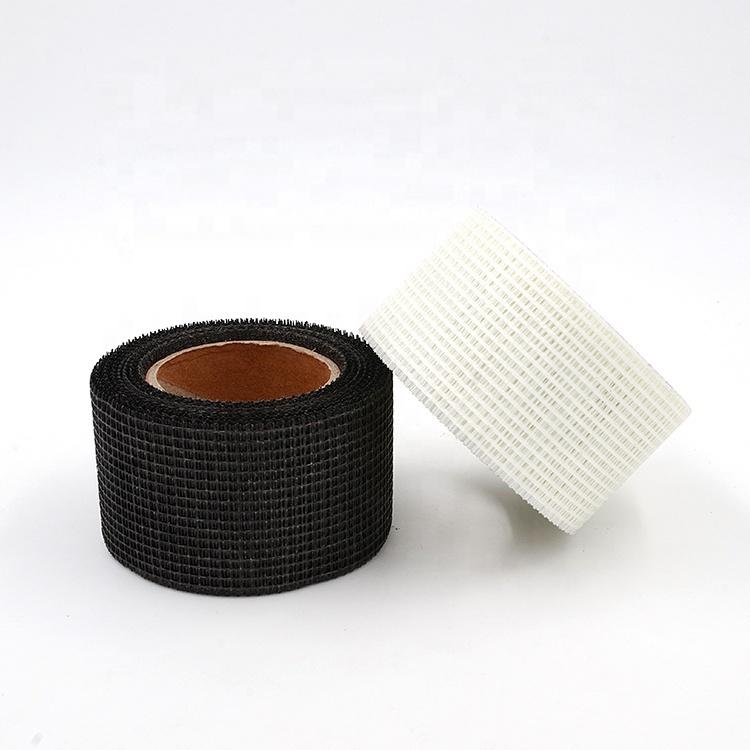
Widths 48–100 mm, rolls 20–100 m, colors (white/yellow/blue), private label cores, carton printing, and even boosted-adhesion versions for cold starts. If your crews buy adhesive fiberglass mesh for prefab, ask for longer rolls to cut changeovers.
Mini case studies
- Residential builder, Ohio: switching to pre-creased mesh cut corner rework; punch-list callbacks down ≈37% over two quarters (internal QA).
- Hotel renovation, GCC: wide tape (100 mm) over mixed substrates reduced telegraphing cracks; scrap down ≈12%. Not magic—just better bridging and consistent peel.
Quick install tips (so it behaves)
- Dust off the board—peel values assume a clean surface.
- Lay mesh flat, no tension “banjoing.”
- Embed with setting-type compound for first coat where movement is likely.
- Feather wide; don’t chase perfection on coat one.
Bottom line: if you plan to buy adhesive fiberglass mesh that just works, prioritize consistent weave, verified peel data, and that humble center crease. It’s the little things.
Authoritative citations
-
Best Fiberglass Mesh Tape for RedGard Product Waterproofing GuideNewsApr.16,2026
-
Why High Strength Fiberglass Mesh Is Essential For Stucco ApplicationNewsApr.15,2026
-
Why Alkali Resistant Fiberglass Mesh Tape Is Essential For Cement Board And Tile InstallationsNewsApr.15,2026
-
Understanding The Role Of Drywall Fiberglass Mesh In Interior FinishingNewsApr.15,2026
-
Ultimate Guide To Using Fiberglass Mesh Tape For Drywall And Plaster RepairsNewsApr.15,2026
-
The Versatility Of Fiberglass Mesh In Marble And Stone MosaicNewsApr.15,2026