Dec . 03, 2025 11:14 Back to list
Why and How to Buy Fiberglass Mesh Products for Durable Construction
Why You Should Consider to Buy Fiberglass Mesh Products
If you’ve ever come across construction sites, renovation projects, or even industrial manufacturing setups, chances are you’ve seen fiberglass mesh in action—sometimes without realizing it. And honestly, its role is quietly monumental in strengthening structures, improving durability, and offering cost-effective reinforcement solutions. Globally, as infrastructure demands scale up, and the push for sustainable, lightweight materials grows, knowing where and how to buy fiberglass mesh products has never been more relevant.
Introduction: Fiberglass Mesh’s Global Footprint
The world’s building industry is expected to grow significantly in the next decade. According to the United Nations’ Urbanization Prospects report, over 68% of the global population will be urban by 2050, meaning infrastructure needs will skyrocket. Meanwhile, the World Bank notes increasing demand for affordable, resilient construction materials that can withstand environmental stresses.
That’s where fiberglass mesh comes in. It tackles challenges such as cracking, corrosion, and rigidity limitations common to traditional reinforcements like steel. For industries and humanitarian agencies alike, buying fiberglass mesh products means investing in longevity, safety, and innovation.
Mini takeaway: fiberglass mesh is not just a niche product—it's integral to meeting the rapid global need for durable, lightweight reinforcement.
What Does It Mean to Buy Fiberglass Mesh Products?
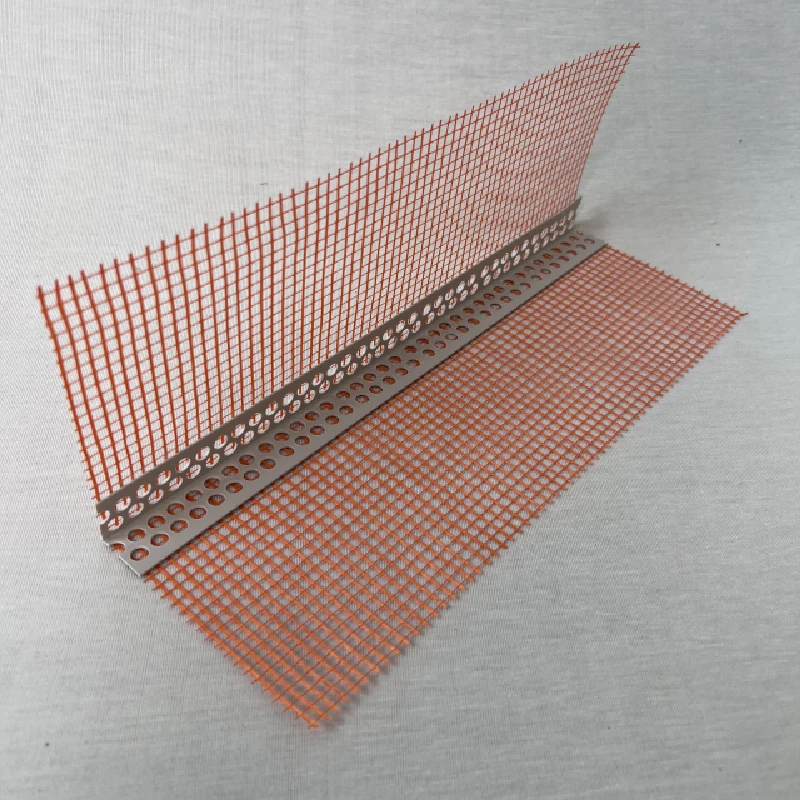
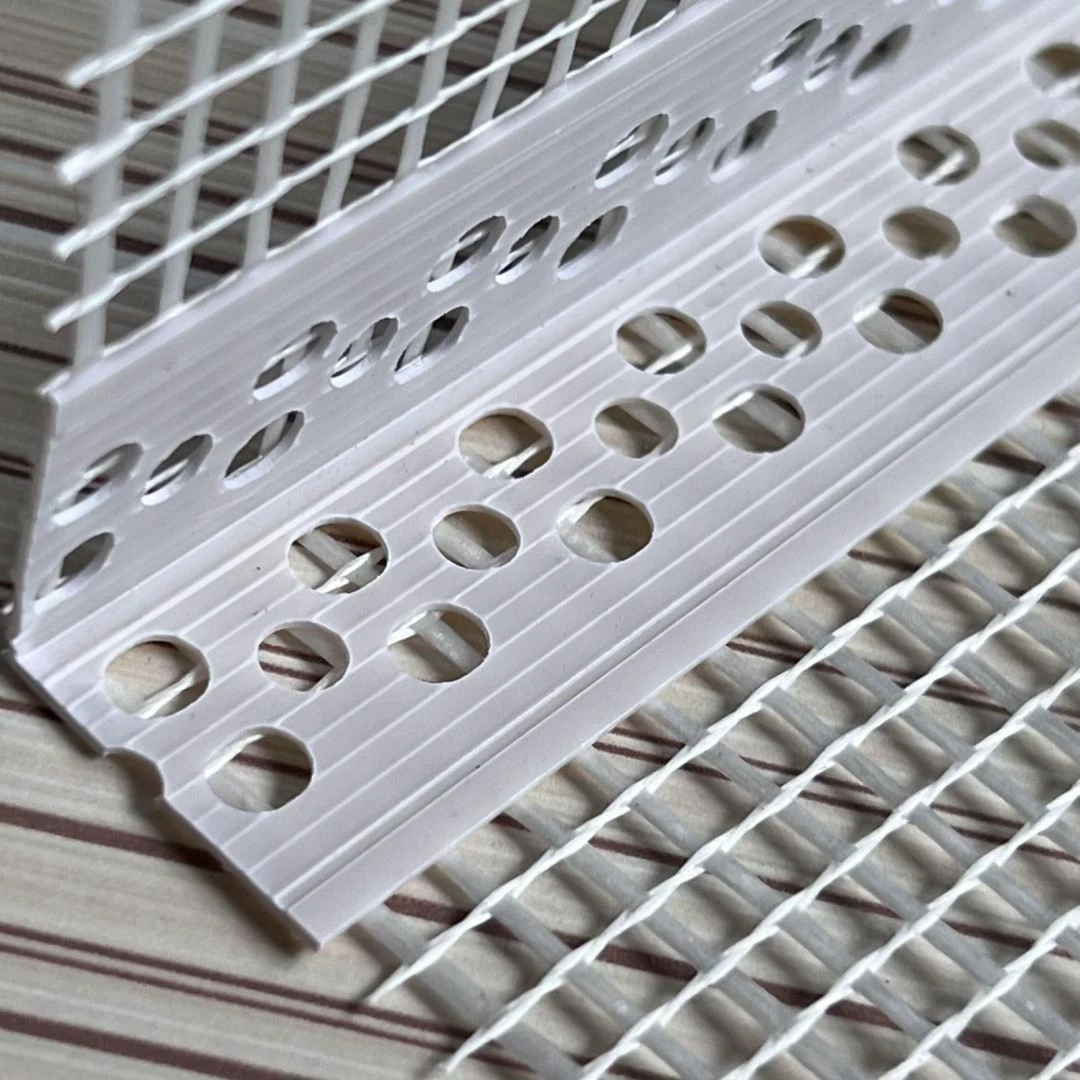
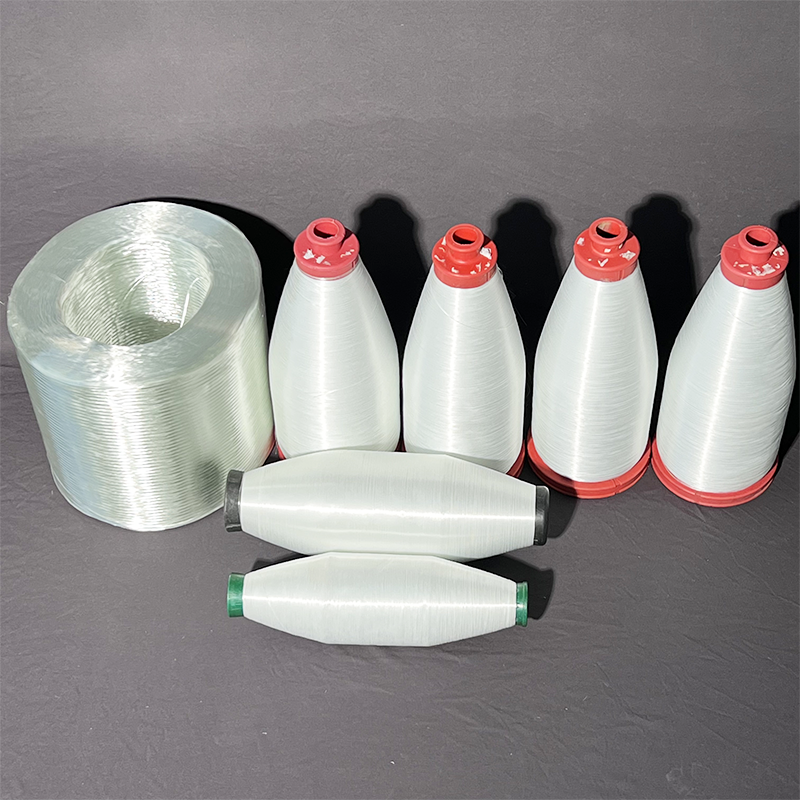
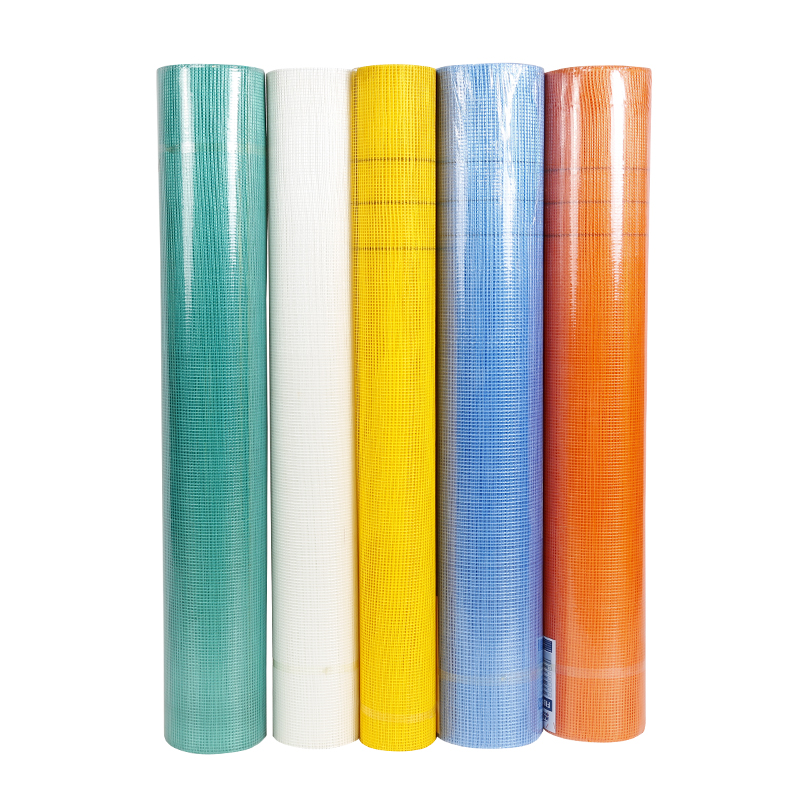
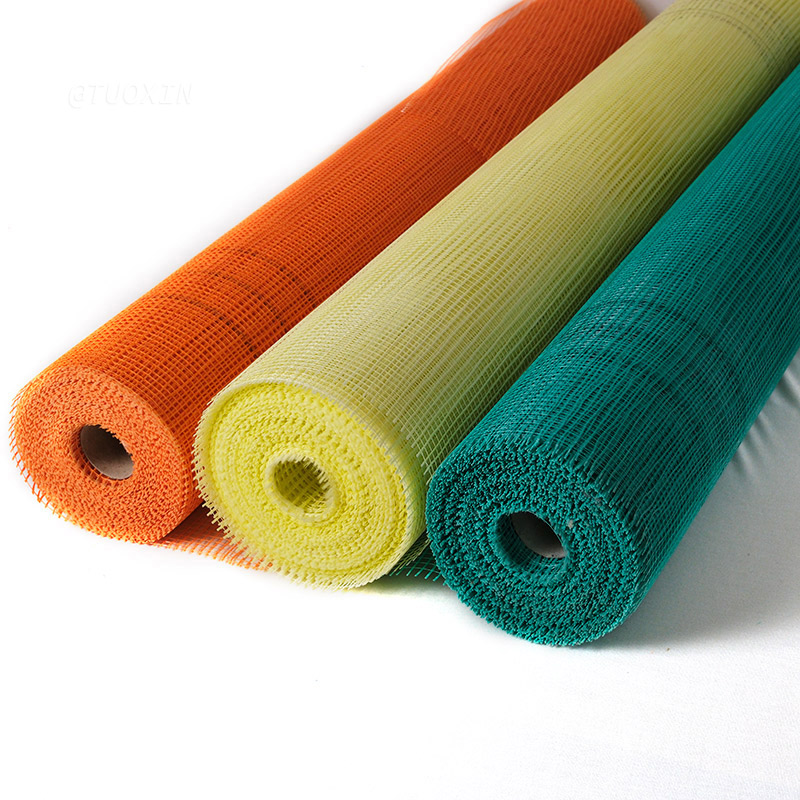
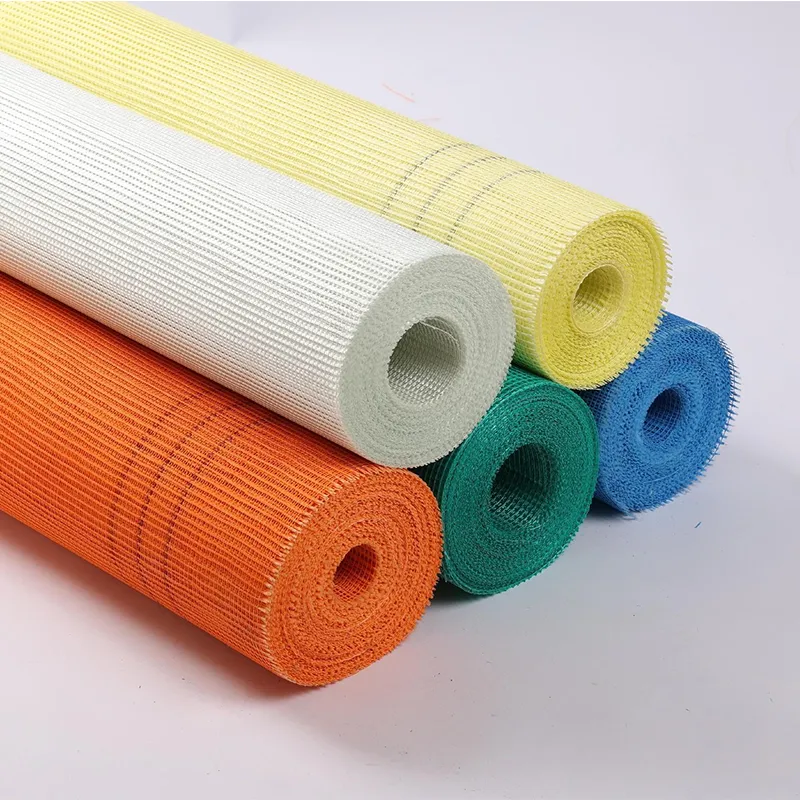
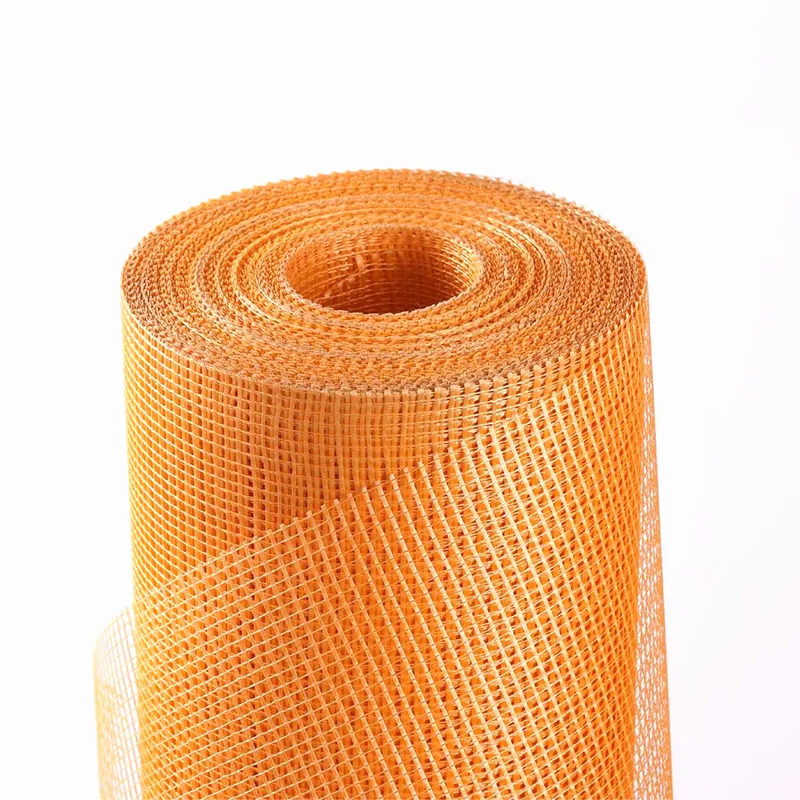
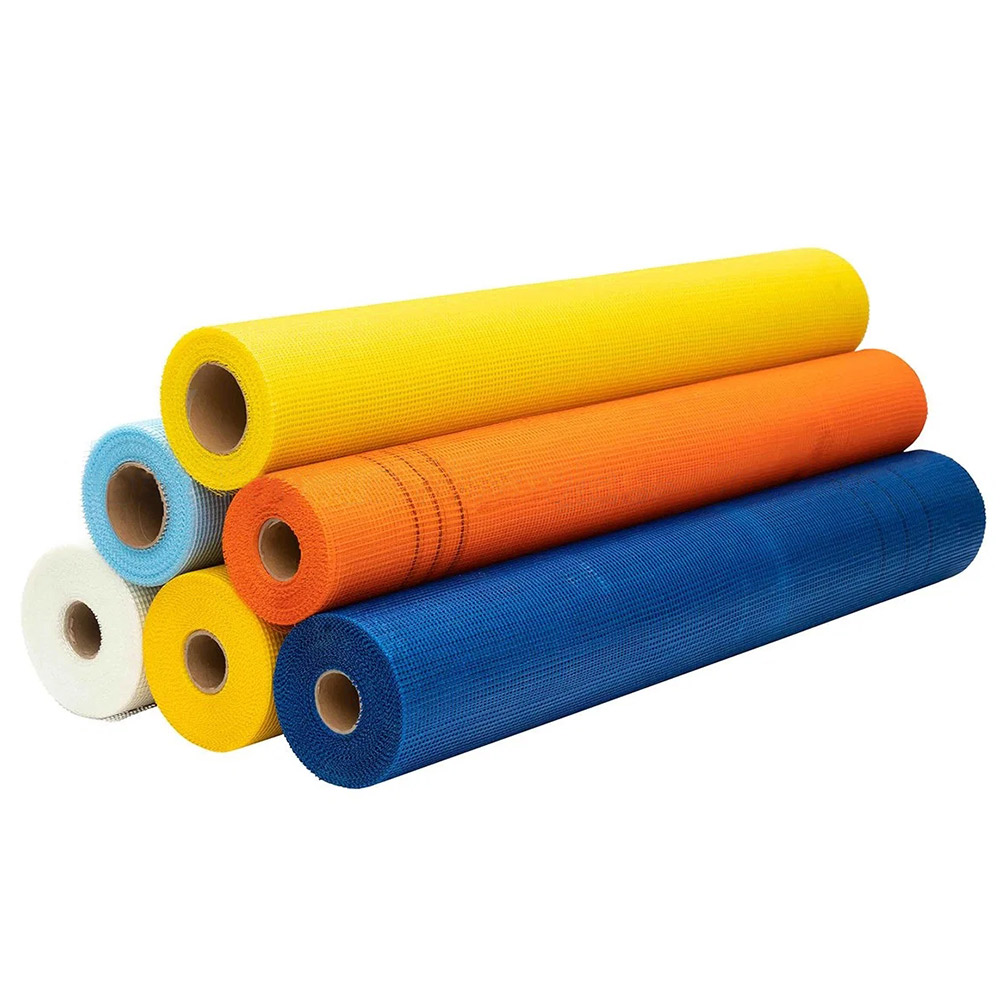
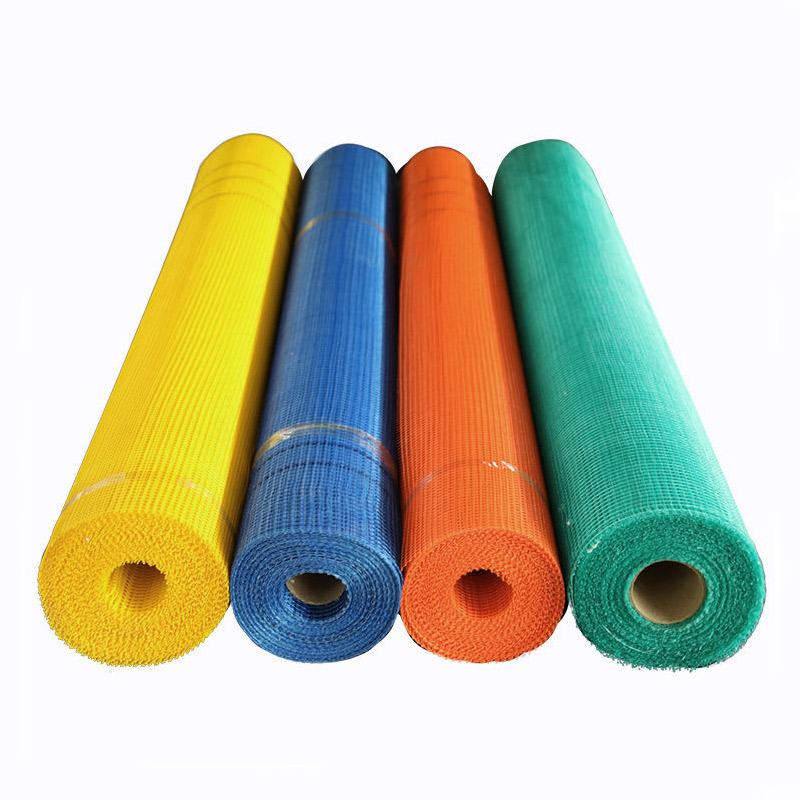
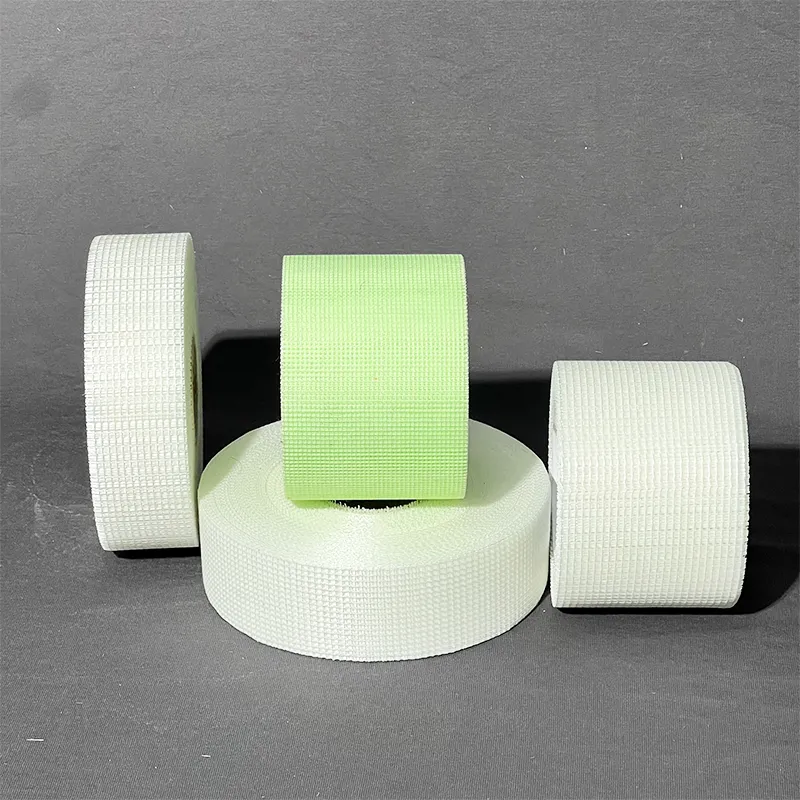
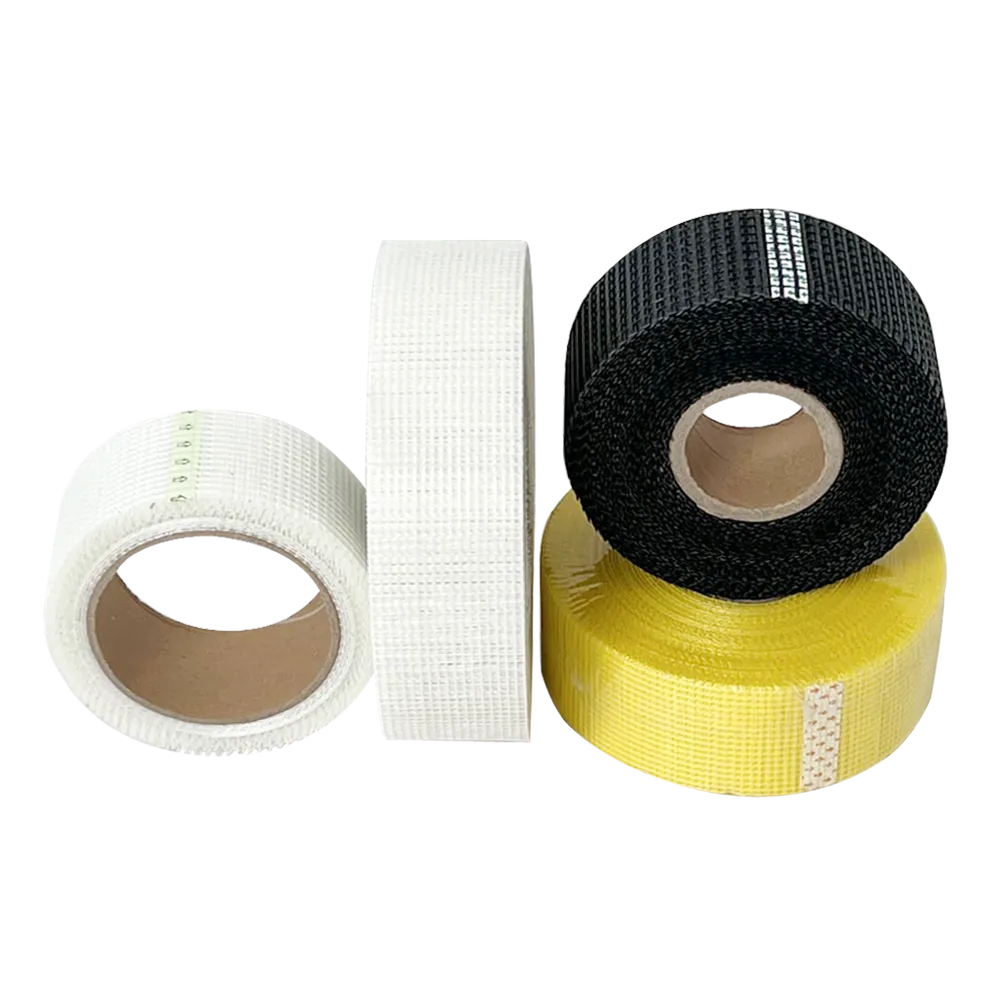
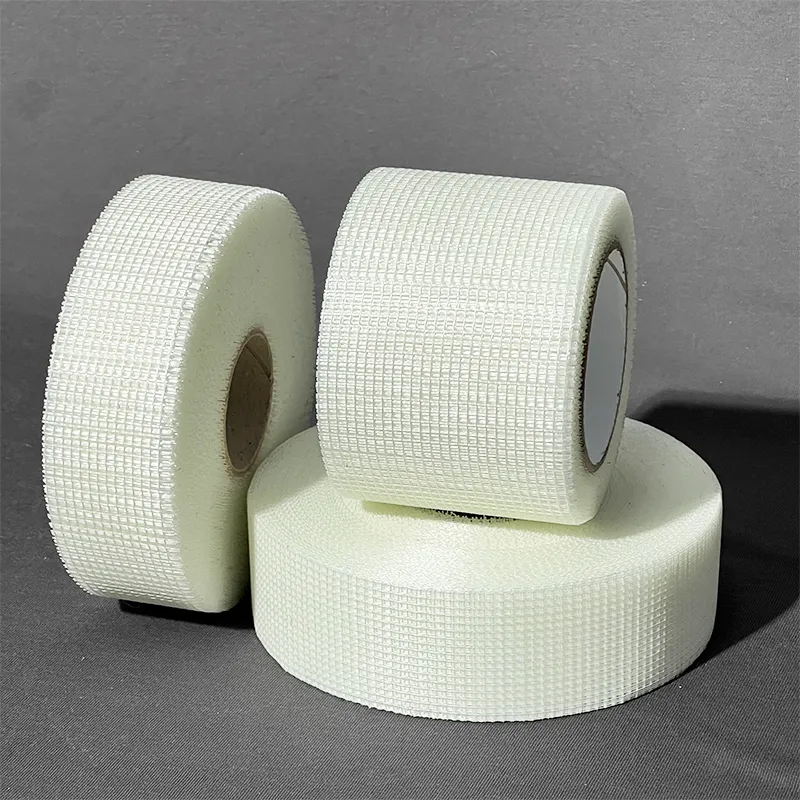
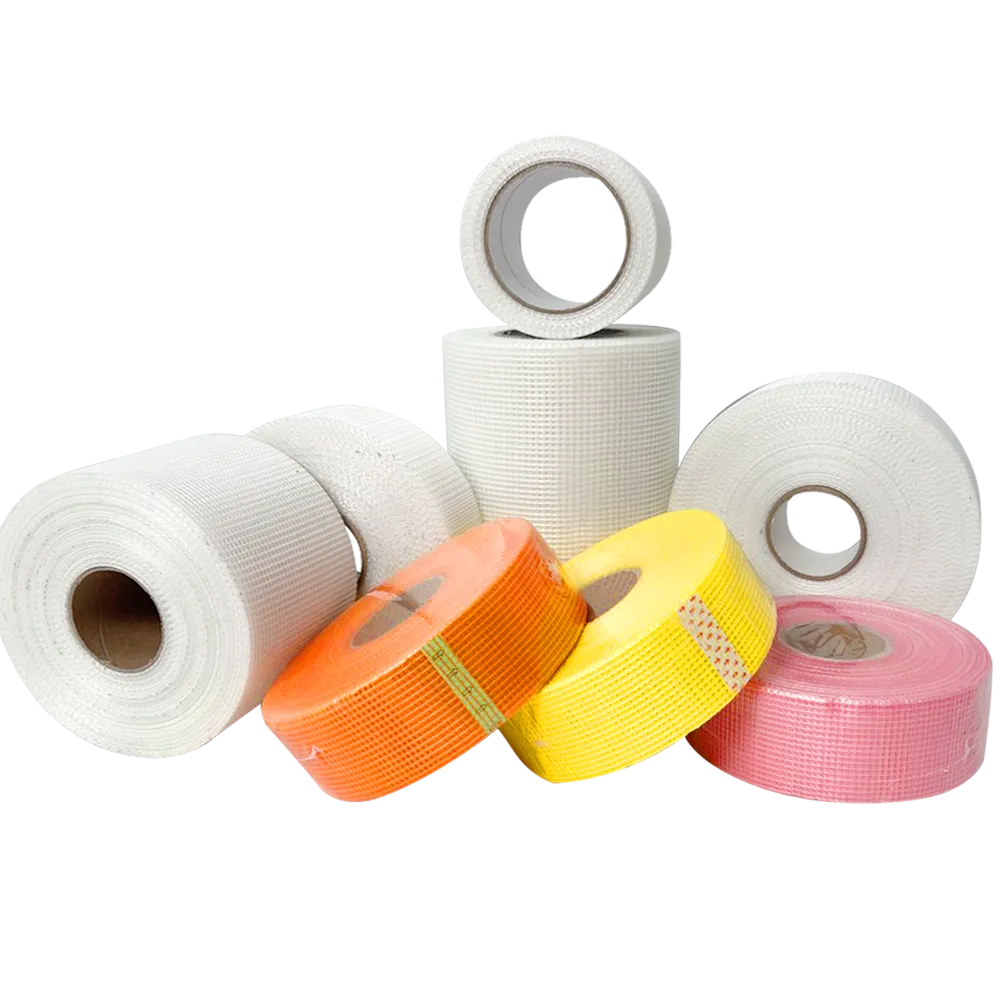
At its core, fiberglass mesh consists of woven strands of glass fiber, formed into a grid-like pattern. This mesh is used primarily as a reinforcement material in cement, plaster, and other composite materials. It enhances strength and prevents cracking or warping over time.
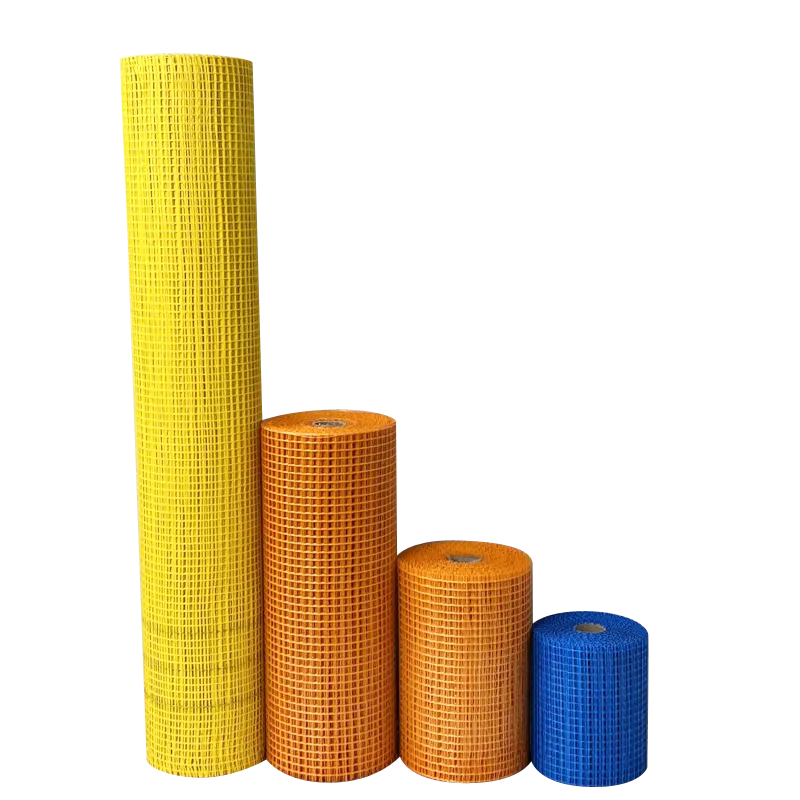
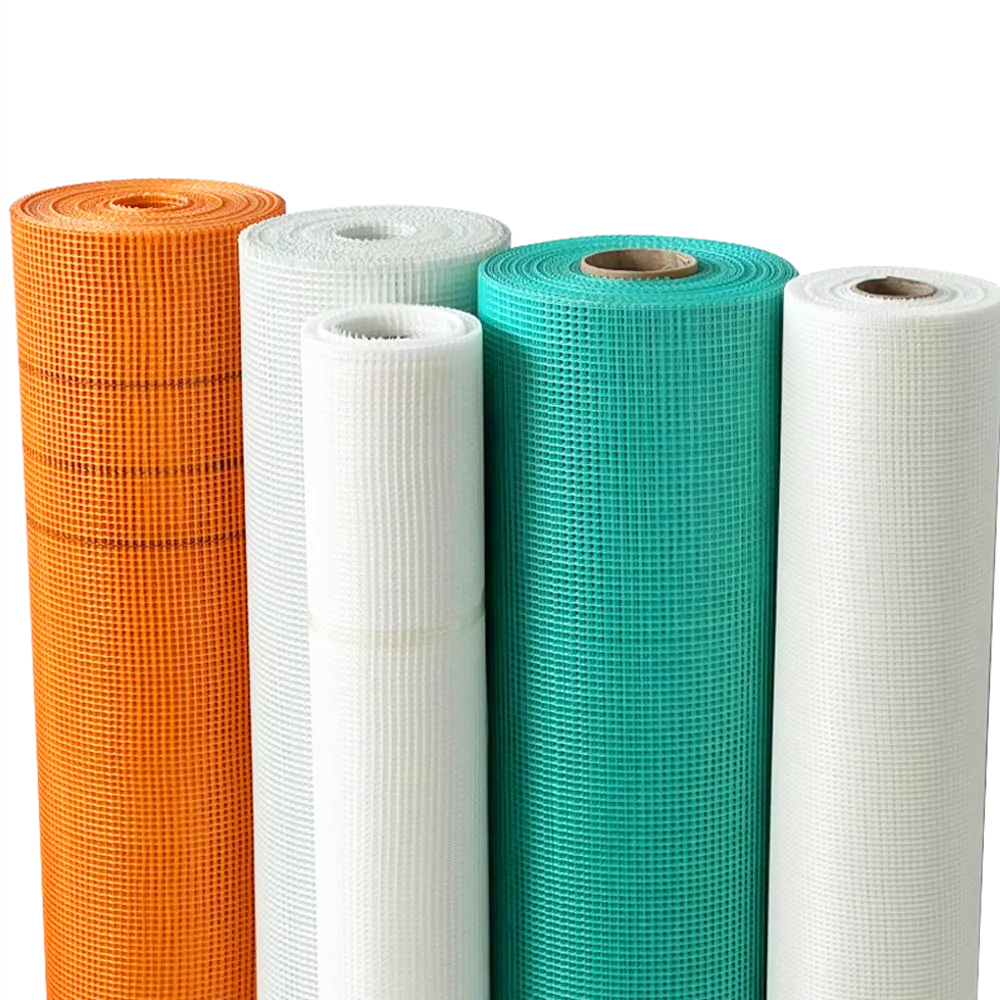
Buying fiberglass mesh products means sourcing these materials—whether rolls or cut sections—that are ready to be embedded into building or industrial composites. It’s a simple concept but one with far-reaching implications in construction, fire protection, and infrastructure resiliency.
Key Factors When Considering Fiberglass Mesh
Durability & Corrosion Resistance
Unlike steel mesh, fiberglass mesh does not corrode. This means it offers long-term reliability, especially in humid or coastal environments where rust can wreak havoc.
Lightweight & Easy Application
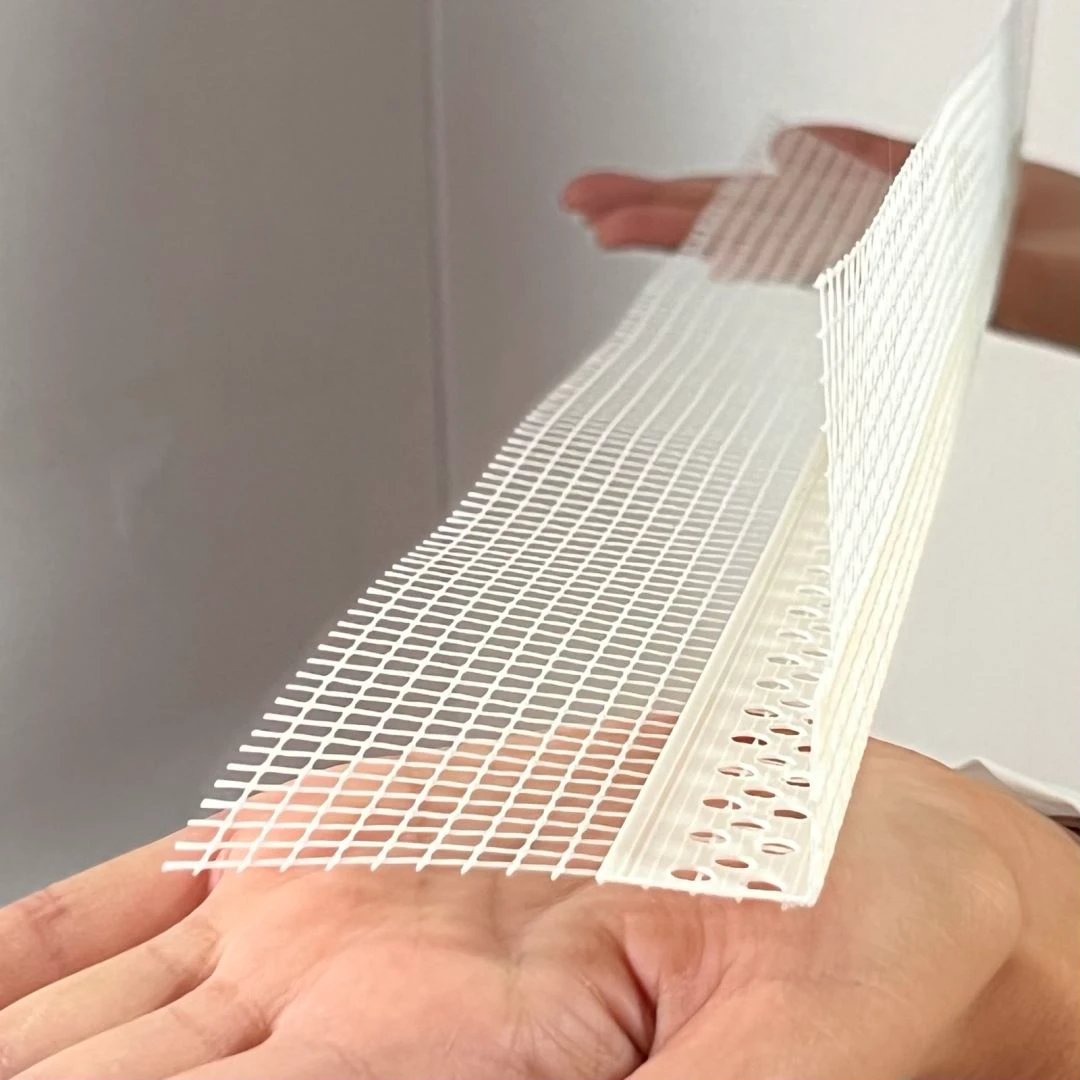
Fiberglass mesh is significantly lighter than metal, making it easier to handle on site and accelerating installation times. It’s flexible but maintains structural integrity.
Thermal Resistance
Due to the nature of glass fibers, the mesh stands up well under high temperatures, adding an element of fire resistance to reinforced materials.
Cost Efficiency
While initial costs may be comparable or slightly higher than alternatives, the added lifespan, reduced maintenance, and ease of application often offset expenses logically.
Customization Options
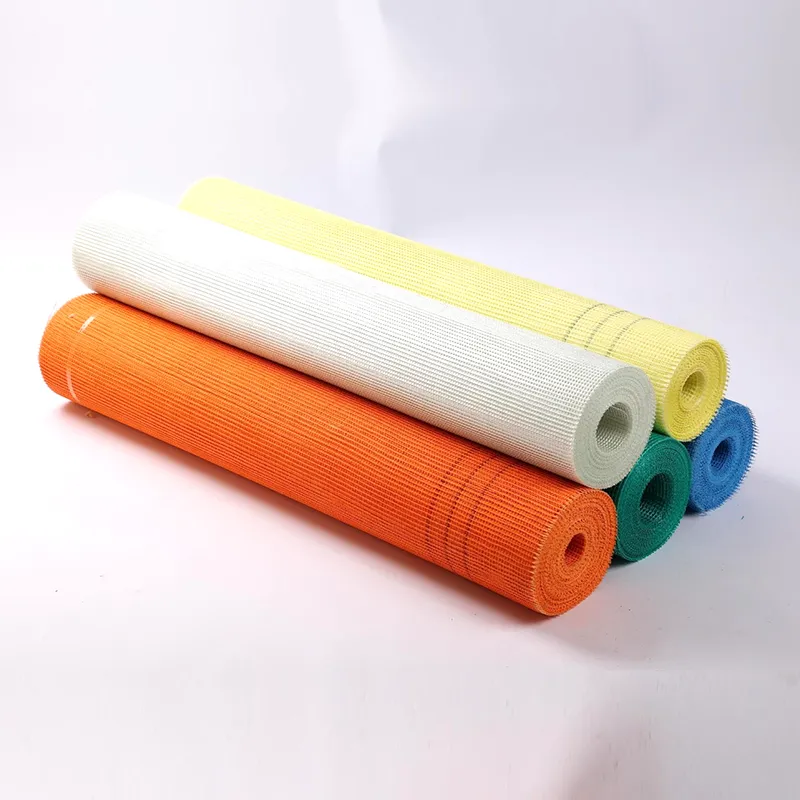
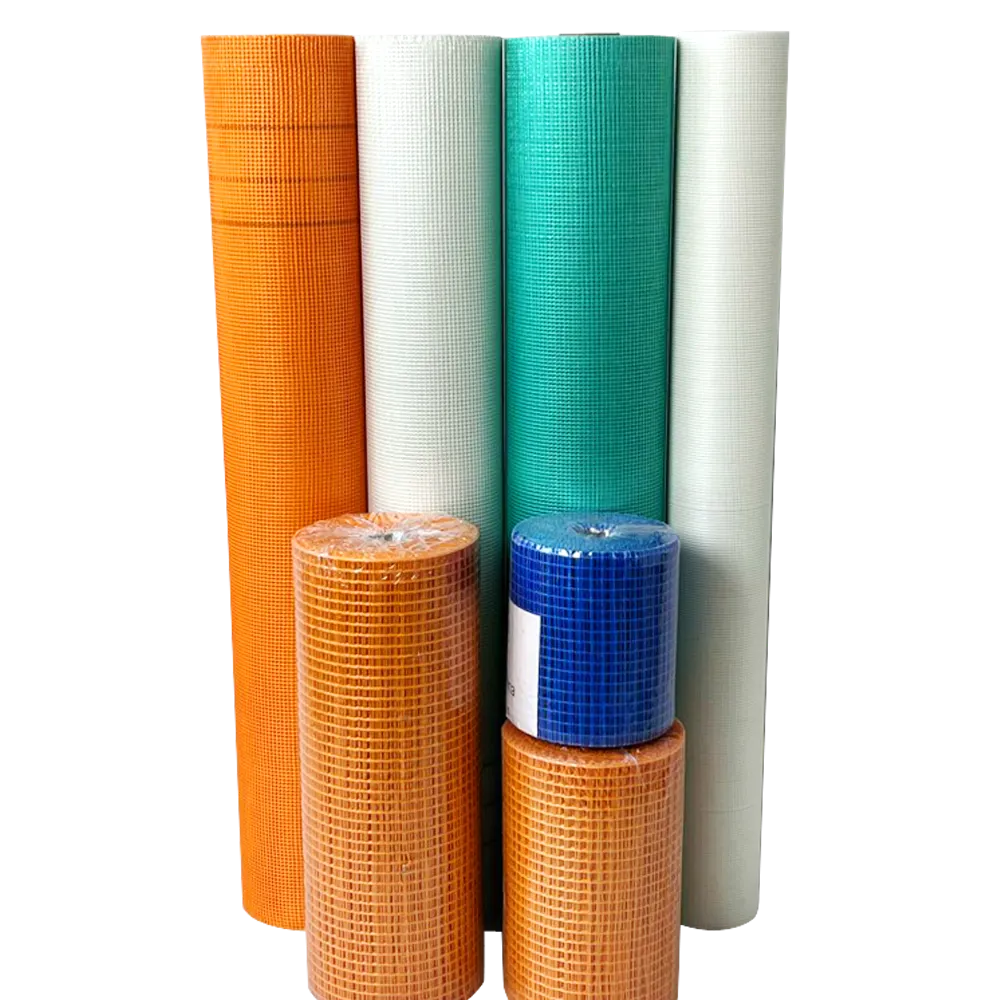
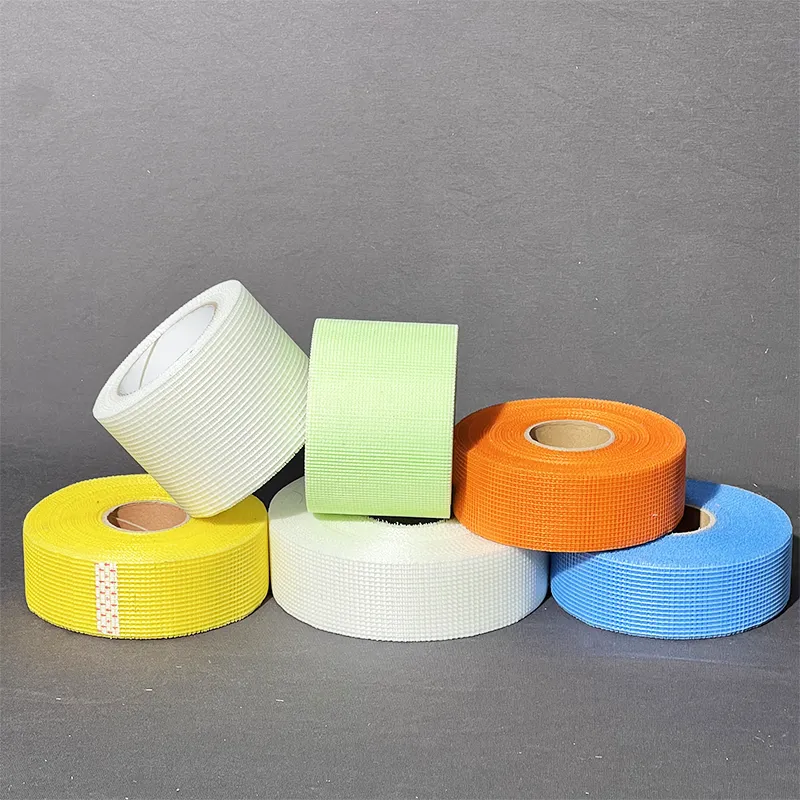
Vendors typically offer various mesh densities and coating types (alkali-resistant coatings are common) to suit particular projects.
Mini takeaway: durability, weight, and cost intersect nicely in fiberglass mesh products—a rare combo in traditional reinforcement materials.
Global Applications & Use Cases
From harsh industrial zones in the Middle East to rebuilding post-disaster sites in Southeast Asia, fiberglass mesh finds use in many critical contexts:
- Construction: Reinforcing EIFS (Exterior Insulation Finishing Systems), stucco, and concrete walls to prevent cracking.
- Disaster Relief: Temporary shelters often rely on fiberglass mesh to strengthen wall panels.
- Transportation: Road and bridge repair activities embed fiberglass mesh for durability against repeated strain.
- Marine Structures: Its corrosion resistance serves vessels and offshore platforms well.
Mini takeaway: fiberglass mesh products have a global footprint, used in diverse environments requiring resilience and adaptability.
Advantages & Long-Term Value
What really strikes me about fiberglass mesh is how it manages to combine technical advantages with practical human impact. It keeps buildings standing longer under stress and reduces hazardous materials exposure during maintenance because it won’t rust or disintegrate.
From a sustainability perspective, these meshes help extend the lifespan of construction projects, meaning fewer resources wasted on repairs. Socially, they contribute to safer, more comfortable living and working environments—the kind that instill peace of mind and even, oddly enough, dignity.
Product Specification Table
| Specification | Typical Values | Remarks |
|---|---|---|
| Mesh Size | 4x4 mm to 10x10 mm | Depends on application |
| Weight | 70-200 g/m² | Lightweight for easy handling |
| Tensile Strength | ≥ 4500 MPa | High strength fibers |
| Alkali Resistance | ≥ 200 hours | Protected against cement alkalinity |
| Temperature Resistance | Up to 200°C | Maintains integrity under heat |
Vendor Comparison: Picking the Right Supplier
| Feature | Supplier A | Supplier B | Supplier C |
|---|---|---|---|
| Product Range | Standard + Custom | Standard only | Wide variety |
| Alkali Resistance | ≥ 200 hours | ≥ 150 hours | ≥ 180 hours |
| Lead Time | 7-10 days | 14 days | 5-7 days |
| Price per Roll | $120 | $110 | $130 |
| Customer Support | 24/7 Support | Business hours only | Email support |
Future Trends & Innovations
It feels like fiberglass mesh products are on the cusp of some exciting upgrades. Researchers are looking into nano-coatings that improve resistance to UV and chemicals even further. Others are exploring hybrid composites—combining fiberglass with basalt or carbon fibers for next-level strength and flexibility.
Plus, as sustainability becomes non-negotiable globally, suppliers are adopting greener production methods, cutting down volatile organic compounds (VOCs), and embracing recyclable fiberglass variants.
Challenges & Emerging Solutions
But, it’s not all smooth sailing. A recurring issue is that fiberglass mesh can degrade when exposed to alkali without proper coatings. Also, large-scale adoption sometimes bumps into supply chain delays or quality inconsistencies.
Innovative alkali-resistant coatings and better quality control protocols have gone a long way in mitigating these. Partnering with reliable manufacturers, like those recommended on buy fiberglass mesh products, ensures consistent performance.
FAQs About Buying Fiberglass Mesh Products
- Q: What should I consider when choosing fiberglass mesh for exterior walls?
- A: Look for alkali resistance, appropriate mesh size (usually 4x4 mm for stucco), and weight around 160 g/m² to balance durability and flexibility. Also, confirm the supplier’s quality certifications.
- Q: How long does fiberglass mesh last in outdoor applications?
- A: With proper alkali-resistant treatment and installation, it can last 20–30 years or more, far outlasting many other reinforcement materials.
- Q: Can fiberglass mesh reduce construction costs?
- A: Yes, by minimizing crack repairs and enhancing long-term infrastructure durability, it reduces maintenance expenses even if initial costs appear higher.
- Q: Is it possible to customize fiberglass mesh rolls for specific projects?
- A: Most reputable suppliers offer custom mesh sizes, weights, and coatings. Reach out directly to discuss your project requirements and timelines.
- Q: Are there environmental certifications related to fiberglass mesh products?
- A: Many manufacturers align with ISO environmental standards and are adopting greener production processes, but it’s best to request certifications when purchasing.
Conclusion: Your Next Step
In essence, learning how to buy fiberglass mesh products wisely brings you into the fold of modern, sustainable construction and infrastructure resilience. The advantages are clear: durability, cost savings, and adaptability. As urbanization surges and environmental challenges mount, investing in the right fiberglass mesh can be a game-changer for your projects.
Ready to upgrade your materials? Visit our website to explore tailored solutions and expert advice: https://www.tainuofiberglassmesh.com.
Takeaway: Fiberglass mesh products—small grids, big impact in building the future.
References:
1. UN World Urbanization Prospects
2. World Bank Infrastructure Demand Report
3. ISO Standards for Fiber Reinforced Materials
-
Best Fiberglass Mesh Tape for RedGard Product Waterproofing GuideNewsApr.16,2026
-
Why High Strength Fiberglass Mesh Is Essential For Stucco ApplicationNewsApr.15,2026
-
Why Alkali Resistant Fiberglass Mesh Tape Is Essential For Cement Board And Tile InstallationsNewsApr.15,2026
-
Understanding The Role Of Drywall Fiberglass Mesh In Interior FinishingNewsApr.15,2026
-
Ultimate Guide To Using Fiberglass Mesh Tape For Drywall And Plaster RepairsNewsApr.15,2026
-
The Versatility Of Fiberglass Mesh In Marble And Stone MosaicNewsApr.15,2026