Dec . 03, 2025 15:38 Back to list
Reliable Plaster Mesh Roll Manufacturers for Long-Lasting Construction
Plaster Mesh Roll Manufacturers: A Closer Look from the Inside
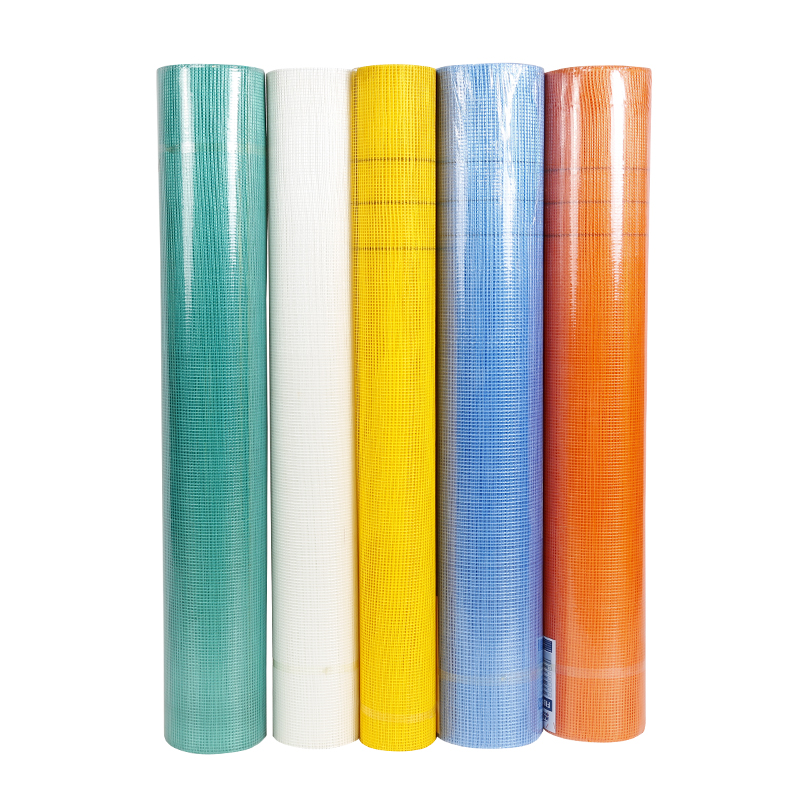
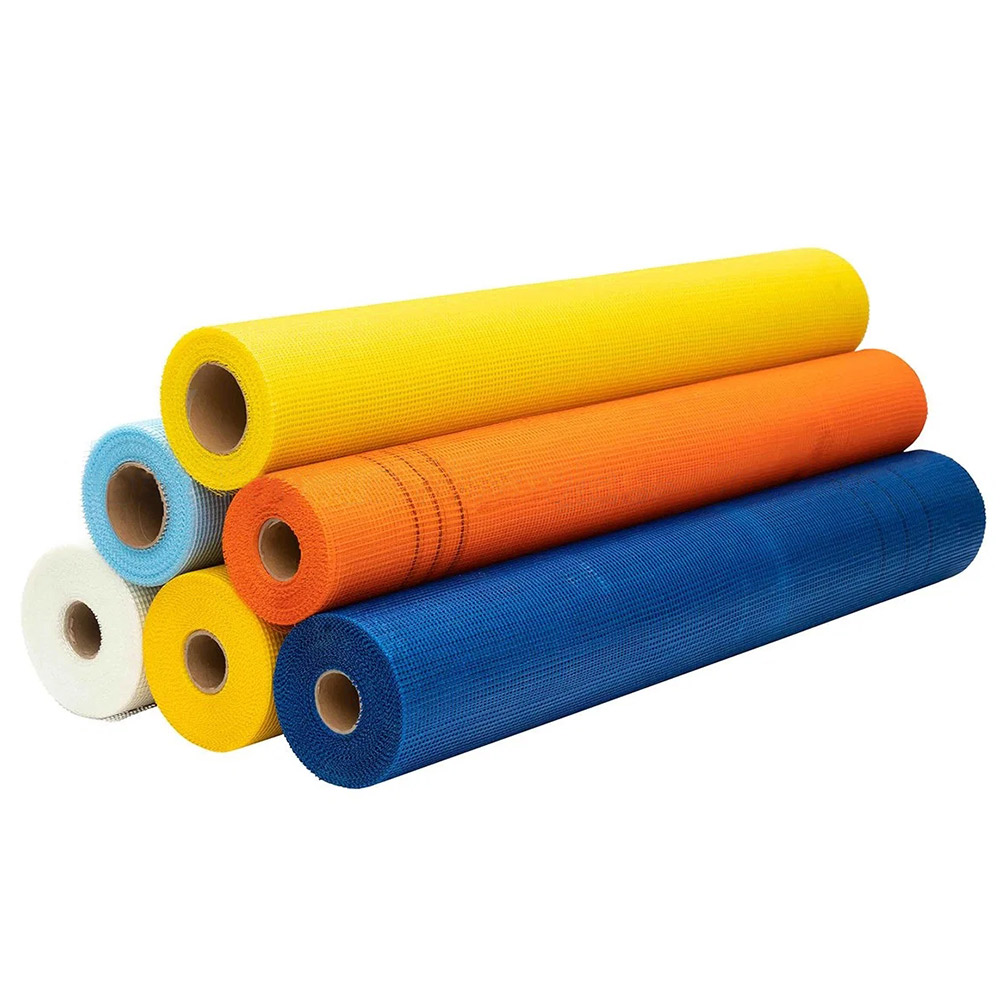
Having spent over a decade working hands-on in the industrial equipment and construction materials sector, I’ve come to appreciate the subtle yet vital role that plaster mesh rolls play in construction and renovation work. Plaster mesh roll manufacturers may not be household names, but the quality and innovation they bring to the table – or rather the wall – really shape project outcomes in ways non-experts might overlook.
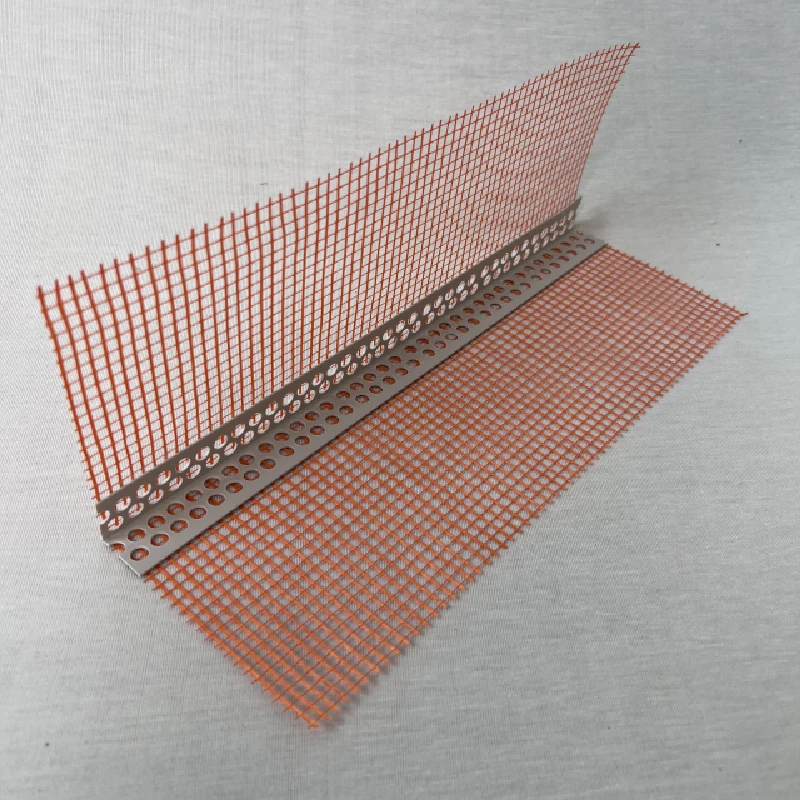
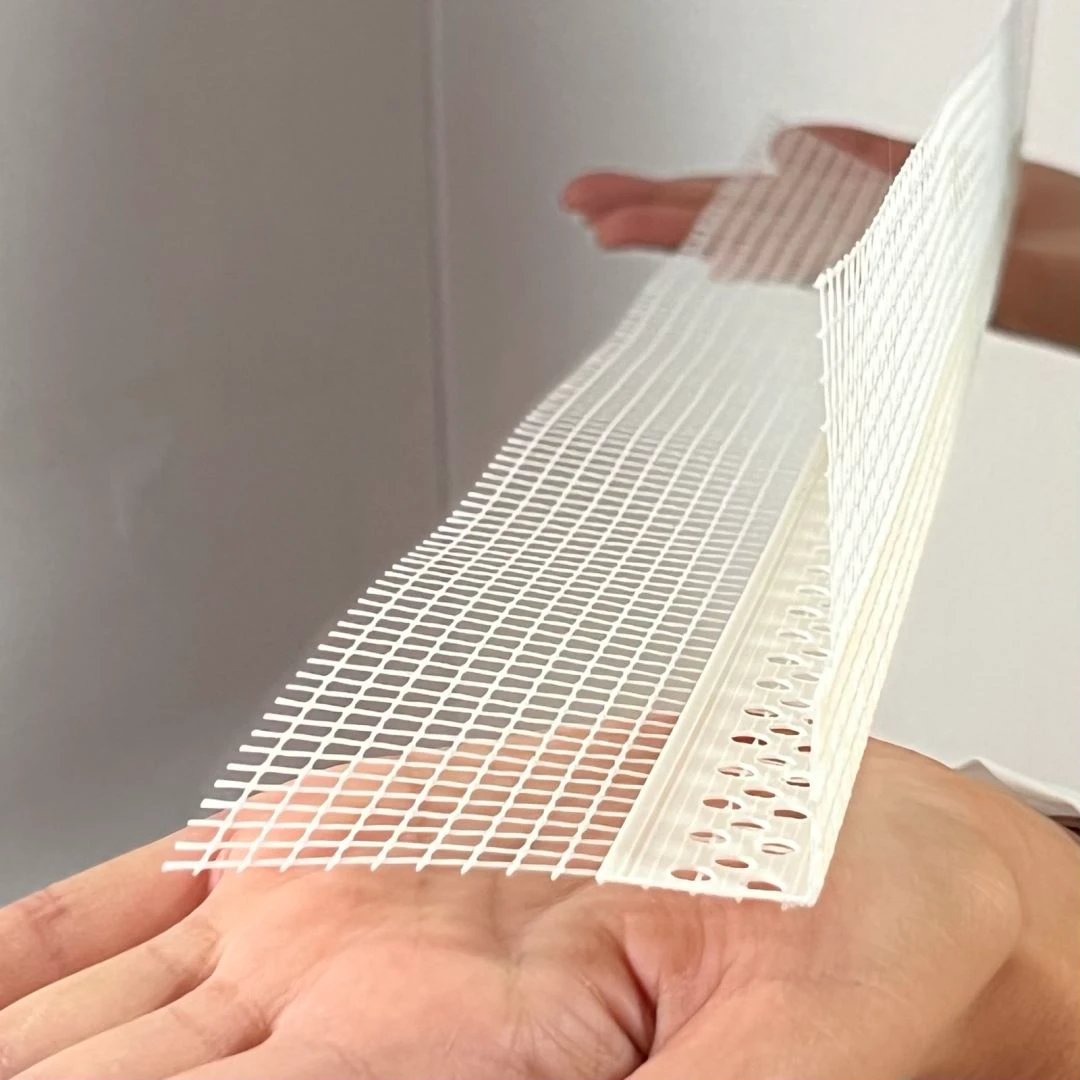
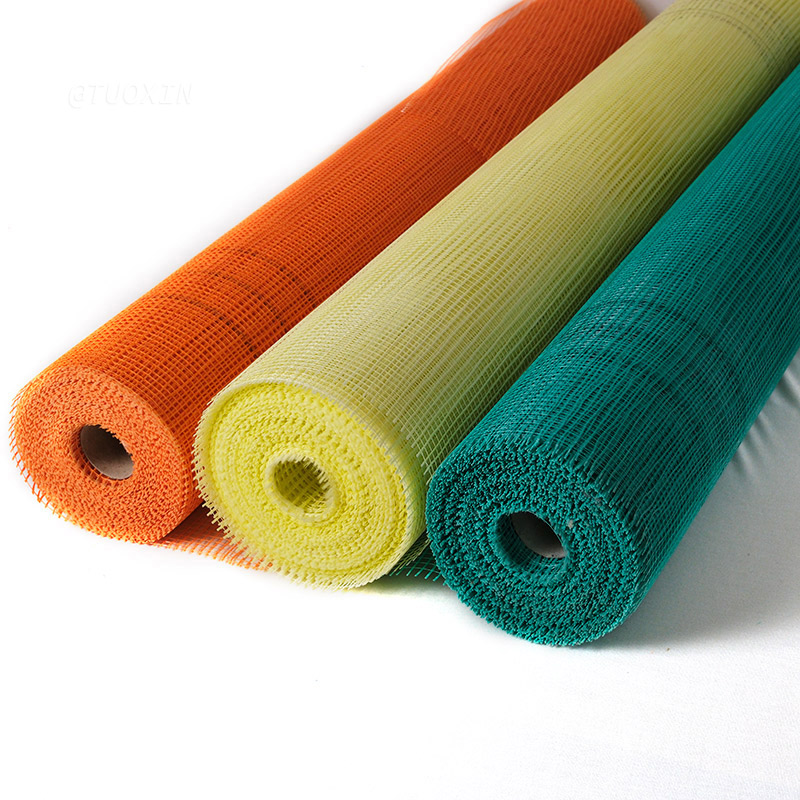
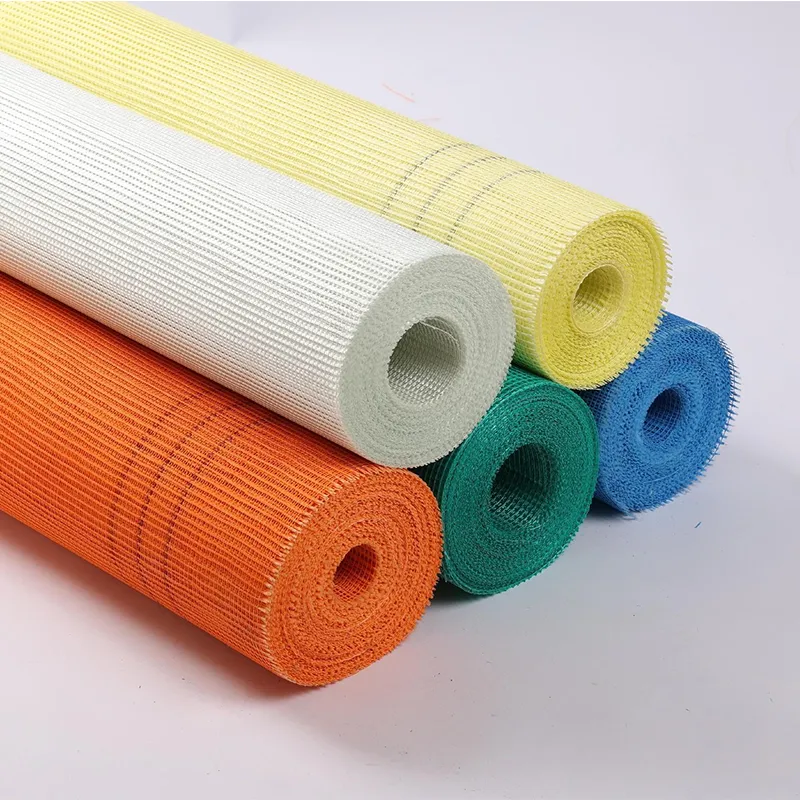
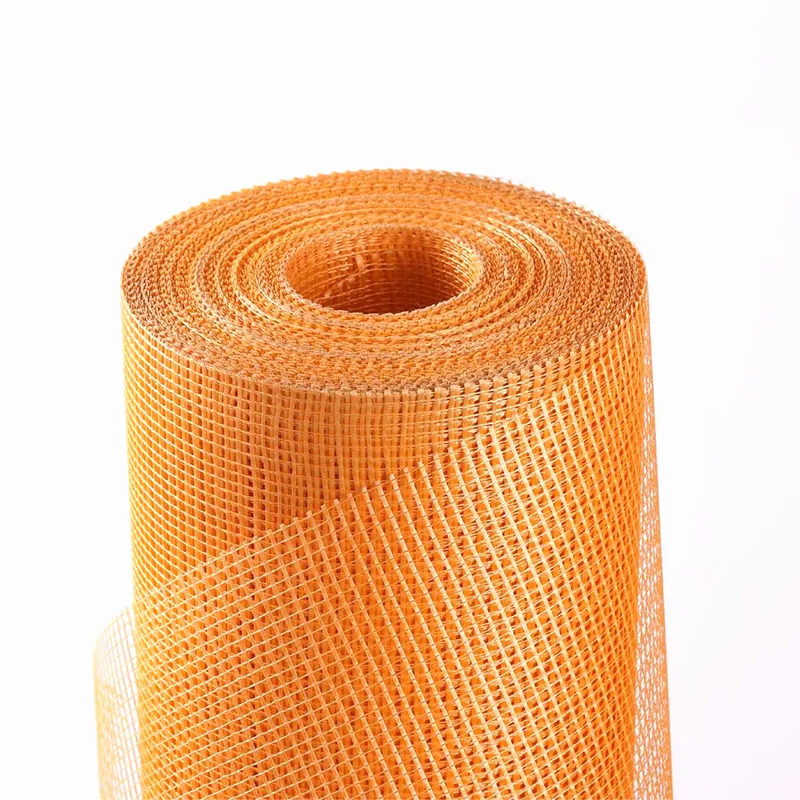
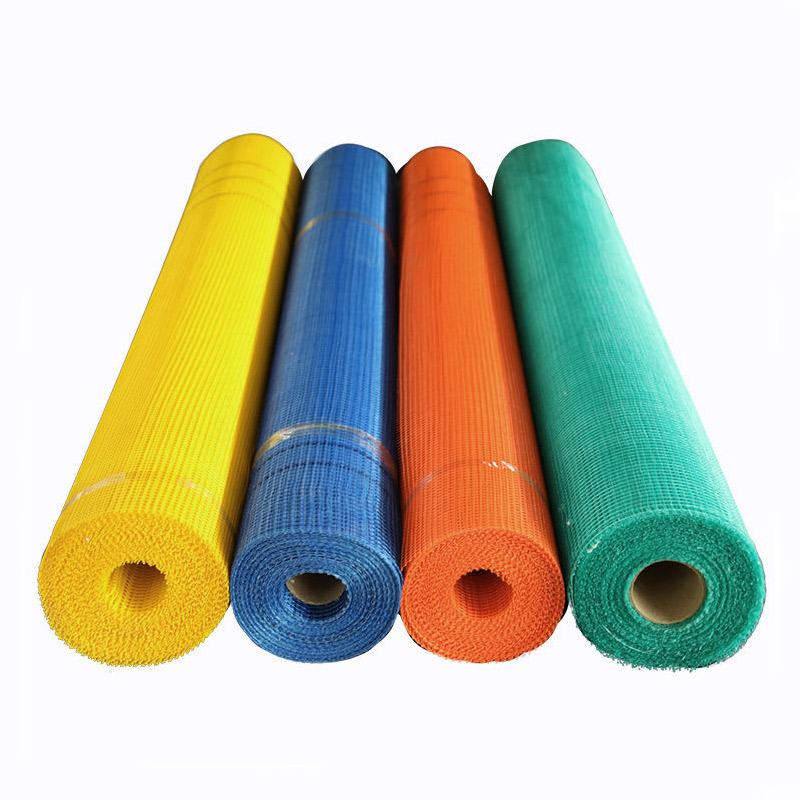
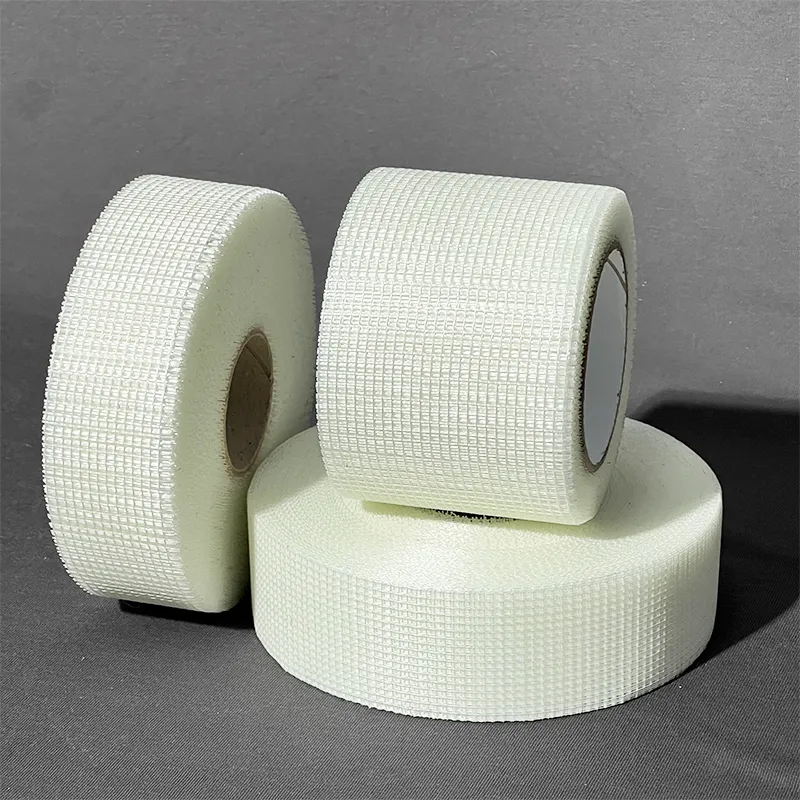
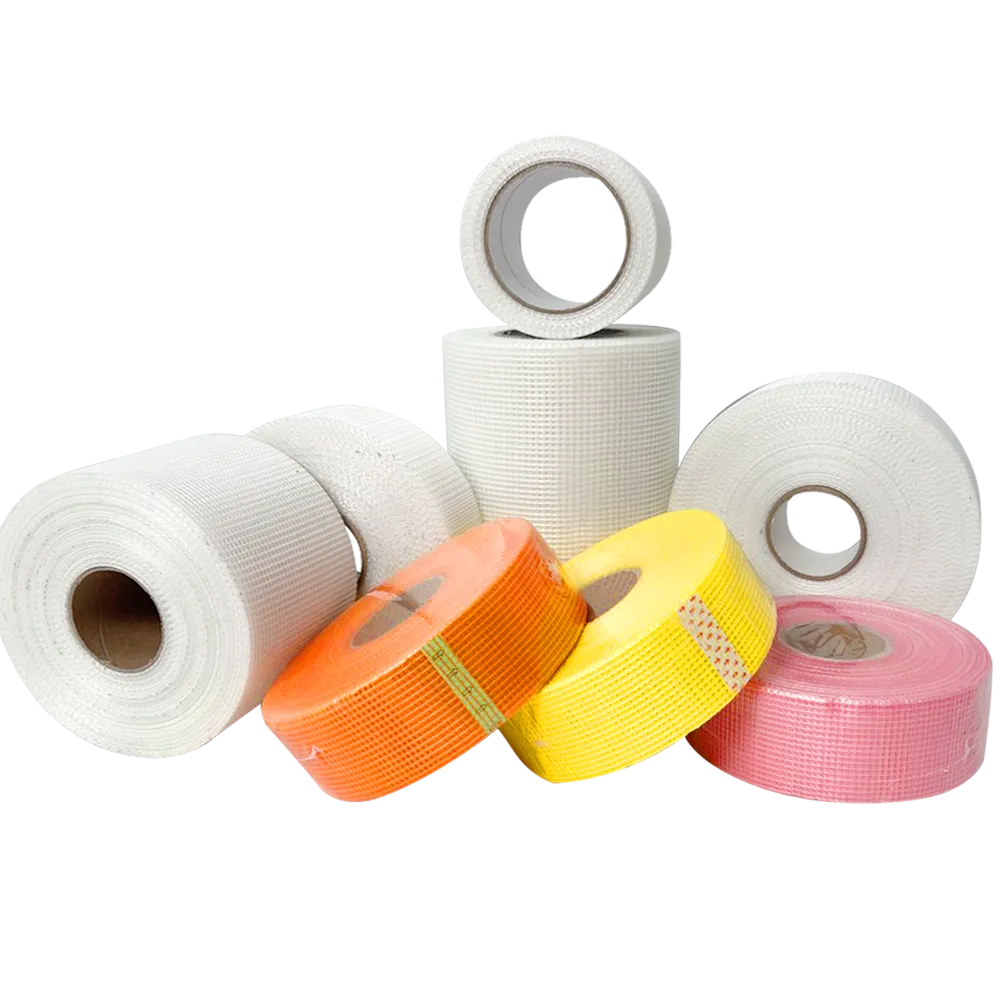
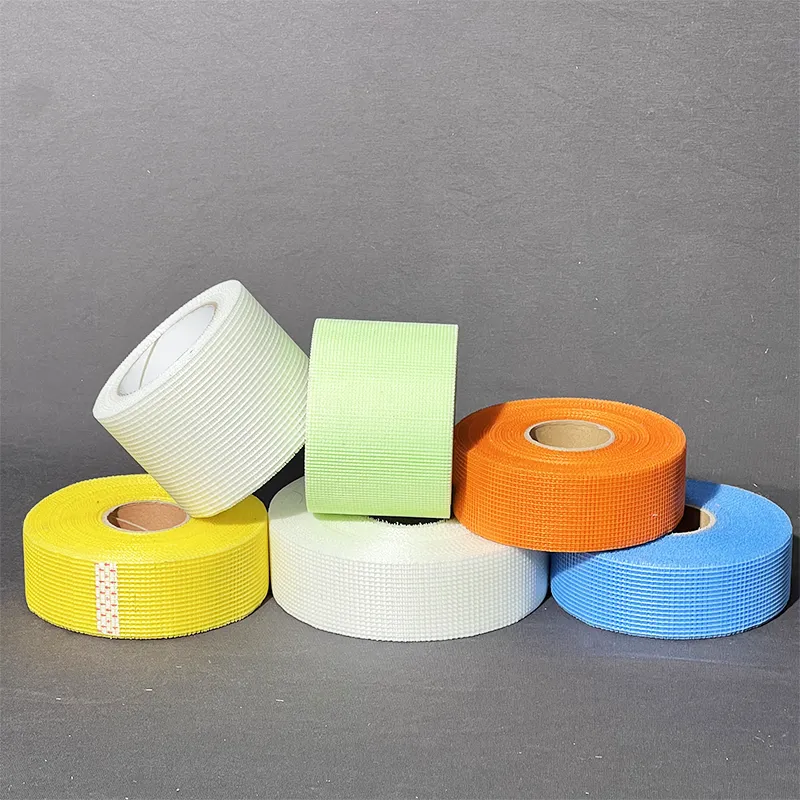
Oddly enough, when I first started, I underestimated how diverse plaster mesh is. Frankly, it’s a material that’s easy to take for granted, yet choosing the right mesh roll can save weeks of rework due to cracks or delamination. For those unfamiliar, plaster mesh rolls are essentially fiberglass or metal grids embedded into plaster or stucco layers to reinforce and prevent shrinkage cracking.
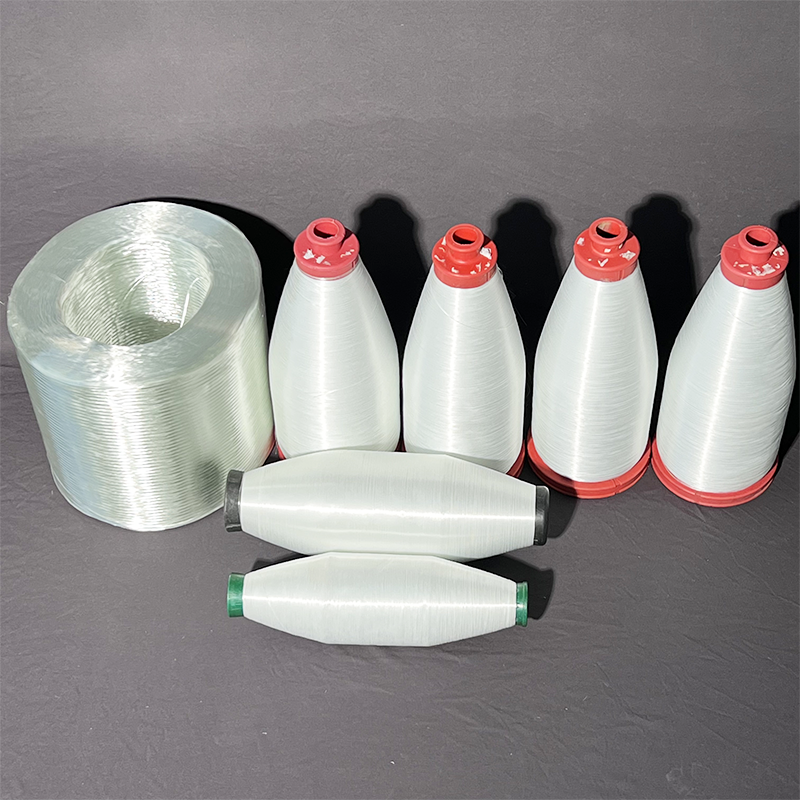
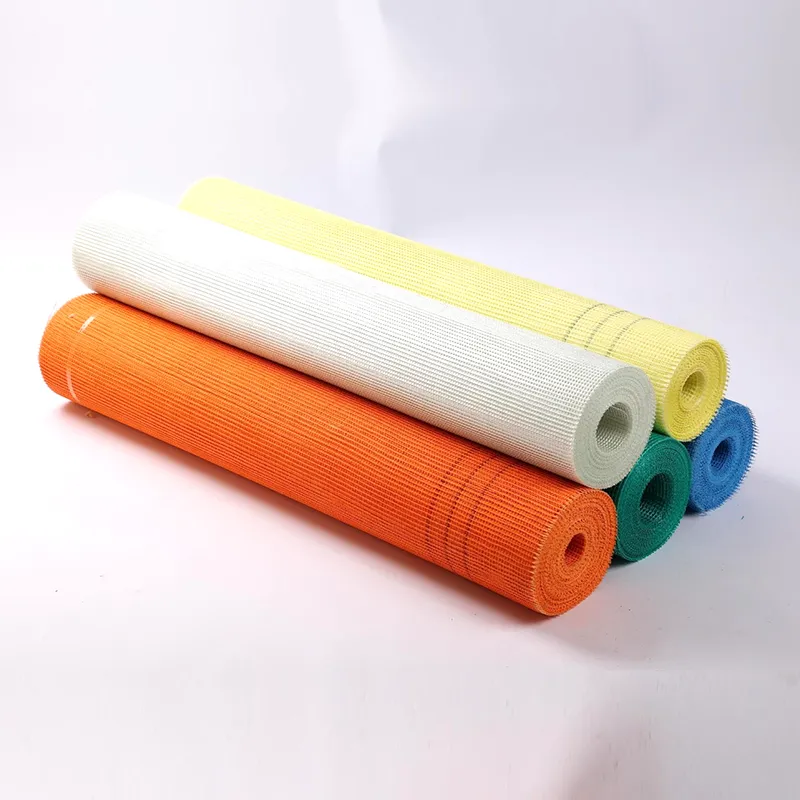
Manufacturers vary widely in their approach—some favor rugged, high-tensile fiberglass that stays flexible even in varying temperatures, while others lean towards rust-resistant galvanized metal meshes designed for heavy-duty outdoor use. Over the years, I’ve seen a trend toward fiberglass as the go-to due to its corrosion resistance, though it’s not a one-size-fits-all situation.
Materials and Testing: What Sets Quality Mesh Apart?
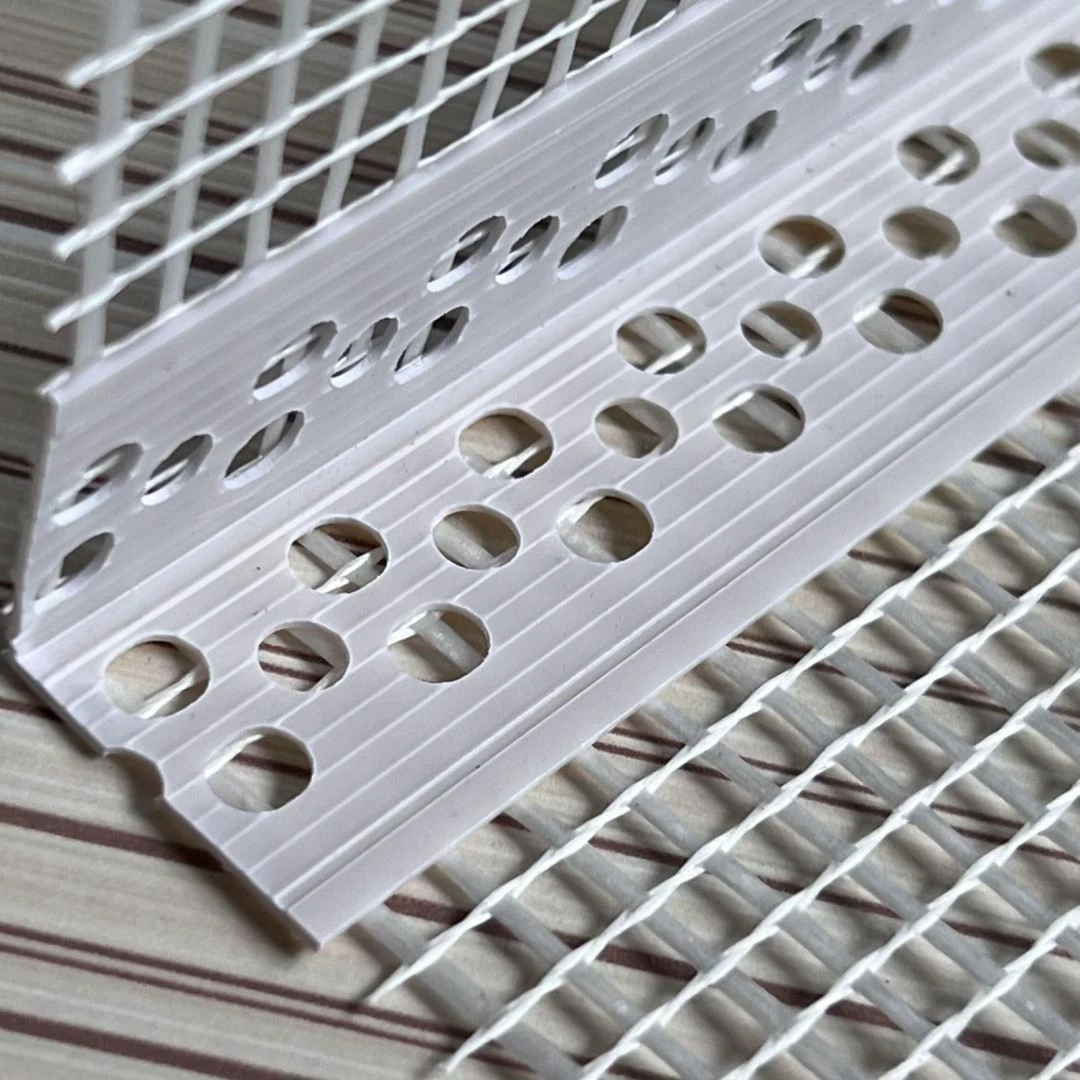
When it comes to selecting a plaster mesh roll, material composition is crucial. Fiberglass mesh, often treated with PVC or other polymer coatings, enhances durability and adhesion to plaster surfaces. I remember a job in a coastal city where untreated mesh succumbed quickly to moisture damage – a nightmare to fix.
Manufacturers typically conduct tensile strength testing and alkali resistance assessments—both essential. You want mesh that doesn't unravel or degrade when embedded in alkaline plaster mixes. Many engineers I talk to stress alkali resistance as the key differentiator; after all, plaster environments can be quite harsh chemically.
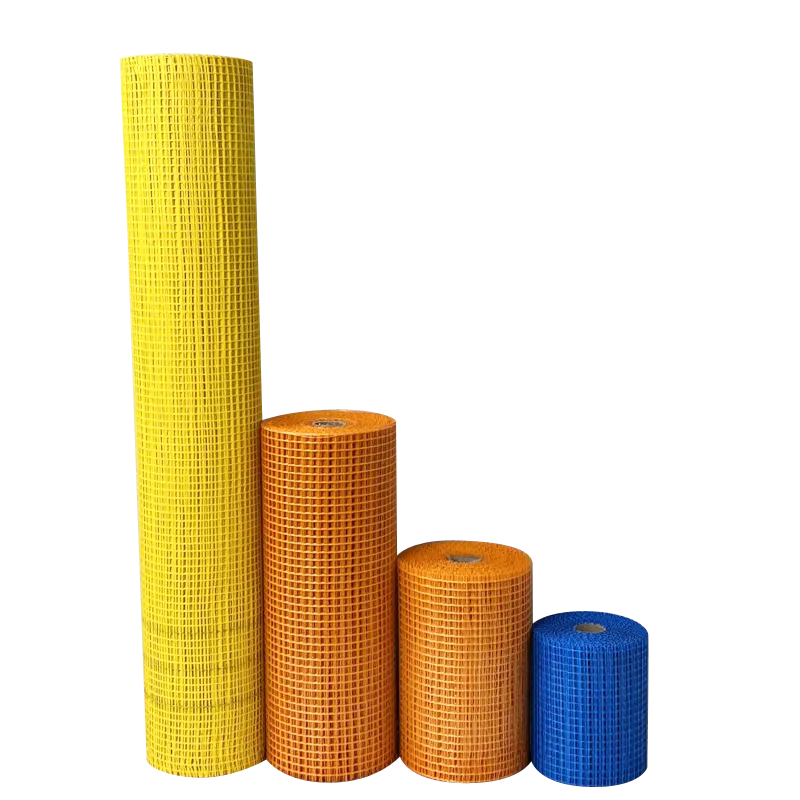
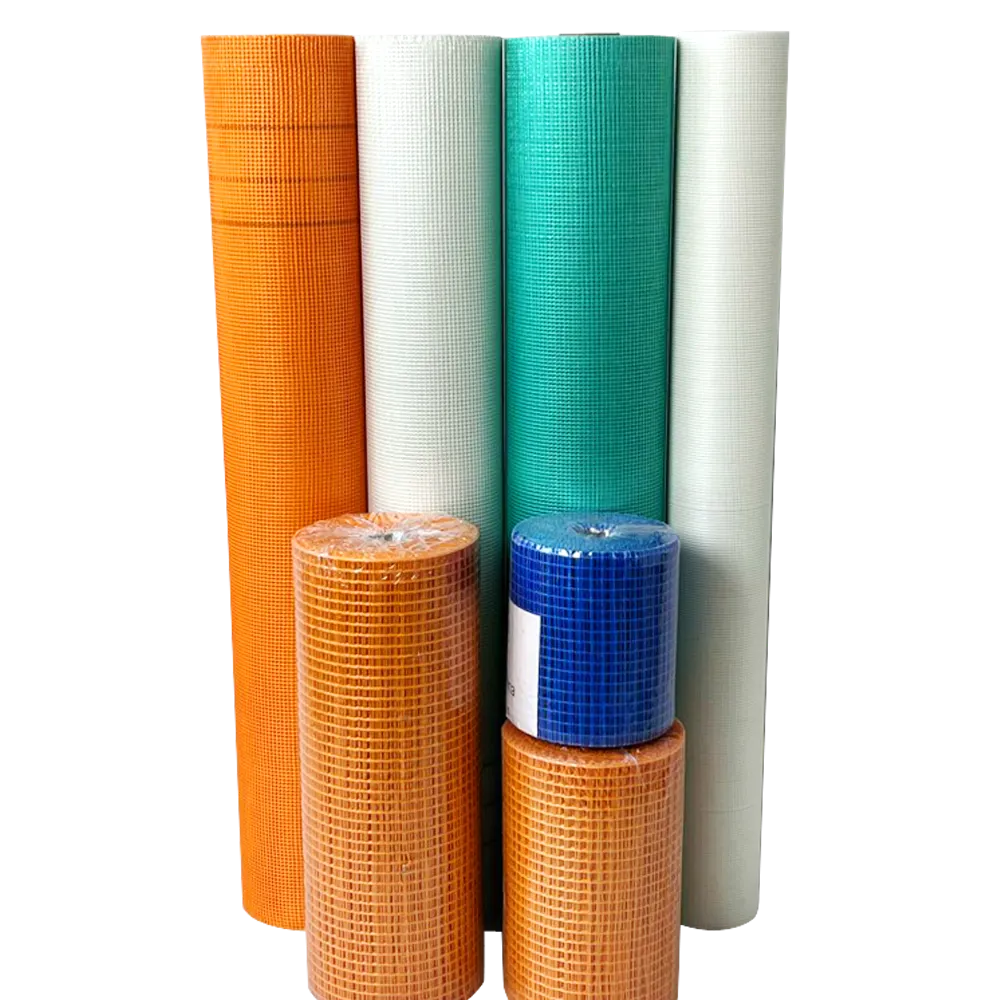
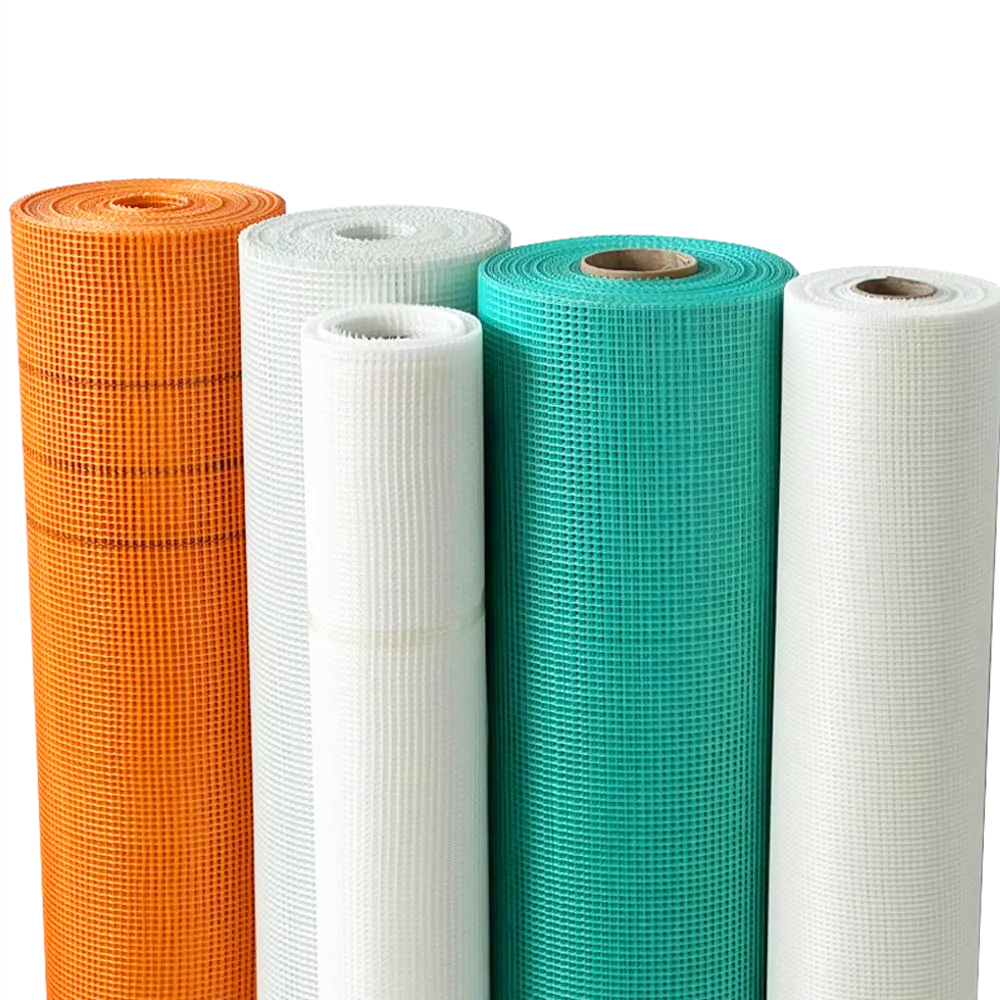
Customization options also matter. Certain projects require specific roll widths, mesh densities (from 4x4 to 10x10 mm), or bonding treatments. I’ve seen clients ask for specialty fire-retardant treatments for public buildings, which not all suppliers readily offer. So, it definitely pays to look beyond the specs and ask manufacturers about their testing and customization capabilities.
| Feature | Typical Value | Importance |
|---|---|---|
| Mesh Size | 5x5 mm (±0.5) | Moderate (affects plaster bonding) |
| Roll Width | 1 m (standard) | High (ease of handling) |
| Tensile Strength | > 350 N/5cm | Critical (durability) |
| Alkali Resistance | ≥ 95% | Essential (longevity) |
| Roll Length | 50 m | Standard (coverage) |
Comparing Leading Plaster Mesh Roll Manufacturers
Of course, quality specs are one thing—but experience and service count just as much. Below, I’ve recapped a comparison of a few well-known manufacturers I’ve dealt with or researched over the years:
| Manufacturer | Product Range | Customization | Pricing | Lead Times |
|---|---|---|---|---|
| Tainuo Fiberglass Mesh | Wide (fiberglass & specialty meshes) | High (custom roll widths & coatings) | Competitive, volume discounts | Short (typically 2-3 weeks) |
| Local Steel Mesh Co. | Limited (mostly metal mesh) | Low (standard sizes only) | Higher (custom orders extra) | Varies (4+ weeks) |
| FibraPro Industries | Moderate (fiberglass mesh) | Medium (roll width options) | Mid-range | Reliable (3 weeks) |
I can attest that working with a supplier who understands your on-site challenges makes a real difference. One memorable experience was with a renovation firm struggling with poor mesh adhesion in rainy seasons—they switched to a Tainuo fiberglass roll with superior coating treatments, and the improvement was remarkable.
So, in real terms, when selecting plaster mesh roll manufacturers, don’t just skim the technical sheets. Consider how their quality control shows up on your job site and whether they’re flexible enough to accommodate the quirks your project demands.
The world of plaster mesh might feel niche, but it’s those minute material choices and relationships behind the scenes that spell the difference between a wall that cracks and one that lasts decades.
Here's to finding the mesh that truly fits your needs—and maybe even enjoying a smoother plaster job along the way...
References:
1. Industry standards for fiberglass mesh tensile and alkali resistance testing.
2. Case studies on plaster reinforcement materials.
3. Manufacturer datasheets and client feedback forums.
-
Best Fiberglass Mesh Tape for RedGard Product Waterproofing GuideNewsApr.16,2026
-
Why High Strength Fiberglass Mesh Is Essential For Stucco ApplicationNewsApr.15,2026
-
Why Alkali Resistant Fiberglass Mesh Tape Is Essential For Cement Board And Tile InstallationsNewsApr.15,2026
-
Understanding The Role Of Drywall Fiberglass Mesh In Interior FinishingNewsApr.15,2026
-
Ultimate Guide To Using Fiberglass Mesh Tape For Drywall And Plaster RepairsNewsApr.15,2026
-
The Versatility Of Fiberglass Mesh In Marble And Stone MosaicNewsApr.15,2026