Dec . 03, 2025 17:24 Back to list
Leading Drywall Fiberglass Mesh Companies for Durable Construction Solutions
Drywall Fiberglass Mesh Companies are a key solution in the construction and renovation industries, especially for professionals aiming to enhance drywall durability and crack resistance. This article explores how https://www.tainuofiberglassmesh.com supports professionals with durable, high-performance products, and explains why this product is an ideal choice for businesses addressing drywall challenges.
Table of Contents
- Drywall Fiberglass Mesh Companies Overview
- Benefits & Use Cases of Drywall Fiberglass Mesh Companies
- Cost, Maintenance & User Experience
- Sustainability & Market Trends
Drywall Fiberglass Mesh Companies Overview
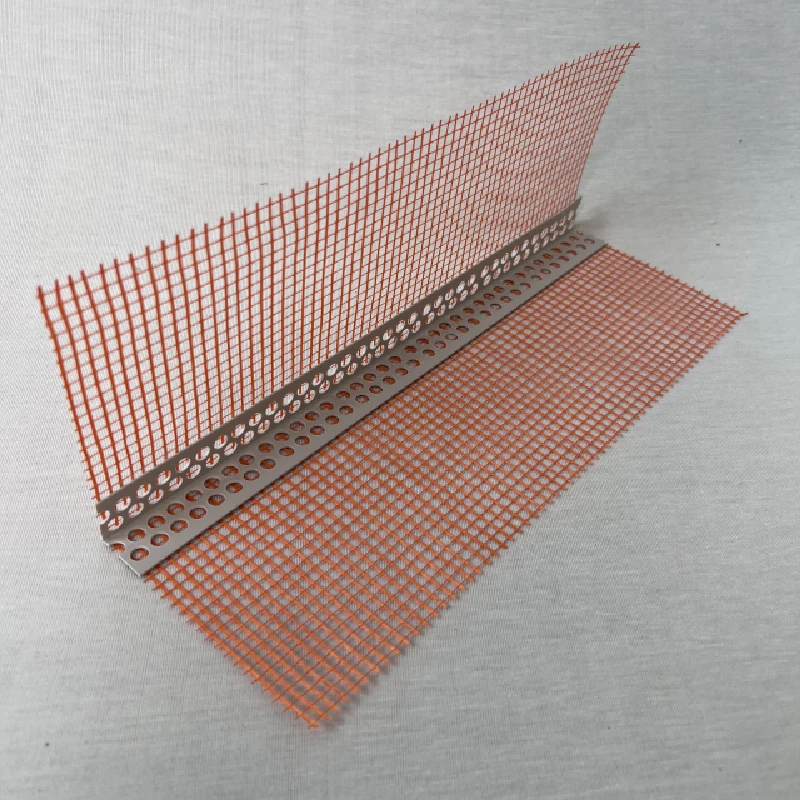
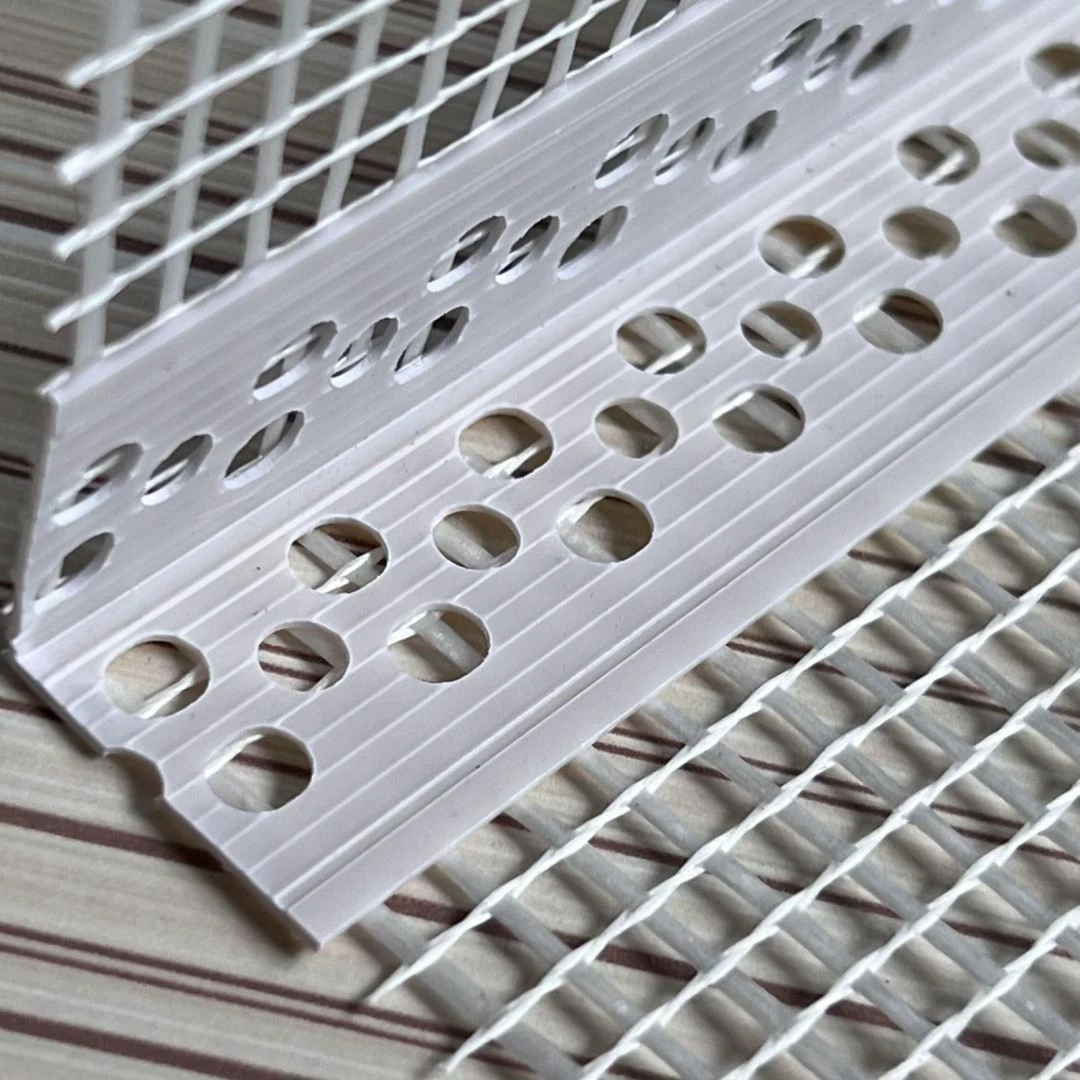
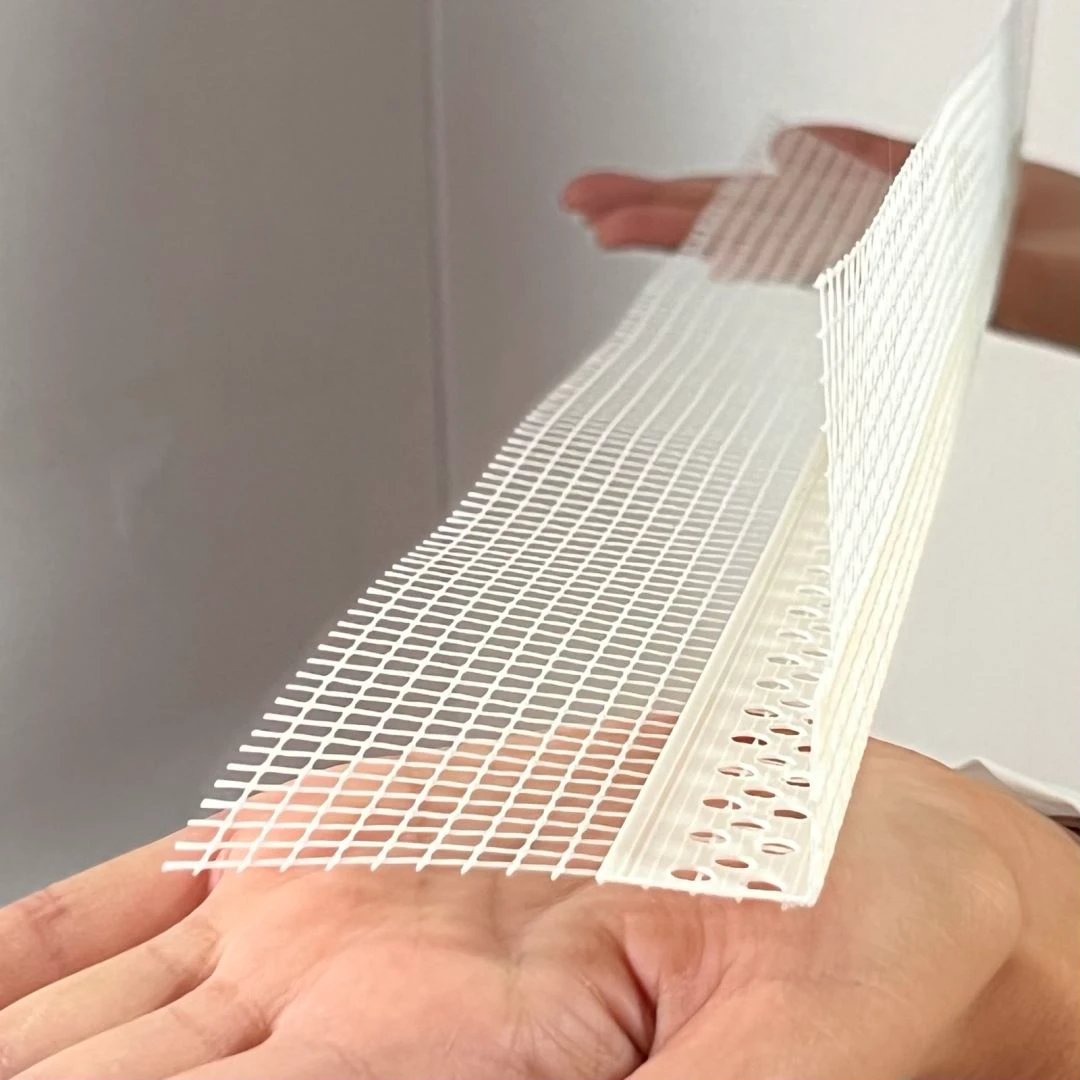
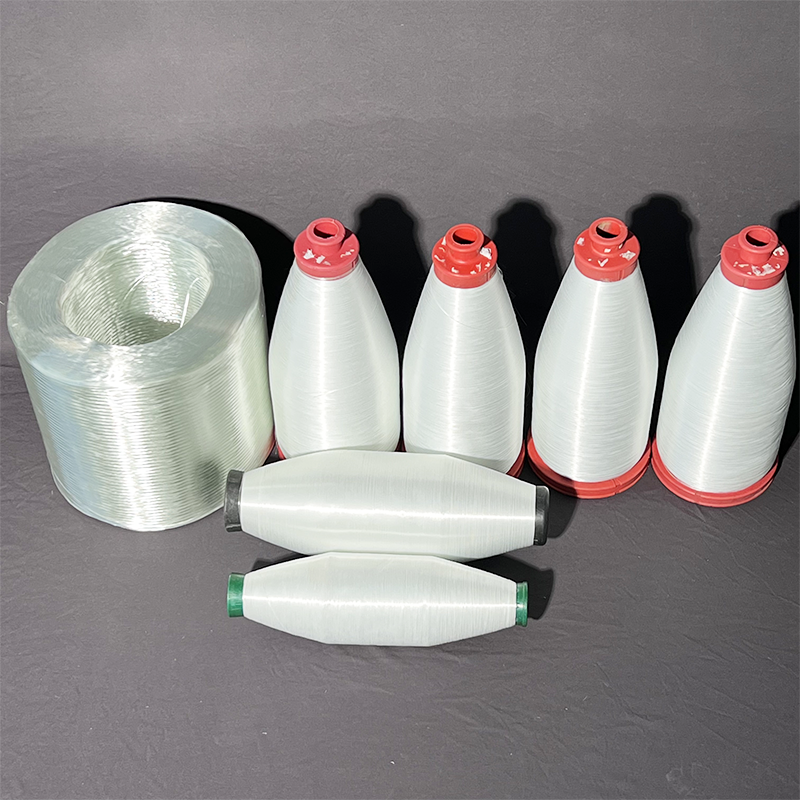
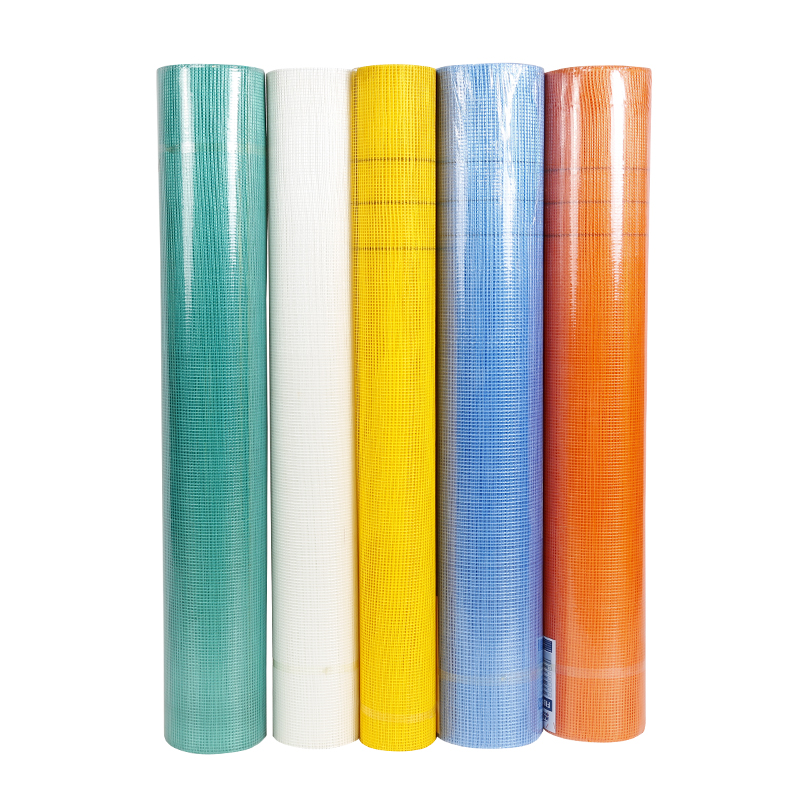
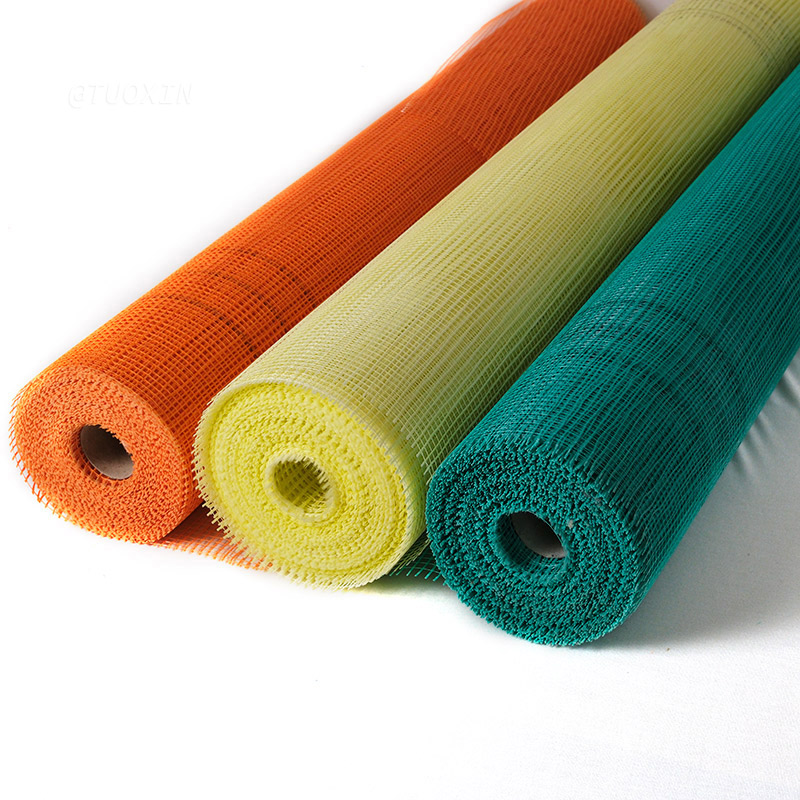
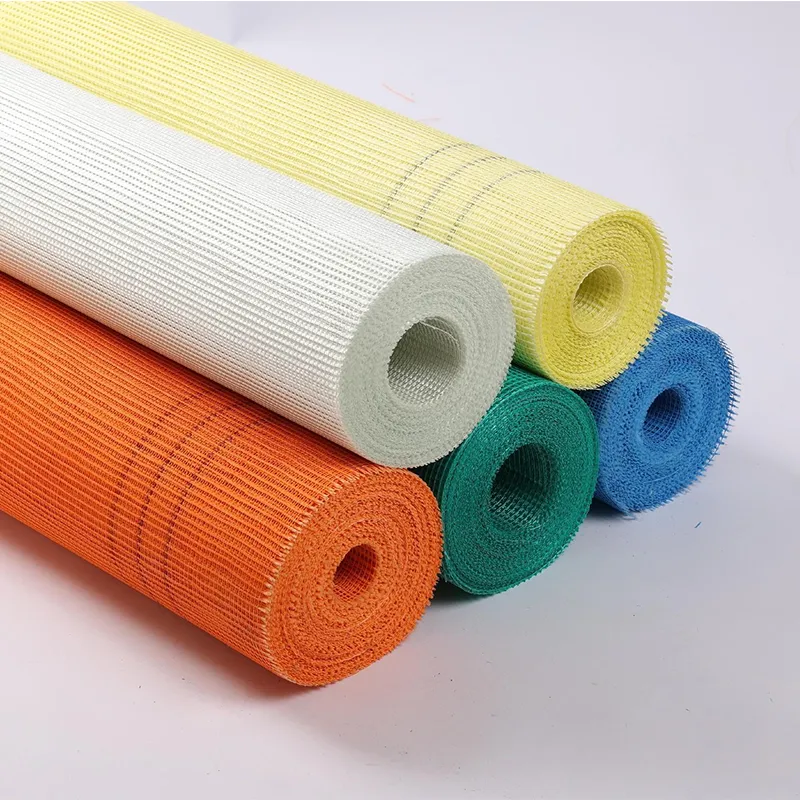
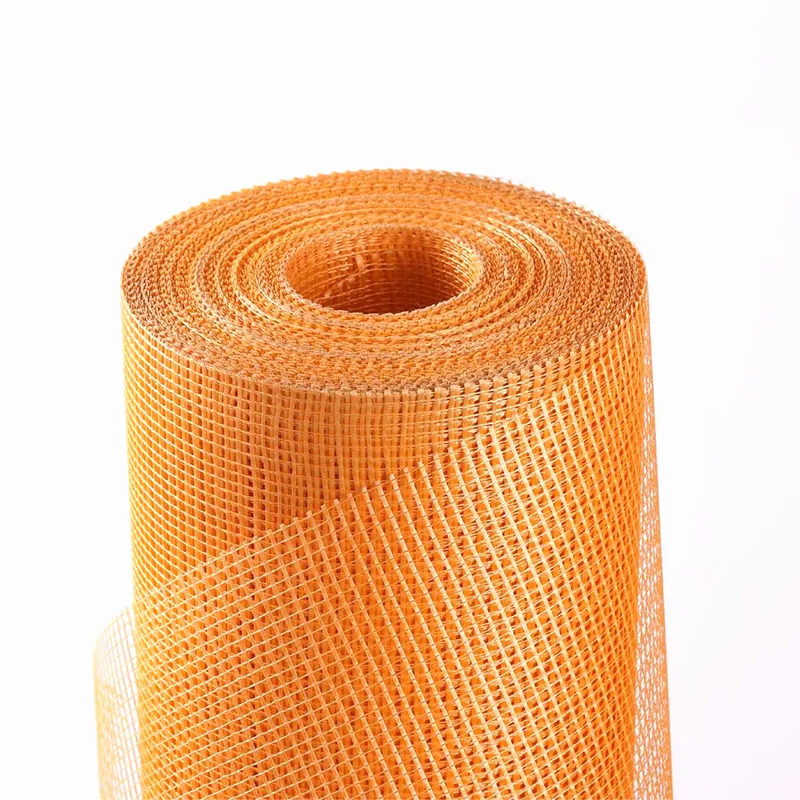
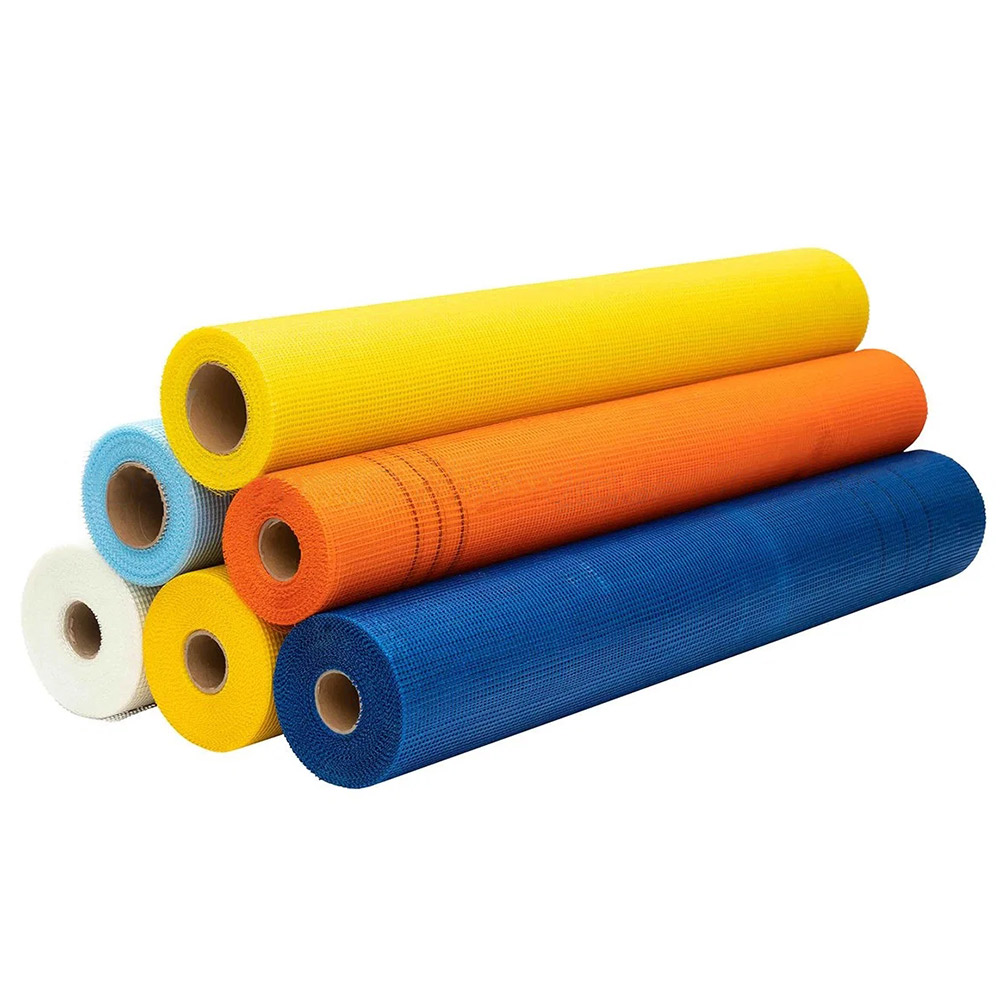
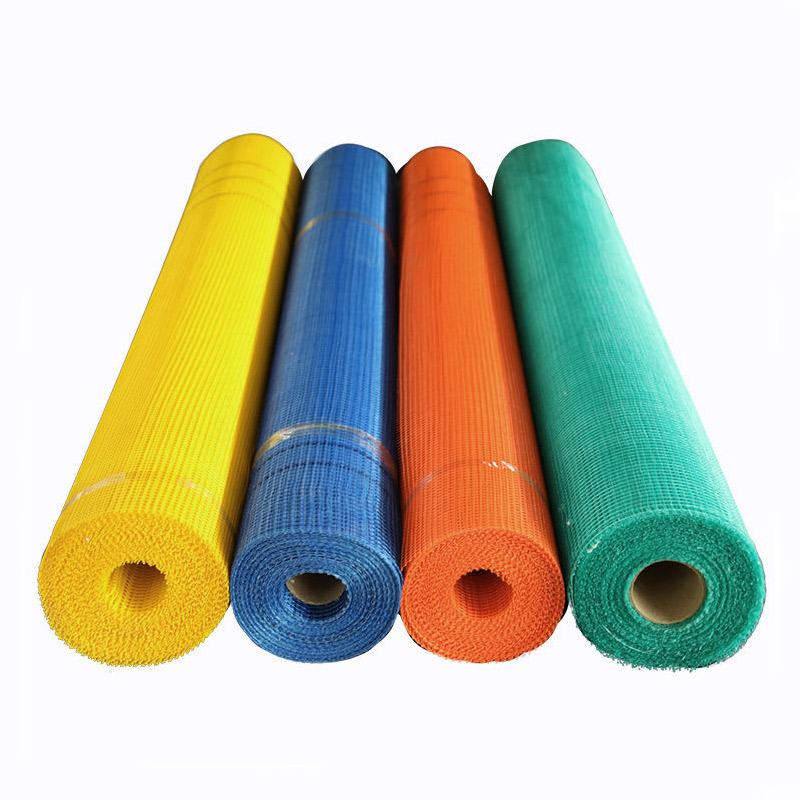
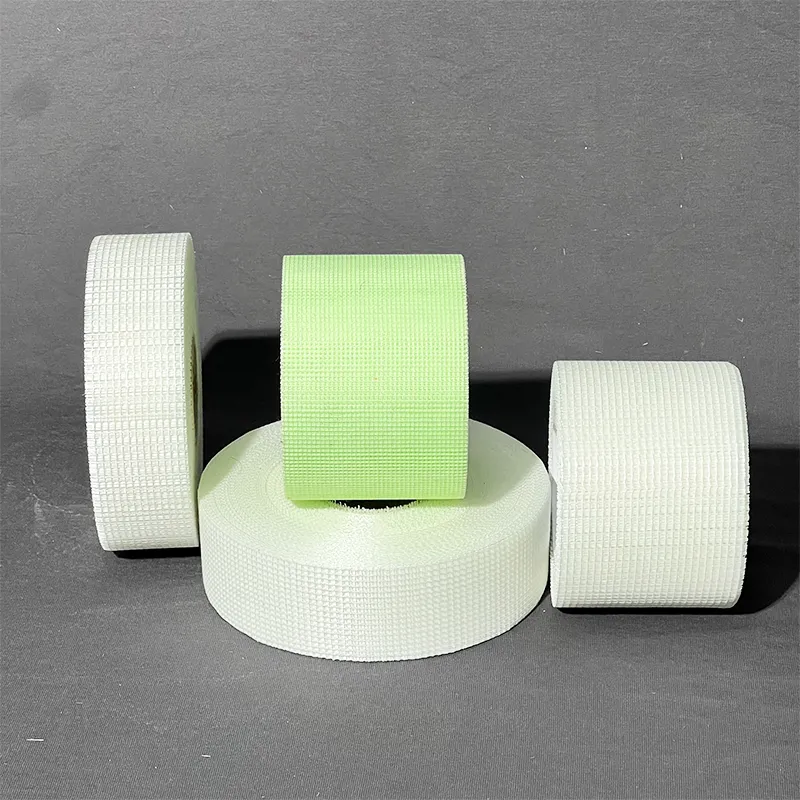
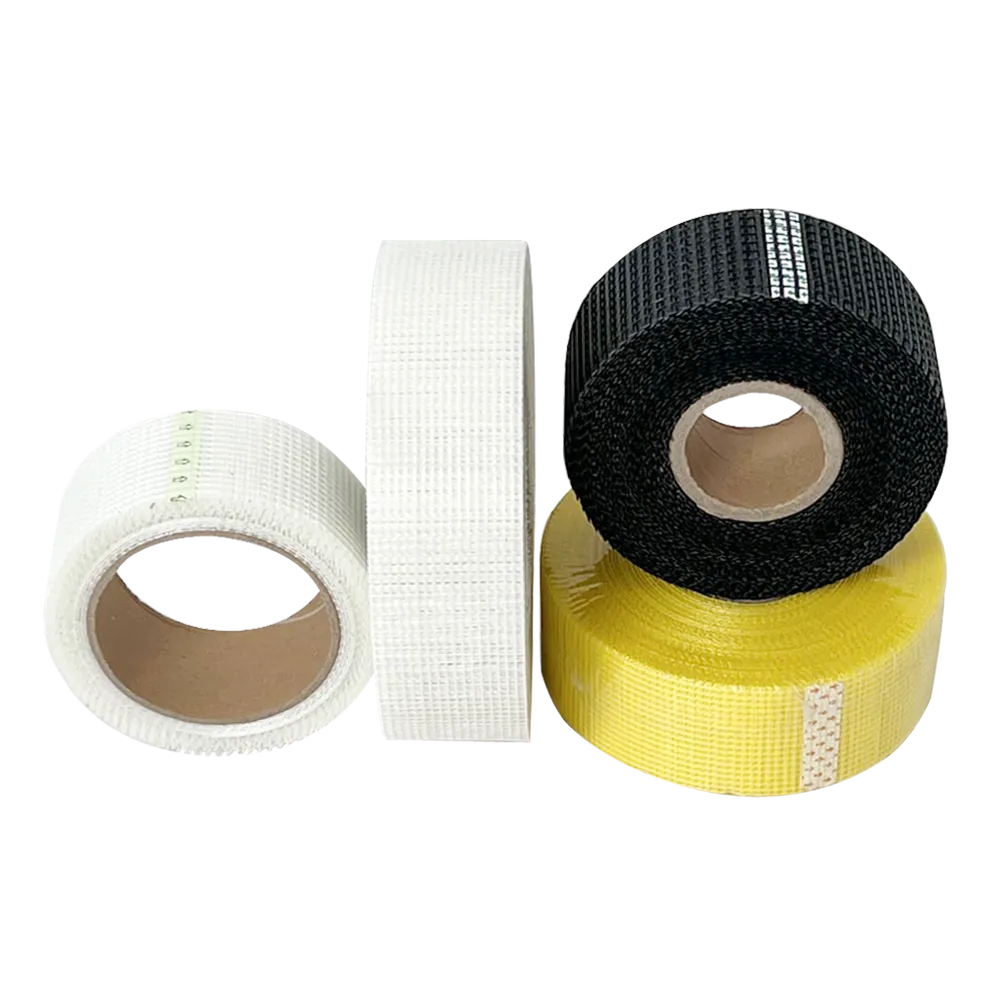
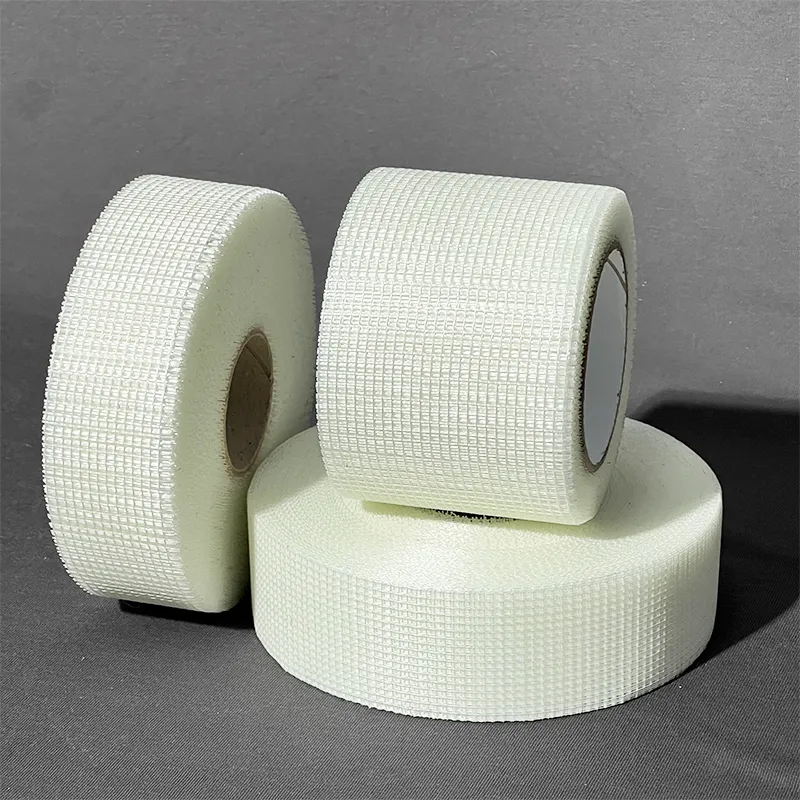
At its core, drywall fiberglass mesh is a woven material made from thin glass fibers, engineered to reinforce drywall joints and prevent cracking. You might think of it as a sort of invisible shield beneath the surface of walls. Many builders and contractors swear by mesh reinforcement because it outperforms traditional paper tape — it’s lighter, more resistant to mold, and easier to handle on-site.
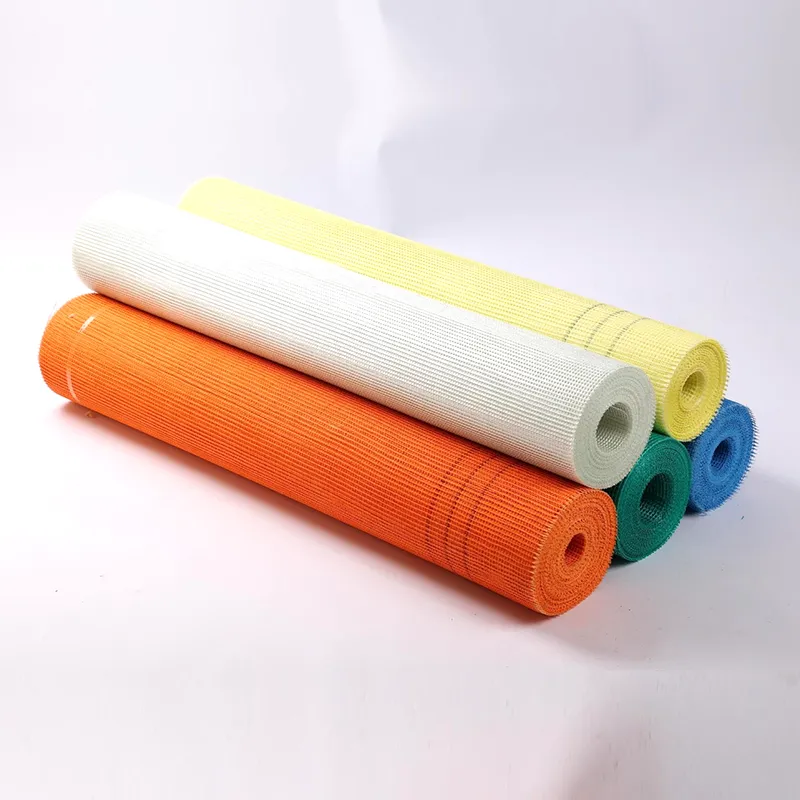
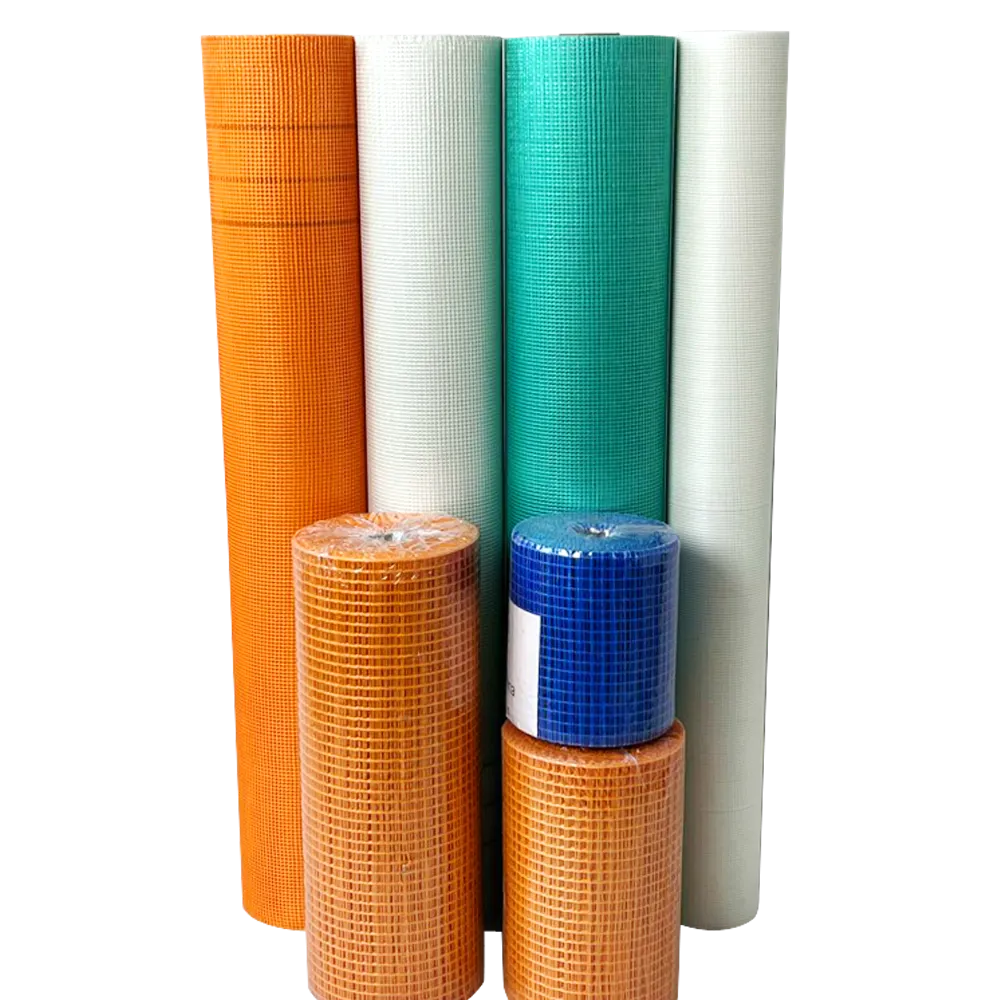
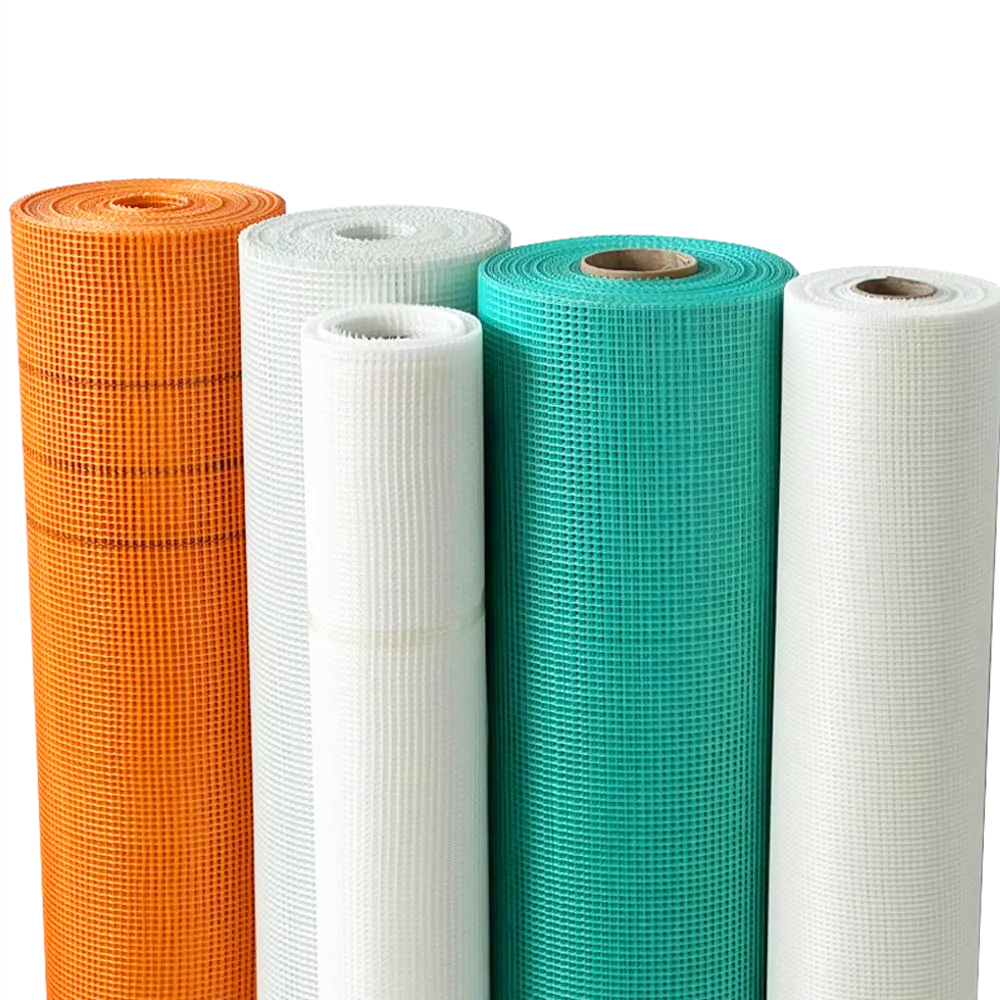
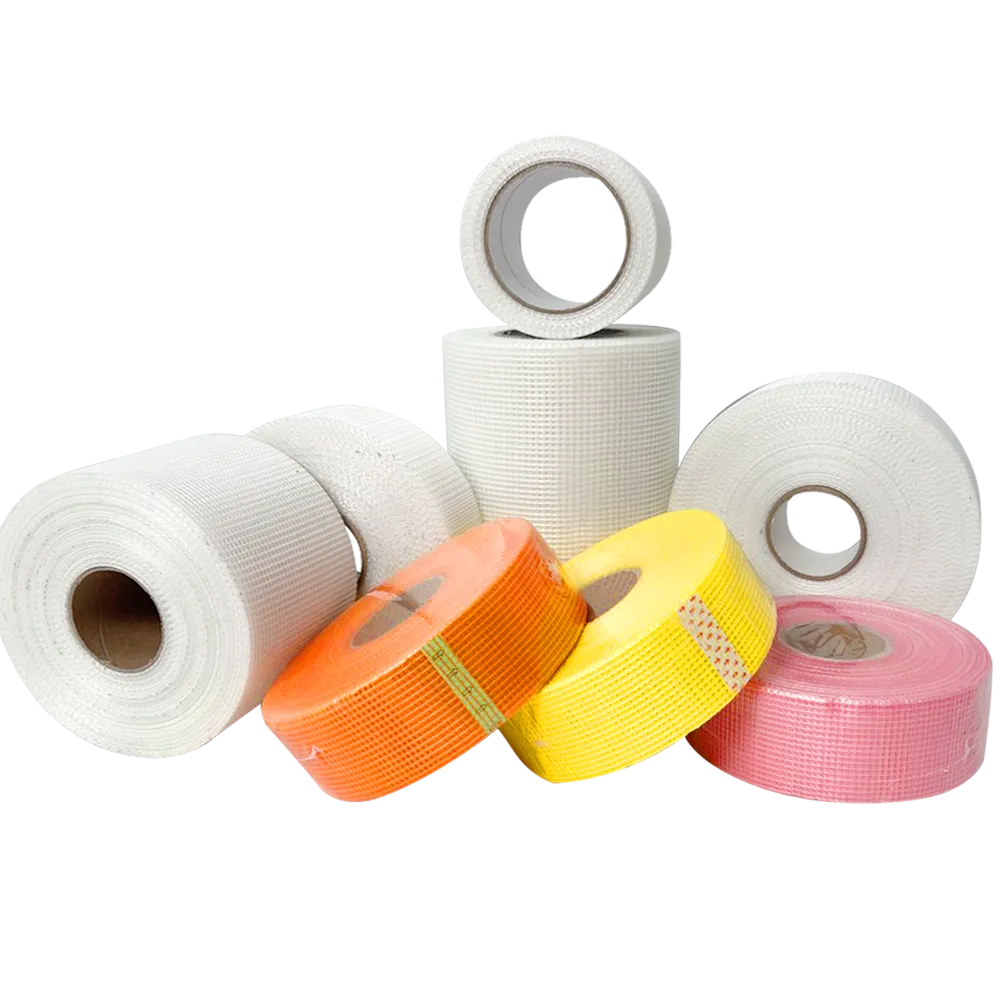
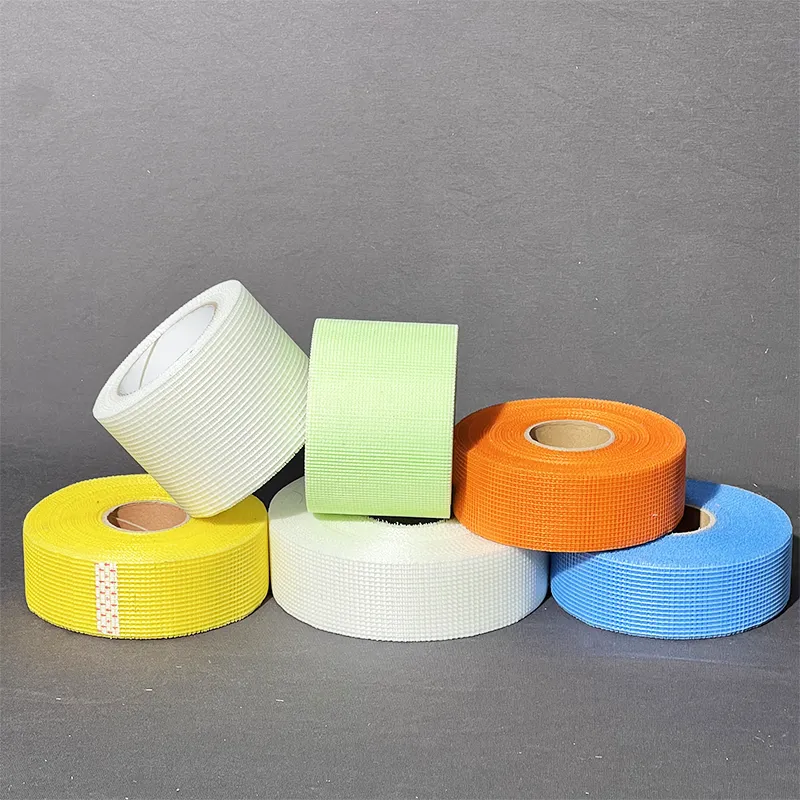
From a technical standpoint, fiberglass mesh is alkali-resistant and designed to withstand the alkaline environment of cement and joint compounds, which helps maintain integrity over years. For example, Tainuo Fiberglass Mesh offers mesh with varying weave densities and widths to fit different project scales — whether you're patching a small crack or reinforcing an entire wall system.
| Product Feature | Specification | Benefit |
|---|---|---|
| Material | Alkali-resistant fiberglass | Prevents degradation in cement |
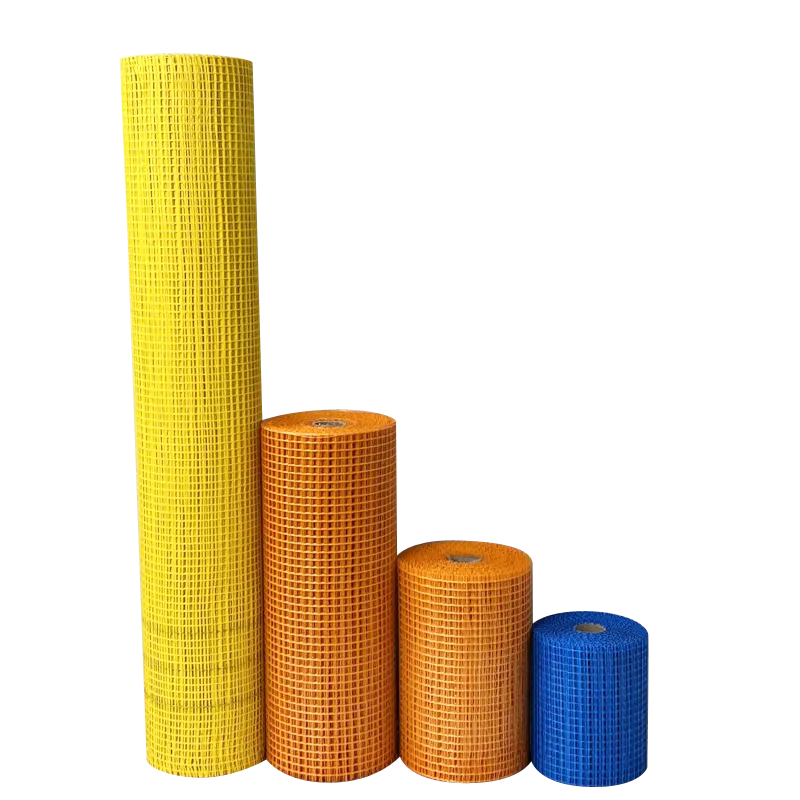
| Mesh Width | 4 to 60 inches | Flexible for various projects |
| Weave Density | 60g/m² to 145g/m² | Balances breathability & strength |
| Roll Length | 50m to 100m | Suitable for small or large projects |
Benefits & Use Cases of Drywall Fiberglass Mesh Companies
From the build site to finished walls, drywall fiberglass mesh lends itself to multiple applications. Generally, it’s used for leveling drywall seams or repairing cracks in plaster, but it’s also found in EIFS (Exterior Insulation and Finish Systems), cement board joints, and even tile underlays.
The main advantage is its longevity. Unlike paper tape, fiberglass mesh is less prone to tearing or water damage. Plus, it adheres well with joint compounds, so it reduces labor time. Contractors often mention how it helps minimize shrinkage cracks, which can be a real headache otherwise. Oddly enough, some end-users never see the mesh but benefit from smoother, crack-free walls.
This product’s versatility is a big selling point — varying mesh weights and widths allow customization based on project needs, which frankly, you just don’t get with off-the-shelf tapes. Tainuo, for instance, offers tailored solutions for commercial projects that demand larger mesh widths and higher tensile strength.
| Company | Product Range | Unique Selling Point | Lead Time |
|---|---|---|---|
| Tainuo Fiberglass Mesh | 20+ mesh types and sizes | Custom specifications & fast sampling | 2-3 weeks |
| GlobalMesh Inc. | Standard meshes, limited sizes | Competitive pricing | 4-6 weeks |
| FibraTech Solutions | Mid-range product offering | Bulk order discounts | 3-4 weeks |
Cost, Maintenance & User Experience
It’s tempting to focus just on upfront costs with building materials, but frankly, the real question is total cost of ownership—and drywall fiberglass mesh shines here. It’s durable and resists degradation, meaning fewer repairs or repaint jobs down the road. Many contractors I've spoken with note the lower warranty claims on projects using fiberglass mesh versus traditional paper tape.
Maintenance is also straightforward. Because the mesh resists moisture intrusion better, walls stay crack-free longer. End users rarely have to worry about touch-ups on mesh-reinforced installations, which means less hassle.
Customer feedback shared by Tainuo indicates satisfaction with product consistency and ease of application—two crucial criteria for users operating under tight deadlines. One commercial installer described switching exclusively to fiberglass mesh "feels like upgrading to a better workflow; cuts time and headache in half."
Sustainability & Market Trends
Sustainability is increasingly top of mind for B2B buyers, and drywall fiberglass mesh companies have responded by improving raw material choices and manufacturing processes to reduce environmental impact. For instance, many companies now source fiberglass fibers with less energy consumption and offer recycling programs for scrap products.
Regulatory frameworks, especially in Europe and North America, push for products that reduce volatile organic compound (VOC) emissions and improve building envelope longevity. Fiberglass mesh aligns well here by preventing wall damage that might require chemical treatments or premature rework.
In real terms, this means demand for drywall fiberglass mesh is expected to grow steadily as green building practices become standard. Market reports suggest a compound annual growth rate (CAGR) north of 5% over the next five years, backed by urban development and remodeling surges worldwide. So, this isn’t just a fad; it’s becoming an industry staple.
Frequently Asked Questions about Drywall Fiberglass Mesh Companies
- What is Drywall Fiberglass Mesh Companies and how does it work?
- It refers to specialized suppliers offering fiberglass mesh products designed to reinforce drywall. The mesh integrates with joint compounds to create a durable, crack-resistant surface by distributing stress across the drywall joints.
- What are the main benefits of using Drywall Fiberglass Mesh Companies in industrial applications?
- Key benefits include increased durability, mold resistance, and ease of installation. Companies supplying these meshes typically offer a variety of sizes and strengths, helping businesses optimize performance and reduce maintenance.
- How does Drywall Fiberglass Mesh Companies compare to traditional alternatives?
- Compared to paper tape, fiberglass mesh is lighter, stronger, and more moisture-resistant. It cuts down on cracking and water damage over time, bringing cost savings and better finish quality.
- What industries can benefit most from Drywall Fiberglass Mesh Companies implementation?
- Construction, renovation, and specialty finishing industries rely heavily on these mesh products. Large commercial projects, residential builds, and industrial facilities all benefit due to improved wall integrity and reduced service calls.
Conclusion on Drywall Fiberglass Mesh Companies from China
In sum, drywall fiberglass mesh from companies like Tainuo represents a smart, forward-thinking investment for B2B decision makers in construction and finishing trades. It delivers longevity, application flexibility, and sustainability that build trust and reduce long-term costs—you know, kind of a win-win. If you want to explore quality mesh options, visit our website for detailed product info and custom solutions.
Overall, drywall fiberglass mesh is quietly reshaping how walls stand strong and fresh for years to come—an unsung hero of modern construction.
- Tainuo Fiberglass Mesh - Product Catalog and Technical Data, 2023
- Construction Materials Market Report, Allied Analytics LLP, 2024
- Green Building Standards and Materials, U.S. Green Building Council, 2023
-
Best Fiberglass Mesh Tape for RedGard Product Waterproofing GuideNewsApr.16,2026
-
Why High Strength Fiberglass Mesh Is Essential For Stucco ApplicationNewsApr.15,2026
-
Why Alkali Resistant Fiberglass Mesh Tape Is Essential For Cement Board And Tile InstallationsNewsApr.15,2026
-
Understanding The Role Of Drywall Fiberglass Mesh In Interior FinishingNewsApr.15,2026
-
Ultimate Guide To Using Fiberglass Mesh Tape For Drywall And Plaster RepairsNewsApr.15,2026
-
The Versatility Of Fiberglass Mesh In Marble And Stone MosaicNewsApr.15,2026