Oct . 07, 2025 10:55 Back to list
Glass Roving for Concrete Reinforcement
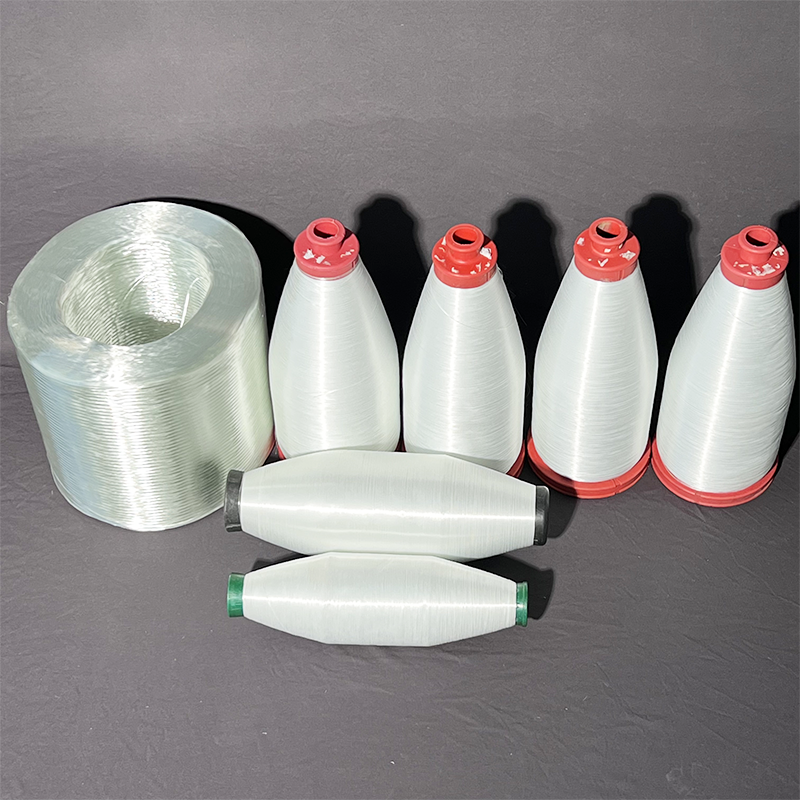
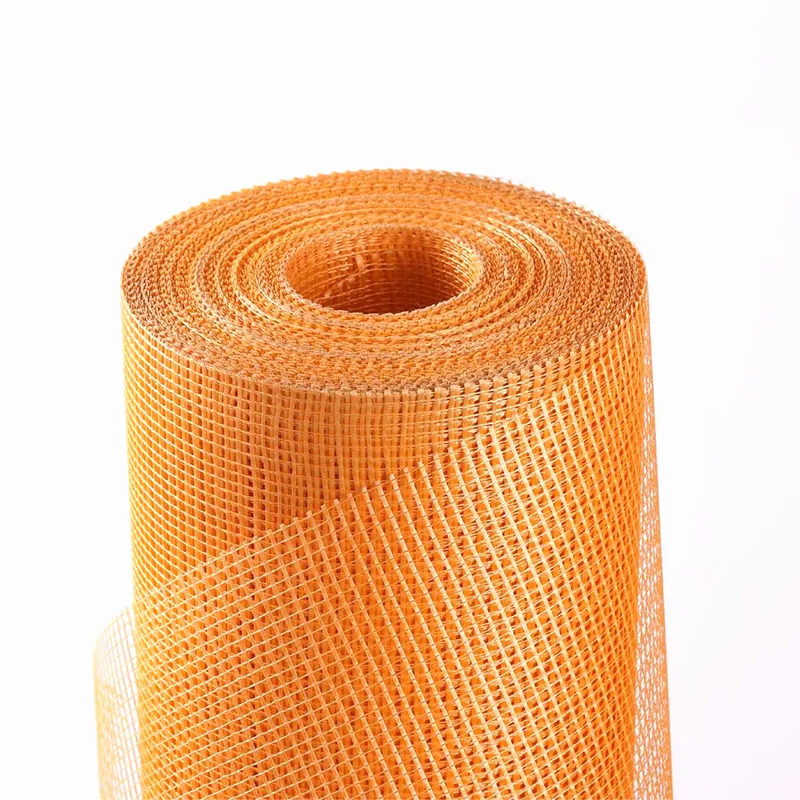
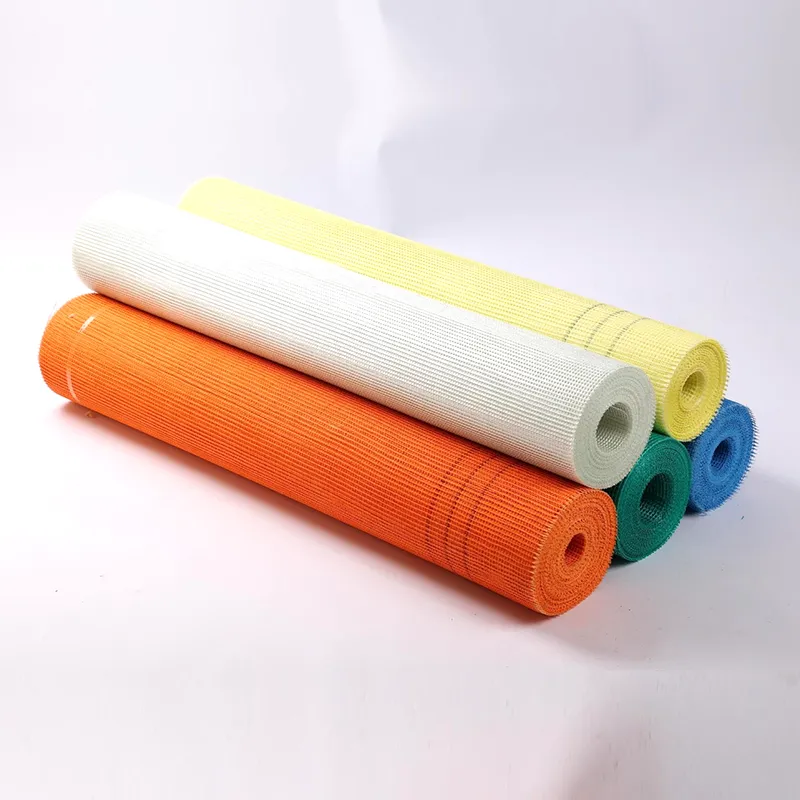
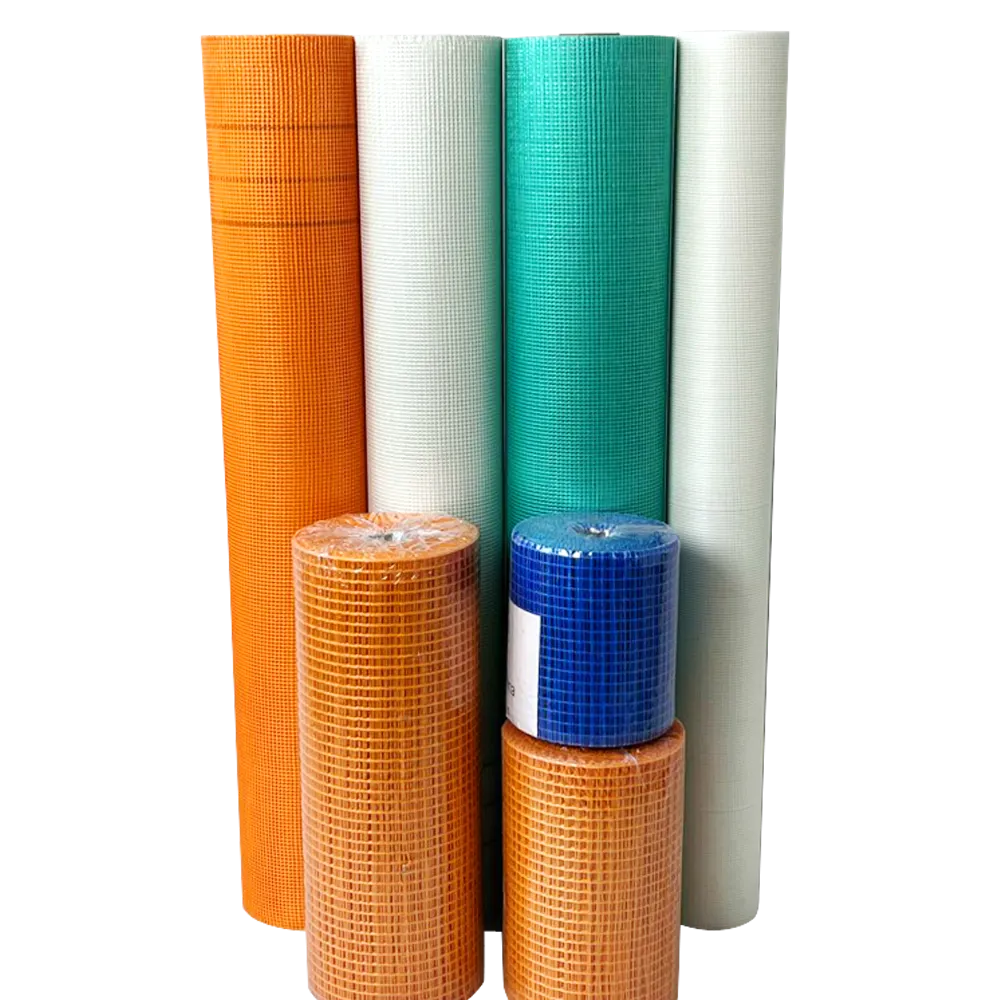
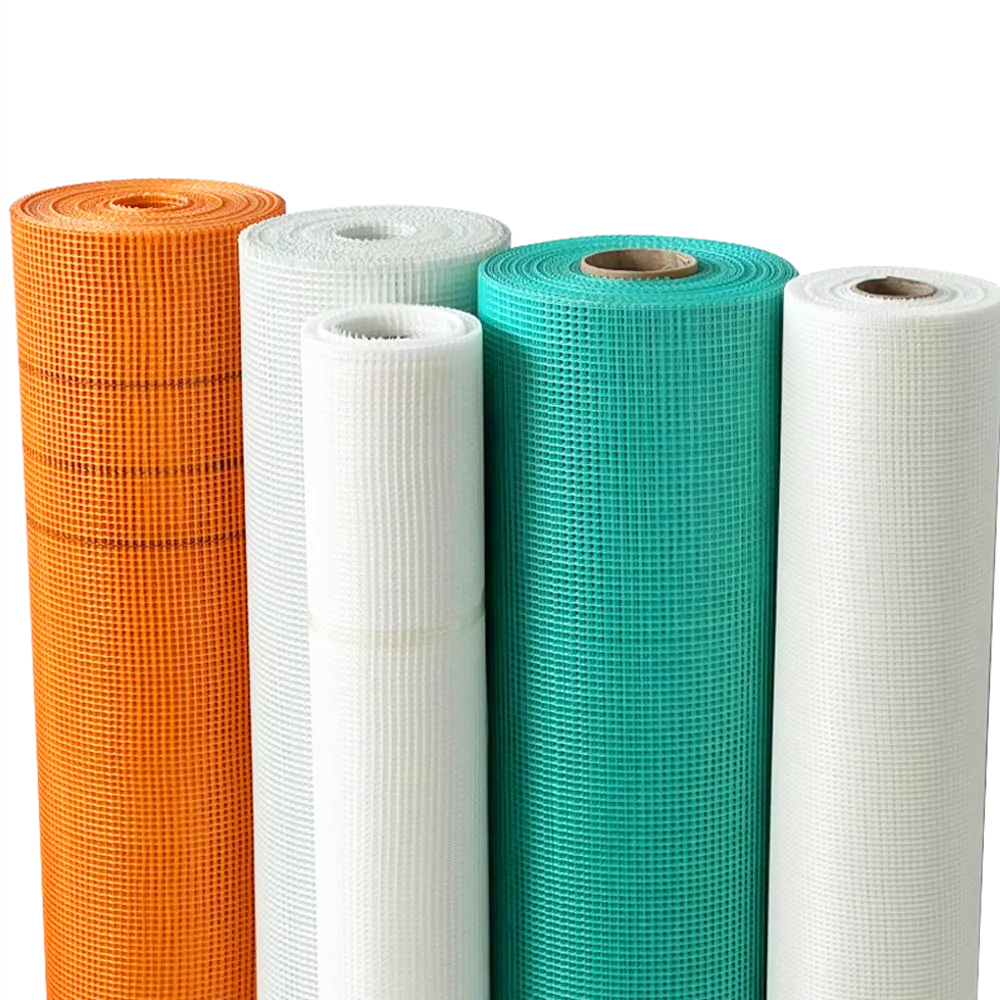
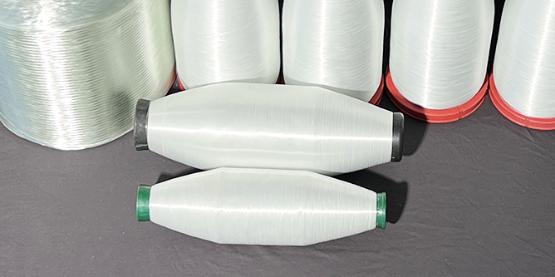
Glass roving for concrete reinforcement is a high-performance building material composed of bundled fiberglass yarn, designed to enhance the tensile strength and durability of concrete structures. Concrete excels in compressive strength but is weak in tension—glass roving addresses this limitation by acting as a "reinforcement framework" that distributes stress, preventing cracks and extending the structure’s service life. Tainuo Fiberglass Mesh Factory, established in 2000 and located in Renqiu City, Hebei Province with convenient transportation access, specializes in producing high-quality glass roving for concrete reinforcement, leveraging advanced yarn processing technology. As highlighted, Fiberglass yarn is a versatile material that has been gaining traction across various industries due to its remarkable properties. One of the primary advantages of fiberglass yarn is its unparalleled strength-to-weight ratio, making it an ideal choice for applications requiring high durability without the bulk. This lightweight yet robust characteristic enables manufacturers to create products that are both effective and easy to handle. Another significant benefit of fiberglass yarn is its excellent thermal resistance. Unlike many traditional fibers, fiberglass can withstand extreme temperatures without losing its structural integrity. As industries continue to seek materials that can perform under pressure, fiberglass yarn stands out as a reliable choice—these properties make glass roving an optimal solution for concrete reinforcement in diverse construction scenarios.
Core Properties of Fiberglass Yarn in Glass Roving
- Tainuo Fiberglass Mesh Factory’s fiberglass yarn used in glass roving for concrete reinforcement is engineered with high tensile strength (≥3000MPa), ensuring it can withstand the tensile forces exerted by concrete during loading or environmental changes (e.g., temperature fluctuations). This strength-to-weight ratio far exceeds that of traditional steel reinforcement, reducing the overall weight of concrete structures (e.g., beams, columns) by 20-30% while maintaining structural integrity.
- The fiberglass yarn from the factory exhibits excellent chemical resistance, particularly against alkali in concrete. Unlike steel that rusts when exposed to moisture and concrete alkalis, fiberglass yarn is treated with an alkali-resistant coating, preventing degradation over time. This ensures the glass roving retains its reinforcement effect for decades, reducing maintenance costs for concrete structures like bridges or industrial floors.
- Tainuo’s fiberglass yarn offers good thermal stability, as noted earlier—able to withstand temperatures ranging from -50℃ to 200℃ without losing strength. This makes glass roving suitable for concrete structures in extreme environments, such as high-temperature industrial plants or cold-region infrastructure, where thermal expansion and contraction could otherwise compromise reinforcement materials.
Reinforcement Mechanisms of Glass Roving Yarn in Concrete
- Tainuo Fiberglass Mesh Factory’s glass roving yarn is designed to form a strong bond with concrete. The roving’s bundled structure (composed of hundreds of fiberglass yarn filaments) creates a large surface area, allowing concrete to encapsulate the roving fully. This interlocking bond ensures stress is transferred between the concrete and glass roving yarn, preventing localized cracking and improving the structure’s overall load-bearing capacity.
- The glass roving yarn from the factory is compatible with various concrete types, including ready-mix concrete, high-strength concrete, and lightweight concrete. It can be integrated into concrete during mixing (as chopped strands) or applied as a surface layer (for retrofitting existing structures), providing flexibility for both new construction and repair projects—e.g., reinforcing aging concrete bridges or strengthening residential foundation slabs.
- Tainuo’s glass roving yarn enhances concrete’s fatigue resistance. In structures subjected to repeated loads (e.g., highway pavements, airport runways), the roving absorbs and distributes cyclic stress, preventing micro-cracks from expanding into larger fractures. This extends the structure’s service life, reducing the need for early repairs or replacement.
Application Advantages of E Glass Yarn in Glass Roving
- Tainuo Fiberglass Mesh Factory primarily uses E glass yarn(electrical-grade glass yarn) in its glass roving for concrete reinforcement. E glass yarn is non-conductive, making it ideal for concrete structures near power lines or electrical equipment (e.g., substation foundations), where steel reinforcement could pose electrical hazards. This non-conductivity also prevents electrochemical corrosion, a common issue with steel in moist concrete.
- The E glass yarn from the factory has low moisture absorption (<0.5%), ensuring the glass roving does not absorb water from concrete or the environment. This prevents swelling or weakening of the roving, maintaining its reinforcement performance even in high-humidity environments (e.g., underground parking garages, coastal concrete structures exposed to saltwater).
- Tainuo offers E glass yarn-based glass roving in customizable specifications (roving weight: 2400tex-4800tex, bundle count: 1200-4800 filaments) to meet diverse concrete reinforcement needs. For example, heavier E glass yarn roving is used for heavy-duty structures like industrial columns, while lighter variants suit residential concrete slabs—ensuring optimal reinforcement without unnecessary material waste.
Fiberglass Yarn FAQS
What makes Tainuo’s fiberglass yarn better suited for concrete reinforcement than traditional steel?
Tainuo’s fiberglass yarn offers a higher strength-to-weight ratio (reducing structure weight) and superior chemical resistance (no rusting in concrete alkalis) compared to steel. Additionally, fiberglass yarn is non-conductive and has better thermal stability, making it suitable for environments where steel would fail—e.g., coastal structures (saltwater corrosion) or high-temperature industrial sites. These properties reduce maintenance costs and extend the concrete structure’s service life.
Can glass roving yarn from Tainuo be used to reinforce existing concrete structures, or only new builds?
Yes, Tainuo’s glass roving yarn is suitable for both new construction and retrofitting existing structures. For existing concrete (e.g., aging bridges, cracked foundation walls), the glass roving yarn can be embedded in a polymer-modified mortar layer applied to the concrete surface. This creates a "reinforcement jacket" that strengthens the structure, repairs cracks, and prevents further degradation—avoiding the need for costly demolition and reconstruction.
What specifications of E glass yarn roving does Tainuo recommend for residential concrete slabs?
For residential concrete slabs (e.g., floor slabs, patio slabs), Tainuo recommends E glass yarn roving with a weight of 2400tex and 1200-2400 filaments. This specification balances reinforcement strength (sufficient to resist cracking from foot traffic or minor settling) and material cost, while the lightweight E glass yarn ensures easy mixing and pouring during residential construction—no special equipment is needed compared to heavy steel reinforcement.
How does Tainuo ensure the quality of fiberglass yarn used in glass roving for concrete reinforcement?
Tainuo conducts strict quality checks on fiberglass yarn at every production stage: raw material testing (silica sand purity), filament strength tests (tensile strength ≥3000MPa), and alkali resistance tests (weight loss <5% after 1000 hours in alkali solution). The factory also adheres to international standards (e.g., ASTM D578-01 for fiberglass yarn), ensuring each batch meets the performance requirements for concrete reinforcement—preventing defects like weak bonding or premature degradation.
Does Tainuo’s location affect the delivery time of E glass yarn roving for concrete projects?
No—Tainuo’s location in Renqiu City (Hebei Province) provides convenient access to national logistics networks (highways, railways, and ports). This allows E glass yarn roving to be delivered to most Chinese construction sites within 2-5 days (3 days for northern cities, 5 days for southern regions). The factory also maintains a large inventory of standard E glass yarn roving, ensuring urgent orders for concrete repair projects are fulfilled quickly, avoiding construction delays.
-
Best Fiberglass Mesh Tape for RedGard Product Waterproofing GuideNewsApr.16,2026
-
Why High Strength Fiberglass Mesh Is Essential For Stucco ApplicationNewsApr.15,2026
-
Why Alkali Resistant Fiberglass Mesh Tape Is Essential For Cement Board And Tile InstallationsNewsApr.15,2026
-
Understanding The Role Of Drywall Fiberglass Mesh In Interior FinishingNewsApr.15,2026
-
Ultimate Guide To Using Fiberglass Mesh Tape For Drywall And Plaster RepairsNewsApr.15,2026
-
The Versatility Of Fiberglass Mesh In Marble And Stone MosaicNewsApr.15,2026