Dec . 07, 2025 19:16 Back to list
Fiberglass Mesh Factories: Global Impact, Key Benefits & Future Trends
Fiberglass Mesh Factories: The Backbone of Durable, Modern Construction Materials
Fiberglass mesh factories play a surprisingly pivotal role in today’s construction, infrastructure, and even humanitarian efforts worldwide. If you’ve ever wondered how modern buildings manage to combine strength with lightweight durability—or how repairs after natural disasters hold up better than before—then understanding these factories is key. Essentially, these industrial hubs manufacture the fiberglass mesh that acts as a robust, flexible reinforcement material, powering innovations across multiple sectors globally.
Global Industry Context: Why Fiberglass Mesh Factories Matter
Fiberglass mesh is an unsung hero in construction and engineering. According to recent data from the International Organization for Standardization (ISO), the use of fiberglass reinforcement in composites has steadily grown by around 5% annually worldwide, particularly in Asia and Europe. This growth reflects ongoing challenges in infrastructure resilience and the need for materials that can withstand environmental stresses.
In real terms, fiberglass mesh factories contribute to solving problems like cracking in concrete structures, thermal insulation deficiencies, and the high weight of traditional reinforcement materials like steel. The worldwide urban population is expected to reach 68% by 2050 (UN), pushing cities to build upwards and outwards—demanding more from construction materials all the time. Fiberglass mesh factories meet that demand.
What Are Fiberglass Mesh Factories?
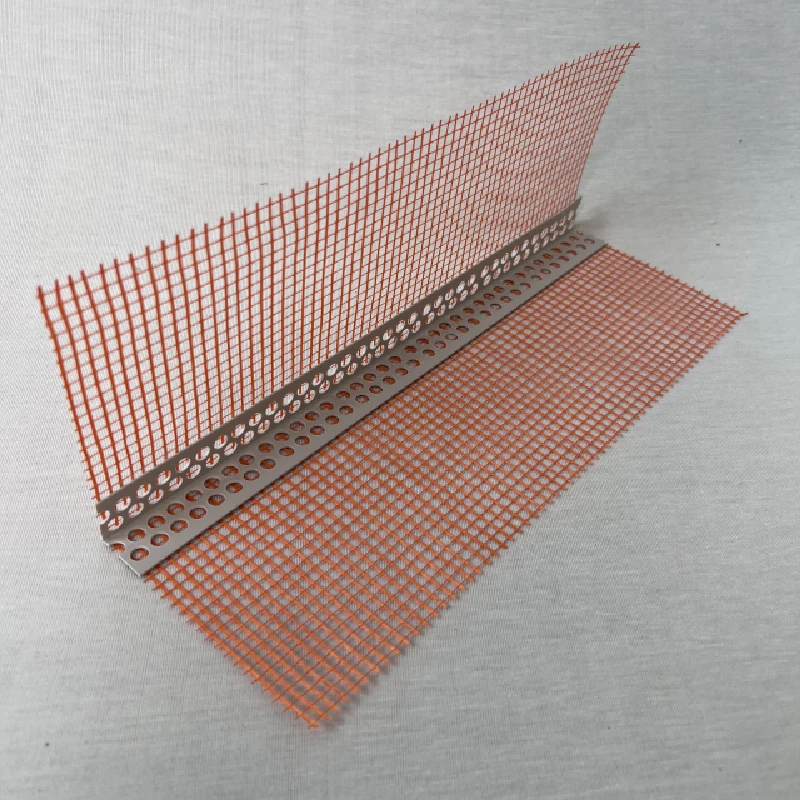
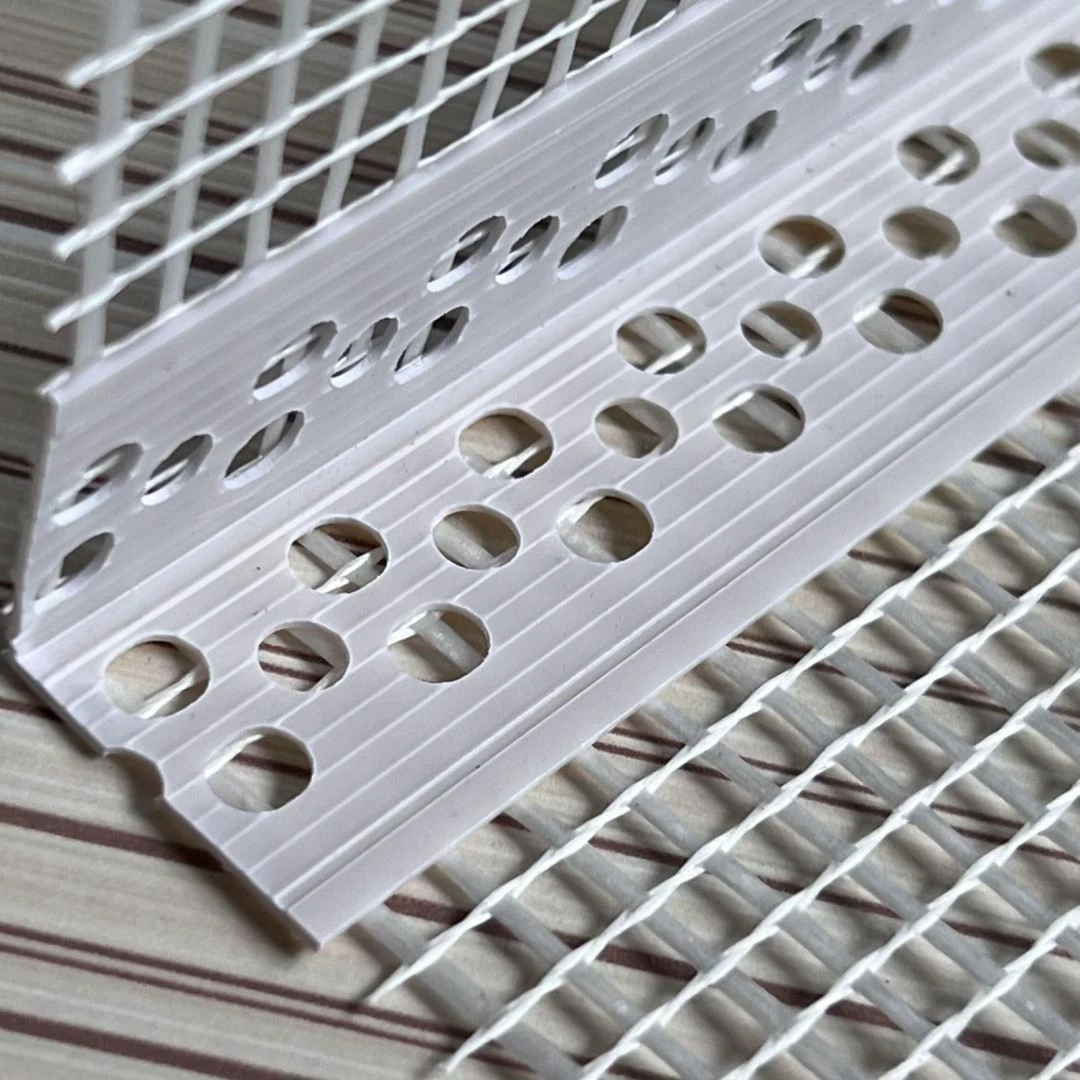
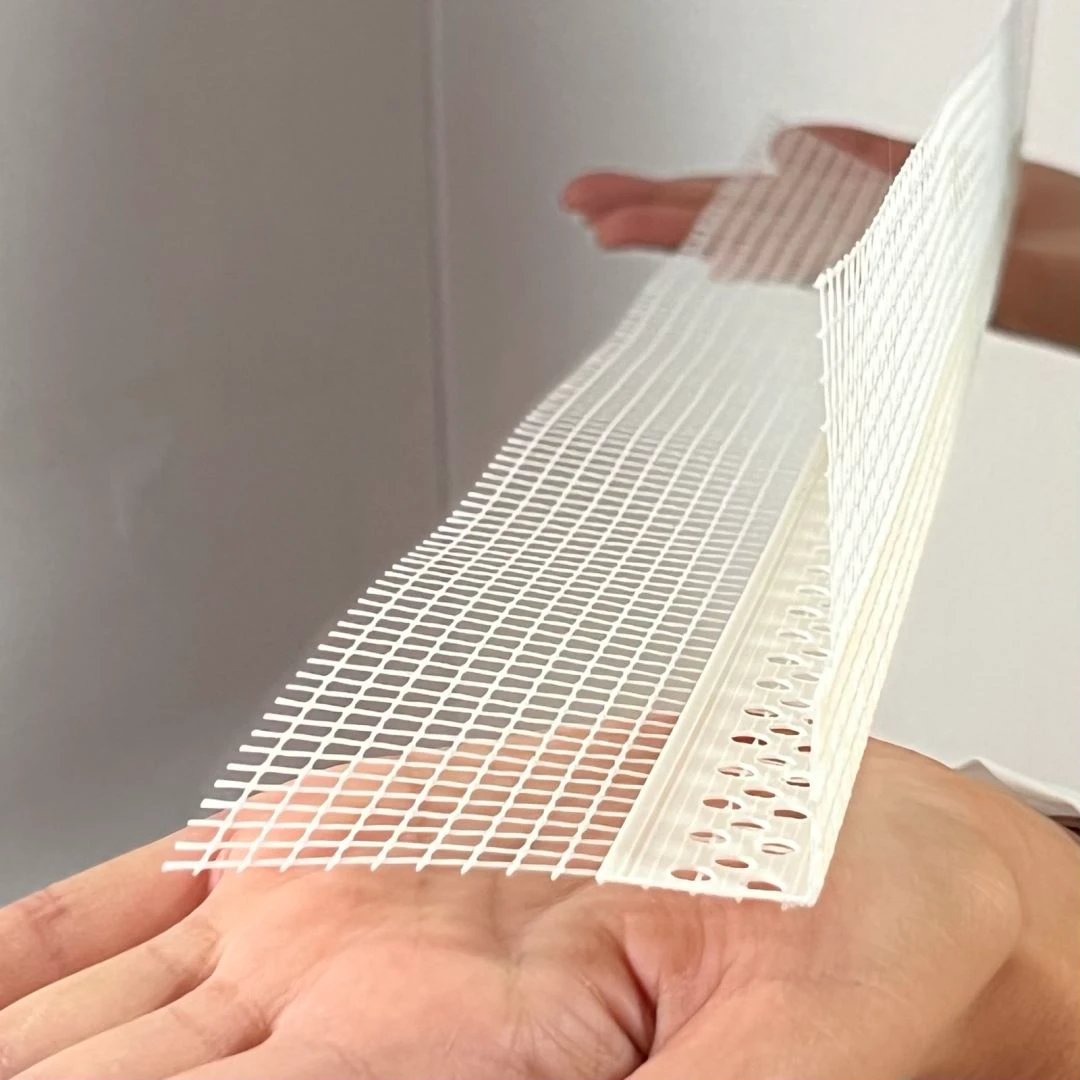
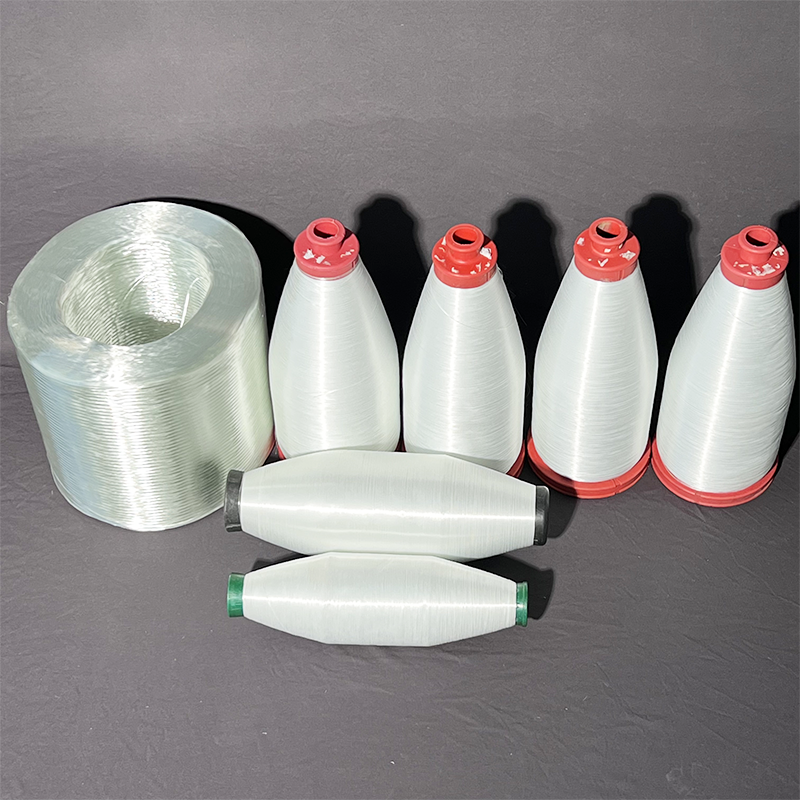
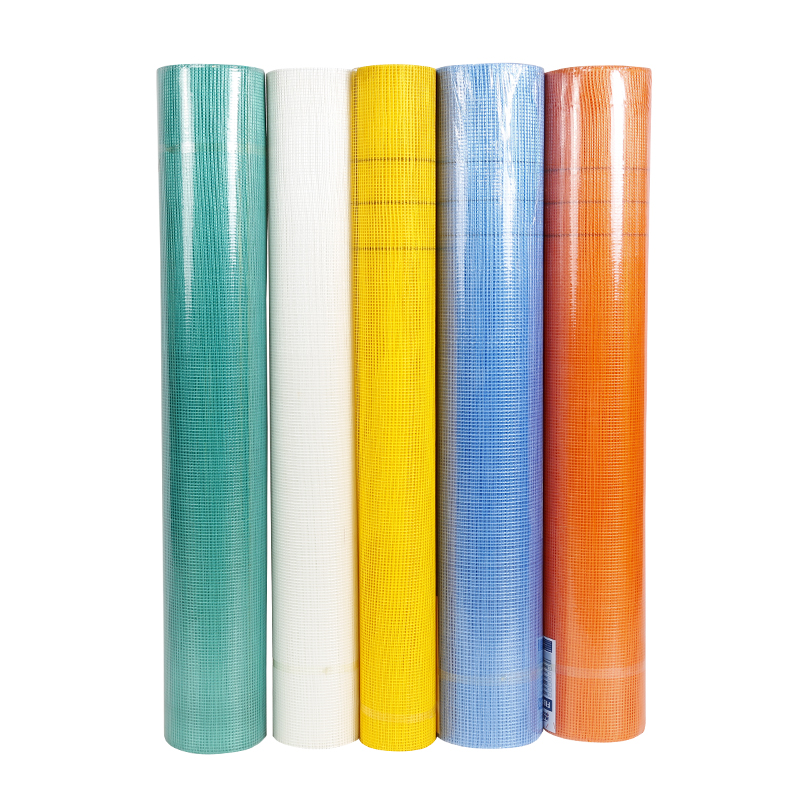
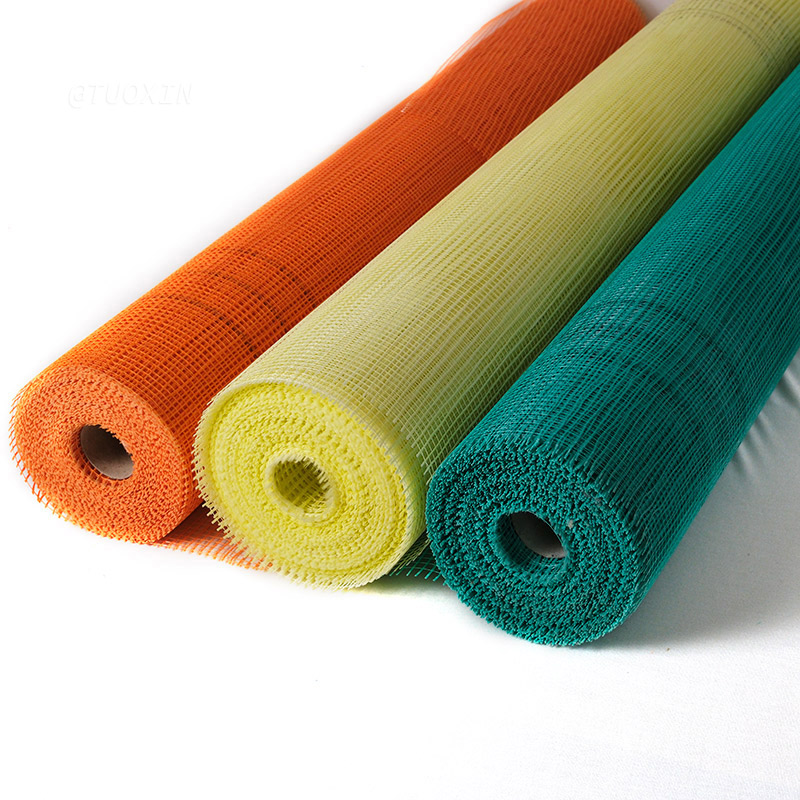
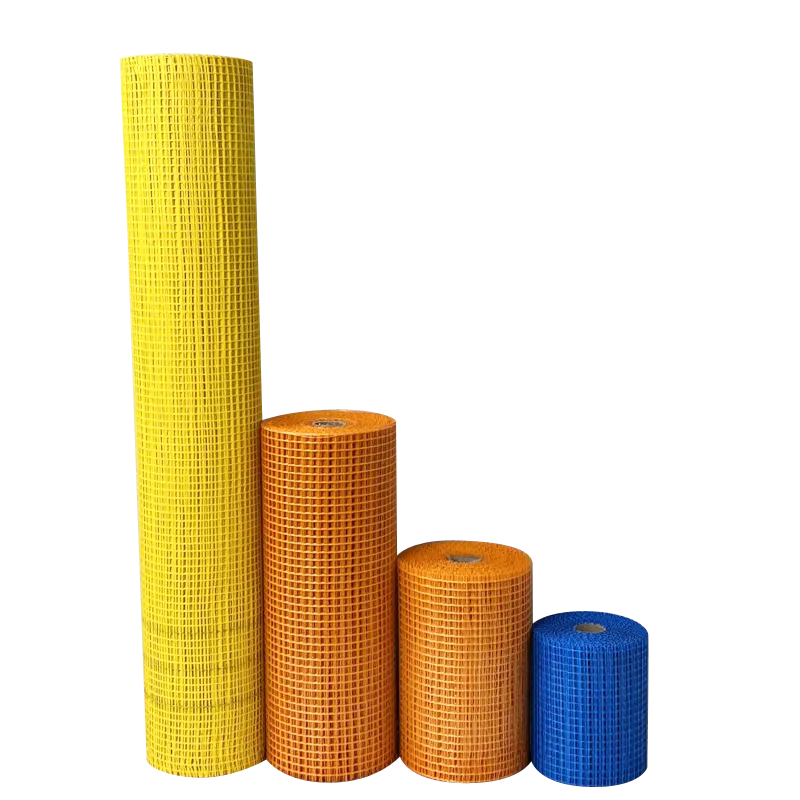
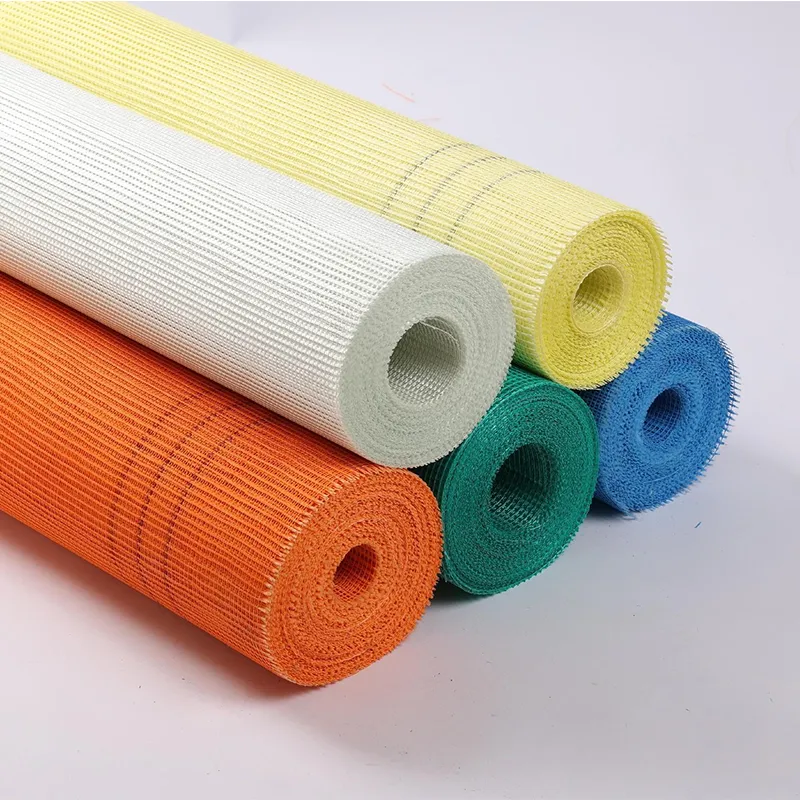
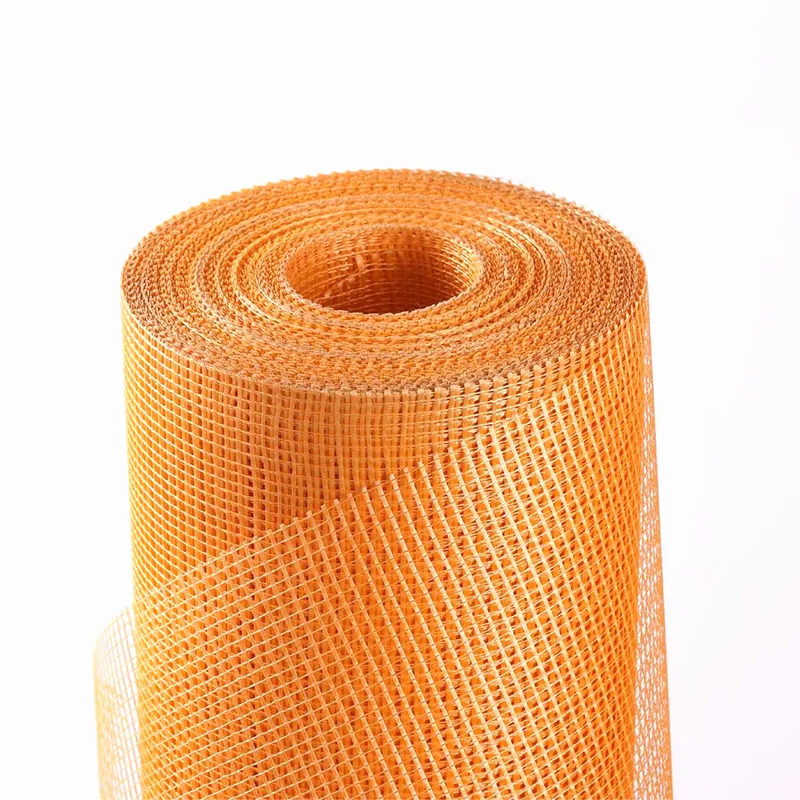
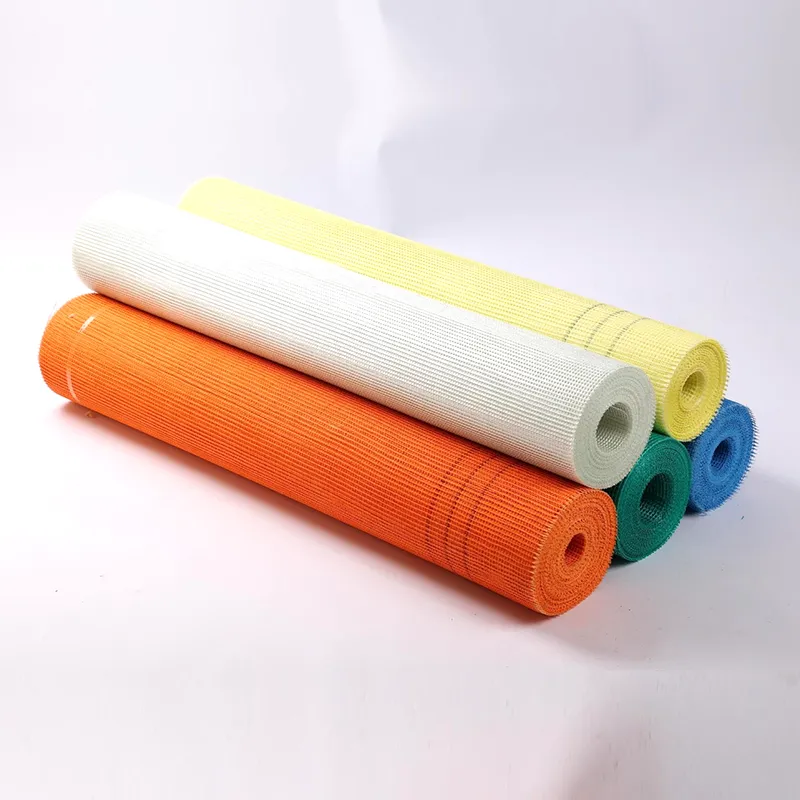
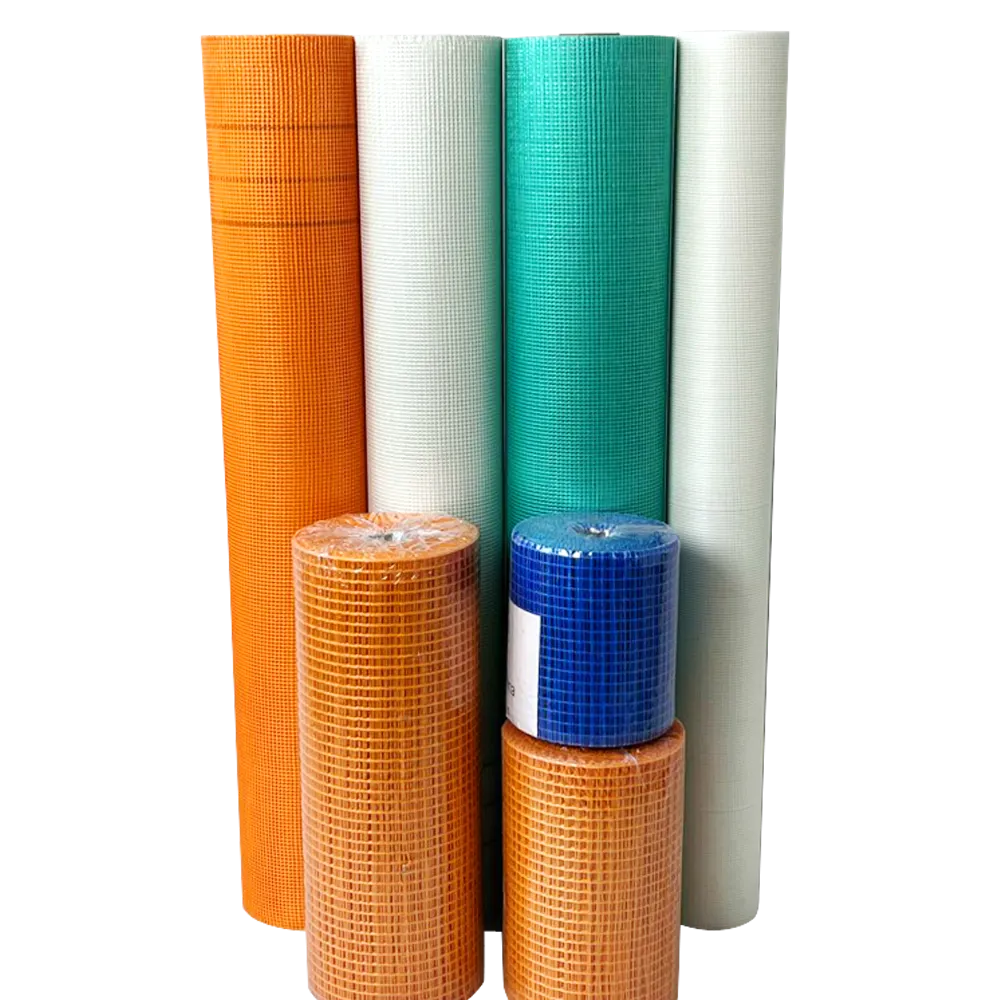
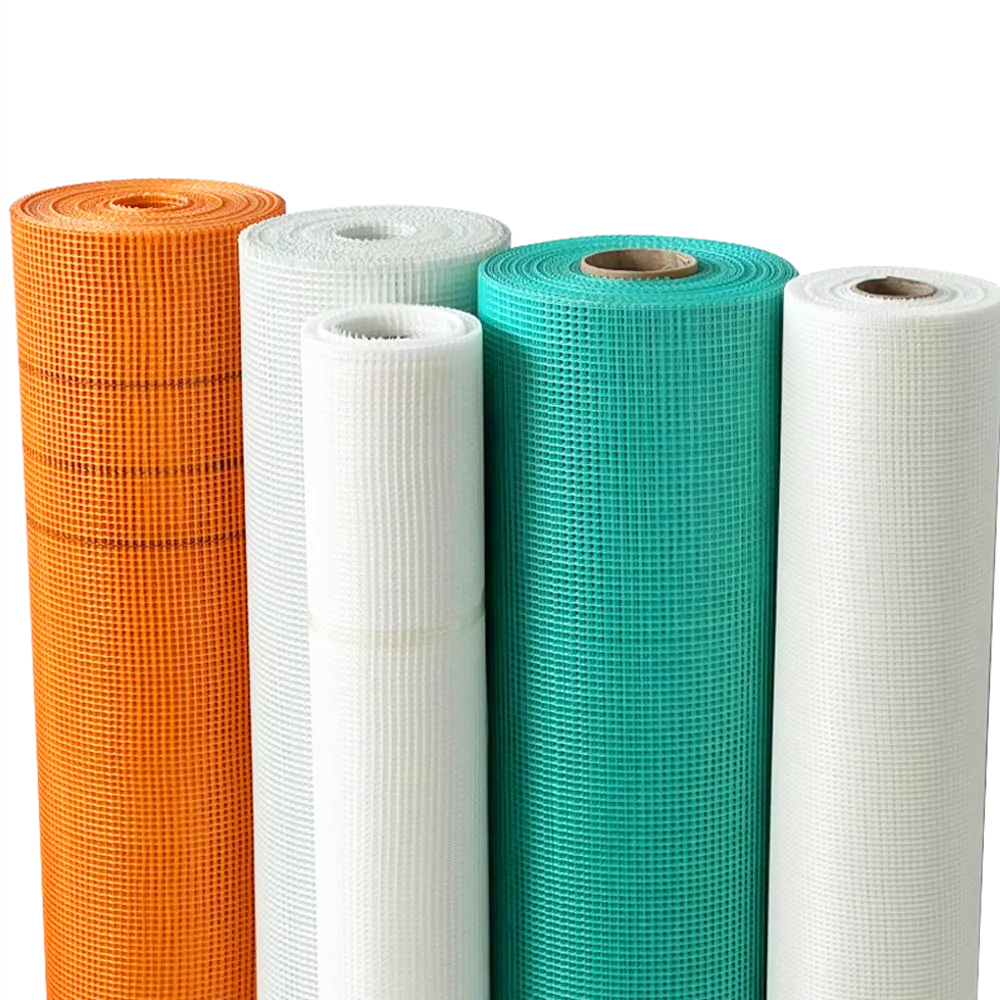
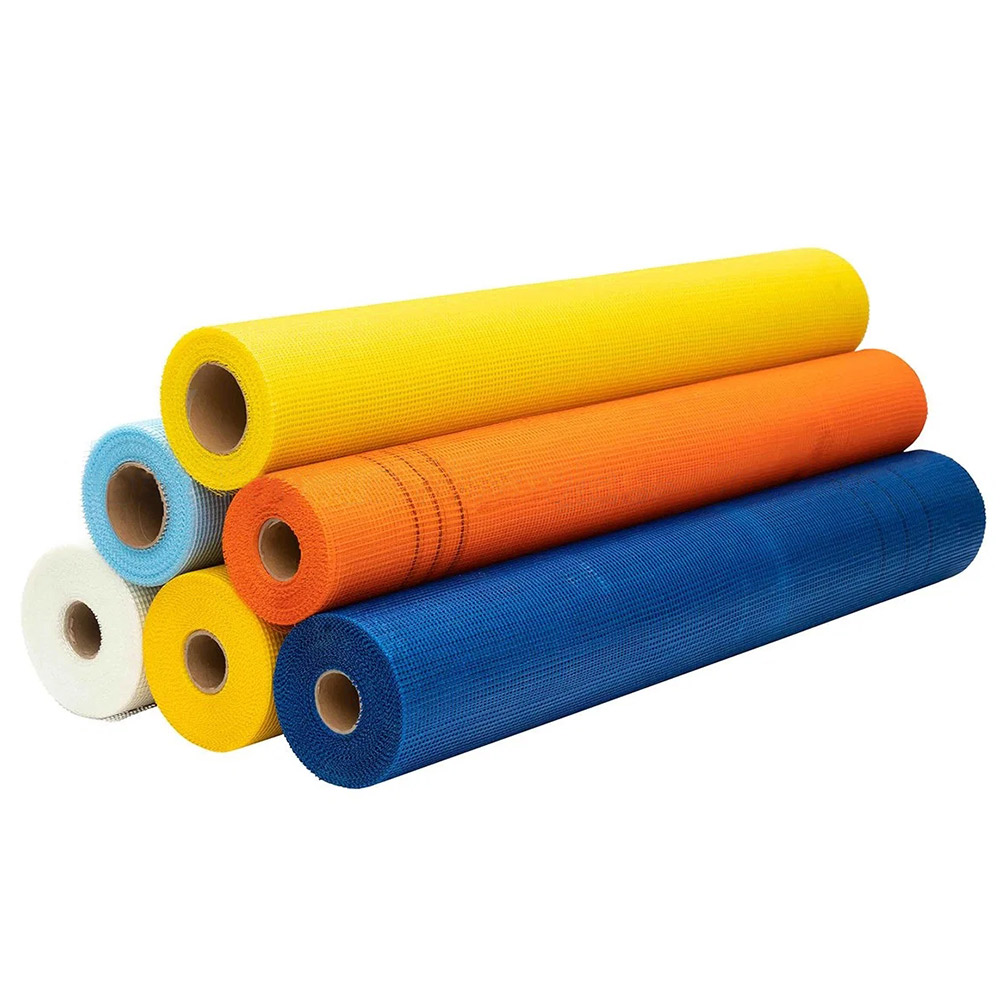
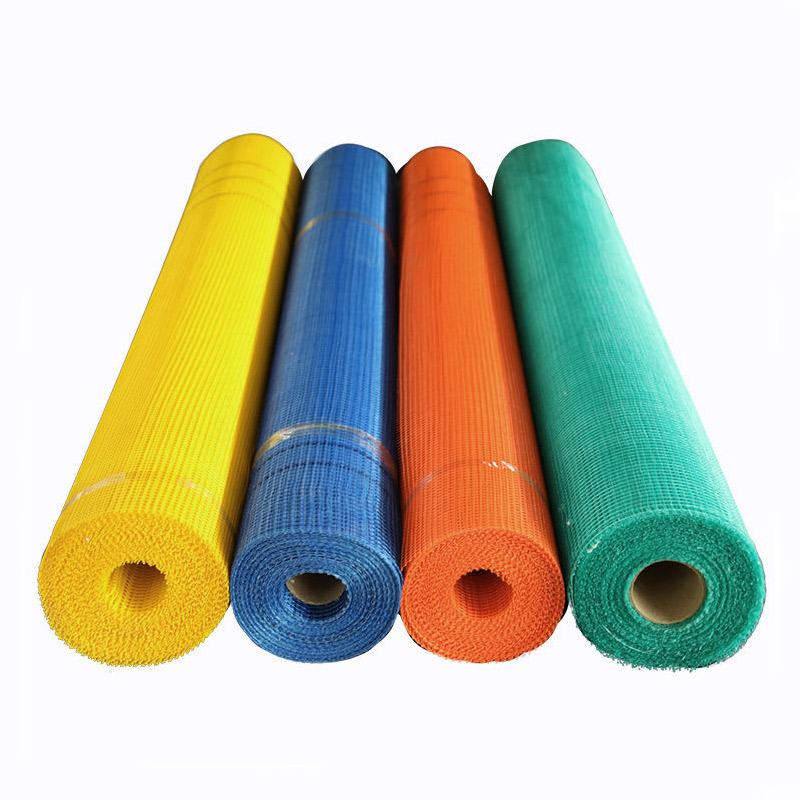
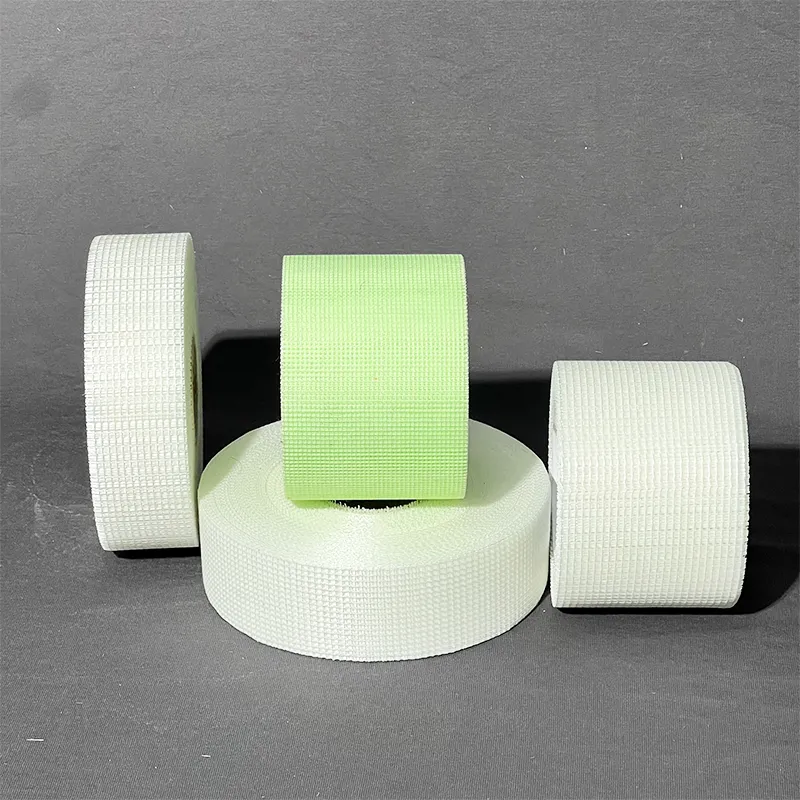
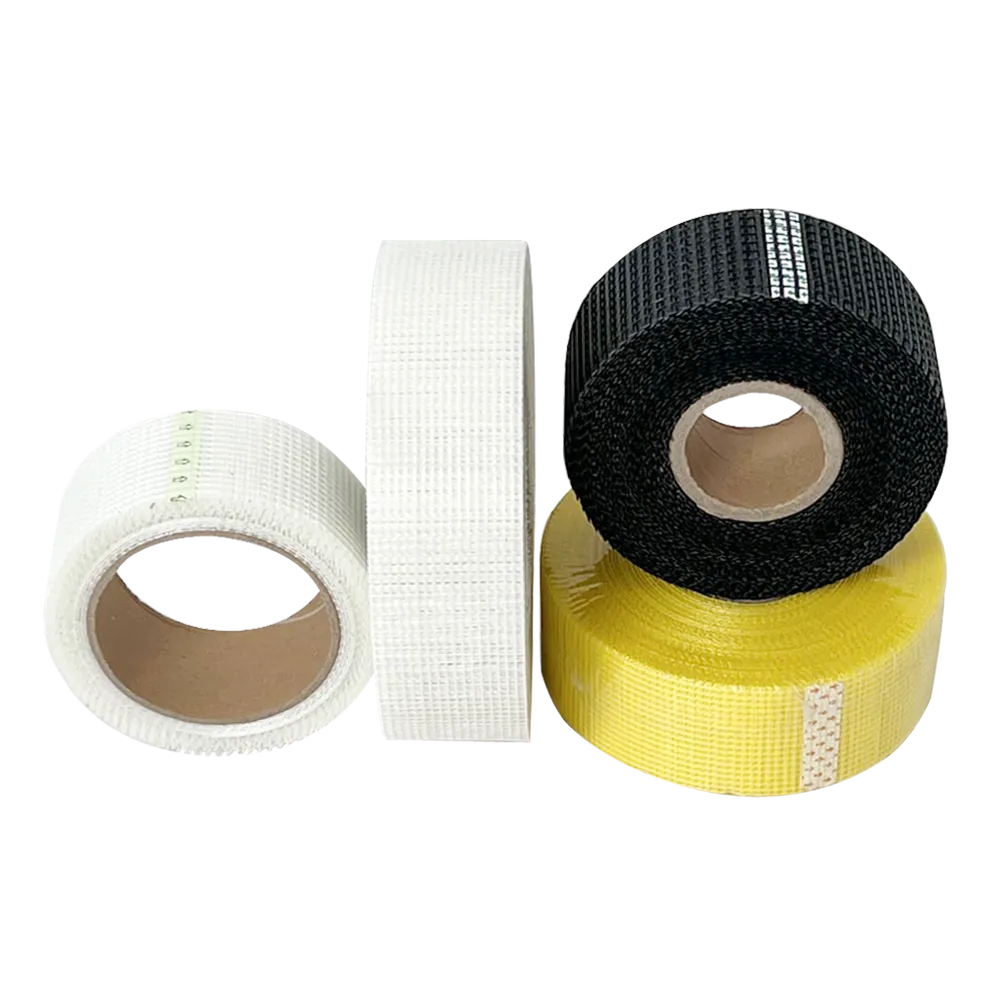
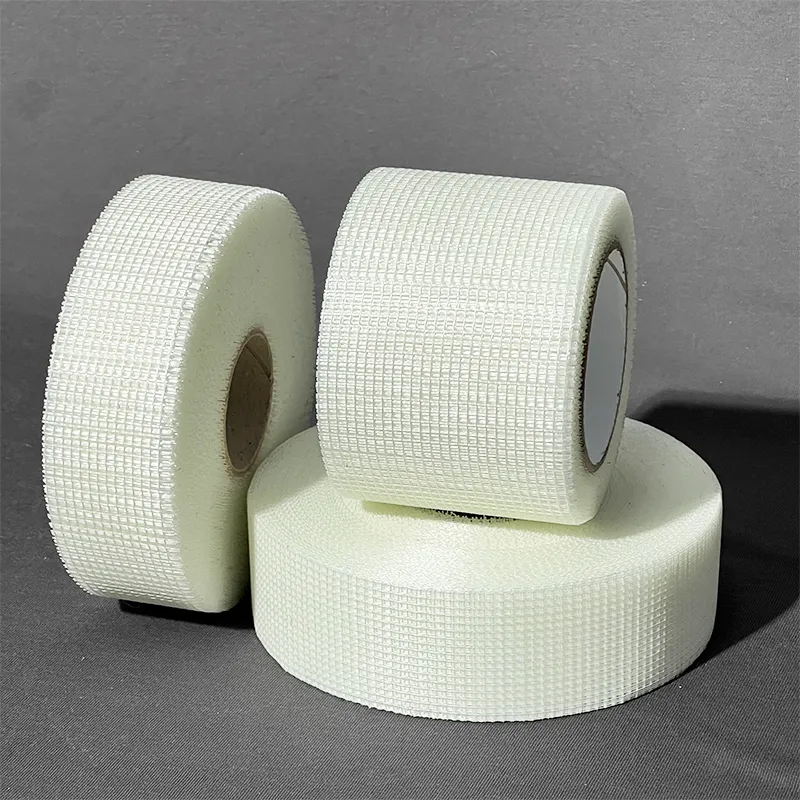
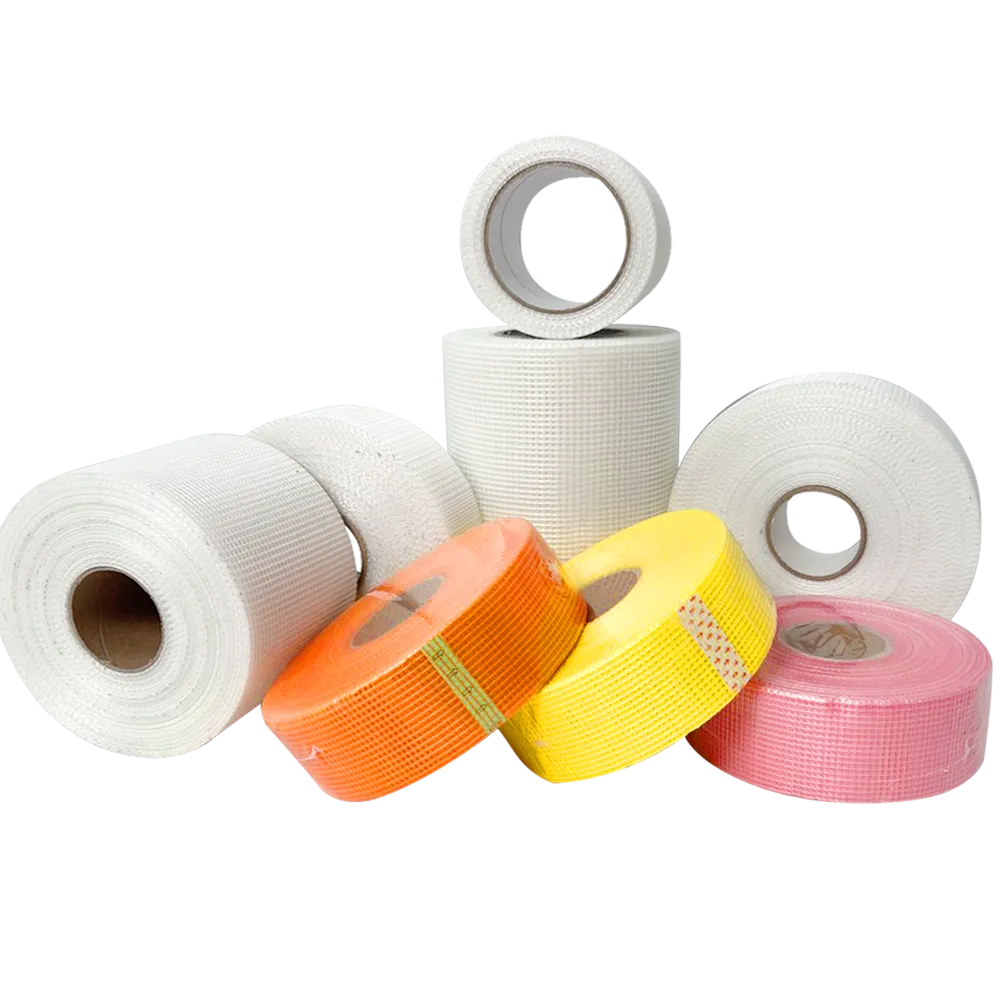
At their core, fiberglass mesh factories are specialized manufacturing sites where fiberglass yarns are woven or knitted into meshes used for reinforcing materials such as plaster, concrete, and even roofing systems. The mesh produced is a grid-like structure, characterized by its high tensile strength, corrosion resistance, and lightweight nature.
It may seem mundane, but these factories form a critical nexus between raw fiberglass production and versatile end uses — from commercial skyscrapers to emergency shelter materials. And interestingly, many humanitarian organizations rely on fiberglass mesh produced here to deliver durable, long-lasting housing solutions in disaster-affected regions.
Key Components and Core Aspects of Fiberglass Mesh
Durability
Fiberglass mesh manufactured in these factories is designed to withstand harsh weather, chemicals, and mechanical stress. Unlike steel mesh, it resists corrosion, making it invaluable in coastal or industrial environments.
Scalability
Production lines in modern factories can create vast quantities, meeting both bulk infrastructure projects and niche customized orders. This flexibility ensures diverse industries—from civil engineering to sports facilities—can access suitable mesh products.
Cost Efficiency
Fiberglass mesh’s relatively low production and installation costs, compared to traditional reinforcing materials, makes it very appealing. Factories optimizing materials and process automation have driven prices down in recent years.
Customization
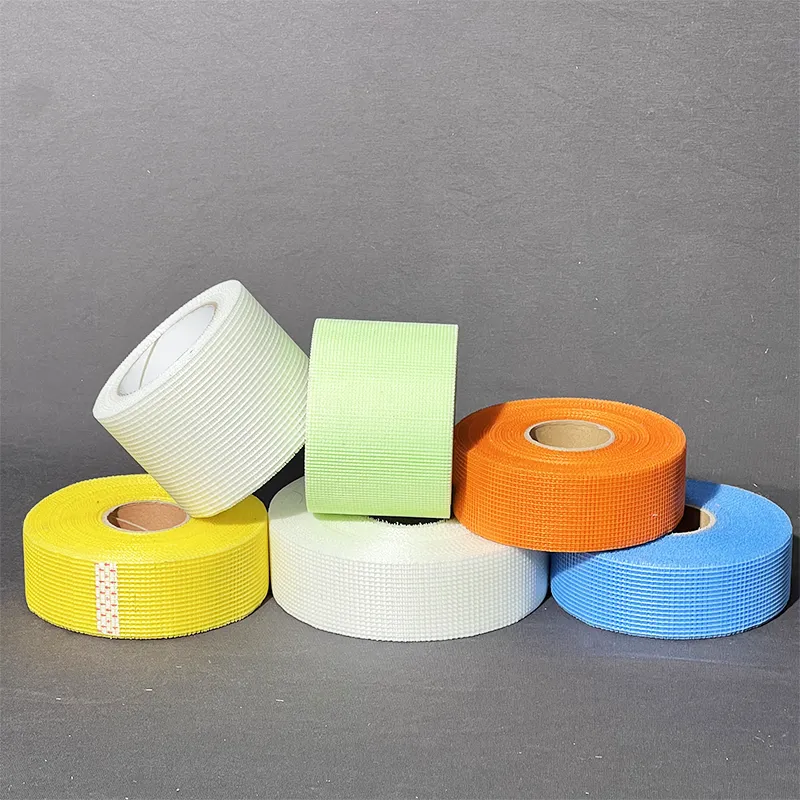
Fiberglass mesh isn’t one-size-fits-all. Factories often tailor mesh specifications—like mesh count, weight, and resin coatings—to specific client needs, offering enhanced performance tailored to particular construction conditions.
Sustainability
Manufacturers are gradually shifting towards eco-friendlier resins and energy-efficient production methods, aligning with global sustainability goals.
Global Applications & Use Cases
The practical impact is widespread. In Europe, fiberglass mesh strengthens thermal insulation systems in retrofitting old buildings, improving energy efficiency and reducing carbon footprints. Asia’s rapid urbanization leverages it extensively in skyscraper construction, where corrosion resistance allows for longer structure lifespans.
In disaster relief contexts, agencies use fiberglass mesh-enhanced materials to quickly erect shelters that stand up better to wind and rain. For example, repeated applications in Southeast Asia’s typhoon-prone zones have reduced structural failures during storms.
Moreover, industries like automotive and marine have begun incorporating fiberglass mesh components for lightweight structural reinforcement, improving fuel efficiency and safety simultaneously.
Advantages and Long-Term Value
- Economic Benefits: Reduced repair frequency and simpler installation lower life-cycle costs.
- Social Impact: Safer and more resilient buildings contribute to human dignity and disaster resilience.
- Trust and Reliability: Fiberglass mesh products have decades-long proven track records, building confidence among engineers and builders alike.
- Environmental Care: Lower embedded energy compared to steel mesh and increasing use of sustainable materials reduce environmental footprints.
Fiberglass Mesh Product Specification Example
| Specification | Typical Value | Unit |
|---|---|---|
| Mesh Size | 4x4, 5x5 | mm |
| Tensile Strength | 1500–2500 | N/50mm |
| Weight | 75–160 | g/m² |
| Alkali Resistance | >96 | % |
| Roll Length | 50–100 | Meters |
Vendor Comparison in Fiberglass Mesh Manufacturing
| Vendor | Customization Options | Production Scale | Sustainability Certifications | Average Lead Time |
|---|---|---|---|---|
| GlobalFibers Inc. | High | Large | ISO14001, LEED | 4 weeks |
| Asia Mesh Ltd. | Medium | Medium | ISO9001 | 3 weeks |
| EcoWeave Fiberglass | High | Small | ISO14001, Green Business Cert. | 5 weeks |
Future Trends & Innovations in Fiberglass Mesh Factories
Looking ahead, automation is making waves, with factories integrating robotics for higher precision weaving and reduced waste. Oddly enough, as demand for green construction materials heightens, we’re seeing more bio-based resins and recycling initiatives creeping into production lines.
Digital transformation, including real-time quality monitoring and AI-driven demand forecasting, also promises to tighten efficiency. And frankly, as climate concerns grow, fiberglass mesh factories will likely need to increase transparency and sustainability, or risk falling behind.
Challenges & Solutions
Fiberglass mesh factories face a few challenges, notably worker safety when handling fine fibers, and environmental impacts from resin chemicals. New safer fiber handling protocols and greener chemical substitutes are ongoing developments. Also, global supply chain disruptions sometimes affect raw glass fiber availability—though diversification strategies help mitigate this.
FAQ: Frequently Asked Questions About Fiberglass Mesh Factories
- Q: What industries commonly use fiberglass mesh?
A: Major users include construction (for reinforcing plaster and concrete), automotive, marine, and even renewable energy sectors, thanks to its lightweight strength and corrosion resistance. - Q: How long does fiberglass mesh typically last when embedded in concrete?
A: Under normal conditions, fiberglass mesh can last 50+ years without significant degradation, especially given its resistance to alkalis and corrosion. - Q: Can fiberglass mesh be customized for specific applications?
A: Absolutely. Factories can modify mesh size, weight, coating, and tensile properties to suit particular projects, ensuring optimal performance. - Q: How do fiberglass mesh factories contribute to sustainability?
A: By reducing structural failures and maintenance, promoting energy efficiency in buildings, and increasingly using eco-friendly resins, these factories play a role in greener construction.
Conclusion: Why Fiberglass Mesh Factories Will Continue to Shape Construction's Future
Ultimately, fiberglass mesh factories provide essential materials enabling stronger, lighter, and more durable structures across the globe. Their products influence everything from urban high-rises to emergency shelters, standing at the intersection of innovation and necessity. If you want to explore quality fiberglass mesh products or factory partnerships, you might want to check out fiberglass mesh factories with robust customization capacities and eco-conscious certifications.
By investing in the future of reinforced construction materials, these factories offer solutions that resonate economically, socially, and environmentally—no small feat in a rapidly changing world.
Mini takeaway: Fiberglass mesh factories are quietly forging the future of construction with materials that meet modern challenges head-on—making buildings safer, greener, and longer-lasting worldwide.
-
Best Fiberglass Mesh Tape for RedGard Product Waterproofing GuideNewsApr.16,2026
-
Why High Strength Fiberglass Mesh Is Essential For Stucco ApplicationNewsApr.15,2026
-
Why Alkali Resistant Fiberglass Mesh Tape Is Essential For Cement Board And Tile InstallationsNewsApr.15,2026
-
Understanding The Role Of Drywall Fiberglass Mesh In Interior FinishingNewsApr.15,2026
-
Ultimate Guide To Using Fiberglass Mesh Tape For Drywall And Plaster RepairsNewsApr.15,2026
-
The Versatility Of Fiberglass Mesh In Marble And Stone MosaicNewsApr.15,2026