Dec . 13, 2025 09:20 Back to list
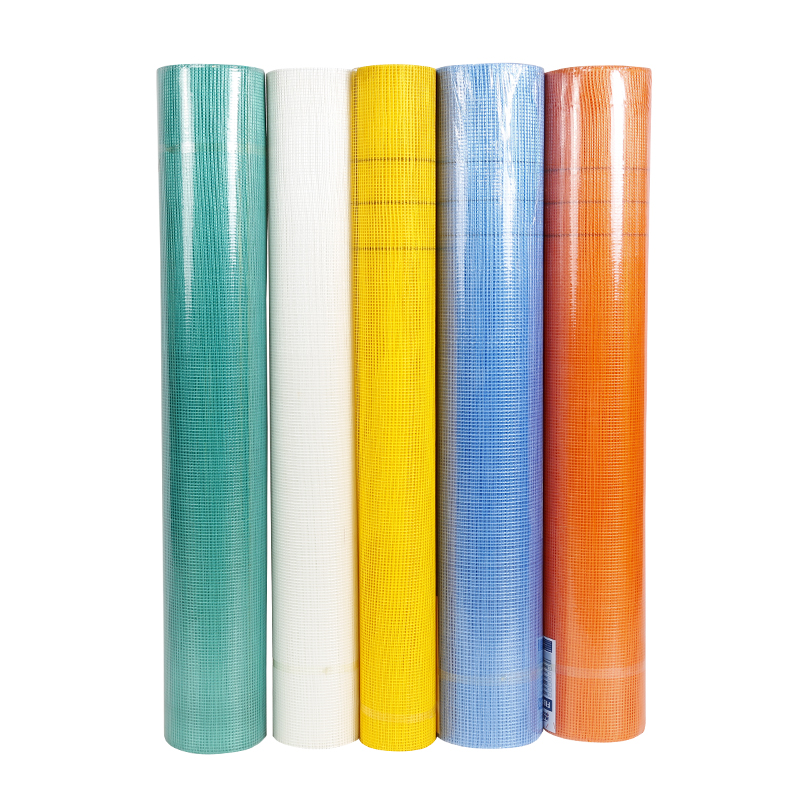
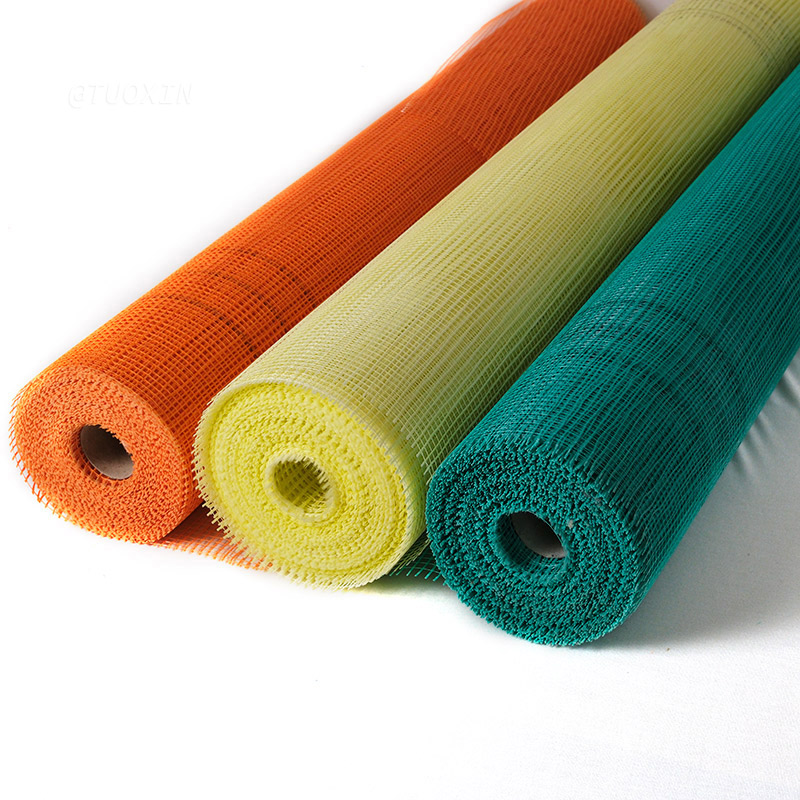
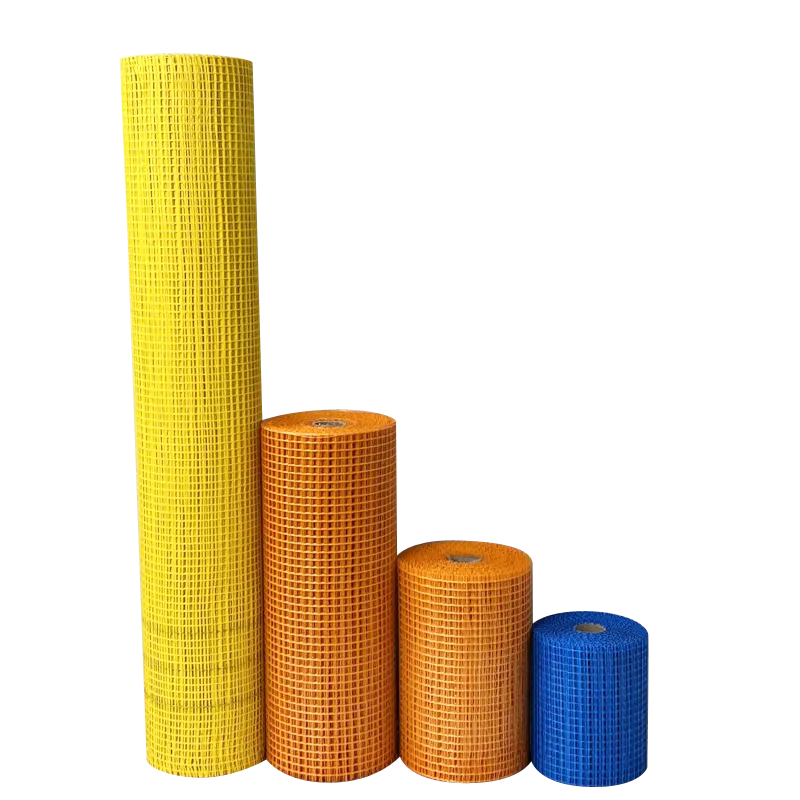
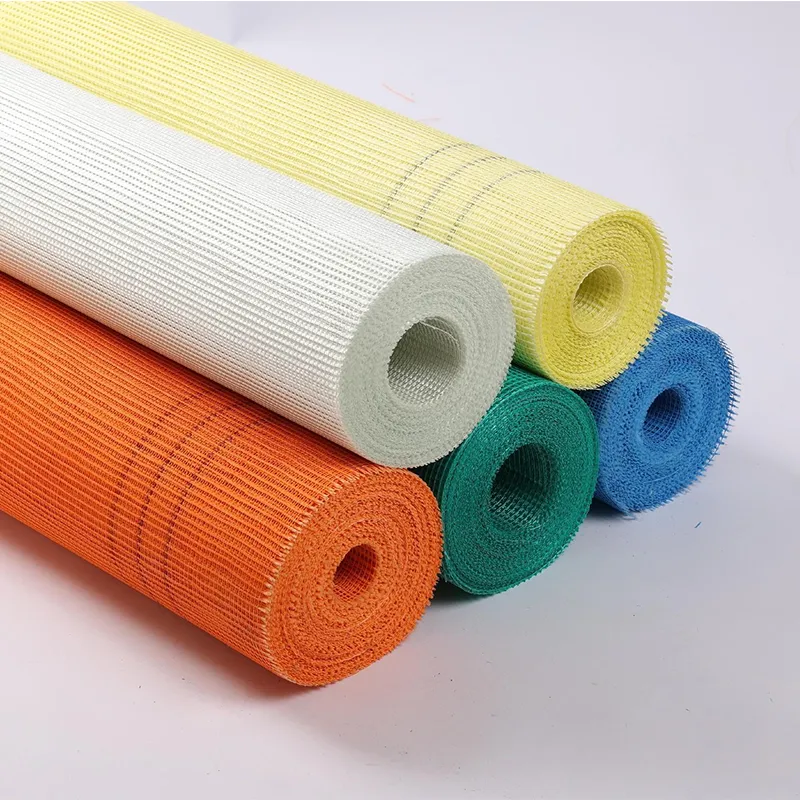
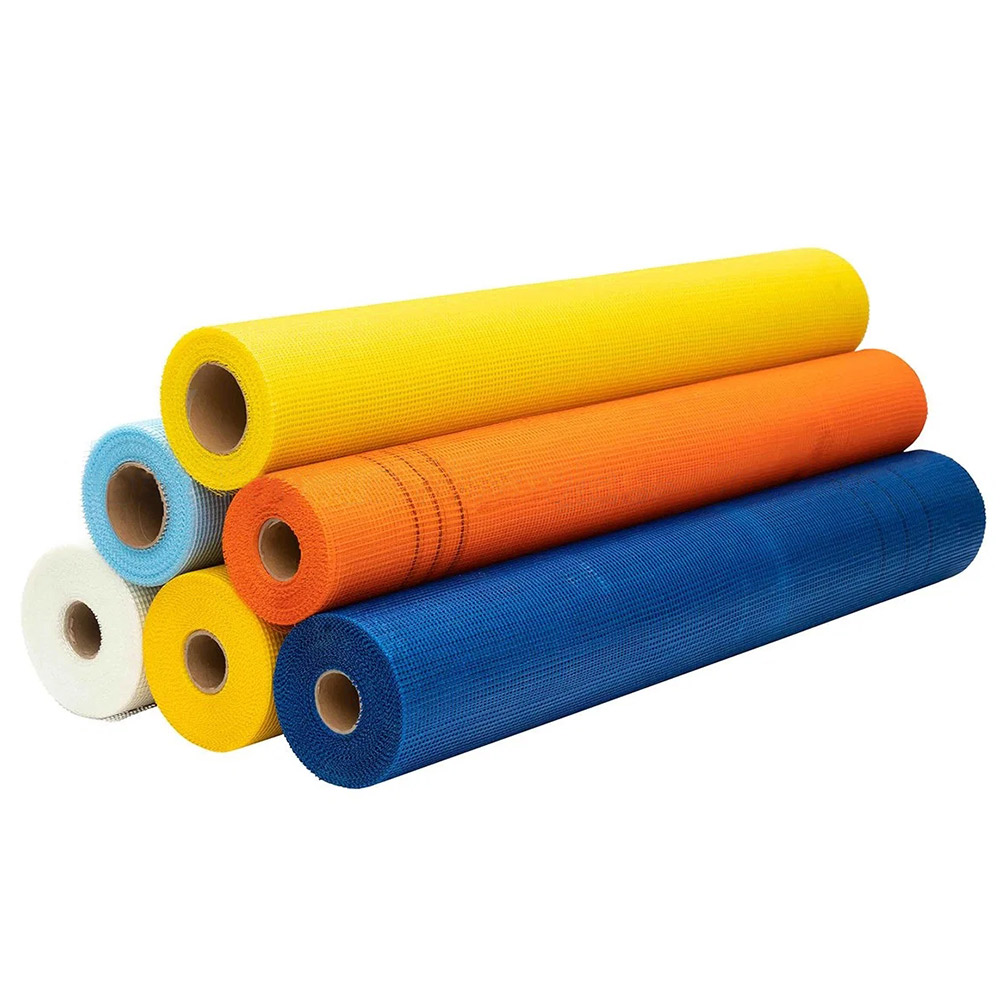
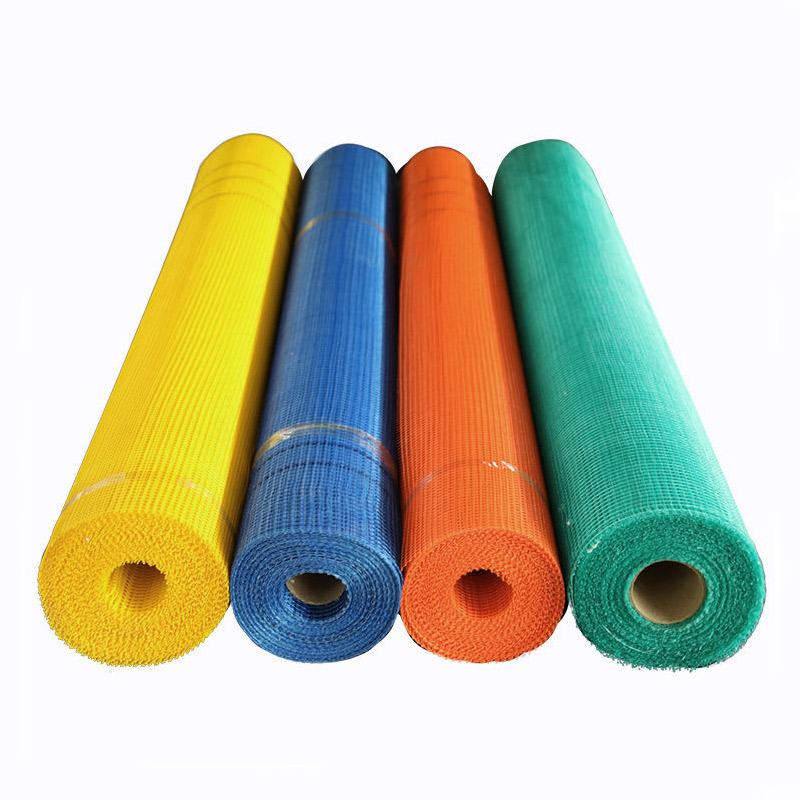
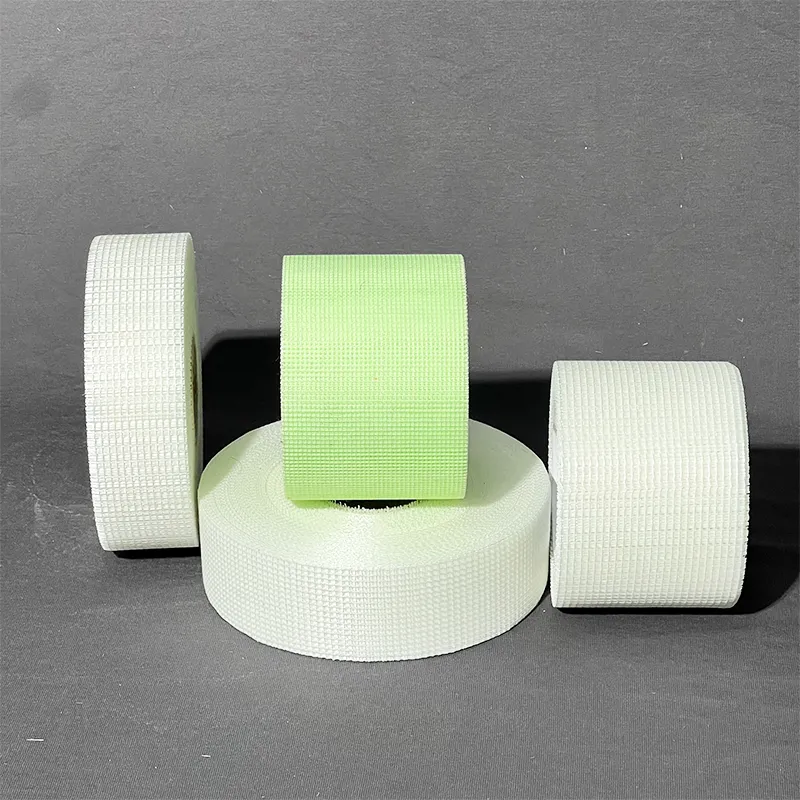
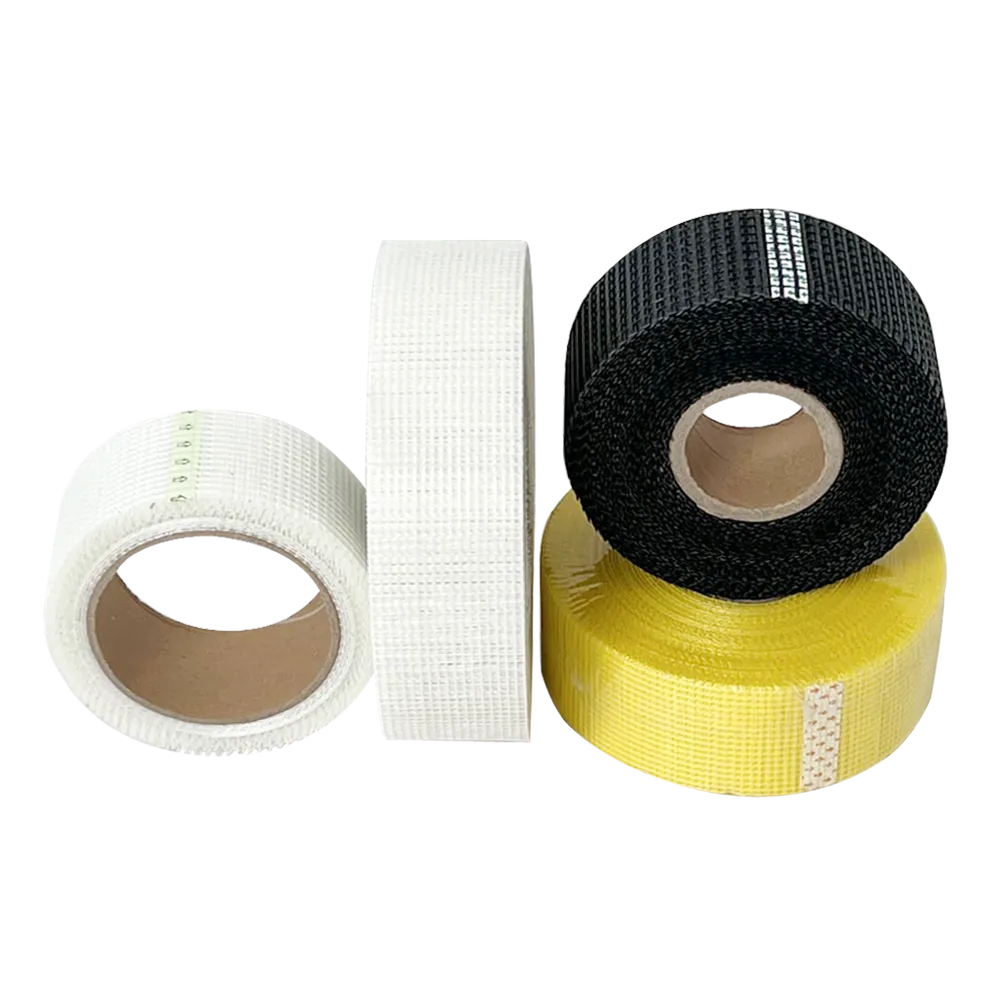
Durable Self Adhesive Fiberglass Mesh Products for Construction
Self Adhesive Fiberglass Mesh Products: A Veteran’s Perspective
Having spent over a decade in the industrial equipment sector, I’ve seen my fair share of building materials. But self adhesive fiberglass mesh—now that’s one of those products that quietly proves its worth day after day, especially in construction and repair jobs requiring extra durability. Oddly enough, despite being so commonplace, it often flies under the radar when people think about renovation essentials.
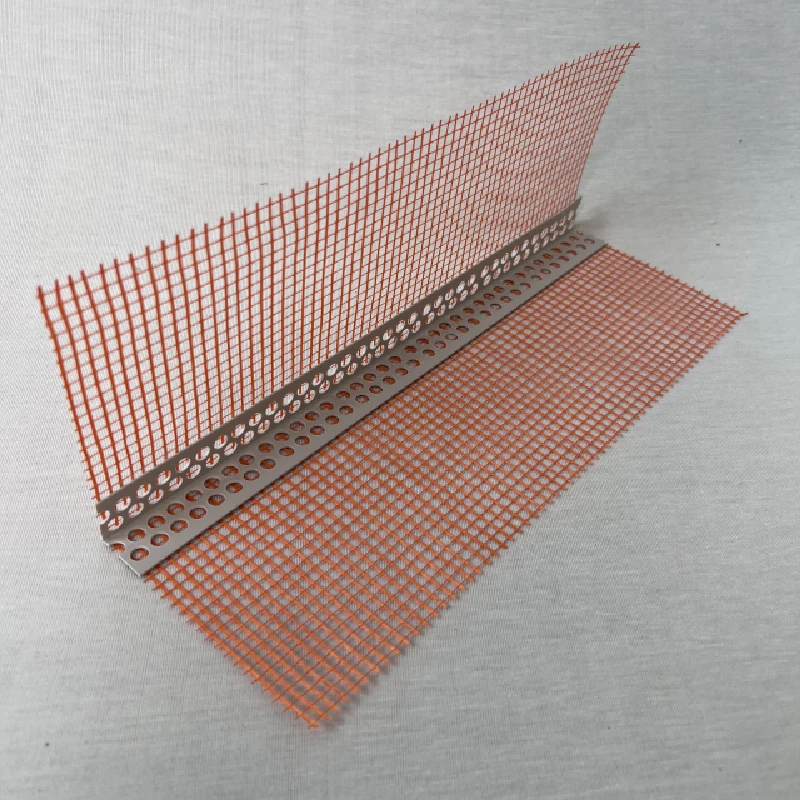
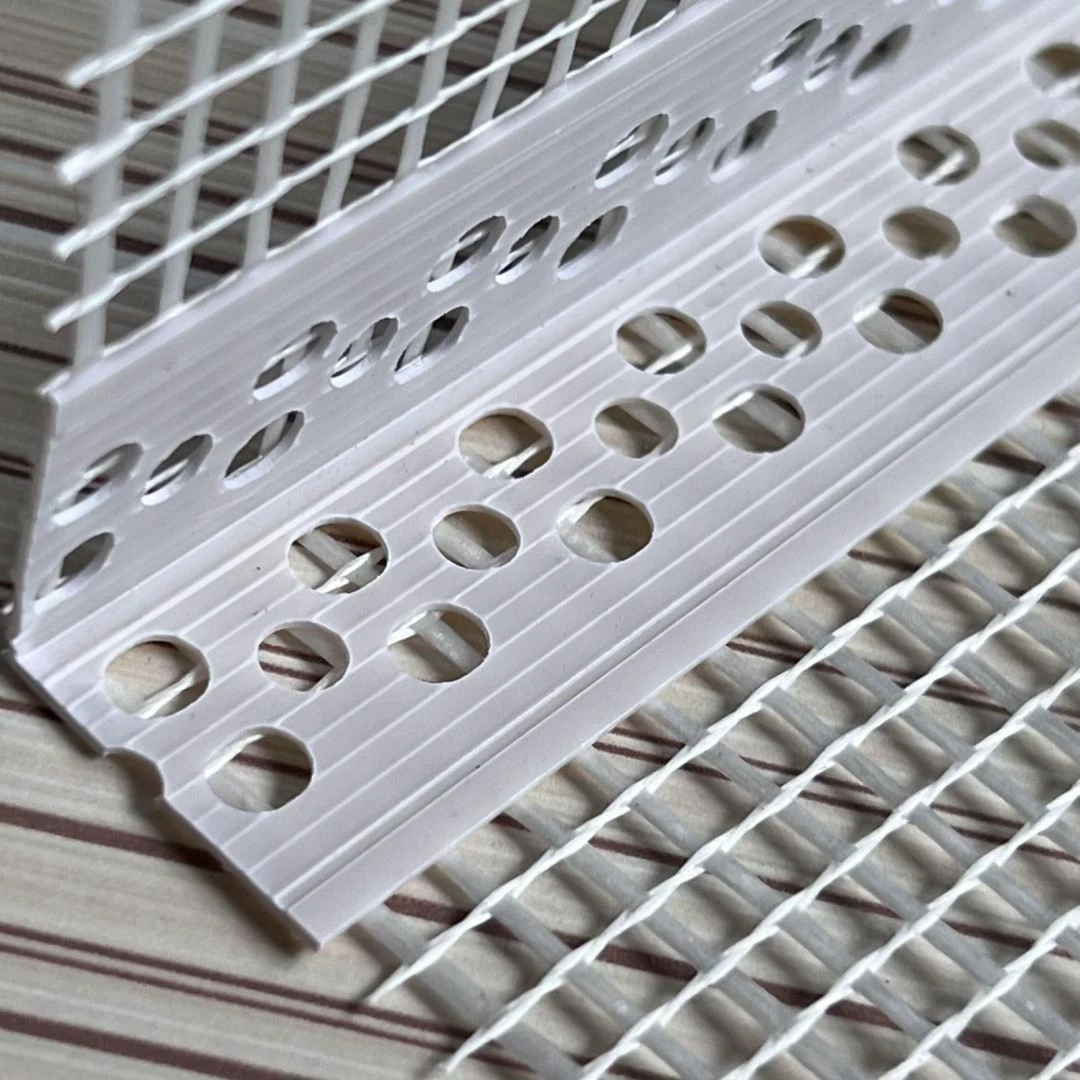
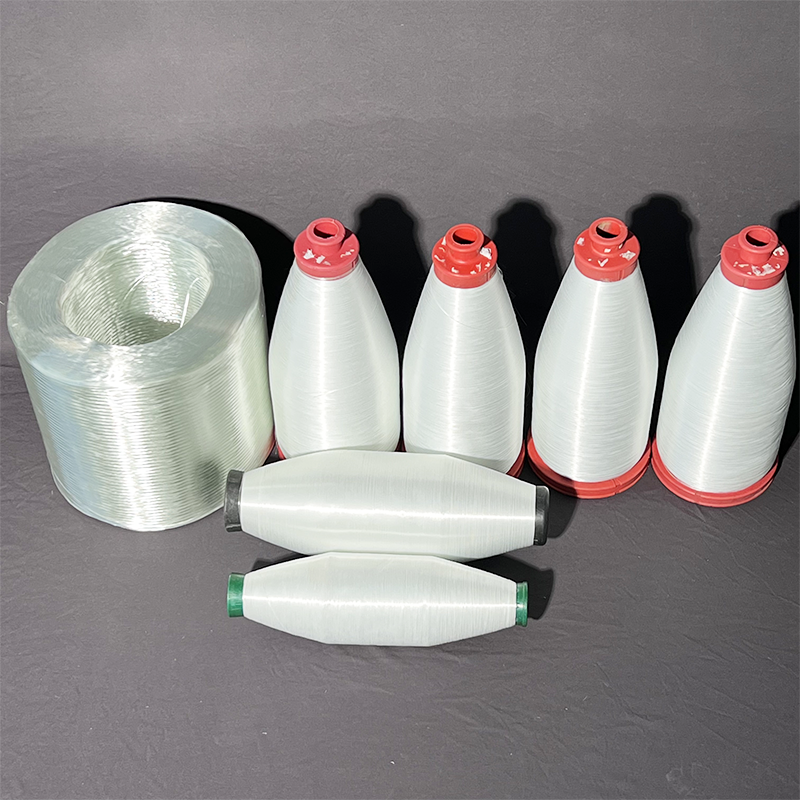
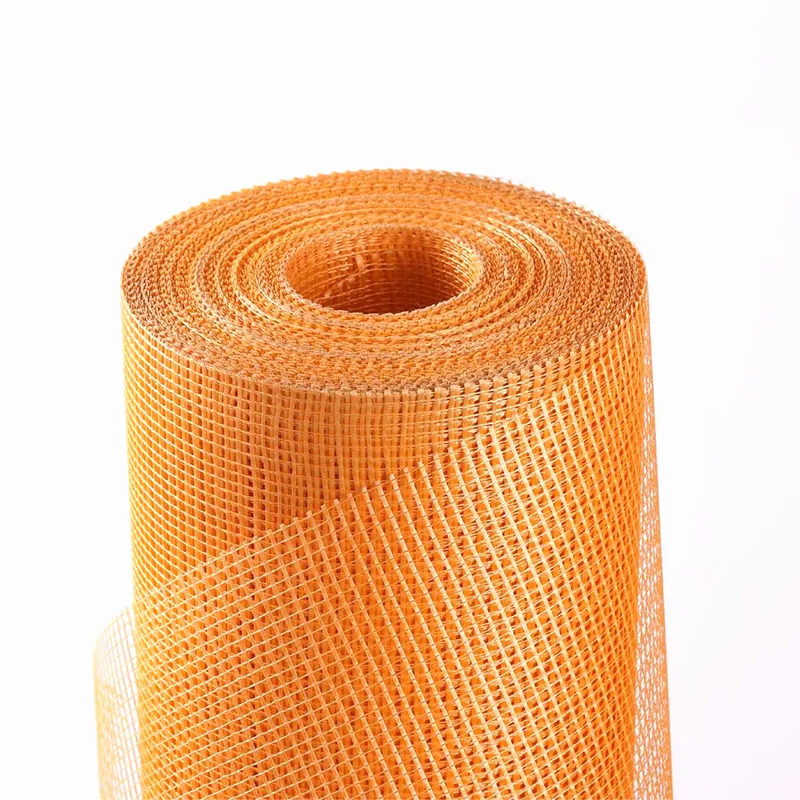
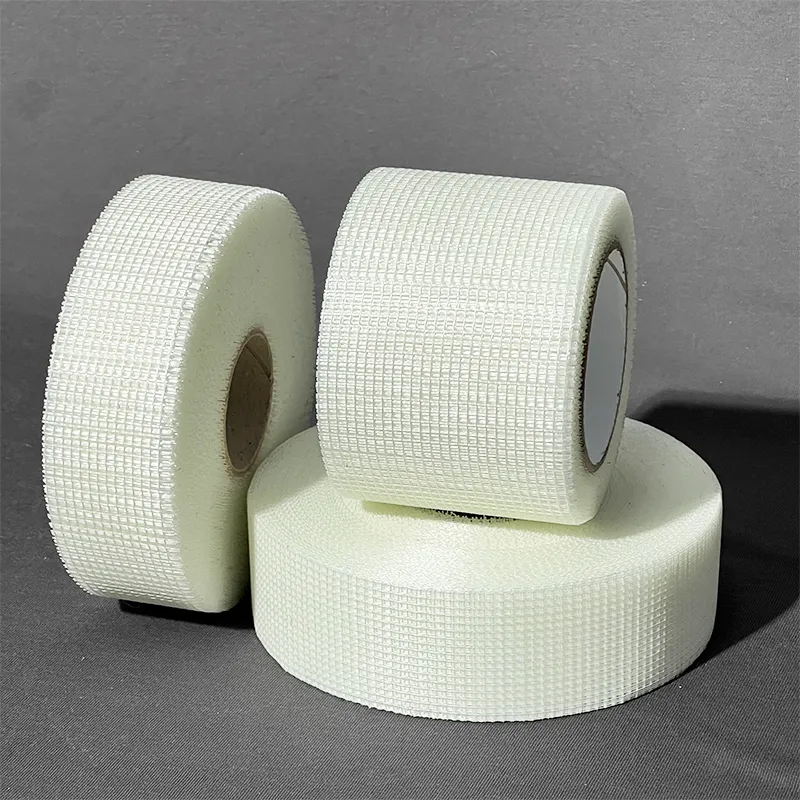
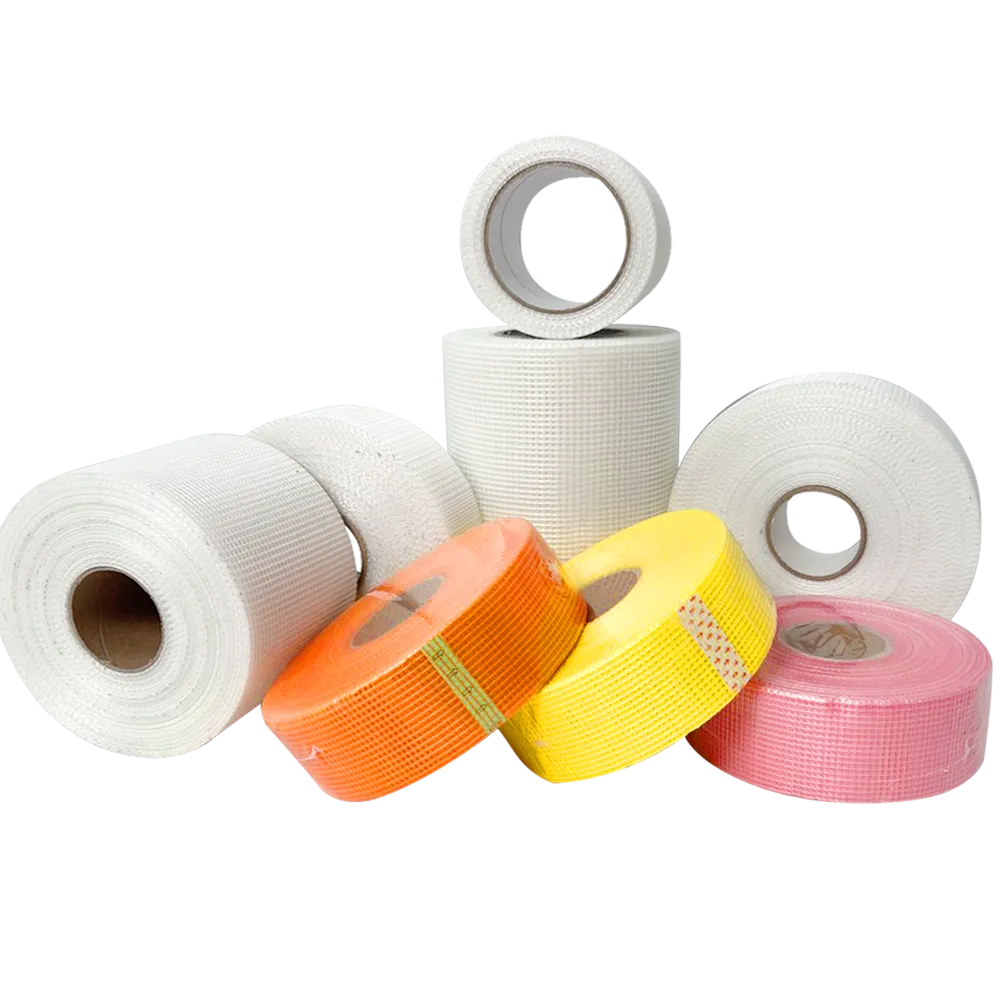
Let me take a moment to unpack why this stuff sticks so well (pun intended). At its core, the mesh is woven from fiberglass strands—lightweight but surprisingly tough. The real magic, frankly, is in the adhesive backing that lets you firmly attach the mesh to surfaces without a fuss.
Over the years, I've witnessed plenty of variations in quality. Sometimes the adhesive was too weak, leading to peeling after a few weeks, especially outdoors. Other times, a denser weave provided excellent crack resistance but was trickier to handle. The mesh from some suppliers is coated to resist mold and alkalis, which makes all the difference. You probably know the frustration of patch jobs peeling away after a rainstorm, and well, this coating addresses that.
Here’s a quick rundown of the typical specs for a solid self adhesive fiberglass mesh product you’d want on your rack:
| Feature | Specification |
|---|---|
| Mesh Type | Fiberglass woven fabric |
| Adhesive | Pressure-sensitive acrylic polymer |
| Weight | 50–180 g/m² (customizable) |
| Mesh Opening | 4 x 4 mm (typical) |
| Alkali & Mold Resistance | Yes (UV resistant coatings) |
| Roll Size | 1 m × 50 m (standard) |
In real-world applications, this kind of mesh is invaluable for reinforcing plaster, stucco, and even some drywall repairs. I recall an old contractor telling me—when you use good mesh that clings right where you need it—the whole job becomes simpler and the finish lasts way longer. There's less risk of cracking or bubbling, meaning fewer callbacks from clients, which from experience, always feels like a win.
Now, I suppose you’re wondering how different suppliers stack up. You know how it is: a handful of vendors promise the moon, but only a few deliver reliably on these specs. Here’s a quick vendor comparison I pulled from years tracking the market:
| Vendor | Adhesive Quality | Mesh Density | Alkali Resistance | Custom Sizes |
|---|---|---|---|---|
| Tainuo Fiberglass Mesh | High (pressure-sensitive acrylic) | Medium (ideal for reinforcement) | Certified resistant | Yes |
| Vendor B | Medium | High (very dense) | Partial | No |
| Vendor C | Low (standard glue) | Low (loosely woven) | No | Limited |
If you ask me, sticking with suppliers who certify alkali and UV resistance ensures the mesh won’t degrade prematurely. Oddly enough, that’s where many cheaper products trip up—they look fine in the store but fade or crumble after exposure, which leads to headaches on site.
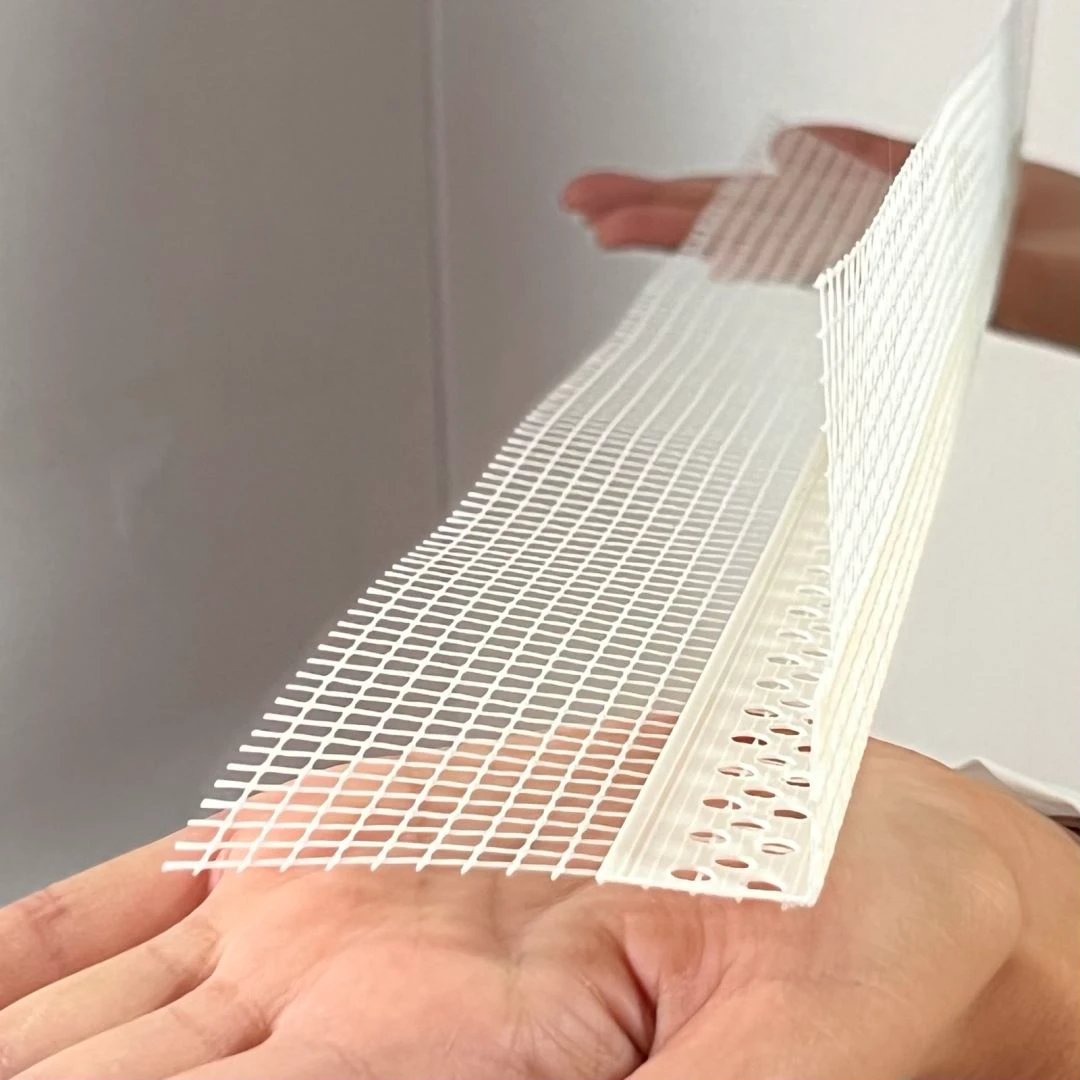
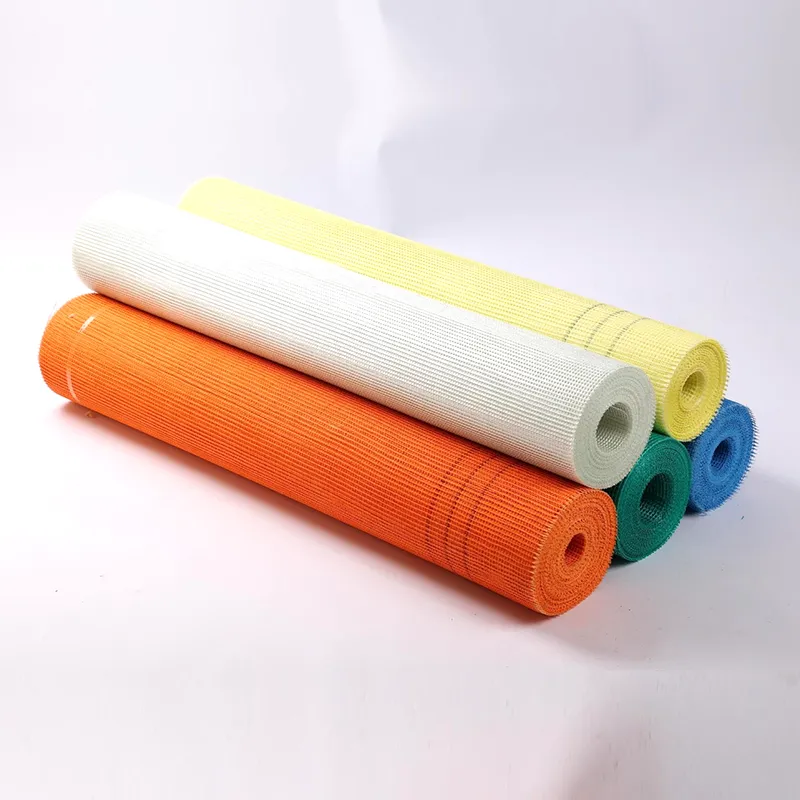
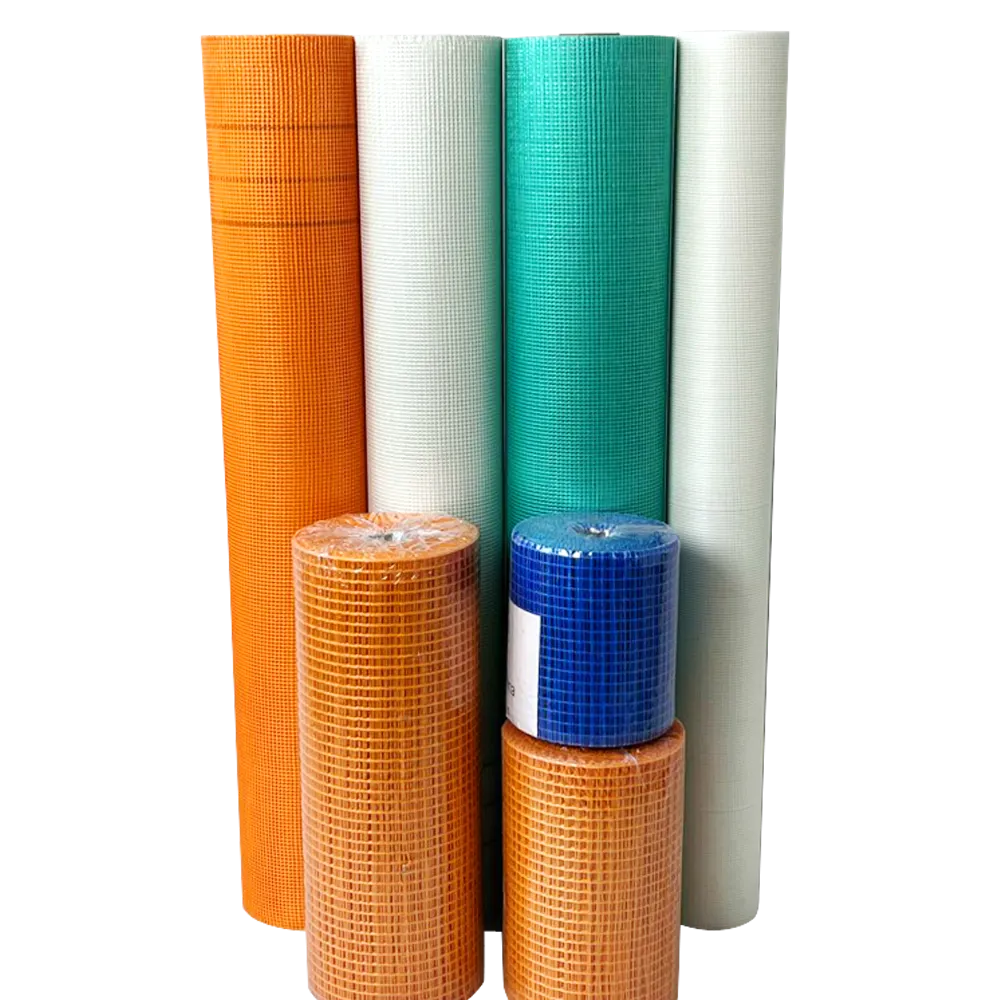
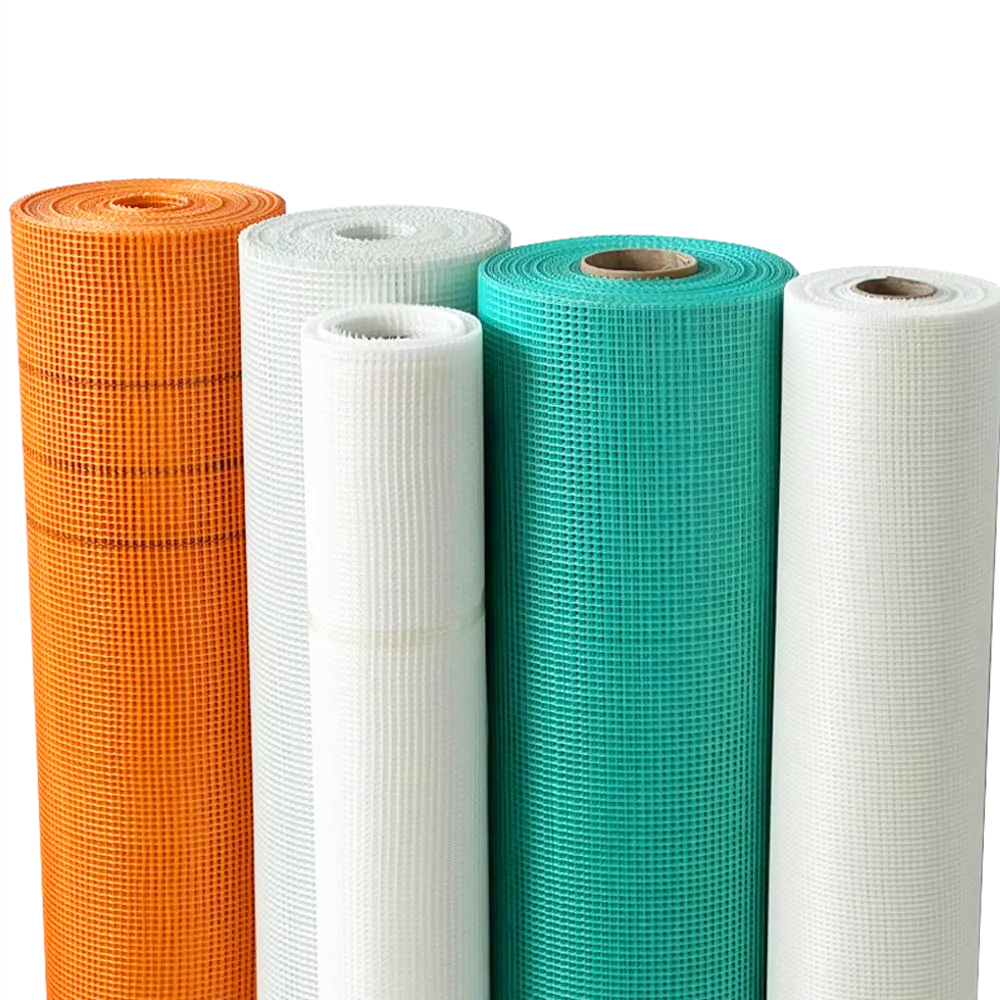
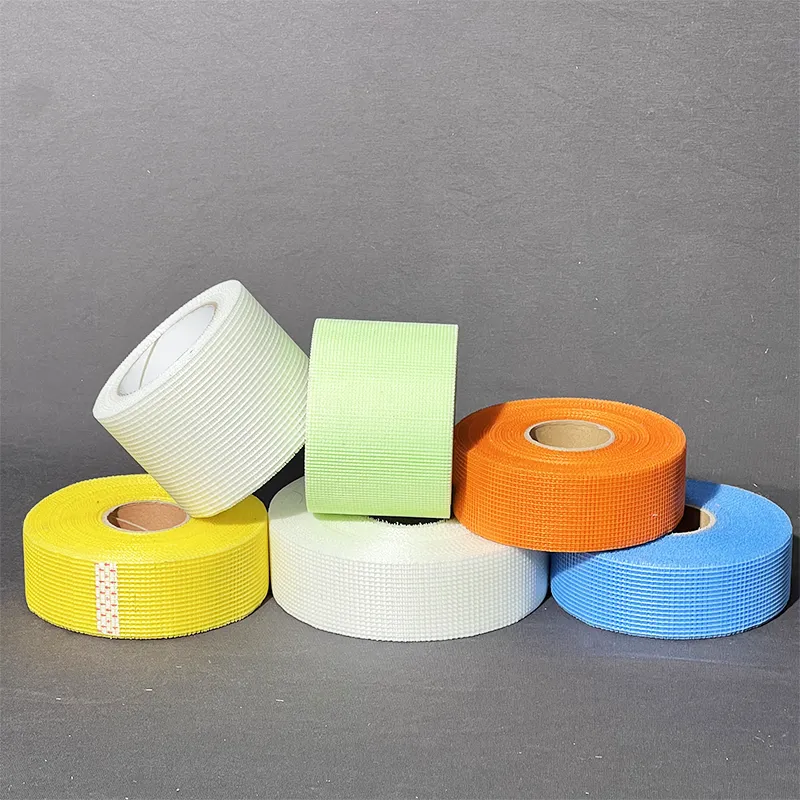
On customization, being able to order different roll widths or adhesive strengths matters when dealing with tricky angles or varied surface types. Sometimes, we needed a sticky mesh narrow enough to fit awkward corners without ripping. Remember: each job is different, so flexibility counts.
I once had a project with a structural engineer who swore by a top-grade self adhesive fiberglass mesh for a restoration task on an older facade. The adhesive held firm through freezing winters and hot summers, preventing cracks from widening. It’s a detail they’ll never overlook again.
So, if you’re eyeballing materials for mesh reinforcement, keep an eye out for these specifics and trust tried-and-true suppliers. And frankly, getting a mesh that just “does its job” reliably is worth the little extra cost.
In short, good self adhesive fiberglass mesh is one of those unsung heroes in construction that quietly keeps things together—literally and figuratively.
References:
- “Fiberglass Mesh Reinforcement: Applications & Properties,” Building Science Journal, 2022.
- Personal communications with industrial contractors, 2015–2023.
- Tainuo Fiberglass Mesh Product Documentation, 2024.
-
Best Fiberglass Mesh Tape for RedGard Product Waterproofing GuideNewsApr.16,2026
-
Why High Strength Fiberglass Mesh Is Essential For Stucco ApplicationNewsApr.15,2026
-
Why Alkali Resistant Fiberglass Mesh Tape Is Essential For Cement Board And Tile InstallationsNewsApr.15,2026
-
Understanding The Role Of Drywall Fiberglass Mesh In Interior FinishingNewsApr.15,2026
-
Ultimate Guide To Using Fiberglass Mesh Tape For Drywall And Plaster RepairsNewsApr.15,2026
-
The Versatility Of Fiberglass Mesh In Marble And Stone MosaicNewsApr.15,2026