Jan . 01, 2026 09:20 Back to list
Finding the Best Self-Adhesive Fiberglass Mesh Tape Supplier
Choosing the Right self-adhesive fiberglass mesh tape supplier: Insights from the Field
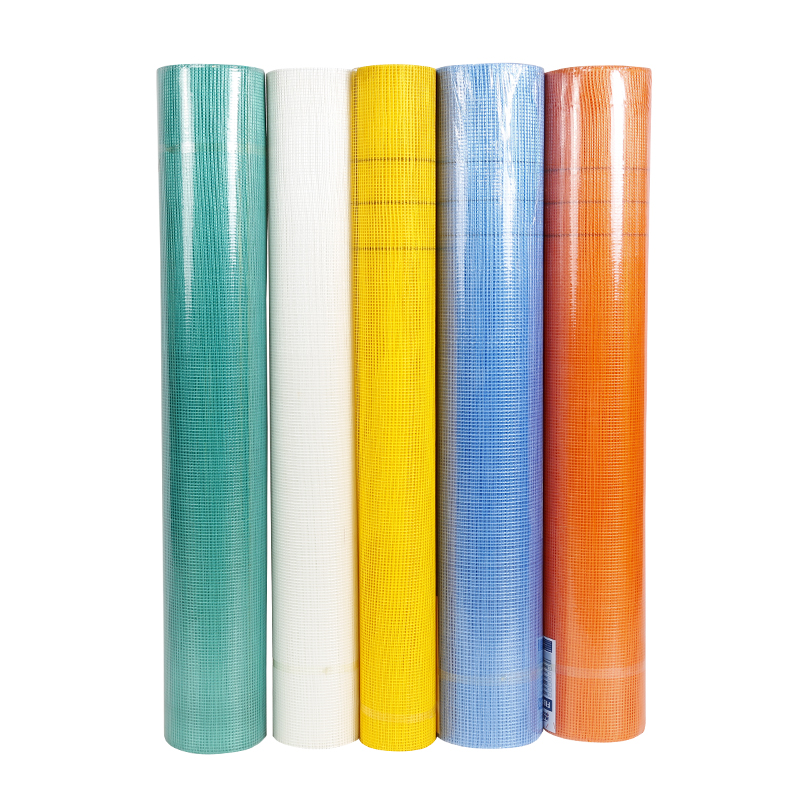
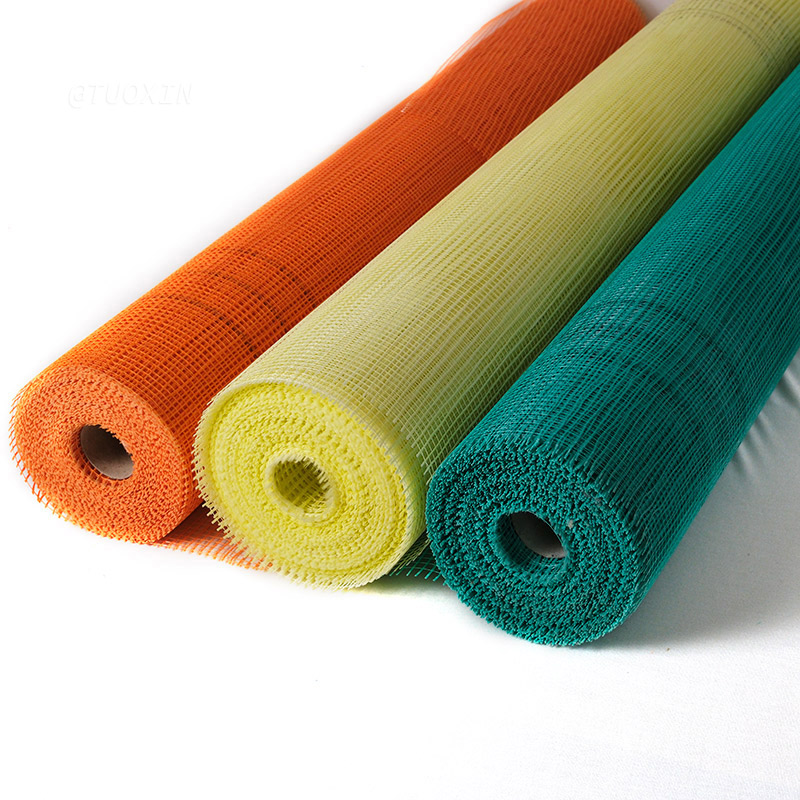
Having spent nearly two decades knee-deep in the industrial equipment sector — especially in construction materials — I can honestly say that the humble fiberglass mesh tape is one of those unsung heroes of drywall installation and repair. Now, when it comes to picking a self-adhesive fiberglass mesh tape supplier, I’ve learned a few things that might save you headaches down the road.
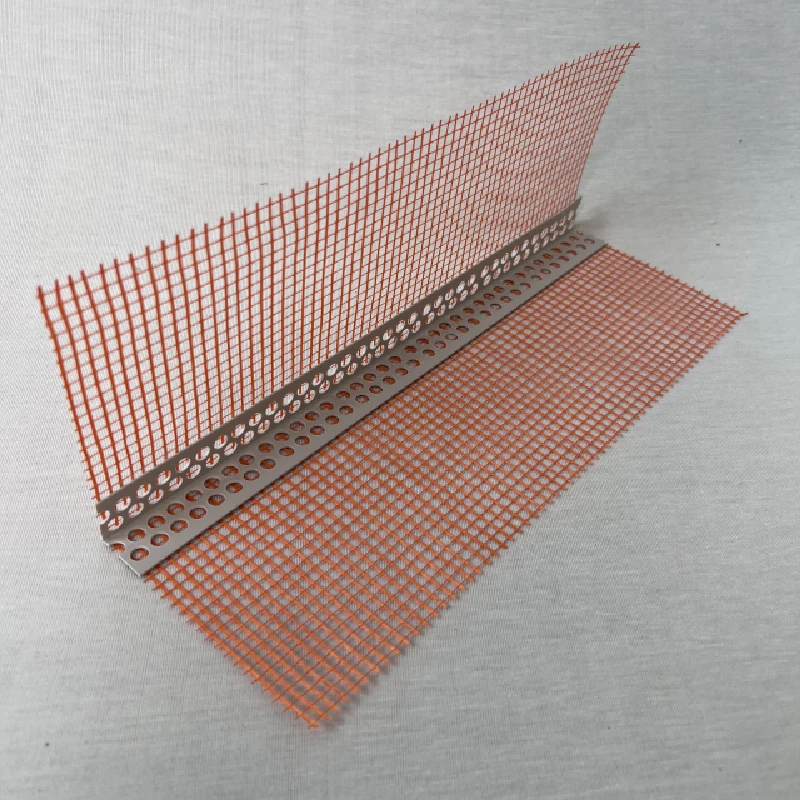
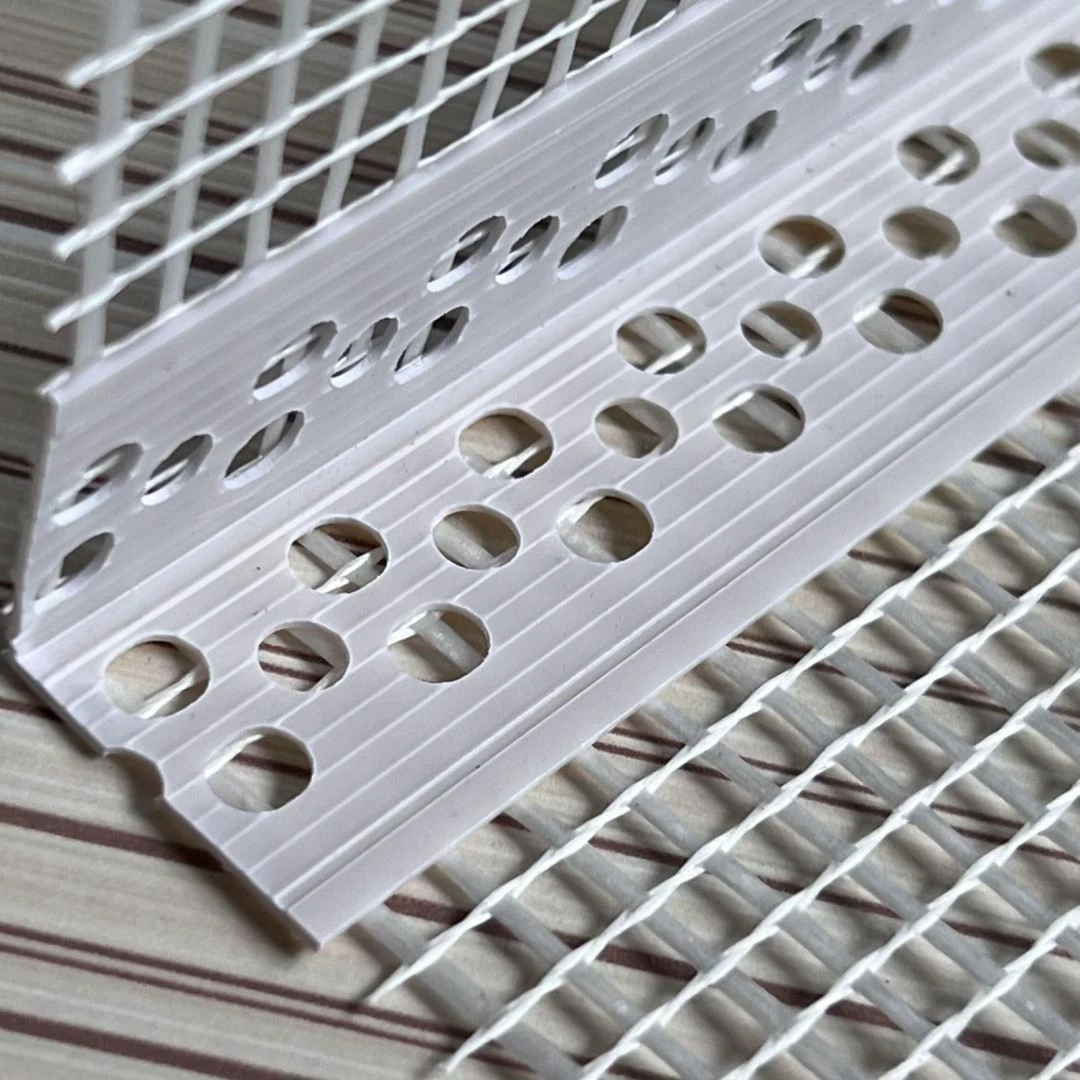
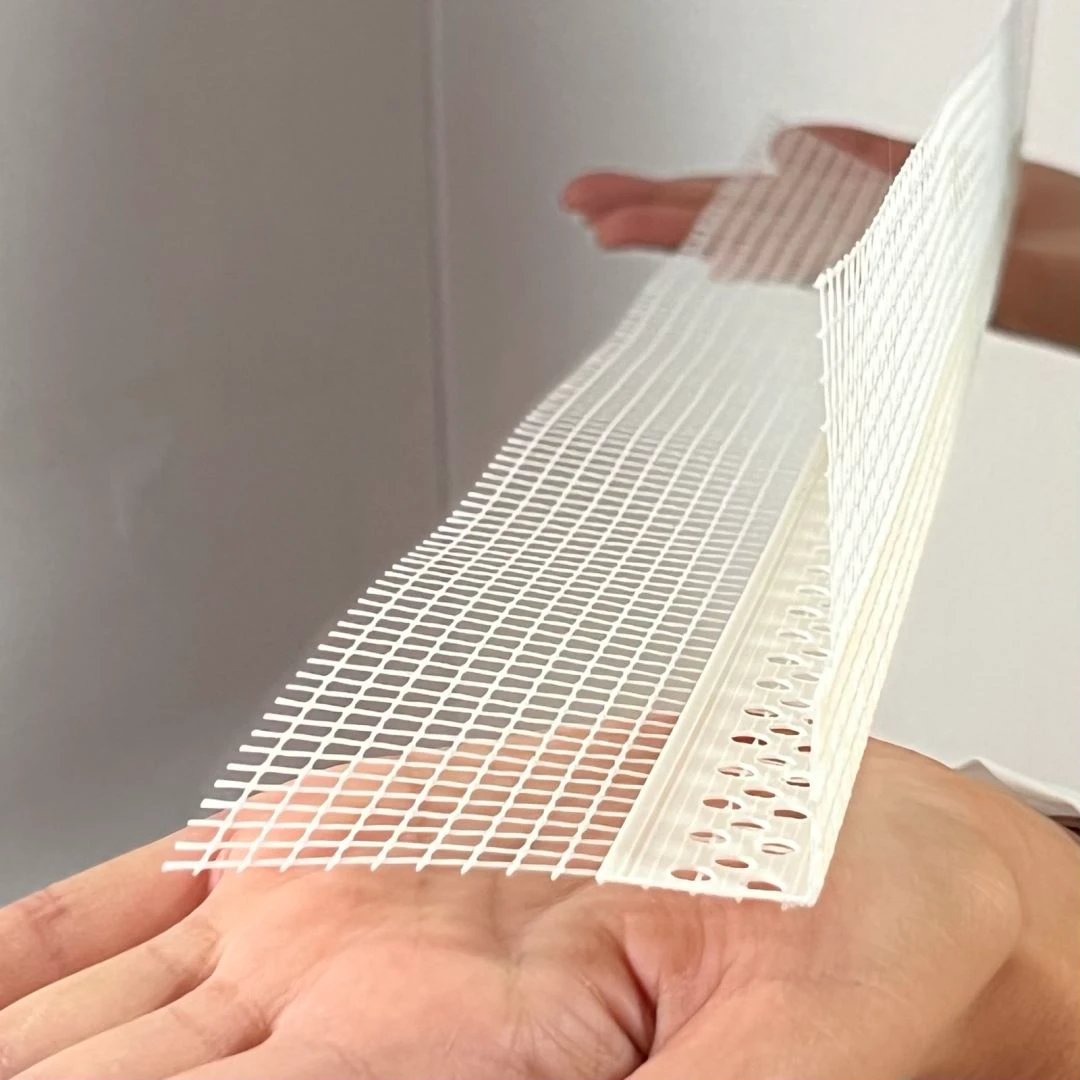
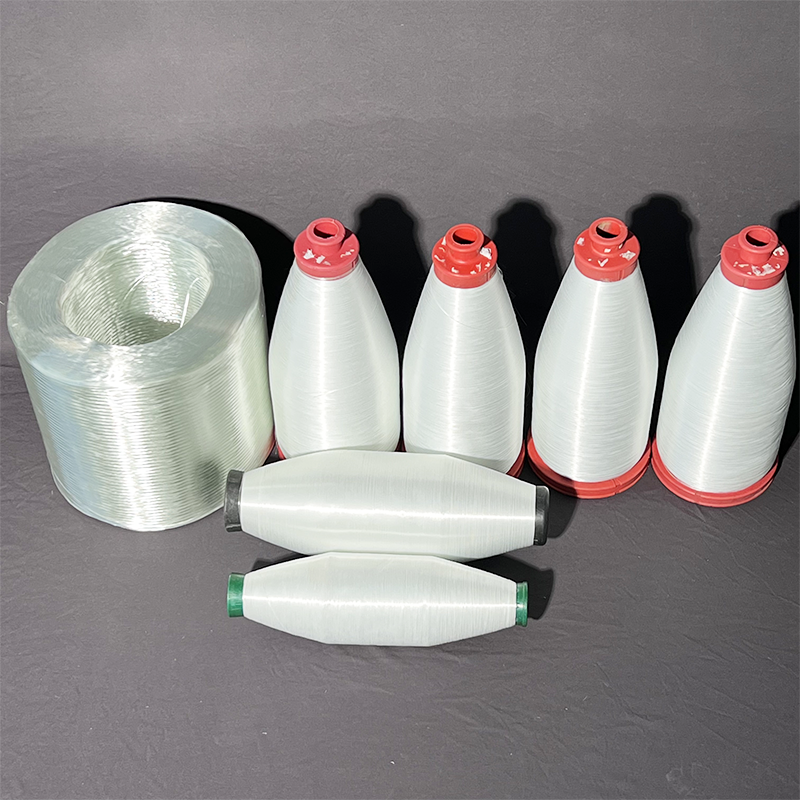
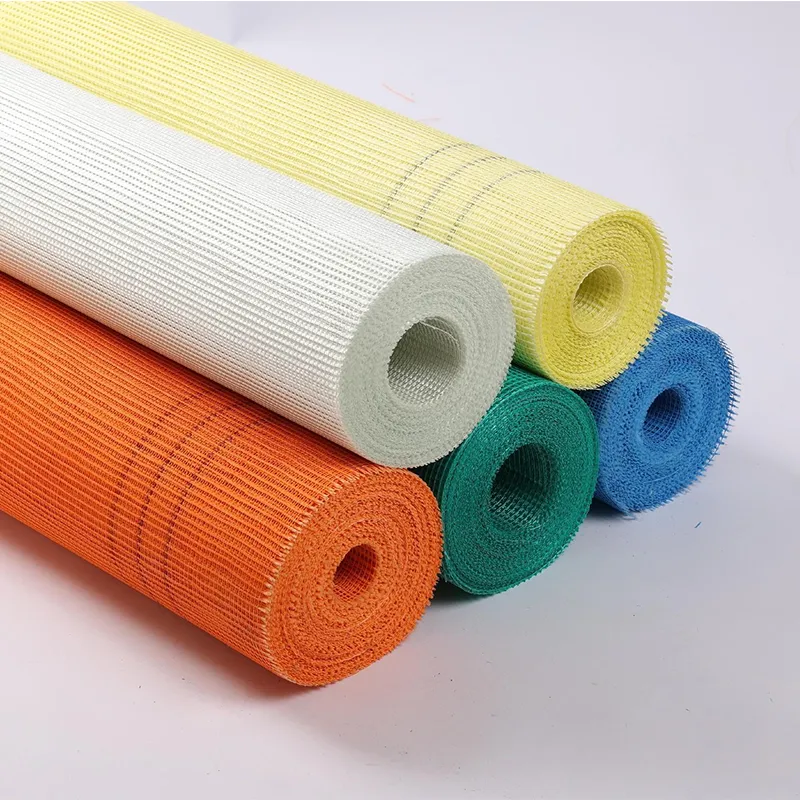
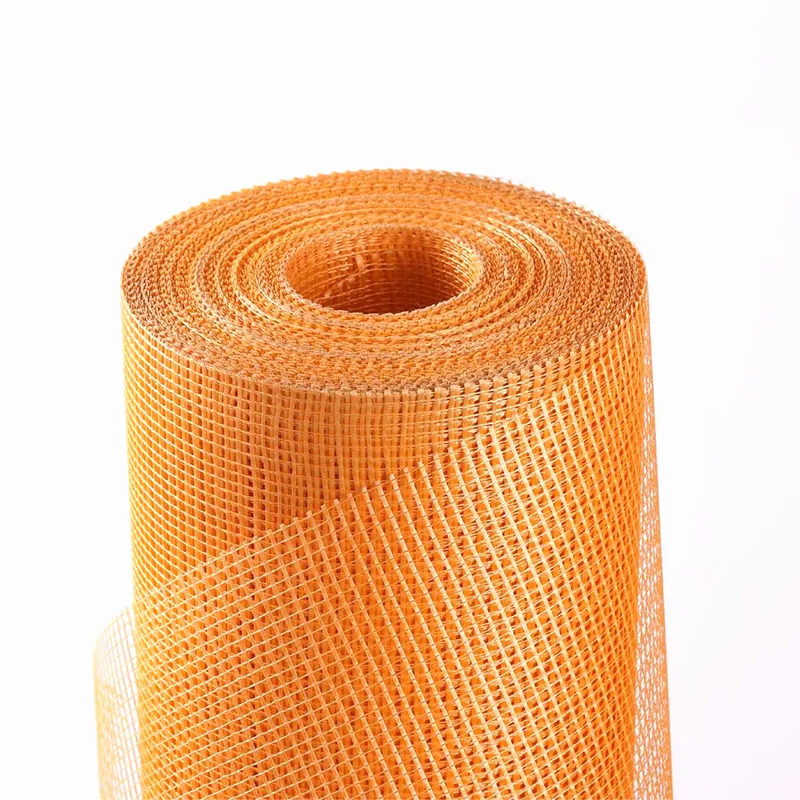
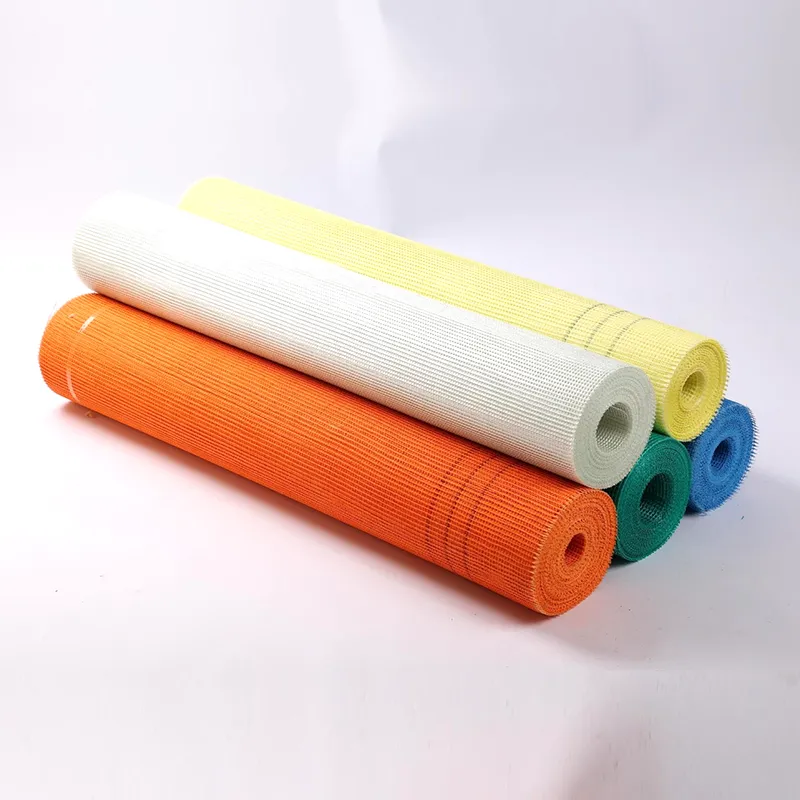
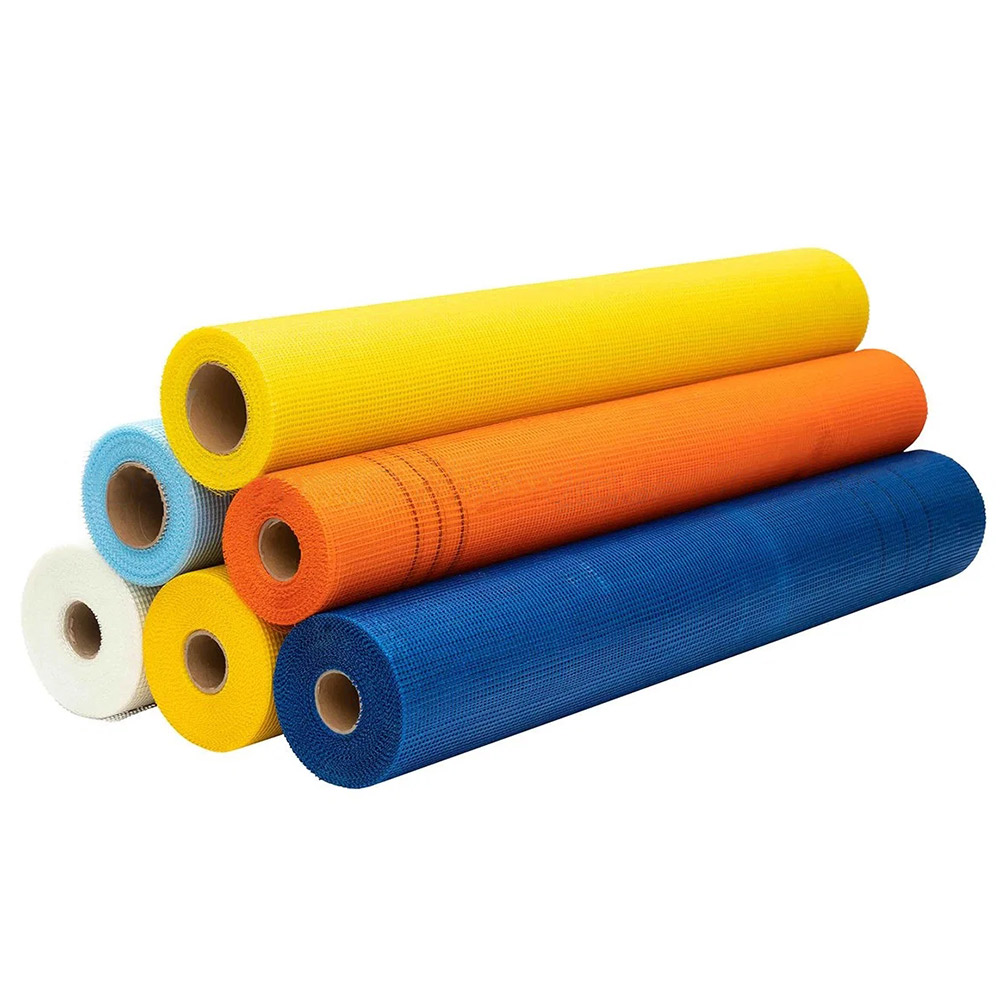
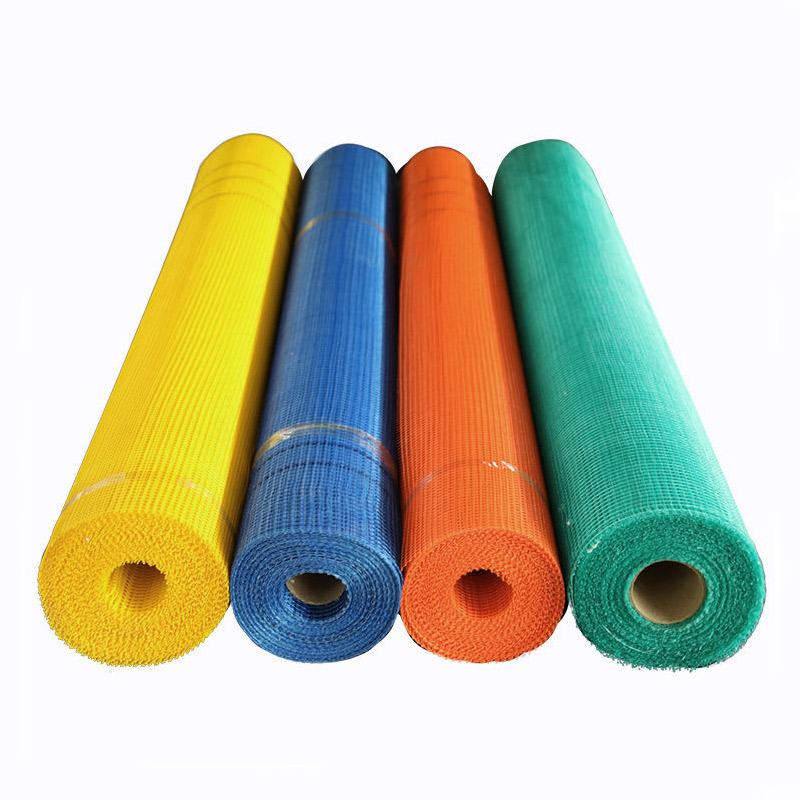
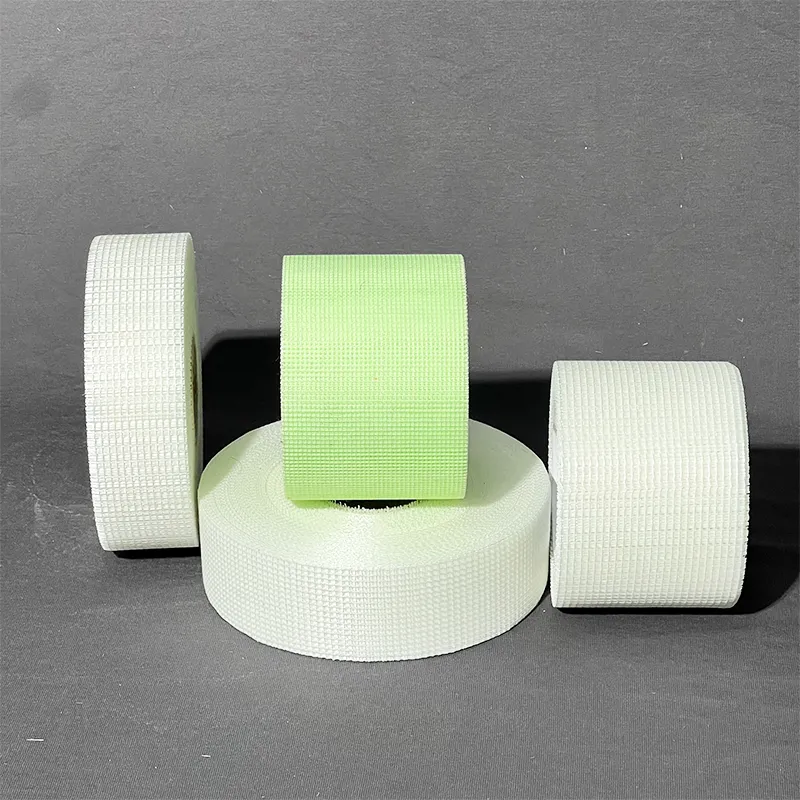
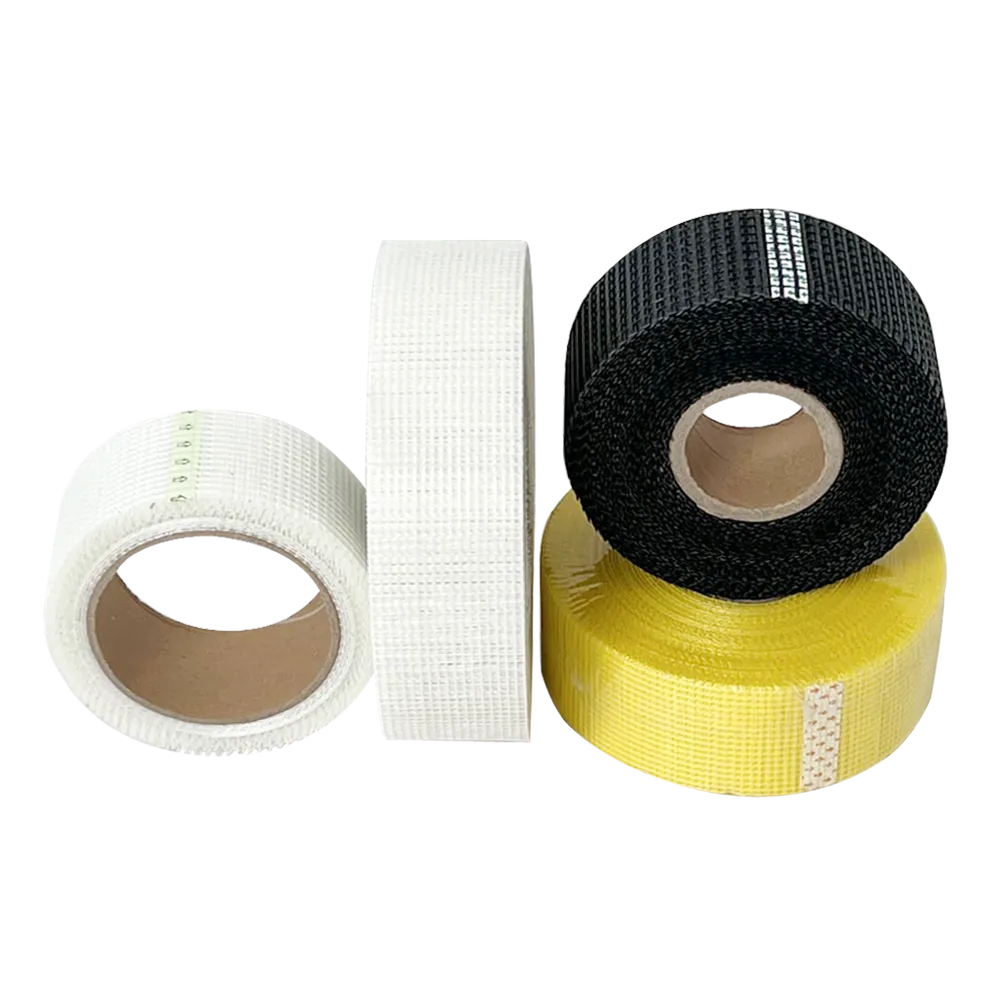
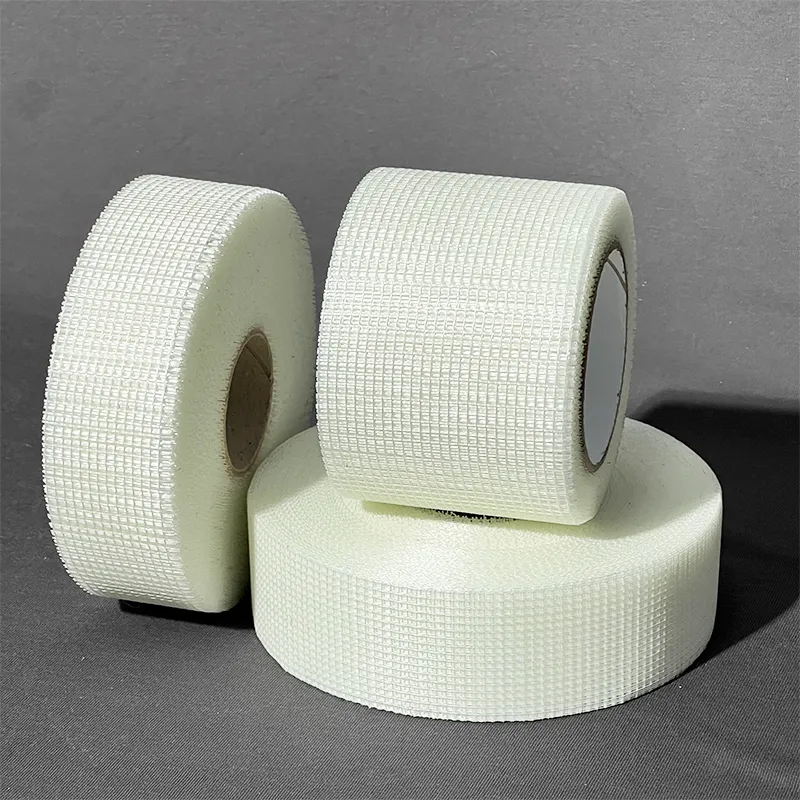
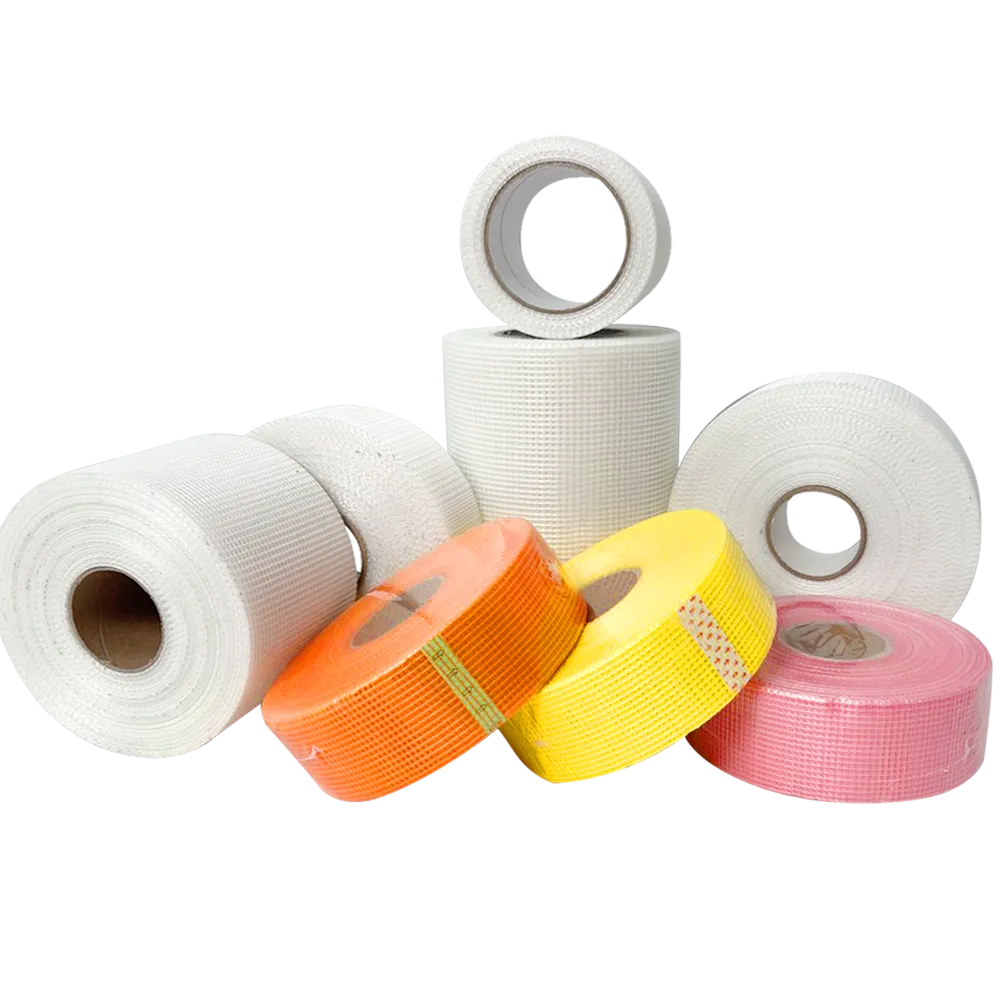
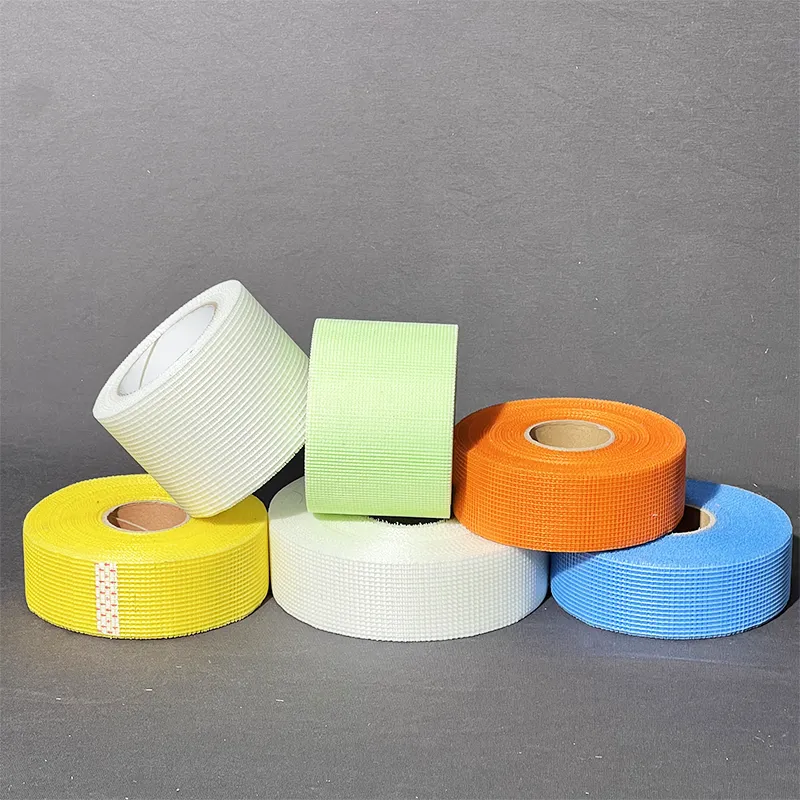
Fiberglass mesh tape’s basic charm is its simplicity, but it packs a punch in performance. The mesh is usually made from woven fiberglass strands — which gives it strength, durability, and resistance to cracking. The self-adhesive variety? Well, that’s a lifesaver on site. It sticks to drywall without fuss, making joint finishing smoother and faster. Frankly, it feels like the perfect blend of efficiency and reliability.
In terms of material quality, the fiberglass strands need to be alkali-resistant. This feature keeps the tape from degrading when exposed to the alkaline compounds in drywall compound. Many engineers I know swear by tapes that conform to standards like ASTM C847 because it guarantees this resistance. Oddly enough, I once had a batch that lacked proper alkali resistance — and trust me, the cracking and bubbling that followed was a nightmare.
Testing and manufacturing precision are crucial too — suppliers who invest in quality control typically deliver products with consistent mesh density and adhesive strength. This consistency matters when you're scaling projects because uneven tape can cause weak joints and costly callbacks.
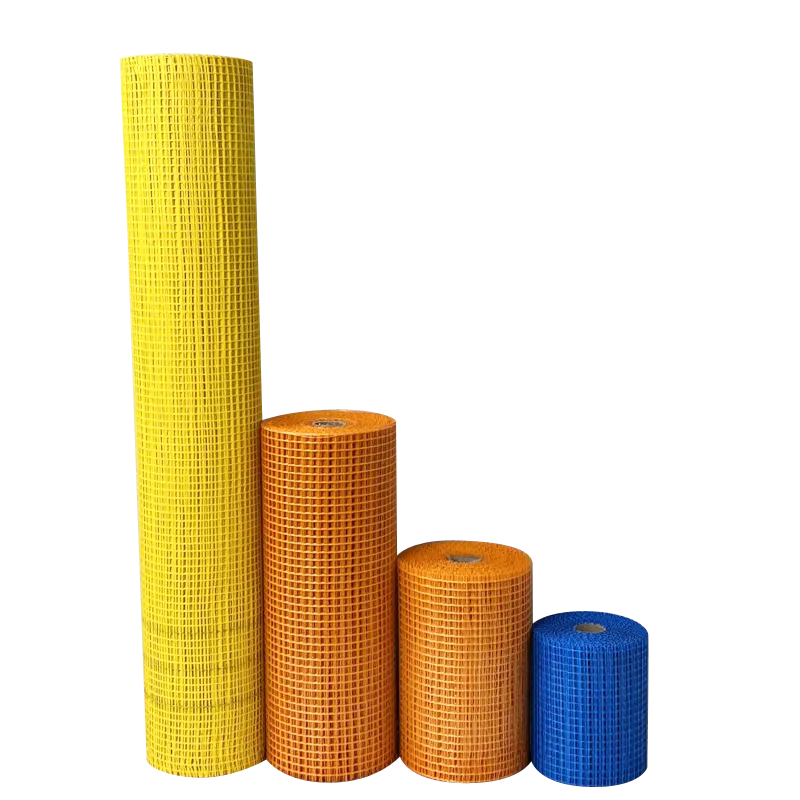
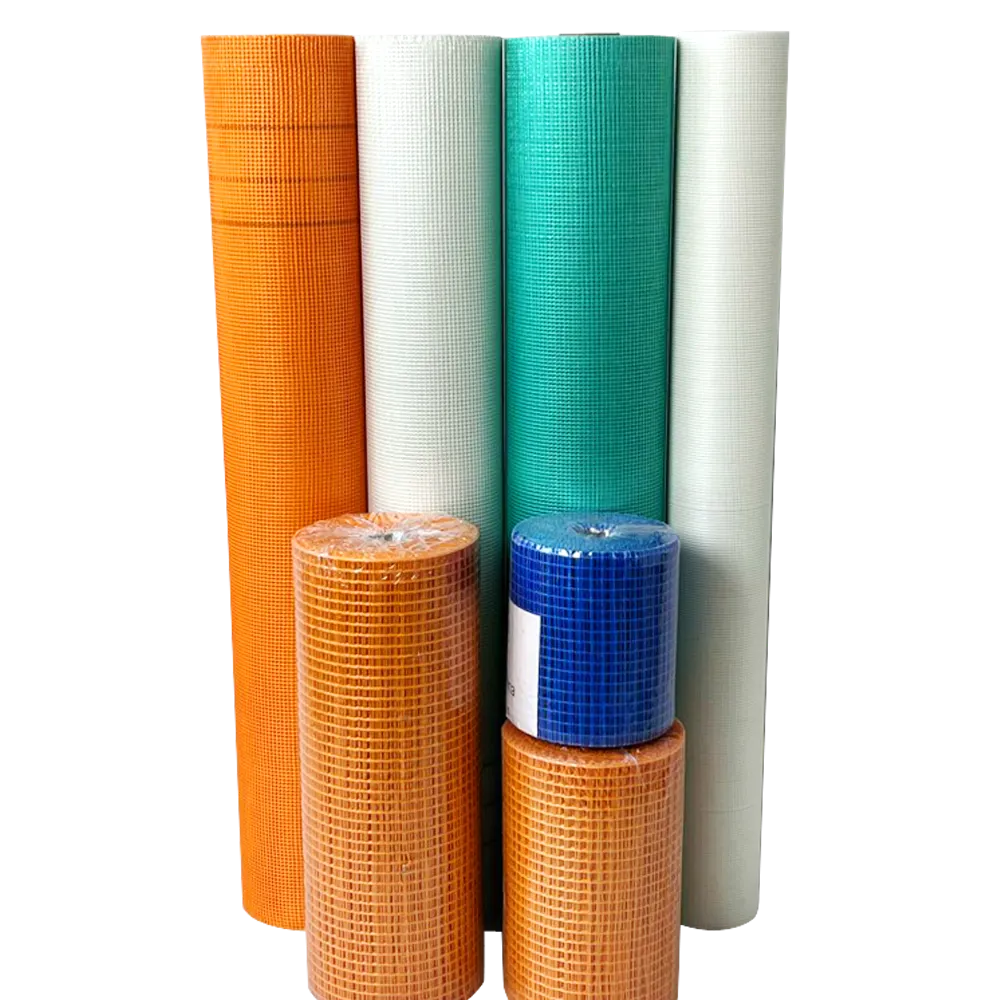
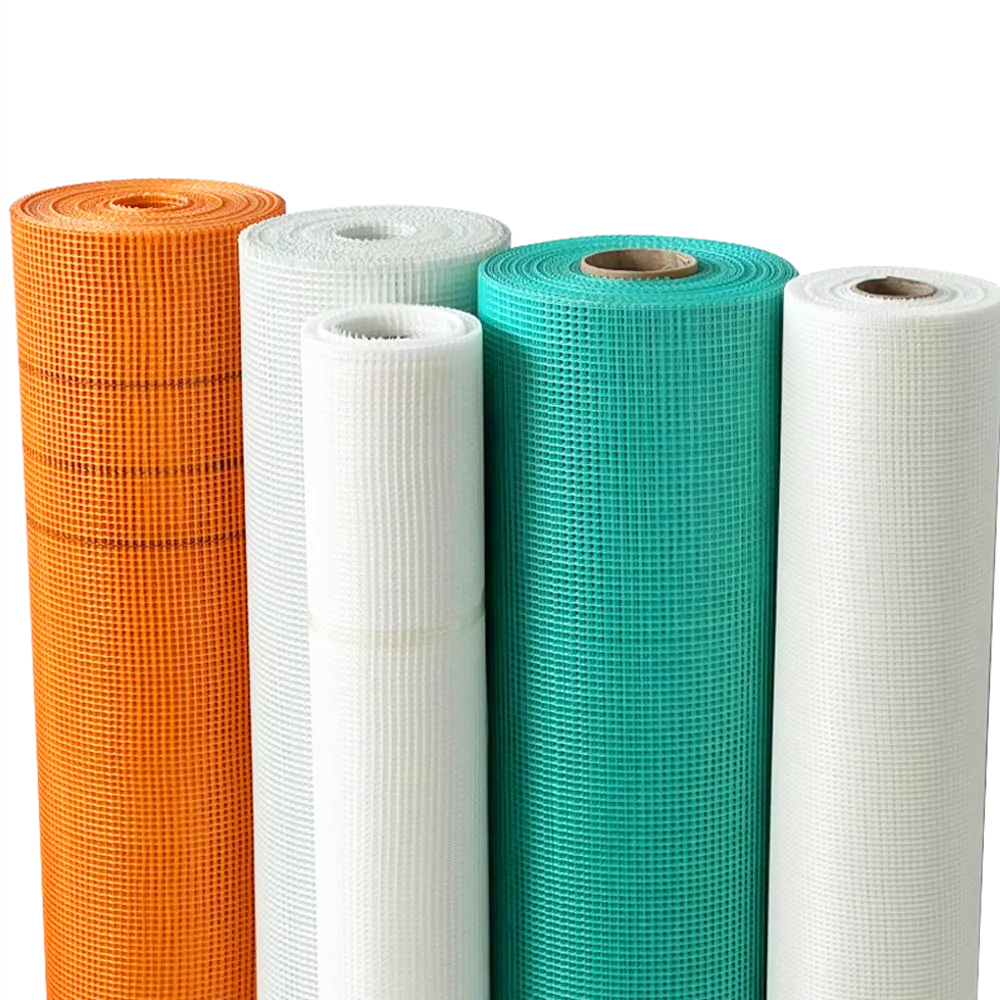
The market is shifting in subtle ways too. There's an increased demand for tapes with improved breathability and environmental certifications, reflecting broader trends toward sustainability and worker safety. Also, customization is a thing now — suppliers often offer different roll lengths, widths, and adhesive types based on customer needs, which can be a huge advantage if you’re juggling diverse projects.
Quick Specifications Snapshot
| Feature | Typical Spec | Industry Standard |
|---|---|---|
| Material | Woven fiberglass strands | ASTM C847 |
| Adhesive type | Acrylic-based, self-adhesive | - |
| Roll Width | 48 mm (typical) | Varies by application |
| Roll Length | 45 m | Varies |
| Alkali resistance | Yes, per ASTM specs | Required |
Because I’m often asked how suppliers stack up, I put together a quick comparison that highlights what to look for. It’s not exhaustive but covers key factors that come up on the job.
Supplier Comparison Table
| Supplier | Material Quality | Adhesive Strength | Custom Options | Price Range |
|---|---|---|---|---|
| Tainuo Fiberglass Mesh | High (alkali-resistant) | Strong & consistent | Wide range of sizes | Mid-range |
| Brand B | Moderate | Good | Limited | Budget |
| Supplier C | High | Excellent | Custom adhesive formulas | Premium |
To put this in real terms: I recently worked with a contractor who switched to Tainuo’s tape after struggling with inconsistent performance from their previous supplier. The difference? Reduced cracking and faster installation times. It’s not magic, but quality tape from a reliable self-adhesive fiberglass mesh tape supplier makes a noticeable difference. I suppose it’s much like choosing the right tools — it pays off in the long run.
Of course, there’s always room for improvement in any product line, so keep an eye on emerging adhesives and eco-friendly production methods. The industry evolves slowly but surely.
At the end of the day, patience and attention to detail help immensely. Ask suppliers about certifications, request samples, and run your own tests if you can. You want a tape that does its job — quietly, reliably, and without surprise.
Oddly enough, the tape you choose might not be the flashiest purchase, but in my experience, it’s one of the most important. It’s like the uncelebrated backbone of any drywall job.
In summary: trust quality, value supplier transparency, and remember that the right tape doesn’t just adhere — it supports your whole project.
References:
1. ASTM International, ASTM C847 Standard Specification for Metal Reinforcement for Gypsum Reinforced Plaster
2. Industry interviews and feedback, 2018–2023
3. Product quality audits by construction sector experts
-
Best Fiberglass Mesh Tape for RedGard Product Waterproofing GuideNewsApr.16,2026
-
Why High Strength Fiberglass Mesh Is Essential For Stucco ApplicationNewsApr.15,2026
-
Why Alkali Resistant Fiberglass Mesh Tape Is Essential For Cement Board And Tile InstallationsNewsApr.15,2026
-
Understanding The Role Of Drywall Fiberglass Mesh In Interior FinishingNewsApr.15,2026
-
Ultimate Guide To Using Fiberglass Mesh Tape For Drywall And Plaster RepairsNewsApr.15,2026
-
The Versatility Of Fiberglass Mesh In Marble And Stone MosaicNewsApr.15,2026