Jan . 03, 2026 09:25 Back to list
Self-Adhesive Fiberglass Mesh Tape Quotes Explained | Industrial Insights
Understanding self-adhesive fiberglass mesh tape quotes in the industrial sector
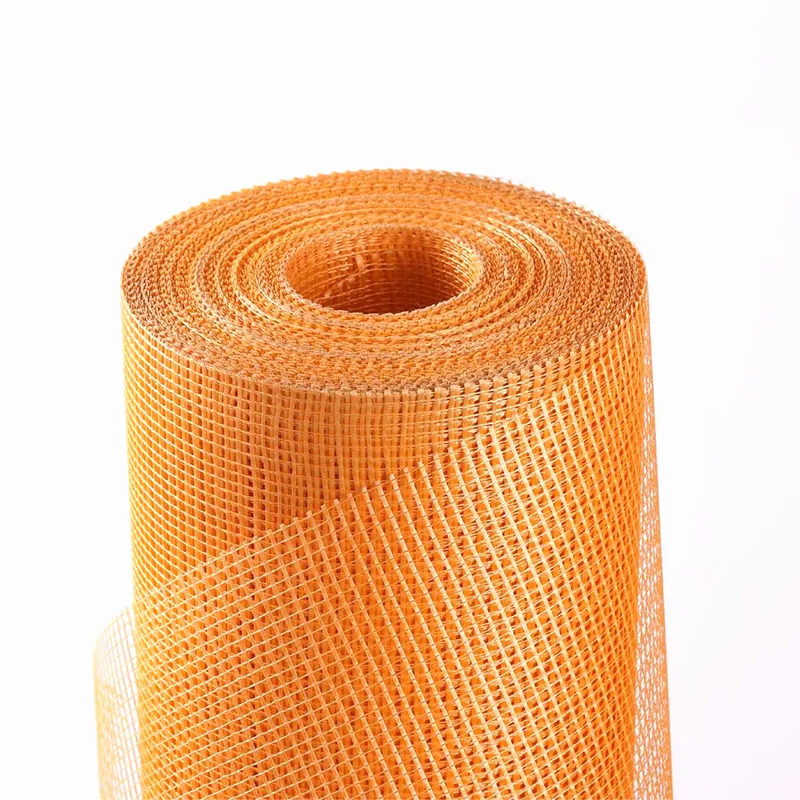
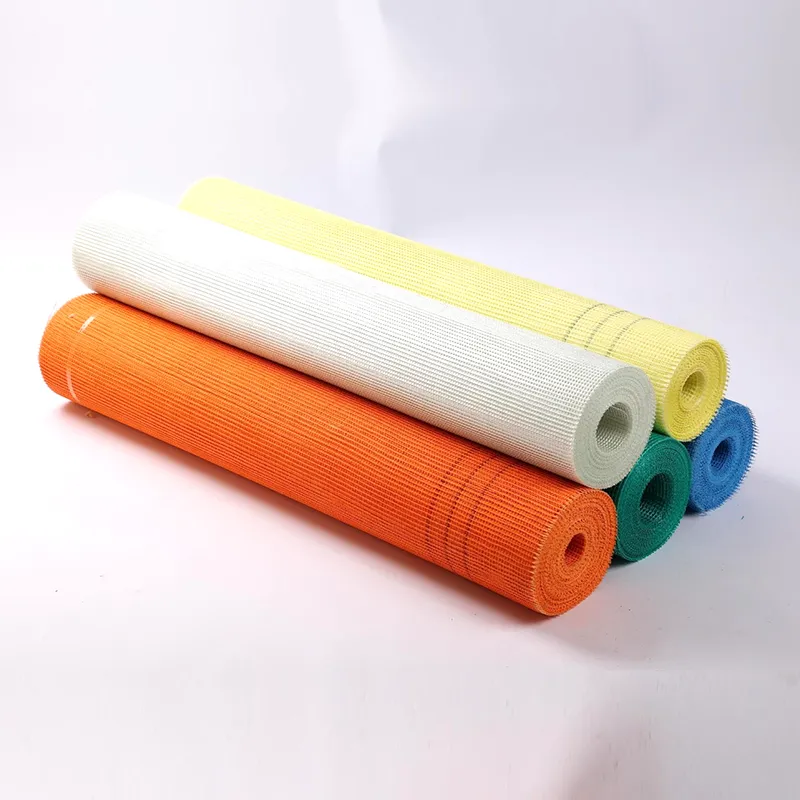
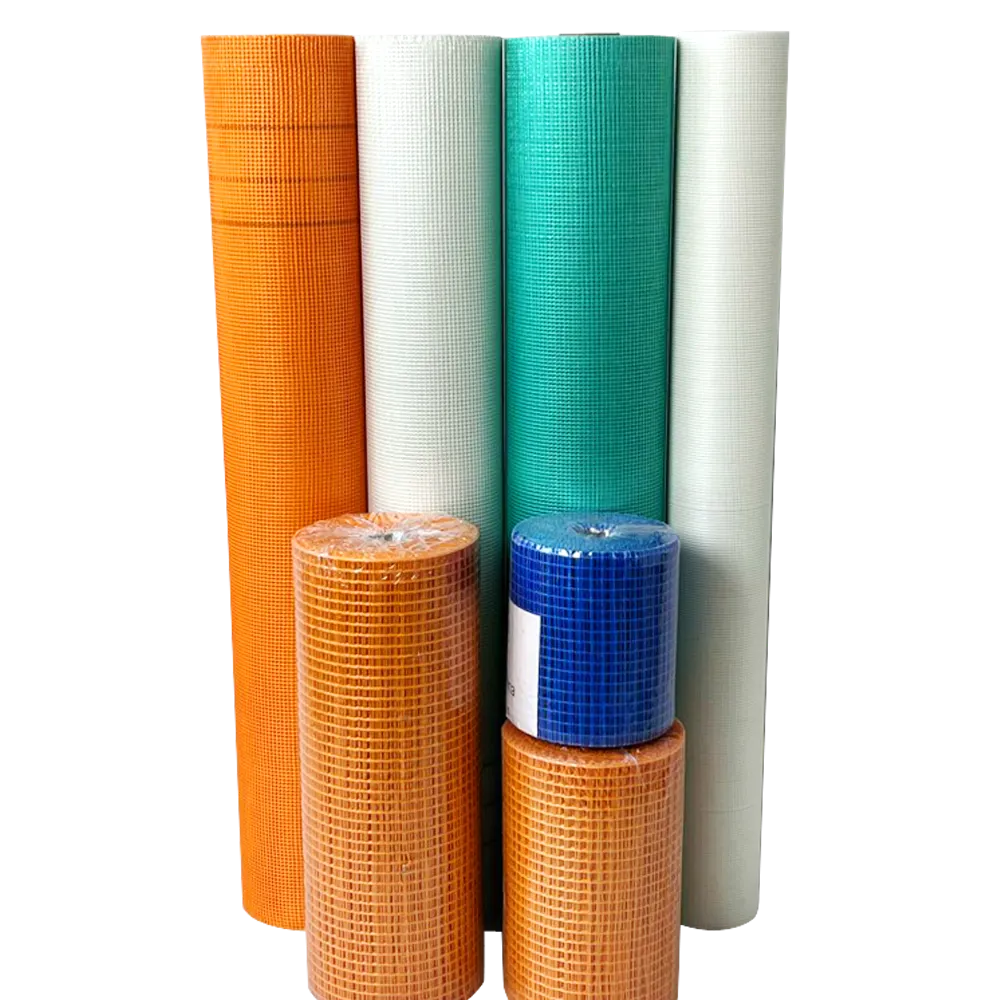
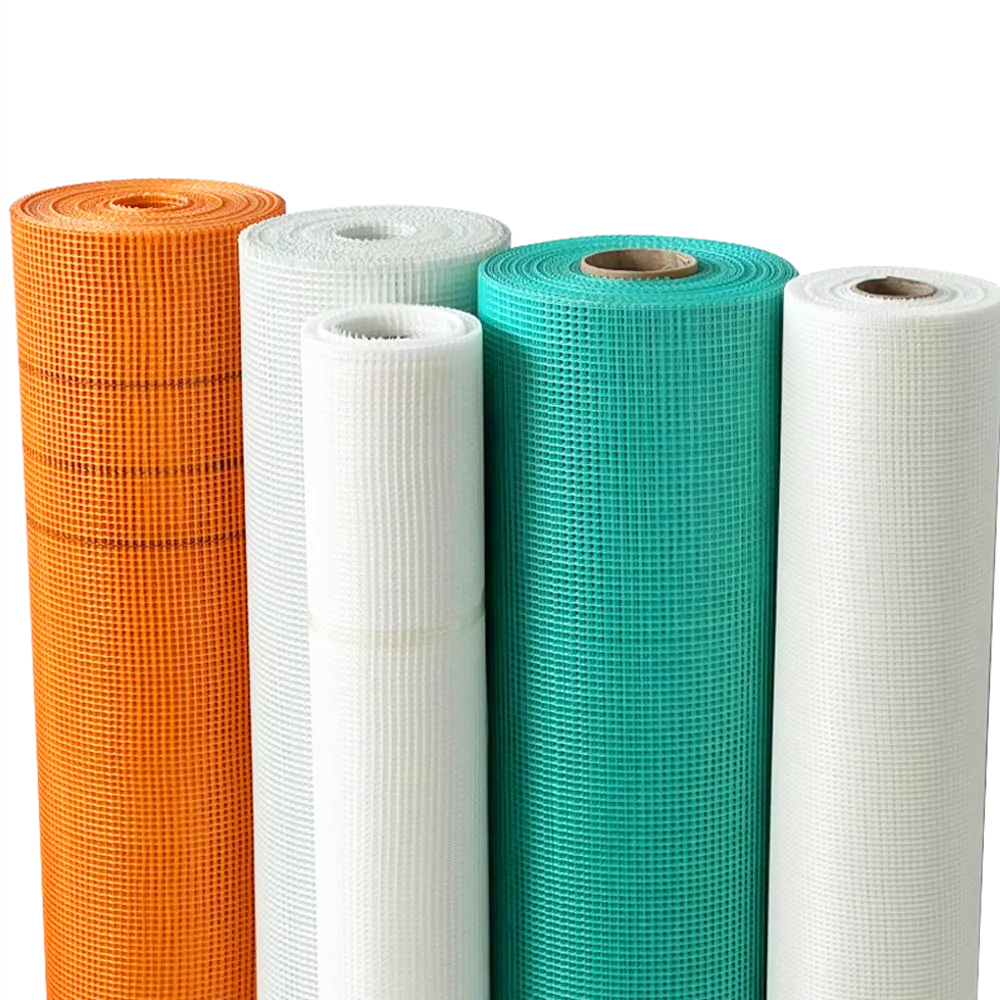
Having spent a good chunk of my career around industrial equipment and materials, I’ve often been asked about the best ways to source self-adhesive fiberglass mesh tape. Oddly enough, it’s one of those deceptively simple products with a bit more to the story—especially when it comes to quoting prices and specifications.
Let’s face it: when you call around for those quotes, you might get wildly different numbers—even for what sounds like the same tape. Frankly, a lot depends on the materials used, manufacturer standards, and customization options. The tape that you get might feel the same on the surface but can vary in tensile strength, adhesion, and durability.
The industrial market’s demand for fiberglass mesh tape mostly comes from drywall contractors, insulation installers, and structural reinforcement projects. You can imagine, these professionals have little patience for tape that flakes, tears easily, or—worst of all—lets mud slip right through it. That’s why understanding the specs underneath the price tags is pretty crucial.
What makes a good self-adhesive fiberglass mesh tape?
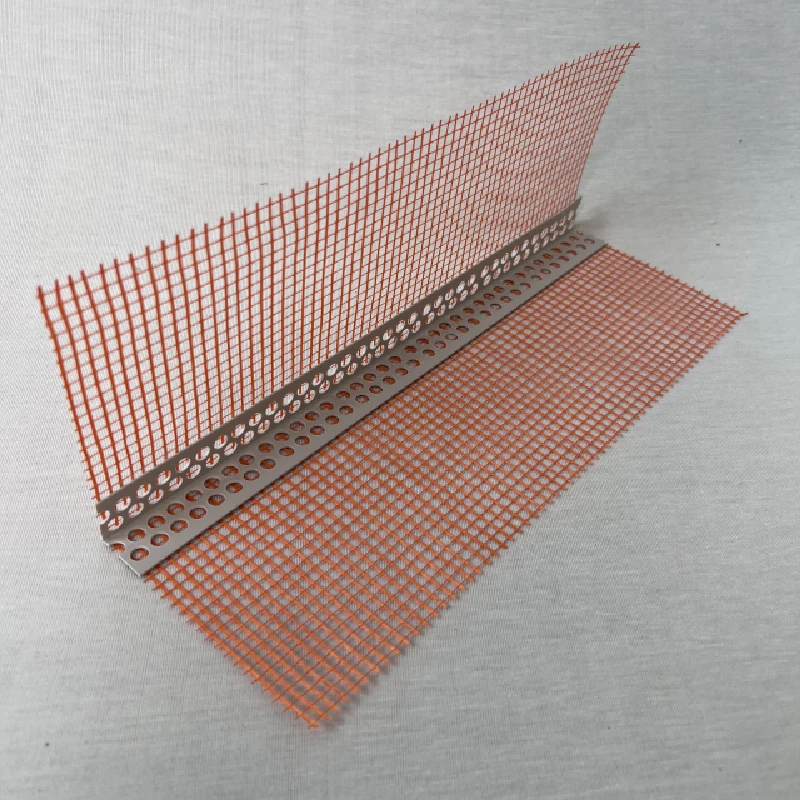
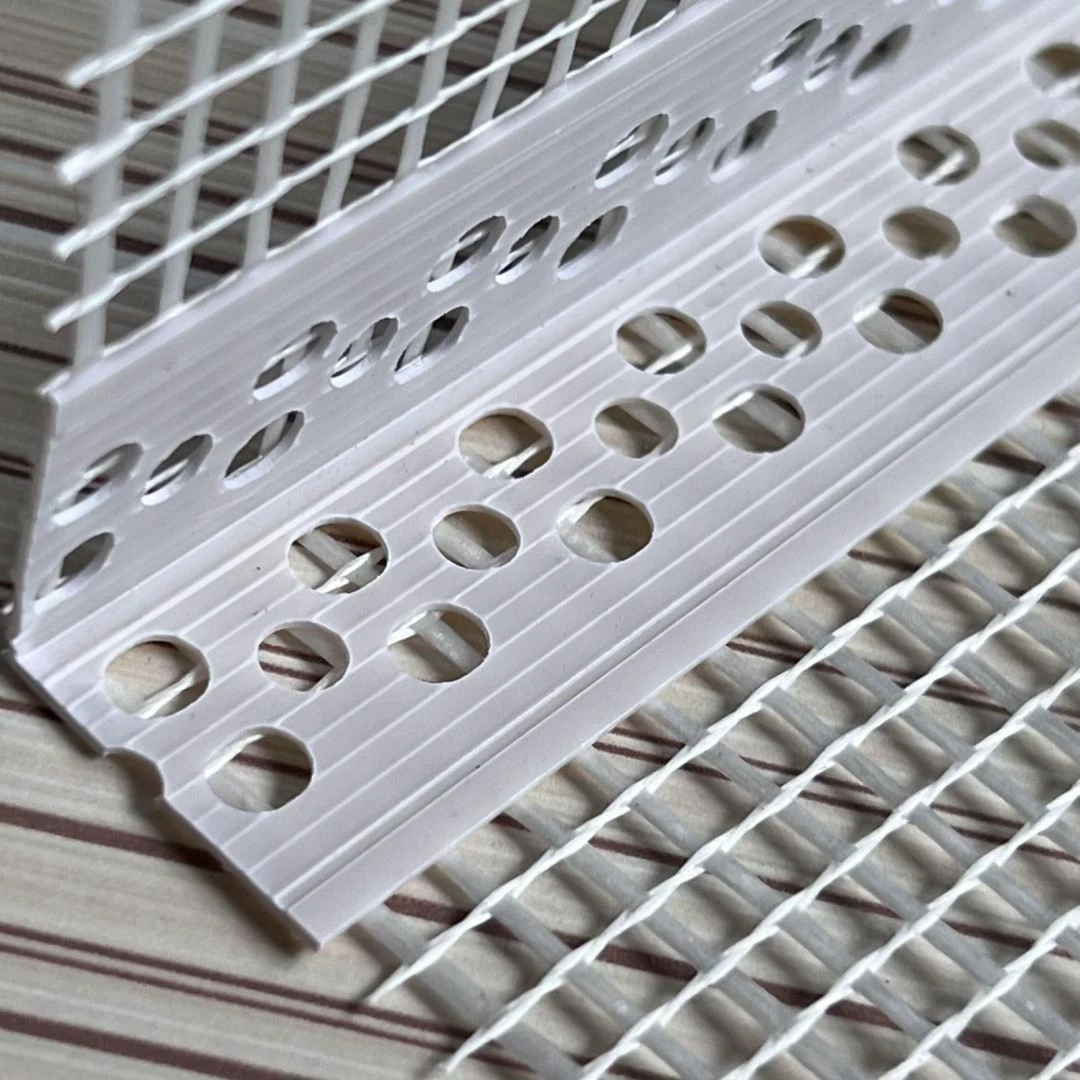
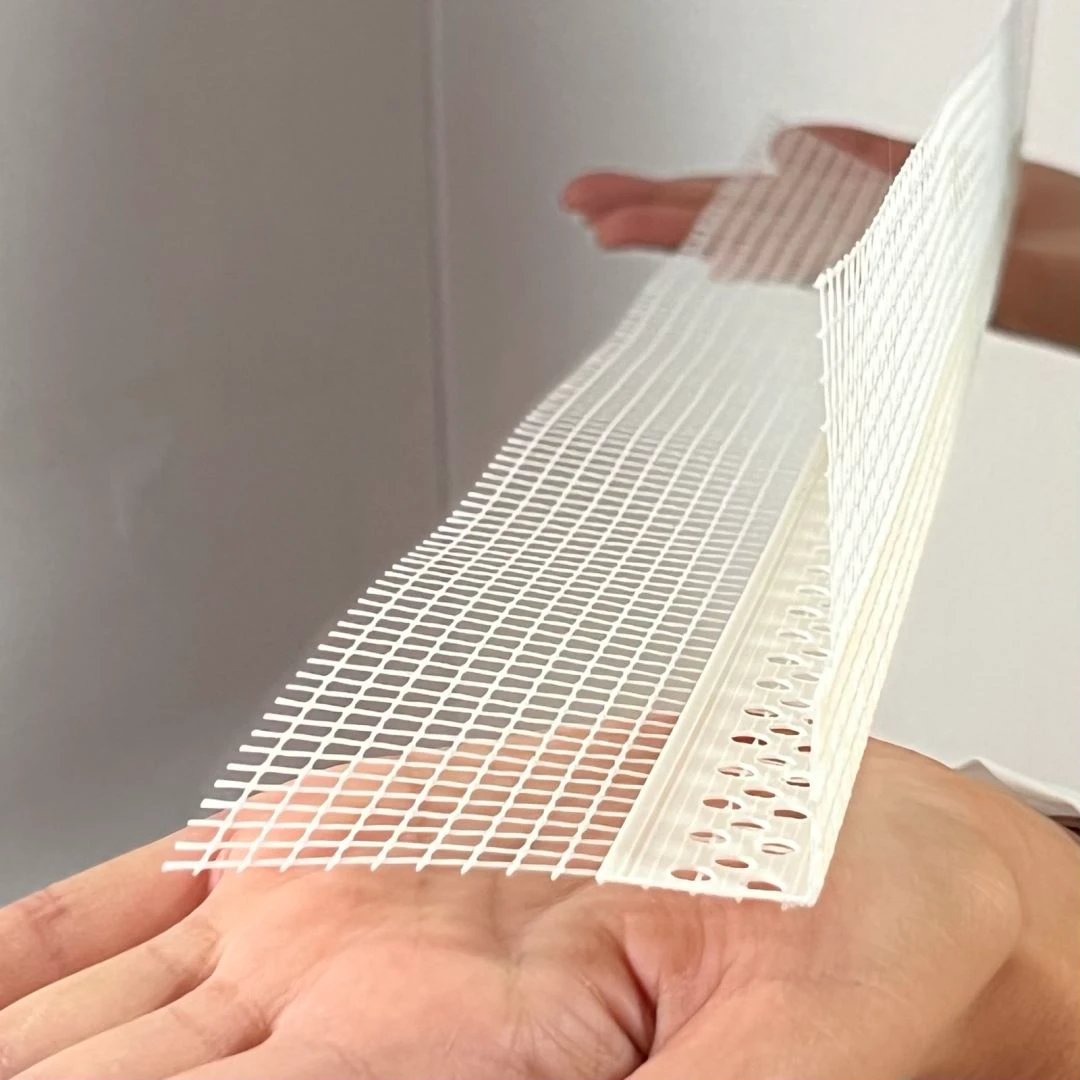
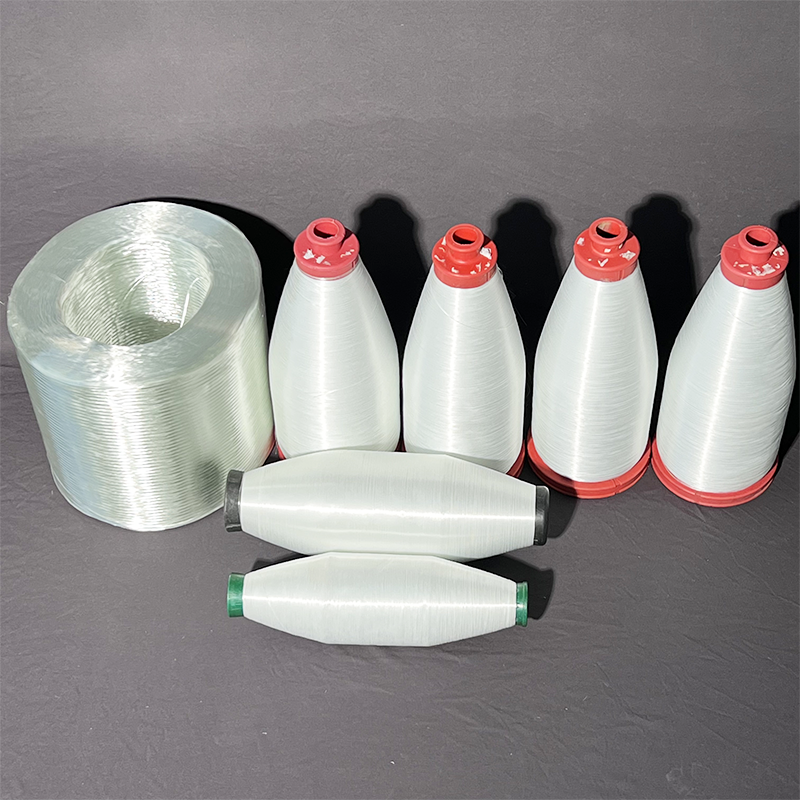
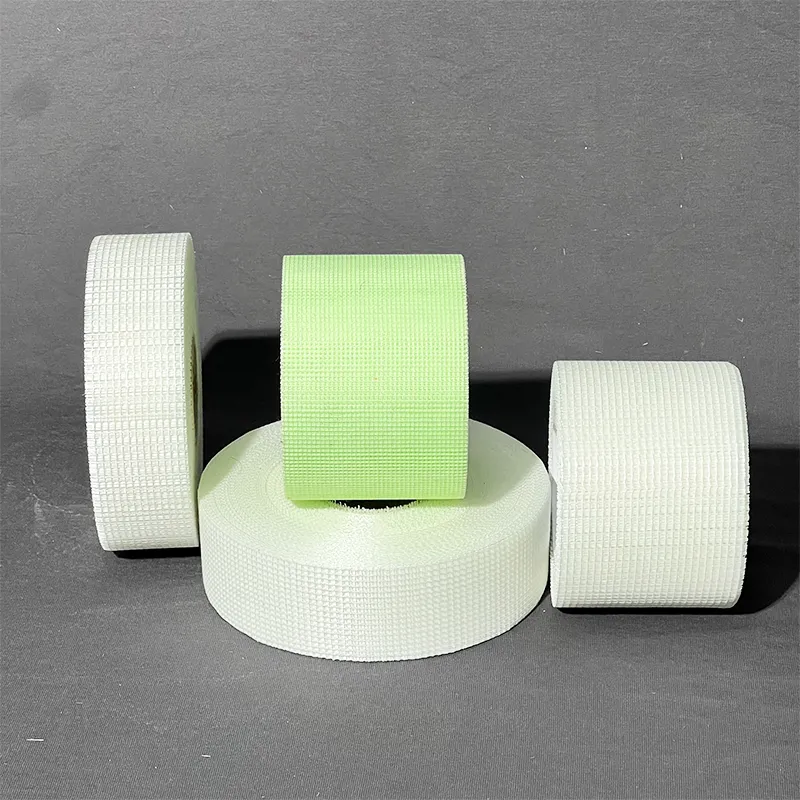
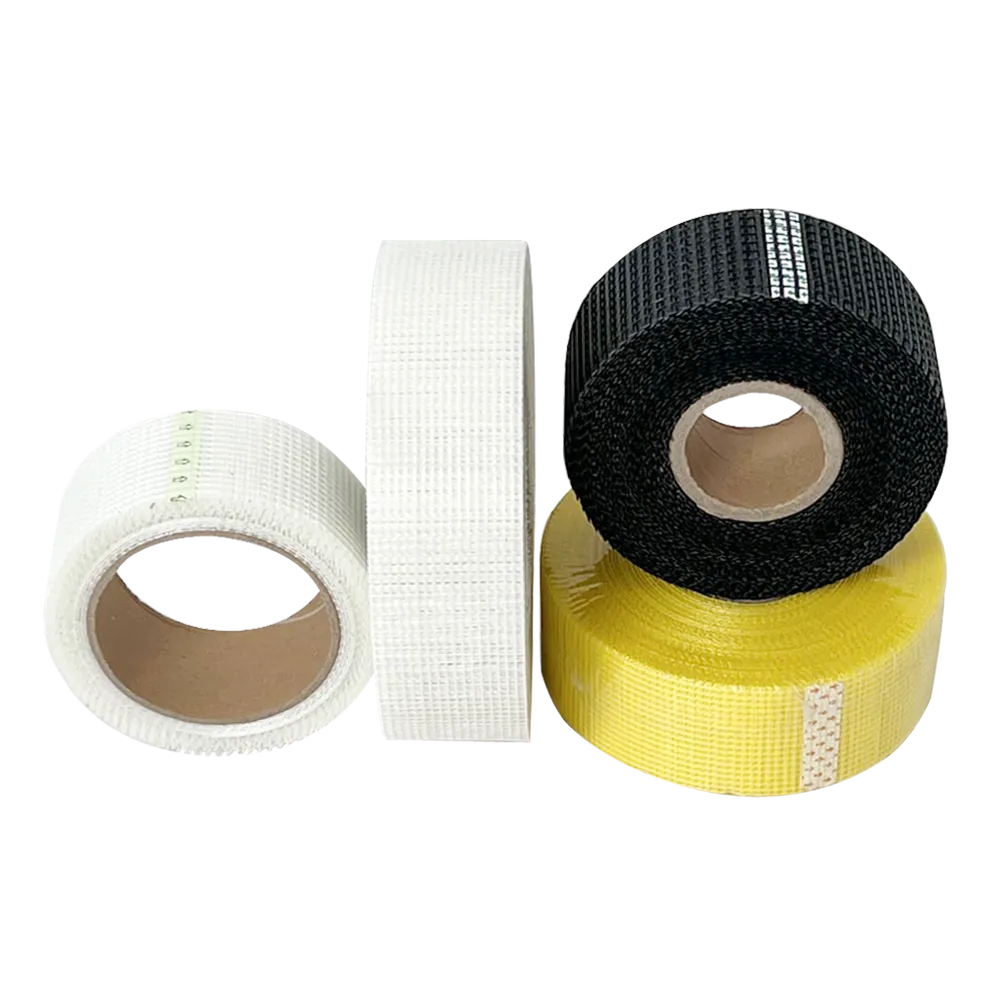
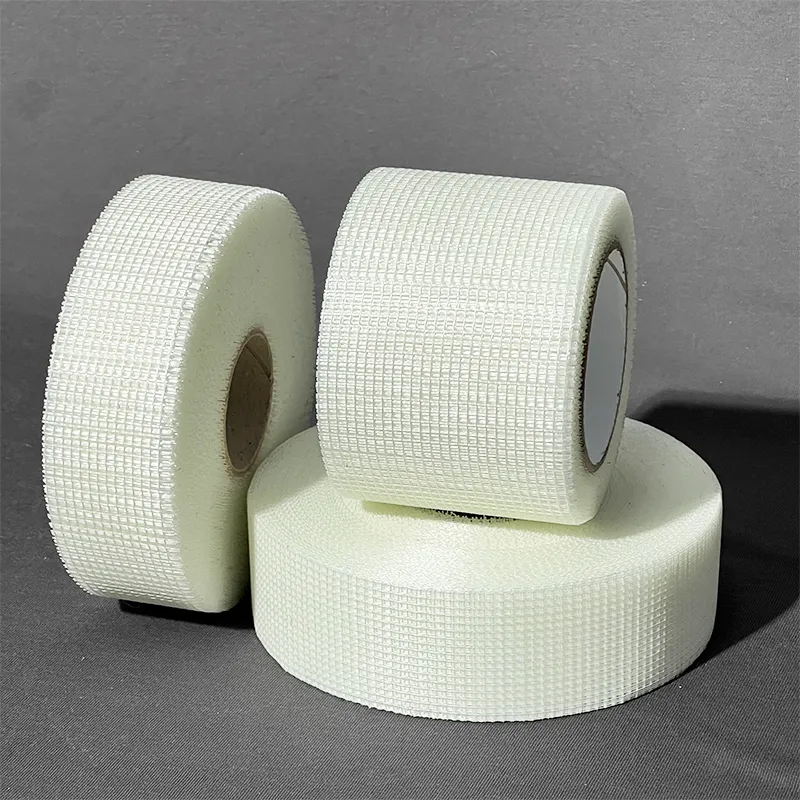
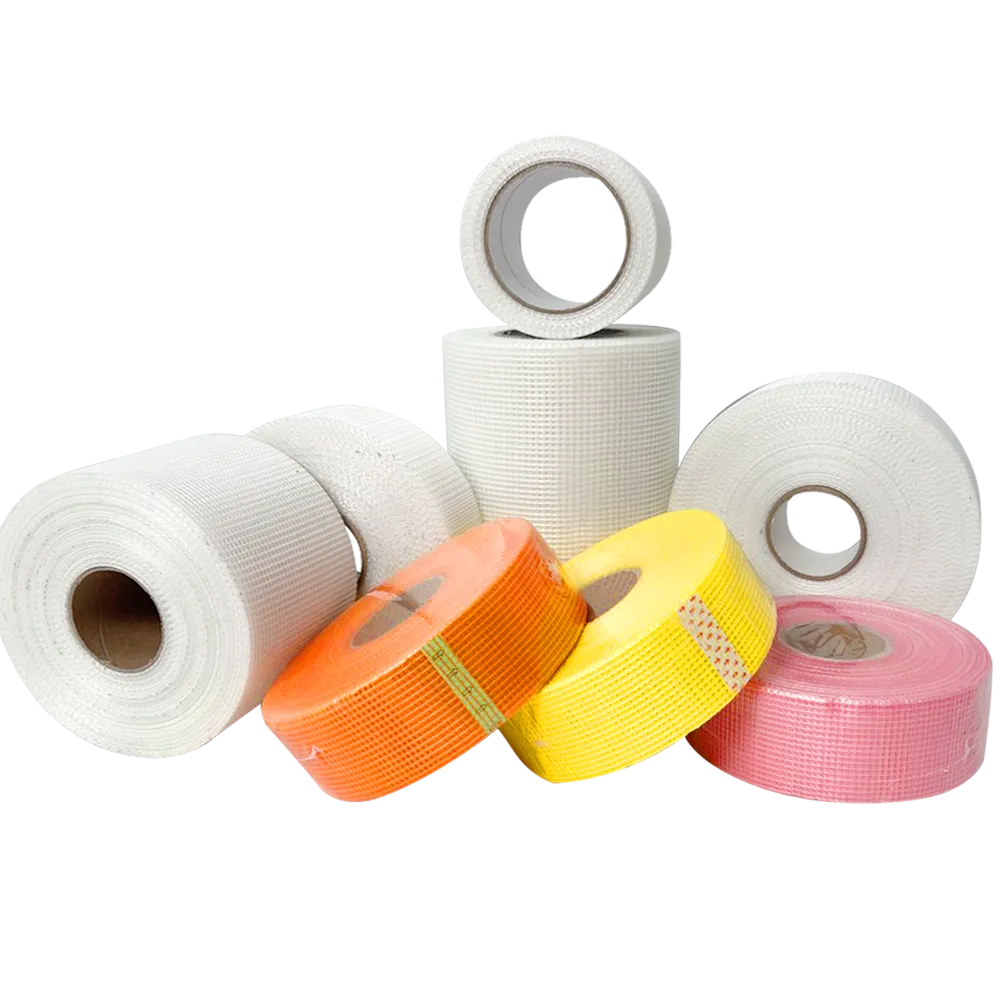
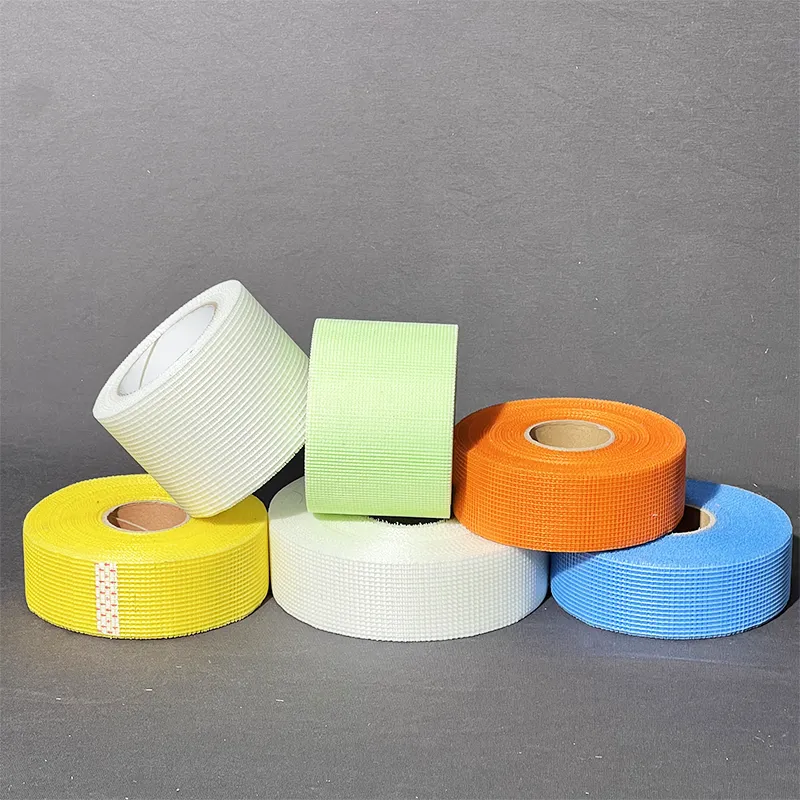
From my experience, a reliable tape has a few non-negotiables: high-grade fiberglass yarn, a strong but non-residual adhesive, and a mesh pattern that’s consistent and fairly tight. For example, the type of fiberglass yarn affects the tape’s fire resistance and overall durability—it’s not just a question of thicker or thinner threads.
And adhesion? You want a tape that sticks confidently on drywall and stays put during mud application, but also one that doesn’t damage surfaces if removed. Some vendors simply slap on a generic adhesive, which can mean a cheap quote but potential headaches down the line.
| Spec | Typical Value | Industry Standard |
|---|---|---|
| Material | E-glass fiberglass yarn | E-glass or equivalent |
| Mesh Count | 4 x 4 threads per cm | 3–5 threads per cm |
| Adhesive Type | Acrylic-based, neutral pH | Acrylic or natural rubber |
| Width | 48 mm / 2 inches | 25–50 mm common |
| Tensile Strength | >220 N/cm | >200 N/cm typical |
One thing I noticed, especially visiting plants and chatting with engineers, is how much testing these tapes undergo. ASTM standards on tensile strength and aging are a must. In real terms, the tape that passes these tests usually lasts longer on the jobsite and reduces rework costs. I suppose that’s why some vendors price their tapes higher upfront, but in the long run, you save money.
Vendor comparisons – what to look for
Given the competitive market, you basically want to weigh price against quality and support. Here’s a quick rundown of three common supplier types I’ve worked with.
| Vendor | Price Range (per roll) | Customization | Lead Time | Quality Assurance |
|---|---|---|---|---|
| Local Distributor | $5–7 | Limited | 2–5 days | Variable |
| Direct Manufacturer | $4–6 | High | 1–3 weeks | Strict, ISO certified |
| Online Retailer | $6–9 | None | 3–7 days | Depends on brand |
It’s worth mentioning a small customer story here. A friend of mine—who manages drywall contracts in the northeast—once switched brands after a bad batch of tape left several walls needing rework. They moved to a direct manufacturer, paying slightly more but ironing out those issues for good. Even though the price was marginally higher, the decrease in downtime was more than worth it.
In light industrial spaces or renovation projects, self-adhesive fiberglass mesh tape usually seems an afterthought, but it’s the kind of material where quality quietly saves the day. So when you’re asking around for quotes, keep those specs and vendor factors in mind. Many engineers I talk to nod along when I say: it’s not always about going cheapest, but going smartest.
Happy taping, and if you want to dive deeper, that site I linked offers some solid resources.
Sometimes, the simplest materials carry the biggest lessons.
References:
- ASTM D5034 – Standard Test Method for Breaking Strength and Elongation of Textile Fabrics
- "Fiberglass Mesh Tapes: Materials and Applications", Industrial Coatings Journal, 2022
- Interview with drywall contractor, New England, 2023
-
Best Fiberglass Mesh Tape for RedGard Product Waterproofing GuideNewsApr.16,2026
-
Why High Strength Fiberglass Mesh Is Essential For Stucco ApplicationNewsApr.15,2026
-
Why Alkali Resistant Fiberglass Mesh Tape Is Essential For Cement Board And Tile InstallationsNewsApr.15,2026
-
Understanding The Role Of Drywall Fiberglass Mesh In Interior FinishingNewsApr.15,2026
-
Ultimate Guide To Using Fiberglass Mesh Tape For Drywall And Plaster RepairsNewsApr.15,2026
-
The Versatility Of Fiberglass Mesh In Marble And Stone MosaicNewsApr.15,2026