Dec . 08, 2025 09:20 Back to list
Fiberglass Mesh Quotes – What Industry Pros Really Look For
Understanding Fiberglass Mesh Quotes: What You Should Know
Having spent over a decade in the industrial equipment sector, I’ve come to appreciate the quirks and nuances of materials that often go overlooked — fiberglass mesh being one of them. You see, when it comes to getting accurate fiberglass mesh quotes, the devil is very much in the details. Frankly, not all suppliers are created equal, and a handful of factors beyond just price can significantly influence the performance and longevity of the end product.
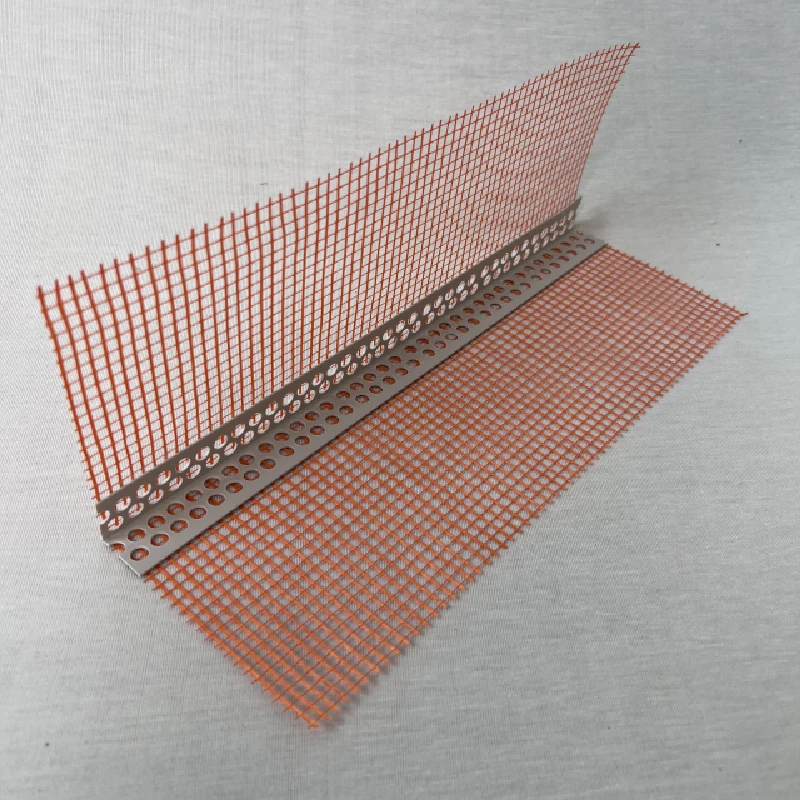
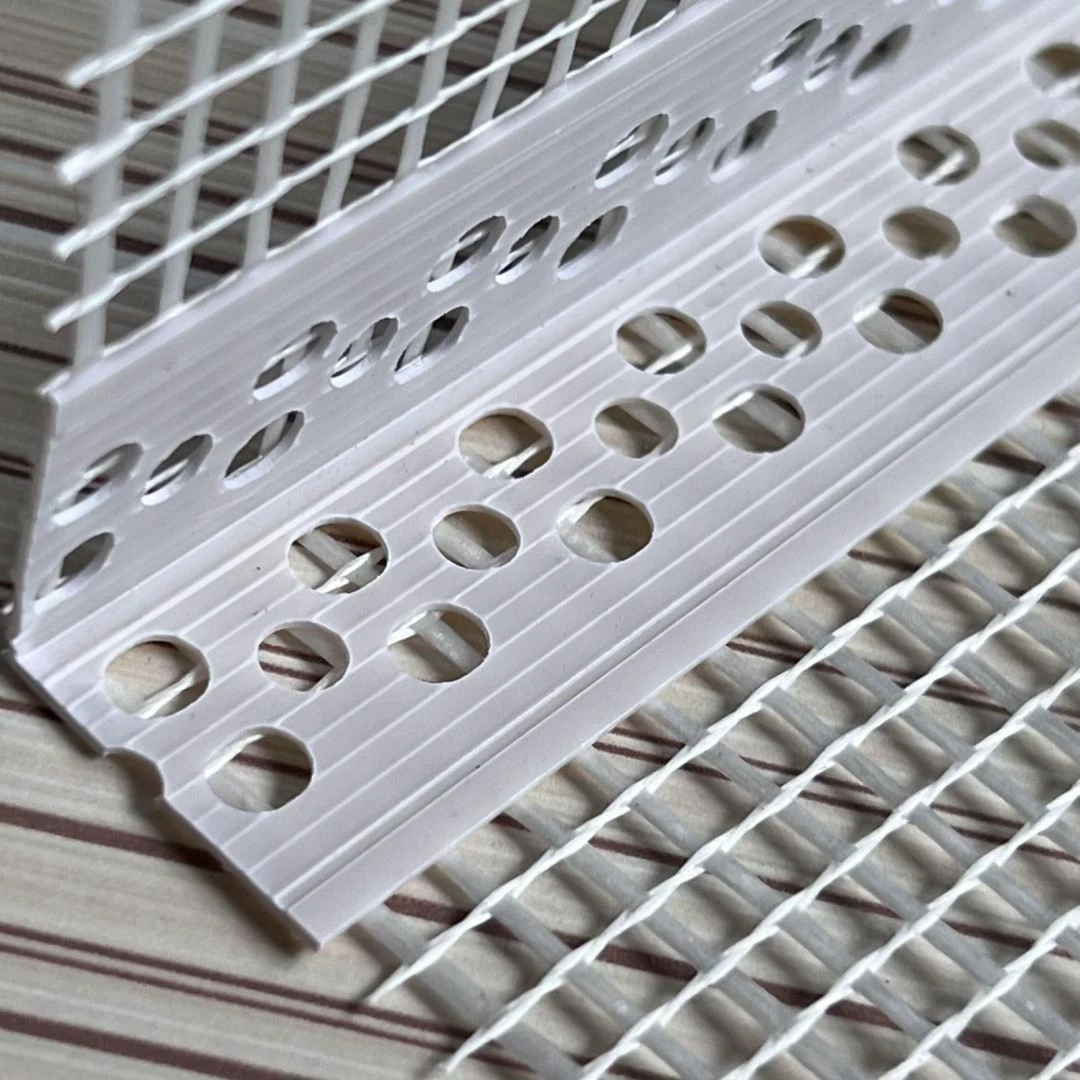
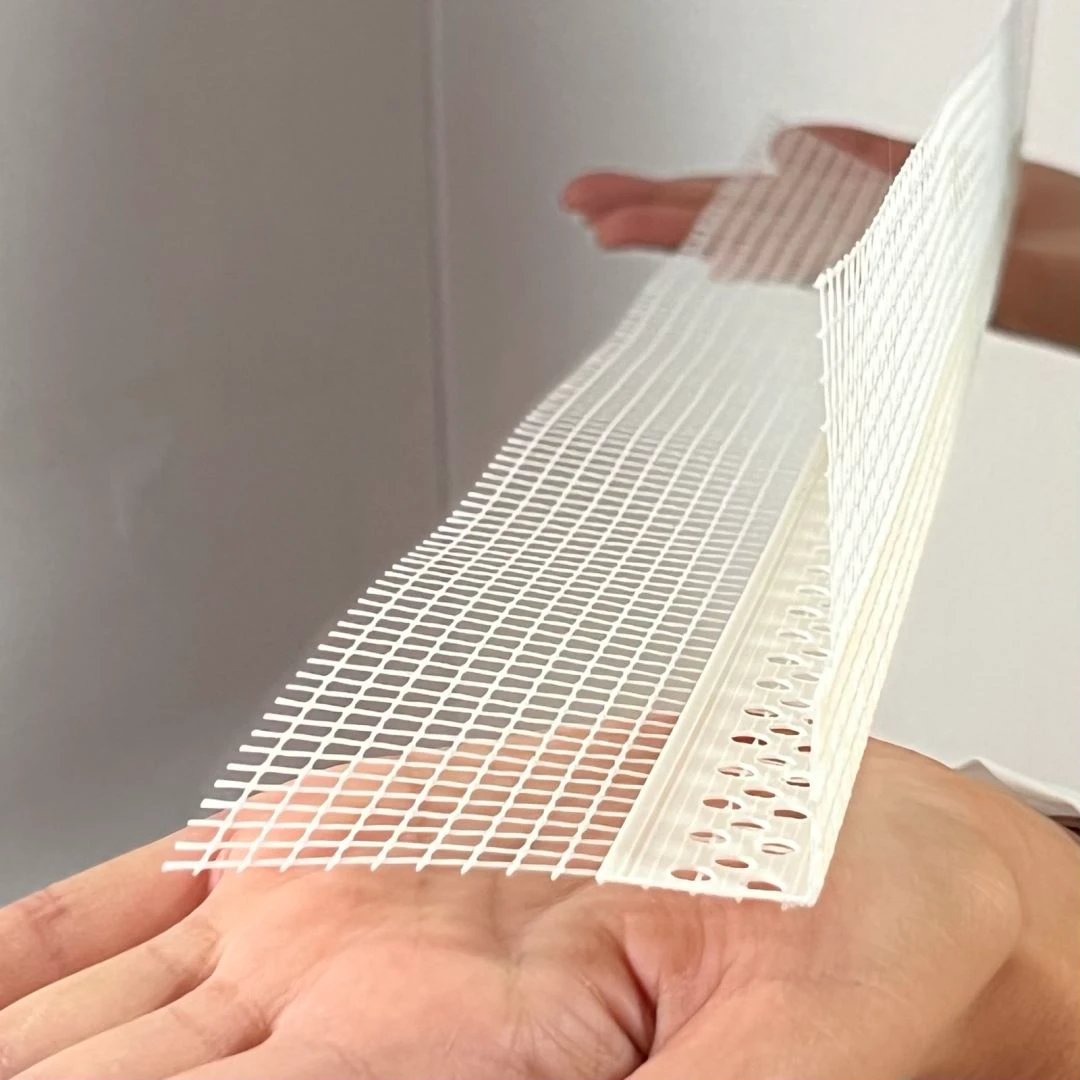
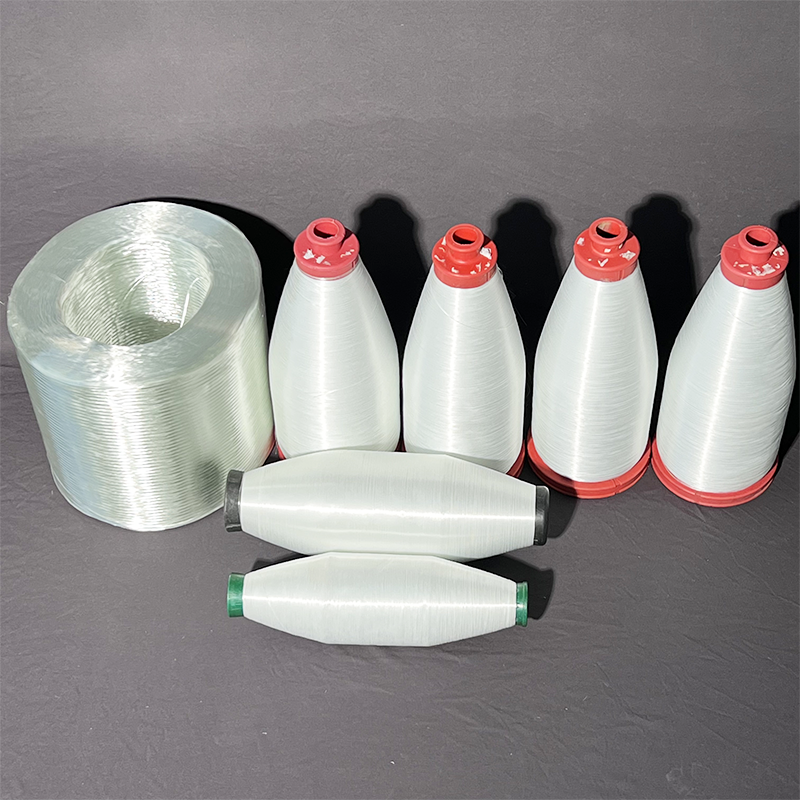
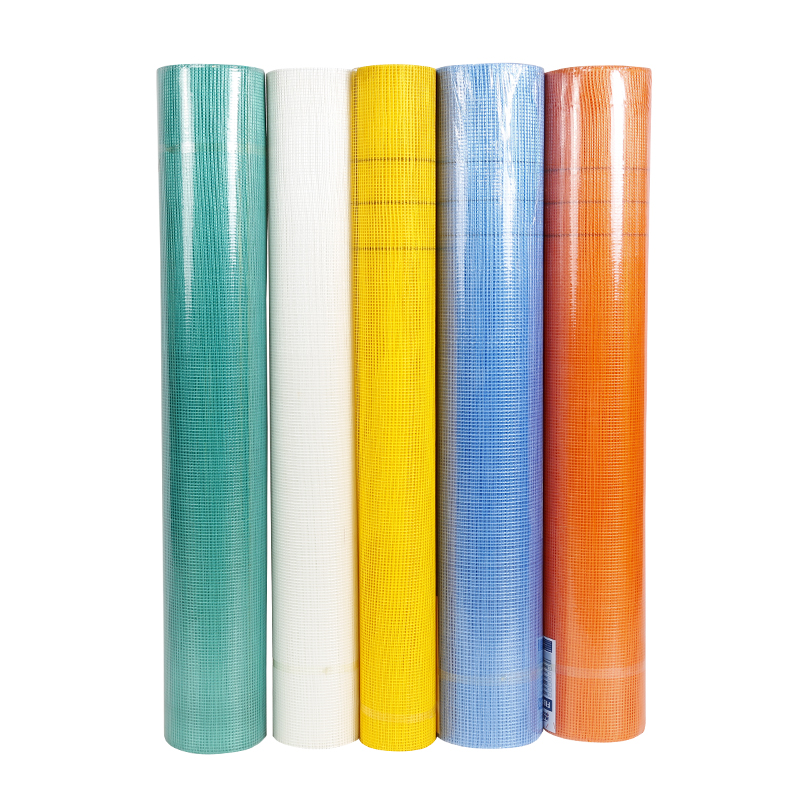
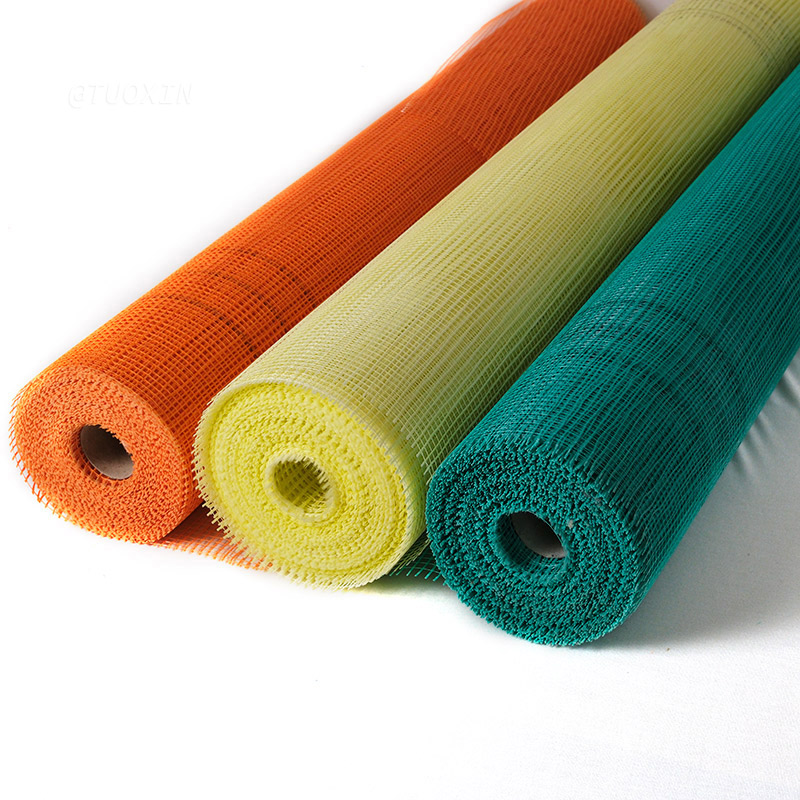
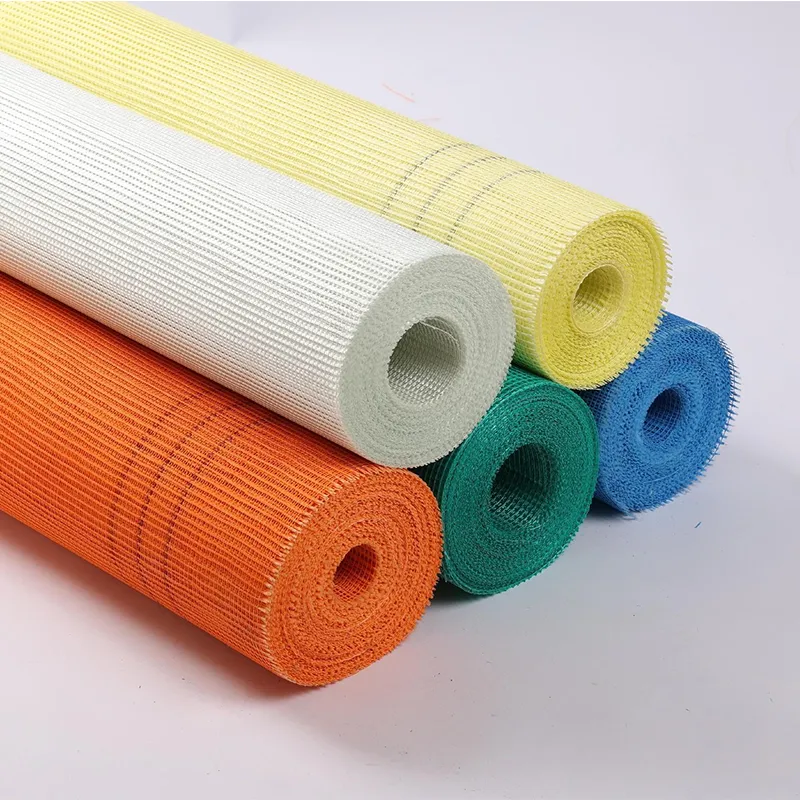
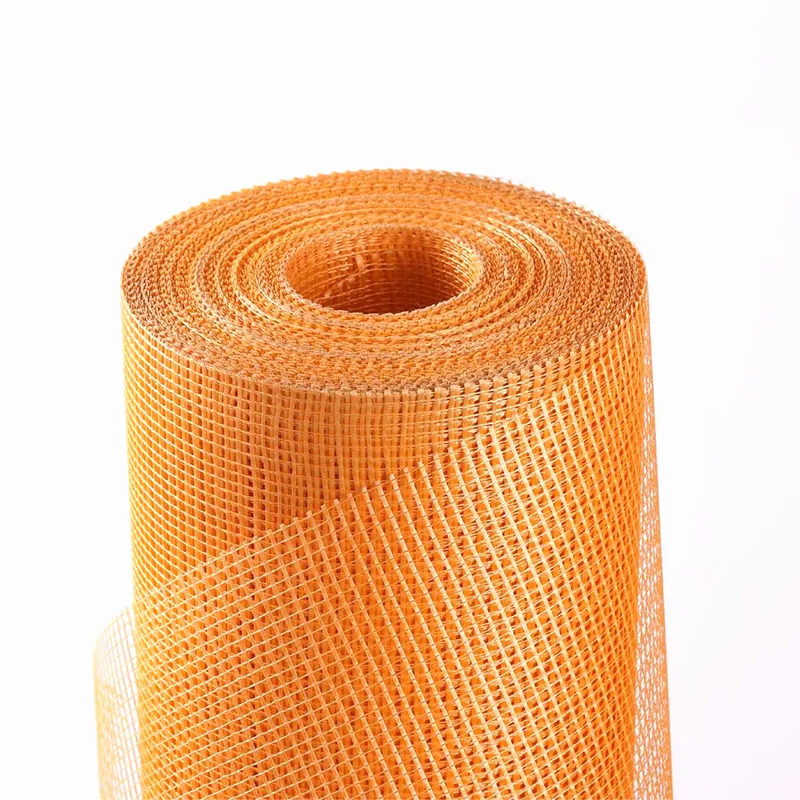
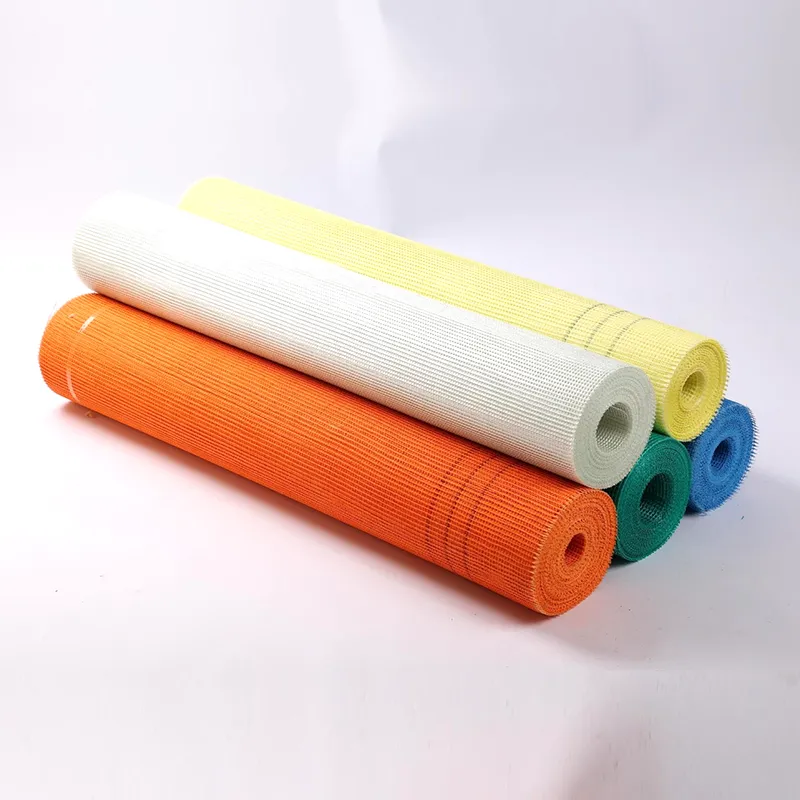
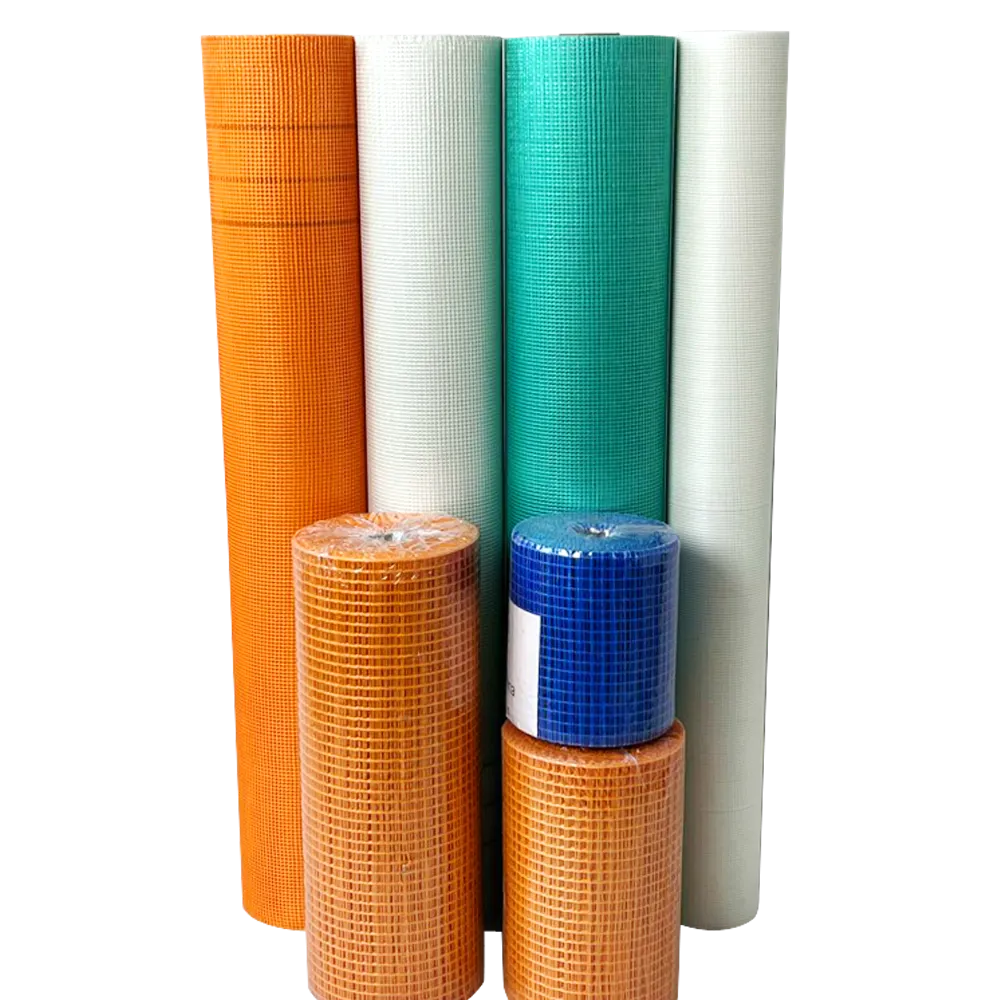
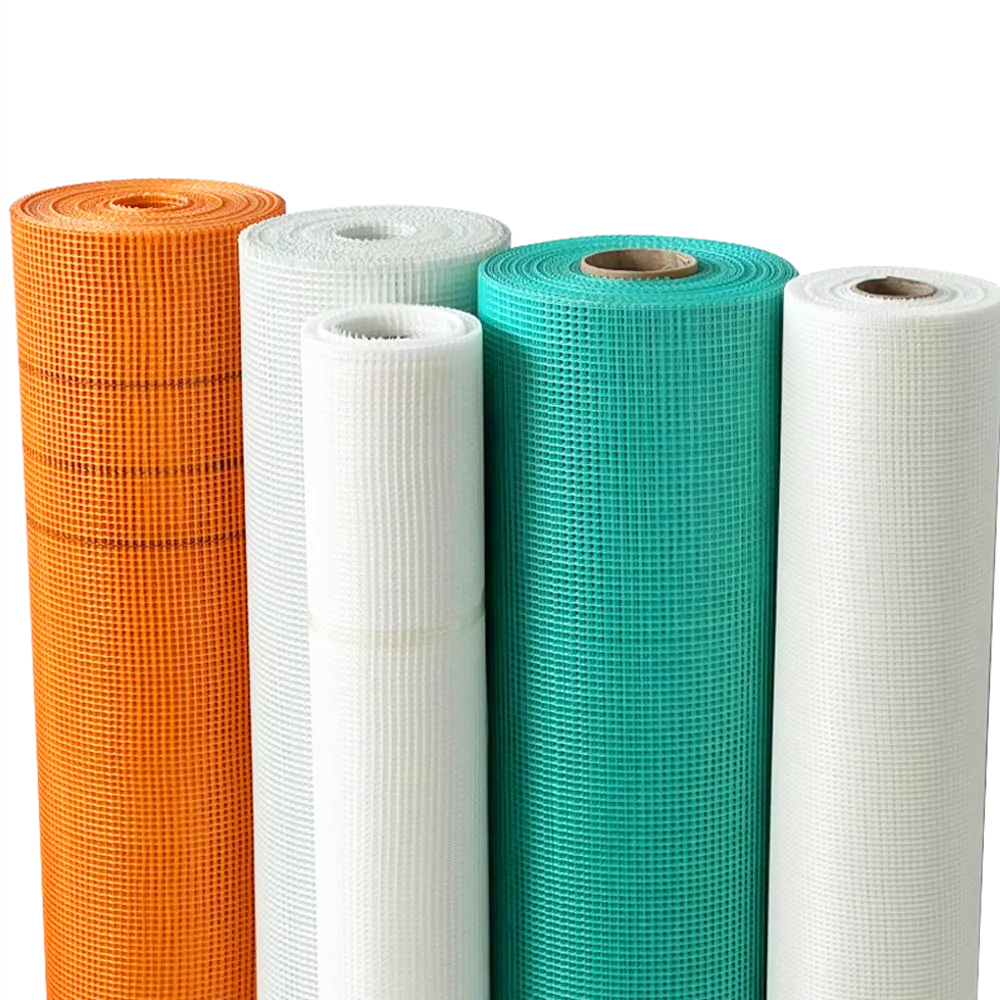
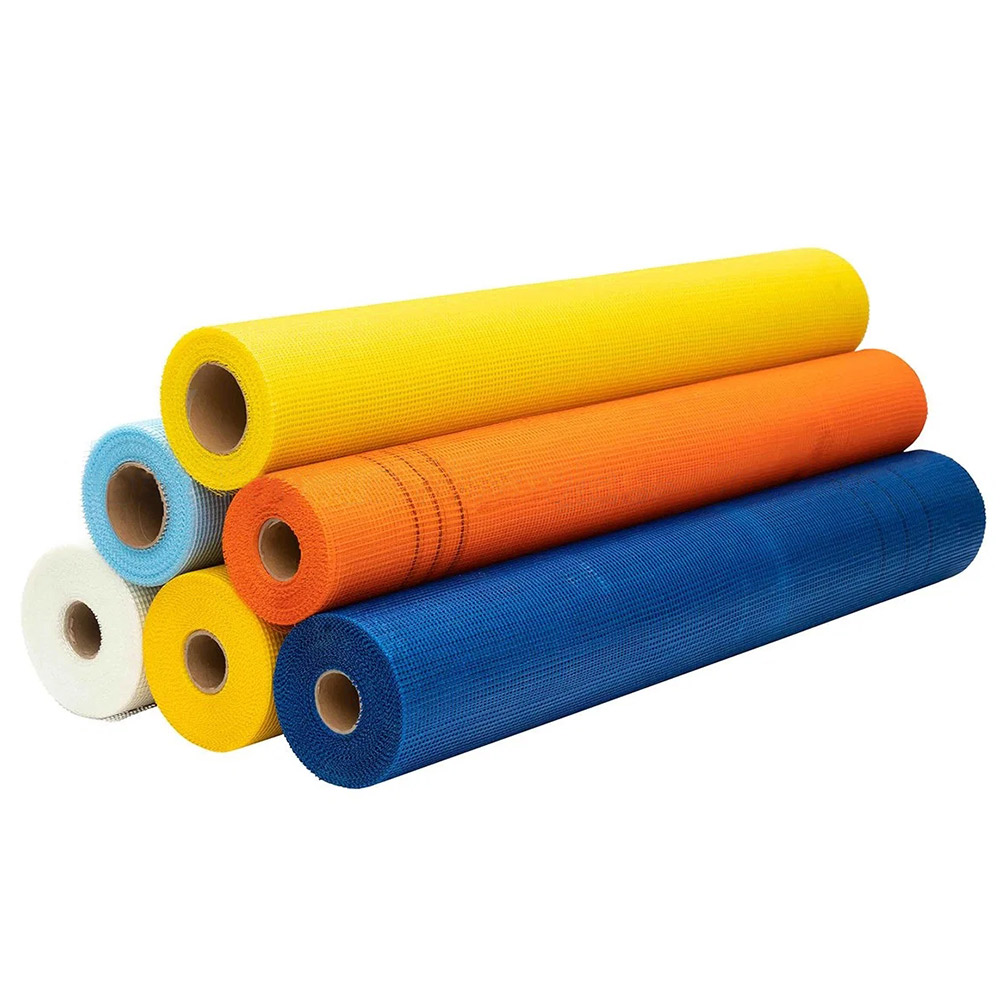
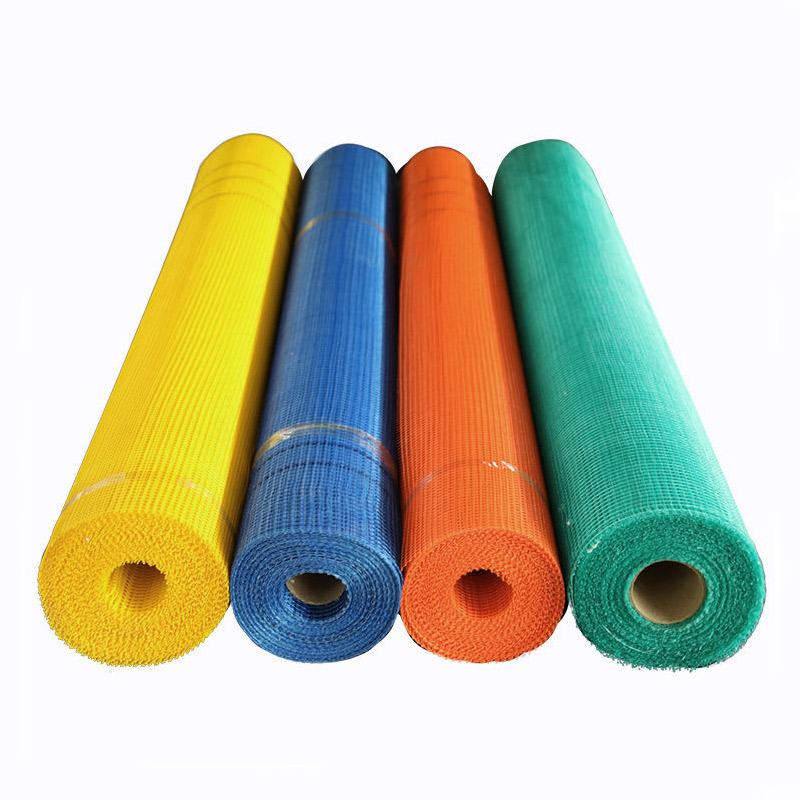
Fiberglass mesh is widely used in construction and industry for reinforcement, crack resistance, thermal insulation, and more. What struck me early on is how essential it is to demand transparency on product specs and testing standards before deciding on any quote — especially with custom orders. It’s not just about the weave or the mesh size, but also about the resin coating, alkali resistance, and tensile properties.
Speaking of specs, here’s a snapshot of what a typical fiberglass mesh product overview looks like when you’re evaluating quotes. These specs directly affect installation ease and durability:
| Feature | Details |
|---|---|
| Material | E-glass fibers with alkali-resistant coating |
| Mesh Size | 4x4 mm to 10x10 mm typical |
| Weight | 50-160 g/m² |
| Roll Width | 1 m – 2 m |
| Roll Length | 30 m – 50 m |
| Tensile Strength | ≥ 1100 N/5 cm |
These numbers matter because, in real terms, they dictate how the mesh withstands stress and chemical exposure on job sites. Oddly enough, some newer players in the market tend to under-spec their products to offer low quotes — which can backfire spectacularly if you’re reinforcing drywall or external plaster.
Now, when requesting fiberglass mesh quotes, I always encourage folks to look beyond price per roll and ask about quality assurance processes. For example, has the mesh been tested for alkali resistance as per standards like ASTM D578? Is there a warranty or certificate of compliance? A fellow project manager once shared that a bargain-bin mesh quote ended up costing twice as much because the reinforcement tore during installation. That was a costly lesson about why cheaper isn’t always better.
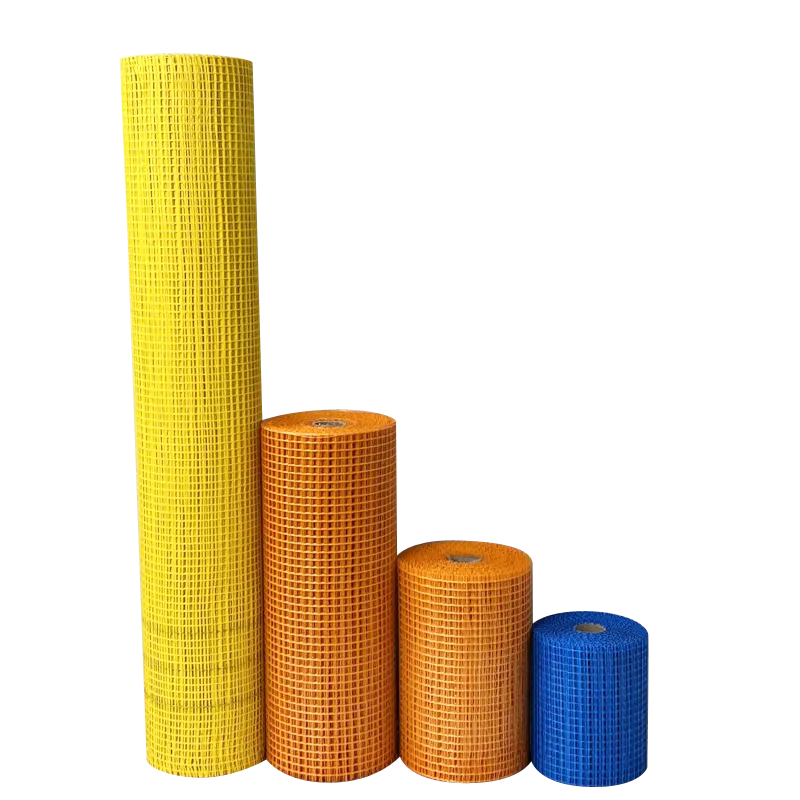
Another point worth reflecting on is customization. In my experience, good vendors typically offer various mesh thicknesses, resin coatings, and even branded packaging – all of which might seem peripheral but really help in streamlining logistics and application. Plus, some vendors provide bespoke cutting services that save time and reduce waste.
| Vendor | Price per Roll | Spec Certification | Customization Options | Lead Time |
|---|---|---|---|---|
| Tainuo Fiberglass Mesh | $45 - $60 | ASTM D578 Certified | Roll cutting, resin type | 7-10 days |
| Vendor B | $40 - $55 | No formal certification | Limited options | 5-7 days |
| Vendor C | $50 - $65 | ISO 9001 | Custom sizes, packaging | 10-14 days |
It feels like the best quotes come from vendors who understand the industrial realities on site — the surprise elements, the strict timelines, and the need for reliable quality. I remember working with a Tainuo fiberglass mesh order that arrived just in time to meet a major deadline in a multi-family housing project. Their quick turnaround and solid product saved the day, and honestly, it’s those moments that reinforce why checking beyond the bottom line is worth it.
In closing, getting fiberglass mesh quotes isn’t as straightforward as it might seem initially. A quick price comparison can only get you so far before you start considering specifications, certifications, customer service, and supply chain reliability. If you keep these in mind and ask the right questions, you’re more likely to avoid surprises and get your project done without hiccups.
So, when you seek fiberglass mesh quotes next time, remember it’s much more than just a number—it’s a promise of quality and performance.
Quick takeaway: Invest time in vetting your fiberglass mesh supplier — it pays off in the long run.
References
- ASTM International: Standard D578 - Specification for Fiberglass Mesh
- ISO 9001 Quality Management Systems Overview
- Industry case studies on reinforcement mesh in construction
-
Best Fiberglass Mesh Tape for RedGard Product Waterproofing GuideNewsApr.16,2026
-
Why High Strength Fiberglass Mesh Is Essential For Stucco ApplicationNewsApr.15,2026
-
Why Alkali Resistant Fiberglass Mesh Tape Is Essential For Cement Board And Tile InstallationsNewsApr.15,2026
-
Understanding The Role Of Drywall Fiberglass Mesh In Interior FinishingNewsApr.15,2026
-
Ultimate Guide To Using Fiberglass Mesh Tape For Drywall And Plaster RepairsNewsApr.15,2026
-
The Versatility Of Fiberglass Mesh In Marble And Stone MosaicNewsApr.15,2026