Dec . 10, 2025 03:25 Back to list
Factory Fiberglass Mesh Roll Factory: Quality, Specs & Comparison
Inside the Factory Fiberglass Mesh Roll Factory: What You Should Know
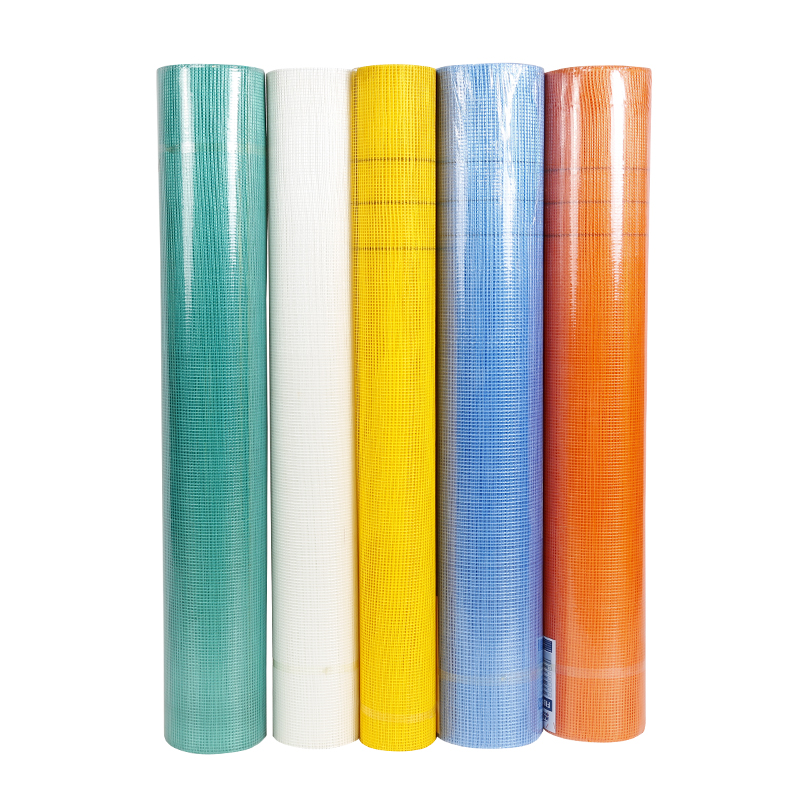
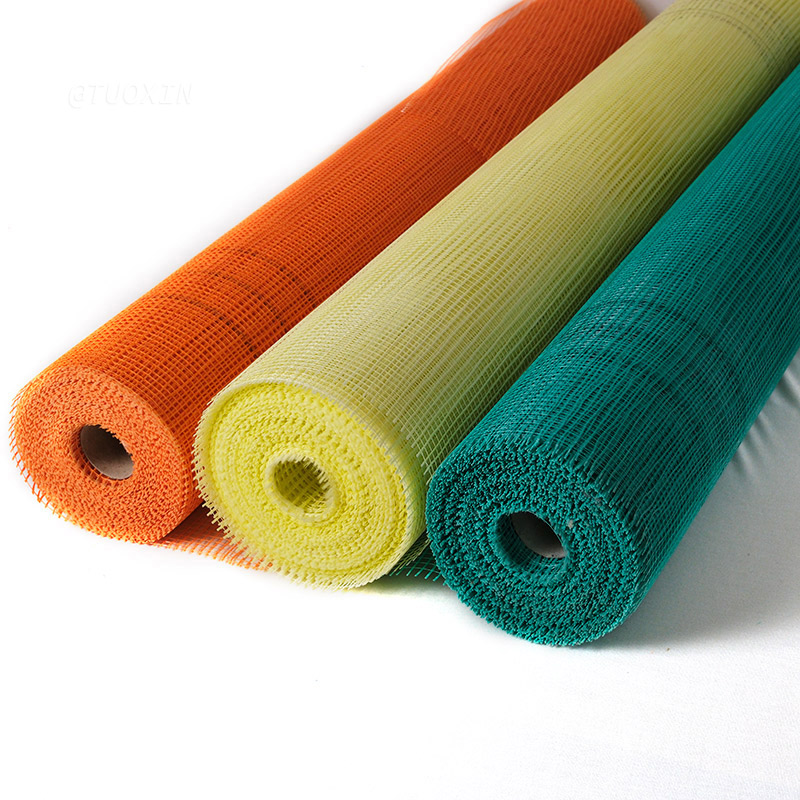
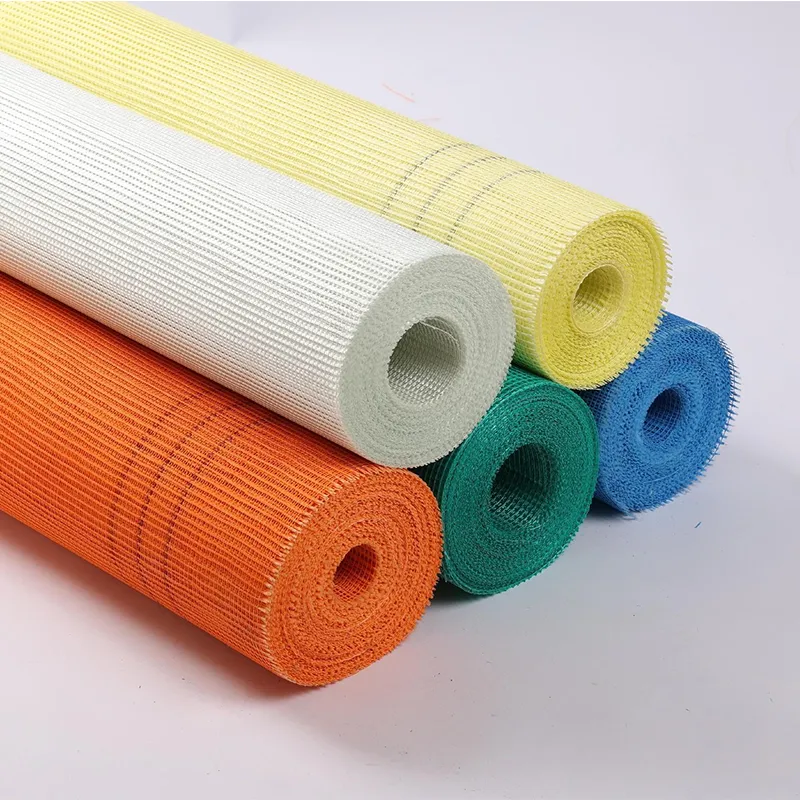
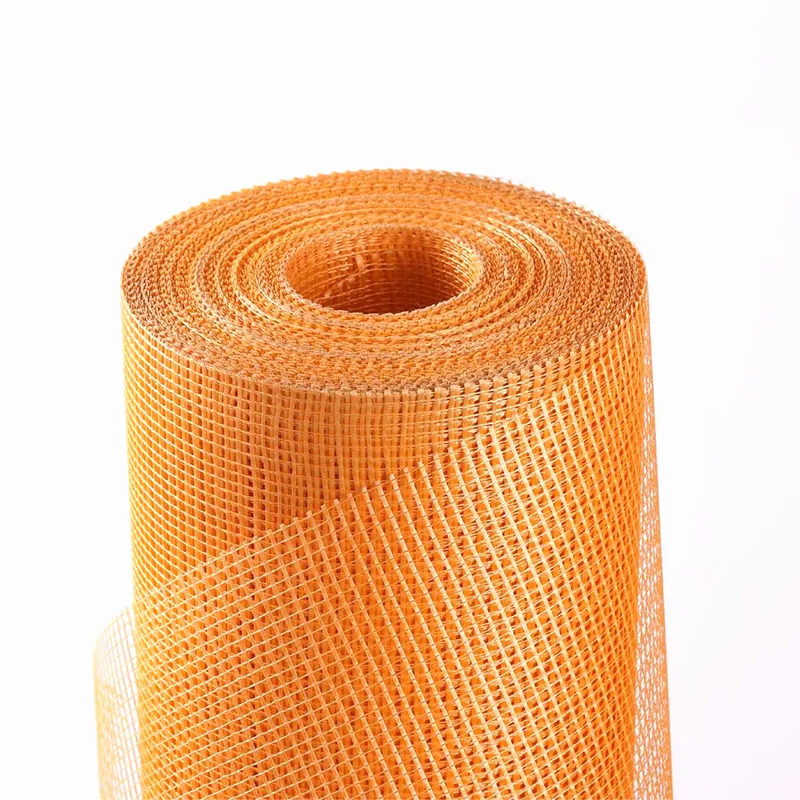
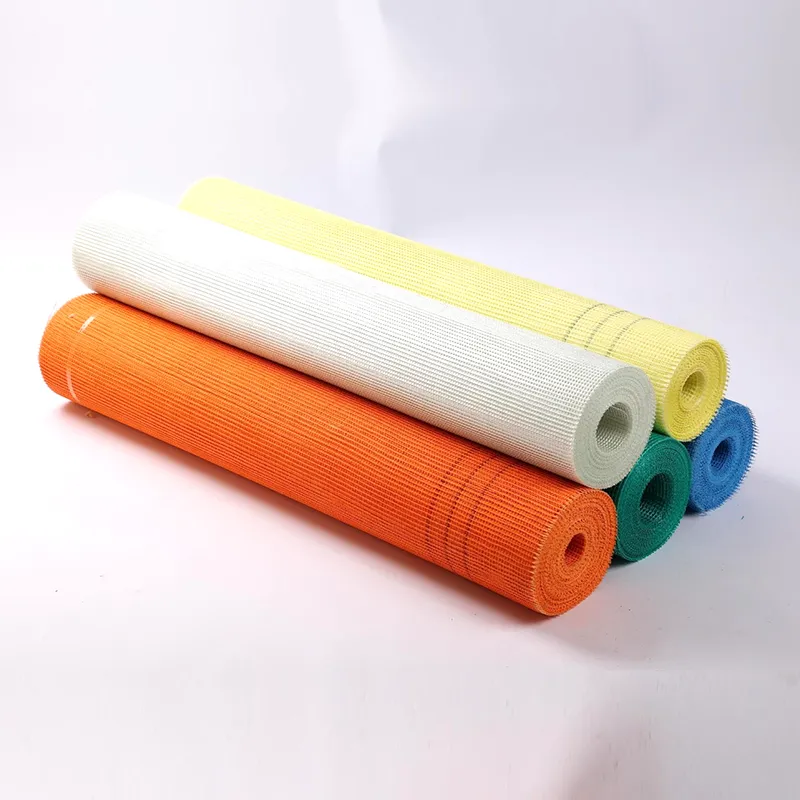
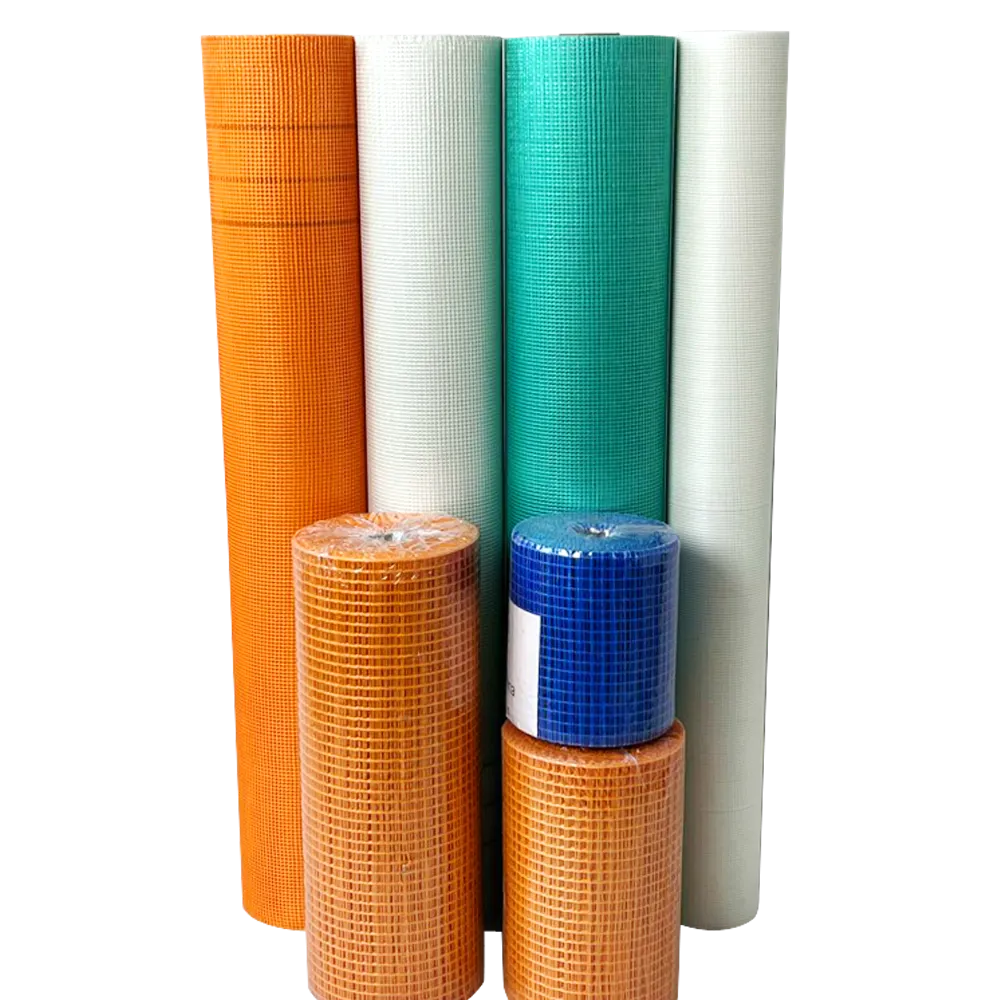
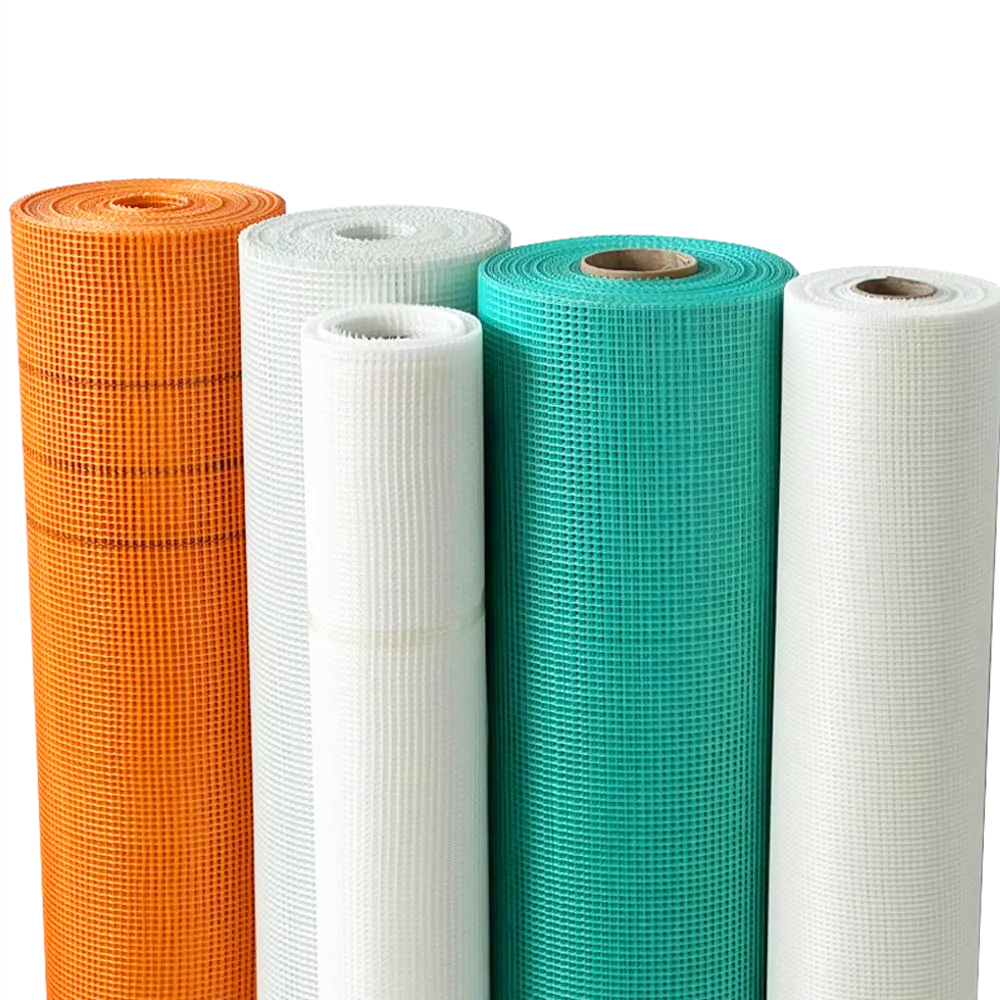
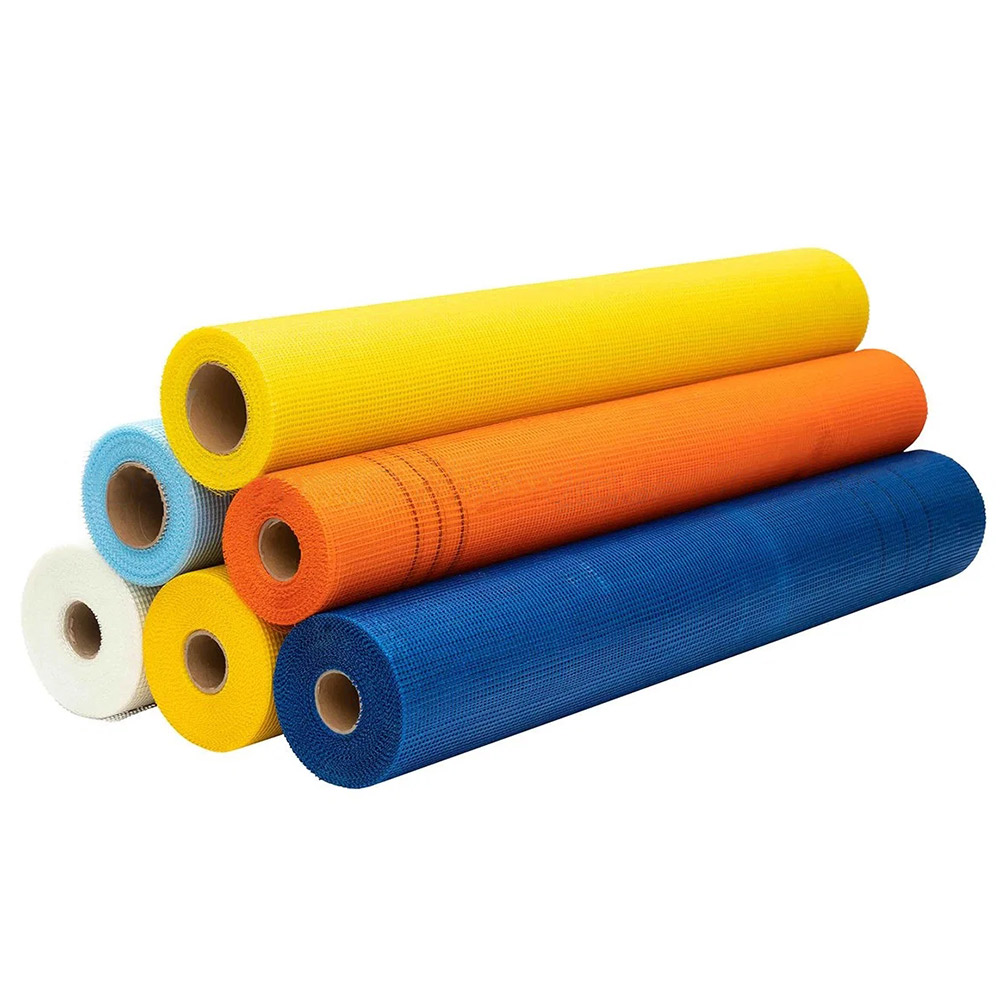
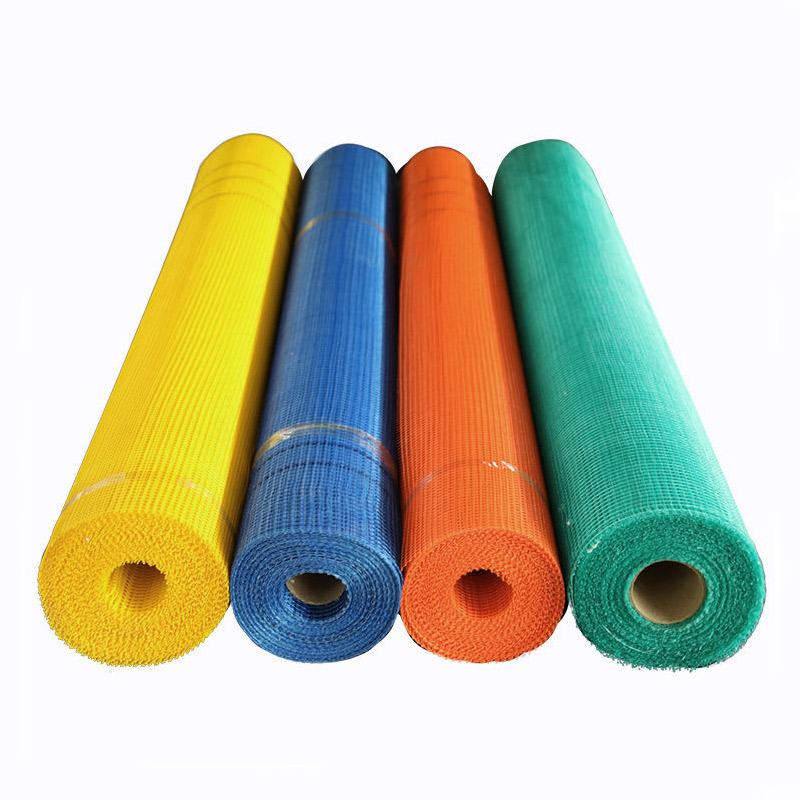
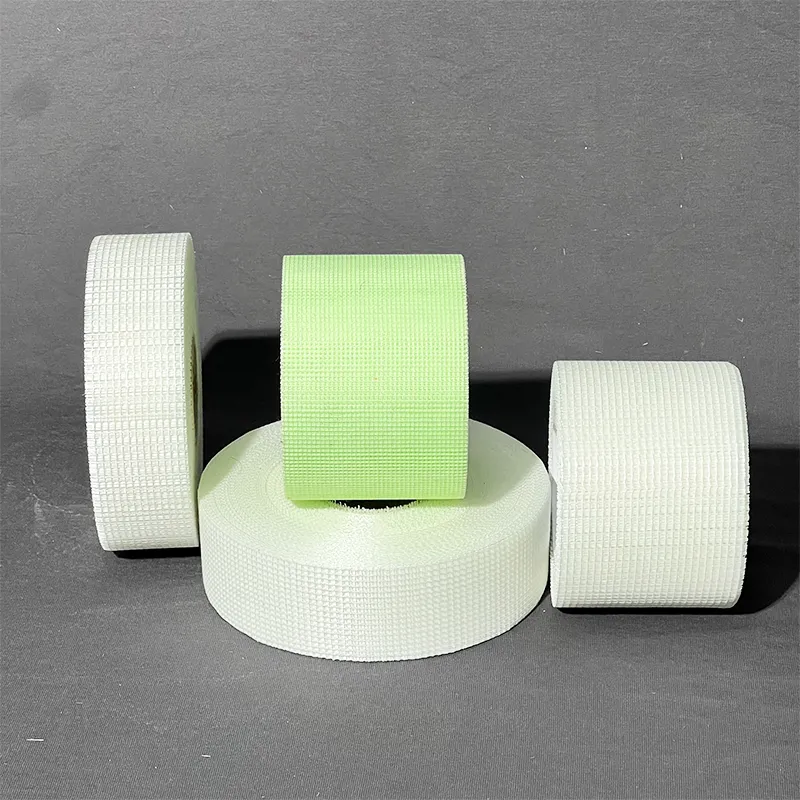
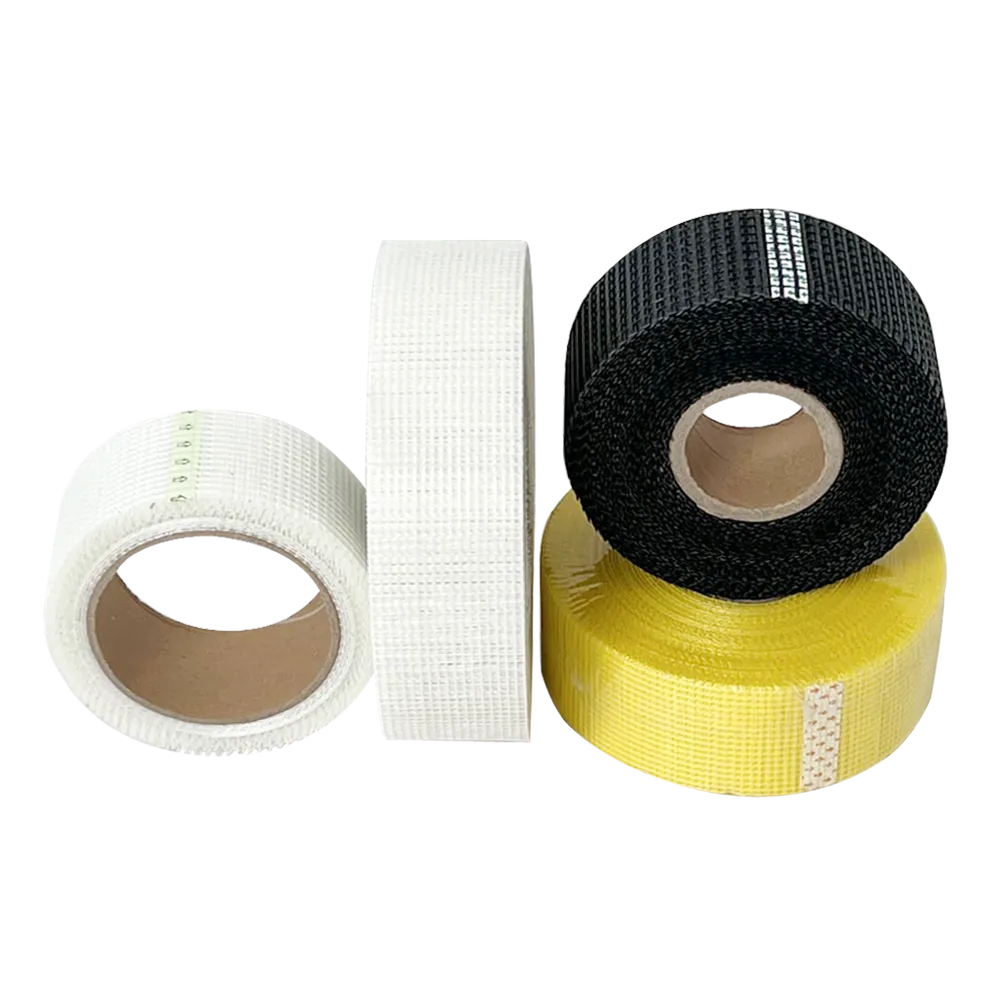
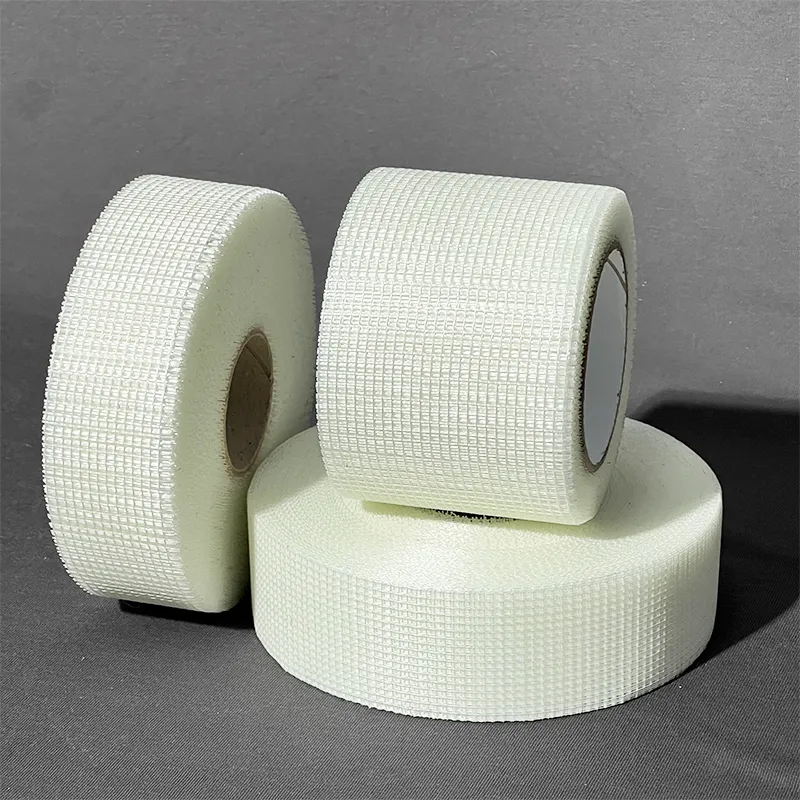
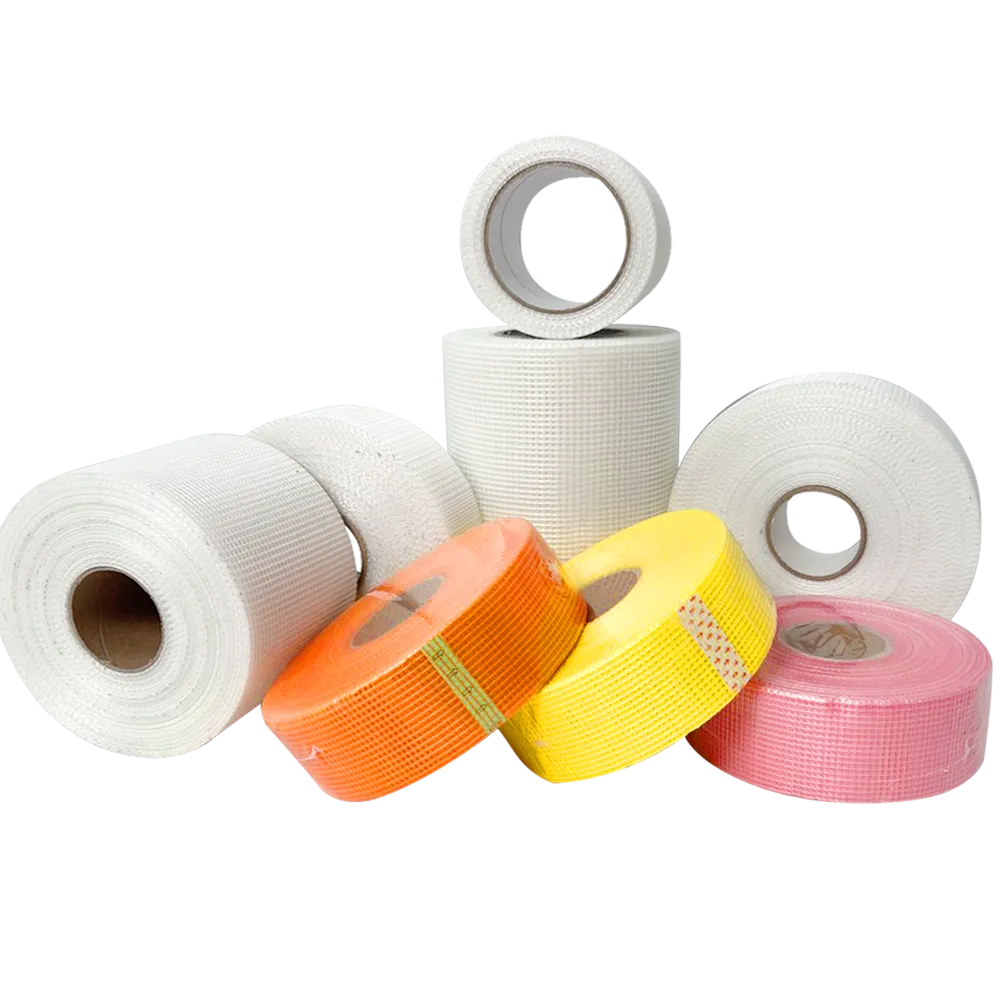
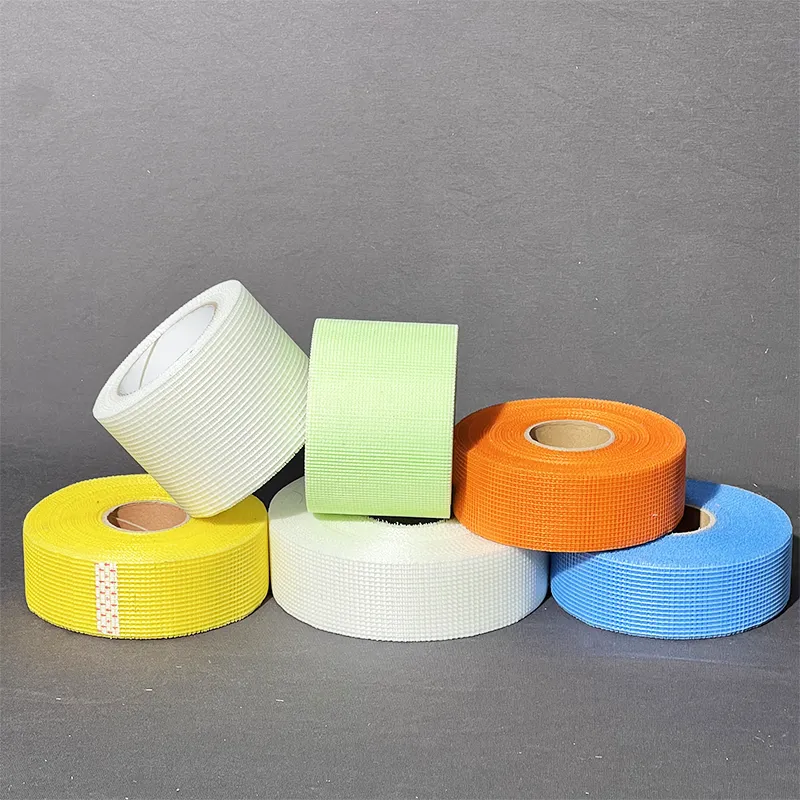
Having spent quite a few years in the industrial equipment sector, I can tell you — when it comes to sourcing factory fiberglass mesh roll, the devil truly is in the details. You might think fiberglass mesh is just a basic, utilitarian material, but, frankly, there’s an entire world behind those rolls that few outside the trade ever see.
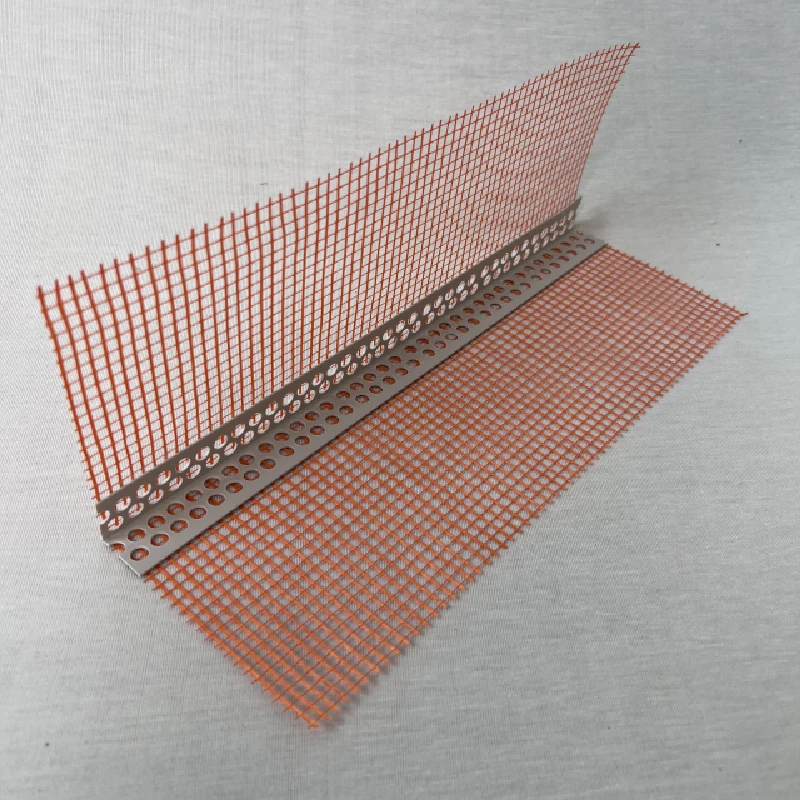
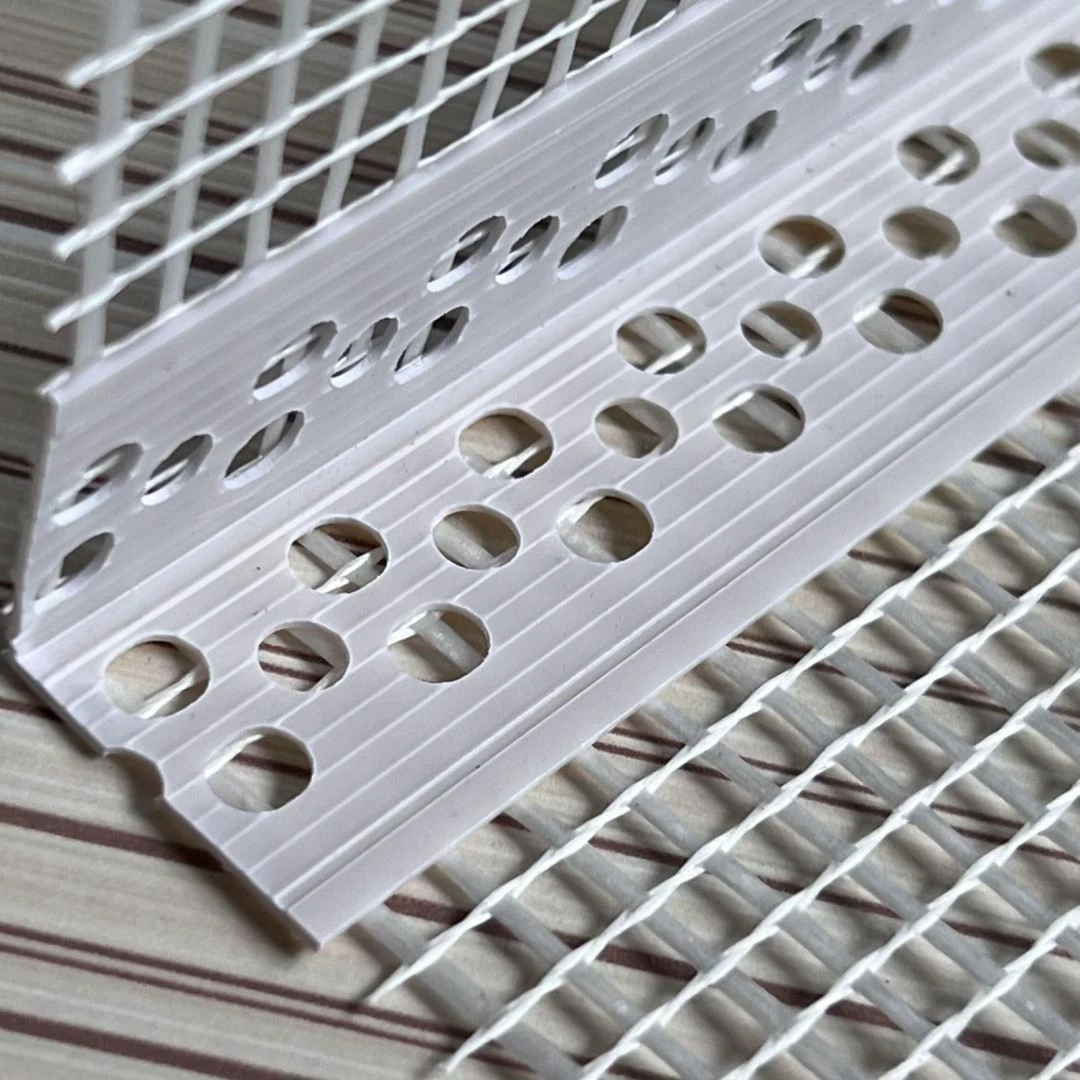
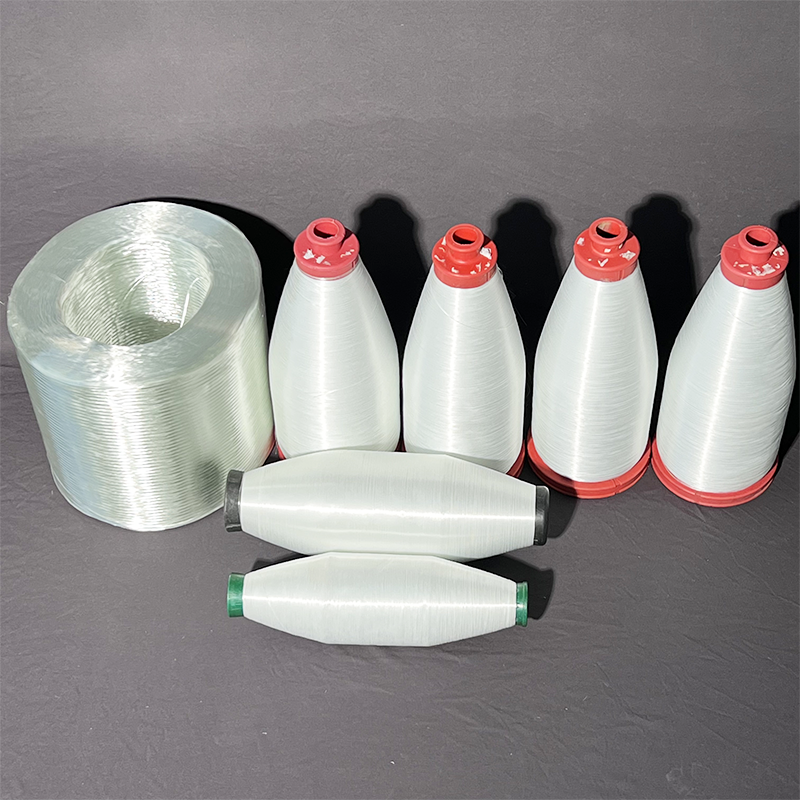
First off, the raw materials are crucial. Fiberglass yarn must be carefully woven and coated, often with PVC or other polymers, to ensure both durability and flexibility. Oddly enough, the coatings can make or break the mesh’s resistance to alkali and weathering—two nasty elements that deteriorate less-prepared meshes in no time. I noticed long ago that not every factory treats their fiberglass yarn alike, which means quality can swing from excellent to downright flaky.
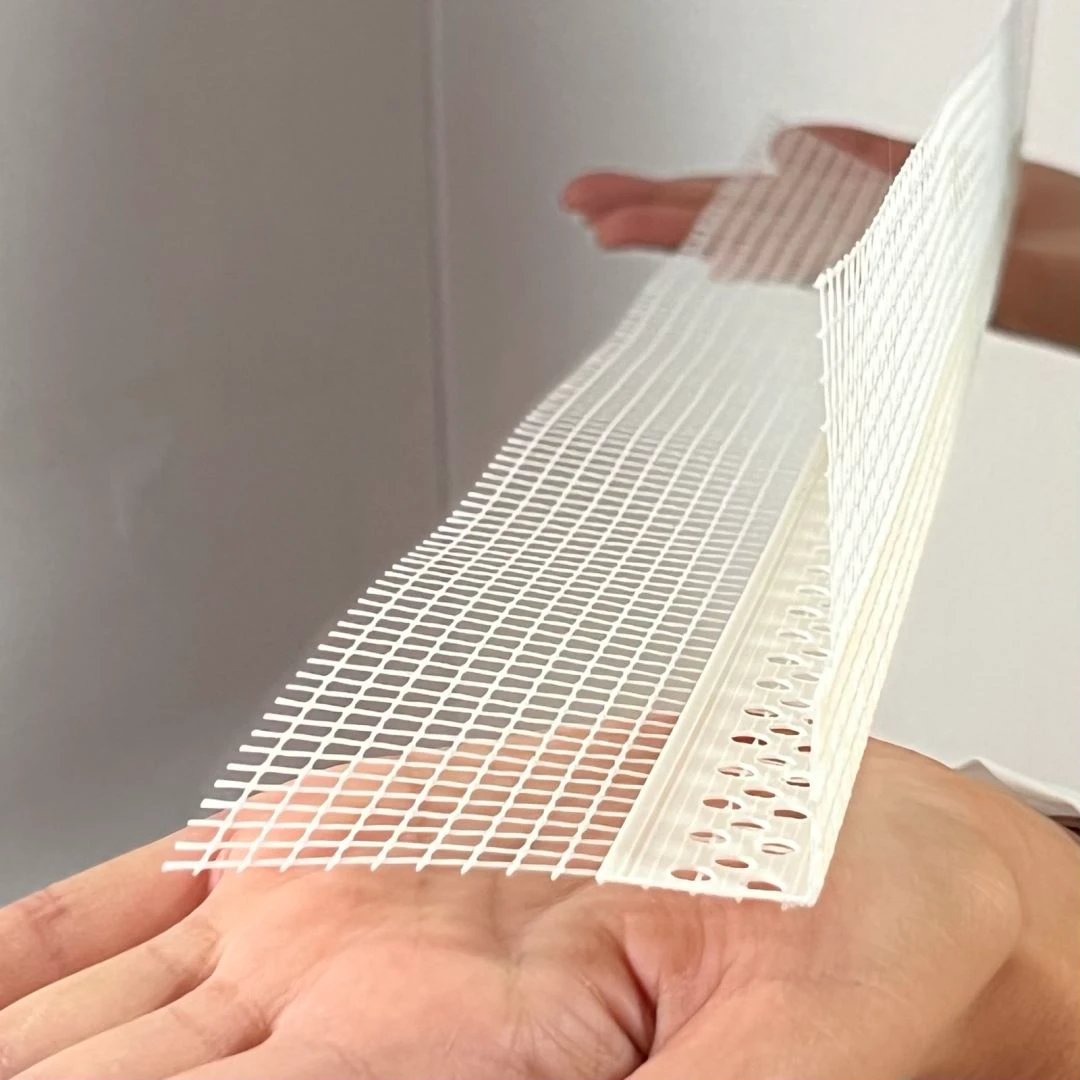
In real terms, a factory fiberglass mesh roll's applications stretch across everything from reinforcing concrete in construction, to waterproofing solutions, and even insulation facades. Many engineers I’ve worked with swear by fiberglass mesh rolls for their combination of tensile strength and corrosion resistance. Of course, depending on your project's scale and environment, the specs might need tweaking — and that's where customization in factories comes in.
For example, take mesh size, weight, and coating thickness. These aren’t just numbers on a sheet but factors that affect everything from ease of installation to long-term maintenance costs. A thinner coating might save money upfront but could cost more in frequent replacements and repairs.
Now, I've had my share of factory tours and hands-on inspection in countries known for fiberglass mesh manufacturing. What struck me is how automated processes coexist with manual quality checks — it’s sort of a hybrid approach ensuring consistency. So if you’re relying on a supplier to meet high standards, ask about their testing procedures. It’s worth looking for ISO certifications or at least documented batch testing to validate product endurance.
Here’s an overview of typical product specs you’ll find in quality fiberglass mesh rolls:
| Specification | Typical Range | Notes |
|---|---|---|
| Mesh Size | 4x4 mm to 10x10 mm | Depends on application |
| Weight | 30-160 g/m² | Higher weight for structural reinforcement |
| Coating Type | PVC, Acrylic, or Alkali-resistant | Handles environmental stress |
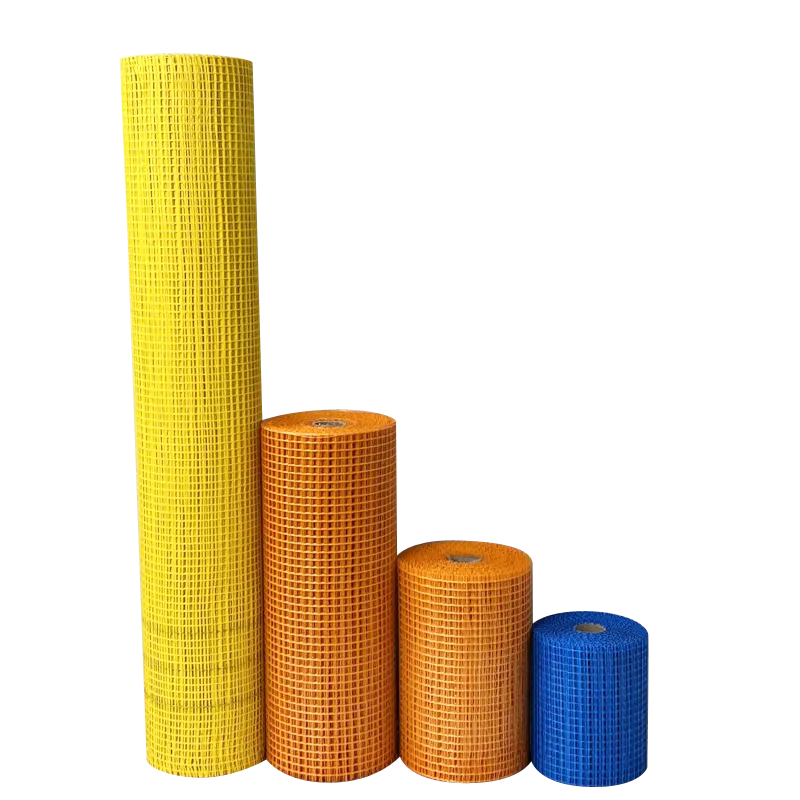
| Roll Width | 1 m to 3 m | Customized for project needs |
| Roll Length | 50 m to 100 m | Standard sizes, often tailored |
Speaking of tailoring, it’s a good idea to compare vendors carefully because specs can be deceptively similar on paper. I recently compiled a quick vendor comparison chart to share what you might expect from some top-level suppliers in the market:
| Vendor | Quality Control | Customization Options | Average Lead Time | Price Range |
|---|---|---|---|---|
| Tainuo Fiberglass Mesh | Batch testing, ISO 9001 | Widths, coatings, lengths | 2-3 weeks | Mid-range |
| Supplier B | Random sampling only | Limited coating types | 4-5 weeks | Budget |
| Supplier C | Full QC process with reports | Almost fully custom | 3-4 weeks | Premium |
To bring things closer to reality, a client of mine with a mid-sized construction company once shared how switching to a high-quality fiberglass mesh roll transformed their workflow. Before, their crews frequently battled cracks and surface degradation. After specifying mesh with proper alkali resistance from a reputable factory, those headaches mostly vanished — saving money and stress.
Factory fiberglass mesh roll production involves a nice blend of material science, careful manufacturing, and real-world testing. Knowing what to look for saves you from buying low-grade material that might feel okay initially but won’t last under tough conditions.
So, if you find yourself sourcing fiberglass mesh rolls, I suggest starting with reputable manufacturers like factory fiberglass mesh roll specialists who emphasize quality control and customization. It’s worth the effort, trust me.
In the end, the difference between a good mesh roll and a mediocre one is often just a matter of how much attention the factory pays to those small specs and tests — the kind of things that reveal themselves only after years in the field.
Reflection: It's funny how something as seemingly “simple” as a roll of fiberglass mesh can have such an impact on construction durability and maintenance costs. The right factory partner makes all the difference.
- “Fiberglass Mesh in Construction – A Technical Guide,” Journal of Building Materials, 2022.
- ISO 9001 Certification Standards, International Organization for Standardization.
- Company interview notes, Tainuo Fiberglass Mesh Factory Visit, 2023.
-
Best Fiberglass Mesh Tape for RedGard Product Waterproofing GuideNewsApr.16,2026
-
Why High Strength Fiberglass Mesh Is Essential For Stucco ApplicationNewsApr.15,2026
-
Why Alkali Resistant Fiberglass Mesh Tape Is Essential For Cement Board And Tile InstallationsNewsApr.15,2026
-
Understanding The Role Of Drywall Fiberglass Mesh In Interior FinishingNewsApr.15,2026
-
Ultimate Guide To Using Fiberglass Mesh Tape For Drywall And Plaster RepairsNewsApr.15,2026
-
The Versatility Of Fiberglass Mesh In Marble And Stone MosaicNewsApr.15,2026