Dec . 02, 2025 15:56 Back to list
Understanding the Role of Black Fibreglass Mesh Manufacturers: Applications and Innovations
Understanding the Importance of a Black Fibreglass Mesh Manufacturer in Modern Industry
If you’ve ever wondered what gives so many modern construction and industrial processes their resilience and durability, black fibreglass mesh is often behind the scenes. It’s one of those unglamorous heroes in manufacturing that quietly makes products stronger, lighter, and more versatile—quite essential in a world pushing for sustainability and safety. Globally, the demand for robust, corrosion-resistant materials is rising, and black fibreglass mesh manufacturers are pivotal players in this field. From construction to disaster relief, understanding these manufacturers' roles sheds light on how our built environment continues to advance. Let’s dive deeper.
Why It Matters Globally
Globally, infrastructure development is accelerating, and with it comes challenges like climate resilience and material longevity. According to UN Habitat reports, nearly 55% of the world’s population lives in urban areas, putting enormous pressure on construction materials to be durable yet environmentally compatible.
Black fibreglass mesh manufacturers provide materials that help meet these challenges—offering corrosion resistance, flexibility, and cost efficiency that traditional materials often cannot match. And it’s not just about building cities; humanitarian organizations employ these materials for quick-deploy shelters and protective barriers in post-disaster zones, highlighting the mesh's broad relevance.
Defining a Black Fibreglass Mesh Manufacturer
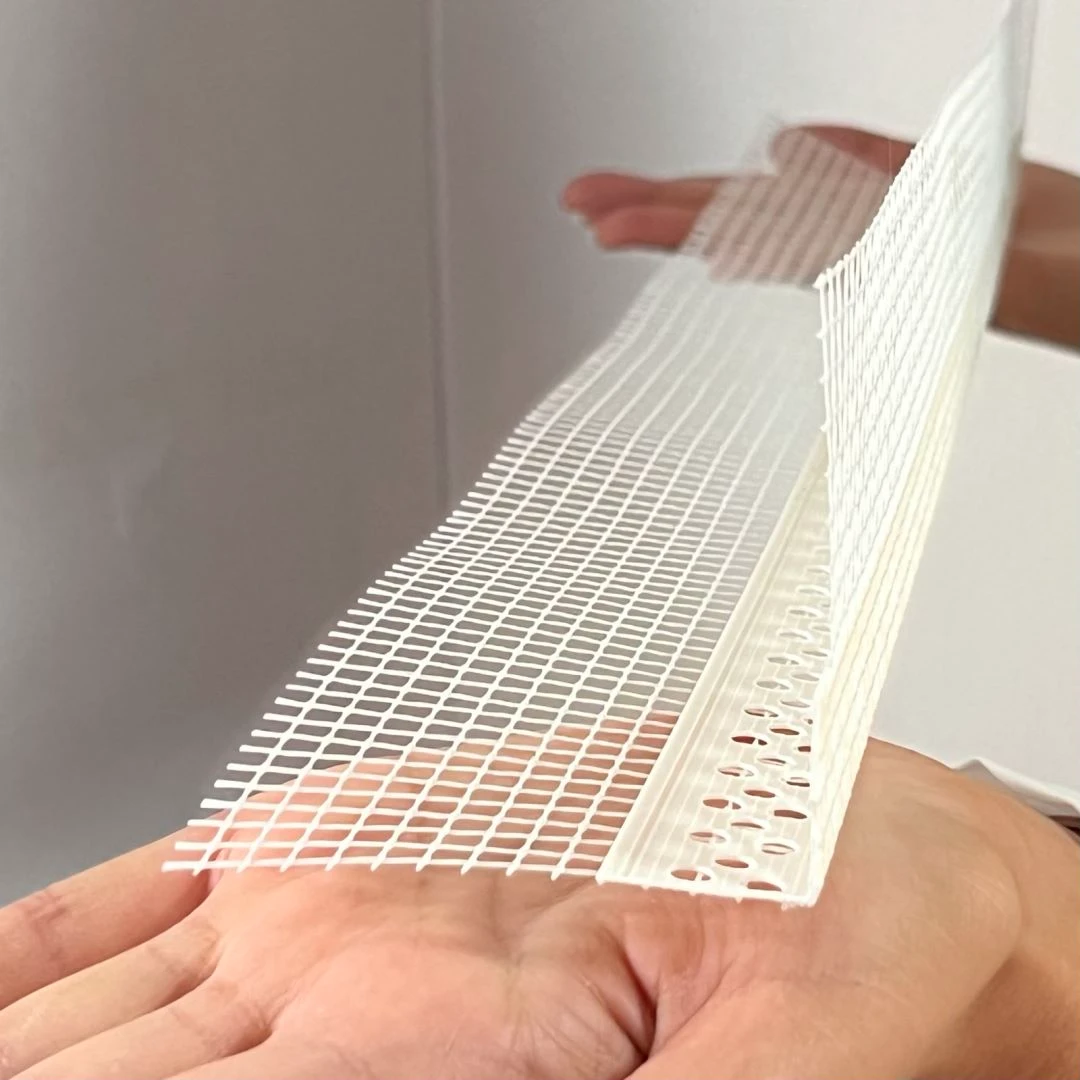
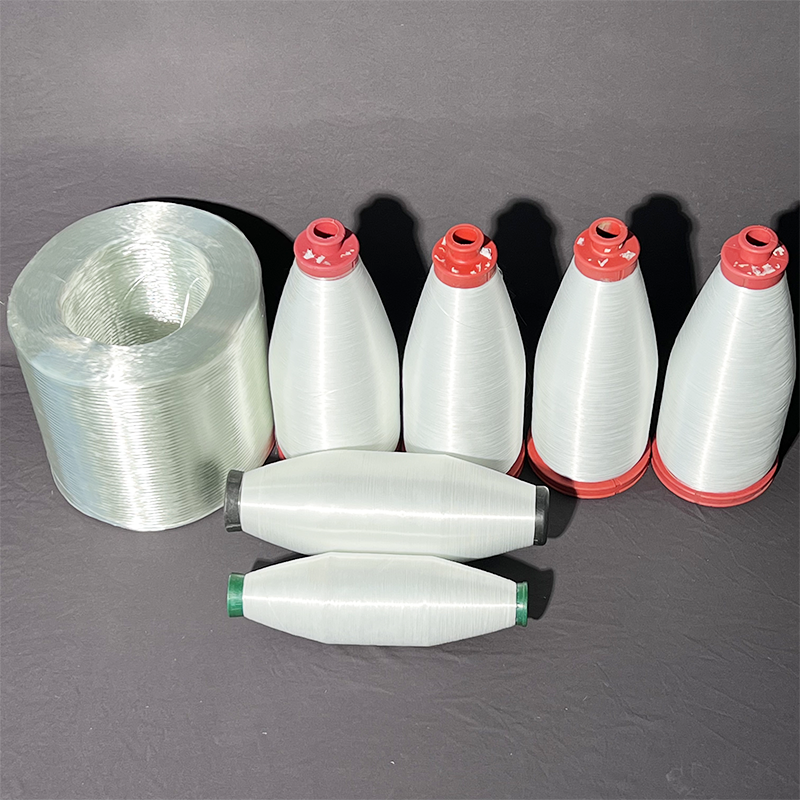
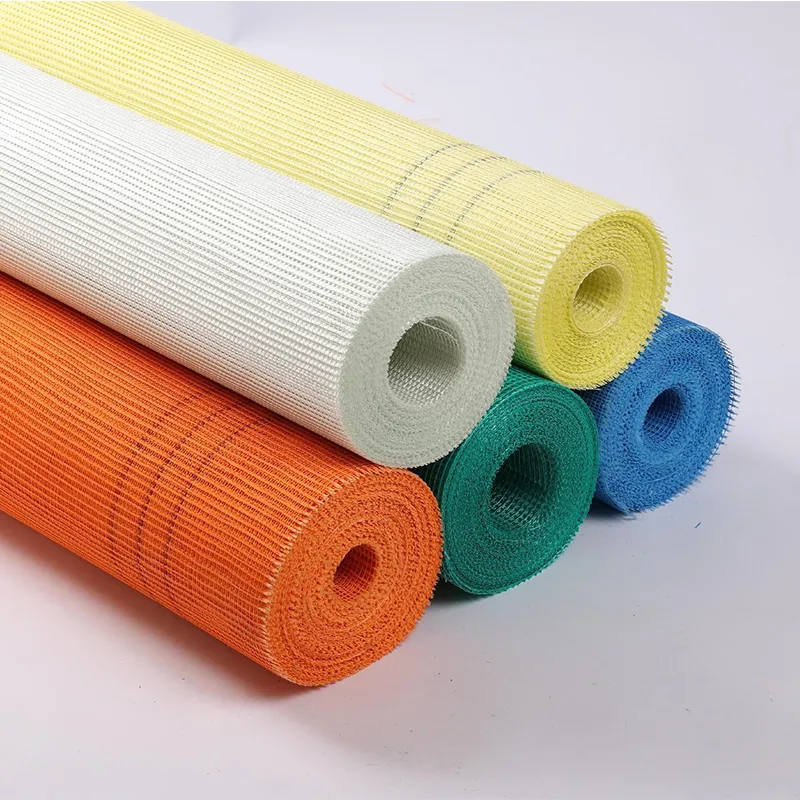
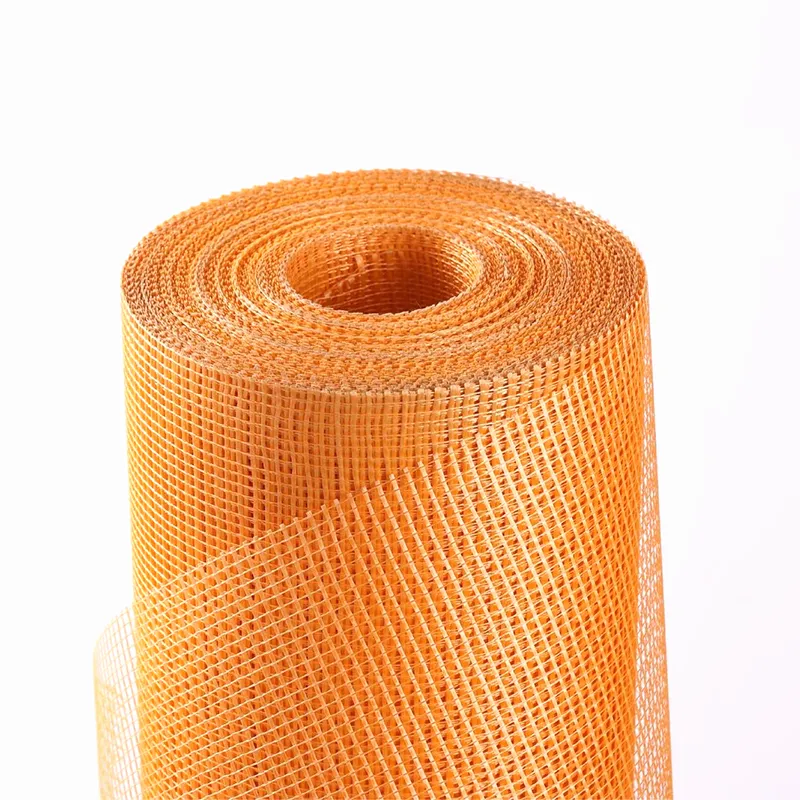
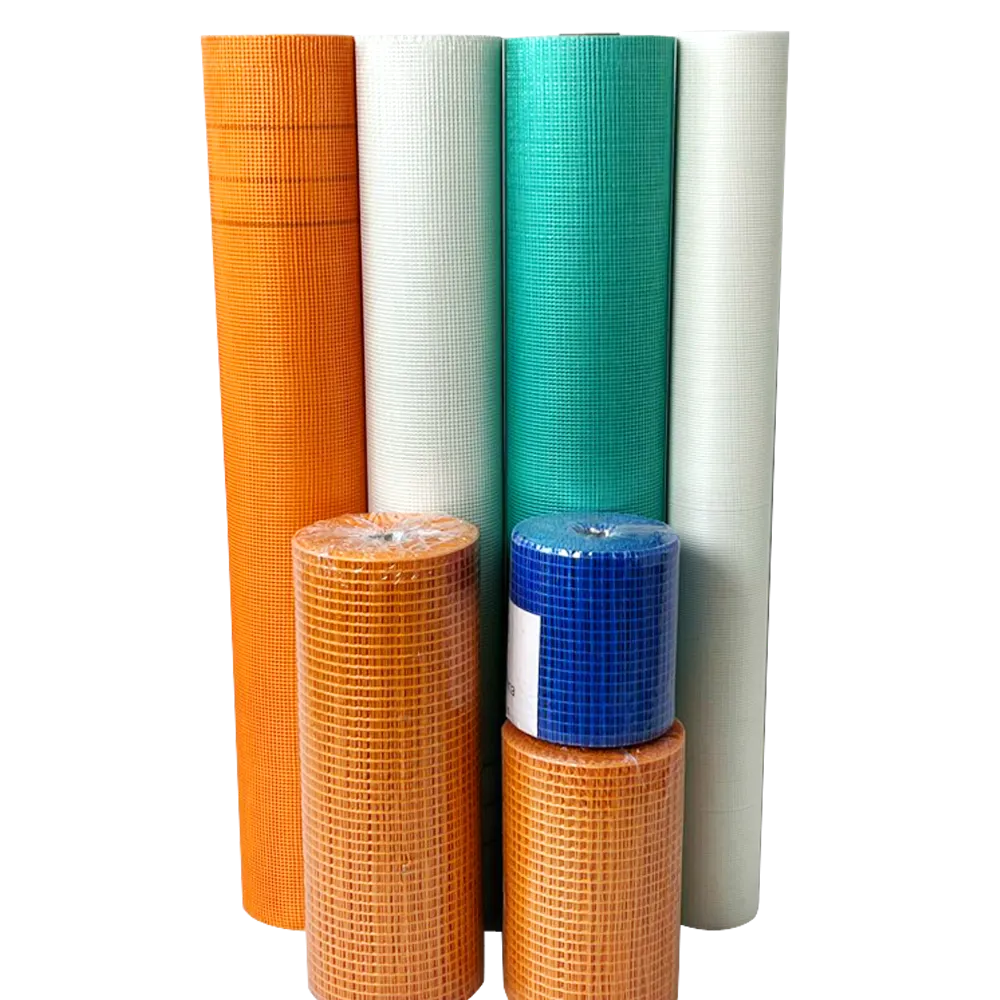
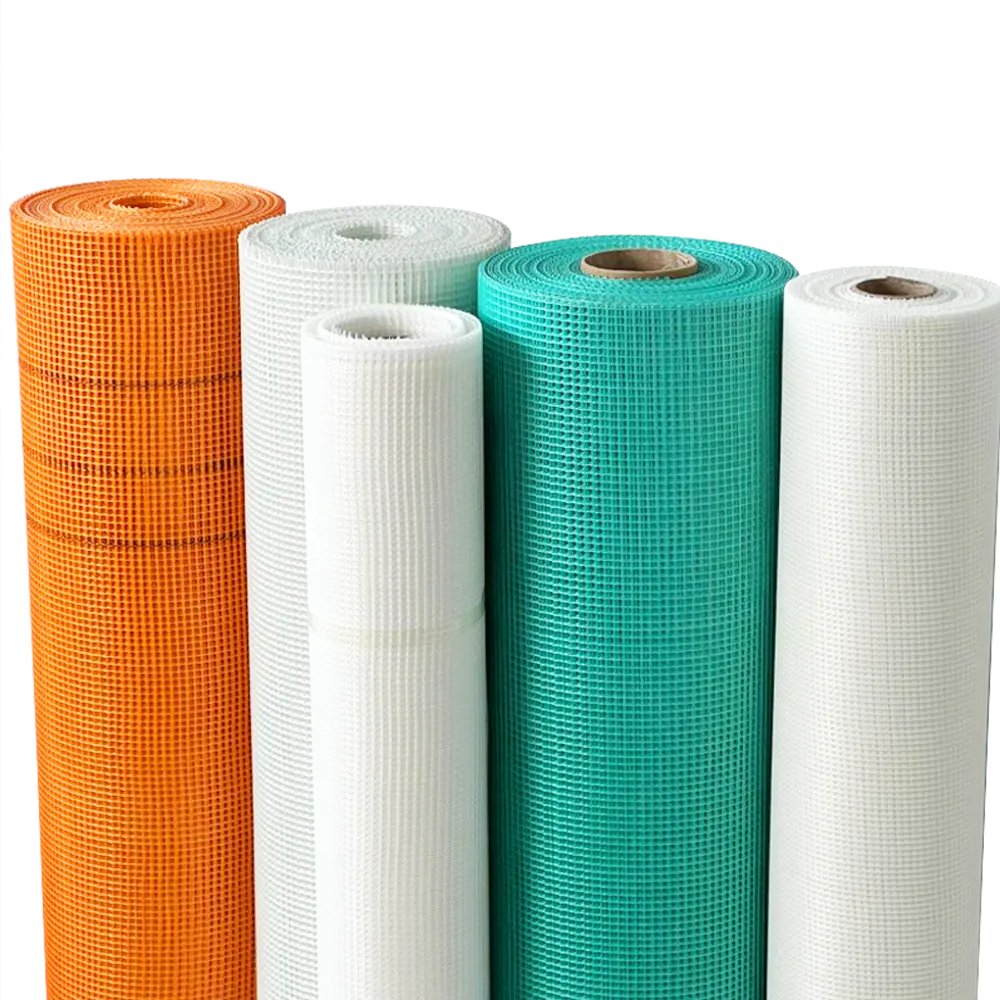
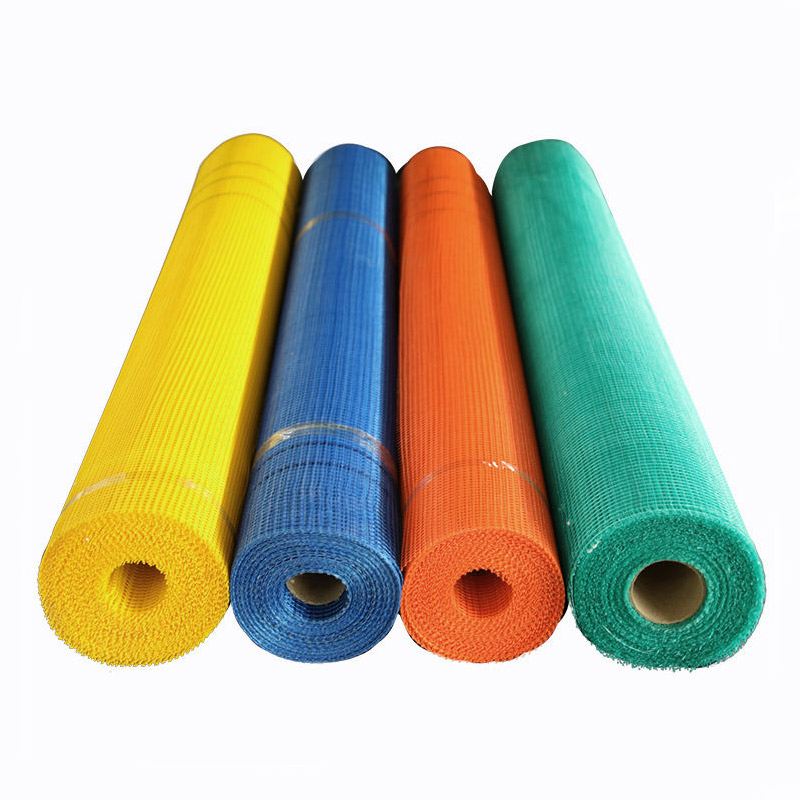
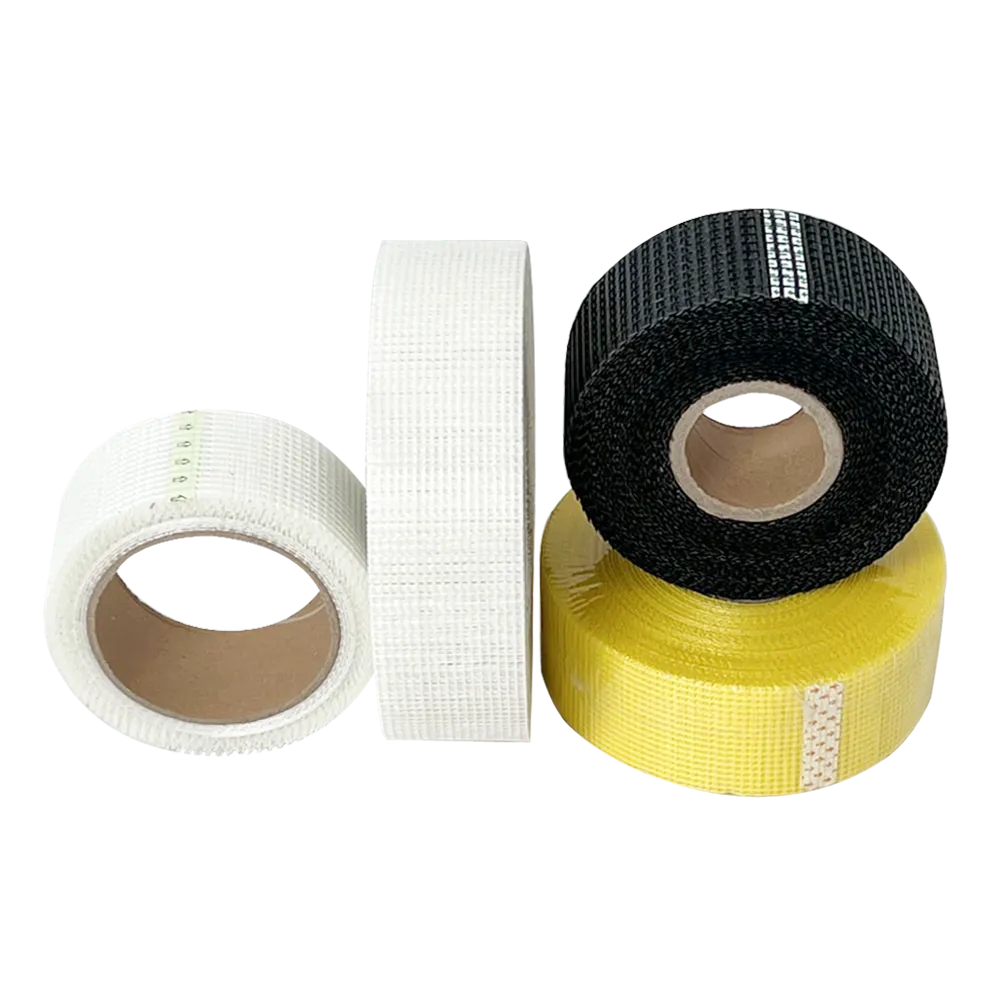
Simply put, a black fibreglass mesh manufacturer produces woven or knitted materials primarily made from fibreglass yarns dyed black. This dark coloration isn’t just cosmetic; it enhances UV resistance and heat absorption, making the mesh more durable outdoors.
These manufacturers specialize in producing meshes that serve as reinforcement in concrete, insulation supports, or safety gear components. Their products are essential in industries from civil engineering to aerospace, often bridging the gap between performance needs and economic feasibility. Oddly enough, despite its technical nature, it often goes unnoticed—except when something fails, of course.
Core Components and Key Aspects
Durability
Black fibreglass mesh resists corrosion and chemical degradation far better than steel or traditional fibers, ensuring structures last decades longer. For a manufacturer, providing this reliable quality is their bread and butter.
Scalability
Top manufacturers can produce meshes from light-weight, fine gauges to heavy-duty industrial grades, matching everything from small DIY projects to large infrastructure builds.
Cost Efficiency
While initial investment may be higher than cheaper materials, the lifecycle costs drop significantly due to less maintenance and replacement—a clear win over time.
Customization
From mesh sizes to fiber thickness and coating treatments, manufacturers tailor their products to diverse client needs, improving compatibility with specific applications.
Environmental Sustainability
Fibreglass, being non-corrosive and often recyclable, helps reduce waste in construction. Many manufacturers focus on lowering emissions during production, aligning with ISO environmental standards.
Mini Takeaway
Black fibreglass mesh manufacturers combine durability, scalability, and eco-conscious methods to offer solutions that industries worldwide rely on—fundamentally changing how we build, protect, and innovate.
Applications Around the Globe
The uses of black fibreglass mesh span continents and industries. In Europe, reinforced concrete construction increasingly incorporates fibreglass mesh to resist rebar corrosion caused by saltwater. In Asia’s booming smart cities, architects use these meshes for sustainable buildings that meet stringent energy codes. Meanwhile, humanitarian NGOs in Africa turn to fibreglass mesh for creating durable, quick-assembly shelter frameworks after natural disasters.
Even in remote industrial zones, such as mining operations in Australia, fibreglass mesh helps shield equipment and personnel from dust and debris, showcasing the material’s versatility.
Advantages and Long-Term Value
Interest in black fibreglass mesh comes down to tangible benefits:
- Cost savings over time: Less replacement.
- Environmental benefits: Recyclable and lower emissions.
- Social impact: Safe, reliable infrastructure builds community trust.
- Innovation: Material flexibility enables novel construction techniques.
On a human level, using such meshes means safer homes, better infrastructure resilience to disasters, and ultimately, dignity for communities relying on these materials.
Future Trends and Innovations
The future looks promising. Manufacturers are investing in:
- Bio-based coatings to enhance biodegradability.
- Integration with smart sensors for real-time infrastructure monitoring.
- Automation and digital weaving techniques for ultra-precise mesh patterns.
- Collaborative green policies that encourage sustainable sourcing and recycling.
These advances dovetail nicely with the global push for greener and smarter cities, and frankly, it’s exciting to watch.
Challenges and Expert Insights
Despite obvious strengths, challenges exist:
- Cost barriers: Higher upfront costs may deter some buyers.
- Supply chain disruptions: Raw material availability can fluctuate.
- Technical limitations: Not always suitable for every climate or application without modification.
To overcome these, manufacturers increasingly partner with local suppliers, innovate low-cost production, and collaborate with research institutes to improve material properties and application techniques.
FAQ: Your Questions About Black Fibreglass Mesh Manufacturers
- What differentiates black fibreglass mesh from other meshes?
- Black fibreglass mesh features UV protection due to its color, increased durability outdoors, and a resistance to chemicals and corrosion that surpass many metal meshes.
- How does fibreglass mesh contribute to sustainable construction?
- It reduces the need for steel reinforcement, lowering carbon footprints while offering recyclable options, and often requires less maintenance, extending building lifespan.
- Can these manufacturers customize mesh for unique industrial needs?
- Absolutely. Most black fibreglass mesh manufacturers offer tailored mesh sizes, thicknesses, and coating options depending on intended use, ensuring compatibility.
- Are fibreglass meshes suitable for use in extreme climates?
- Yes, with proper formulation and coatings, black fibreglass mesh performs exceptionally well in corrosive, humid, or high-UV environments.
- How can international buyers source quality black fibreglass mesh?
- Working through reputable suppliers like black fibreglass mesh manufacturer ensures tested, certified products and smooth logistics.
Product Specification Table
| Specification | Typical Values | Notes |
|---|---|---|
| Mesh Aperture | 2mm - 10mm | Customizable per application |
| Fiber Diameter | 10-25 microns | Fine vs heavy duty grades |
| Tensile Strength | >2000 MPa | Excellent structural reinforcement |
| UV Resistance | Up to 5000 hours | Due to black pigmentation |
| Weight | 20 - 150 g/m² | Varies by mesh density |
Vendor Comparison Table
| Manufacturer | Product Range | Customization | Lead Time | Certifications |
|---|---|---|---|---|
| Tainuo Fiberglass Mesh | Wide (industrial to fine meshes) | High customization | 3-4 weeks | ISO 9001, CE |
| Global Mesh Co. | Moderate range | Moderate customization | 4-6 weeks | ISO 14001 |
| Fiberglass Solutions Ltd | Niche industrial grades | Low customization | 2-3 weeks | ISO 9001 |
Conclusion & Call To Action
In sum, the world’s black fibreglass mesh manufacturers play a vital role in addressing the material demands of an evolving global landscape—whether that’s in ambitious urban projects, environmentally responsible construction, or urgent humanitarian responses. By combining innovation with sustainable practices, these manufacturers provide assurance that structures are safer, longer-lasting, and more adaptable to future challenges.
If you want to explore top-quality products crafted with precision and care, I recommend checking out black fibreglass mesh manufacturer — a reliable name with a deep understanding of industry needs.
Final Reflection
Thinking about it, materials like black fibreglass mesh often don’t get their due credit in the public eye. Yet, without them, much of today’s safe and sustainable construction simply wouldn’t be possible. It’s a subtle reminder of how intertwined technology and human progress are—sometimes in the most unexpected ways.
References
-
High Strength Self Adhesive Fibreglass Mesh Tape for ConstructionNewsJul.01,2026
-
High Quality Adhesive Fibreglass Mesh for Modern ConstructionNewsJun.29,2026
-
Professional Guide to High Strength Glass Fiber Joint TapeNewsJun.27,2026
-
Professional Fibreglass Tape for Plasterboard Joint Repair GuideNewsJun.26,2026
-
Professional Guide to Seamless Walls using fiberglass drywall tapeNewsJun.25,2026
-
How to Choose the Best Plaster Net Companies for Your ProjectNewsJun.23,2026