Dec . 03, 2025 15:58 Back to list
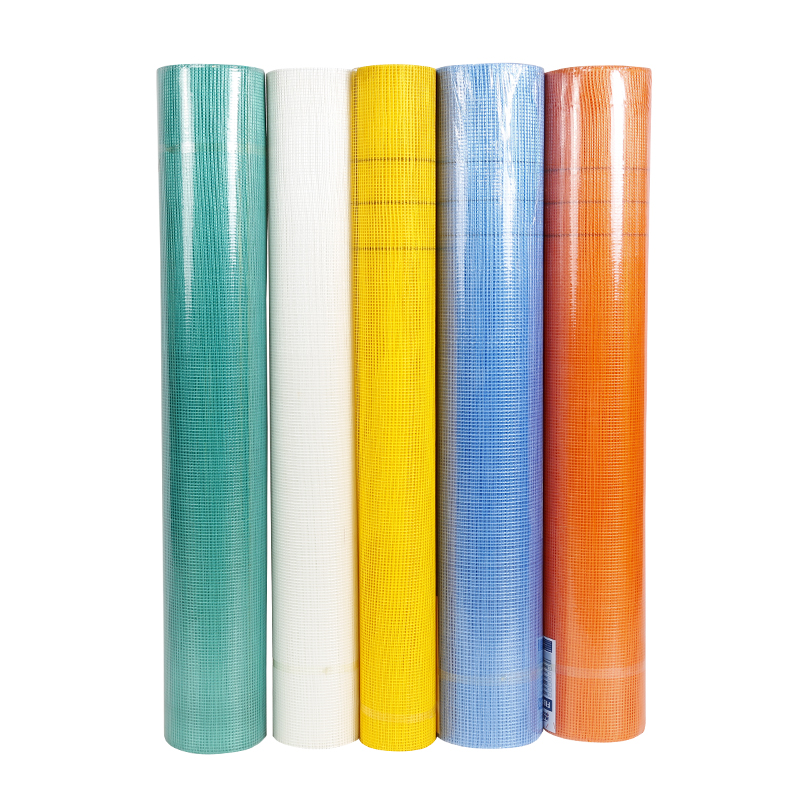
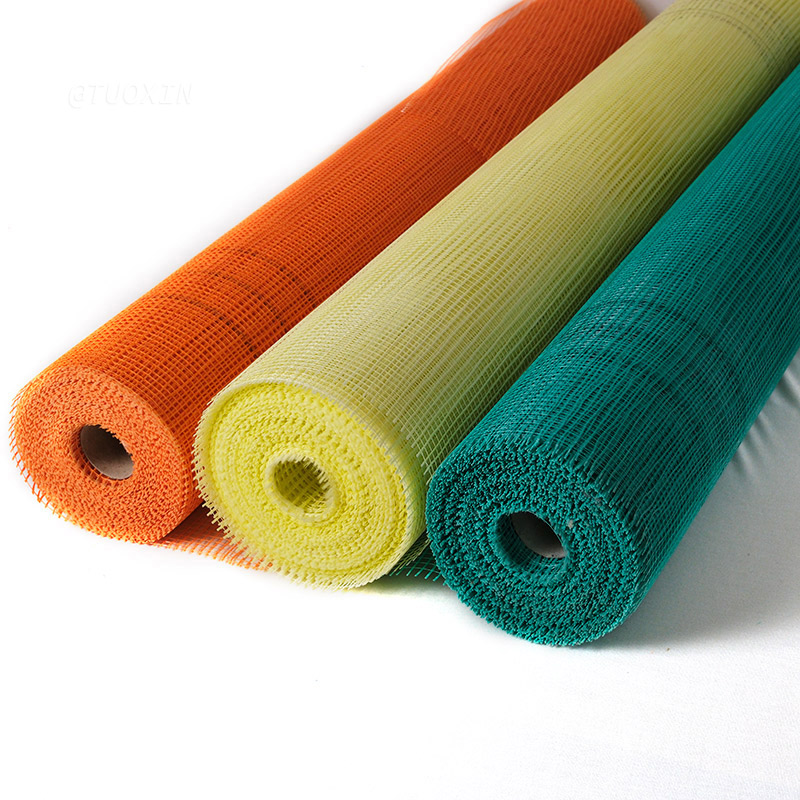
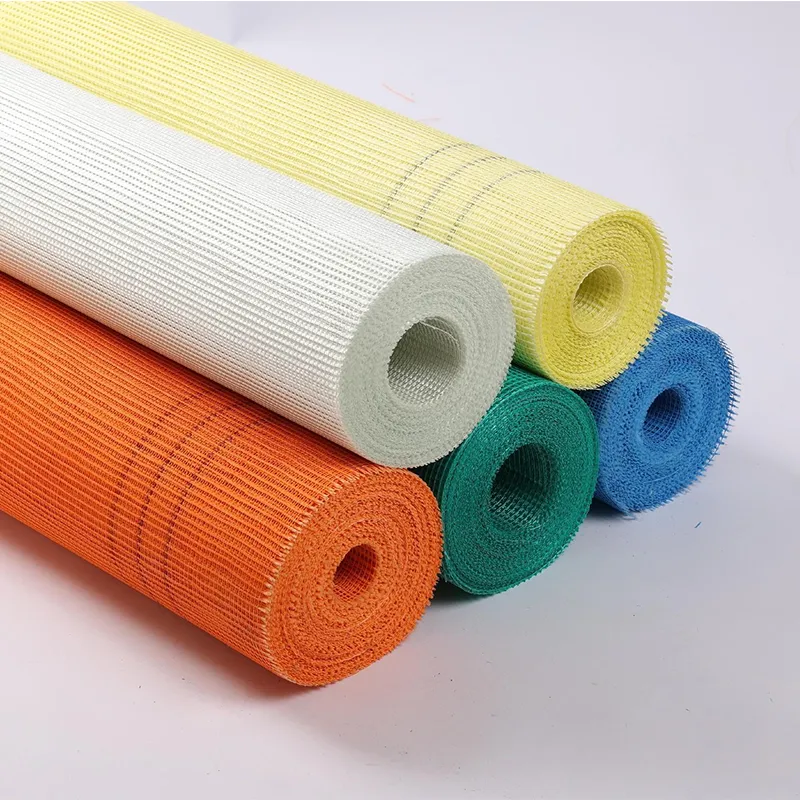
Reliable Plaster Mesh Roll Manufacturer for Quality Fiberglass Mesh
Plaster Mesh Roll Manufacturer: Choosing the Right Partner
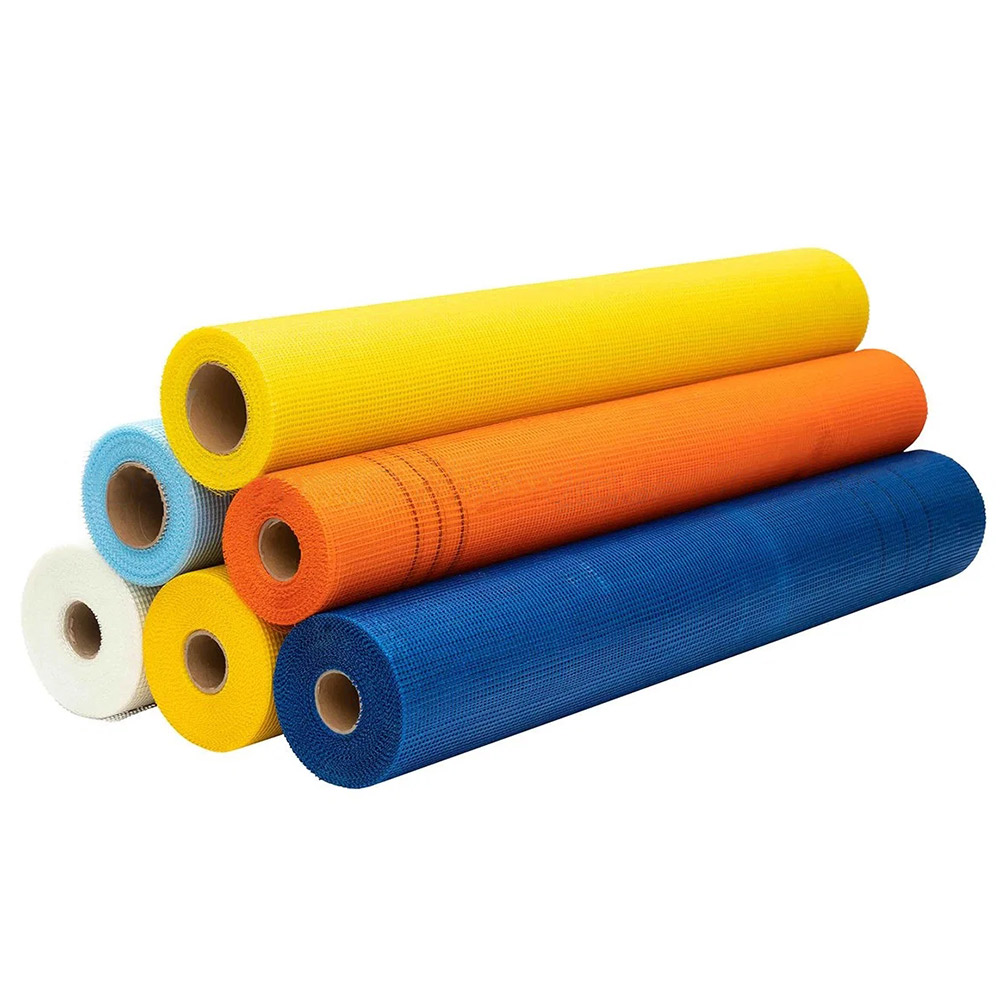
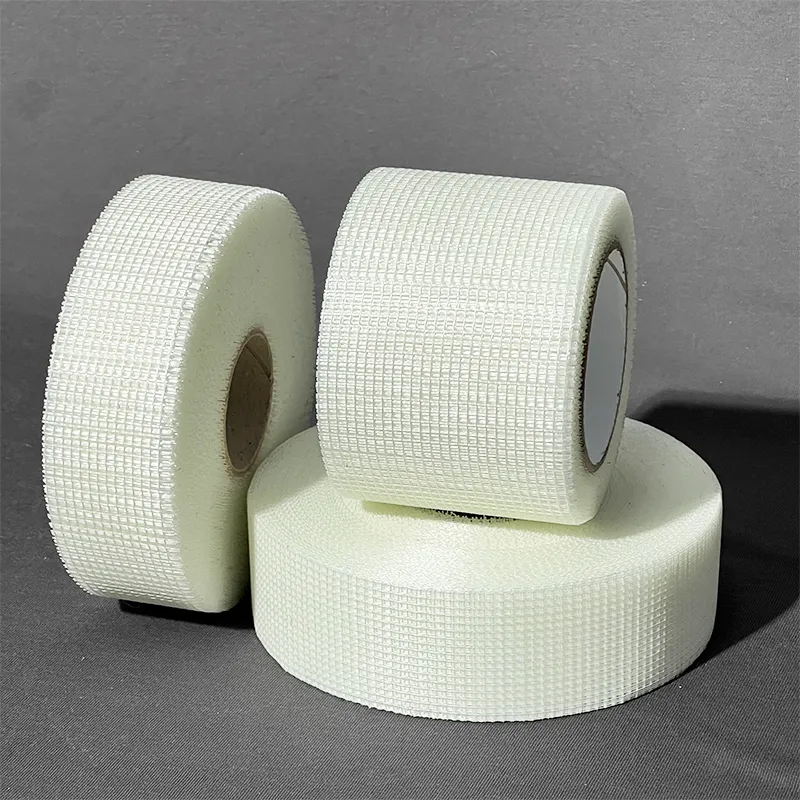
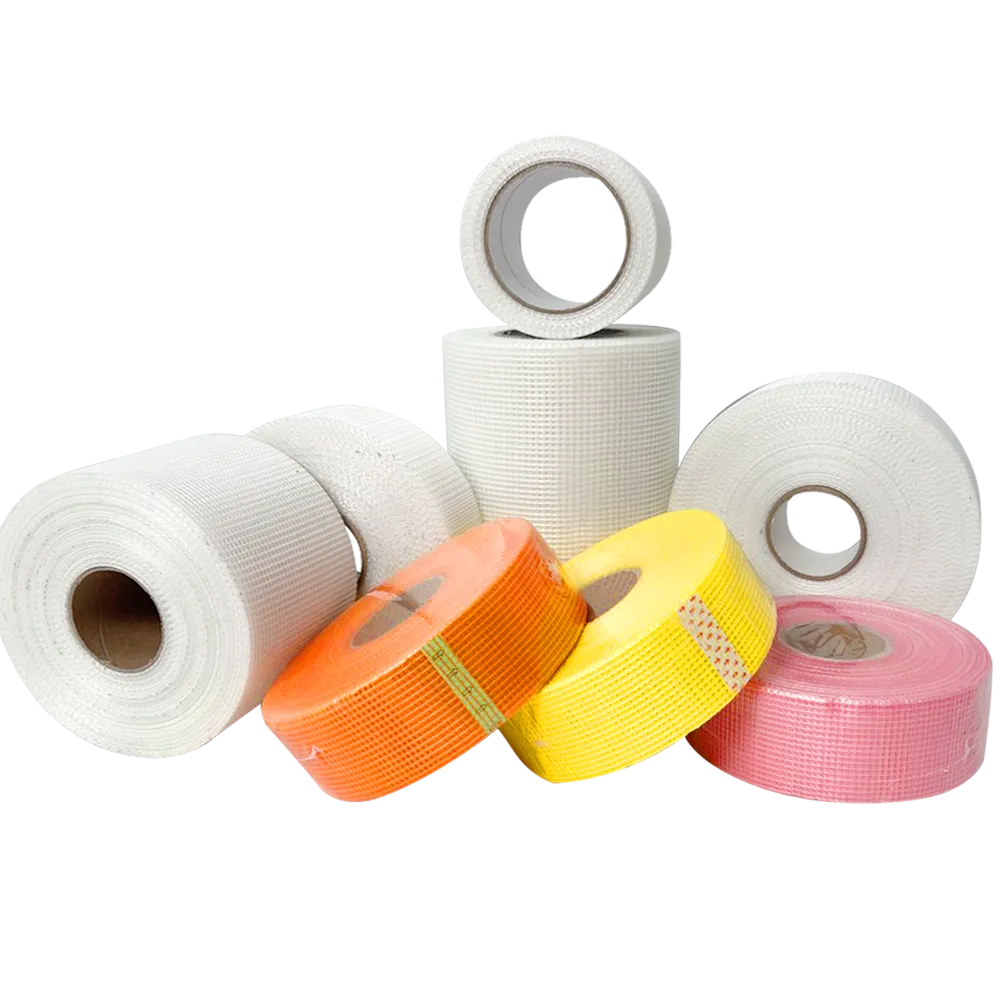
I’ve spent a fair share of years in the industrial equipment sector, especially around construction materials that often fly under the radar—for instance, plaster mesh rolls. Oddly enough, these simple-looking products actually make or break the quality of a plaster finish. Over time, I noticed that having a reliable plaster mesh roll manufacturer on hand can save headaches, labor, and frankly a lot of money in repair work down the line.
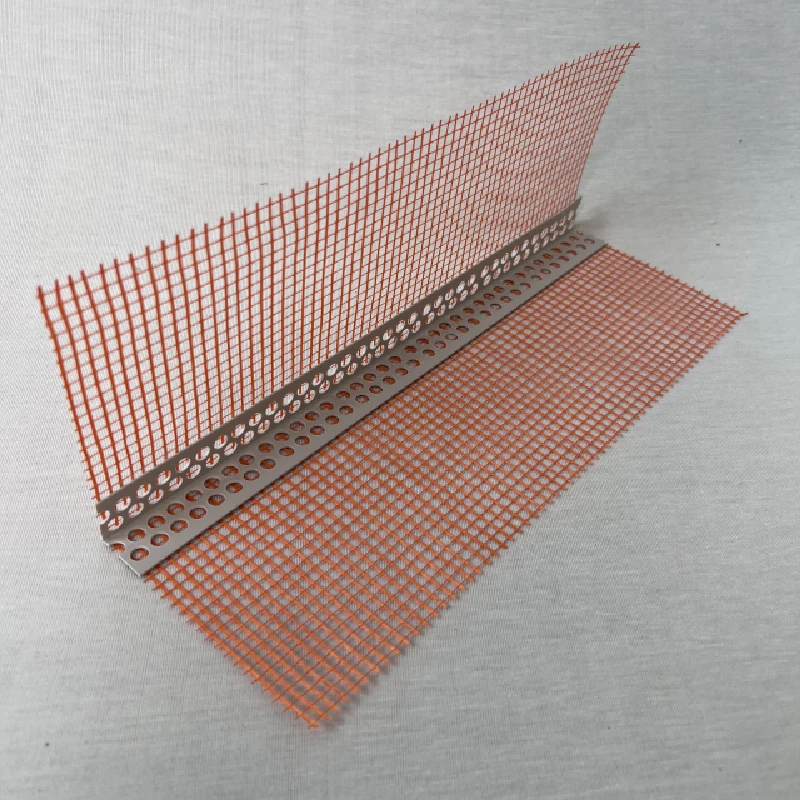
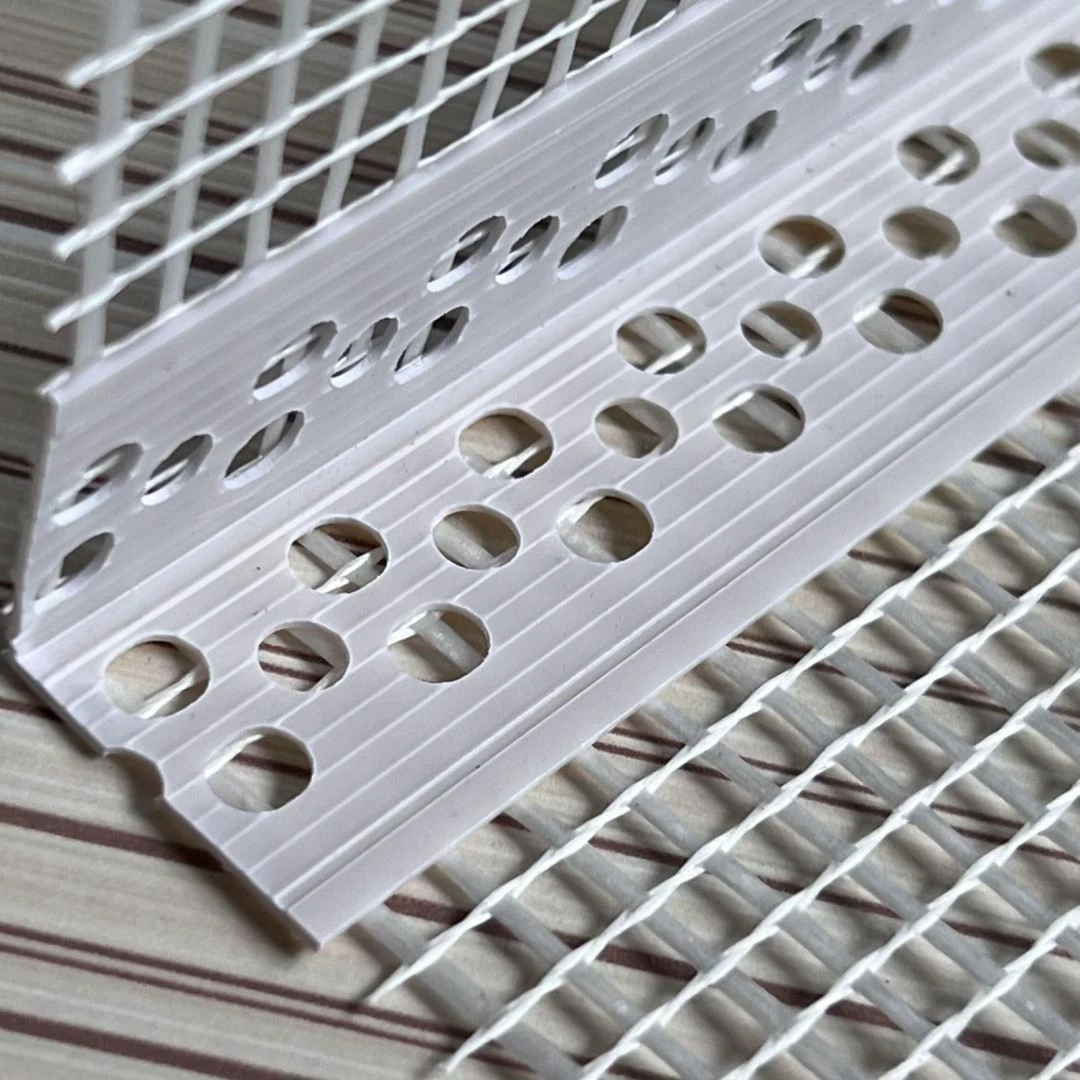
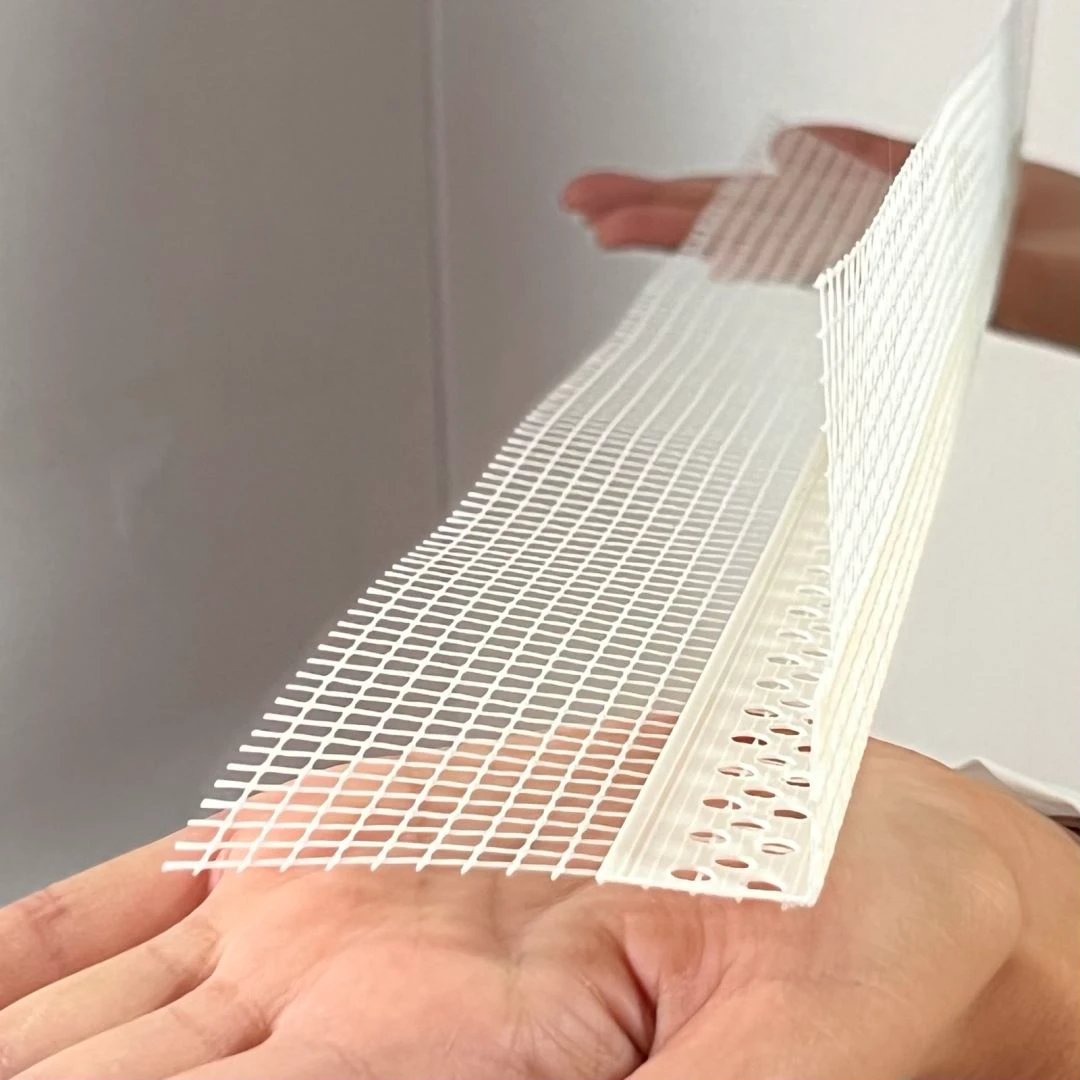
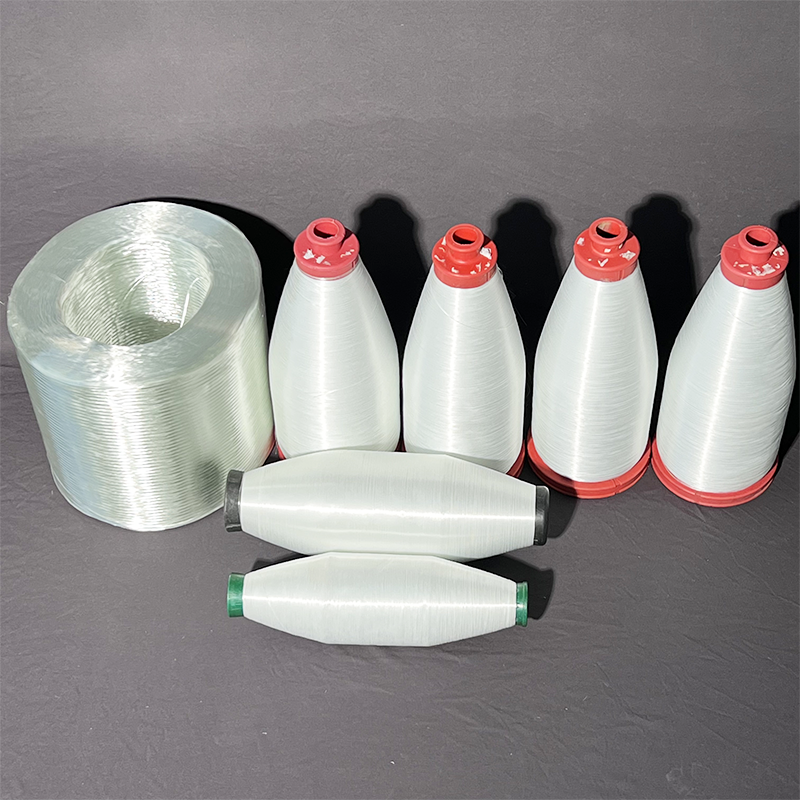
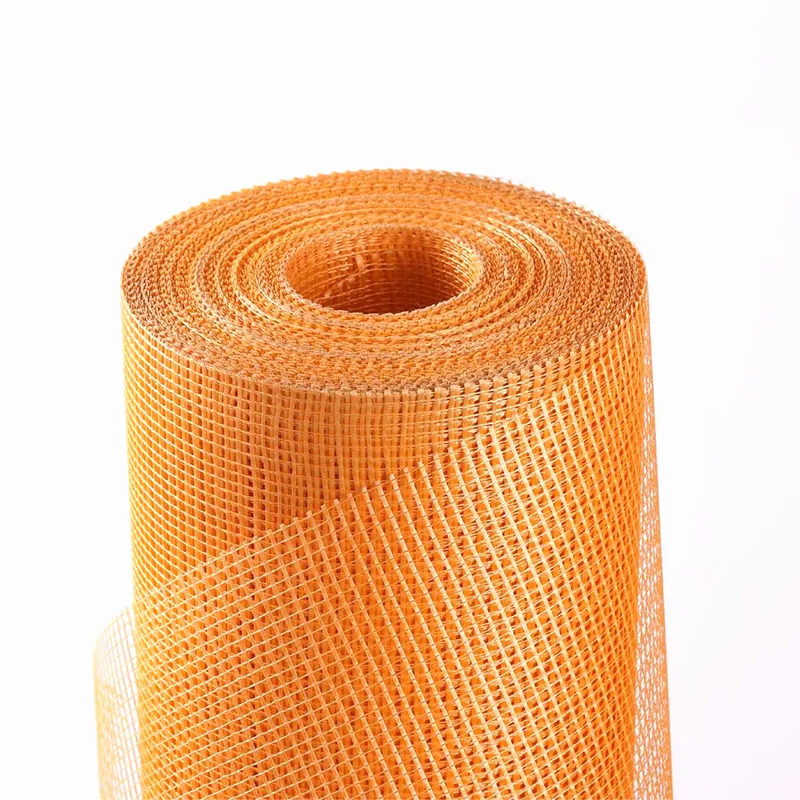
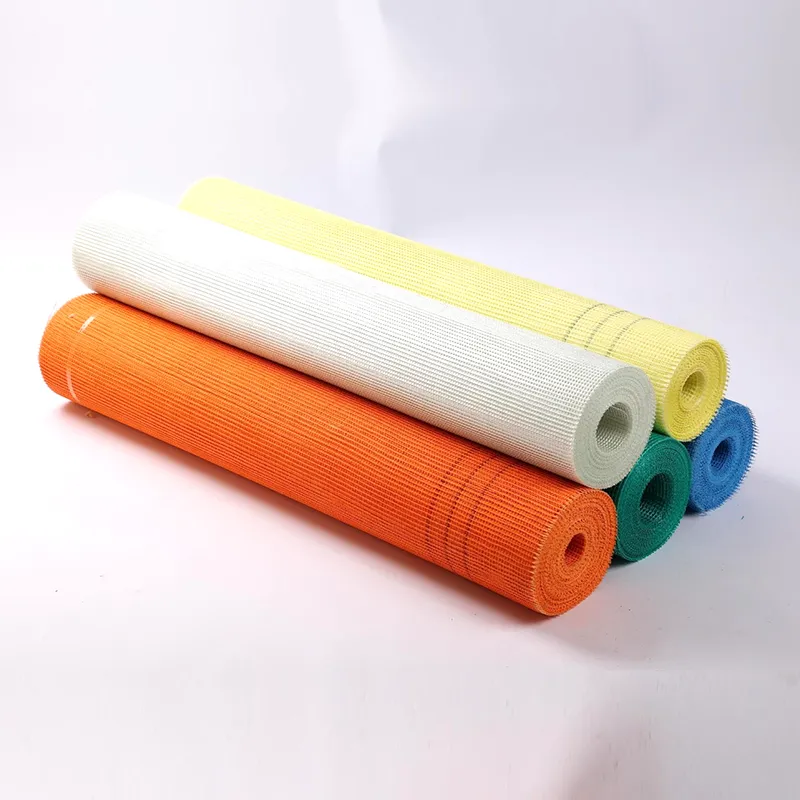
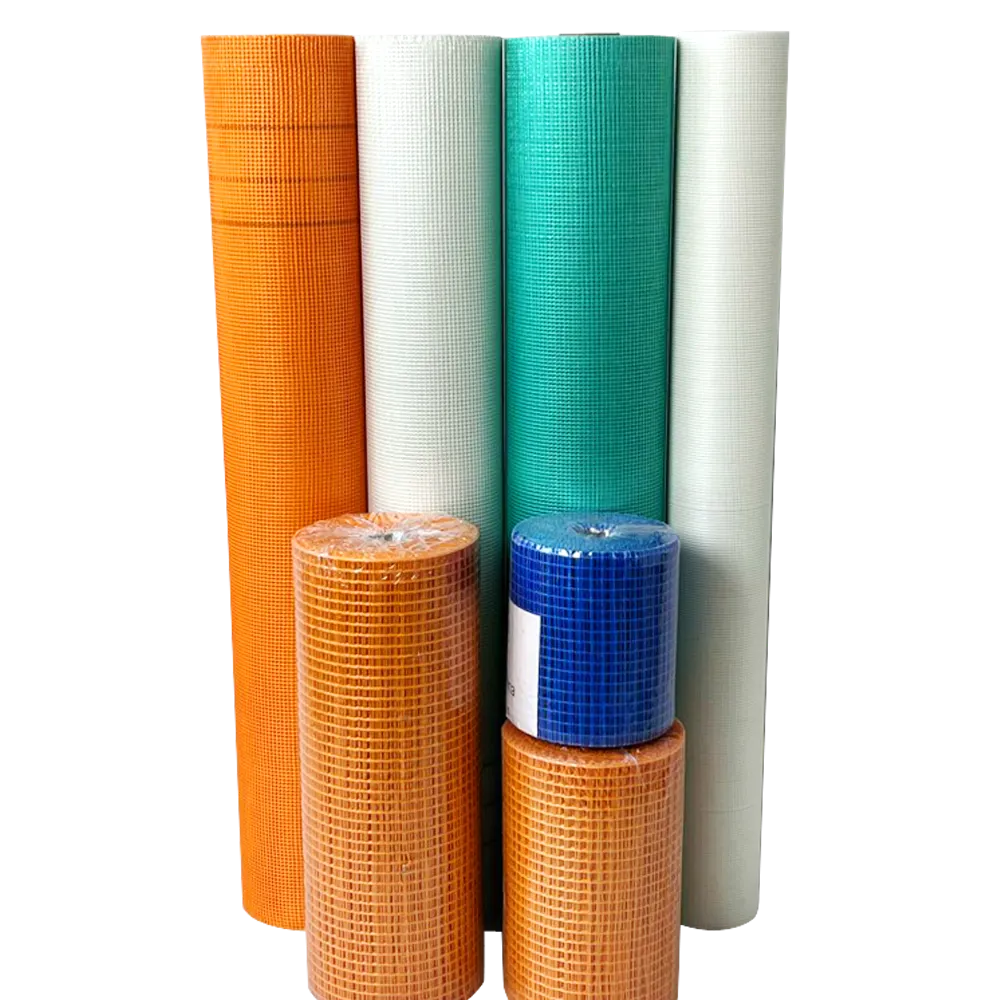
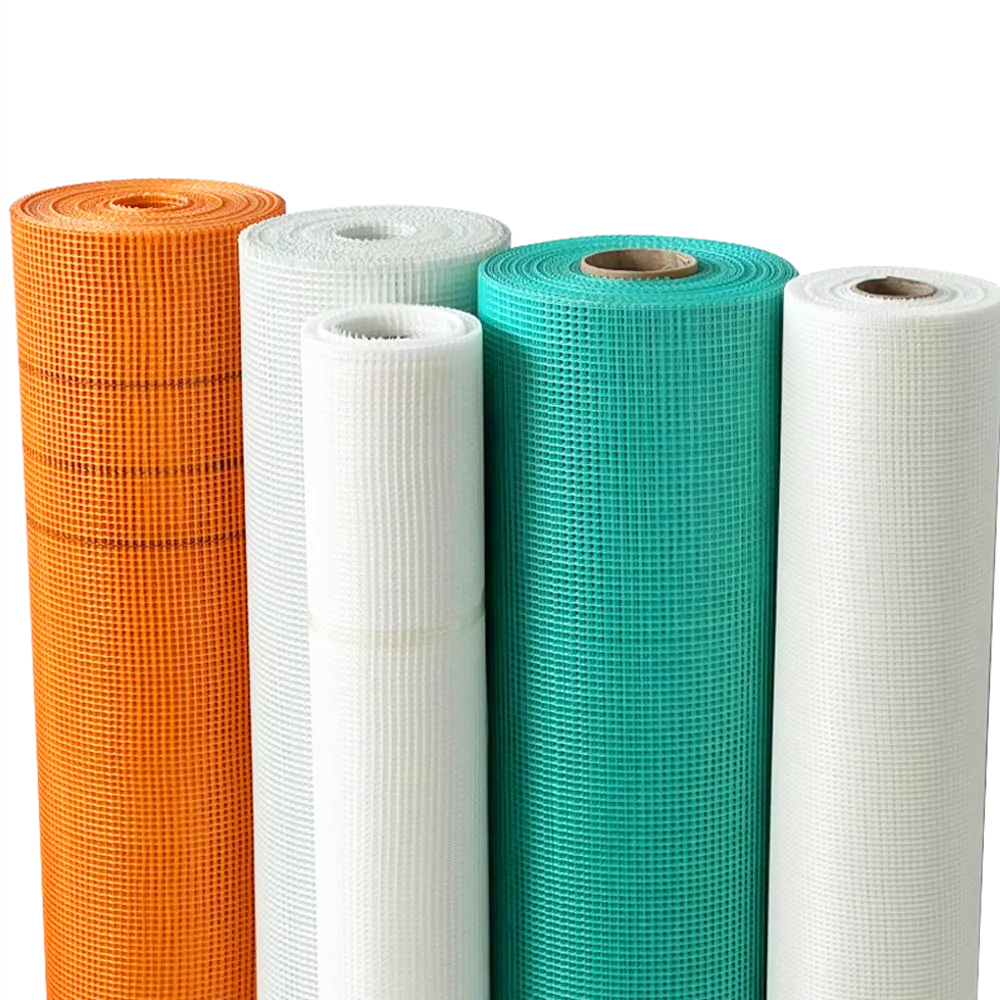
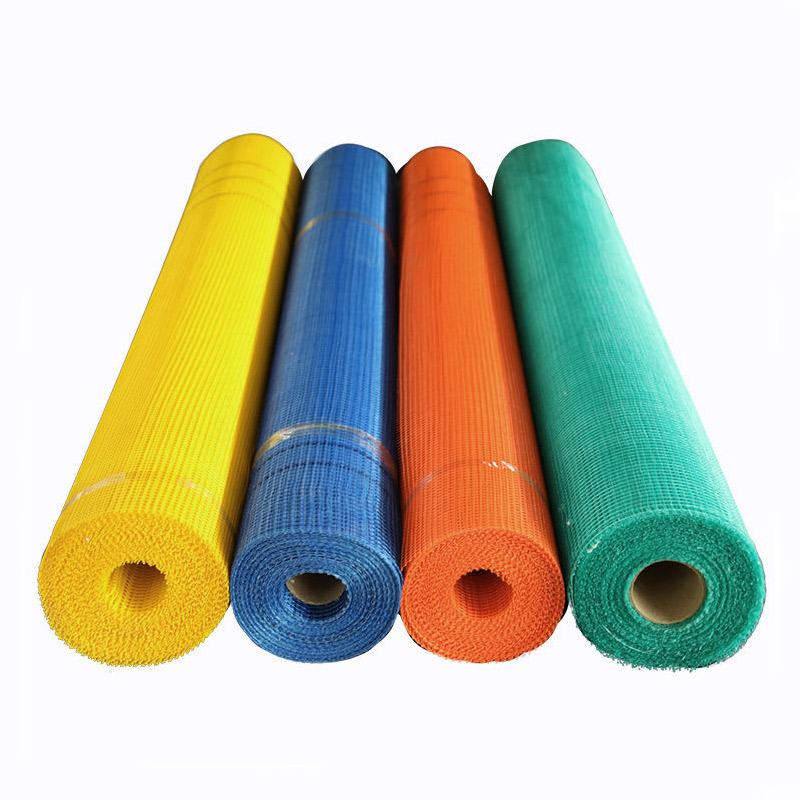
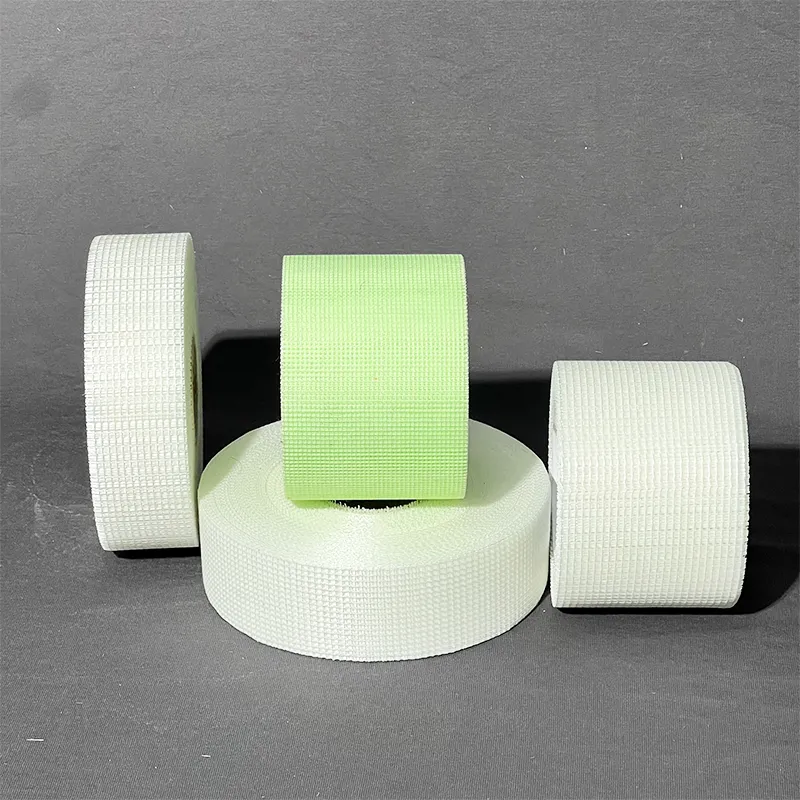
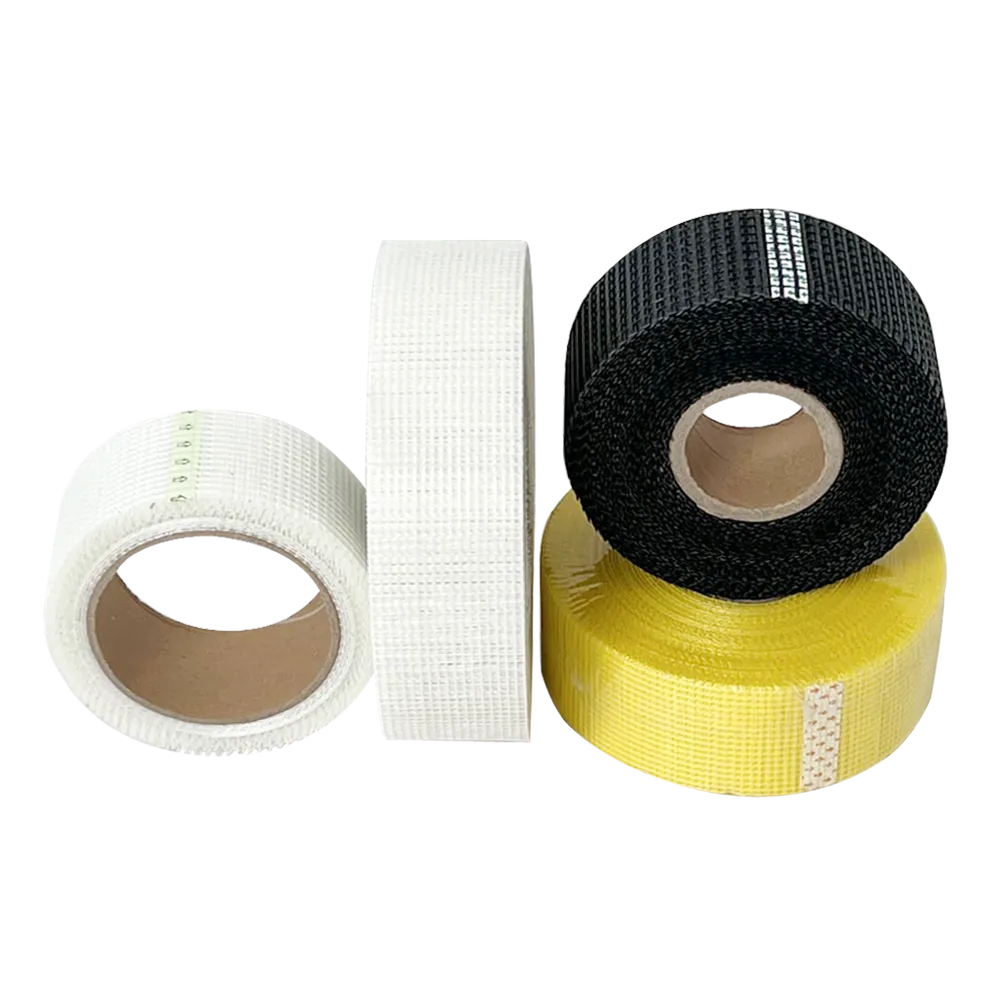
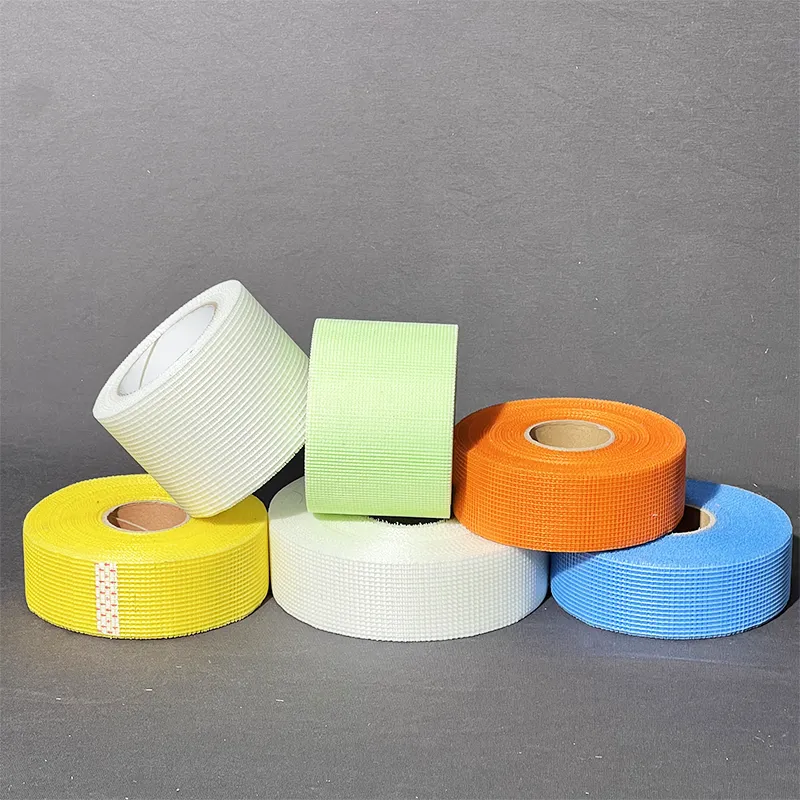
These mesh rolls are typically made from fiberglass—robust yet flexible—to reinforce plaster walls and ceilings, preventing cracks. You can find variations, but the quality and customization options drastically impact how well the mesh integrates with different plaster mixes. In many projects, engineers I’ve worked with stress the importance of choosing the right mesh density and roll size depending on the surface type.
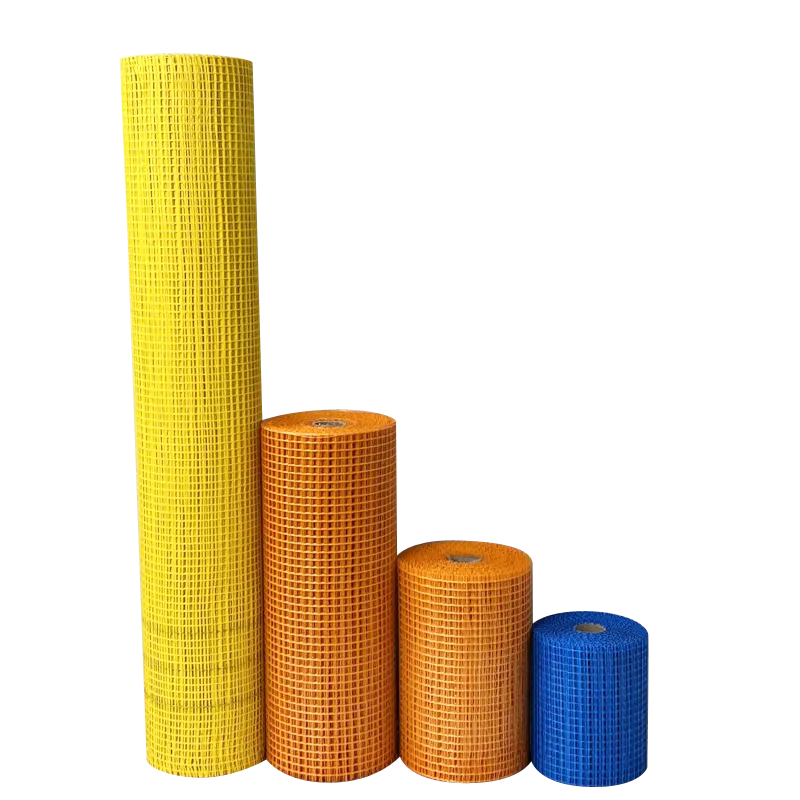
Let’s talk design: the mesh needs to balance strength with permeability. If it’s too dense, plaster doesn’t adhere well. Too loose, and it doesn’t reinforce properly. Many manufacturers offer customization on mesh aperture and roll length, which can be a lifesaver for unique jobs. I remember one project where a customized mesh roll enabled an architectural feature that standard products just couldn’t handle.
Testing is where manufacturers separate themselves. Good plaster mesh roll manufacturers run tensile strength, alkali resistance, and UV resistance tests regularly. I always ask about these metrics because cheap alternatives tend to degrade quickly, ruining expensive finishes.
plaster mesh roll manufacturer availability isn’t just about specs; timely delivery and after-sale support count for a lot. This industry is sometimes quirky in that regard.| Spec | Details |
|---|---|
| Material | Alkali-Resistant Fiberglass |
| Mesh Size | 4x4 mm to 10x10 mm apertures |
| Roll Width | 1 m to 1.5 m |
| Roll Length | 50 m to 100 m per roll |
| Tensile Strength | ≥1100 MPa |
| Alkali Resistance | ≥200 hours (stable performance) |
Now, on to something I find quite practical—a vendor comparison. In real terms, some manufacturers shine by offering excellent quality coupled with customization flexibility and solid logistics. Others may be cheaper but lack thorough testing or consistent quality.
| Manufacturer | Quality & Testing | Customization Options | Delivery Speed | Price Range |
|---|---|---|---|---|
| Tainuo Fiberglass Mesh | Extensive alkali & tensile testing | Highly flexible (aperture, length, width) | Standard: 7–10 days | Mid to high |
| Vendor B | Basic tensile tests only | Limited (mostly roll length) | 14+ days | Lower |
| Vendor C | Moderate testing, UV resistant | Medium (aperture & roll width) | 10–12 days | Mid-range |
To wrap it up, for anyone who’s been around plaster work and construction, you know it’s the little things—like mesh rolls—that have oversized impact. The reliability and quality from a trusted plaster mesh roll manufacturer can’t be overstated. It’s one of those products you don’t think about until the finish cracks, and by then, it’s too late.
Honestly, the nod goes to manufacturers that combine tested materials, customizable specs, and attentive support. That mix is gold for both contractors and engineers alike.
Just a quick story — years back a customer called me up, frustrated after a batch of mesh rolls failed mid-project, causing costly delays. A switch to a proven manufacturer resolved it, and they never looked back.
If you’re in the market, looking for quality and dependability in plaster mesh rolls, this info might save you some headaches.
In case it helps, I gathered some references below for further reading:
- Technical datasheets from trusted fiberglass mesh producers
- Industry standards on alkali-resistant mesh materials
- Case studies in construction management journals
-
Best Fiberglass Mesh Tape for RedGard Product Waterproofing GuideNewsApr.16,2026
-
Why High Strength Fiberglass Mesh Is Essential For Stucco ApplicationNewsApr.15,2026
-
Why Alkali Resistant Fiberglass Mesh Tape Is Essential For Cement Board And Tile InstallationsNewsApr.15,2026
-
Understanding The Role Of Drywall Fiberglass Mesh In Interior FinishingNewsApr.15,2026
-
Ultimate Guide To Using Fiberglass Mesh Tape For Drywall And Plaster RepairsNewsApr.15,2026
-
The Versatility Of Fiberglass Mesh In Marble And Stone MosaicNewsApr.15,2026