Oct . 02, 2025 12:35 Back to list
EIFS PVC Corner Beads With Fiberglass Mesh—Crack-Free Edges?
Why Contractors Are Switching to Eifs Pvc Corner Beads With Fiberglass Mesh For Construction Material
Corner protection used to be an afterthought. Not anymore. On modern EIFS jobs, the right bead-mesh combo can trim hours off finishing and safeguard corners long after handover. I’ve walked enough sites to know: the difference between a crisp façade and one that looks “wobbly” often comes down to the bead, the mesh, and how they marry.

What it is (and where it comes from)
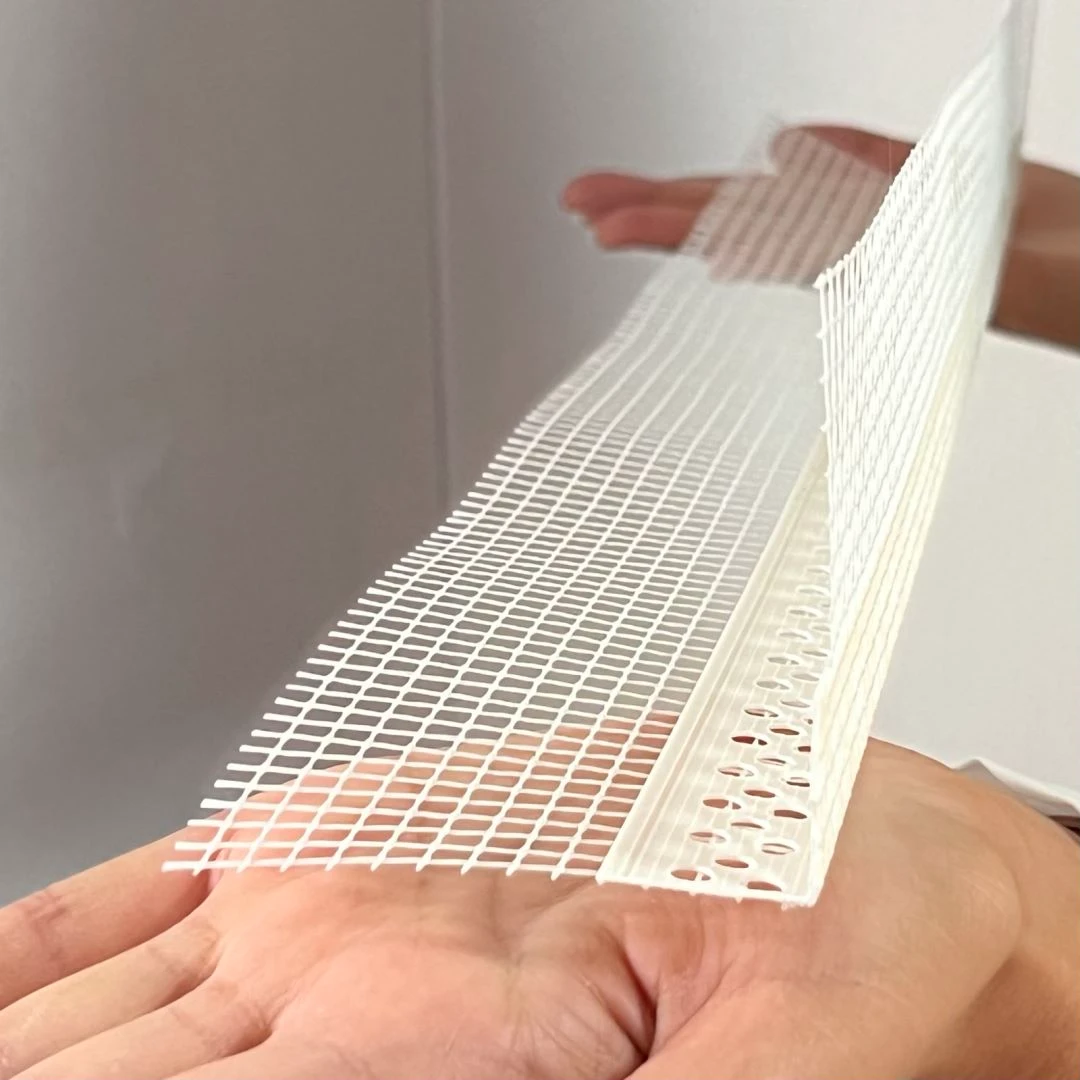
The Eifs Pvc Corner Beads With Fiberglass Mesh For Construction Material integrates a PVC perforated corner bead with alkali-resistant fiberglass mesh, factory-bonded for quick installation. It’s built in Xiaomen Village, Yilunbao Township, Renqiu City, Hebei Province, China—an area that, to be honest, has quietly become a reliable cluster for EIFS consumables.
Why the industry cares now
Trends are clear: labor is tight, façade warranties are stricter, and architects aren’t forgiving about crooked sun-lit corners. Many contractors tell me they’re standardizing on bead+mesh assemblies because they improve corner straightness, reduce cracking at gables, and look cleaner indoors and out.

Key specs (real-world values)
| PVC grade | Rigid PVC-U, ASTM D1784 cell class ≈ 12454 |
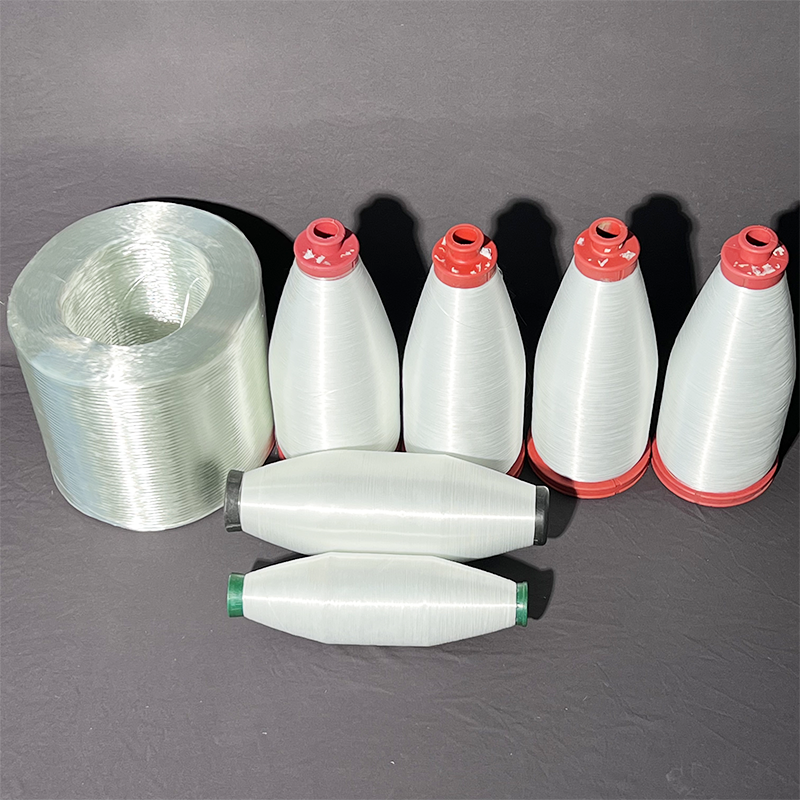
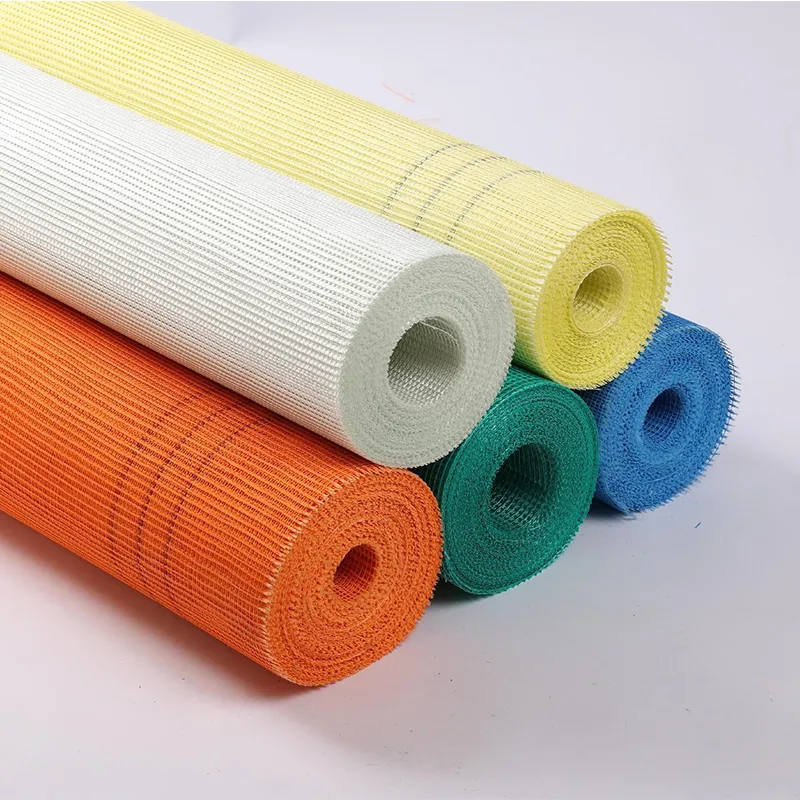
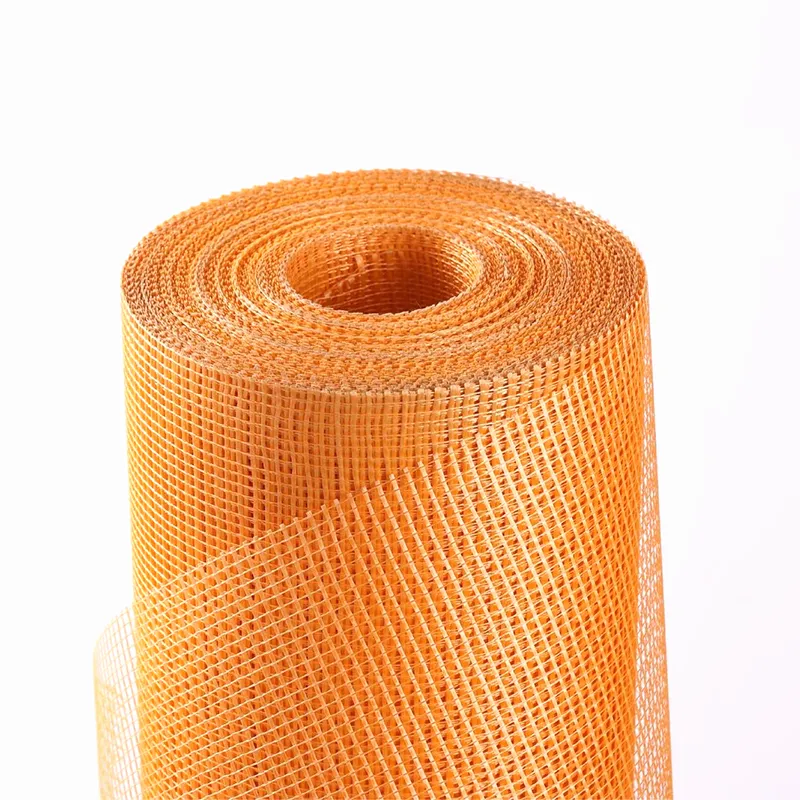
| Fiberglass mesh | E-glass, alkali-resistant coating; 145–160 g/m² (options 125–200 g/m²) |
| Mesh opening | ≈ 4 × 4 mm (other grids on request) |
| Bead thickness / flange | ≈ 0.8–1.2 mm / 25–35 mm per side |
| Length per piece | 2.5 m standard (2.0–3.0 m custom) |
| UV/alkali resistance | ISO 4892-2 exposure; >90% tensile retention after alkali test (per ETAG 004 guidance) |
| Color | White (others available) |
| Estimated service life | ≥ 25 years in EIFS when installed per EN 13499/ASTM E2568; real-world use may vary |
How it’s made (quick process flow)
Materials: PVC-U with TiO₂ UV stabilizers; E-glass mesh with acrylic/AR coating. Methods: precision extrusion of perforated bead → thermal bonding of mesh to flanges → size trimming → straightness check (±0.5 mm/m) → packaging. Testing: alkali soak retention, UV exposure (ISO 4892-2), system compliance checked against ETAG 004 and ASTM E2568. It sounds dry, but consistency here saves rework later.

Where it’s used
- EIFS/ETICS façades for hotels, schools, hospitals, and residential towers. - Interior gypsum corners needing clean lines (surprisingly common on retail fit-outs). - Gable ends and board edges where impact and thermal movement meet.
Advantages contractors report
Straighter corners under raking sunlight, fewer hairline cracks at transitions, faster setting of corner lines, and nicer paint finishes. A foreman told me they shaved a day off a 3,000 m² façade just by switching to the Eifs Pvc Corner Beads With Fiberglass Mesh For Construction Material.
Vendor snapshot (comparison)
| Vendor | Mesh weight | UV stabilization | Certs | Lead time | Notes |
|---|---|---|---|---|---|
| Tainuo (Hebei) | 145–160 g/m² | TiO₂ + UV package | ISO 9001; system tested to ETAG 004/EN 13499 | 10–15 days | Good straightness, stable bonding |
| Brand X EU | ≈ 160 g/m² | UV masterbatch | ETA for system | 2–3 weeks | Higher price, wide distro |
| No-name import | 125 g/m² | Minimal | None stated | Varies | Risk of delamination, yellowing |
Customization
Options include mesh weight (125–200 g/m²), bead thickness, flange width, arch/angle radius, color, and private-label packs. For large jobs, pre-cut lengths reduce waste—small thing, decent savings.
Two quick case notes
Coastal hotel retrofit: Higher UV load; switched to UV-enhanced bead+160 g/m² mesh. After ISO 4892-2 exposure, ΔE color shift stayed under 3, and corners held line through two storm seasons.
School expansion: Impact-prone corridors; installers used Eifs Pvc Corner Beads With Fiberglass Mesh For Construction Material with denser mesh at 1.0 m height. Maintenance team reported zero corner repairs in first year.

Installation and compliance checklist
- Set true with a long level; embed mesh in basecoat per ETAG 004/EN 13499. - Overlap mesh by ≈100 mm. - For fire and system performance, follow the project’s EIFS approval (ASTM E2568 system). - Typical warranty expectation: 10 years system-level when installed per spec; service life ≈25 years.
Customer feedback
“Corners stay sharp—no waves.” “Bonding doesn’t peel during troweling.” And, I guess most telling, repeat orders on multi-tower sites.
Authoritative references
- ASTM E2568 – Standard Specification for PB Exterior Insulation and Finish Systems.
- ETAG 004 / EAD 040083-00-0404 – External Thermal Insulation Composite Systems with rendering.
- ASTM D1784 – Rigid Poly(Vinyl Chloride) (PVC) Compounds and Chlorinated PVC (CPVC) Compounds.
- ISO 4892-2 – Plastics—Methods of exposure to laboratory light sources—Xenon-arc lamps.
- EN 13499 – Thermal insulation for buildings—ETICS with EPS—Specification.
-
High Strength Self Adhesive Fibreglass Mesh Tape for ConstructionNewsJul.01,2026
-
High Quality Adhesive Fibreglass Mesh for Modern ConstructionNewsJun.29,2026
-
Professional Guide to High Strength Glass Fiber Joint TapeNewsJun.27,2026
-
Professional Fibreglass Tape for Plasterboard Joint Repair GuideNewsJun.26,2026
-
Professional Guide to Seamless Walls using fiberglass drywall tapeNewsJun.25,2026
-
How to Choose the Best Plaster Net Companies for Your ProjectNewsJun.23,2026