Dec . 02, 2025 15:12 Back to list
Comprehensive Guide on Black Fibreglass Mesh Products: Applications & Benefits
Understanding Black Fibreglass Mesh Products: Essential Insights and Global Impact
Black fibreglass mesh products might sound like an industrial niche, but their global significance is becoming impossible to overlook. As more industries demand versatile, durable materials, this mesh has carved its spot as a reliable solution — whether in construction, environmental protection, or disaster management. Understanding these products is not just a technical exercise; it reflects how innovation and materials science meet real-world needs, improving safety, efficiency, and sustainability worldwide.
Global Context: Why Black Fibreglass Mesh Matters Today
In a world increasingly focused on resilience—be it against climate challenges, urban expansion, or industrial wear and tear—the demand for materials that combine strength with flexibility grows rapidly. According to the International Organization for Standardization (ISO), the global composites market, which includes fibreglass-based materials, is expected to grow at over 8% CAGR through 2030 (ISO Composite Insights, 2023). Black fibreglass mesh products, specifically, play a significant role in reinforcing structures, controlling erosion, and even supporting humanitarian aid initiatives. Yet, challenges like cost constraints and supply-chain bottlenecks present ongoing hurdles, making knowledge around these products all the more vital.
What Exactly Are Black Fibreglass Mesh Products?
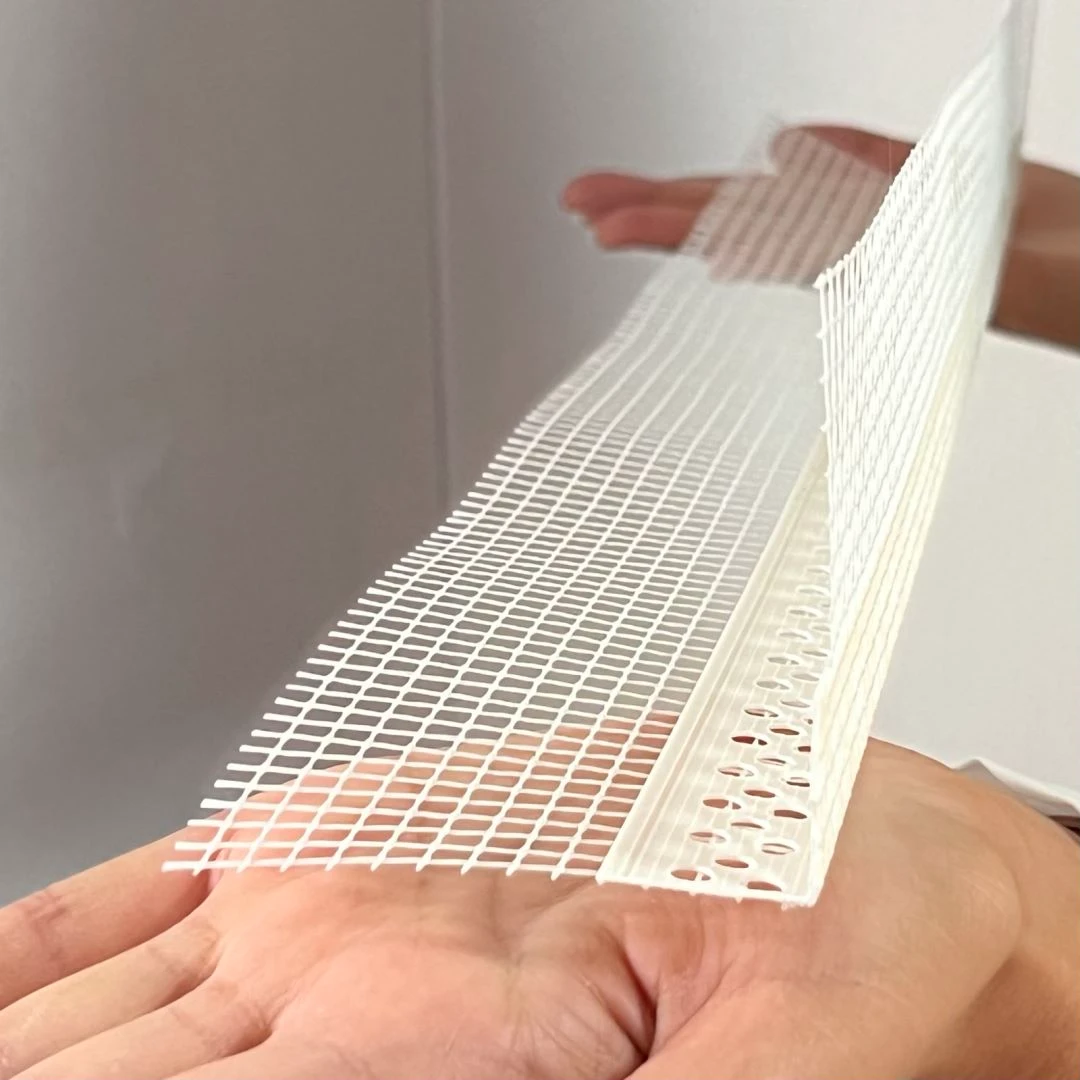
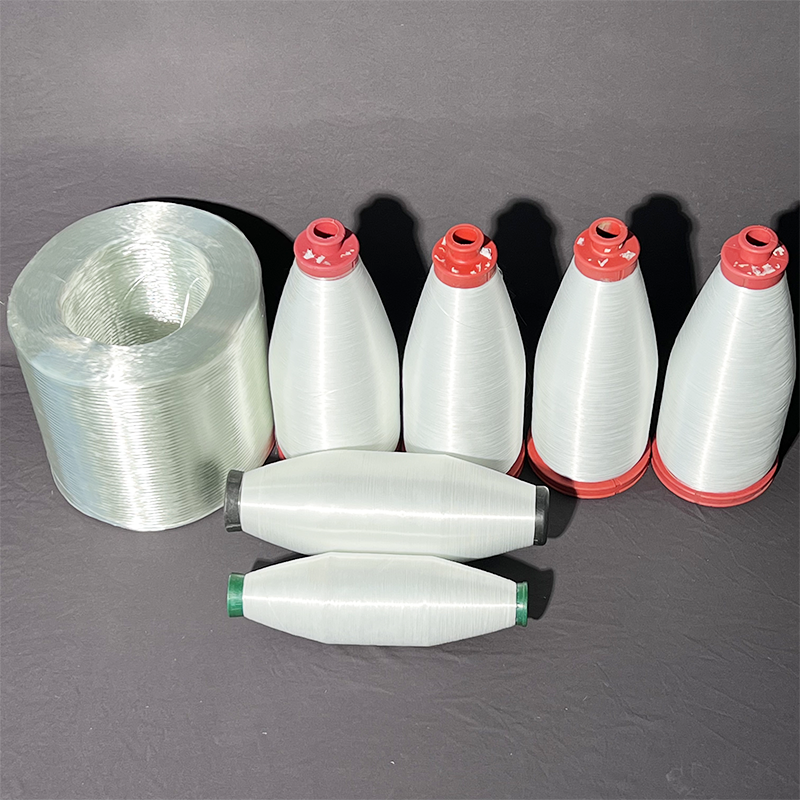
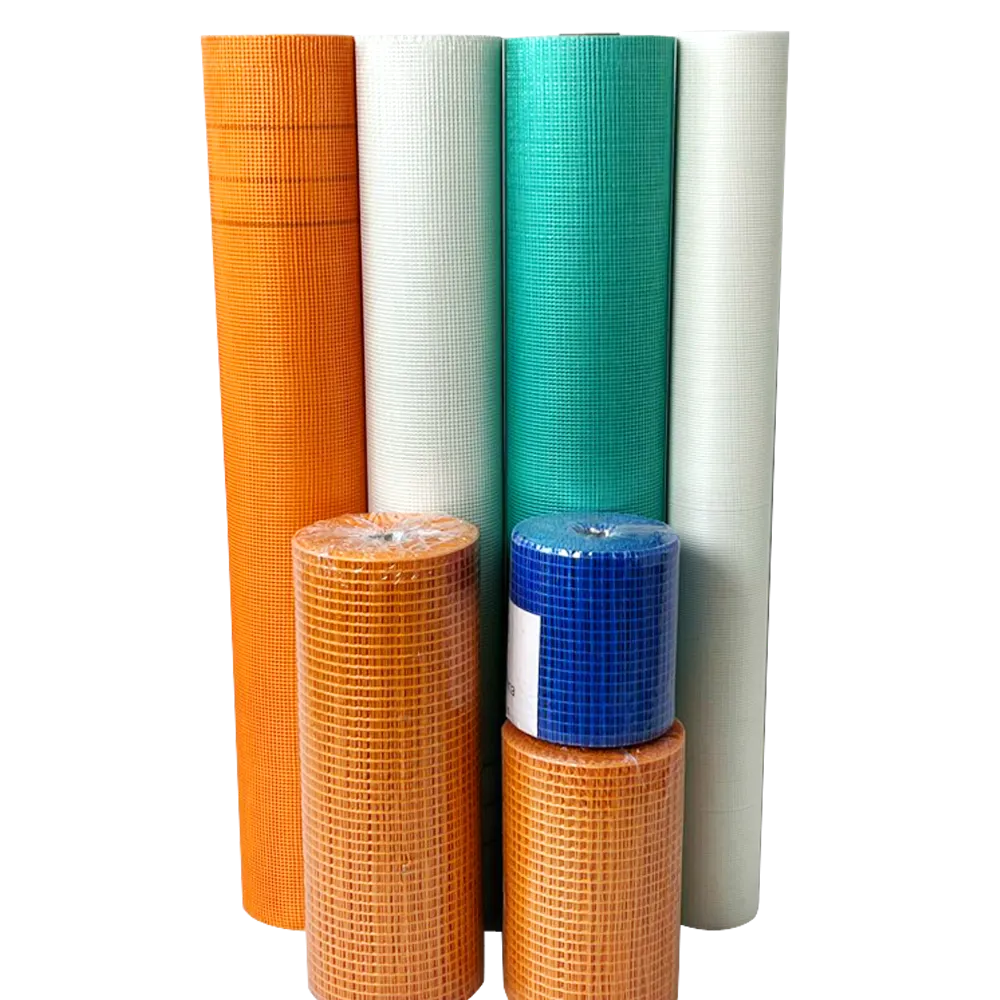
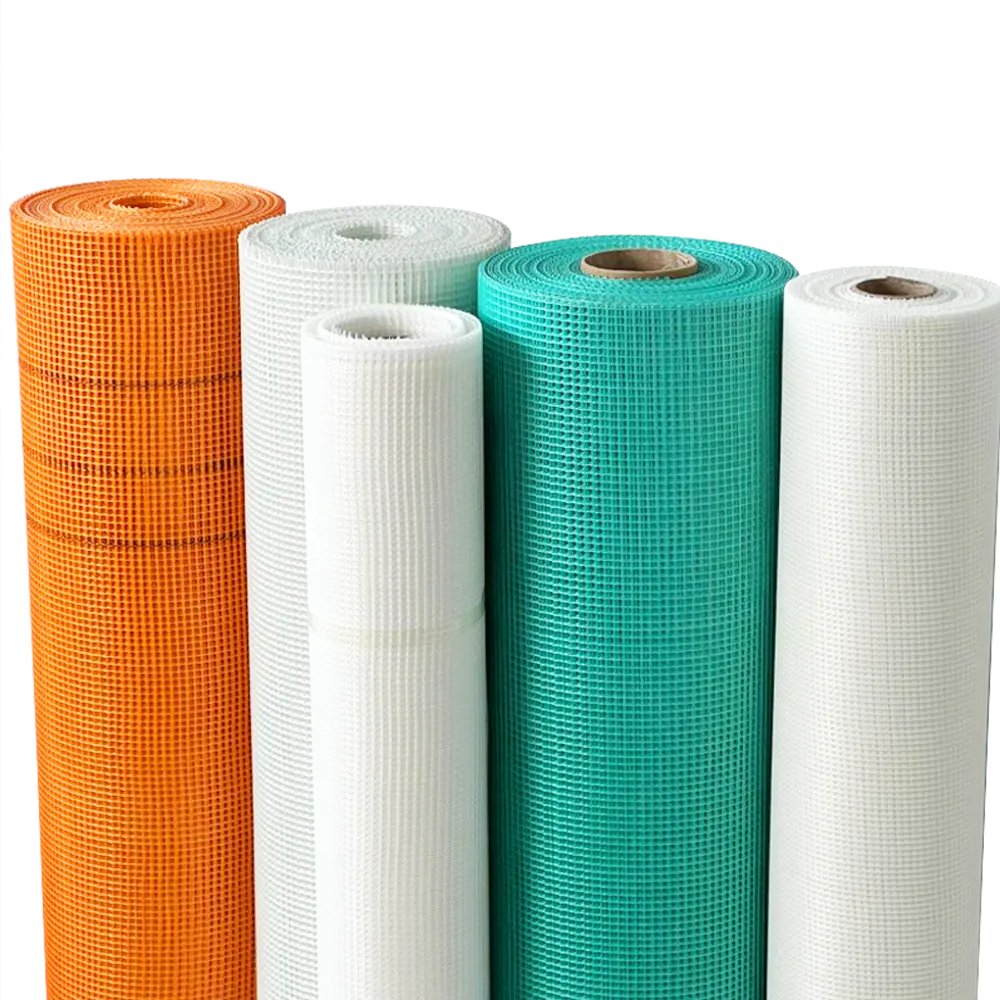
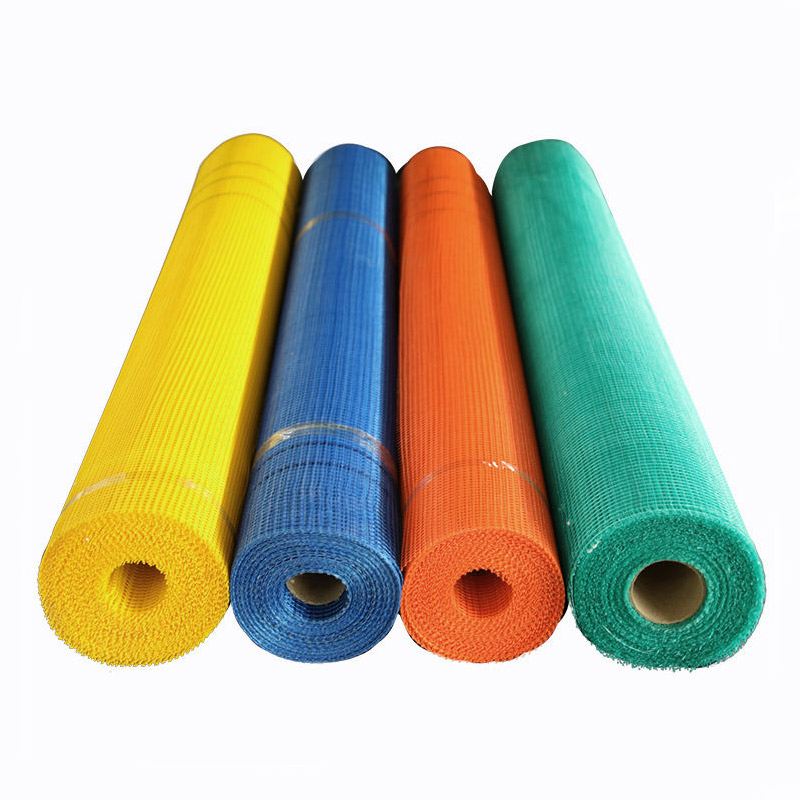
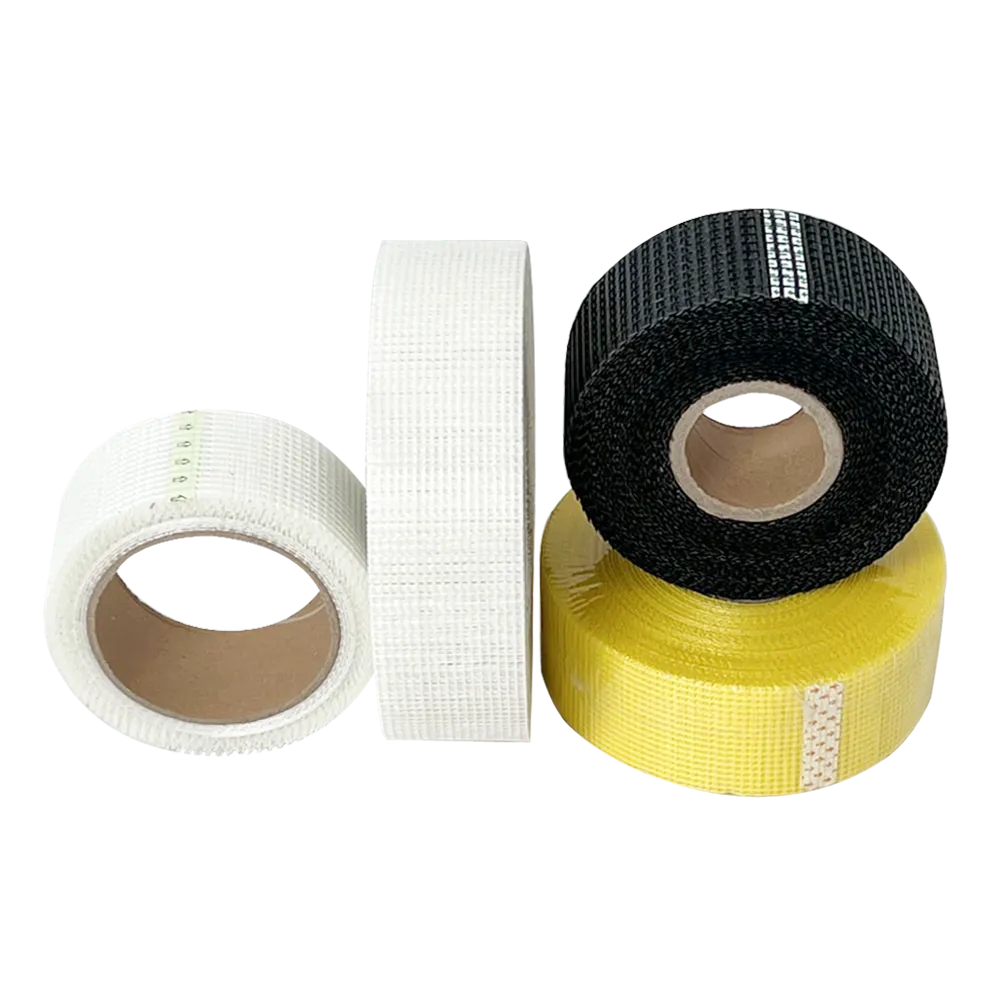
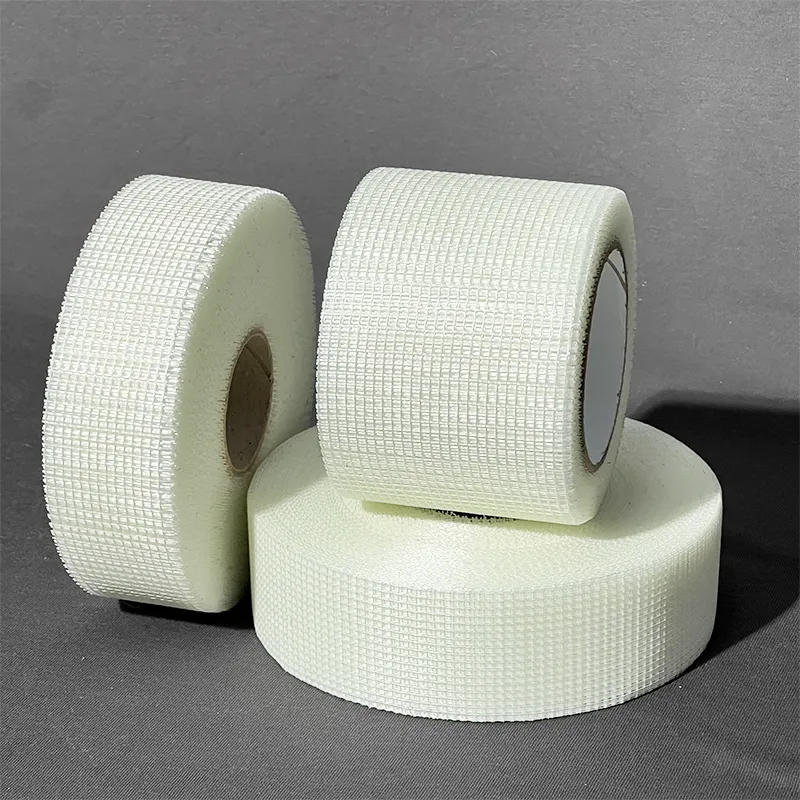
At their core, black fibreglass mesh products are woven or knitted fabrics made from fine glass fibers that are coated (usually with PVC or other protective layers) and dyed black to enhance UV resistance and aesthetic appeal. This mesh acts as a reinforcement grid that’s lightweight yet strong—ideal for integration in walls, ceilings, flooring, and external facades. In industries, these products prevent cracks in plaster, support waterproofing systems, and even serve as protective nets in agriculture.
In humanitarian contexts, their durability and ease of deployment make them crucial for temporary shelters and erosion control after disasters. It’s the blend of simplicity and advanced material science that anchors black fibreglass mesh products as a go-to resource.
Key Features of Black Fibreglass Mesh Products
Durability
Thanks to the glass fiber core and protective coatings, these meshes resist corrosion, UV degradation, and mildew. This is why they last for years even in challenging environments, from coastal construction sites to humid tropical climates.
Flexibility and Scalability
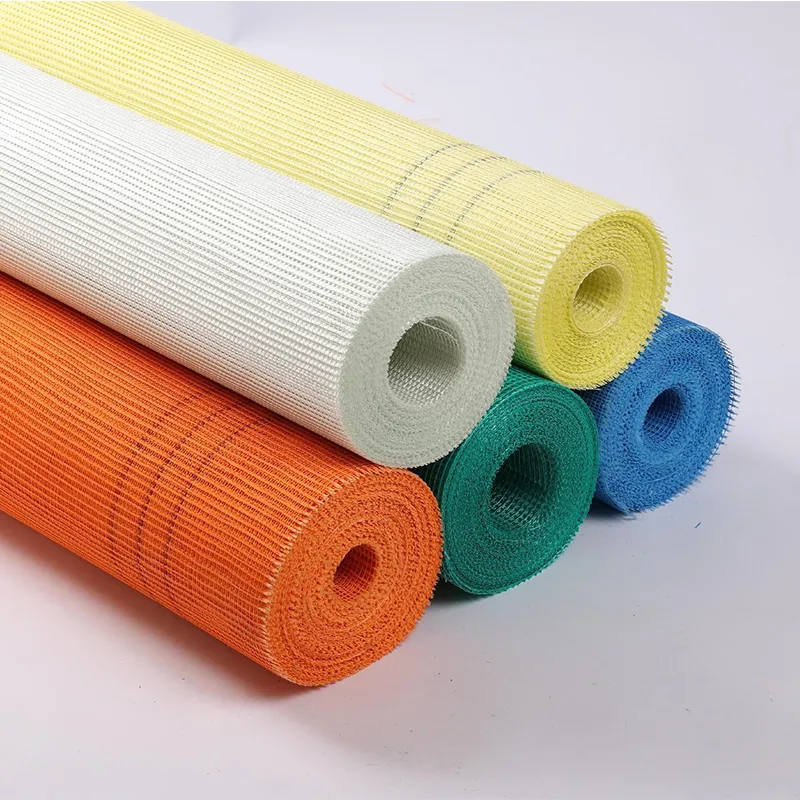
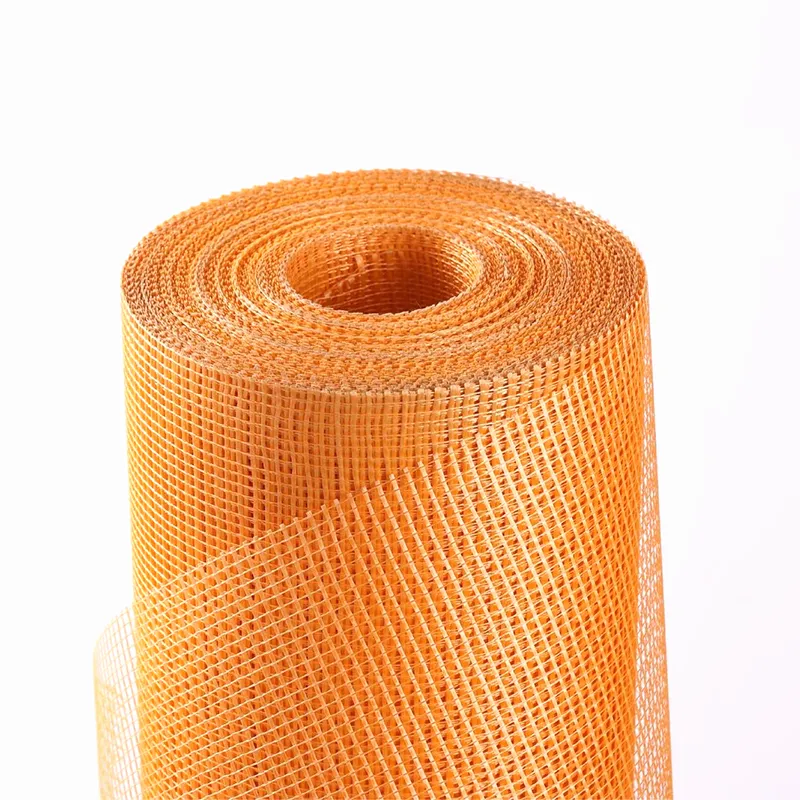
Unlike rigid reinforcement materials, black fibreglass mesh products come in rolls of various widths and densities. This gives installers a flexible tool they can cut, shape, and overlap to scale projects easily—be it a small renovation or a massive infrastructure job.
Cost Efficiency
While initial material costs may be higher than traditional metal meshes, the longevity and low maintenance of black fibreglass meshes mean life-cycle costs are often significantly lower. This is a common point many engineers highlight.
Corrosion and Chemical Resistance
Especially in industrial or coastal zones, metal meshes fail fast due to rust. The chemical inertness of the fibreglass coating keeps structures stable and safe, lowering replacement frequency.
Lightweight yet Strong
Handling ease without sacrificing tensile strength is a game-changer on job sites, reducing labor fatigue and speeding installation.
Product Specification Overview
| Specification | Standard Range | Details |
|---|---|---|
| Mesh Size | 4x4 mm to 12x12 mm | Customizable per application |
| Roll Length | 50m – 100m | For large scale projects |
| Tensile Strength | > 1100 N/5cm | High reinforcement capacity |
| Color | Black | UV resistant coating |
| Weight | 70 – 160 g/m² | Varies by mesh density |
Who Uses Black Fibreglass Mesh Products? Global Applications
- Construction: Widely used for reinforcing plaster, concrete facades, and flooring underlayments across Europe, Asia, and North America.
- Disaster Relief: NGOs employ these meshes for quick setup shelters and to stabilize soil erosion after flooding events.
- Agriculture: Used as shade nets and protection against birds and insects on farms in South America and Africa.
- Environmental Engineering: Coastal and riverbank erosion control projects in countries like Japan and the Netherlands depend on fibreglass mesh reinforcement.
For instance, in the aftermath of the 2019 Cyclone Idai in Mozambique, relief groups used black fibreglass mesh products in rebuilding efforts that combined speed and durability, supporting thousands of displaced families (United Nations, 2020).
Vendor Comparison: Market Leaders in Black Fibreglass Mesh
| Vendor | Mesh Range (mm) | UV Resistance | Global Reach | Price Range (per roll) |
|---|---|---|---|---|
| Tainuo | 4x4 – 12x12 | Excellent (up to 3 years) | Asia, Europe, Africa | $120–$180 |
| Fibermesh Global | 5x5 – 10x10 | Good (2 years) | North America, Europe | $140–$200 |
| EroMesh Solutions | 3x3 – 15x15 | Excellent (up to 4 years) | Global | $160–$220 |
Advantages and Long-Term Value of Black Fibreglass Mesh Products
One of the standout benefits is sustainability. Unlike steel mesh that rusts and degrades, black fibreglass mesh keeps repairing infrastructure resilient longer, lowering environmental impact via reduced replacements. Safety is another emotional driver; reinforced walls and roofings mean more durable homes and workplaces, providing peace of mind.
There’s also a financial logic: better initial investment pays off through fewer repairs and less downtime. I often hear contractors say it feels like a future-proof layer, not just a temporary fix. Plus, the aesthetic black coating lets architects blend functionality with design, which in real terms, increases project value.
What’s Next? Future Trends and Innovations
The industry isn’t standing still. Innovations such as integration with smart sensors for structural health monitoring or eco-friendly coatings derived from bio-based polymers are gaining ground. Digital manufacturing—like automated weaving—enhances precision and customization at scale. Sustainability policies globally pressure vendors to reduce carbon footprints, which means greener fibreglass production is on the horizon.
Oddly enough, the digital transformation of a product as tangible as fibreglass mesh tells us a lot about modern industry’s blend of old materials and new tech.
Challenges and How Experts Are Tackling Them
Cost can still be a barrier, especially in developing countries. Supply-chain disruptions sometimes delay projects reliant on specific mesh sizes. Moreover, installation requires skilled labor to optimize performance, which isn't always available locally.
To combat this, manufacturers are expanding local distribution hubs and offering training programs. Some innovators even produce modular kits to simplify installation. NGOs collaborating with manufacturers ensure that emergency deployments don’t stall due to material wastage or unfamiliarity.
FAQ: Your Practical Questions About Black Fibreglass Mesh Products
- Q: How does black fibreglass mesh enhance the durability of walls?
- A: The mesh acts as a reinforcement layer embedded in plaster or concrete, distributing stress evenly and preventing cracks from developing, which significantly extends wall lifespan.
- Q: Are these products suitable for tropical or humid climates?
- A: Absolutely. The black UV-resistant coating protects against sun damage, and the fibreglass core resists mildew and corrosion common in humid environments, making it ideal for tropical regions.
- Q: Can black fibreglass mesh be customized for specific industrial applications?
- A: Yes, vendors typically offer various mesh sizes, roll lengths, and coating options to match the reinforcement needs of different industries, from construction to agriculture.
- Q: How to ensure proper installation of this mesh?
- A: Installation best practices include using compatible adhesives or mortars, overlapping seams correctly, and protecting mesh edges to maintain structural integrity—training programs from suppliers often help contractors get it right.
- Q: Is black fibreglass mesh environmentally friendly?
- A: While fibreglass is not biodegradable, its longevity reduces material turnover and waste. Emerging eco-friendly resin coatings also aim to improve its environmental profile.
Conclusion
Black fibreglass mesh products represent a fascinating intersection of durable design, environmental thinking, and pragmatic utility. Their ability to reinforce, protect, and extend the lifetime of structures makes them invaluable—not just for today, but for future industries focused on sustainable growth and resilient infrastructure.
If you’re curious about sourcing high-quality black fibreglass mesh or want to explore tailored applications, visit our website for comprehensive product options and expert guidance.
Quick reflection: In understanding these mesh products, we glimpse how traditional materials can still innovate and adapt, embodying both heritage and future-ready engineering.
References:
1. ISO Composite Market Report 2023
2. United Nations Disaster Relief Reports 2020
3. Fiberglass - Wikipedia
-
High Strength Self Adhesive Fibreglass Mesh Tape for ConstructionNewsJul.01,2026
-
High Quality Adhesive Fibreglass Mesh for Modern ConstructionNewsJun.29,2026
-
Professional Guide to High Strength Glass Fiber Joint TapeNewsJun.27,2026
-
Professional Fibreglass Tape for Plasterboard Joint Repair GuideNewsJun.26,2026
-
Professional Guide to Seamless Walls using fiberglass drywall tapeNewsJun.25,2026
-
How to Choose the Best Plaster Net Companies for Your ProjectNewsJun.23,2026