Oct . 05, 2025 23:20 Back to list
Buy Adhesive Fiberglass Mesh: High-Strength, Self-Stick?
Thinking of upgrading your drywall game? Here’s what I’ve learned about adhesive fiberglass mesh
If you’re ready to buy adhesive fiberglass mesh, you’re not alone—contractors and DIYers are moving away from paper tape because, frankly, mesh is faster and a lot harder to mess up. I’ve been on jobs where it cut prep time noticeably, especially on long runs and patch work.

Product at a glance
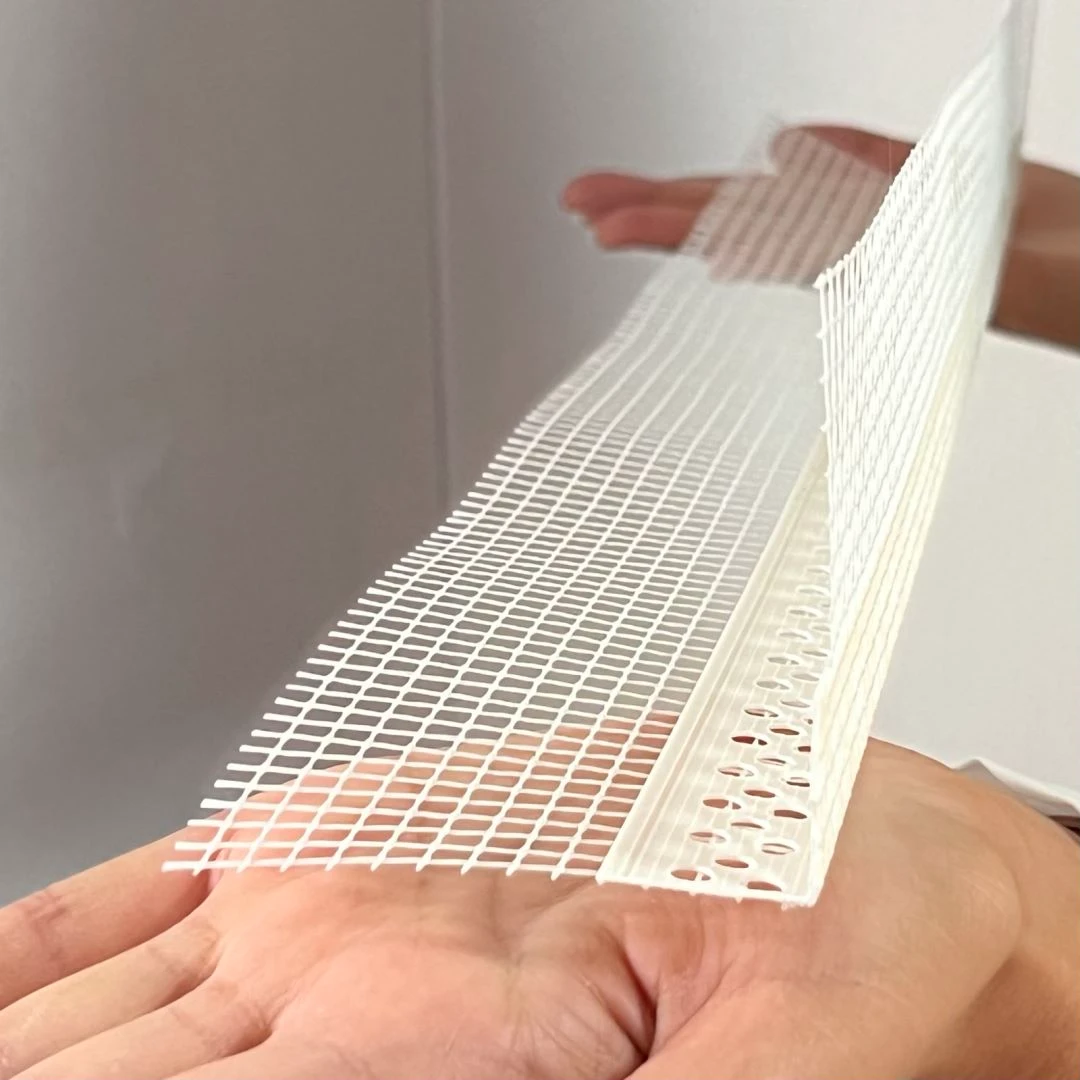
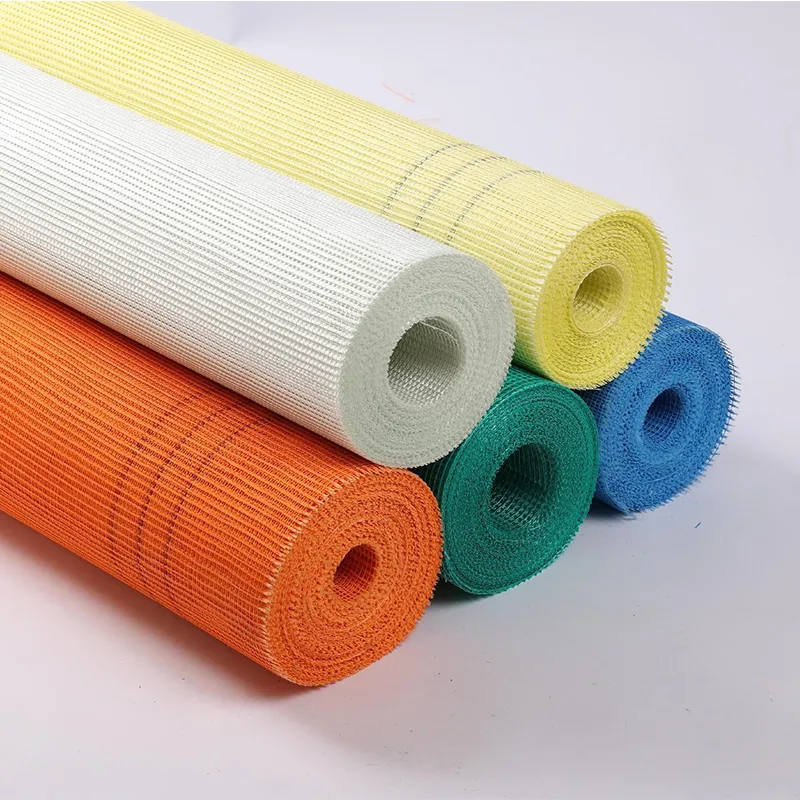
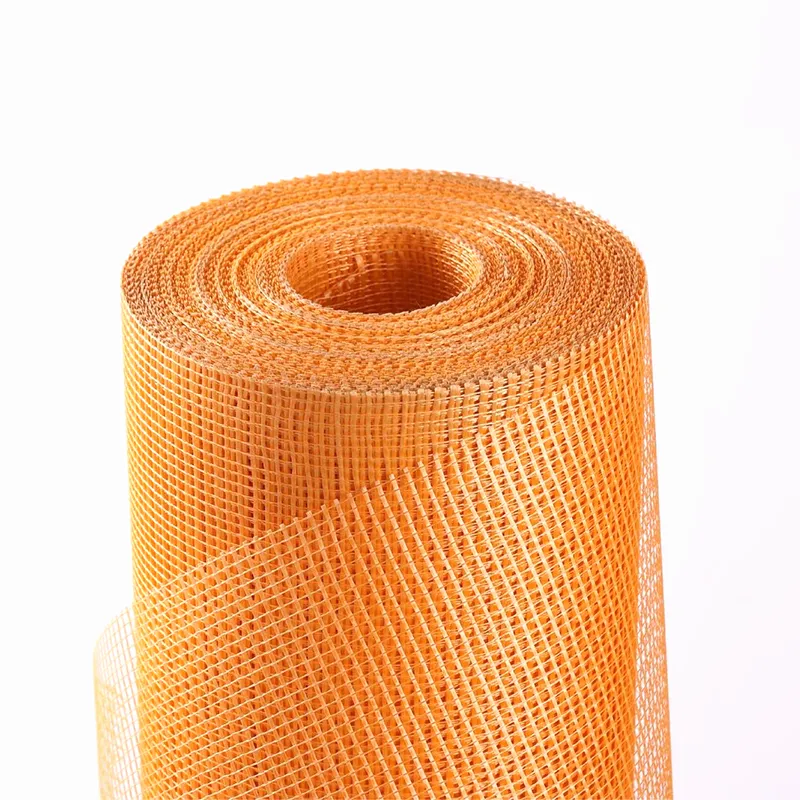
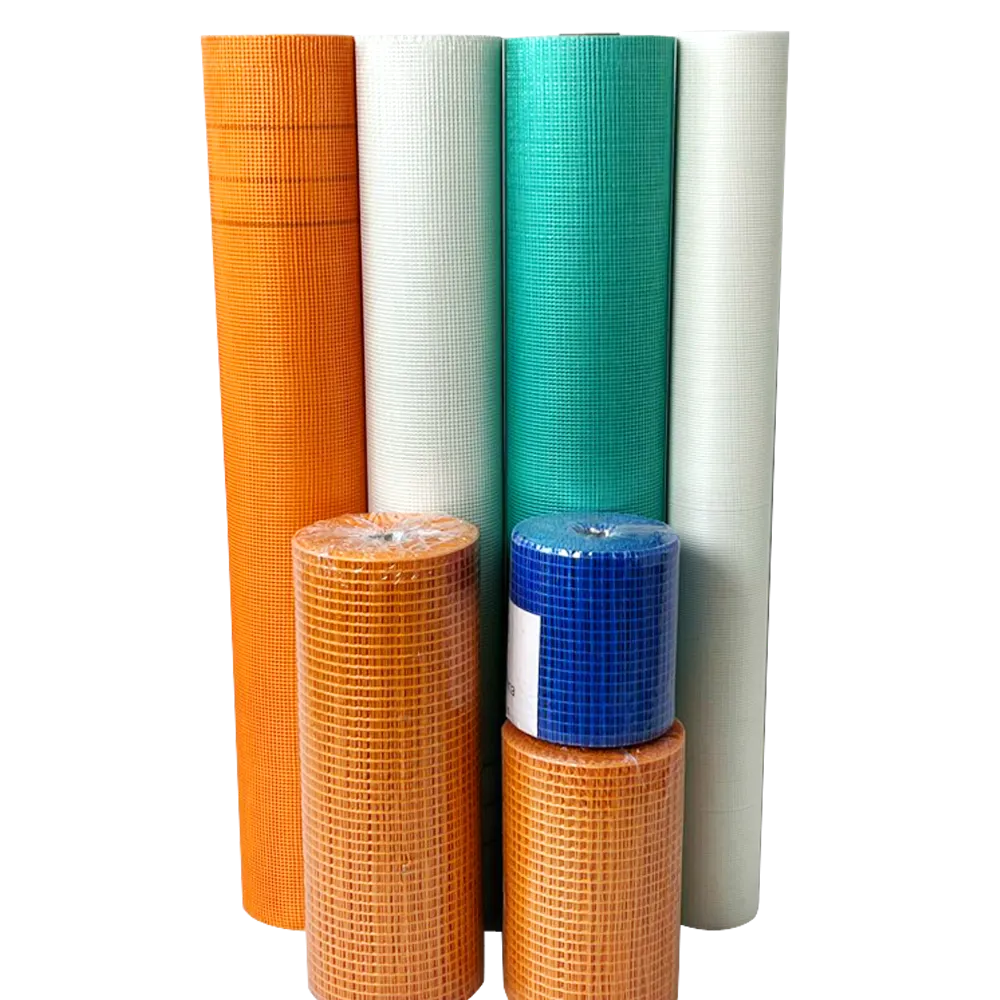
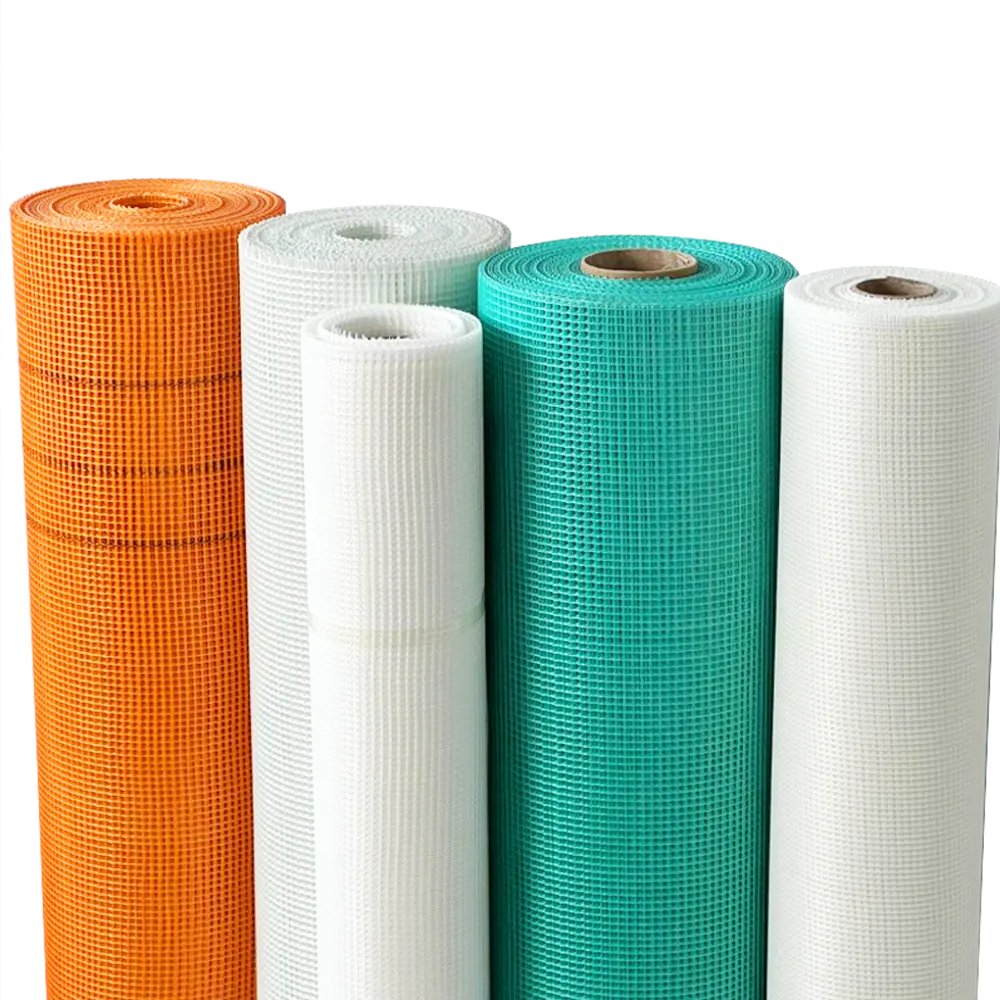
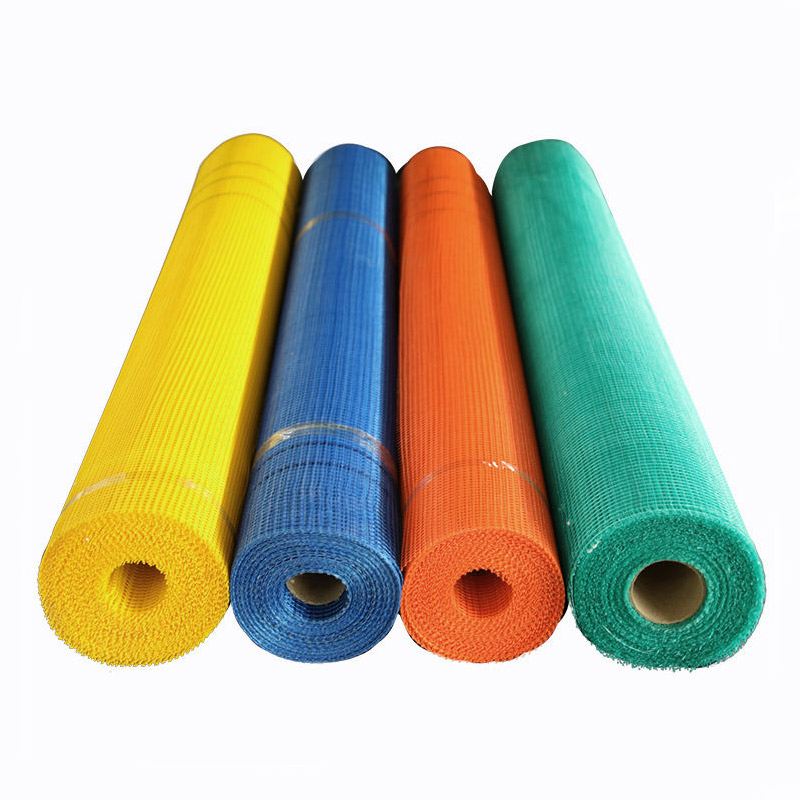
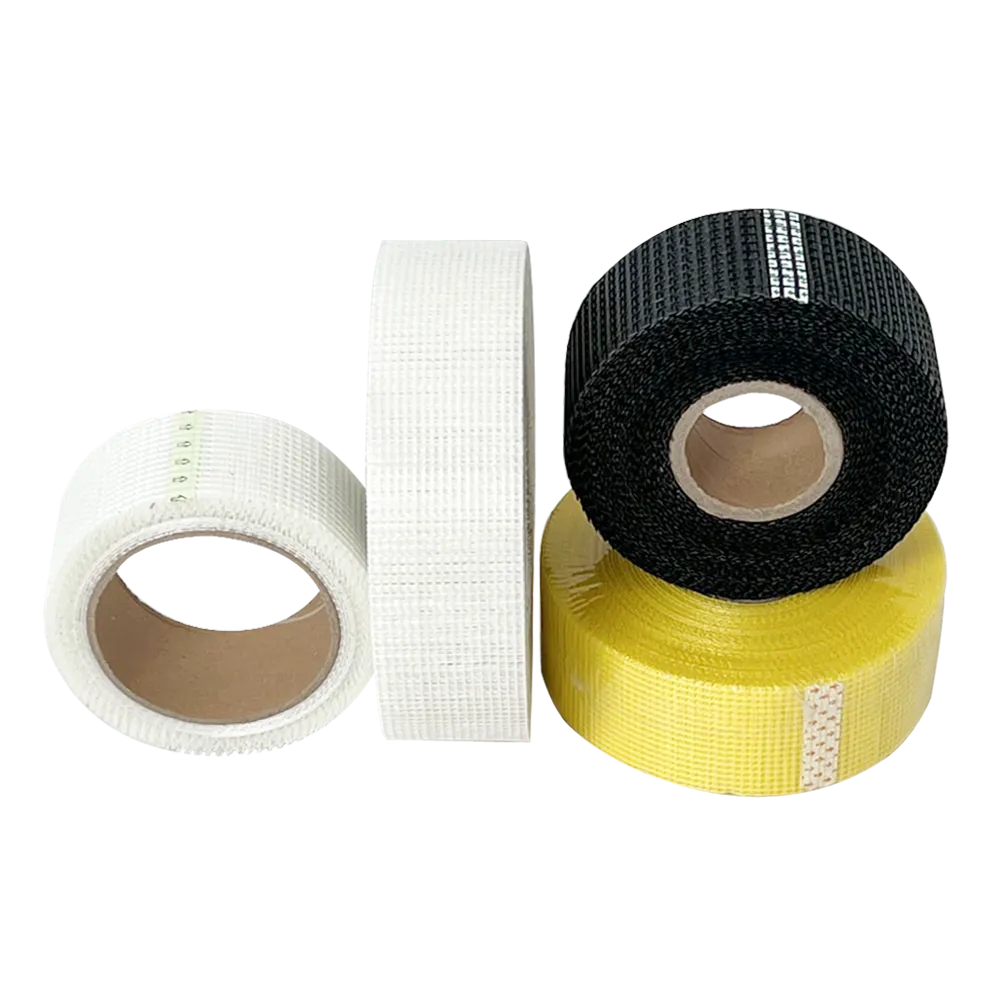
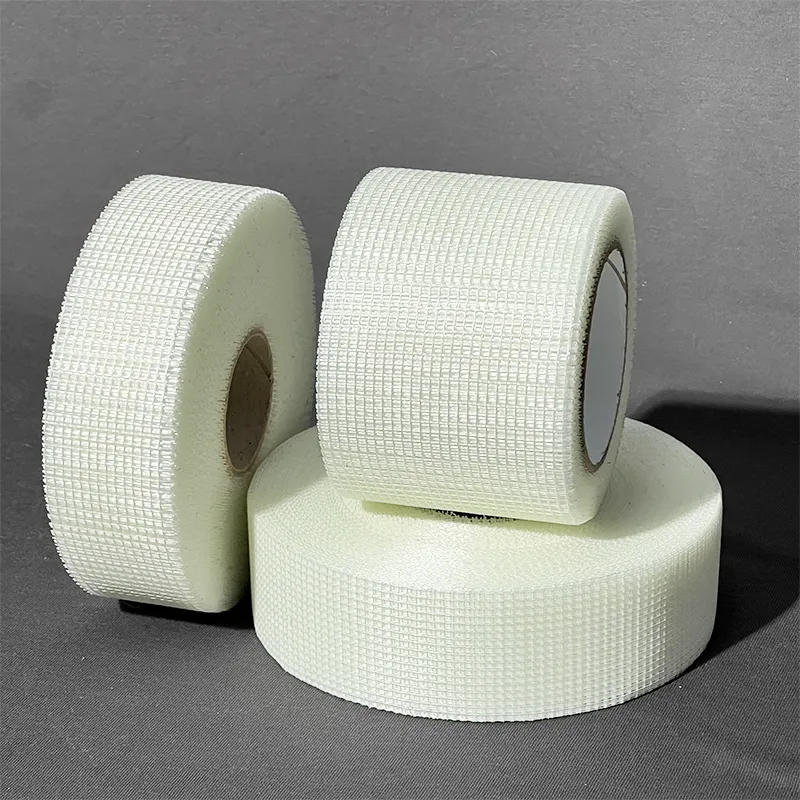
Drywall fiberglass self adhesive mesh joint tape from Xiaomen Village, Yilunbao Township, Renqiu City, Hebei Province, China, combines alkali-resistant fiberglass yarn with an acrylic pressure-sensitive adhesive. Compared with paper, it resists shrinkage cracks, won’t bubble, and is friendlier for quick patches. Many customers say it “just sticks and stays,” which—on a dusty site—feels like a small miracle.
Typical specifications (field-proven, not just lab)
| Mesh density | ≈ 9×9 or 8×8 strands/inch (real-world use may vary) |
| Grammage | ≈ 60–75 g/m² fiberglass fabric |
| Adhesive coat | Acrylic PSA, ≈ 60–80 g/m²; good initial tack |
| Widths / lengths | 45–100 mm x 20–90 m rolls |
| Substrate | Alkali-resistant fiberglass, leno weave |

Where it shines
- Drywall joints and inside corners (with compound)
- Crack bridging over repaired plaster
- Ceiling patches where one-hand application helps
- Prefab and modular interiors, fast-paced fit-outs
Advantages? Faster application, high tensile strength, no pre-embedding. However, best practice still says: bed it with quality joint compound per ASTM C840—and don’t skip feathering. I guess that’s the craft part.
Process flow and quality checks
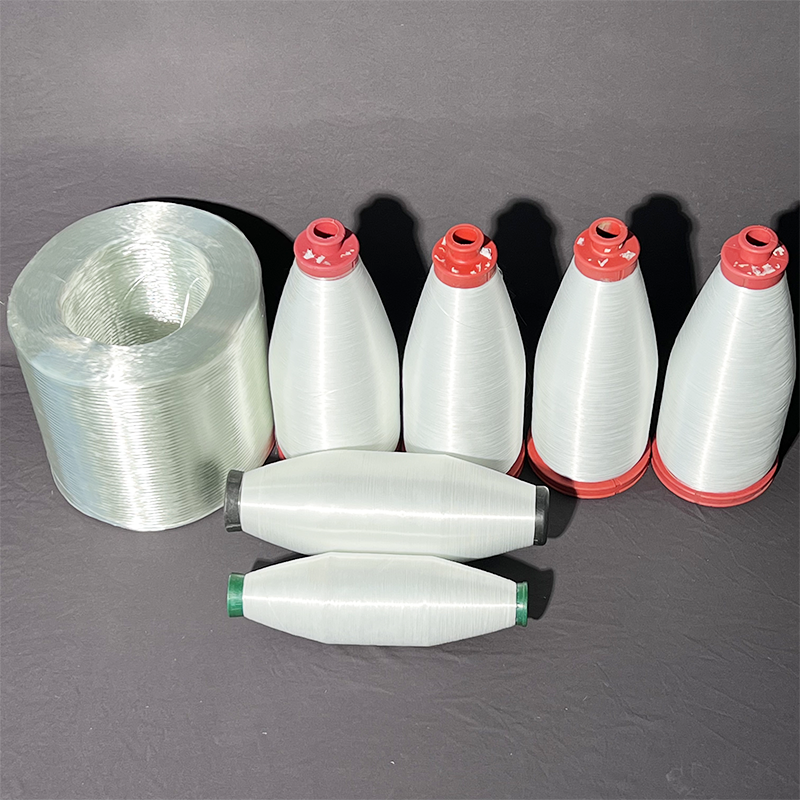
Materials: E-glass yarn, alkali-resistant sizing, acrylic adhesive. Methods: leno weaving → AR coating → adhesive coating → slitting → roll winding → aging test → packaging.
Testing and benchmarks: tensile per ASTM D5035, peel adhesion per ASTM D3330, gypsum finish per ASTM C840; optional fire surface testing to ASTM E84 for system components. Typical interior service life is around 20+ years when embedded and painted. Industries: residential drywall, commercial TI, hospitality refreshes, education facilities.
Real-world case notes
On a 120-unit renovation in the Midwest, the crew switched to mesh for all patches and butt joints. Callbacks for hairline cracking dropped by ≈18% over six months (contractor’s log). Another small shop told me they saved a day per week on patch cycles—surprisingly big when you multiply by crews.

Vendor snapshot (what to look for)
| Vendor | Origin | Mesh / Adhesive | Certs | Lead Time | Notes |
|---|---|---|---|---|---|
| Tainuo Fiberglass | Renqiu, Hebei, China | 9×9; acrylic PSA, high tack | ISO 9001; test reports on request | ≈ 10–20 days | Good value, consistent slitting |
| Generic Brand A | Import | 8×8; mid-tack | — | Stock-based | Budget; check adhesive aging |
| BigBox Import B | Mixed | 8–9×9; variable | Retail tested | Immediate | Convenient; spec consistency varies |
Customization tips
- Choose 45–50 mm width for standard joints; 100 mm for wider crack bridging.
- Request higher adhesive coat for cold-site starts (talk to the supplier).
- Ask for tensile and peel data with test methods cited—saves guesswork.
If you plan to buy adhesive fiberglass mesh in bulk, confirm COA, lot traceability, and that it aligns with ASTM C840 installation practices. For EIFS or render systems, ask about ETAG 004 alkali resistance—even if you’re mostly interior, it’s a good durability signal.
Quick usage notes
- Apply to clean board; press firmly; immediately cover with joint compound.
- Feather at least two coats; sand lightly; prime before paint.
- Storage: cool, dry; avoid UV. Shelf life ≈ 12–18 months.
Ready to buy adhesive fiberglass mesh? For many teams, this tape is the simple upgrade that makes the finish look pro and keeps callbacks off your phone. To be honest, that peace of mind is worth it.
References
- ASTM C840 – Application and Finishing of Gypsum Board.
- ASTM D3330 – Peel Adhesion of Pressure-Sensitive Tape.
- ASTM D5035 – Breaking Force and Elongation of Textile Fabrics (Strip Method).
- ASTM E84 – Surface Burning Characteristics of Building Materials.
- ETAG 004 – Guideline for European Technical Approval of ETICS with Rendering.
-
High Strength Self Adhesive Fibreglass Mesh Tape for ConstructionNewsJul.01,2026
-
High Quality Adhesive Fibreglass Mesh for Modern ConstructionNewsJun.29,2026
-
Professional Guide to High Strength Glass Fiber Joint TapeNewsJun.27,2026
-
Professional Fibreglass Tape for Plasterboard Joint Repair GuideNewsJun.26,2026
-
Professional Guide to Seamless Walls using fiberglass drywall tapeNewsJun.25,2026
-
How to Choose the Best Plaster Net Companies for Your ProjectNewsJun.23,2026