Oct . 06, 2025 08:45 Back to list
Buy adhesive fiberglass mesh—high strength, crack-resistant?
Thinking about adhesive fiberglass mesh? Here’s the insider’s guide
If your projects live or die on crack control and clean finishes, the moment you decide to buy adhesive fiberglass mesh becomes strangely important. Sounds dramatic, I know—but the wrong mesh can delaminate, yellow, or just crumble after alkali exposure. The right one quietly keeps your façade or drywall flawless for years.
What’s trending in 2025
Two shifts stand out: higher alkali resistance for ETICS/basecoat systems, and factory-applied coatings that survive hot summers and cold snaps without stiffening. Builders also ask for self-adhesive variants for faster drywall taping—less mess, more speed. In fact, mid-weight meshes (≈145–160 g/m²) are becoming the sweet spot for exterior reinforcement, while lighter 60–90 g/m² rolls are popular for indoor jointing.
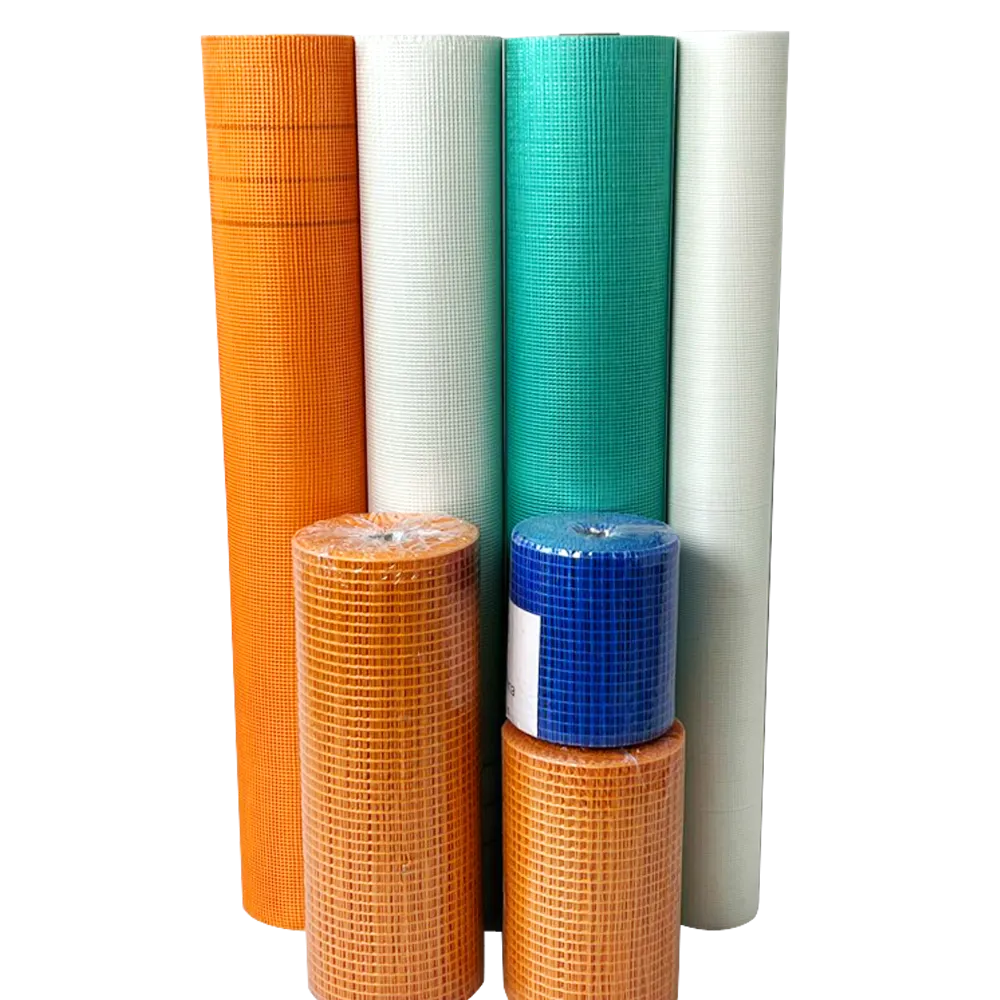
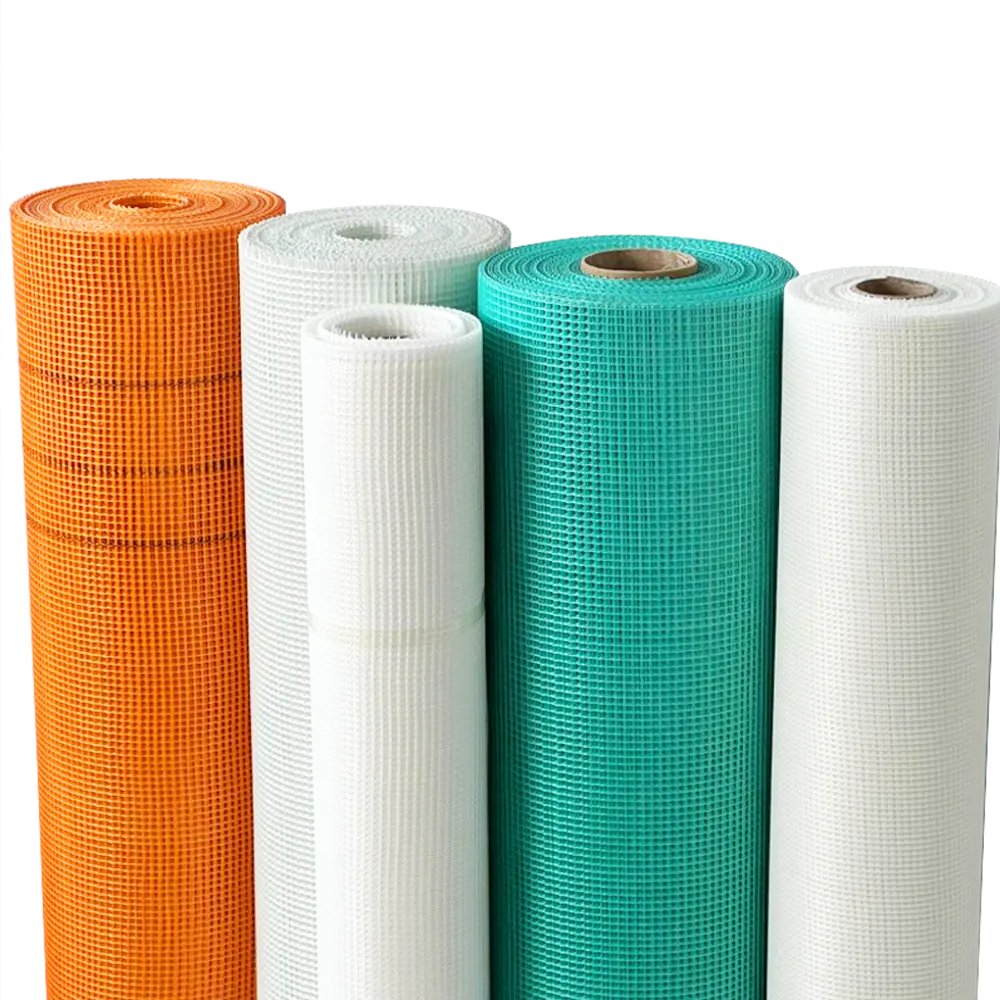
Flagship pick: High temperature resistant fiberglass mesh for wall
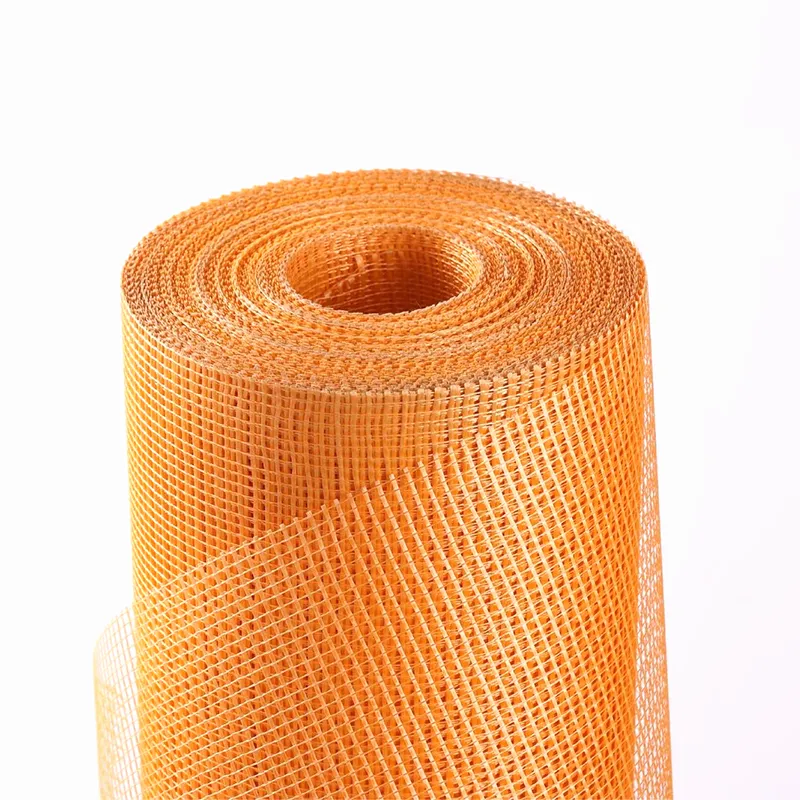
Origin: Xiaomen Village, Yilunbao Township, Renqiu City, Hebei Province, China. This mesh is woven from C/E-glass yarns and finished with an alkali-resistant coating. I’ve seen it specified on EIFS retrofits where summer wall temps climb uncomfortably high—no softening, no creep.
| Property | Typical Spec (≈) | Standard/Notes |
|---|---|---|
| Mass per unit area | 145–160 g/m² | Common for façade/basecoat reinforcement |
| Mesh size | 5 × 5 mm (±0.5) | Other apertures available |
| Tensile strength (warp/weft) | ≥ 1250 / 1250 N/50 mm after alkali aging | EN 13496; JC/T 841 real-world use may vary |
| Alkali resistance retention | ≥ 50–70% | ETICS guideline targets |
| Service temperature | -20 to +150 °C | Short excursions higher are tolerated |
How it’s made (quick process flow)
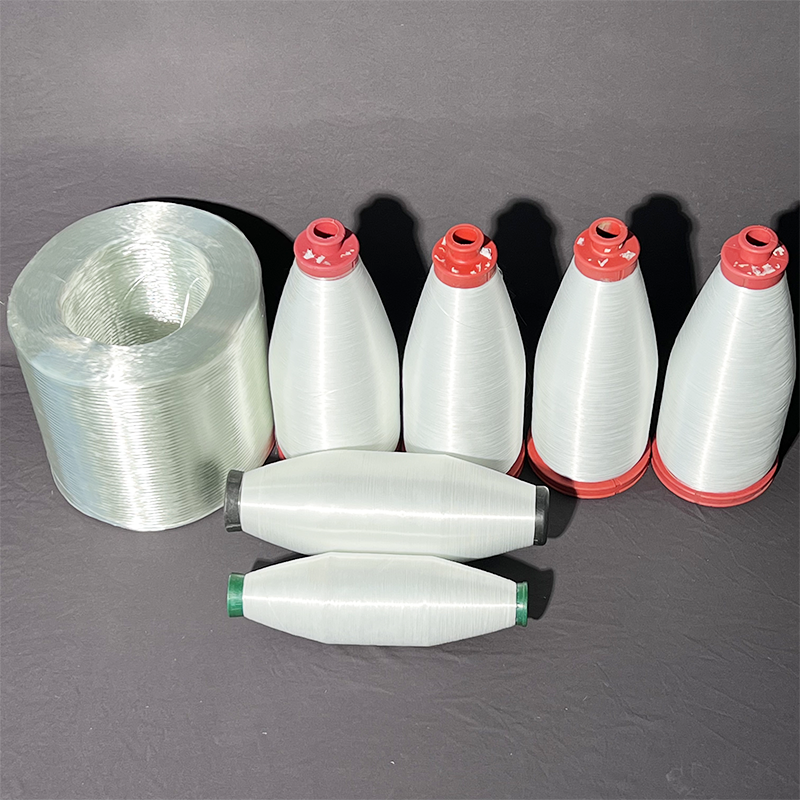
- Materials: C or E-glass roving (silicate-rich for chemical stability).
- Weaving: Plain weave under low fuzz conditions to protect yarn integrity.
- Coating: Antalkali resin + reinforcing agent; controlled pick-up for consistent gsm.
- Heat finishing: High-temperature cure locks coating, boosts dimensional stability.
- QA/testing: Tensile, alkali soak, mass, aperture; routine lot tracing with ISO 9001.
Where it shines
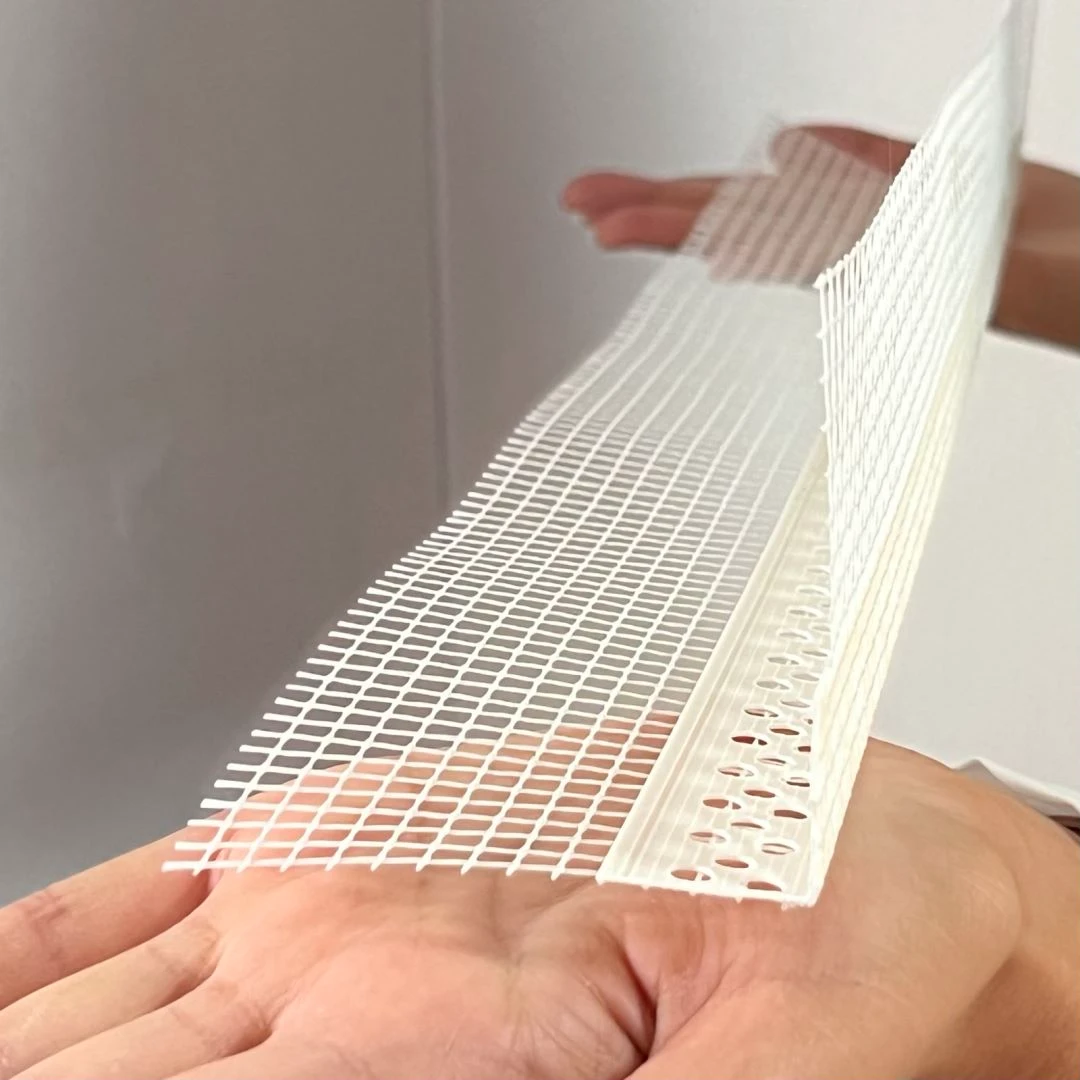
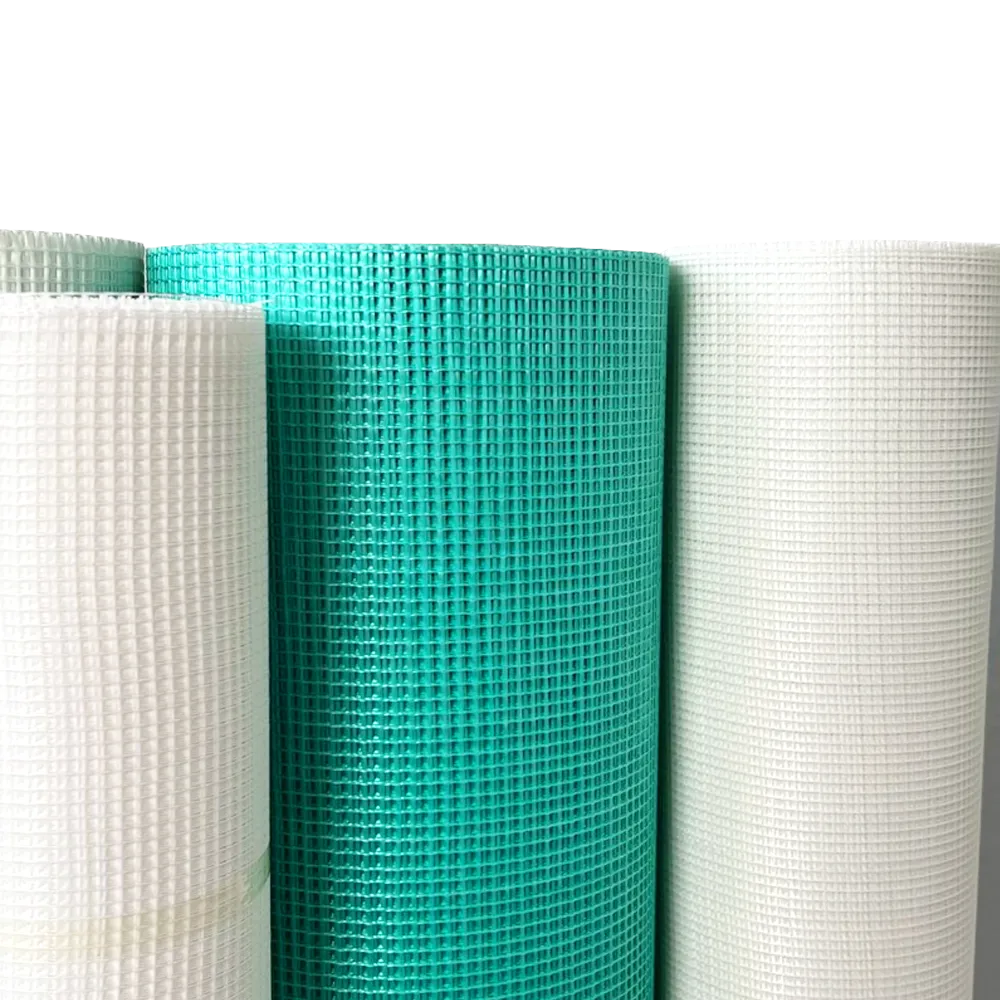
- ETICS/EIFS basecoat reinforcement; - Interior drywall jointing and patching; - Tile substrate anti-crack layers; - Plaster and stucco stabilization; - Fire door core composites (as scrim layer). Advantages include steady tensile strength after alkali aging, good wet-out with cementitious adhesives, and a coating that doesn’t chalk in heat. Many customers say installation feels “forgiving” because the mesh lays flat without memory curl—small thing, big time saver.
Testing, certifications, and lifespan
Benchmarks typically align with EN 13496 tensile testing and ETAG 004/EAD 040083 for ETICS systems. Factory QA often references JC/T 841 for alkali-resistant mesh. Expect 25–35 years service life in façade systems when embedded correctly in polymer-modified basecoat; indoors, far longer. To be honest, site conditions matter—mix design, coverage, and curing can nudge results up or down.
| Vendor | Lead Time | Certs | MOQ | Indicative Price |
|---|---|---|---|---|
| Tainuo (Hebei) | 10–15 days | ISO 9001; test per EN 13496/JC/T 841 | 3,000–5,000 m² | US$0.25–0.45/m² (145–160 g) |
| Regional Importer A | Stock/2–3 days | Distributor warranty | As low as 50 rolls | US$0.55–0.85/m² |
| EU Brand B | 3–4 weeks | ETA/CE docs | 1,000 m² | US$0.80–1.20/m² |
Customization options
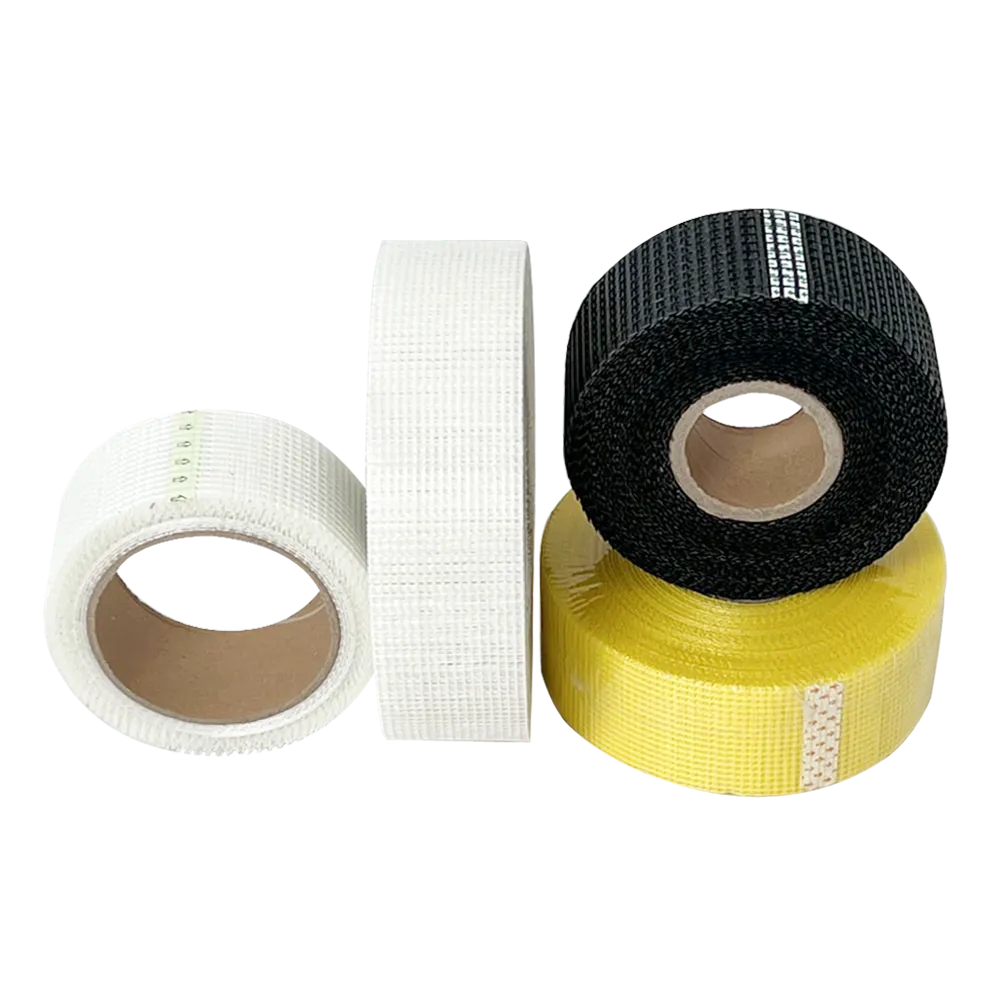
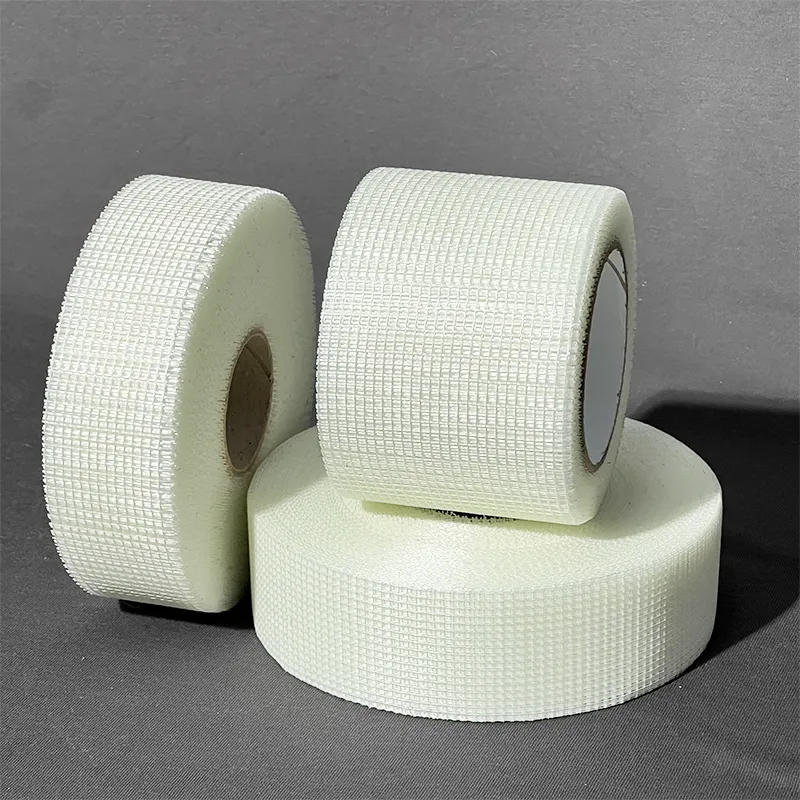
- Self-adhesive backing: acrylic PSA for drywall tape rolls (48–100 mm widths).
- GSM and aperture tuning: 60–200 g/m²; 4×4, 5×5, 10×10 mm.
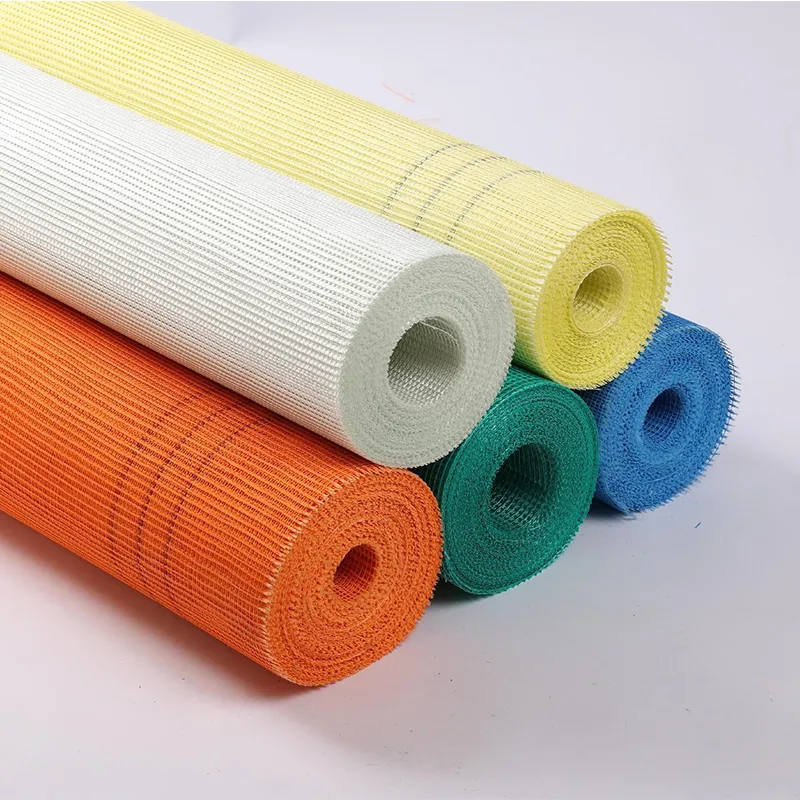
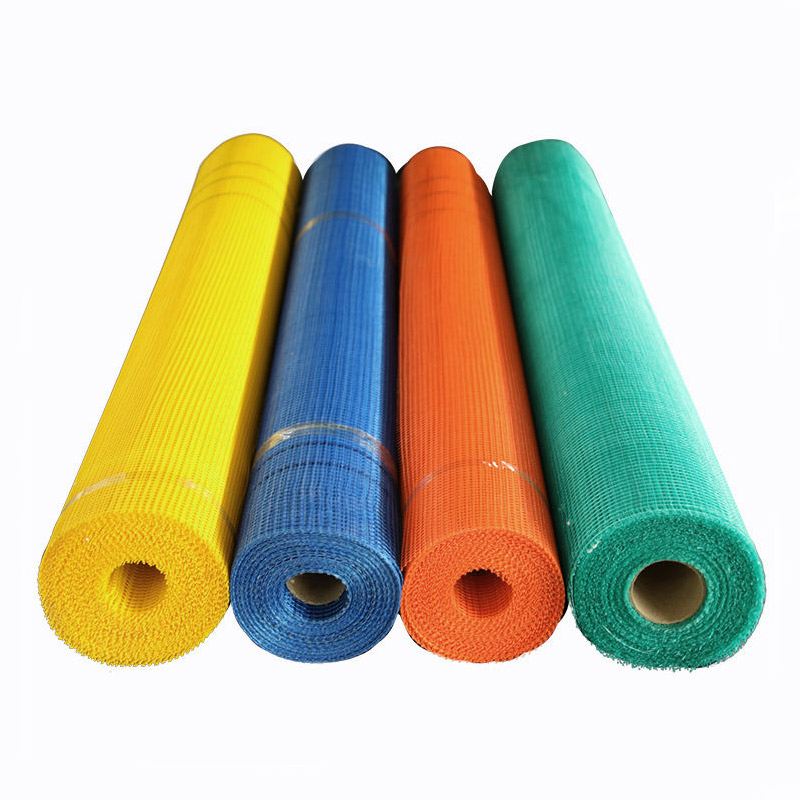
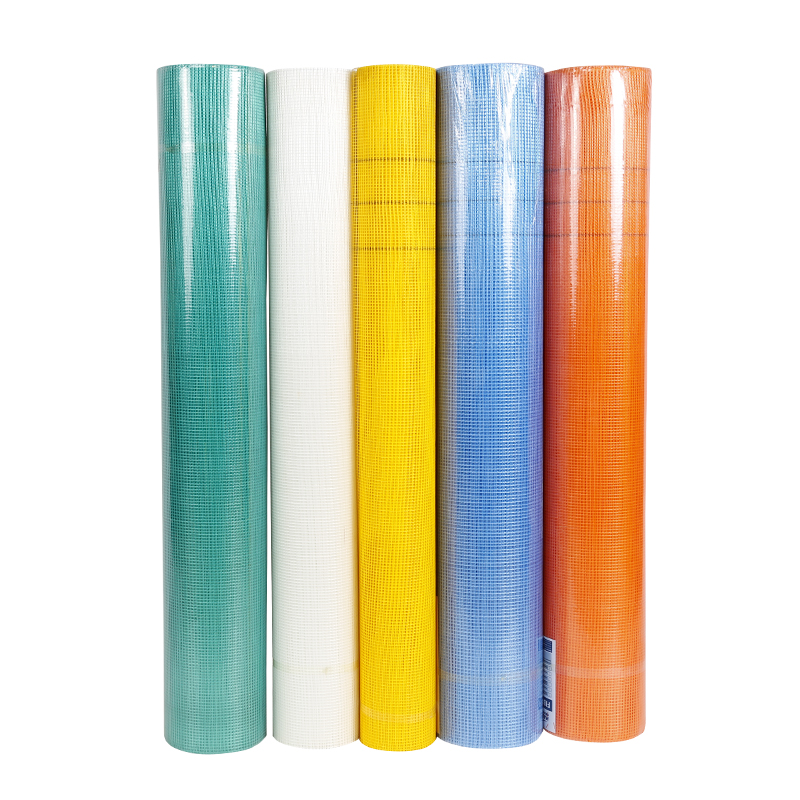
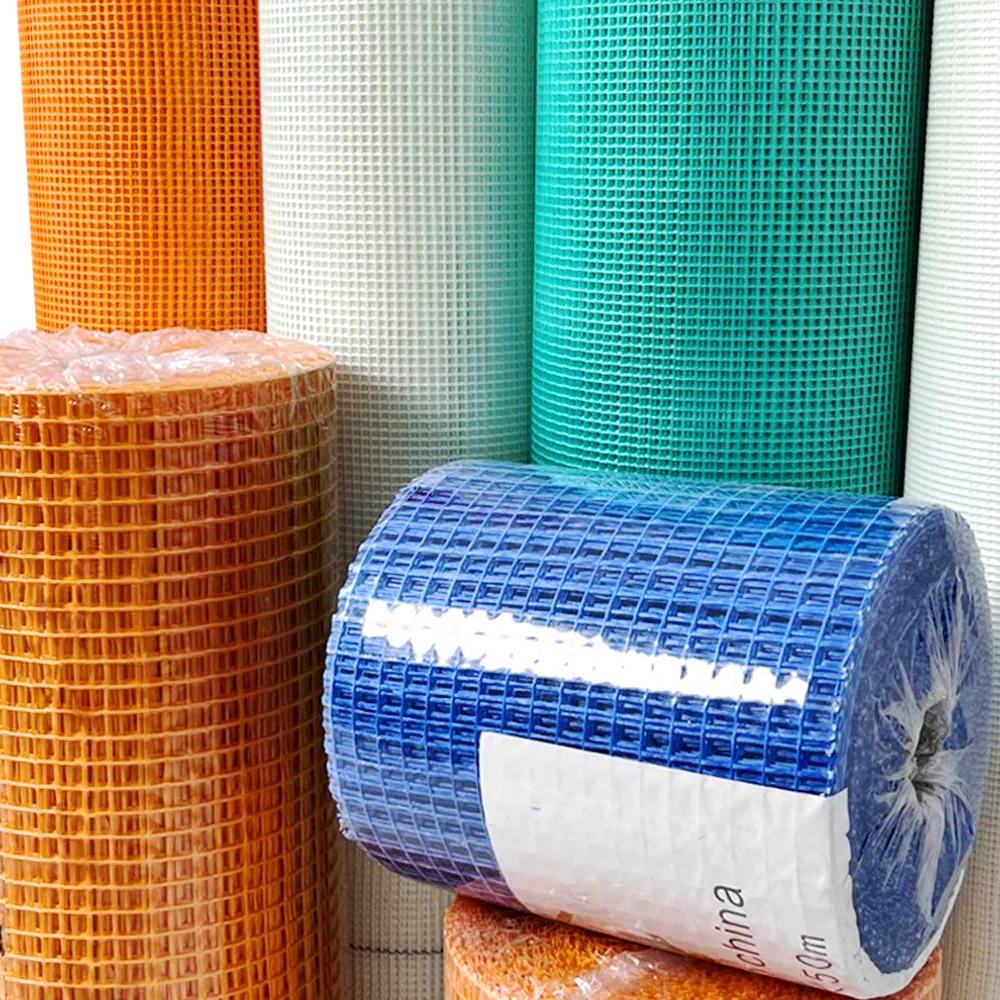
- Color coding: white, yellow, blue for quick jobsite identification.
- Roll formats: 1×50 m, 1×100 m, or jumbo master rolls.
Quick field notes (mini case studies)
Coastal ETICS retrofit: 160 g/m² mesh with polymer-modified basecoat improved crack resistance; tensile after alkali retained ≈65%. Drywall fit-out: self-adhesive 90 g/m² tape cut joint cycles by ~18% vs. paper tape. Tile underlayment: 5×5 mm mesh reduced reflective cracking over old slab repairs—small win, big warranty peace.
If you’re speccing for a façade or a high-traffic interior, you’ll want documented EN 13496 results and a coating that resists alkali soak. That’s the difference between “looks fine on day one” and “still solid in year ten.” When you’re ready to move, consider a supplier that can do both standard rolls and the self-adhesive variant—simplifies procurement when you need to buy adhesive fiberglass mesh across multiple crews.
Authoritative citations
- EN 13496: Thermal insulation products for ETICS — Determination of tensile properties of basecoat reinforced with glass fibre mesh.
- EAD 040083-00-0404 (ex-ETAG 004): External Thermal Insulation Composite Systems with rendering.
- JC/T 841-2017: Alkali-resistant glass fiber mesh for wall reinforcement (China Building Materials Standard).
- ISO 9001: Quality management systems — Requirements (for factory QA frameworks).
-
High Strength Self Adhesive Fibreglass Mesh Tape for ConstructionNewsJul.01,2026
-
High Quality Adhesive Fibreglass Mesh for Modern ConstructionNewsJun.29,2026
-
Professional Guide to High Strength Glass Fiber Joint TapeNewsJun.27,2026
-
Professional Fibreglass Tape for Plasterboard Joint Repair GuideNewsJun.26,2026
-
Professional Guide to Seamless Walls using fiberglass drywall tapeNewsJun.25,2026
-
How to Choose the Best Plaster Net Companies for Your ProjectNewsJun.23,2026