Oct . 28, 2025 12:30 Back to list
Buy Adhesive Fiberglass Mesh – Strong, Crack-Resistant
Adhesive Fiberglass Mesh: what pros are buying (and why it matters now)
If you’re planning to Buy Adhesive Fiberglass Mesh this season, you’re probably juggling availability, real tensile numbers, and whether the coating really survives a high-pH cement basecoat. On job sites I’ve visited, crews keep asking for consistent rolls—no weak selvage, no mysterious “powder” after alkali soak. This factory-line product from Xiaomen Village, Yilunbao Township, Renqiu (Hebei, China) has become a quiet favorite among façade contractors who want value without funny surprises.
What it is (in plain language)
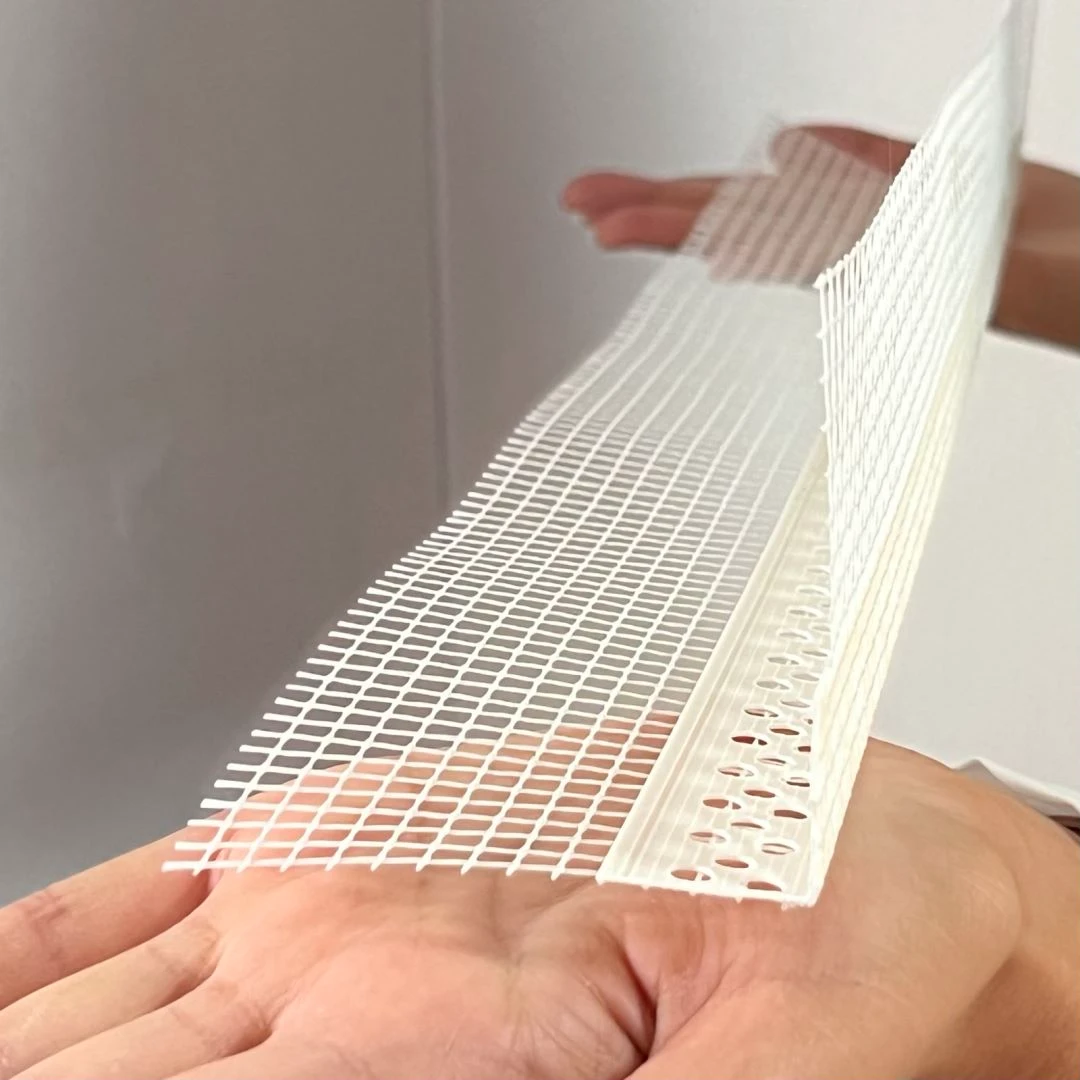
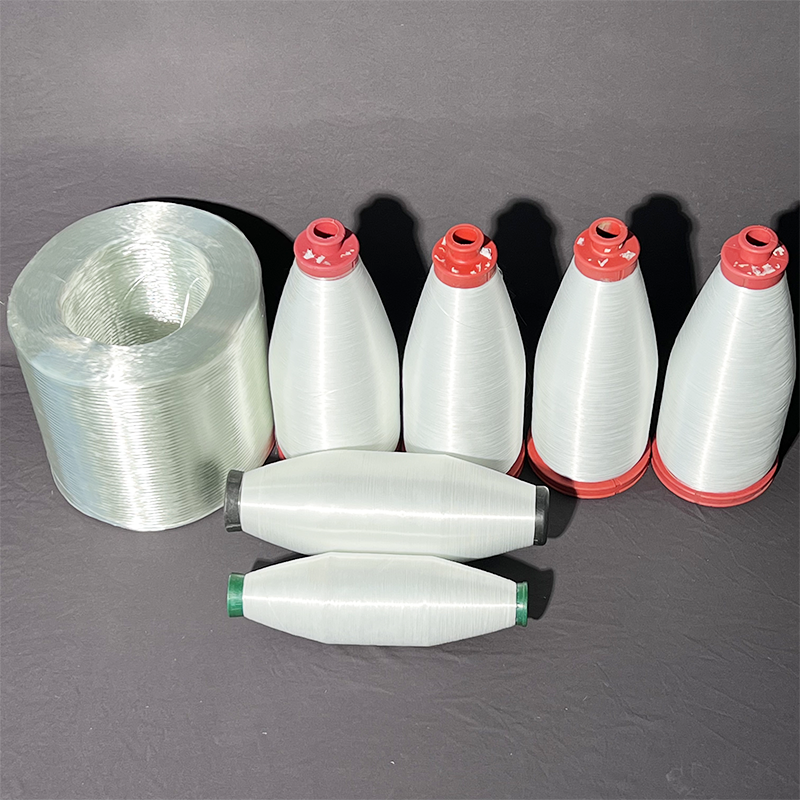
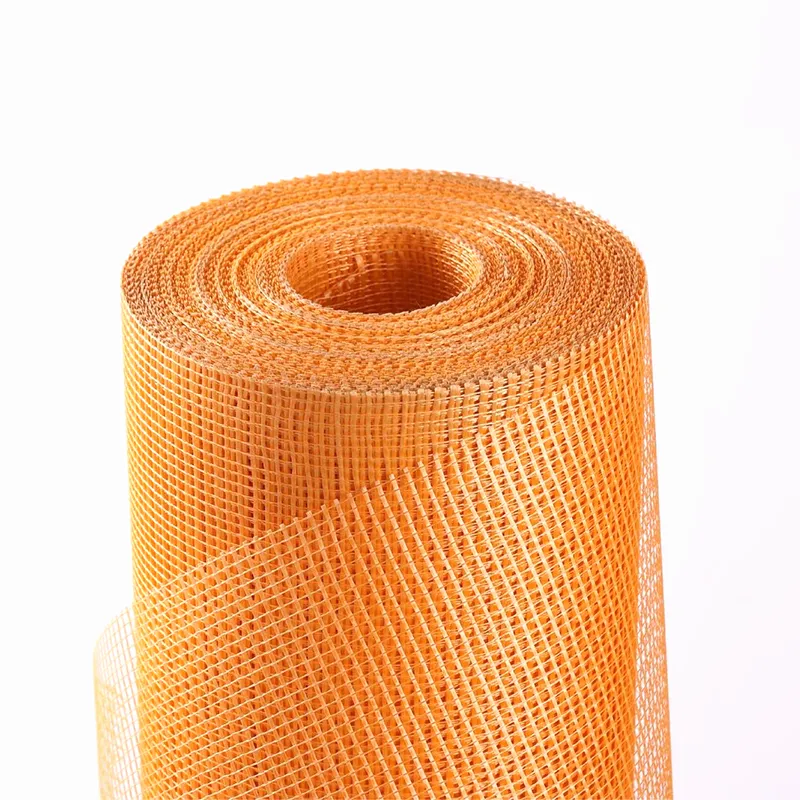
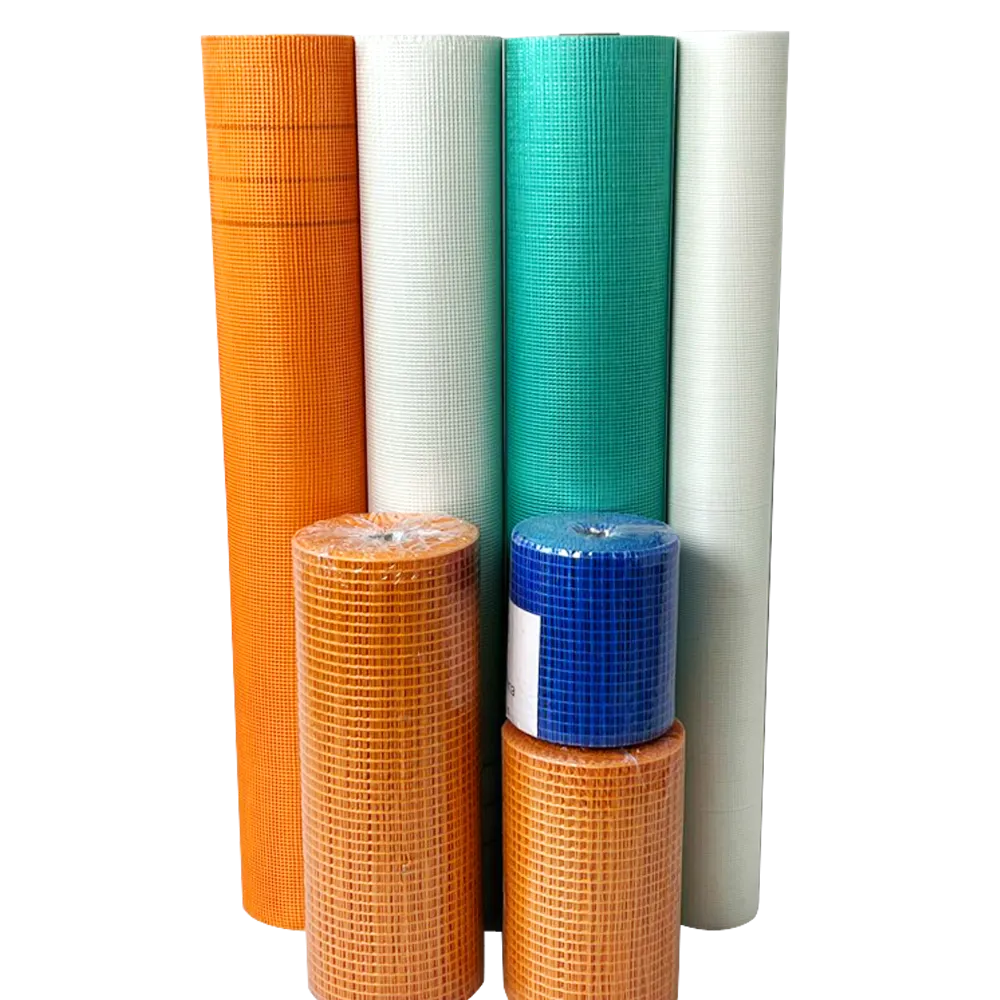
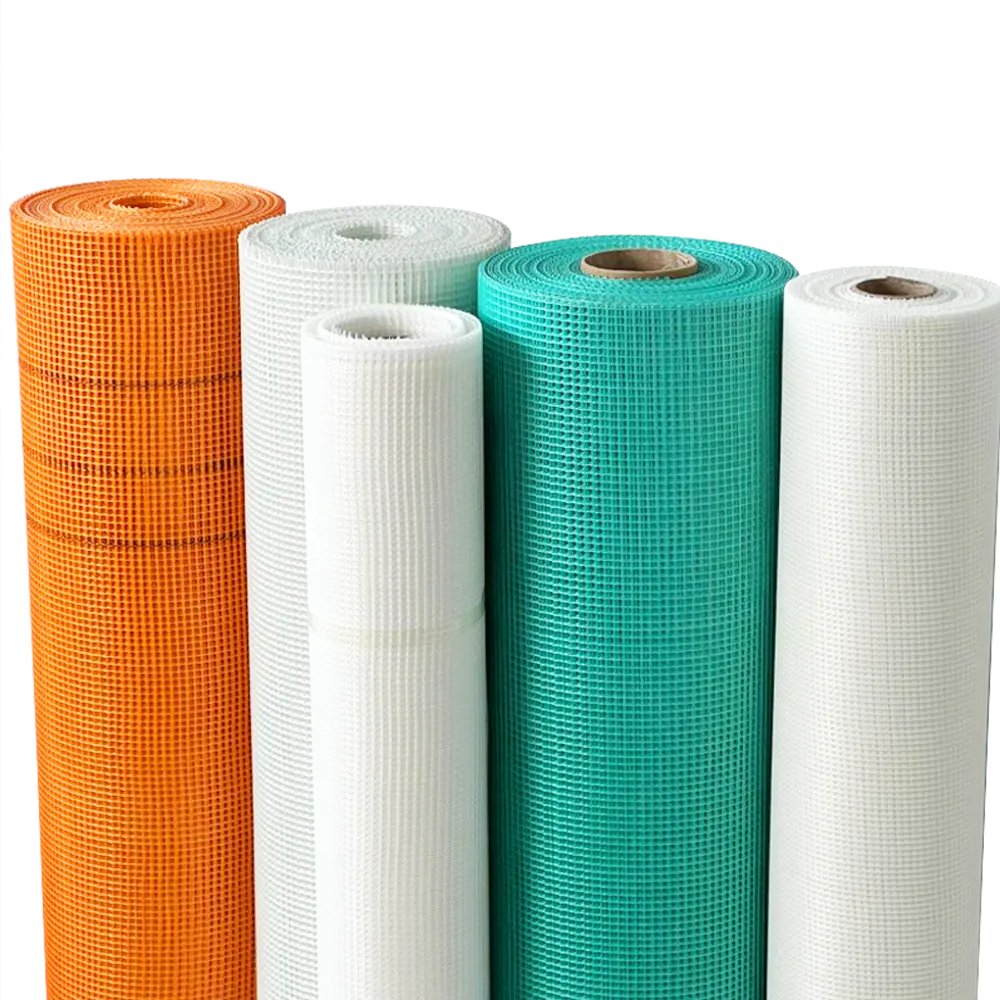
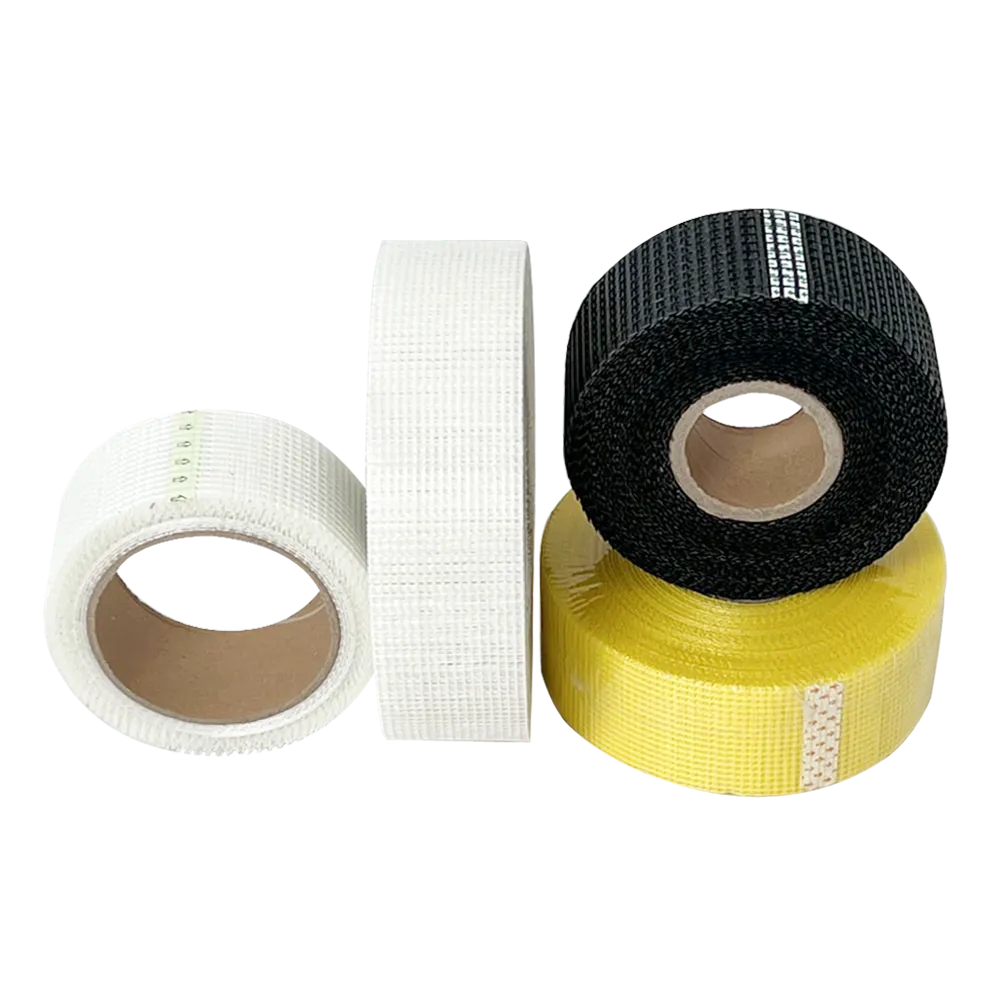
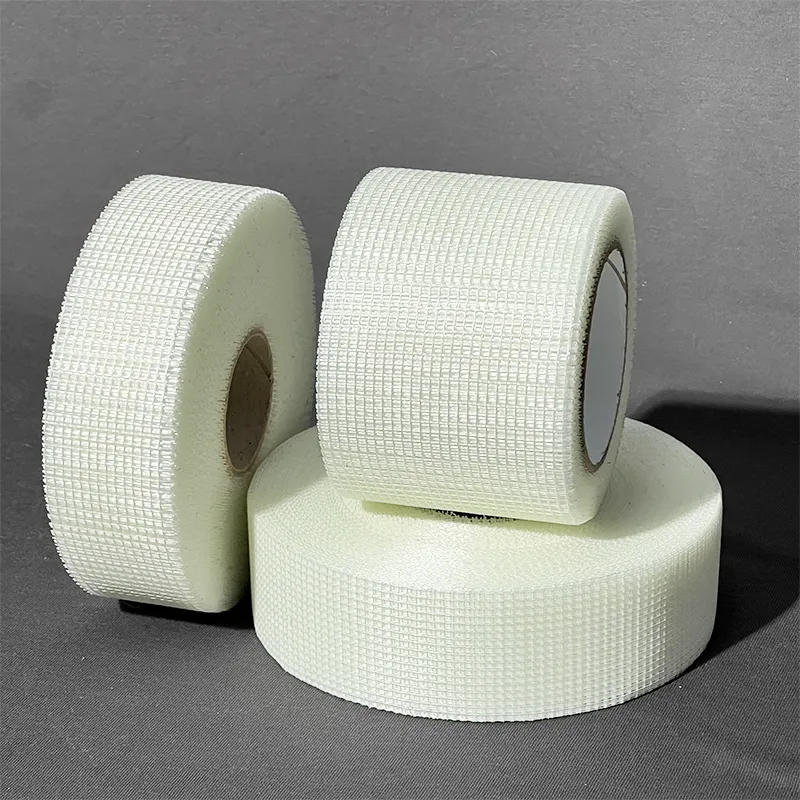
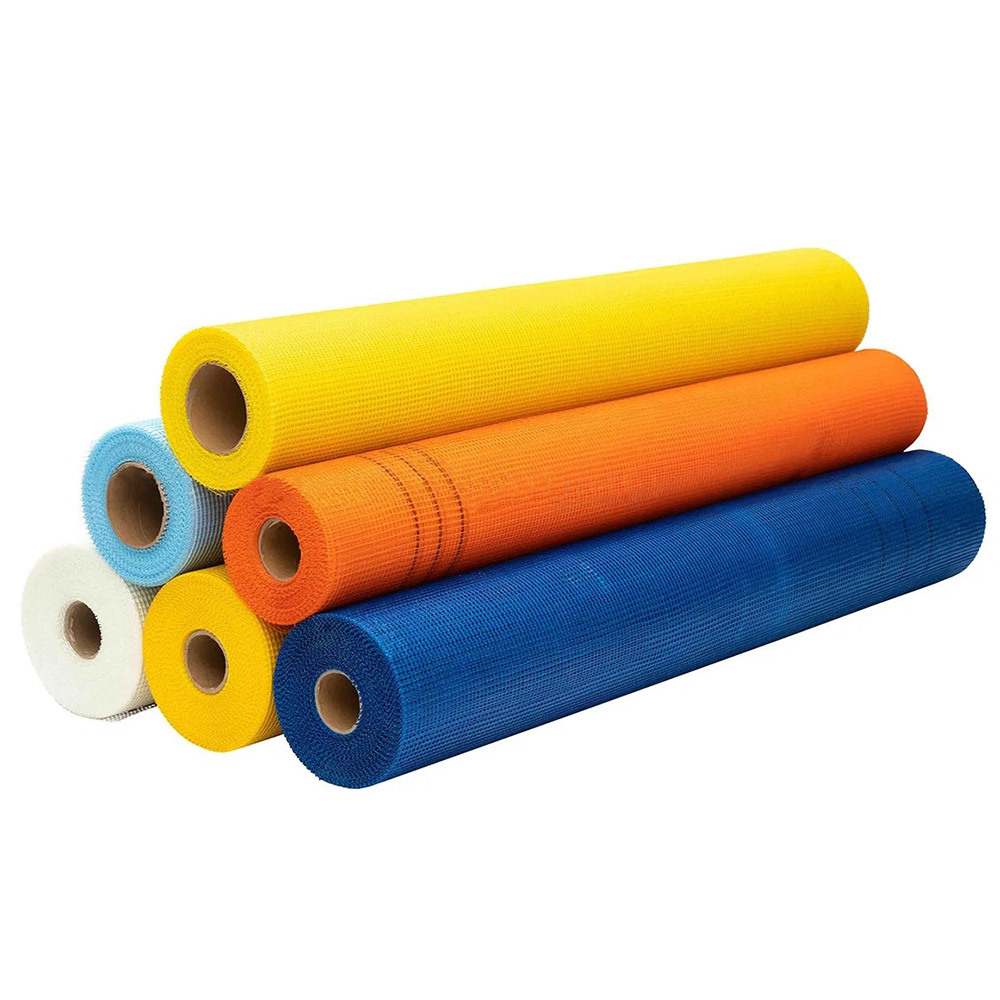
Product name: Factory price alkali resistant fiberglass mesh fiberglass plaster netting. It’s an alkali-resistant mesh woven from C- or E-glass yarn (silicate-based for chemical stability), then coated with an antialkali acrylic system and heat-finished. The result: a reinforcing mesh that embeds cleanly in cementitious plaster, EIFS/ETICS basecoats, and even self-adhesive drywall tapes (yes, there’s a sticky variant) for crack control. Many customers say it “just lays flat” and that’s half the battle on windy scaffolds.
Quick spec snapshot
| Weave | Plain or leno (project-dependent) |
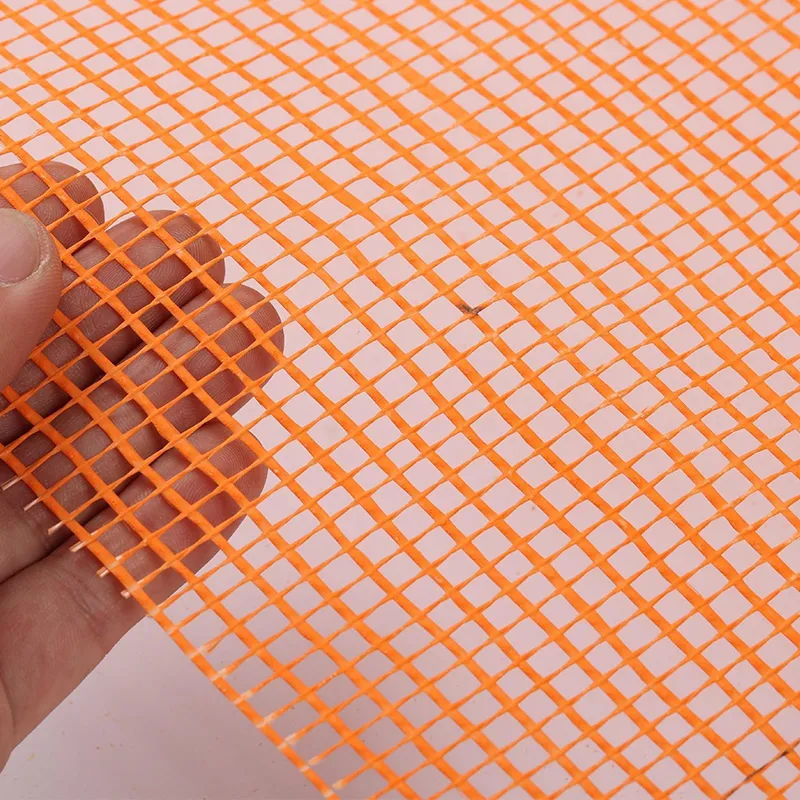
| Mesh size | ≈ 4×4 mm or 5×5 mm |
| Area weight options | 75, 110, 145, 160 g/m² (others on request) |
| Roll size | 1.0 m × 50 m (custom widths 0.2–1.2 m) |
| Coating | Alkali-resistant acrylic with reinforcing agent |
| Tensile (160 g/m²) | ≥ 1700 N/50 mm warp; ≥ 1500 N/50 mm weft; after alkali ≥ 50% retention (EN 13496) |
| Service life | Designed for 25–30 years within ETICS, real-world use may vary |
| Certs/standards | Targets ETAG 004/EAD for ETICS, EN 13496; tested per ASTM D5035 strip method |
How it’s made (process flow)
- Materials: C/E-glass yarn → low-boron, high-silicate for chemical stability.
- Weaving: calibrated loom control for uniform aperture, optional leno lock.
- Coating: antialkali acrylic bath with reinforcing agent; controlled pick-up.
- Heat-finishing: elevated temperature to fix coating and improve handle.
- Testing: tensile strength (ASTM D5035), alkali soak and retention (EN 13496), mass per area (ISO 3801), visual/selvage check.
Where it’s used
- ETICS/EIFS basecoat reinforcement on retrofit facades (big growth area with energy codes).
- Cement stucco and interior plaster crack control.
- Self-adhesive drywall joint and patch tapes (160 g/m² isn’t always necessary—110 g/m² does fine).
- Waterproofing layers (under tile) as secondary reinforcement.
What contractors are saying
It seems that crews appreciate the “no memory” roll—mesh sits flat, corners don’t curl. One façade foreman told me their alkali-retention test “didn’t chalk,” which, to be honest, is all you want at 7 a.m. when the pump’s already running.
Vendor snapshot (real-world buying notes)
| Vendor | Origin | Typical GSM | MOQ | Lead time | Notes |
|---|---|---|---|---|---|
| Tainuo (this product) | Hebei, CN | 75–160 | ≈ 5,000–10,000 m² | 10–20 days | Factory pricing; custom colors/printing |
| European brand A | EU | 145–160 | ≈ 1,000–3,000 m² | 2–4 weeks | Premium cert bundle; higher price |
| Regional importer | Local | 110–145 | By pallet | Stock/spot | Convenient, mixed origins |
Customization
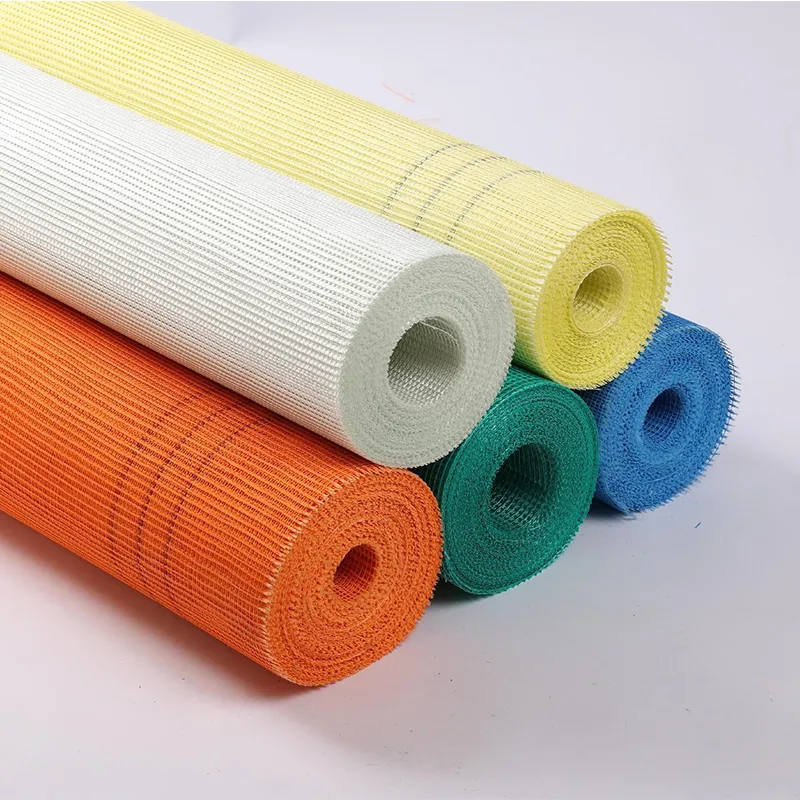
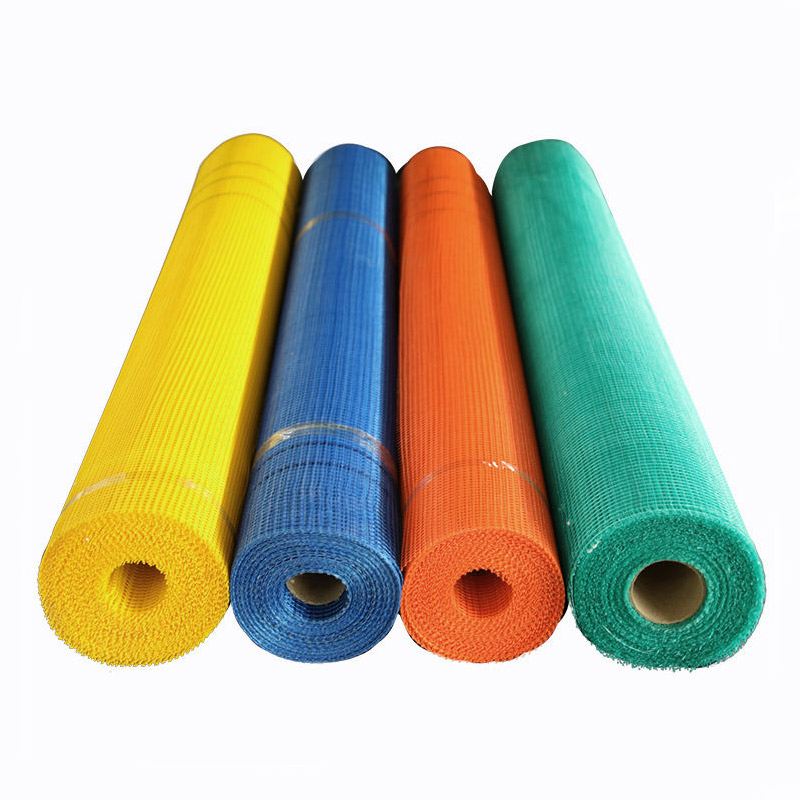
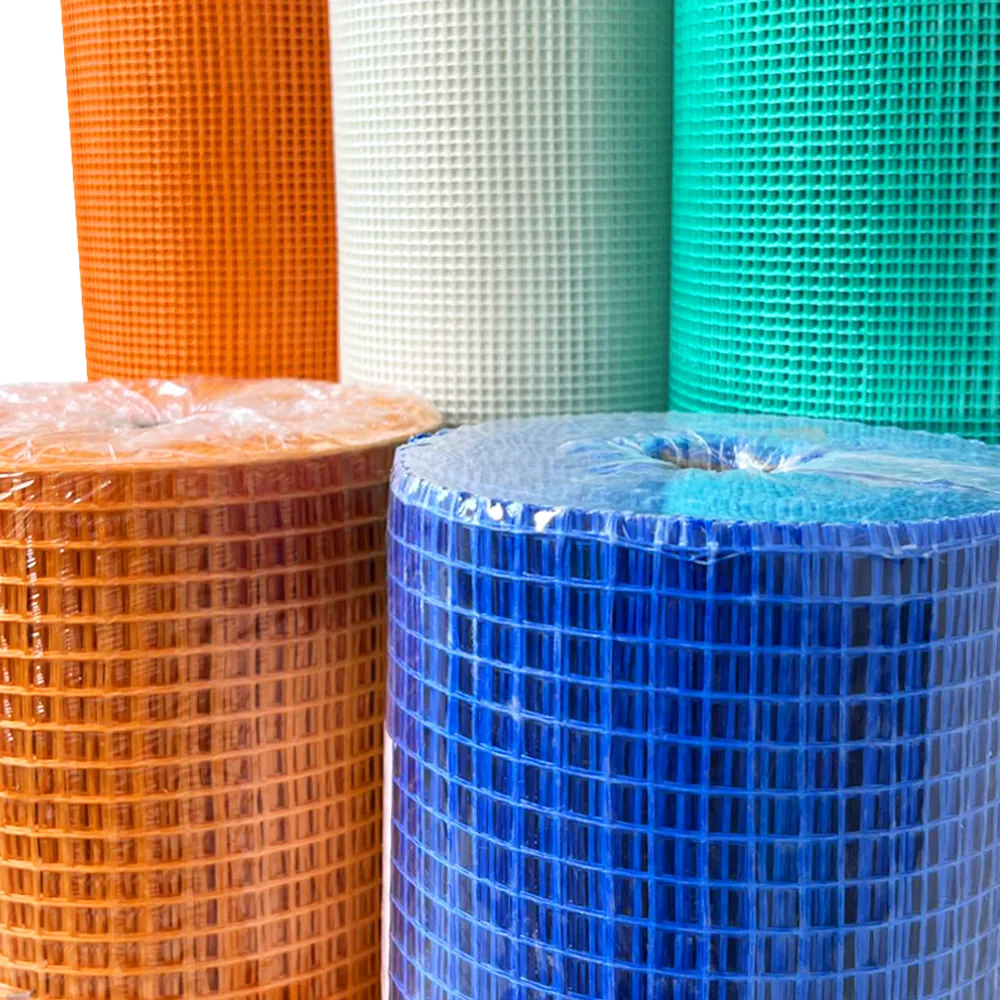
Widths 200–1200 mm, roll length 20–200 m, GSM 60–200, aperture 3.5–6 mm, colors (white, orange, blue), branding on core/wrappers, and self-adhesive coating for tapes. Actually, custom pallets make logistics smoother for multi-site contractors.
Mini case notes
- Coastal hotel retrofit (ETICS): 160 g/m², 5×5 mm mesh. After 28-day cure, pull-off values stayed within spec, no telegraphed cracks after the first storm season.
- Distribution center repairs: self-adhesive tape variant on gypsum partitions; teams liked the tack and reduced blisters.
Bottom line: for teams ready to Buy Adhesive Fiberglass Mesh, look for real EN 13496 data, post-alkali retention numbers, and consistent coating pick-up. This Renqiu-sourced mesh hits the practical balance—good strength, easy embed, fair price.
References
- EAD 040083-00-0404: External Thermal Insulation Composite Systems (ETICS), European Organisation for Technical Assessment.
- EN 13496: Thermal insulation products for building applications—Determination of tensile strength of glass fibre meshes.
- ASTM D5035: Standard Test Method for Breaking Force and Elongation of Textile Fabrics (Strip Method).
- ETAG 004 (Historical): Guideline for European Technical Approval of ETICS.
-
High Strength Self Adhesive Fibreglass Mesh Tape for ConstructionNewsJul.01,2026
-
High Quality Adhesive Fibreglass Mesh for Modern ConstructionNewsJun.29,2026
-
Professional Guide to High Strength Glass Fiber Joint TapeNewsJun.27,2026
-
Professional Fibreglass Tape for Plasterboard Joint Repair GuideNewsJun.26,2026
-
Professional Guide to Seamless Walls using fiberglass drywall tapeNewsJun.25,2026
-
How to Choose the Best Plaster Net Companies for Your ProjectNewsJun.23,2026