Oct . 27, 2025 11:40 Back to list
Buy Adhesive Fiberglass Mesh — High-Strength, Self-Stick
A Field Insider’s Guide to Buy Adhesive Fiberglass Mesh for Walls
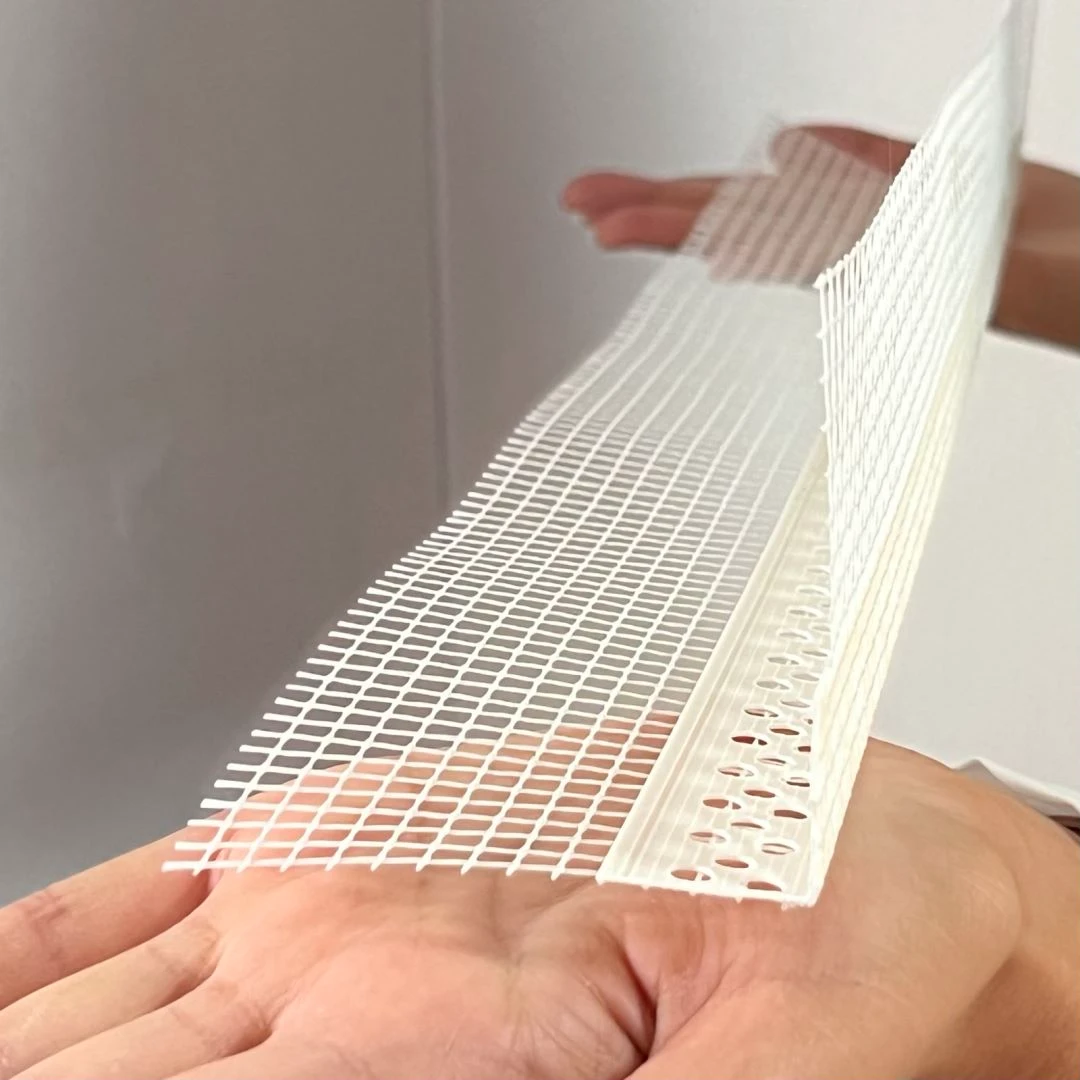
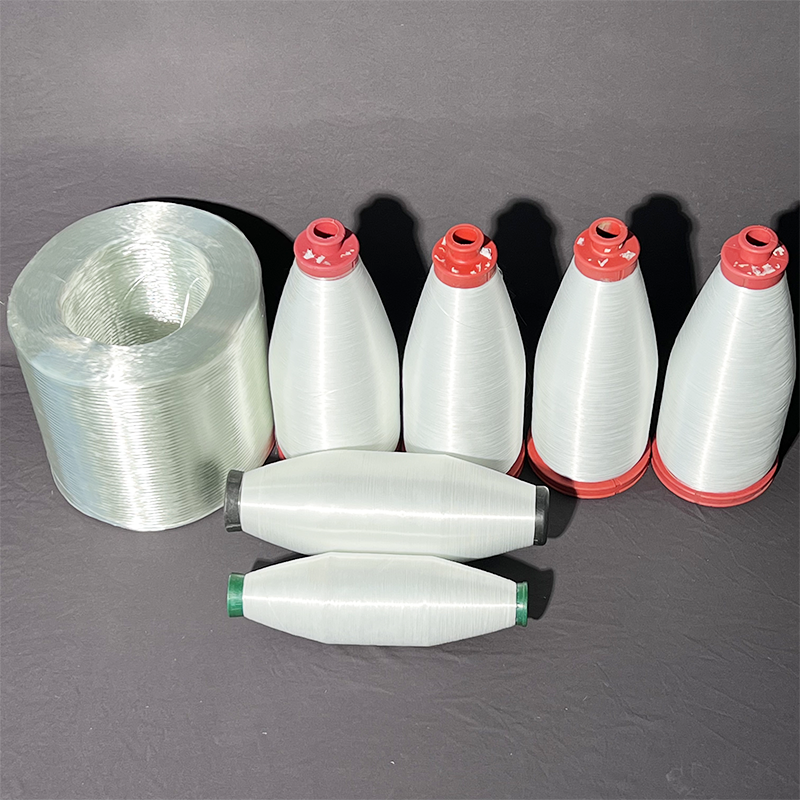
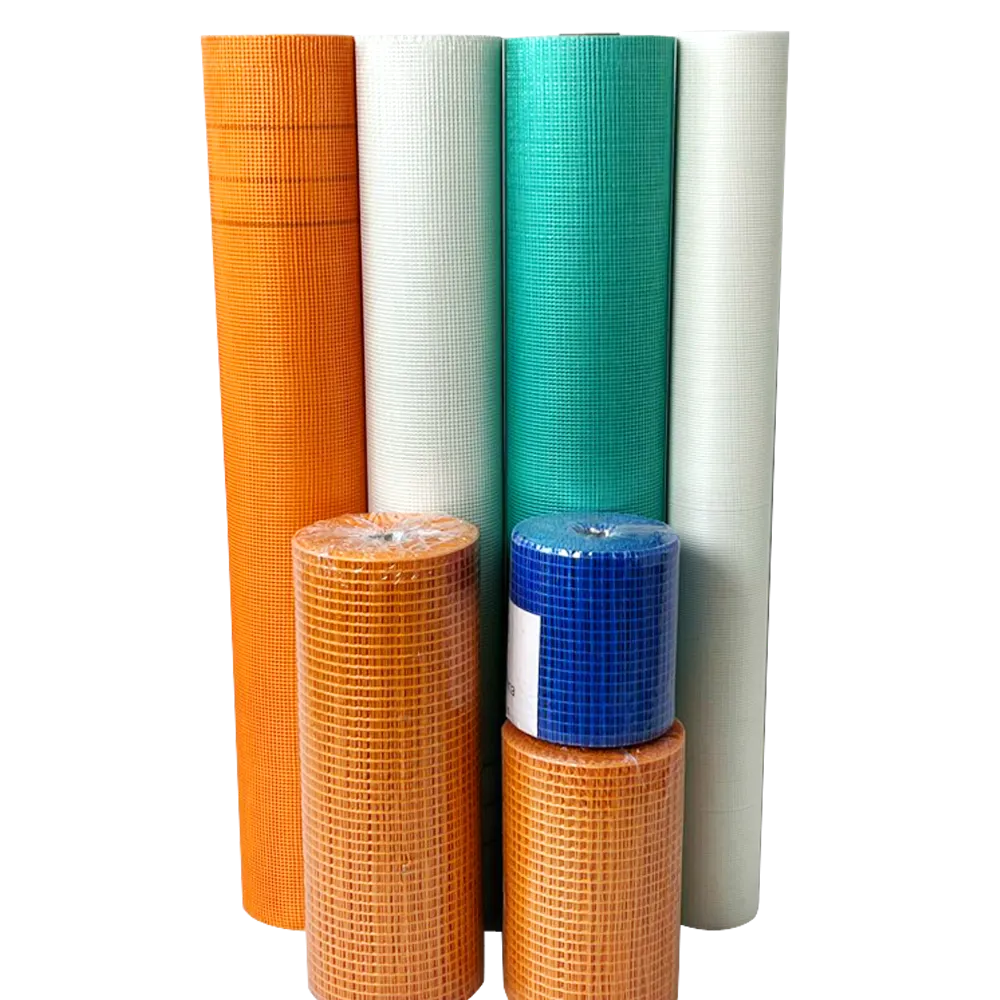
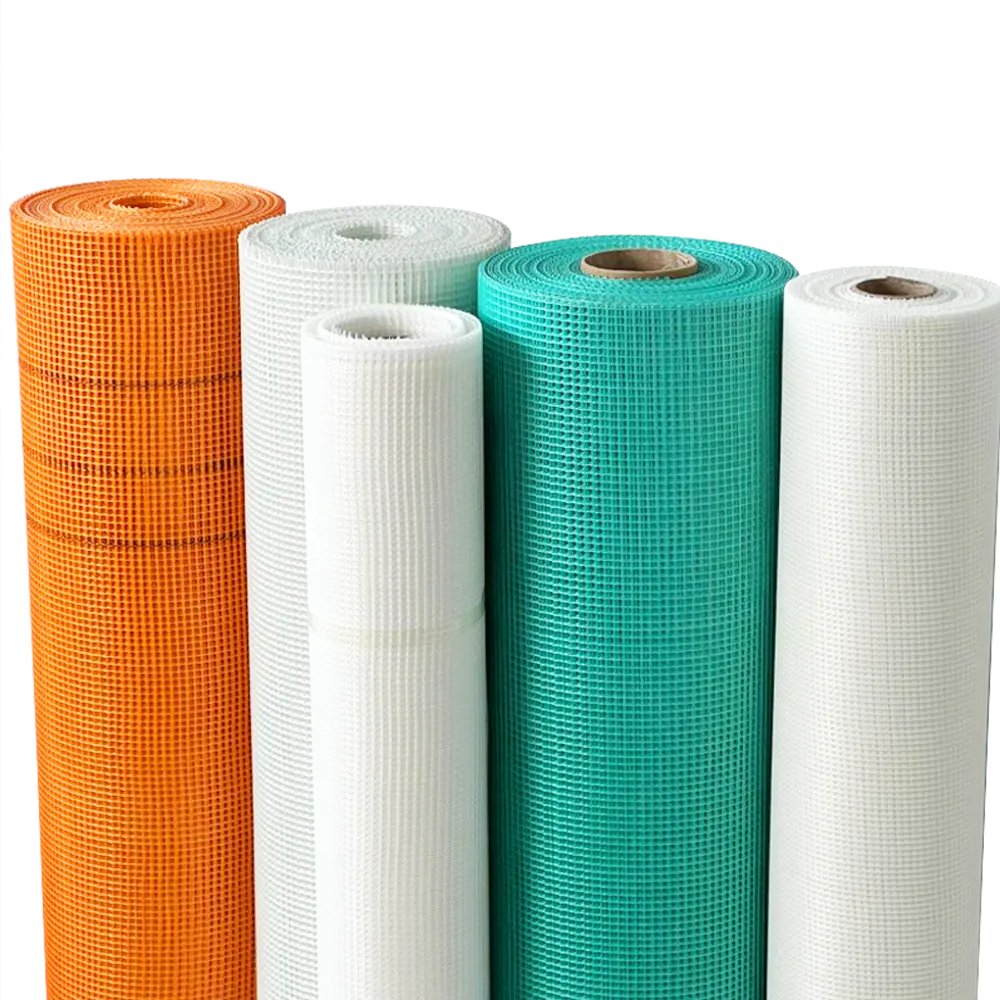
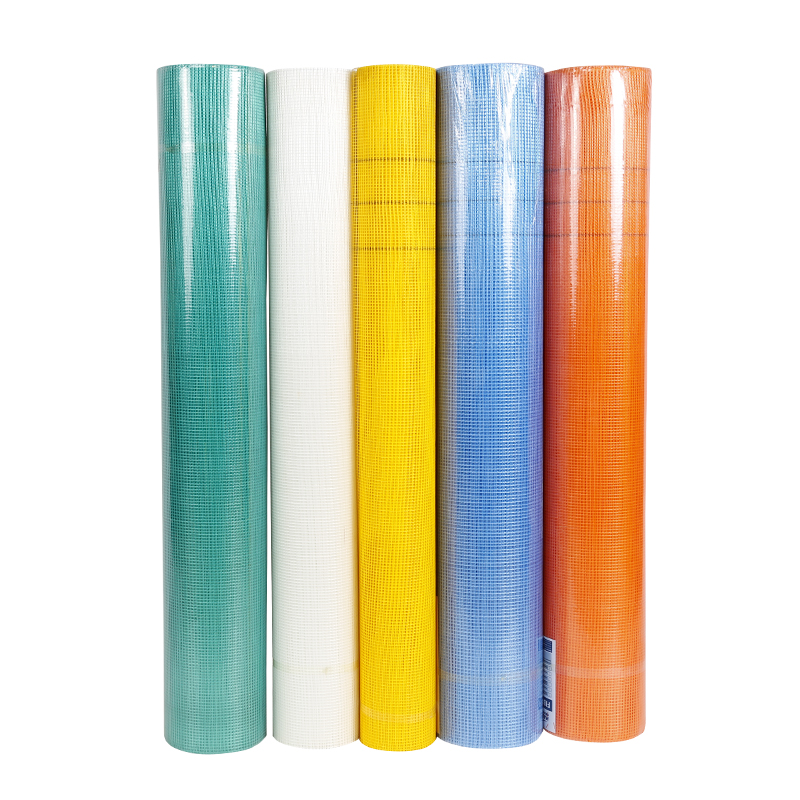
If you’re ready to Buy Adhesive Fiberglass Mesh, here’s the straight talk from job sites and factory floors. This particular mesh—an alkali-resistant, high-temperature fiberglass fabric—comes out of Xiaomen Village, Yilunbao Township, Renqiu City, Hebei Province, China. I’ve seen it in EIFS/ETICS, interior drywall joints, and honestly, more renovation projects than I can count. In practice, the combination of E-glass yarn, robust alkali coating, and consistent weave makes the difference between clean, crack-free finishes and callbacks.
What’s driving the trend?
Construction is going lighter, faster, warmer. ETICS is booming in Europe and catching up elsewhere; contractors ask for alkali-resistant mesh that won’t degrade in cementitious systems. Another shift: demand for self-adhesive variants (mesh tapes and rolls) to speed up interior jointing—less mess, fewer steps. Also, sustainability is not just buzz: longer service life and stable chemistry reduce waste. To be honest, many customers say they’ll pay a bit more for mesh that doesn’t fuzz, fray, or slip under the trowel.
Product snapshot (real-world specs)
| Name | High temperature resistant fiberglass mesh for wall |
| Fiber Type | C/E-glass yarn (silicate base), alkali-resistant coating |
| Typical Grammage | ≈ 145–160 g/m² (options 75–200 g/m² available) |
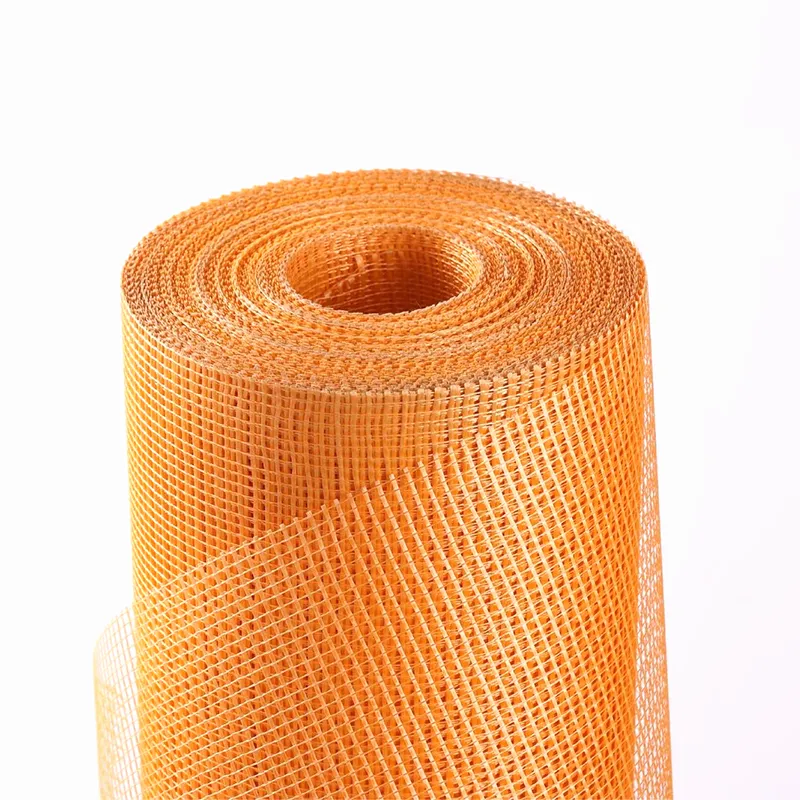
| Mesh Size | 4×4 mm or 5×5 mm (custom on request) |
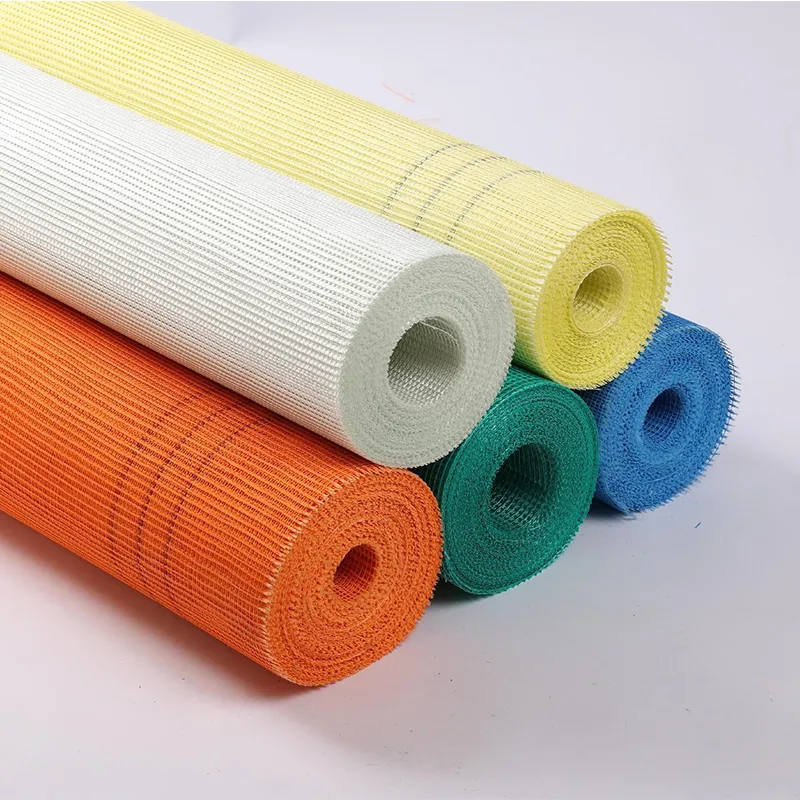
| Roll Size | 1.0 m × 50 m (others available) |
| Tensile Strength | ≈ 1750–2000 N/50 mm (after alkali aging ≥ 1250 N/50 mm) |
| Temperature Resistance | Suitable for high-temp finishing; coating stability verified in lab tests |
From materials to site: how it’s made and tested
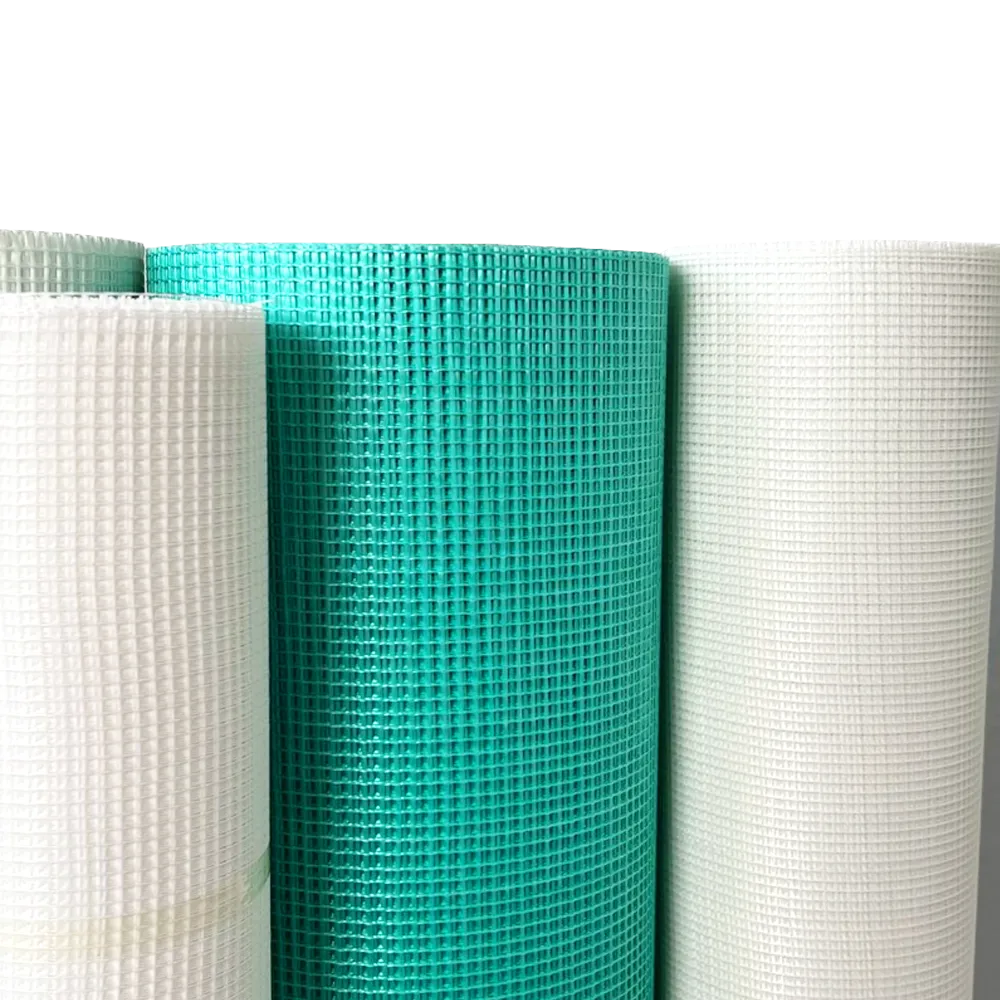
Materials: E-glass yarn is woven, then coated with an alkali-resistant, reinforcing polymer. Methods: controlled weave density, heat setting, and high-temp finishing for dimensional stability. Testing: tensile strength (warp/weft), alkali retention per ETICS guidance, coating consistency, weight uniformity. Typical standards referenced: ASTM D5035 for tensile, ETAG 004/EAD for ETICS mesh aging, EN 13496 for reinforcement properties. Service life: ≈ 25–50 years when embedded in compliant systems; yes, real-world use may vary with mortar chemistry and climate.
Where it excels
- Exterior insulation systems (EIFS/ETICS), basecoat reinforcement
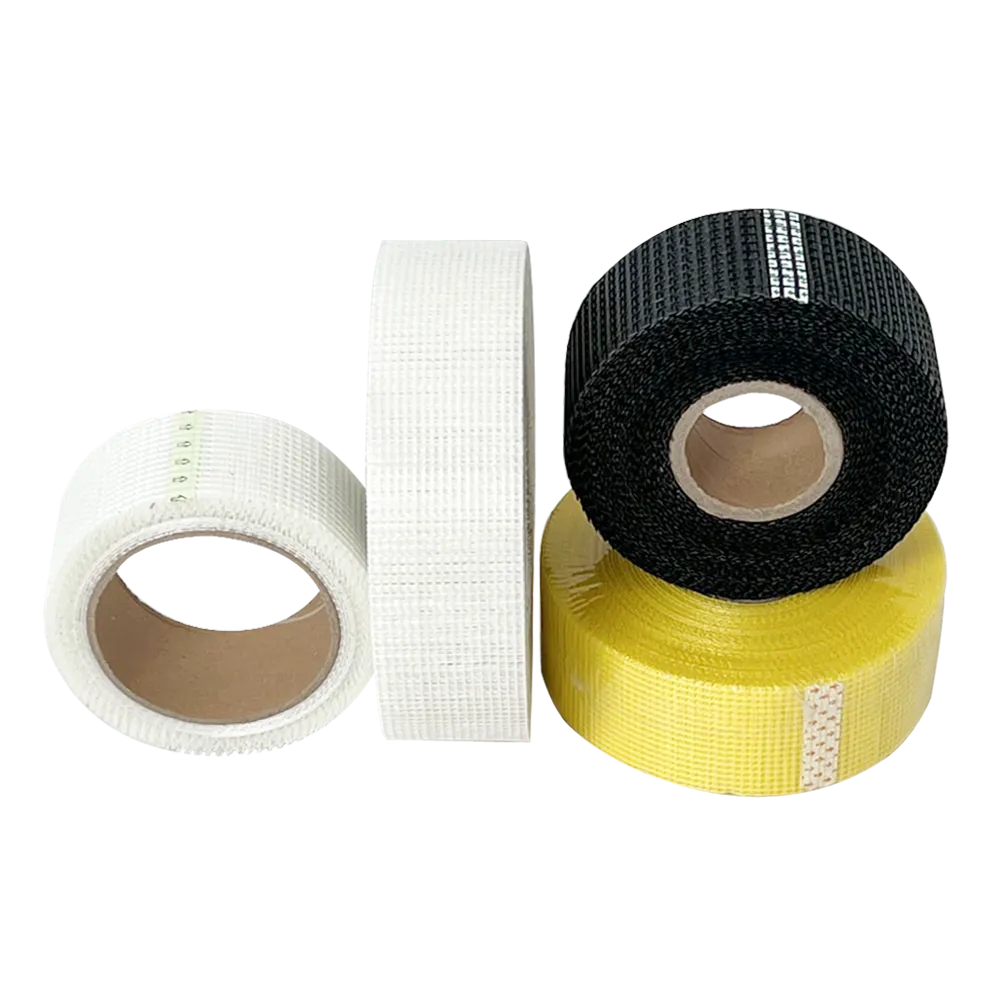
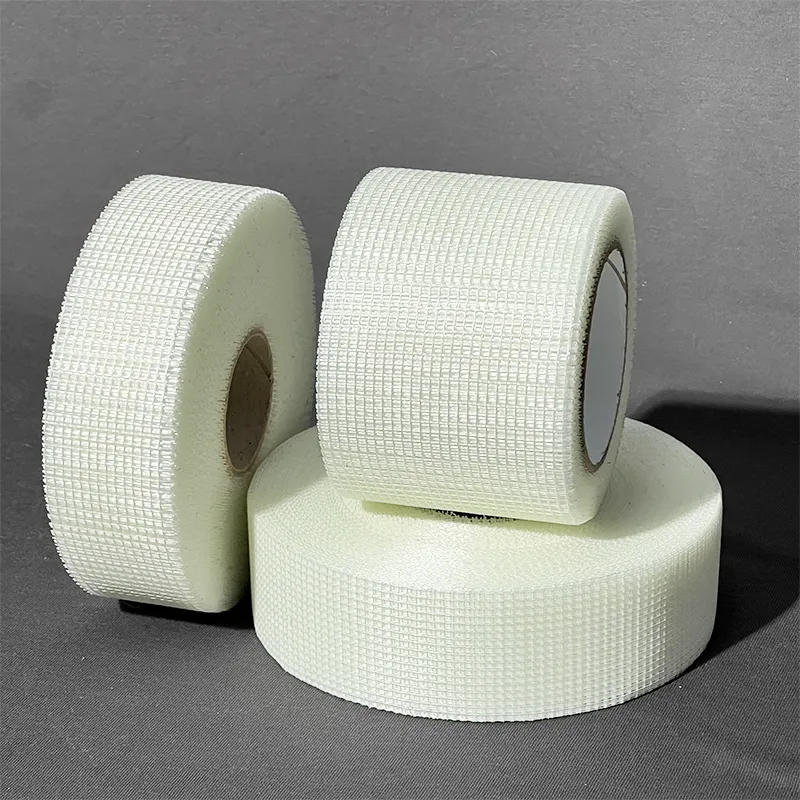
- Interior drywall jointing and crack-bridging (self-adhesive tapes available)
- Plastering over masonry or concrete, façade repairs, decorative finishes
- Industries: residential, commercial, modular/offsite builds, public infrastructure retrofits
Customization (the practical options)
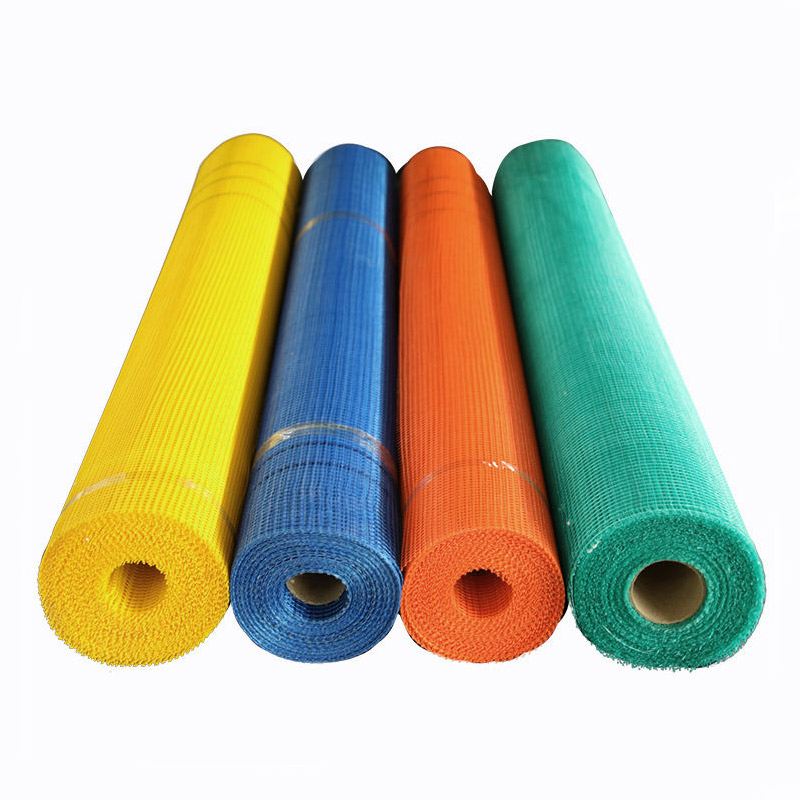
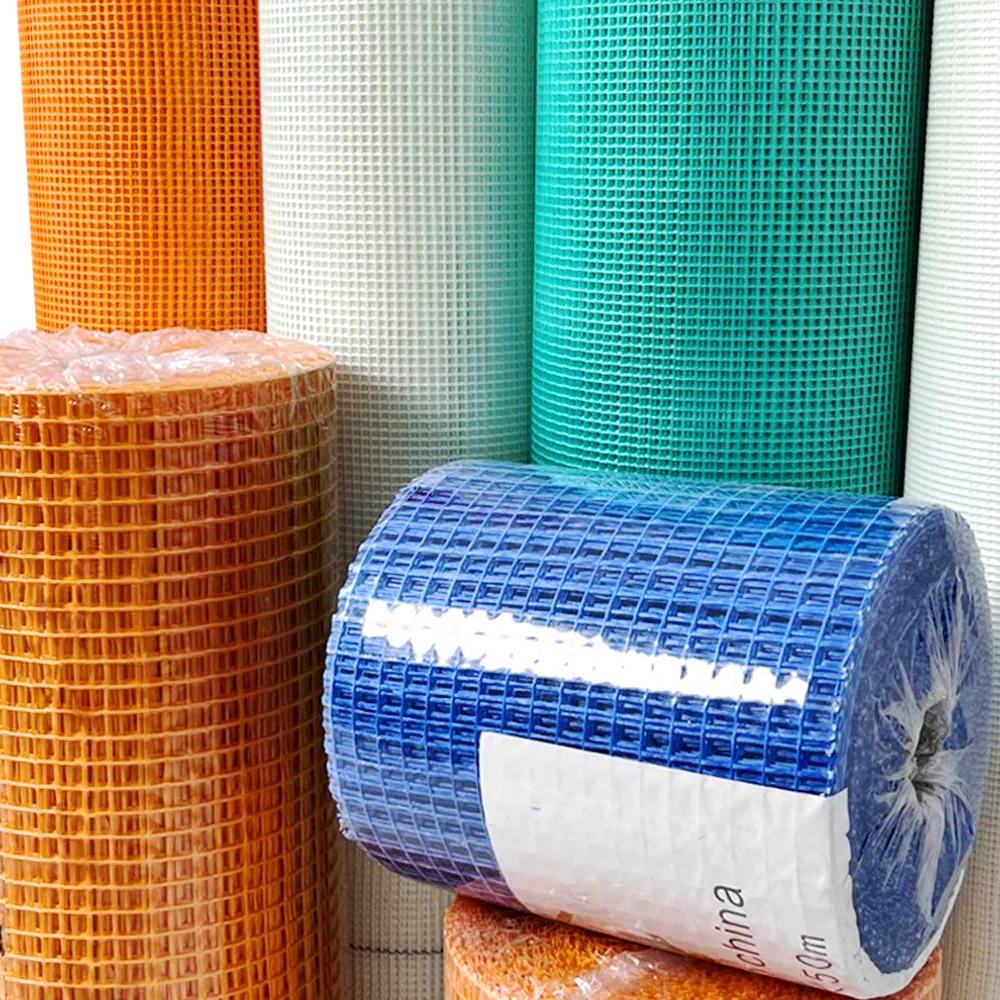
Grammage, mesh size, roll width/length, color coding, and yes—self-adhesive coating for faster drywall work. Private-label packaging and pallet programs for distributors are common. Certifications: many buyers ask for ISO 9001 factory QA and CE documentation for ETICS—available on request.
Vendor comparison (what I watch for)
| Vendor | Strength after Alkali Aging | Coating Consistency | Lead Time |
|---|---|---|---|
| Tainuo (Hebei) | High (≈ ≥1250 N/50 mm) | Stable; low fuzz, uniform lay | Fast; export-ready |
| Generic Mill A | Medium | Variable by batch | Unclear |
| Importer B | Medium–High | Good, but price premium | Stock-dependent |
Case notes from the field
A Balkan façade team told me their ETICS basecoat pull-off tests improved when they switched to a heavier 160 g/m² mesh—less crack telegraphing after freeze–thaw. In a U.S. renovation, a drywall crew praised the self-adhesive version for speeding corner repairs by ≈ 20%. Another customer mentioned fewer long-term hairline cracks around window jambs, which—let’s be honest—is where most systems show stress first.
If you plan to Buy Adhesive Fiberglass Mesh for high-temp or high-alkali environments, check three things: post-alkali tensile strength data, weave uniformity, and whether the supplier can provide ETICS-compliant documentation. When those line up, you get smooth troweling, predictable embedment, and a finish that stays put.
Quick testing checklist
- Tensile (warp/weft) initial and after alkali aging
- Coating mass and penetration uniformity
- Dimensional stability after heat setting
- System compatibility with your basecoat/plaster
Ready to specify? Ask for the latest datasheet, a roll sample, and alkali-aging test curves. Then you can confidently Buy Adhesive Fiberglass Mesh that matches your system—not the other way around.
Authoritative references
- ASTM D5035 – Standard Test Method for Breaking Force and Elongation of Textile Fabrics [Strip Method].
- ETAG 004 / EAD 040083-00-0404 – External Thermal Insulation Composite Systems (ETICS) with rendering.
- EN 13496 – Thermal insulation products for buildings; determination of tensile properties of reinforcement.
- ISO 9001 – Quality management systems, for manufacturing process control.
-
High Strength Self Adhesive Fibreglass Mesh Tape for ConstructionNewsJul.01,2026
-
High Quality Adhesive Fibreglass Mesh for Modern ConstructionNewsJun.29,2026
-
Professional Guide to High Strength Glass Fiber Joint TapeNewsJun.27,2026
-
Professional Fibreglass Tape for Plasterboard Joint Repair GuideNewsJun.26,2026
-
Professional Guide to Seamless Walls using fiberglass drywall tapeNewsJun.25,2026
-
How to Choose the Best Plaster Net Companies for Your ProjectNewsJun.23,2026