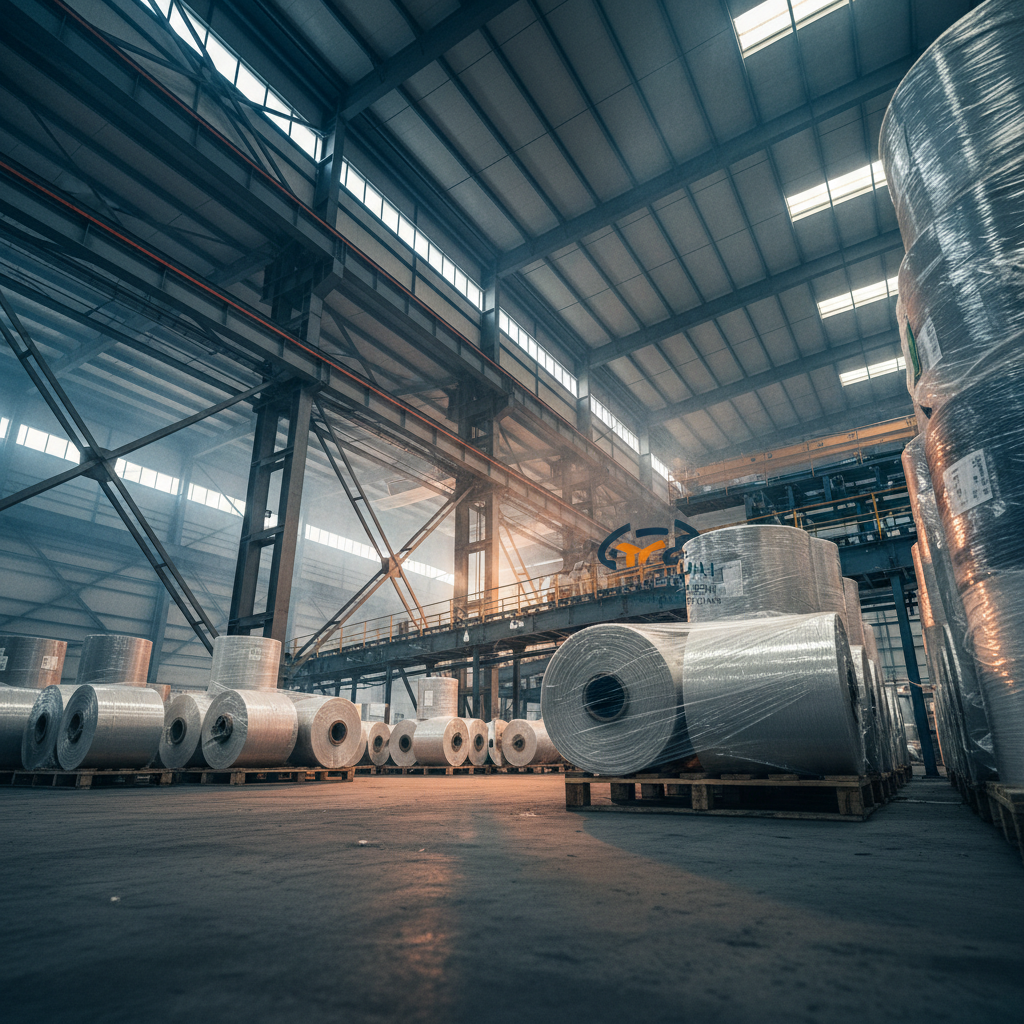
Alkali Resistant Construction Fiberglass Mesh Net Pricelist
Selecting the right reinforcement material for construction projects requires a balance between technical performance and budgetary constraints. High-quality alkali-resistant fiberglass mesh serves as a critical component in modern EIFS (Exterior Insulation and Finishing Systems) and wall reinforcing, preventing cracks and enhancing structural integrity. For procurement managers and engineers, finding a reliable fiberglass mesh net pricelist is often the first step in optimizing project costs without compromising on quality.
Manufactured from C or E glass fiber yarn and treated with specialized anti-alkali agents, these meshes are engineered to withstand the corrosive nature of cement and plaster. Whether you are renovating a building surface or installing artificial stone, understanding the correlation between mesh weight, aperture size, and the final durability of the wall is essential for long-term success in the non-metallic mineral products industry.

The Technical Composition of Alkali-Resistant Reinforcement Fabrics
The effectiveness of fiberglass mesh depends heavily on its chemical stability. Standard glass fibers can degrade when exposed to the high alkaline environment of cement; therefore, the use of alkali-resistant (AR) glass is mandatory. This material is produced using a special weaving technique and subsequently coated with reinforcing agents and heat-finished at high temperatures to ensure maximum stability.
Key technical characteristics include:
- Chemical Stability: Excellent resistance to acid, water, and cement erosion.
- Mechanical Strength: High modulus and high strength while remaining lightweight.
- Dimensional Stability: The mesh remains flat and resistant to contraction or deformation during the curing process of the plaster.
- Physical Properties: Naturally anti-mildew, insect-repellent, and provides effective heat and sound insulation.
By utilizing these properties, contractors can ensure that the reinforcing layer does not degrade over time, effectively extending the lifecycle of the building's facade.

Critical Application Scenarios in Modern Engineering
Fiberglass reinforcement is not a one-size-fits-all solution; different construction scenarios require specific mesh configurations. In wall reinforcing, the mesh is typically embedded within the base coat of an insulation system to distribute stress and prevent surface cracking. This is particularly vital for EPS internal wall insulation boards and gypsum boards where flexibility and softness are required to conform to the surface.
Beyond basic walling, this material is widely utilized in:
- Cementitious Products: Strengthening Roman columns, flues, and GRC (Glass fiber Reinforced Concrete) wall panels.
- Stone Backing: Serving as a backing net for natural marble, granite, and mosaic tiles to prevent detachment.
- Waterproofing: Integrating with asphalt roofing and waterproof rolling materials to add tensile strength.
- Specialized Industry Use: Application in fire prevention boards, grinding wheel base cloths, and earthwork grilles for road surfaces.
For those researching the broader science of these materials, visiting the fiberglass mesh net pricelist documentation can provide a deeper understanding of global standards.
Procurement Guidelines for Global Buyers and Distributors
When evaluating suppliers, buyers must look beyond the initial quote. The consistency of the weave and the quality of the anti-alkali coating are the primary determinants of performance. Tainuo Fiberglass Mesh Factory, with its integrated R&D and production capabilities, offers OEM and ODM services to meet specific project requirements, ensuring that the delivered product matches the technical data sheet.
Considerations for procurement include:
- Weight Specifications: Ranging from 60g/m² to 300g/m², where higher weights generally offer more reinforcement but different flexibility.
- Mesh Size: Common apertures like 4x4mm or 5x5mm affect the bonding strength with the cementitious matrix.
- Customization: The ability to customize width and length (e.g., 1m width, 50m or 100m rolls) reduces waste on site.
- Certification: Ensuring the factory holds CE certificates is crucial for projects in the EU, USA, and Middle East markets.
A professional supplier will provide samples before mass production to guarantee that the quality remains consistent from the sample stage to the final shipment.
Technical Specification and Suitability Matrix
| Mesh Weight (g/m²) | Recommended Application | Tensile Strength | Flexibility Level |
|---|---|---|---|
| 60 - 90 | Gypsum Board / Interior Walls | Moderate | High |
| 110 - 160 | Standard EIFS / Exterior Plaster | High | Medium |
| 180 - 220 | GRC Panels / Heavy Duty Walls | Very High | Medium-Low |
| 240 - 300 | Industrial Flooring / Stone Backing | Maximum | Low |
| Customized | Specialized Engineering Projects | Variable | Application-Dependent |
Ensuring Quality Control in Large-Scale Production
Reliability in construction materials stems from the manufacturing process. At the production base, the use of advanced fiberglass yarn production lines ensures that the filaments are uniform. Any inconsistency in the yarn can lead to "weak spots" in the mesh, which may eventually manifest as cracks in the finished wall.
The quality control process focuses on several key checkpoints:
- Coating Uniformity: Ensuring the anti-alkali agent covers every fiber completely.
- Heat Treatment: Proper temperature control during the finishing stage to lock in the chemical properties.
- Weaving Precision: Monitoring the mesh size to prevent deviations that could affect the resin bond.
- Packaging Integrity: Utilizing plastic bags and woven bags to prevent moisture contamination during sea freight.
For international clients, prompt delivery and responsive sales support are as important as the product itself. A structured production schedule helps in coordinating logistics for large-scale infrastructure projects across South East Asia and Europe.
Future Trends in Fiberglass Reinforcement Technology
The industry is moving toward more sustainable and higher-performance materials. We are seeing an increase in demand for self-adhesive mesh tapes that simplify the installation process for seaming and jointing, reducing labor costs and installation time on the job site.
Key trends shaping the market include:
- Integration with Green Building: Developing meshes that complement eco-friendly insulation materials to improve energy efficiency.
- Enhanced Durability: Research into new coating agents that provide even higher resistance to extreme weather conditions.
- Precision Customization: Moving toward highly specific weights and sizes tailored for 3D printing in construction (Concrete Printing).
As building standards evolve, the role of fiberglass reinforcement will expand from simple crack prevention to active structural enhancement, making the selection of a technically competent manufacturer more critical than ever.
Frequently Asked Questions About Fiberglass Mesh
Are you a factory or a trading company?
We are a professional manufacturer. Tainuo Fiberglass Mesh Factory is an integrated enterprise integrating research, production, development, and sales, operating a large-scale production base in North China.
What is the minimum order quantity (MOQ) for these products?
There is no strict MOQ; 1 piece is acceptable. We welcome small orders to allow clients to test our quality before committing to larger volumes.
How long does production typically take?
If the items are in stock, we can deliver within 5 days. For custom production, the typical lead time is 7 to 10 days after receiving the advance payment.
Can you provide customized specifications for a specific project?
Yes, we welcome OEM and ODM orders. We can customize the material, color, length, width, and mesh size (e.g., 4x4mm, 5x5mm, 6x6mm) and weight (60-300g/m²) to meet your engineering requirements.
How is the mesh packaged for international shipping?
We offer two primary methods: either one roll in a plastic bag with two rolls per woven bag, or one roll in a plastic bag with 6 to 8 rolls packed into a sturdy carton.
What makes your mesh "alkali resistant"?
Our mesh is made of C or E glass fiber yarn and is coated with a specialized anti-alkali reinforcing agent and treated with high-temperature heat finishing, preventing the cement's alkalinity from eroding the fibers.
Technical References and Industry Sources
- Overview of Fiberglass Mesh Materials
- ISO Standards for Construction Materials
- ASTM International Technical Specifications
- CE Certification Requirements for Building Products
Whether you are looking for a competitive bulk quote or a specific technical configuration, our team is ready to provide expert advice on product selection and application to ensure your construction project meets the highest industry standards.
Related Articles